Last updated: Apr 19, 2026
Orchard Park sits in Erie County's Southtowns, where lake-effect bands off Lake Erie can produce heavy, localized snow that loads roofs unevenly from one storm to the next. That means your roof isn't dealing with a uniform snowdrift every year; it's faced with shifting pockets of weight, which can push weak points faster than you expect. If your attic lacks adequate ventilation, those warm pockets melt and refreeze, turning soft ice into stubborn ice dams that back up against shingles and flashing. Keep this in mind as you inspect for signs of sagging, granular loss, or dark streaks near eaves-these can be early hints of uneven load and creeping damage.
Western New York experiences cold winter stretches followed by brief thaws that trigger repeated freeze-thaw cycling. Those cycles widen small flashing gaps and expose aging shingle seals to repeated stress. In practical terms, you're looking at gaps around chimneys, vents, and where valleys meet. Even seemingly minor gaps can become channels for water intrusion when snowmelt refreezes behind them. This is why a robust, continuous seal around every penetration matters more here than in milder climates. If you've noticed granule loss or hairline cracks along the rake and edge components after a heavy thaw, that's your warning flare.
Replacement planning in Orchard Park is commonly pushed into late spring through early fall because winter snow cover, ice, and weather interruptions complicate tear-off and dry-in scheduling. The window may feel long, but the risk of delays during harsh late-season storms can leave you vulnerable to another brutal lake-effect event before the roof is truly protected. Plan to align reroofing with the best possible conditions for long-term sealing and ventilation. If you're due for a full replacement, anticipate a schedule that prioritizes uninterrupted dry-in periods, with a clear plan for contingencies if a sudden cold snap interrupts work.
In this climate, roof ventilation isn't cosmetic-it's a critical defense against ice dam formation and deck rot. An effective setup keeps attic temperatures closer to outdoor air, reducing the number of warm spots that drive meltwater toward the eaves. Check that soffit intake and ridge exhaust are both functioning well, and that insulation is thick enough to limit warm attic air from warming the underside of the roof deck. When a roofer talks about "ventilation strategy," listen for continuous, planned details rather than a quick fix. In this area, where bands can drop heavy snows with little warning, steady airflow over the entire surface pays off.
Small flashing gaps widen quickly in a lake-effect environment. Pay special attention to step flashing along walls, transition points where metal meets shingles, and the perimeters around skylights or dormer overhangs. If you notice damp spots on ceilings below these areas after a thaw, that's a sign the system is letting meltwater back in. The goal is a continuous, corrosion-resistant seal that doesn't rely on the age of the shingles to stay watertight. In practice, this means expert attention to the flashing color and material compatibility with the chosen roofing surface, plus a meticulous dry-in that survives through multiple winters.
Start with a proactive audit of eaves, valleys, and roof-to-wall intersections. Look for loose or missing shingles, exposed underlayment, and any rust or deformation on metal flashings. If you spot irregular ice buildup along the eaves after a thaw, don't delay diagnosing the ventilation and flashing. Request a staged plan that prioritizes sealing the most vulnerable penetrations first, followed by a full perimeter seal and ridge ventilation review. In a lake-effect belt, the weather can pivot quickly; ensure any replacement plan includes contingencies for weather delays and a clear dry-in protocol to lock in the roof's waterproofing before the next winter arrives.
When a hail event or strong wind sweeps through the Southtowns, photos become your first line of defense in a claim. Take clear shots from ground level and from the ladder line to show both the roof surface and the edge details. Focus on hail impact marks, lifted shingles, granule loss, and any staining or moisture intrusion inside the attic or ceiling. Separate storm-related bruises and punctures from older winter wear by timestamping photos and noting the surrounding conditions-snow cover, thaw cycles, and dated maintenance or previous repairs. In Orchard Park, where lake-effect snow compounds freeze-thaw cycles, this distinction isn't cosmetic-it's what helps a claim survive a spring review. Keep a dated folder of these images, along with any contractor estimates or repair notes, so a adjuster can trace the timeline of events without guessing.
Insurers in this market routinely scrutinize both the chosen material and the installation details. A claim can hinge on whether flashing, ventilation, and edge work are clearly documented as part of the original installation and subsequent repairs. If the roof shows storm-related damage but critical components like step-flashing at chimneys or proper roof-edge metal are absent or poorly sealed, a reviewer may question the integrity of the entire system. So, when you compare contractor work, ask for a written plan that specifies flashing replacement, vent sealing, and edge metal updates. Photos should capture close-ups of these elements-valleys, rake edges, and hip/ ridge transitions-to demonstrate attention to the details that affect water shedding and ice dam formation during freeze-thaw cycles.
Claim timing matters locally because storm-driven demand surges can tighten contractor availability just as Orchard Park enters its main replacement season. If you delay documenting damage, you risk scheduling conflicts or rushed installations that miss critical sealing or ventilation improvements. To mitigate this, initiate a structured timeline: file initial documentation promptly after a storm, request a detailed inspection window from your insurer, and secure a reputable contractor early in the season. Understand that delays in scheduling can translate into longer exposure to winter weather stress and potential secondary damage from hidden leaks. A cautious approach-paired with thorough documentation and a plan for proper flashing and edge work-helps protect the roof's integrity through the next cycle of snow and thaw.
Connect with contractors who help homeowners navigate the claims process from damage assessment to final approval.

Zeak Home Improvement
(716) 907-5409 zeakhomeimprovement.com
125 Summit Ave, Orchard Park, New York
4.9 from 84 reviews
At Zeak Home Improvement, our mission is to serve the community and its residents with the most qualified, uncompromising workmanship and service. We work with dedication and integrity, and strive for a position of leadership in the roofing industry. Every install is backed by a 15 year craftsmanship guarantee!!
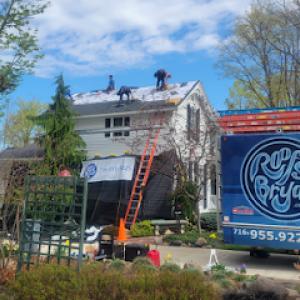
Roofs By Bryan
(716) 621-3567 roofsbybryan.com
Serving
5.0 from 327 reviews
At Roofs By Bryan, We specialize in high quality communication and follow through when completing residential roof replacements in Hamburg in the surrounding Southtown areas. Give us a call today to see if we might be a good fit for your project!
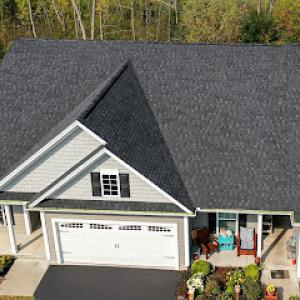
Oaks Roofing & Siding
(716) 577-6257 oaksroofingandsiding.com
Serving
5.0 from 36 reviews
Kris Oaks founded Oaks Roofing and Siding in 2003 with the goal of providing superior construction services to homeowners throughout Rochester, NY, and the surrounding communities. For over 20 years, our family-owned and operated construction company has helped hundreds of customers achieve the home improvements of their dreams.
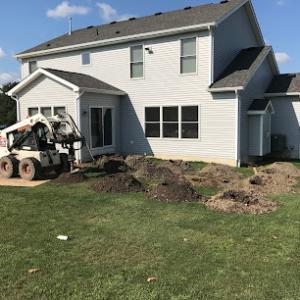
Queen City Home Pros
(716) 997-5212 www.queencityhomepros.com
Serving
4.9 from 19 reviews
Full service home repair contractor specializing in roofing, siding, windows, decks, bathrooms, additions, and more.
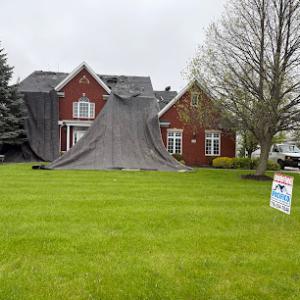
Pacifico Contracting & Home Improvement
(716) 294-7646 pacificocontracting.com
Serving
4.9 from 167 reviews
Since 2019, Pacifico Contracting & Home Improvement has been the trusted choice for elevating homes across the WNY region. As a CertainTeed Certified Shingle Master, they specialize in providing premier roofing and siding solutions. Their commitment to excellence ensures every project is completed with a focus on quality and durability. They are dedicated to transforming and protecting your home, offering expert craftsmanship and reliable service throughout the area.
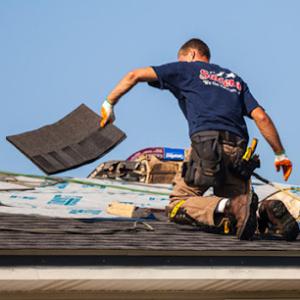
Sahlem's Roofing & Siding
Serving
3.9 from 81 reviews
Sahlem's Roofing & Siding has been serving Western New York for more than 30 years. We specialize in commercial roofing, siding, windows, gutters, and doors as well as sheet metal work. We have worked on more than 25,000 homes and businesses in the Buffalo, NY area and have always put the needs of our clients first. We take pride in our work and have been an active member in the community for years. We source and use quality products and materials. Our staff is dedicated and experienced. Customer satisfaction remains the cornerstone of our business.
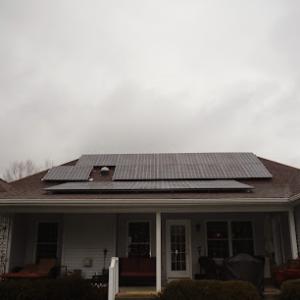
Collegiate Builders
(716) 380-3301 collegiatebuilders.com
Serving
4.9 from 31 reviews
Neighborhood contractor. Specializing in Roofing, Siding, Windows, and Custom home builds. Providing service and quality since 2011, Collegiate Builders is rated an A+ with the BBB and accredited for over 10 years.
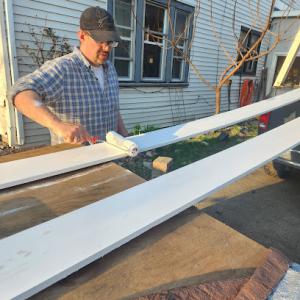
Weather Resistors of WNY
(716) 222-7663 www.weatherresistors.com
Serving
4.7 from 23 reviews
Weather Resistors of WNY is a trusted roofing contractor serving Buffalo, NY, providing expert roofing and gutter services for residential and commercial properties. With years of experience, our skilled team specializes in roof installation, roof repair, gutter installation, and gutter maintenance, ensuring durable, long lasting results. We use high quality materials and proven techniques to protect your property from the elements. Committed to reliable service, and customer satisfaction, Weather Resistors of WNY delivers professional solutions tailored to your needs. We also offer free estimates to help you plan your roofing project with confidence. Call today for expert roofing services in Buffalo and surrounding areas!
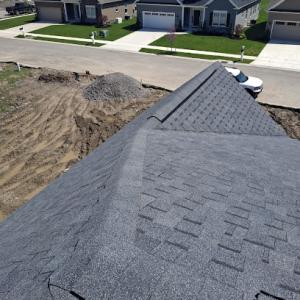
Dynamite Home Repairs
(716) 510-5602 www.dynamitehomerepairsllc.com
Serving
4.8 from 50 reviews
Dynamite Home Repairs is your trusted Roofing Contractor. Our services include Roofing, Roofing Repairs, Residential Roofing, Shingles, Roofing Installations, Roof Leaks, Roof Inspections, Siding Installation, Gutter Installations, Fascia installations, Soffit installations, & more. Contact Us Today for a Free Estimate, We Blow Our Competition Away!
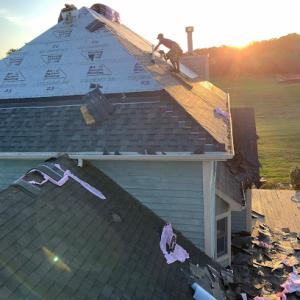
All Square Roofing
(844) 766-3277 allsquareroofing.com
Serving
4.3 from 20 reviews
"No matter what kind of property you own, we’re the team of professionals that will get your roof all squared away."
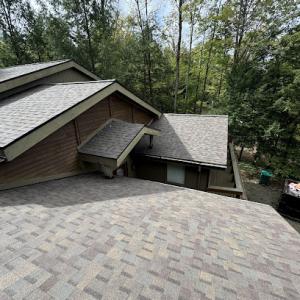
Roof Leopard
(716) 249-9550 roofleopard.com
Serving
5.0 from 74 reviews
At Roof Leopard, we’re dedicated to providing top-notch roofing and siding services with a focus on exceptional customer experience. Roof Replacements and Roof Tune-Ups are what we do! Here's what sets us apart: High Detail site visits and quotes! Exceptional Customer Service: We prioritize clear communication and a smooth process from start to finish. Professional Installation: Our detail-oriented installers respect your property, ensuring quality workmanship. Got flowers and landscaping to protect? We got you Thorough Cleanup: Our motto is "Leave the place better than you found it." We go the extra mile to clean up, ensuring no stray nails are left behind. Visit us today for your instant quote and experience roofing done right!
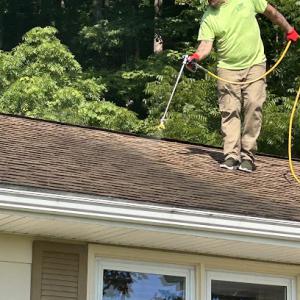
Bright Green Roof of WNY
Serving
5.0 from 14 reviews
Bright Green Roof of Western New York helps homeowners preserve their roof adding up to 10 years of life in order to avoid costly replacement. All for a fraction of the cost. We use a proprietary, 100% active , plant based oil to replace the bitumen that has been lost from the harsh elements of Buffalo. Call us today for a free quote to see if its not too late to save your roof and your money. We also offer full roof replacement.
Asphalt shingles are the most practical choice for most re-roofs in this area. They fit the large re-roofing market and pair well with the common older suburban rooflines found around town. In the mix of lake-effect snow, freeze-thaw cycles, and seasonal temperature swings, their straightforward installation and solid performance when paired with proper ventilation and flashing make them a reliable, low-maintenance option. If you're replacing a roof on a mid-century ranch or a modest two-story, expect asphalt to cover the broadest range of existing rafters, soffits, and attic configurations without major structural changes. For homes with limited attic space, pay close attention to underlayment and venting to prevent ice dam formation and moisture buildup during the deep winters.
Metal roofing has a meaningful niche locally. Homeowners considering better snow shedding or longer-term durability in Western New York winters often lean toward metal. In practice, metal panels or standing-seam systems shed snow more predictably and can reduce ice dam risk when installed with proper overhangs and integrated flashing. This approach works well on steeper pitches or roofs with complex valleys where snow tends to stall. Metal's longevity is appealing for homes that have experienced repeated shingle replacements after heavy lake-effect seasons. Be mindful of attic ventilation and potential expansion gaps around fasteners to maintain long-term performance under freeze-thaw stress.
Slate, clay tile, and concrete tile are present in the market but require closer structural and installation scrutiny here. In a region where snow load and freeze-thaw stress recur, these materials demand careful assessment of roof framing, potential ventilation blocks, and flashing detail. They can provide distinctive curb appeal and excellent longevity when the roof structure is prepared to handle their weight. If choosing these options, expect an upfront evaluation of rafters, sheathing, and waterproofing to ensure the system remains resilient through heavy snows and rapid temperature changes. A conservative approach often favors lighter-weight alternatives unless the existing structure is already verified to meet the load and drainage requirements.
In this part of the Buffalo suburbs, replacement costs are driven by the long winter and the rush that follows when spring arrives. When a major snow event leaves exposed decking or hidden damage, crews can get booked solid quickly, and prices creep up as scheduling tightens. You should expect that the overall bill will reflect not only the roof's surface but also what the crew finds after removal. If peeling back shingles reveals compromised flashing, vent stacks, or warped decking, you'll see the price adjust to cover those fixes.
Your home's roof replacement timeline matters here. The preferred install window overlaps with the region's busiest season, so winter damage can translate into a spring backlog that pushes jobs into longer wait times and higher labor costs. Budget a bit more if you're racing mud season and thaw cycles, because crews often juggle multiple projects at once and material supply can tighten. The seasonal squeeze makes accurate, upfront scoping essential: a plan that anticipates snow-belt wear helps keep shock factors down when the first warm days arrive.
Tear-off pricing can increase on homes where snow-belt wear has led to hidden decking, flashing, or ventilation corrections discovered after removal. If the old roof has sagging or moisture intrusion, you may pay for additional decking replacement, more robust underlayment, or upgraded ventilation to prevent future ice dam issues. In Orchard Park, this reality shows up most when the crew finds plywood delamination or frost-affected sheathing once layers come off. That's not a sign of poor planning, just a prudent adjustment to make sure the new roof behaves well through thaw, refreeze cycles, and lake-effect snow years to come.
Material choice spans from asphalt shingles at 350 to 700 USD per square, metal at 650 to 1100, synthetic/composite at 500 to 900, clay tile at 1400 to 2800, concrete tile at 1200 to 2600, and slate at 1800 to 3500 in this market. For most Orchard Park homes, asphalt remains a common starter option, but metal can offer better snow slide and longer life in a harsh winter climate. If you're weighing tiles or slate, plan for a higher upfront investment that's typically offset by longer service life, though careful installation and attic ventilation are still essential to prevent ice damming.
Get a clear picture of your project costs upfront - no commitment required.

Zeak Home Improvement
(716) 907-5409 zeakhomeimprovement.com
125 Summit Ave, Orchard Park, New York
4.9 from 84 reviews
For a full roof replacement, the Building Department requires a permit rather than treating the project as permit-free maintenance. In this climate and with the lake-effect snow loads that Orchard Park experiences, a permit helps ensure the work plan accounts for ventilation, flashing, and proper sealants that stand up to freeze-thaw cycles. The permit process creates a formal record of the roof's design and workmanship, which matters for symptom-prone homes near the snow belt where attic ventilation and proper drainage are crucial to long-term performance. Knowing upfront that a permit is needed helps avoid delays and compliance issues later in the project.
In practice, contractors typically file the permit and coordinate inspections on the homeowner's behalf. This arrangement streamlines the process, but it also places responsibility on the contractor to communicate timelines and documentation clearly. Before work begins, confirm the approved scope and any specific requirements the inspector will check, such as ventilation calculations, attic access, and flashing details. Keep a direct line of communication with the contractor so you receive timely updates if an inspection date shifts due to weather or scheduling.
Typically, inspections occur after tear-off and again after installation. The post-tear-off inspection verifies that the substrate is sound and prepared for new materials, with attention to any necessary repairs underlayment, or decking that could impact performance in the ensuing winter. The final inspection focuses on overall code compliance, including flashing around chimneys, skylights, and roof-to-wall transitions, proper ventilation paths from the attic, and the integrity of attic access points. In this climate, inspectors will specifically note any gaps that could allow heat loss, moisture intrusion, or snow creep under eaves and valleys.
Coordinate early with the contractor to align permit submission with weather forecasts, since extended snow events can affect both tear-off and installation windows. Request the inspector's preferred sequence and any required documentation in advance-rooftop photos, ventilation calculations, and a clear scope of work help prevent back-and-forth delays. Ensure attic access remains clear and that any temporary egress or utility arrangements are addressed before inspections. Finally, keep a copy of the permit and inspection records in a readily accessible place; these documents may be important for future maintenance or potential insurance questions after a harsh season.
Spring rains and thaw periods can slow starts, reveal leaks that were hidden under winter snow, and extend project timelines. Plan to have a crew on standby for short-notice patching after mid-winter melt. Keep tarps ready for overnight rain events and inspect flashing where roof meets gutters. In Orchard Park, the freeze-thaw cycle can push water behind shingles as the snowline drops, so expect occasional reseal work as moisture escapes. Coordinating timely material deliveries with weather forecasts helps prevent weather-driven delays.
Early spring is the best window to check attic ventilation, soffit intake, and ridge vent balance before heavy spring storms arrive. A quick search for loose nails or lifted shingles after the season's first thaw can prevent more substantial damage. Check nearby trees for overhanging branches that could shed ice or debris during a wet, windy spring. Have gutters cleaned so meltwater has a clear path to drains and downspouts, reducing risk of ice dam formation along eaves later in the season.
Summer heat and humidity in Western New York can affect shingle handling and installation conditions even though it is the region's main production season. Schedule higher-demand crews for early mornings or late afternoons to avoid peak afternoon heat, which can accelerate adhesive cure times and make roofing products prone to curling or misalignment if rushed. Ensure ample shade and hydration for crews, and protect sensitive underlayment from direct sun when possible to maintain sheet integrity.
Autumn wind events can accelerate wear and trigger last-minute replacement demand before winter returns to the Southtowns. Strike a balance between finishing ahead of the first hard windstorms and allowing enough curing time for underlayment and sealants. Perform a final round of attic ventilation checks, verify nail patterns, and secure edges where gusts tend to peel shingles loose. Plan for a mid- to late-fall inspection after the peak leaf drop to catch hidden issues before snow returns.
Local inspections specifically checking flashing make skylight perimeters a recurring concern when roofs are replaced. In Orchard Park, snow sits on the roof longer into late winter and early spring, so any small flaw at the skylight flashing can become a drip that finds its way into the ceiling. Expect repeated checks around curb vs. deck skylights, and insist that the installer seal the base with a continuous, corrosion-resistant flashing layer. A tiny lift or seam gap now can turn into a noticeable interior stain after a heavy thaw cycle.
Low-slope sections on additions, porches, and transitions are more vulnerable when snow sits longer and thaw water drains slowly during Western New York winters. These areas tend to trap meltwater, run at odd angles, and back up at joints. Pay close attention to the transition between a steep main roof and any low-slope membrane, especially where gutters are sparse or clogged. Small edge ponding or wetting at a membrane edge is not just a blemish; it is a signal that freeze-thaw cycles will aggravate it over several storms.
Mixed-roof homes in Orchard Park often need detail work where steep shingle fields meet low-slope membranes, chimneys, or wall flashing. When a roof blends different textures, flashing must be continuous and integrated rather than pieced together haphazardly. Look for properly sealed step and counter-flashing around chimneys, and ensure wall flashing runs smoothly into the membrane without abrupt turns. Snow and ice buildup will exploit any crack or seam, so meticulous detailing now saves costly repairs after the next snow belt event.
Find contractors experienced in skylight installation, flashing, and leak repairs to bring natural light into your home.
Zeak Home Improvement
(716) 907-5409 zeakhomeimprovement.com
125 Summit Ave, Orchard Park, New York
4.9 from 84 reviews