Last updated: Apr 19, 2026
Within Queens' dense mix of attached and semi-attached homes, flat and low-slope roofs dominate many blocks. The way these buildings share party walls and sit close to setbacks amplifies the consequences of even small roof problems. A single failed flashing or a sagging drain can channel water straight into a wall line or a shared ceiling, triggering interior damage across units. In winter, those same problem points become portals for ice damming and accumulating moisture that travels through the junctions you rely on most.
Flat roofs in this area rely on careful drainage detail to keep water from pooling near parapets and along party walls. In dense rowhouse configurations, drainage paths often run along exterior edges and over the top of parapets where debris can build up, unseen until a leak shows up inside. Parapet edges are frequent trouble spots: bad sealant, missing or cracked counter-flashing, and misaligned coping can allow water to bypass the drainage system entirely. When the roof edge sits next to a neighboring property, the drainage line may also be affected by wind-driven spray and snow drift from adjacent units, pushing water toward weak seams or transitions. If you own a corner unit or a top-floor flat, pay special attention to the outermost edge and any shared mounting points for roof equipment.
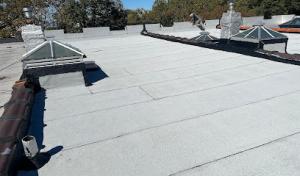
Low-slope roofs rarely show their weakness at first glance. Tiny, persistent ponding near flashings, corner boards, or penetrations can mask a larger failure over time. In Elmhurst, freeze-thaw cycles turn what seems like a minor pond into a recurring leak as water expands and contracts. Flashing-around skylights, vents, and mechanical curbs-must be continuous and well-sealed, especially where roof planes meet parapets or where two roof sections join at a line. Pay attention to dark staining and mineral granules washed toward the parapet; these are telltale signs of bad flashing or edge protection that can fail during freeze-thaw cycles.
Winter and early spring bring the worst risk for low-slope systems in this area. A small pooling area, neglected flashing, or a cracked roof-liner seam can spread moisture through concealed channels when temperatures swing below freezing at night and thaw by day. In attached and semi-attached buildings, the impact is not isolated: leaks may travel along the party-wall cavity and appear in neighboring units, complicating diagnosis and extending downtime. If you've noticed damp spots, bubbled paint on ceilings, or wallpaper staining near exterior walls, treat them as a red flag for flat-roof issues that likely originated above.
Begin with a careful exterior walk-around after rainfall. Look for slow-draining areas, pooling around parapets, and any irregular alignment of coping or flashing. Inspect the roof edges for loose sealant, cracking, or lifted flashing mats. On higher or shared roofs, exercise caution and consider hiring a licensed pro to probe suspected flashing or seam failures with non-destructive testing. Inside the home, trace moisture origins by following stains to their highest point and checking for ceiling bubbles around penetrations and along walls where a party-wall line runs.
Maintain edge and flashing materials with a sturdy sealant system designed for low-slope use, and ensure drainage outlets are free of debris year-round. Regular re-caulking of flashing and careful inspection after storms can stop a small issue from becoming a costly interior leak. In these blocky, closely built conditions, proactive edge protection and disciplined maintenance are your best protection against the capricious NYC climate.
When a storm rolls through and a roof starts leaking, time matters. In a dense rowhouse and low-rise landscape, a small intrusion can quickly become widespread water damage upstairs and into walls below. Prepare for sudden leaks even if the roof seemed marginally worn before the storm. Your first move is to locate the nearest safe exit and keep residents clear of standing water or sagging ceilings. Place a tarp or plastic sheeting over the most exposed area as soon as you can reach it safely, securing it with weighted objects or fasteners, and ensure water is directed away from interior walls. If you smell or see overhead moisture, don't delay calling for help-repeatable exposure increases rot risk and can undermine structural elements.
In the NYC metro insurance environment, wind and hail claims are common enough that photo documentation and date-stamped damage records matter after spring and summer storms. After any storm, take wide shots of the entire roof, then close-ups of damaged flashing, valleys, parapets, and any softened decking. Record dates, times, and weather conditions, and note what areas were affected inside the structure. If a contractor arrives, have them photograph the problem from multiple angles and provide a written assessment with clear dates. Preserve all receipts, temporary repairs, and tarping materials. This documentation accelerates claims review and helps you prove pre-existing wear versus storm-caused damage.
Because the area is dense urban service territory, quick-response tarping and temporary leak control are a major practical concern when storms hit during peak contractor periods. If a leak worsens, prioritize a fast, durable temporary shield over aesthetics. Use heavy-duty tarps, tracked or weighted edges to resist wind, and seal edges with duct tape or weighted battens to prevent wind uplift. Keep a log of every temporary fix, including who performed it and when, so future contractors understand what was already done. When the storm passes, you'll be able to arrange a targeted, safer repair plan rather than chasing recurring leaks. Coordinate with neighbors if shared roof features exist, and agree on a central contact to minimize overlapping access during busy days.
Find local contractors experienced in assessing and restoring roofs after hail, wind, and severe weather events.
Thomas James Roofing & Waterproofing
(718) 416-5255 www.thomasjamesroofing.com
Serving
4.9 from 52 reviews
Daniel's Roofing:Best roofing contractor Queens/Brooklyn Ny
(917) 204-2906 danielsroofingnyc.com
Serving
5.0 from 78 reviews
Neat Services
(718) 880-4080 www.neatservicescorp.com
Serving
5.0 from 143 reviews
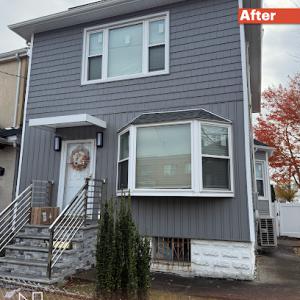
Neat Services is a licensed roofing and siding contractor in Queens, NY, serving Maspeth, Jackson Heights, Astoria, Forest Hills, and Brooklyn. We specialize in roof replacement, roof repair, siding installation, and window replacement with premium materials (GAF, CertainTeed) and a 25-year workmanship warranty. Bilingual team (English/Español), Directorii-backed, BBB A+, and 143+ five-star Google reviews. Need a roofing contractor near me or siding contractor near me? Call Neat for fast estimates, clear communication, and clean, professional work done right.
Eagle Express Contractor
(347) 362-0008 eagleexpresscontractor.com
Serving
5.0 from 82 reviews
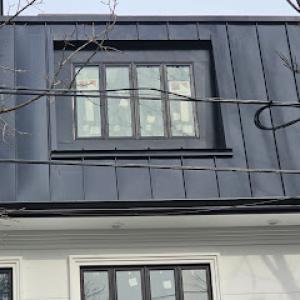
At Eagle Express Contractor, we pride ourselves on delivering top-notch roofing services with a commitment to excellence and customer satisfaction. With extensive experience in the roofing industry, our skilled team is equipped to handle projects of all sizes, from minor repairs to large-scale installations. We believe no job is too big or too small for us, and we take every project seriously, ensuring high-quality results every time. Our motto, "One call does all," reflects our dedication to providing comprehensive solutions for all your roofing needs. Contact us today to experience the Eagle Express difference!
Thomas James Roofing & Waterproofing
(718) 416-5255 www.thomasjamesroofing.com
Serving
4.9 from 52 reviews
Since 1999, Thomas James Roofing and Waterproofing has been a trusted name in roofing, siding, and waterproofing. With a dedicated team of experienced professionals, they are committed to delivering high-quality, long-lasting results. Specializing in making each project as seamless and stress-free as possible, Thomas James Roofing and Waterproofing offers expert service with a focus on durability and customer satisfaction. Their skilled craftsmanship ensures that every home is treated with the care and attention it deserves, providing peace of mind and protection for years to come.
Guaman Roofing Services
(917) 891-4164 guamanroofing.com
Serving
4.9 from 65 reviews
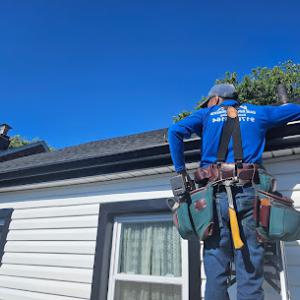
Guaman Roofing Services has provided quality services to residential and commercial owners in New York City. We know that you deserve the best quality service, that’s why our team executes precise and safe projects, always guaranteeing a professional service.
SRT roofing services
(917) 459-8918 www.srtroofingny.com
Serving
4.7 from 92 reviews
srt roofing is a full service roofing company specializing in the installation and repairs of flat roof and shingle roof systems
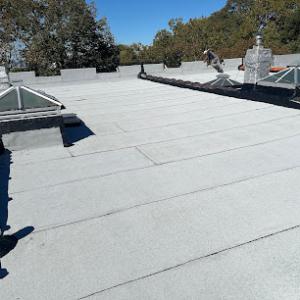
Daniel's Roofing:Best roofing contractor Queens/Brooklyn Ny
(917) 204-2906 danielsroofingnyc.com
Serving
5.0 from 78 reviews
Fourth-generation roofing contractor that does the job right! Serving New York and surrounding areas since 1987. I have developed a fantastic reputation in customer service and fast but neat quality work at a price that won’t break the bank. When you call for a free estimate or just to ask some questions, you get to talk right to me, the owner. I’ll repair your home like it’s MINE!
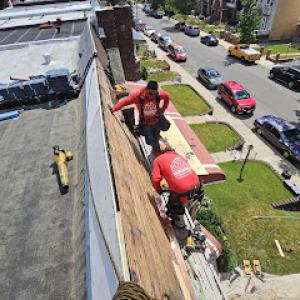
Astoria Roofing
(718) 285-6273 www.astoriaroofingny.com
Serving
5.0 from 78 reviews
For over three decades, Astoria Roofing has been a reliable roofing contractor servicing Queens, Brooklyn, and the greater NYC region. With an unwavering commitment to excellence, our skilled professionals specialize in residential and commercial projects, expertly handling various services such as roof replacements, leak repairs, flat roofs, waterproofing, and professional maintenance. Utilizing top-grade materials, our licensed and insured team provides durable and long-lasting solutions, ensuring superior protection for your property and peace of mind. For exceptional customer service, fast response times, and honest communication, Contact us today for a free estimate and see why New Yorkers trust Astoria Roofing.
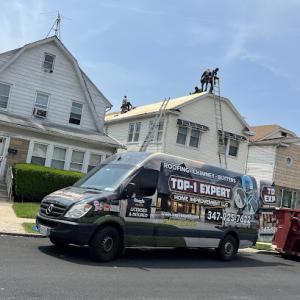
TOP 1 Expert Home Improvement
(347) 925-7622 www.top1expert.com
Serving
5.0 from 348 reviews
With decades of experience in delivering top-quality roofing services, TOP 1 Expert Home Improvement is a family-owned and operated business proudly serving the greater New York and metropolitan area. Our skilled team is committed to offering the highest level of service and craftsmanship in the region.
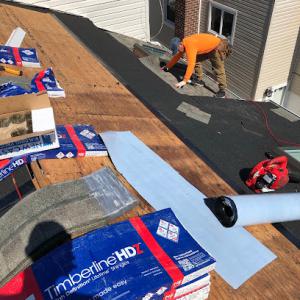
George's Roofing
(718) 747-4954 www.georgesroofing.com
Serving
4.8 from 38 reviews
For over three decades, George's Roofing has been a family-owned and operated business dedicated to providing top-tier roofing solutions. Based in Astoria, our expertise extends beyond simple repairs to include comprehensive new roof installations, meticulous masonry work, and professional pressure washing services. We take pride in our commitment to quality, ensuring every project, big or small, is completed with the highest level of craftsmanship. Trust our seasoned professionals to protect and enhance your home, guaranteeing exceptional results that stand the test of time.
Royal Renovators
(718) 414-6067 www.nycrenovators.com
Serving
4.8 from 262 reviews
Royal Renovators is a trusted roofing contractor in Queens, serving homeowners and businesses throughout Queens, Brooklyn, Manhattan, the Bronx, and Long Island. We specialize in flat roof repairs and roof replacements for both residential and commercial properties. Since 1988, our licensed and insured team is BBB A+ Accredited and GAF Master Elite certified, working with flat and shingle roofing systems built to last. We also provide professional siding, masonry, and gutter services. From Brooklyn’s historic brownstones to Queens residential properties, clients choose us for honest, reliable roofing that withstands New York’s toughest weather. We offer emergency services for urgent leaks and storm damage. Call for Free Estimate today.
Nice & Fast Construction
Serving
4.9 from 63 reviews
Jaime J Duchi has been working as a local New York roofing contractor installing new roofs, vinyl siding, replacement windows and seamless gutters for over14 years. We have a great reputation for high quality workmanship, and also install roofing products with a lifetime warranty. Your roof protects your home, all of your personal belonings and most importantly your family so don't take any chances, call Nice and fast construction today!
Brooklyns Best Roofing Williamsburg
brooklynsbestroofingwilliamsburg.com
Serving
5.0 from 121 reviews
Brooklyns Best Roofing Williamsburg delivers exceptional roofing solutions for homes and businesses. As a trusted leader, we are dedicated to providing top-quality residential and commercial roofing services in NYC. Our commitment to excellence shines through in every project, ensuring durability and complete customer satisfaction. From expert installation to meticulous repairs and ongoing maintenance, our skilled team uses only the best materials and provides reliable craftsmanship tailored to your specific needs. Choose us for roofing projects done right, every time.
When planning a flat or low-slope roof replacement in this neighborhood, the price ladder is fairly tight, but you'll notice the cost differences show up quickly once staging and debris handling come into play. Asphalt shingles run roughly from 420 to 700 USD per square, a level of price that often reflects modest crews, quicker turns, and the challenges of tight lots. Metal roofing sits higher, typically 700 to 1200 USD per square, with steady demand from flat- to low-slope applications where durability and wind resistance matter on rowhouse and small-lot buildings. Clay tile is in the 1100 to 1800 USD per square range, a choice many owners consider for longevity and curb appeal, though it carries substantial labor needs. Concrete tile sits between 900 and 1500 USD per square, offering solid performance with weight considerations and careful framing checks. Wood shingles or shakes run about 700 to 1200 USD per square, often chosen for a traditional look but requiring more maintenance in urban climates. Synthetic or composite shingles are the most budget-flexible among the higher-end options, landing from 500 to 900 USD per square and delivering easier handling for restricted access scenarios.
Elmhurst's dense lot patterns and limited staging space change the math in two core ways. First, crews must choreograph material storage and tool access in tight driveways, on sidewalks, and sometimes within shared entry corridors. That can lengthen the project timeline and add ladder or hoist coordination costs, especially when multiple adjacent properties or backyards share equipment. Second, urban debris handling becomes a bigger factor: more trips to dispose of old roofing and more protection needed for neighboring facades and pavement. These realities tend to push labor and logistics costs upward compared with suburban jobs with generous staging areas and easier material flow.
The pace of a replacement can hinge on timing windows that line up with NYC-related inspection backlogs and peak-season scheduling, which affect both pricing and start dates. If a project hits a backlog phase, crews may charge a premium for longer mobilization, or you might see modest price adjustments to secure a preferred crew slot. Given the compact nature of many Elmhurst homes, careful sequencing-whether you're reroofing a single unit or coordinating multiple abutting properties-helps minimize repeated equipment moves and the associated costs. In practice, expect some variability based on the time of year and the availability of local specialists who understand the quirks of flat and low-slope roofs in this street-dense environment.
Don't let upfront costs delay a critical repair - these contractors offer payment plans to fit your budget.
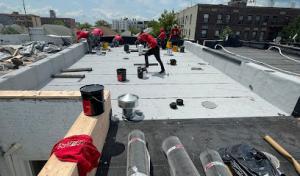
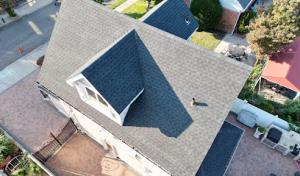
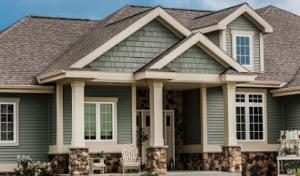
HK Builders: Best Roofing Company in Flushing
(718) 479-8888 hkbuilderscorp.com
Serving
4.8 from 119 reviews
A full roof replacement in Elmhurst requires a building permit reviewed and issued through the New York City Department of Buildings rather than a village or suburban town building office. The process is centralized, and inspections are tied to the city's code framework rather than a local municipality's routines. That means timelines, required forms, and the scope of work approvals all flow through NYC channels, with your contractor helping you gather the right documentation and schedules.
Inspections occur during the roofing project and a final inspection is required to close the permit in NYC. Depending on the project details, multiple walkthroughs may be scheduled: before work begins, during critical phases, and after completion to verify compliance with fire ratings, ballast and edge details for flat or low-slope roofs, and drainage provisions. Missing an inspection window can stall progress or trigger rework, so it is crucial to align with the city's calendar and your contractor's timing. A failure to obtain final clearance means the permit stays open and the job isn't formally finished, with potential implications for warranties and tax or insurance considerations.
Plan review and inspection scheduling can move more slowly during peak roofing season, which affects start dates and closeout timing for Elmhurst projects. When the demand is high, submission think-tank times, plan review comments, and inspection slots may extend beyond typical expectations. Factor in possible weather-driven delays and the need for coordinating with multiple city desks alongside building code compliance measures. Proactively secure your contractor's scheduling buffer, and confirm every required document is complete before submission to minimize back-and-forth. In this city context, patience and precise documentation can prevent costly delays and help keep the project on track.
In the NYC metro area, insurers commonly ask for standard roof photos, damage documentation, and records showing prior roof age and recent maintenance before approving replacement-related claims. For Elmhurst homes, you'll be dealing with attached or closely spaced buildings where wind and hail can travel quickly between structures. Build your file with clear thresholds: lots of shots of the entire roof, close-ups of flashing, and a simple timeline of maintenance or repairs done in the last few years. This helps the adjuster see a pattern rather than a single incident.
Take high-resolution photos from multiple angles, including front and back elevations, attic views if accessible, and street-level context to show neighboring structures. Include a photo log noting date, weather conditions, and what each shot demonstrates (shingle lift, flashing corrosion, or ponding). For flat or low-slope roofs common in this area, document drainage features: scuppers, interior gutters, drains, and scuppers' connections to downspouts. If possible, photograph any prior patches or temporary repairs to establish continuity for the claim. Because many Elmhurst roofs sit near neighbors, clearly indicate where damage begins and whether adjacent buildings share any affected roofing components.
Replacement-cost versus depreciation treatment can materially change what homeowners recover after wind or hail damage. Prepare a simple narrative that explains to the insurer when and where depreciation was applied, and include receipts or work orders for recent repairs to establish current condition. A clear record of the roof's age and maintenance history helps reviewers determine whether depreciation should be accelerated or waived due to accelerated wear from freeze-thaw cycles and year-round precipitation typical of the area.
Since many roofs sit on attached or closely spaced buildings, documenting exactly where damage begins is essential. Photograph the shared parapets, junctions between units, and any signs of water intrusion that may influence multiple structures. If neighboring roofs or walls appear to be involved, note this with precise, dated images and a simple diagram that shows the flow of water or debris from one roof to another. This level of detail helps the adjuster assess liability and scope without ambiguity.
Compile the photo log, dated repair receipts, prior maintenance records, and a concise damage narration into a single file. Include the property address, a contact number, and a preferred time window for adjustments. Review the file for completeness: all critical angles, clear close-ups of flashing and drainage, and a readable timeline. Present the material to the insurer promptly to streamline the review and minimize back-and-forth questions.
Asphalt shingles remain a dominant option locally, but Elmhurst's cold-winter and warm-summer cycle makes ventilation and moisture management important to avoid accelerated aging. In dense rowhouses and low-rise buildings, roof vents and soffit intake should keep attic spaces near exterior temperature to minimize condensation on underlayment. Favor shingles with inorganic granule blends and confirm proper installation for flat or low-slope sections to encourage quick drainage and reduce standing moisture after thaw.
Tile and synthetic products appear in the market, but their suitability in Elmhurst depends heavily on structure, detailing, and the realities of urban installation access. Clay or concrete tiles can be heavy, so assess structural capacity and the ability to transfer loads through party walls without compromising neighboring units. Synthetic shingles offer lower weight and easier handling in tight spaces, but verify compatibility with flashing, edging, and parapets common on rowhouse end walls and rear-facing decks to prevent subtle leaks along transitions.
Metal roofing is present in the local market, yet material selection in Elmhurst should account for storm exposure, attachment details, and compatibility with the existing roof form. Wind-driven rain and heavy gusts in urban canyons demand secure edge fastenings and well-sealed seam details, particularly on low-slope sections. Choose profiles that shed water efficiently while respecting the height and drainage personality of narrow rooftops. Ensure flashing continuity around dormers, HVAC curbs, and rooftop extensions to minimize potential leak paths.
With flat and low-slope roofs, precise drainage planning is essential to counter freeze-thaw effects. Prioritize pitched or slightly stepped transitions that guide water toward scuppers and gutters, and limit ponding by evaluating roof plane geometry and existing parapet interfaces. Ventilation must balance moisture removal with snow and ice considerations, so inspect attic baffles, soffit vents, and ridge or mechanical vent placement for redundancy during the cold months.
The most popular roofing material in the US. Find pros who install, repair, and replace asphalt shingles.
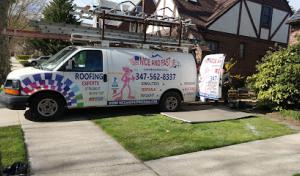
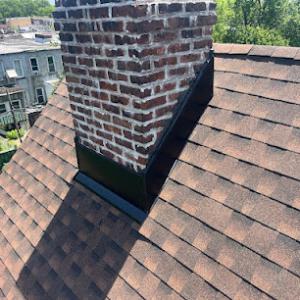
Chimney-related work is highly prevalent in the local contractor market, reflecting how common chimney flashing and masonry roof intersections are on older Queens housing. In Elmhurst, many homes have historic masonry chimneys where the connection to the roof line is a frequent leak point after freeze-thaw cycles. Skylight service is also unusually common among Elmhurst-area roofers, making curb flashing and leak tracing around penetrations a practical homeowner concern. On dense Elmhurst buildings, small flashing failures around chimneys, skylights, and parapet transitions can produce leaks that are hard to trace from the interior.
When you walk a flat or low-slope roof with a chimney, look for deteriorated step flashing and mortar joints that have opened up. Flags include widespread staining along the chimney base or masonry cracks extending onto the roof deck edge. Skylights in this area often use curb flashings that show hairline cracks or degrade where the curb meets the deck. Parapet walls, if present, can accumulate edge leaks where coping seals have pulled away or where sealant has dried out. In dense layouts, neighboring roof planes meet at tight transitions; those joints are notorious for small, creeping leaks that mirror every thaw.
Prioritize the chimney base and curb flashing during an inspection, tracing any interior damp spots to the smallest exterior failure. Clean debris from flashings before applying any sealant, and replace compromised metal pieces rather than relying on short-term coatings. For skylights, ensure curb flashing sits properly on a clean sub-flashing surface and that shingles or roofing membrane overhang is balanced to shed water away. In high-density blocks, consider a proactive, integrated approach: treat multiple penetrations in a coordinated fashion to reduce the chance of unseen seepage between overlapping roof planes.
Find contractors experienced in skylight installation, flashing, and leak repairs to bring natural light into your home.
Thomas James Roofing & Waterproofing
(718) 416-5255 www.thomasjamesroofing.com
Serving
4.9 from 52 reviews