
Last updated: Apr 19, 2026
You'll notice many homes in this tight block pattern feature low-slope rear roof sections, even when the front roofline looks pitched. The rear exposures often take more sun and wind, but they also shoulder more water during heavy spring rains and summer thunderstorms. In this setting, the way water travels along parapet walls, down scuppers, and across shared side conditions can make the difference between a dry attic and interior leaks. Understanding these dynamics is the first step to keeping a low-slope roof performing well through freeze-thaw cycles and humid summers.
On closely spaced rowhouse streets, drainage paths are constrained by neighboring structures and narrow setbacks. Water that pools near a parapet or along a parapet's edge has a higher chance to back up if scuppers are blocked or undersized, or if the drip edges and edge metal have deteriorated. Start by inspecting where water tends to collect after a storm: look for standing water on flat sections, especially near transitions between the rear low-slope area and any pitched front roof. If drainage feels sluggish, you're not alone; many mid-block homes rely on a handful of scuppers and internal gutters that must work in concert with the surrounding walls. A practical approach is to test the system with a light hose, directing flow along the parapet path and through the scuppers to ensure unobstructed exit. If you see water pooling and not draining within a short window, that's a flag to focus repairs there.
Parapet walls add a needed screen against rain and wind, but they introduce a critical seam where water can find its way inside. The joint between the parapet cap and the roof deck often bears the brunt of freeze-thaw cycles, where ice can breach the seal or widen small gaps. In this climate, flashing edges around the parapet deserve annual attention. Visually inspect for hairline cracks, paint peeling that exposes metal edging, or rust along the cap flashing. Even minor corrosion around edge metals can propagate leaks through the interior over time. A practical step is to reseal the parapet edge with a compatible sealant and, if the cap flashing shows signs of corrosion, consider replacing the flashing strip or adding a closed-cell flashing liner to improve water-tightness at the edge.
Scuppers are a simple concept, but in a crowded Queens street, they can become chokepoints. Debris from nearby roofs, pollen clogs, or accumulated dust near the drain outlet can back up the entire line. Regular clearing of scupper outlets, downspouts, and any connected gutters is essential, especially after storms. On shared side conditions, where a neighbor's structure abuts your own, water may have less natural slope to shed away from the joint. In those spots, installing a small kick-out or a drip edge that directs water toward the scupper can help keep moisture away from the wall and interior corners. If the wall flashing along a shared side shows signs of seepage after rainfall, address the sealant line promptly and consider reinforcing with a watertight membrane at the joint.
Low-slope roofs carry the liability of standing water after rain. In the winter, ponding areas stay wet longer, which accelerates membrane wear and can push water under edge detailing during freeze-thaw cycles. Pay particular attention to seams where multiple roof planes meet, and at transitions from a low-slope rear section to any adjoining deck or balcony. Inspect for loose or aged seam tape, loose fasteners, or lifts in the roofing membrane. A practical maintenance step is to re-seal seams with a compatible, weather-appropriate adhesive or sealant, and to ensure that any membrane laps are properly bedded and sealed. For areas that consistently pond, consider a minor modification to improve slope at the defect, or install a temporary cap flashing to redirect water during heavy rain events.
As winter approaches, perform a targeted check of all flashing around the rear low-slope area and parapet edges. After heavy storms in the spring, inspect for debris buildup near scuppers and along the perimeter. In humid summers, look for any soft spots on the deck that could indicate moisture intrusion, and be prepared to address them before the freeze cycle returns. A simple interior signal to watch for is dampness or a musty odor around the likely leak zones of the attic or upper walls-these are often linked to the same drainage and seam issues described above.
If water intrusion persists after routine cleaning and resealing, or if you notice widespread blistering, softened edges, or recurring dampness in interior ceilings near the low-slope rear roof, it's time to bring in a local roofer with experience on tight, city-row conditions. A professional can perform a targeted leak test, verify flashing integrity, and determine if a more substantial membrane refresh or edge detailing upgrade is warranted to withstand another winter cycle.
High winds drive rain right into flashing transitions, skylights, and chimney lines where joints age or were not sealed perfectly. On dense blocks, water can travel along the underside of a roof like a covert tunnel, then show up inside finished upper rooms far from the original leak source. Look for staining along ceiling seams, bubbling paint, or warped drywall near the top of exterior walls. If you notice dampness that wasn't there after a dry spell, treat it as urgent: a small ingress today can become a major interior problem after a few freezes and thaws.
Because homes sit shoulder-to-shoulder, you don't have wide open space for tarps, ladders, or debris piles. Emergency access can be blocked by overflowing porches, parked cars, and neighboring onto- or overhangs. That means tarping needs a precise plan: anchor points must survive wind gusts, and debris must be kept off sidewalks and neighbors' property. If a leak demands rapid response, coordinate with a trusted neighbor to create a clear path for crews and equipment. A cluttered setup slows containment and raises the risk of wind-driven shifts, which can tear tarps or expose more roof edge during a storm.
Winter storms and the spring rains flirt with active leaking and project delays, so temporary dry-in work becomes essential. The goal is to keep interior moisture from soaking insulation and framing while you line up proper repairs. In cold snaps, sealing becomes a two-step process: you must stop the upstream leak quickly, then perform a longer-term fix when the weather eases. Expect the worst timing to align with the busiest weeks, which means proactive planning and rapid, decisive action are your best allies.
Document the leak with photos from multiple angles, including exterior roof junctions, flashing seams, and skylight edges. Move any valuables away from affected areas and place clean containers under drips to minimize interior damage. If safe to do so, gently press along flashing transitions and around skylight frames with a flashlight to spot cracks or gaps, but never crawl onto a slick low-slope surface without proper footing. Contact your trusted roofing professional for a rapid dry-in plan that prioritizes weatherproofing at the most vulnerable edges first. In tight blocks, a clear, coordinated plan with neighbors makes urgent containment more reliable and less disruptive.
Daniel's Roofing:Best roofing contractor Queens/Brooklyn Ny
(917) 204-2906 danielsroofingnyc.com
Serving
5.0 from 78 reviews
Fourth-generation roofing contractor that does the job right! Serving New York and surrounding areas since 1987. I have developed a fantastic reputation in customer service and fast but neat quality work at a price that won’t break the bank. When you call for a free estimate or just to ask some questions, you get to talk right to me, the owner. I’ll repair your home like it’s MINE!
Guaman Roofing Services
(917) 891-4164 guamanroofing.com
Serving
4.9 from 65 reviews
Guaman Roofing Services has provided quality services to residential and commercial owners in New York City. We know that you deserve the best quality service, that’s why our team executes precise and safe projects, always guaranteeing a professional service.
Eagle Express Contractor
(347) 362-0008 eagleexpresscontractor.com
Serving
5.0 from 82 reviews
At Eagle Express Contractor, we pride ourselves on delivering top-notch roofing services with a commitment to excellence and customer satisfaction. With extensive experience in the roofing industry, our skilled team is equipped to handle projects of all sizes, from minor repairs to large-scale installations. We believe no job is too big or too small for us, and we take every project seriously, ensuring high-quality results every time. Our motto, "One call does all," reflects our dedication to providing comprehensive solutions for all your roofing needs. Contact us today to experience the Eagle Express difference!
Thomas James Roofing & Waterproofing
(718) 416-5255 www.thomasjamesroofing.com
Serving
4.9 from 52 reviews
Since 1999, Thomas James Roofing and Waterproofing has been a trusted name in roofing, siding, and waterproofing. With a dedicated team of experienced professionals, they are committed to delivering high-quality, long-lasting results. Specializing in making each project as seamless and stress-free as possible, Thomas James Roofing and Waterproofing offers expert service with a focus on durability and customer satisfaction. Their skilled craftsmanship ensures that every home is treated with the care and attention it deserves, providing peace of mind and protection for years to come.
SRT roofing services
(917) 459-8918 www.srtroofingny.com
Serving
4.7 from 92 reviews
srt roofing is a full service roofing company specializing in the installation and repairs of flat roof and shingle roof systems
Nice & Fast Construction
Serving
4.9 from 63 reviews
Jaime J Duchi has been working as a local New York roofing contractor installing new roofs, vinyl siding, replacement windows and seamless gutters for over14 years. We have a great reputation for high quality workmanship, and also install roofing products with a lifetime warranty. Your roof protects your home, all of your personal belonings and most importantly your family so don't take any chances, call Nice and fast construction today!
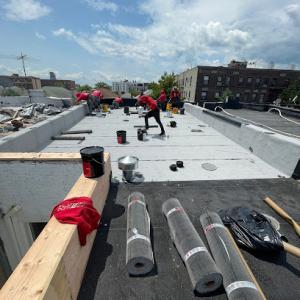
Bushwick Roofing
(718) 285-7841 www.bushwickroofingny.com
Serving
5.0 from 44 reviews
Bushwick Roofing, established in 1988 and conveniently located on Knickerbocker Avenue in Brooklyn, is your dependable source for any and all roofing solutions. Our highly skilled and experienced team of roofing professionals offers extensive knowledge in both residential and commercial roofing, including repairs, replacements, and installations. From traditional shingle roofing to specialized flat roofing systems, we've got you covered. Bushwick Roofing is committed to providing top-notch quality work with free price quotes, a warranty for your peace of mind, and our status as a fully licensed and insured contractor, which ensures reliability and professionalism. Contact us today for a free estimate.
Smart Roofers NY
(929) 298-4177 smartroofersny.com
Serving
5.0 from 158 reviews
Smart Roofers NY is one of the most trusted roofing contractors in New York, delivering top quality roofing installation, roof repair, and roof maintenance services for both residential and commercial properties. Our licensed and experienced team ensures every roof is built to withstand New York’s toughest weather while enhancing the safety and value of your property. We proudly serve homeowners and businesses across Brooklyn, Manhattan, and Queens, providing reliable solutions tailored to your roofing needs. From small repairs to complete roof installations, we use premium materials and industry approved techniques for long lasting performance.
Five Star Roofing
(718) 795-6640 fivestarroofingny.net
Serving
4.8 from 443 reviews
Five Star Roofing is a fully licensed and insured commercial and residential roofing company located in Queens, NY. Since 2008, we have provided top-quality roofing services to Queens, Brooklyn, and Long Island homeowners. Our team of experienced and certified roofing professionals specializes in flat, shingle, tile, and metal roofs, as well as urgent repairs. Whether you need roof repairs, replacements, or installations, we have you covered! With a strong emphasis on excellent customer service and premium craftsmanship, we have built a reputation as one of the most trusted roofing companies in the area.
Neat Services
(718) 880-4080 www.neatservicescorp.com
Serving
5.0 from 143 reviews
Neat Services is a licensed roofing and siding contractor in Queens, NY, serving Maspeth, Jackson Heights, Astoria, Forest Hills, and Brooklyn. We specialize in roof replacement, roof repair, siding installation, and window replacement with premium materials (GAF, CertainTeed) and a 25-year workmanship warranty. Bilingual team (English/Español), Directorii-backed, BBB A+, and 143+ five-star Google reviews. Need a roofing contractor near me or siding contractor near me? Call Neat for fast estimates, clear communication, and clean, professional work done right.

Metro roofing
(347) 748-2500 themetroroofingcompany.com
Serving
4.8 from 52 reviews
Our company strives for quality and reasonable pricing . We pride our selves on our reputation and continue to work up to it
Royal Renovators
(718) 414-6067 www.nycrenovators.com
Serving
4.8 from 262 reviews
Royal Renovators is a trusted roofing contractor in Queens, serving homeowners and businesses throughout Queens, Brooklyn, Manhattan, the Bronx, and Long Island. We specialize in flat roof repairs and roof replacements for both residential and commercial properties. Since 1988, our licensed and insured team is BBB A+ Accredited and GAF Master Elite certified, working with flat and shingle roofing systems built to last. We also provide professional siding, masonry, and gutter services. From Brooklyn’s historic brownstones to Queens residential properties, clients choose us for honest, reliable roofing that withstands New York’s toughest weather. We offer emergency services for urgent leaks and storm damage. Call for Free Estimate today.
When you replace a roof in this neighborhood, the project travels through the New York City Department of Buildings rather than a village office. That means your timeline isn't just at the mercy of weather and contractor availability; it's also subject to the city's permit queue and processing pace. The flat and low-slope sections common on rear elevations add a level of scrutiny that can slow things down, since inspectors pay close attention to how those areas are flashed, drained, and vented. If you are planning a replacement, align your schedule with the reality that approvals can take longer than a straightforward repair job.
Flashing around transitions-where a flat roof meets a wall, or where a low-slope section ties into a pitched front-gets extra attention. In this area, improper flashing is a frequent source of early leaks after a replacement. Ventilation details, including intake and exhaust considerations for attic or roof penetrations, are another hot spot. Poor ventilation compounds moisture issues in humid summers and can shorten the life of your waterproofing. Drainage is equally critical: misaligned or undersized drains on low-slope areas can lead to standing water and accelerated wear. Expect the inspector to test for a continuous, well-sealed drainage path and proper termination at roof edges.
Scheduling hinges on more than just dry days - inspector availability citywide influences when work can start, pause, or resume. In practice, that means your project timeline in this neighborhood might stretch to accommodate upcoming inspections, re-inspections, or required corrections. Build a realistic calendar that includes potential hold times for permit acknowledgments, plan review comments, and any weather delays that affect material curing or sealant performance. Communicate clearly with your roofing team about expected inspection windows so crew calendars don't run afoul of the city's pace.
Keep a dedicated point of contact for permit status and inspection requests, and make sure your contractor prepares a detailed flashing and drainage plan for submission. Have your site ready for the inspector: clear access to the roof, vent locations marked, and any prior leak symptoms documented with photos. If a correction is requested, address it promptly and document the fix. The city's oversight is present to protect you from recurring leaks and premature failure in the unique mix of pitched fronts and low-slope sections this area presents. Expect transparency about any required adjustments and plan accordingly.
For many attached homes in this neighborhood, the visible front slope is often a pitched roof finished with asphalt shingles, which remain a practical fit due to their balance of performance and compatibility with NYC-style roof detailing. The rear or side wings, however, frequently feature low-slope or flat sections that behave differently in Queens' climate. Those areas are where you need a system designed for decks or membranes rather than traditional shingles. The goal is to keep these low-slope surfaces watertight while preserving the roof's overall appearance from the street.
Tile and heavier roofing systems can transform the curb appeal of a rowhouse, but on older NYC housing stock the decision carries extra weight. Structural load matters: many houses in this area were not built to carry very heavy roofs without reinforcement. Detailing complexity increases with the need to integrate parapets, dormers, and stepped flashings, and labor tends to be more intensive on narrow Middle Village layouts. If the decision is made to pursue tile, a careful assessment of attic structure, roof deck condition, and drainage is essential before committing to a visible upgrade.
Humid summers and freeze-thaw winters in Queens make flashing compatibility and ventilation details as important as the field material itself. Flashings must transition cleanly between front pitched areas and rear low-slope sections, with particular attention to parapet ties and valley intersections where moisture can linger. Ventilation should ensure attic temperatures stay closer to outdoor conditions in summer to reduce deckail expansion and shingle shear. On low-slope areas, specify a seam- or edge-sealed membrane system with robust edge detailing to handle ponding and heavy rain events typical of a New York summer shower pattern.
If the goal is a balanced blend of aesthetics, simplicity, and durability, asphalt shingles on the visible front slope paired with a properly integrated low-slope membrane on the rear can deliver reliable performance without overcomplicating maintenance. For homes where curb appeal or architectural cohesion justifies heavier options, plan for structural review and meticulous detailing to ensure the system works in harmony with the aging brick and timber frame common to the neighborhood.
In this neighborhood, costs are pulled by NYC labor conditions, the way crews handle permits, and the challenge of navigating narrow residential streets with tightly spaced homes. Replacement pricing isn't just about materials-getting crews on and off the site without blocking driveways or creating street conflicts adds time and expense. When a roof is due for replacement, expect pricing to reflect these access realities, not just the square footage. Asphalt shingles remain the most common entry point for budget-conscious projects, but in Middle Village the labor component can swing totals by a noticeable margin, especially if crews need to work around rear additions or multi-level setups.
Many homes here feature both pitched and low-slope sections. That combination means you're not buying a single-plane roof; you're coordinating at least two roofing systems with different flashing details, underlayment needs, and drainage considerations. The result is higher labor hours and more flashing complexity than a simple single-plane roof. For a typical one-slope replacement, costs cluster around the lower end of the range, but a house with transitional areas can push totals toward the mid to upper ranges. Concrete, clay, or synthetic options may be chosen for specific sections based on slope and durability, further extending the project scope and cost.
Storms and high-wind events can create demand spikes that tighten scheduling and nudge prices higher, even if visible damage seems limited. In these windows, you may see longer lead times to line up crews, and minor delays can cascade into added labor costs. It's common for projects to shift from a straightforward few-day replacement to a measured process over several weeks when crews are balancing multiple blocks and tight streets. Planning ahead for possible weather-driven delays helps keep the project on track without surprise price bumps.
Installed costs align with the typical options listed for this area: asphalt shingles, metal roofing, clay or concrete tile, wood, or synthetic shingles. Asphalt shingles tend to sit toward the lower end of the spectrum, while metal and tile options land higher due to material and flashing requirements. When a home requires more than one system, budget for both material costs and the added labor to integrate transitions and flashing. Regardless of choice, expect the local pricing to reflect the unique access and scheduling dynamics that come with Middle Village rowhomes and their rear-leaning geometry.
Get a clear picture of your project costs upfront - no commitment required.
Daniel's Roofing:Best roofing contractor Queens/Brooklyn Ny
(917) 204-2906 danielsroofingnyc.com
Serving
5.0 from 78 reviews
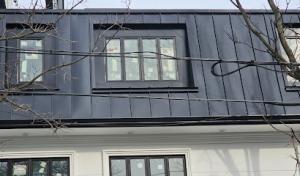
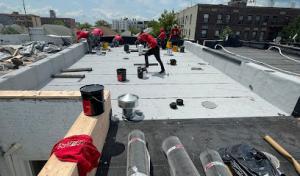
In the Middle Village market, insurers may ask for contractor estimates, photos of pre-existing conditions, and wind-related documentation rather than relying only on a homeowner description of the loss. When a flat or low-slope rear roof takes a hit, having a trusted local contractor prepared with a detailed estimate can make the process smoother and reduce back-and-forth disputes. Be ready to supply photos showing the overall drainage pattern, flashing at windows or skylights, and any mismatches between prior conditions and the reported damage.
Wind and hail events can trigger higher deductibles or closer claim review even though the broader regional roof insurance market is relatively stable. Sticky spring blasts and winter storms can create small, hard-to-see openings that become bigger leaks as thaw cycles set in. If a storm touches multiple homes in an attached row, the adjuster may scrutinize whether the roof failure aligns with wind-driven damage or pre-existing wear. Staying proactive helps, so document dates, wind speeds if available, and any visible impact on the roof edge or trim.
For attached and closely spaced homes, documenting exactly which roof area failed and whether water entered through flashing, skylights, or storm-created openings can affect claim handling. Take precise measurements of affected sections and note whether leaks tracked along ridges, eaves, or inside wall cavities. Present a clear map of roof zones to the adjuster and avoid broad statements about "the roof leaked," which can slow resolution. Detailed, zone-based evidence reduces ambiguity and supports a fair settlement.
Connect with contractors who help homeowners navigate the claims process from damage assessment to final approval.
Daniel's Roofing:Best roofing contractor Queens/Brooklyn Ny
(917) 204-2906 danielsroofingnyc.com
Serving
5.0 from 78 reviews
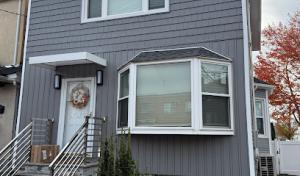
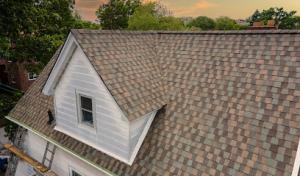
Replacement windows sit at a practical intersection with Middle Village's climate and housing stock. Late spring through early fall is usually the most favorable window for installing new units, because crews can avoid the worst freeze-thaw cycles and winter storm interruptions that can stress new seals and slow progress on rear low-slope sections. Spring and early summer typically offer milder temperatures for gasket seating and finish work, helping with long-term performance against the area's humidity swings.
Spring can still bring rain and wind delays in Queens, so homeowners often need flexible scheduling even during the preferred season. In rowhouse blocks, shade from neighboring roofs and limited staging space can complicate material handling on narrow parcels. When planning, align installation with a forecast window of calmer days and minimize consecutive hot or windy spells that push sealants and flashing work past their ideal cure times.
Summer heat and humidity can affect installation pace and material handling, especially on dark roof surfaces and low-slope sections with prolonged sun exposure. Heat can accelerate caulk and sealant curing but also magnify handling risks for vinyl and composite frames. On low-slope roofs, ensure crews have shaded staging areas and use reflective, heat-resistant membranes or flashings where transitions meet the roof deck. Proper ventilation of interior spaces during shop-fitted window installs reduces moisture buildup in already tight attic corridors.
For homes with rear additions or tight setbacks, coordinate access with neighbors and block party walls to minimize commotion. Consider pre-measuring and pre-fitting where possible to reduce on-site drying times in humid conditions. If a storm threat looms, have a contingency plan to protect open openings and flashing details from wind-driven rain, which can drive leaks into roof-to-wall joints typical on multifamily blocks.
In dense Queens rowhouse blocks, leaks move quickly on flat and low-slope roofs. You screen contractors on response times, ability to cover and protect interior, and cleanup after a job. Look for a crew that can be on site within a day or two after notice, with a tarp plan and protective walkways to minimize interior damage on narrow staircases and back porches. Ask about crew size and site etiquette for shared driveways and rear yards common in rear extensions. Check references from nearby blocks and confirm they cart away debris.
Chimney penetrations are frequent leak points on older homes in this market. Examine how the roofer treats the joint where chimney flashing meets the roof and how they seal around any brick flashing and damper vents. Expect attention to slope and drainage at the base of the chimney, plus proper waterproofing of counter-flashing. If a chimney is shared with a fireplace in a neighbor's unit, ensure the plan accounts for terrace access and potential blockages during re-roof. Make sure flashing details are explained clearly before work begins.
Long-established and family-owned firms stand out in this Queens market, reflecting homeowner preference for crews familiar with NYC paperwork and dense-neighborhood job logistics. Screen for firms that have done multiple bi-levels with tight access, permit paperwork familiarity, and a plan for protecting common areas, stair landings, and shared sidewalks. Prioritize a crew with a proven track record on low-slope sections and a systematic cleanup routine, including rapid debris removal and metal edge maintenance. Expect clear communication about access windows and coordination with neighboring tenants.
Seek a written warranty that covers both workmanship and roofing material performance. Ensure the contractor outlines a staged plan for protecting vent pipes, chimney interfaces, and skylights, with interim measures during severe weather. A straightforward process for addressing post-installation leaks, if any, helps reduce disputes in a tight neighborhood setting and keeps your block's rhythm intact through the next season.