
Last updated: Apr 19, 2026
Forest Hills housing stock includes many older detached and semi-detached homes with intersecting rooflines, dormers, chimneys, and valleys that create leak-prone flashing details. Those complex geometries mean water can find more than one path to penetrate-especially where different materials meet or where two planes intersect. The result is a landscape of potential trouble spots that behave differently after a winter freeze-thaw cycle and a summer of pounding rain. In this climate, the roof does not just shed water; it negotiates a maze of transitions, each with its own vulnerability. A practical mindset for these roofs is to expect that small imperfections in flashing, joints, or drainage will become noticeable only after a seasonal stress test.
Cold winter freeze-thaw cycles reopen small cracks around flashing, masonry interfaces, and fasteners after snow and ice events. Those micro-movements are enough to widen gaps that allow moisture to wick into underlayment or plywood. Valleys-where two roof slopes meet-are especially prone because water velocity increases there and drainage can back up if debris blocks a downspout or gutter. Dormers, chimneys, and wrap-around integrations of low-slope sections add more corners and transitions, multiplying the number of potential leak points. When a storm rolls in with rapid temperature swings, these points get tested repeatedly, and moisture can linger in shadowed zones where you might not notice until staining or soft spots appear.
Hot, humid summers with periodic heavy rain stress roof penetrations and expose drainage weaknesses that may not show during dry weather. Roof penetrations around vent stacks, skylights, and vents expand and contract with heat, and sealants can soften or crack under pressure. In Queens' climate, damp heat can encourage moss, algae, or grime that traps moisture at critical joints, accelerating corrosion on metal flashings and rust-prone fasteners. The combination of humidity and sun can also dry out some materials unevenly, leading to small gaps that only become visible after a rain event or when one section carries more water than another due to clogged gutters. The goal is to anticipate these patterns by inspecting after the wet season and again after the first frost, when any lingering moisture reveals itself as dark staining or cupping on decking.
Begin with a visual walk along the roofline, focusing on flashing at chimneys, dormers, and where valleys meet the main roof. Look for hairline cracks in caulk or sealant, misaligned metal, or lifted shingles at transitions. Pay attention to areas where different slopes meet and where masonry interfaces contact roofing material, since these are common ticking time bombs in this climate. Inspect gutters and downspouts for debris or standing water that could back up into eaves or valley troughs during heavy rain. From the ground, note any uneven texture or staining on siding near rooflines, which can indicate slow drip leaks that haven't yet caused interior damage. On higher pitches or multilevel roofs, consider a cautious inspection with a roof ladder or professional service to confirm the integrity of flashing behind dormers or under valley membranes.
A practical approach is to treat flashing details as movable parts that require seasonal attention beyond annual cleaning. Re-seal joints around chimneys and dormers with a sealant compatible with the existing flashing material, replacing any cracked or brittle caulk. Ensure fasteners are tight and not corroded, and reseat or replace degraded metal flashings where corrosion has begun. For low-slope transitions or flat areas, verify that edge termination is continuous and that the membrane is not punctured or delaminated. Debris removal from valleys and eaves should be done after storms or during dry spells to prevent water damming. Finally, keep an eye on any interior signs of moisture near ceiling corners or attic nooks where light leaks might hint at a hidden flashing issue that needs professional assessment. This targeted vigilance aligns with the distinctive mix of intersecting rooflines and climate stresses that define Forest Hills homes.
Even homes that look primarily steep-slope in this part of Queens often hide low-slope rear additions, porch roofs, garage roofs, or dormer tie-ins that fail differently from the main roof. Those slender transitions carry the same freeze-thaw stress but with less slope to shed water, making them prime trouble spots. A neighbor who assumes the backside is just a simple shed roof may be surprised by pooling after a downpour, or by micro-cracks that ooze moisture through flashing and into sheathing. The result is accelerated deterioration unless these areas are treated as seriously as the visible main roof.
Queens contractors heavily advertise flat-roof work because ponding, membrane wear, and drainage issues are a practical daily concern on attached and mixed-roof homes. In Forest Hills, that reality hits twice: summer storms push rapid runoff and humidity, while winter freeze-thaw cycles threaten the same low-slope areas with repeated cycles of freezing and thawing water. The membrane and edge detailing in these zones absorb more water, and any slow drain or clogged scupper becomes a hotspot for leaks that travel along framing and into attic spaces. A proactive cadence of inspection-seasonal checks after heavy rains and after freeze-thaw stretches-is essential.
Look for standing water that lingers days after rain, soft or spongy decking near gutters, and any blisters or bulges in membrane seams. Pay close attention to flashing at transitions where a low-slope section meets a steeper roof, as those joints are common leak paths once the membrane ages or debris clogs drainage. In addition, the edges of low-slope areas, especially where they tie into a vertical wall or dormer, are frequent failure points. If water is slow to drain or a small drip is noticed near a junction box, don't shrug it off-investigate promptly.
First, establish a routine: inspect low-slope zones after every heavy rainfall and after any freeze-thaw episode. Clear out debris from gutters and scuppers, ensuring water can exit freely. Check for ponding patterns and address slight slope adjustments or membrane edge detailing before they escalate. Schedule targeted inspections of transitions where flat sections meet pitched roofs, because those interfaces accumulate the most wear from seasonal cycles. If visible wear or sagging appears, arrange a professional evaluation focused specifically on the low-slope components, not just the visible main roof. Acting now protects the entire roofing system and reduces the chance of interior damage from a hidden leak.
Find specialists in TPO, EPDM, and built-up flat roofing systems for residential and commercial properties.
SRT roofing services
(917) 459-8918 www.srtroofingny.com
98-17 69th Ave, Forest Hills, New York
4.7 from 92 reviews
Thomas James Roofing & Waterproofing
(718) 416-5255 www.thomasjamesroofing.com
Serving
4.9 from 52 reviews
SRT roofing services
(917) 459-8918 www.srtroofingny.com
98-17 69th Ave, Forest Hills, New York
4.7 from 92 reviews
srt roofing is a full service roofing company specializing in the installation and repairs of flat roof and shingle roof systems
Royal Renovators
(718) 414-6067 www.nycrenovators.com
Serving
4.8 from 262 reviews
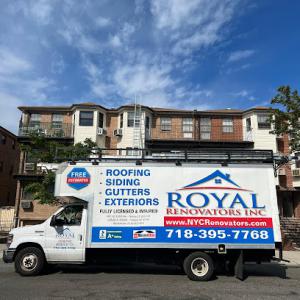
Royal Renovators is a trusted roofing contractor in Queens, serving homeowners and businesses throughout Queens, Brooklyn, Manhattan, the Bronx, and Long Island. We specialize in flat roof repairs and roof replacements for both residential and commercial properties. Since 1988, our licensed and insured team is BBB A+ Accredited and GAF Master Elite certified, working with flat and shingle roofing systems built to last. We also provide professional siding, masonry, and gutter services. From Brooklyn’s historic brownstones to Queens residential properties, clients choose us for honest, reliable roofing that withstands New York’s toughest weather. We offer emergency services for urgent leaks and storm damage. Call for Free Estimate today.
Thomas James Roofing & Waterproofing
(718) 416-5255 www.thomasjamesroofing.com
Serving
4.9 from 52 reviews
Since 1999, Thomas James Roofing and Waterproofing has been a trusted name in roofing, siding, and waterproofing. With a dedicated team of experienced professionals, they are committed to delivering high-quality, long-lasting results. Specializing in making each project as seamless and stress-free as possible, Thomas James Roofing and Waterproofing offers expert service with a focus on durability and customer satisfaction. Their skilled craftsmanship ensures that every home is treated with the care and attention it deserves, providing peace of mind and protection for years to come.
Paragon Chimney & Roofing of Queens
(347) 544-9554 paragonchimneyandroofing.com
Serving
5.0 from 482 reviews
Paragon Chimney & Roofing is dedicated to providing top-quality chimney and roofing services. Our team ensures safety, reliability, and customer satisfaction. Serving New York, we pride ourselves on expert craftsmanship and prompt service. Trust Paragon for all your chimney and roofing needs.
Skyward
(718) 878-6748 www.skywardroofing.com
Serving
5.0 from 82 reviews
Skyward Roofing - Queens is a professional and trusted roofing company catering to the roofing needs of commercial and residential clients. With vast experience, our team of skilled experts offers quality roofing services customized to meet the special needs of every client. From new installations and repairs to inspections and maintenance, we deliver excellent artistry using quality materials and modern techniques. Dedicated to client satisfaction, we ensure timely project completion, moderate pricing, and a commitment to surpassing client expectations. Reliable, trustworthy, and efficient, we are the most sought-after company for roofing needs. Call us or visit our site for more information.
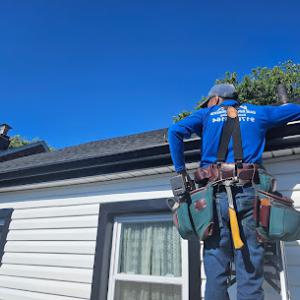
Guaman Roofing Services
(917) 891-4164 guamanroofing.com
Serving
4.9 from 65 reviews
Guaman Roofing Services has provided quality services to residential and commercial owners in New York City. We know that you deserve the best quality service, that’s why our team executes precise and safe projects, always guaranteeing a professional service.
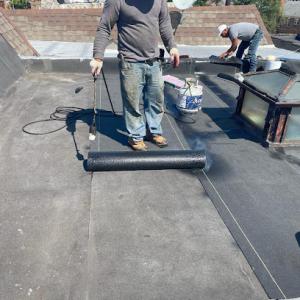
Master Roofing
(718) 957-0313 www.master-roofers.com
Serving
4.5 from 55 reviews
Looking for a reliable roofing company in NYC? Look no further than Master Roofing With years of experience, we offer high-quality roofing services for residential, commercial, and industrial properties. Our team of skilled roofers uses top-quality materials and the latest techniques to ensure your roof is strong and durable. We provide personalized service and attention to every client, ensuring that your unique needs and budget are met. Contact us today for competitive pricing and efficient service. Our Services: Roof installation, Roof repair, Roof maintenance, Gutter installation, Gutter repair, Roof insulation installation, Roof cleaning, Emergency roof repair services, Roofing inspections, Roof replacement & more
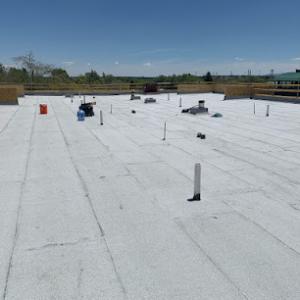
Five Star Roofing
(718) 795-6640 fivestarroofingny.net
Serving
4.8 from 443 reviews
Five Star Roofing is a fully licensed and insured commercial and residential roofing company located in Queens, NY. Since 2008, we have provided top-quality roofing services to Queens, Brooklyn, and Long Island homeowners. Our team of experienced and certified roofing professionals specializes in flat, shingle, tile, and metal roofs, as well as urgent repairs. Whether you need roof repairs, replacements, or installations, we have you covered! With a strong emphasis on excellent customer service and premium craftsmanship, we have built a reputation as one of the most trusted roofing companies in the area.

Metro roofing
(347) 748-2500 themetroroofingcompany.com
Serving
4.8 from 52 reviews
Our company strives for quality and reasonable pricing . We pride our selves on our reputation and continue to work up to it
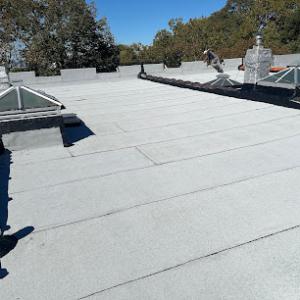
Daniel's Roofing:Best roofing contractor Queens/Brooklyn Ny
(917) 204-2906 danielsroofingnyc.com
Serving
5.0 from 78 reviews
Fourth-generation roofing contractor that does the job right! Serving New York and surrounding areas since 1987. I have developed a fantastic reputation in customer service and fast but neat quality work at a price that won’t break the bank. When you call for a free estimate or just to ask some questions, you get to talk right to me, the owner. I’ll repair your home like it’s MINE!
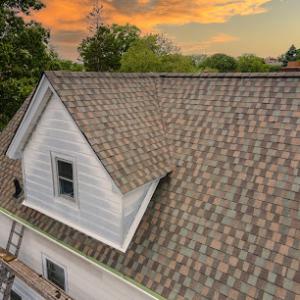
J C Master Inc Roofing & siding
(347) 400-2611 jcmasterinc.net
Serving
4.0 from 92 reviews
JC Master is a licensed, insured roofing & siding contractor serving New York City—Brooklyn, Queens & Long Island—since 1997. We specialize in roof repairs & full replacements (shingle, flat/TPO/EPDM), gutters, leak detection, storm-damage assessments and insurance-claim support. Most of our work comes from referrals because we show up fast, document the damage, and handle the paperwork with your carrier. Free same-day inspections, clear pricing, and crews you can trust for family homes and multi-family buildings. Call for a visit today.
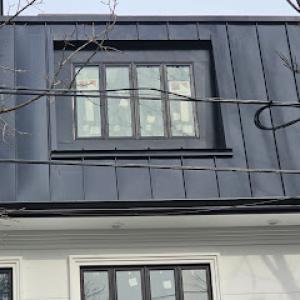
Eagle Express Contractor
(347) 362-0008 eagleexpresscontractor.com
Serving
5.0 from 82 reviews
At Eagle Express Contractor, we pride ourselves on delivering top-notch roofing services with a commitment to excellence and customer satisfaction. With extensive experience in the roofing industry, our skilled team is equipped to handle projects of all sizes, from minor repairs to large-scale installations. We believe no job is too big or too small for us, and we take every project seriously, ensuring high-quality results every time. Our motto, "One call does all," reflects our dedication to providing comprehensive solutions for all your roofing needs. Contact us today to experience the Eagle Express difference!
In this neighborhood, a full roof replacement typically requires a New York City building permit rather than informal local approval through a village or township office. The transition from a traditional roof to a modern system-whether asphalt, metal, or tile-comes with city-level oversight aimed at ensuring structural integrity and proper drainage across the varied rooflines found on Tudor, Colonial, and low-slope sections common here. If a contractor suggests skipping the permit or treating the project as a purely cosmetic update, that shortcut can create long-term headaches when the city request comes for documentation, or when an inspector notices a mismatch with existing curb appeal or drainage dynamics.
Contractors generally file roofing work through the DOB NOW system used by the New York City Department of Buildings. This digital process is not a formality; it is your formal record that the work complies with current codes and site-specific constraints. You'll want to confirm your chosen contractor has an active DOB NOW profile and that the project scope matches the actual upgrade plan, including material transitions and any modifications to flashing, valleys, or low-slope sections. Expect online milestones to be set up for rough framing checks, drainage and flashing reviews, and final inspection, with concrete documentation attached at each stage.
Inspections are scheduled at required milestones and at completion, and the permit needs to be formally closed after final inspection. In practice, this means a sequence of city inspections that align with the timing of weather windows and seasonal constraints typical to this area. Freeze-thaw cycles and humid summer storms place extra emphasis on flashing integrity, valley transitions, and drainage routes. If any element appears to have shifted or degraded since the last inspection, a reinspection or a permit amendment may be requested. Delays in securing a final sign-off can cascade into extended project timelines, which in a climate with rapid weather shifts can translate into additional exposure for vulnerable roof edges and transitions.
Too often, homeowners encounter permit hiccups due to mismatched project descriptions or unregistered subcontractors. Ensure the DOB NOW record reflects the exact scope: roof type, number of layers to be removed, new flashing details, and any low-slope membrane installations. Missing or incongruent documentation can trigger downtime and rework. If there is a change in material or configuration-such as introducing a different flashing approach or altering drainage components-seek an amendment to keep the file coherent and avoid inspection holds. Clear communication with both the contractor and the inspector helps prevent last-minute surprises that stall the project during a season when rain events can rapidly expose vulnerable transitions.
Before work begins, verify that the permit's address, owner details, and project description match the property file and the planned scope. During the build, keep a centralized folder of DOB NOW submissions, inspection notices, and finalized reports. After the final inspection, ensure the permit is closed in the system and that any required warranty or maintenance notes are uploaded. This disciplined approach reduces the risk of latent issues that could surface after winters and humid summers, when flashing, valleys, and low-slope transitions face the harshest wear. In Forest Hills, sticking to the DOB NOW process is not just paperwork-it's a safeguard for a roof that meets city standards while standing up to local weather and housing stock realities.
Provided local cost ranges run about $350 to $650 per square for asphalt shingles, $700 to $1100 for metal, $1000 to $1800 for clay tile, $1000 to $1900 for concrete tile, $600 to $1000 for wood shingles or shakes, and $450 to $750 for synthetic or composite shingles. In Forest Hills, those sticker prices are a starting point, but they're not the full story. NYC-area logistics, staging, and debris handling add-ons push line items upward, and tighter site logistics than in lower-density suburbs show up in crew time and equipment needs. When planning, expect the staged costs to land higher than simple square-foot pricing, even for a straightforward roof swap.
Older Queens homes in this area carry chimneys, dormers, valleys, and mixed-slope sections, all of which complicate every project. A simple rectangle becomes a puzzle: more edges to flash, more transitions to seal, and more potential trouble spots where freeze-thaw cycles can stress joints. That means labor hours rise, warranty discussions become more nuanced, and the per-square price shifts toward the higher end of any material's range. If a roof has multiple slopes or a crowded parapet line, budget for extra flashing, additional underlayment detail work, and careful shingle alignment around parapets and vents.
In this climate, flashing durability and drainage performance matter as much as the roof surface itself. Asphalt shingles stay attractive and affordable, but metal and tile options bring longer-term resilience at higher upfront costs. Clay and concrete tiles require careful substrate preparation and precise fastener work, especially around hips and valleys where water flow concentrates. Wood shingles or shakes bring a classic look but demand meticulous maintenance in humid seasons. Synthetic or composite shingles offer a mid-range price with improved resistance to temperature swings, yet still rely on precise flashing and drainage planning to avoid premature wear.
When estimating, build in extra for complex transitions, steep pitches, and the inevitable staging crew days that NYC work sites demand. Acknowledge that the premium for tight site logistics, careful debris management, and the extra flashing around chimneys and dormers can easily push project totals beyond the base material price. For a roof replacement, ask for a detailed breakdown that includes underlayment, flashing, ventilation improvements, and a staged cleanup plan to prevent unexpected add-ons during the job.
Get a clear picture of your project costs upfront - no commitment required.
Daniel's Roofing:Best roofing contractor Queens/Brooklyn Ny
(917) 204-2906 danielsroofingnyc.com
Serving
5.0 from 78 reviews
Asphalt shingles dominate practical choice in this market because they fit the steep-slope residential roof forms common in Forest Hills and stay within the broadest local budget range. For most houses in the area, they offer reliable performance when installed with proper underlayment and flashing detail at valleys, dormers, and transitions from low-slope sections. The climate-freeze-thaw cycles plus humid summer rain-places extra emphasis on selecting a shingle with good granule adhesion and paired components that resist wind uplift and moisture intrusion at step-flashings. When a home has Tudor or Colonial styling with multiple roof planes, asphalt can flex to the varied geometry without a heavy aesthetic shift, and roofers can match color and texture for a cohesive look along the eaves and gables. In Forest Hills, the durability of an asphalt system improves with quality starter courses, well-sealed ridges, and careful flashing where low-slope transitions meet steeper slopes.
Tile and synthetic products appear in the market but need careful structural and flashing planning on older Queens homes where roof framing and detailing may not be simple. Clay and concrete tiles bring distinct curb appeal and long life, but their weight demands a reevaluation of sheathing, rafter capacity, and attachment methods. If the attic or roof framing was not originally designed for heavy tile, reinforcing the structure becomes a prerequisite to prevent sagging or insulation gaps. In addition, flashing at valleys and around protrusions must be coordinated to handle freeze-thaw movement and seasonal moisture. Synthetic shingles and composites offer lighter weight and easier installation, yet they still require precise transitions, especially where roof planes intersect with brick or stucco detailing commonly found on aging side-by-side homes in the district. When choosing tile or synthetic options, plan for a complementary flashing strategy that protects joints, skylights, and vents through both humid summers and cold winters.
Metal roofing is available locally but is a smaller specialty segment, so homeowners should expect a narrower contractor pool than for asphalt or general re-roofing. Metal can handle rapid temperature fluctuations and heavy rain, but it demands accurate flashing at roof-to-wall transitions and careful integration with existing drainage plans. In a neighborhood with varied rooflines, metal often suits standalone additions or standalone gables, yet the choice should be weighed against the more common steep-slope asphalt layouts for consistency in maintenance access and repair. If considering metal, verify that the slate-like or standing-seam profile is compatible with existing trim, fascia, and brickwork, and demand a detailing plan that mitigates the freeze-thaw stress on joints and fasteners.
Chimney-related roofing work is highly visible in the Queens contractor market, matching the number of older homes where roof systems meet aging masonry. Expect frequent flashing failures at chimney bases and along brick joints after winter freeze-thaw cycles. When you see gaps or rusted step flashing, address those edges first before moving to steep or curved sections. The fastest path to lasting results is coordinating masonry repointing with flashing replacement so sealant joints aren't stressed twice.
Skylight repairs are a meaningful specialty locally, which matters because leak complaints often originate at curb flashing and surrounding shingles rather than the glazing itself. Inspect curb flashing where it meets underlayment and shingles during dry days, and test for wind-driven leaks after storms. If the curb shows cracked caulk or lifted shingles, replace the surrounding flashing and reseal the curb plane in stages to avoid overloading the glazing edge.
Freeze-thaw weather in New York City is especially hard on sealants and flashing where roofing meets brick or stone chimneys. In Forest Hills homes, that means sealant joints around chimney cricketes and side walls can crack first. Regularly monitor the transition zones between masonry and roof deck for hairline cracks, spalling brick, or loose mortar. Plan preventative resealing and flashing refreshes every few cycles to keep water out of masonry joints and roof decks.
Schedule seasonal checks focusing on masonry surrounds, chimney bases, and skylight curb corners. Keep a close eye on any staining at lower roof planes following heavy rains, and test interior ceilings for subtle seepage near chimneys after temperature swings. If leaks are suspected, prioritize the most visible flashing and curb connections for immediate resealing before evaluating more extensive masonry work.
Find contractors experienced in skylight installation, flashing, and leak repairs to bring natural light into your home.
Thomas James Roofing & Waterproofing
(718) 416-5255 www.thomasjamesroofing.com
Serving
4.9 from 52 reviews

Paragon Chimney & Roofing of Queens
(347) 544-9554 paragonchimneyandroofing.com
Serving
5.0 from 482 reviews
Here, roof damage rarely appears from a single blowout rain event. Instead, it creeps in through repeated storms that test flashing, valleys, and low-slope transitions over time. The pattern matters: a small, overlooked crack or lifted shingle under a damp afternoon can become a veden point for water intrusion after the next freeze-thaw cycle. Keep a steady record of every storm impact, gutter overflow, and visible change to the roof edge. Photograph from multiple angles, note the date, and align images with any attic or interior evidence so you can trace when the issue first arose. This isn't about sensational claims; it's about building a durable case for gradual wear that insurance adjusters will scrutinize.
In this market, NYC insurers often request a clear bundle of documentation: photos, contractor findings, and adjuster notes that show the progression of damage rather than a single incident. Prompt recordkeeping matters more than waiting for interior leaks to worsen. If a contractor identifies flashing failures, compromised valleys, or failed transitions, get written notes and dated images that corroborate the assessment. Keep copies of any field reports, material samples, and notes about workmanship deficiencies that contributed to the deterioration. That thorough trail helps prevent disputes when the claim is reviewed, especially after a busy storm season.
Because replacements typically involve permits and inspections in this area, it is essential to preserve permit records and final signoff documents with the claim file. When a claim leads to a replacement, those papers substantiate the repair history and the scope of work that followed. Don't rely on memory alone-store the permit numbers, inspection dates, and any correspondence with the building department alongside the invoices and contractor findings. This careful archiving can reduce back-and-forth with the insurer and keep the claim moving toward resolution without unnecessary delay.
Connect with contractors who help homeowners navigate the claims process from damage assessment to final approval.
Daniel's Roofing:Best roofing contractor Queens/Brooklyn Ny
(917) 204-2906 danielsroofingnyc.com
Serving
5.0 from 78 reviews
Winter snow and freeze-thaw cycles can disrupt tear-off timing and make temporary waterproofing more important on active jobs in Queens. If a job is ongoing during a cold snap, plan for frequent weather checks and flexible scheduling to avoid patchy returns and moisture intrusion between layers. Temporary coverings should be prepped and inspected daily, since stubborn meltwater can refreeze and widen vulnerable joints on low-slope transitions and flashing. In tight neighborhoods with complex roof lines, small delays can cascade into longer windows; build in buffer days, especially after heavy snowfall or repeated thaw cycles.
Spring storms and heavy rainfall can delay installation windows and expose underlayment if scheduling is too aggressive. Early-season starts should be paired with real-time forecasts and a contingency plan for rain days. Expect more pauses near mature tree lines and terraces where wind-driven rain splashes onto exposed underlayment. For homes with Tudor and Colonial elements, prioritize securing valleys and flashings during any dry spell, but avoid forcing a full tear-off if the forecast calls for heavy downpours over several days. A cautious pace protects the roof assembly and surrounding landscaping.
Summer heat and humidity affect asphalt shingle handling and worker productivity, while autumn wind and precipitation can complicate cleanup and debris control in denser neighborhoods. Plan midweek starts during peak heat to reduce material handling fatigue and wrap-up time. Schedule heavier work during cooler mornings and late afternoons, and ensure crews manage waste and debris in tight staircases and alleyways without obstructing neighboring homes. Autumn winds demand careful fastening and rapid material containment to prevent loose debris from accumulating on multi-angled roofs and near mature trees.
Think in blocks tied to the seasons rather than a single fixed date. Build in cushion days for weather swings, especially during shoulder seasons. For high-density blocks with varied roof forms, coordinate staging to minimize foot traffic on freshly laid surfaces while deliveries are coordinated to avoid congestion at shared driveways. This approach helps keep flashing, valleys, and low-slope transitions from bearing the brunt of unpredictable Queens weather.
In Forest Hills, the neighborhood fabric and modern Queens drainage realities demand a contractor who can move quickly, clean up thoroughly, and limit disruption to neighbors during tear-off. The local market favors crews that can manage debris control, contain noise, and restore curb appeal with minimal yard and driveway intrusion. A familiar team knows how to coordinate with adjacent homes, minimize scuffs on siding, and stage materials without blocking sidewalks.
Re-roofing is far more common than new construction in this market, so you want a crew whose track record centers on replacement roofs rather than mostly new builds. Look for firms that routinely handle valley work, flashing upgrades, and low-slope transitions, since those parts bear the brunt of freeze-thaw cycles and humid storms. A contractor comfortable with Queens-scale projects will anticipate common failure points and plan accordingly.
Seek long-established, family-owned firms that are licensed and insured. These operators tend to offer steadier callbacks and clearer accountability when NYC paperwork and permit questions arise. Ask for a local project list, references from neighbors with similar roof types, and a quick tour of recent replacements. Confirm they carry current liability and workers' compensation coverage, and verify their ability to handle warranty service without delays.
During interviews, discuss how the roofer handles flashing, valleys, and low-slope transitions, especially where materials meet chimneys or dormers. Ask how they protect overhangs, preserve landscaping, and manage storm debris during removal. Request a written plan for site protection, material staging, daily cleanup, and final inspection. A reputable crew will provide a clear sequence from tear-off to final inspection and be prepared to address any unexpected issues that arise in a dense neighborhood setting.
If a candidate demonstrates prompt responsiveness, clear cleanup commitments, and demonstrable replacement experience, proceed to check references and confirm their ability to coordinate with neighbors and HOA-driven or building-specific requirements. Choose a roofer who treats every Forest Hills home as a priority project, not just another job.