Last updated: Apr 19, 2026
In this neighborhood, many prewar attached, semi-attached, and small multifamily buildings show a visible front pitched roof paired with low-slope or flat rear roof areas that cover additions or upper floors. A single, clean "roof plane" is rare. Leaks often don't come from one obvious spot but from transitions: where a front gable meets a parapet, along the line where party walls share a roof, around chimneys that rise through mixed roof sections, and at connections between the main roof and a rear-extension roof. When diagnosing, treat the rear low-slope area as a potential leak source even if the visible front roof looks sound. The often constrained geometry-tight lot lines and crowded facades-means small shifts in flashing, drainage, or detailing can cause trouble that echoes across multiple planes.
Parapet and party-wall transitions are a frequent trouble spot. Parapets can be thin, prone to wind-driven leakage, or suffer cap flashing that deteriorates under the weight of daily use and seasonal cycles. Party-wall sharing means two owners or tenants may have different roof protection strategies, and misaligned counterflashing or seams can become a drip line. Chimneys, vents, and roof-to-rear-extension connections sit at joints where different materials meet and different roof pitches intersect. In mixed-roof configurations, a leak may travel along a vertical chase inside a wall or through a stack of roof planes before finally appearing as a damp spot on a ceiling far from the original source. When inspecting, trace water path both laterally along a joint and vertically across levels; you may find the culprit at a seemingly distant seam.
Dense lot lines and limited side-yard access mean staging materials is a bigger part of the plan. Deliveries and dumpster placement need careful choreography to avoid blocking sidewalks or encroaching on neighboring properties. If a rear-area renovation is involved, consider weather windows long enough to place tarps, scaffolding, and debris nets with minimal disruption to adjacent homes. For a front-facing roof, access is usually easier, but the rear additions and low-slope sections require careful scaffolding tie-ins to minimize weight on shared walls. In every case, schedule crew time so that a full stairwell or back alley transport does not require repeated trips, which can widen disruption to neighbors. Communicate an anticipated plan: which doors will be used, where tarps will be installed, and how debris will be contained and removed.
Select materials and detailing that accommodate both a pitched front roof and a low-slope rear roof. Asphalt shingles are common on the front, but the rear may need a more water-tight transition detailing between planes. Metal roofing can provide robust front-to-rear continuity if installed with integrated flashing at transitions. For clay or concrete tile, weight and the steep-to-flat interface require careful structural and flashing coordination, especially at parapet edges and party walls. Wood shingles or shakes can add historic character but demand careful moisture management near parapets and joints. Slate offers durability but requires precise interface work at transitions; its weight compounds delivery and staging considerations on crowded sites.
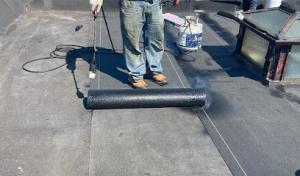
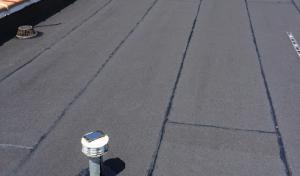
Prioritize continuous flashing across the full roofscape, not just the visible face. At parapets, install counterflashing that spans both planes and extends over joint detailing between front and rear sections. Where a chimney intersects multiple planes, seal every seam with a compatible waterproofing solution that accommodates thermal movement. At the roof-to-rear-extension connection, use flashing that bridges the pitch difference and provides a single, reliable drip edge across the two surfaces. Inspect joints at party walls for missing sealants or splitting mortar that can funnel water into concealed channels. For low-slope rear roofs, ensure adequate slope and drainage, with edge detailing that channels water toward scuppers or internal drains without pooling.
Regular seasonal checks should focus on transitions rather than single planes. After heavy rain or thaw cycles, inspect for damp spots near parapet junctions, along the wall line where two roofs meet, and around chimney penetrations. Clean gutters and downspouts, paying attention to any blockages that could back up onto the rear roof area. Document issues with photos that highlight where a drip line travels and where a patch appears to fail-this helps in coordinating repairs that span multiple planes and owners, which is common in this part of Queens. When a repair involves the rear low-slope area, plan for a coordinated effort that addresses both the visible front roof and the less-visible transitions, ensuring that work on one plane does not undermine the integrity of the other.
Neat Services
(718) 880-4080 www.neatservicescorp.com
82-11 37th Ave Ste 404, Jackson Heights, New York
5.0 from 143 reviews
Neat Services is a licensed roofing and siding contractor in Queens, NY, serving Maspeth, Jackson Heights, Astoria, Forest Hills, and Brooklyn. We specialize in roof replacement, roof repair, siding installation, and window replacement with premium materials (GAF, CertainTeed) and a 25-year workmanship warranty. Bilingual team (English/Español), Directorii-backed, BBB A+, and 143+ five-star Google reviews. Need a roofing contractor near me or siding contractor near me? Call Neat for fast estimates, clear communication, and clean, professional work done right.
Eagle Express Contractor
(347) 362-0008 eagleexpresscontractor.com
Serving
5.0 from 82 reviews
At Eagle Express Contractor, we pride ourselves on delivering top-notch roofing services with a commitment to excellence and customer satisfaction. With extensive experience in the roofing industry, our skilled team is equipped to handle projects of all sizes, from minor repairs to large-scale installations. We believe no job is too big or too small for us, and we take every project seriously, ensuring high-quality results every time. Our motto, "One call does all," reflects our dedication to providing comprehensive solutions for all your roofing needs. Contact us today to experience the Eagle Express difference!
Thomas James Roofing & Waterproofing
(718) 416-5255 www.thomasjamesroofing.com
Serving
4.9 from 52 reviews
Since 1999, Thomas James Roofing and Waterproofing has been a trusted name in roofing, siding, and waterproofing. With a dedicated team of experienced professionals, they are committed to delivering high-quality, long-lasting results. Specializing in making each project as seamless and stress-free as possible, Thomas James Roofing and Waterproofing offers expert service with a focus on durability and customer satisfaction. Their skilled craftsmanship ensures that every home is treated with the care and attention it deserves, providing peace of mind and protection for years to come.
Guaman Roofing Services
(917) 891-4164 guamanroofing.com
Serving
4.9 from 65 reviews
Guaman Roofing Services has provided quality services to residential and commercial owners in New York City. We know that you deserve the best quality service, that’s why our team executes precise and safe projects, always guaranteeing a professional service.
Astoria Roofing
(718) 285-6273 www.astoriaroofingny.com
Serving
5.0 from 78 reviews
For over three decades, Astoria Roofing has been a reliable roofing contractor servicing Queens, Brooklyn, and the greater NYC region. With an unwavering commitment to excellence, our skilled professionals specialize in residential and commercial projects, expertly handling various services such as roof replacements, leak repairs, flat roofs, waterproofing, and professional maintenance. Utilizing top-grade materials, our licensed and insured team provides durable and long-lasting solutions, ensuring superior protection for your property and peace of mind. For exceptional customer service, fast response times, and honest communication, Contact us today for a free estimate and see why New Yorkers trust Astoria Roofing.
George's Roofing
(718) 747-4954 www.georgesroofing.com
Serving
4.8 from 38 reviews
For over three decades, George's Roofing has been a family-owned and operated business dedicated to providing top-tier roofing solutions. Based in Astoria, our expertise extends beyond simple repairs to include comprehensive new roof installations, meticulous masonry work, and professional pressure washing services. We take pride in our commitment to quality, ensuring every project, big or small, is completed with the highest level of craftsmanship. Trust our seasoned professionals to protect and enhance your home, guaranteeing exceptional results that stand the test of time.
TOP 1 Expert Home Improvement
(347) 925-7622 www.top1expert.com
Serving
5.0 from 348 reviews
With decades of experience in delivering top-quality roofing services, TOP 1 Expert Home Improvement is a family-owned and operated business proudly serving the greater New York and metropolitan area. Our skilled team is committed to offering the highest level of service and craftsmanship in the region.
SRT roofing services
(917) 459-8918 www.srtroofingny.com
Serving
4.7 from 92 reviews
srt roofing is a full service roofing company specializing in the installation and repairs of flat roof and shingle roof systems
Daniel's Roofing:Best roofing contractor Queens/Brooklyn Ny
(917) 204-2906 danielsroofingnyc.com
Serving
5.0 from 78 reviews
Fourth-generation roofing contractor that does the job right! Serving New York and surrounding areas since 1987. I have developed a fantastic reputation in customer service and fast but neat quality work at a price that won’t break the bank. When you call for a free estimate or just to ask some questions, you get to talk right to me, the owner. I’ll repair your home like it’s MINE!
Royal Renovators
(718) 414-6067 www.nycrenovators.com
Serving
4.8 from 262 reviews
Royal Renovators is a trusted roofing contractor in Queens, serving homeowners and businesses throughout Queens, Brooklyn, Manhattan, the Bronx, and Long Island. We specialize in flat roof repairs and roof replacements for both residential and commercial properties. Since 1988, our licensed and insured team is BBB A+ Accredited and GAF Master Elite certified, working with flat and shingle roofing systems built to last. We also provide professional siding, masonry, and gutter services. From Brooklyn’s historic brownstones to Queens residential properties, clients choose us for honest, reliable roofing that withstands New York’s toughest weather. We offer emergency services for urgent leaks and storm damage. Call for Free Estimate today.
Skyward
(718) 878-6748 www.skywardroofing.com
Serving
5.0 from 82 reviews
Skyward Roofing - Queens is a professional and trusted roofing company catering to the roofing needs of commercial and residential clients. With vast experience, our team of skilled experts offers quality roofing services customized to meet the special needs of every client. From new installations and repairs to inspections and maintenance, we deliver excellent artistry using quality materials and modern techniques. Dedicated to client satisfaction, we ensure timely project completion, moderate pricing, and a commitment to surpassing client expectations. Reliable, trustworthy, and efficient, we are the most sought-after company for roofing needs. Call us or visit our site for more information.
Brooklyns Best Roofing Williamsburg
brooklynsbestroofingwilliamsburg.com
Serving
5.0 from 121 reviews
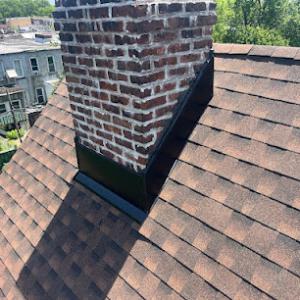
Brooklyns Best Roofing Williamsburg delivers exceptional roofing solutions for homes and businesses. As a trusted leader, we are dedicated to providing top-quality residential and commercial roofing services in NYC. Our commitment to excellence shines through in every project, ensuring durability and complete customer satisfaction. From expert installation to meticulous repairs and ongoing maintenance, our skilled team uses only the best materials and provides reliable craftsmanship tailored to your specific needs. Choose us for roofing projects done right, every time.
Exposure to New York City's winter moisture means small cracks and gaps near flashing, mortar joints, and masonry interfaces can seize up as temperatures swing. Water that gets into those micro-cracks can expand when a cold snap arrives, pushing against roof edges, parapets, and valley intersections. In Jackson Heights, this accelerates wear where roofs meet party walls or where old flashings butt against brick and stone. The pattern matters: the moisture late fall that soaks into any pore in the roof system can remain trapped through the coldest nights, then expand as soon as a sunny day returns. That cycle often shows up first as slow leaks after a thaw, or as a quick drumbeat of water intrusion around the most vulnerable seams.
Spring rain and summer humidity in western Queens can push tear-offs into narrow windows when the crew can work without rain dripping onto interior spaces or into occupied units. Drying times for roof assemblies after installation are critical, and the dense urban setting can complicate ventilation and clearance for debris. In practice, scheduling during late spring through early summer often yields better conditions for attic and ceiling drying, but heat and humidity can still press against fasteners and sealants. Winter work on occupied buildings is frequently halted by snow, ice, and the safety concerns that come with slippery scaffolds and restricted access. When winter storms arrive, the priority becomes securing openings to prevent leaks and delaying intrusive work until conditions improve, even if that means longer timelines.
The urban core amplifies heat. Dense surrounding development shades some portions while reflecting heat onto others, so dark roof areas can reach higher surface temperatures in the summer. That heat can accelerate aging of underlayment and sealants, especially on low-slope rear sections that may collect more radiant energy due to limited airflow. Elevated temperatures also affect the installation window for some roofing products, influencing how long adhesives or bitumen remain workable. In practical terms, plan for mid-day heat when selecting installation times and allowing for cooling periods between coatings. Heat exposure can also stress metal flashing, so paying attention to attachment points and protective coatings helps curb expansion and contraction cycles that contribute to leaks.
Masonry interfaces, parapet coping, and valley details are the usual weak links after freeze-thaw cycles. In Jackson Heights, attached and multifamily buildings often present stacked faces where snow and ice slide toward shared walls, concentrating moisture at junctions. Look for micro-cracks along mortar joints, displaced flashing shingle laps, and clogged drainage paths that invite standing water into eaves and parapets. The combination of low-slope sections at the rear and compact urban footprints means water can migrate along roof decks to interior ceilings if flashing or drainage is compromised. Regular inspection after thaws, and targeted resealing of suspect joints, can slow the progression from minor seepage to more noticeable leaks.
During warmer weeks, perform a careful visual check of edges, flashings, and the transition between roof sections and masonry. Note any signs of staining or dampness on ceilings below problematic angles, especially after thaw events. In chilly periods, keep an eye out for frost buildup at chimney penetrations or around dormers that could indicate blocked drainage or compromised seals. When planning replacements or repairs on low-slope and mixed-roof configurations, prioritize vulnerable interfaces that demonstrated weakness in prior winters. In this climate, resilience comes from anticipating how moisture, heat, and wind interact with the specific urban roofscape around you.
When you can't wait, these contractors offer fast response times to stop leaks and prevent further damage.
Thomas James Roofing & Waterproofing
(718) 416-5255 www.thomasjamesroofing.com
Serving
4.9 from 52 reviews
Daniel's Roofing:Best roofing contractor Queens/Brooklyn Ny
(917) 204-2906 danielsroofingnyc.com
Serving
5.0 from 78 reviews
Roof replacements in this area fall under New York City DOB oversight, and full re-roofs typically require a building permit with contractor-filed plans and scheduled inspections. The process is not a box-tick exercise; it defines how long a project can stay on a street-facing frontage and how your interior areas are protected during work. If a permit record exists, it must show proper sign-offs before a new job can begin. A missing or incomplete sign-off creates a risk that the work could be halted, or that a future sale or refinance encounters delay or liability. On a tight Queens block, the timing of inspections often hinges on weather, scaffold readiness, and the ability to access the roof without blocking neighboring driveways or curbside loading zones. Plan for inspections to align with material delivery windows and scaffold setup so crews are not kept waiting with partially staged debris or open permits.
On narrow blocks, scaffold planning becomes as critical as the roofing material choice. Access can be limited, and the front of a building may also serve as a loading area for multiple tenants. Coordination with neighbors and the building's superintendent is essential to avoid blocking entrances, mailboxes, or fire lanes. Site-safety coordination extends to waste handling rules that affect where debris can be loaded and how long materials can occupy the frontage. Penalties for improper staging or overstaying permit-driven work can add days and costs to the project, so it pays to verify the scaffold layout, guardrails, and debris containment before lifting the first bundle onto the roof. If the building interior houses tenants or shared roofs, expect more detailed access windows and a tighter schedule to keep common areas clean and dry.
Homeowners should verify that any prior roofing permits on the property were properly signed off, because open DOB permit history can complicate new work and property transactions. A lingering open permit might halt a new filing or trigger a re-inspection even for a minor repair. When a permit history shows gaps, it is prudent to request a complete closure record from the contractor and the DOB portal, and to document any corrective work that was performed under a previous permit. In practice, this means coordinating with the roofer to obtain the final sign-offs, ensure all inspections are recorded, and keep a copy of the closure certificate as part of the home's file. This diligence protects you from unexpected compliance issues that could surface during a sale or refinance.
In Jackson Heights, price awareness starts with how the street and block layout affect work. Narrow residential streets, tight staging, and the need for careful scaffold setup push labor time and access challenges into the pricing equation. Expect crews to quote higher than the same material in less congested areas because material loading, hoisting, and debris handling must be choreographed around street activity and curb space.
Many local homes aren't simple rectangles. Rear additions, dormers, chimneys, parapets, and multiple roof sections increase flashing, tear-off labor, and roof edge work. Each extra edge or corner means more seam flashing, drip edge, underlayment, and potential coordination with existing gutters and downspouts. Those add-ons compound quickly, so a seemingly standard two-by-four square re-roof can become a multi-day job with higher crew hours and more waste.
Material selection matters as much as square footage. Asphalt shingles remain the most economical option for budget-conscious projects, but even they feel the pinch in this neighborhood due to shipping and labor costs. Metal roofing, clay tile, concrete tile, and slate bring longer lifespans and distinct aesthetics, yet Jackson Heights can amplify their price tags. Heavier materials require more careful handling through constrained sites, more crane or hoist coordination, and longer installation times, all of which raise the per-square cost beyond the material price alone.
Concrete tile and clay tile often sit at the upper end of the spectrum, especially when crews must move heavy bundles across limited staging. Slate, the heaviest and most labor-intensive option, can be markedly expensive here, not just for material but for the extra set-up and protection needed to prevent tile breakage on tight, urban jobs.
Costs can vary sharply because many roofs aren't simple; rear additions or multiple sections raise tear-off labor and flashing complexity. Heavier materials tend to be especially expensive when access is tight and crews must move bundles through constrained urban sites. If you're weighing options, plan for not just material price but the incremental labor and logistics that come with a dense, street-facing neighborhood roof.
Get a clear picture of your project costs upfront - no commitment required.
Daniel's Roofing:Best roofing contractor Queens/Brooklyn Ny
(917) 204-2906 danielsroofingnyc.com
Serving
5.0 from 78 reviews
Asphalt shingles remain common on pitched roof sections of many one- to three-family Queens homes. In tight, occupied zones, they are easier to replace without extensive interior disruption than premium heavy systems. For a typical prewar roof with modest slope, asphalt shingles offer straightforward flashing around dormers, vents, and parapets, and they simplify temporary protection during leak repairs. When selecting asphalt, choose a granule-coated product with good UV resistance and a dependable sealant strip to reduce the risk of wind-driven lift on modestly steeper sections.
Slate appears on some older Jackson Heights buildings and can last well, but repairs require matching pieces and careful flashing work around chimneys and masonry details common in prewar construction. If slate is already present, maintain an inventory of matching tiles and plan for targeted repairs rather than full replacements. For roofs with slate, attention to the transition zones-where brickwork meets roof, around cornices, and along skylight or vent penetrations-will reduce the chance of leaks during seasonal swings. Replacement options exist, but compatibility with existing slate and the surrounding masonry remains the key to long-term performance.
Tile and wood products exist in the market, but in Jackson Heights they are more likely to be selective architectural choices than the default on the neighborhood's dense stock of practical urban housing. Clay tiles can handle heat and moisture with a distinctive look, yet their weight and installation complexity require careful assessment of the structure's framing and support. Concrete tiles share similar benefits and limitations. Wood shingles or shakes offer a traditional texture but demand regular maintenance to stave off rot in shaded, damp corners and near eaves. If choosing these materials, limit exposure to shared parapets and ensure ventilation at eaves to minimize moisture buildup that can lead to accelerated wear.
In buildings with a mix of low-slope rears and steeper front sections, prioritize materials that balance ease of installation, maintenance, and repair on occupied properties. For sections that are difficult to access or where debris management is a concern, asphalt remains the most forgiving option for ongoing leaks and quick replacements. When contemplating slate, tile, or wood, assess how the material integrates with existing masonry details, chimney flashing, and the rhythm of dormers and parapets that characterize prewar architecture. The goal is to preserve historic character while ensuring reliable performance through the city's seasonal demands.
The most popular roofing material in the US. Find pros who install, repair, and replace asphalt shingles.
Paragon Chimney & Roofing of Queens
(347) 544-9554 paragonchimneyandroofing.com
Serving
5.0 from 482 reviews
In dense, prewar homes with shared walls, chimney flashing and parapet edges show up as frequent leak points on reroofs. Start by inspecting the junctions where masonry meets metal flashing and the parapet cap. Look for loose mortar, rusted or lifted flashing, and any step flashing that's been displaced by seasonal movement. On a Jackson Heights roof, water can travel along concealed intersections, so a leak that appears mid-ceiling may originate at a chimney base or along a parapet line several feet away. Replace damaged flashing with integrated counter-flashing that ties into the masonry, and seal the parapet edge with a durable, low-slope-compatible sealant. When reroofing, ensure the flashing turns down over the parapet walls and is bedded into a compatible, flexible sealant so wind-driven spray doesn't lift the edge.
Parapets on mixed-roof buildings require extra attention to edge drainage. Verify that coping caps are secure and that any gaps behind the cap are sealed to prevent water ingress into the coping joints. For low-slope sections that butt against a masonry wall, crown the transition with a continuous drip edge and a properly sloped membrane beneath the final roofing layer. On these projects, hidden leaks are common where water travels along the wall line before showing as a stain inside. Conduct a thorough internal check along adjacent walls and ceilings to map the true entry point, then extend the exterior investigation to the entire parapet run.
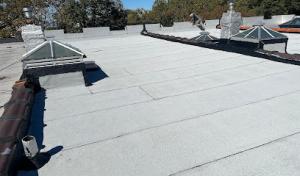
Skylights installed during upper-floor conversions or additions require careful curb and flashing integration. Poor transitions on low-slope sections invite ponding and wind-driven leakage. Ensure the skylight flashing is integrated with the curb flashings, using a continuous sealant bed and compatible flashing materials that resist pooling. Verify that drainage around the skylight shingle or membrane overlaps properly and that any surrounding roof penetrations are flashed with redundant, overlapping layers to prevent seepage during heavy Queens rains. If a skylight sits near a chimney or parapet, coordinate the flashing details to avoid creating a path for water to bypass the primary flashing assembly.
Find contractors experienced in skylight installation, flashing, and leak repairs to bring natural light into your home.
Neat Services
(718) 880-4080 www.neatservicescorp.com
82-11 37th Ave Ste 404, Jackson Heights, New York
5.0 from 143 reviews
Thomas James Roofing & Waterproofing
(718) 416-5255 www.thomasjamesroofing.com
Serving
4.9 from 52 reviews
When a roof issue hits a Jackson Heights home, insurers will want a clear trail: the roof's age, maintenance history, and plenty of photos that show the current condition. For older roofs with layered repairs or masonry interfaces, those photos should include both the obvious damage and the surrounding roof deck, chimneys, and parapets. In practice, you'll want pictures taken from multiple angles, close-ups of damaged flashing, and dated shots that verify prior patches. If a claim moves forward, you'll be asked to prove ongoing care or reveal previous leaks and repairs. The more organized the file, the better your position when a claims adjuster arrives with questions.
In Queens, the boundary between sudden storm damage and long-term wear is watched carefully on older stock. A roof with hidden splices or misaligned masonry interfaces may show slow leaks that look intermittent but result from gradual deterioration. When damage occurs after a storm, capture the moment: blown shingles, lifted edges, or new seepage through joints. But keep in mind that prior patching can obscure the true cause. Your documentation should separately note recent repairs and the surrounding roof's overall condition. This helps prevent a claim being denied for wear that's been accumulating for years rather than a single event.
After a wind or hail event, access to skilled labor and replacement materials can tighten quickly. If temporary tarps or quick fixes are installed, they may alter evidence that supports the claim. To protect your position, photograph damage before any temporary repair is performed, and keep a dated log of every intervention. If repair crews must step in, document the scope of work and how it affects the roof's appearance. In densely built sections with low-slope rear areas, clear evidence of leaks near flashings and edges is especially important, since these spots are most scrutinized by insurers.
Connect with contractors who help homeowners navigate the claims process from damage assessment to final approval.
Neat Services
(718) 880-4080 www.neatservicescorp.com
82-11 37th Ave Ste 404, Jackson Heights, New York
5.0 from 143 reviews
Daniel's Roofing:Best roofing contractor Queens/Brooklyn Ny
(917) 204-2906 danielsroofingnyc.com
Serving
5.0 from 78 reviews
In Jackson Heights, occupied multifamily and attached homes often force owners to weigh disruptive full replacement against targeted restoration on low-slope sections to control access and tenant impact. Restoration focuses on the sections most prone to leaks-typically the low-slope rear or connector areas-while leaving intact the steeper, more durable portions. If the roof has a solid, intact substrate and the structural deck beneath the aging sections is sound, targeted repairs can buy years without a full reroof. This approach reduces occupancy disruption and keeps scaffolding and debris handling to a minimum for several tenants at a time.
The decision becomes highly building-specific because many properties combine older original roof areas with newer rear additions that have different remaining lifespans. Map the roof as discrete zones: main original roof, rear additions, and any transitions. Prioritize the zones with the most recurring leaks or the poorest drainage. If the original sections are near end-of-life and the additions still have useful life, plan a phased approach that aligns with access windows and tenant schedules. If the structural deck shows signs of widespread sagging, water staining, or widespread membrane failures, a full reroof may be the more reliable long-term path.
Before any work, verify that access paths, scuppers, and parapets are clear to minimize nuisance during repairs. For low-slope areas, choose a rugged, compatible membrane that can tolerate solvent exposure from patch work while maintaining drainage. Coordinate work around tenant occupancy by staggering between zones and using lightweight protective walk mats to protect interiors. Communicate clearly with tenants about anticipated leaks, temporary coverings, and the timeline. If choosing a mid-life restoration, document all patches, coating histories, and any reinforcement done to the existing deck so the next phase can build upon verifiable conditions.
Roof coatings are most relevant locally on aging low-slope areas where owners are trying to extend service life without immediately undertaking a full NYC-permitted reroof project. A reflective, elastomeric coating can seal minor breaches and improve hail resistance while buying time for more substantial insulation and drainage improvements. Ensure the coating system is compatible with the underlying membrane and that temperature and humidity windows align with coating cure requirements. This option is most effective when the current roof structure remains sound and the goal is to delay a larger project while preserving tenant comfort.
Extend the life of your existing roof with reflective or waterproof coatings that protect against UV and moisture.