
Last updated: Apr 19, 2026
In Corona, the housing stock commonly mixes a visible pitched front roof with lower-slope rear sections or porch extensions, so leak sources are often on transitions rather than the main street-facing slope. That means a careful inspection should zero in on where different roof planes meet-where a low-slope rear deck ties into a taller front roof, or where an old parapet abuts a newer addition. A small algae line, a damp spot near a ledger, or a crack along a metal transition edge can signal a hidden leak. When you walk a block, you'll notice how many homes visually foreground the front gable while the back roof plays catch-up-exactly where leaks tend to hide until a heavy rain or thaw cycle exposes them.
This part of Queens features densely packed, attached houses, which makes side access, debris staging, and membrane delivery more difficult than in detached suburban neighborhoods. The sequence of a low-slope job often hinges on where trucks can park and where tarps can be raised without brushing a neighbor's siding. Expect frequent coordination with adjacent properties for temporary protections during a roof swap or membrane replacement. Scheduling may require multi-day planning to align weather windows and access restrictions, so a calm, communicated plan helps prevent delays. Expect crews to work through the rear or alley-facing elevations first, then move toward the main parapets and transitions as access permits.
Because many homes sit close to neighboring structures, drainage details at parapets, party-wall edges, and rear additions become a practical maintenance issue during heavy rain and winter freeze-thaw cycles. Water tends to creep along horizontal seams at parapets and into the interface where two different roof systems meet. Look for spalling along coping, rust at metal edge flashings, and cracked sealant in joint lines near party walls. When freezing temperatures return, ice dams can form where rear additions meet the main roof, pushing water into the wall line or vent penetrations. A focused inspection after each significant rain, plus a quarterly check of sealant and flashing along those high-risk edges, will curb escalating damage.
In this neighborhood context, a practical routine starts with a visual walkaround from ground level, then a careful look from the adjacent property line (where legally permissible) to assess flashing integrity and gutter connections. In Corona, you should pay close attention to transitions: where a flatter rear plane meets a steeper front slope, where membrane overlaps hinge on a parapet cap, and where downspouts discharge near a corner or wall vent. When you notice consistent staining along joints or a mineral granule buildup near the transition seams, plan a targeted repair before a full replacement becomes necessary. Documenting photos from multiple angles helps you compare conditions over time and communicate clearly with a contractor.
Low-slope work in these blocks is often sequenced to minimize disruption to neighboring properties and to adapt to the limited access points. Expect crews to begin with rear or side elevations that are harder to protect and progressively move to the more visible front-facing sections once parapet work is secure and temporary weather protection is in place. Weather windows matter: a dry spell that stretches across a weekend can determine whether a membrane replacement or a patching project proceeds smoothly. If a rear terrace or porch extension exists, plan for additional edge detailing and potential drainage modifications, as these elements frequently drive the timing and scope of the job.
A proactive maintenance approach helps Corona homes weather winter freeze-thaw cycles and heavy rains. Create a simple schedule to inspect transitions after major storms, especially where rear additions meet the main roofline. Keep an eye on sealant lines at counterflashing and on metal edge flashings that can corrode in the humid urban environment. Clean gutters and downspouts to ensure water flow away from party-wall interfaces, and assess whether any vegetation near the roofline is contributing moisture retention near vulnerable seams. By prioritizing transition zones and edge details, you reduce the likelihood of unexpected leaks during the next rainfall or thaw.
The spring Nor'easters bring wind-driven rain that can saturate a roof fast and reveal failures around flashing, roof edges, and older patched sections. In attached and closely spaced homes, a small roof leak can cascade into ceiling stains, soak party-wall areas, and threaten upper-floor finishes within hours of a storm just ending. If you notice a drip or damp spot, treat it as urgent rather than cosmetic. Place temporary protections-heavy-duty tarps weighted with bricks or ballast, old roofing materials, or buckets and tubs under the drip-so water doesn't spread to living spaces while you arrange a more durable fix. Move or cover valuables in the affected room to reduce secondary damage, and keep access clear for any temporary repairs you arrange, especially in tight attic and crawlspace corridors common in row-house lots.
After the rain stops, inspect with care but prioritize safety: avoid climbing onto a visibly damp or slick roof. Look for missing or displaced flashing at valleys, chimney sides, vent boots, and where roof planes meet walls. Examine edges and eaves for corrosion, seam separation, or lifted shingles where wind gusts battered the line. Ice damming and repeated freeze-thaw cycles from winter often hide leaks until a first warm rain, so pay attention to any new dampness along the alphabet of roof intersections, particularly in older patched sections. Damaged sealants around flashing, improper step flashing at a party-wall junction, and deteriorated edge metal tend to fail first under spring deluge. Document with photos from ground level if you cannot safely access the roof, and note the exact locations of any active drips or damp spots.
Stabilize the situation with temporary protective measures until a professional can assess full replacement or repair needs. Keep the attic well-ventilated to slow condensation buildup, and inspect interior ceilings for new stains or bulging spots after a heavy rain event. If you must live with a known leak, create a dry barrier around it by moving furniture away and sealing off the area from daily traffic to prevent further interior damage. Schedule a professional assessment promptly, focusing on flashing laps, edge details, and any patched sections that appear aged or weakened. Early action reduces risk to ceilings, walls, and upper-floor finishes and helps align the timing of a proper, long-lasting repair.
When you can't wait, these contractors offer fast response times to stop leaks and prevent further damage.
Thomas James Roofing & Waterproofing
(718) 416-5255 www.thomasjamesroofing.com
Serving
4.9 from 52 reviews
Thomas James Roofing & Waterproofing
(718) 416-5255 www.thomasjamesroofing.com
Serving
4.9 from 52 reviews
Since 1999, Thomas James Roofing and Waterproofing has been a trusted name in roofing, siding, and waterproofing. With a dedicated team of experienced professionals, they are committed to delivering high-quality, long-lasting results. Specializing in making each project as seamless and stress-free as possible, Thomas James Roofing and Waterproofing offers expert service with a focus on durability and customer satisfaction. Their skilled craftsmanship ensures that every home is treated with the care and attention it deserves, providing peace of mind and protection for years to come.
SRT roofing services
(917) 459-8918 www.srtroofingny.com
Serving
4.7 from 92 reviews
srt roofing is a full service roofing company specializing in the installation and repairs of flat roof and shingle roof systems
Neat Services
(718) 880-4080 www.neatservicescorp.com
Serving
5.0 from 143 reviews
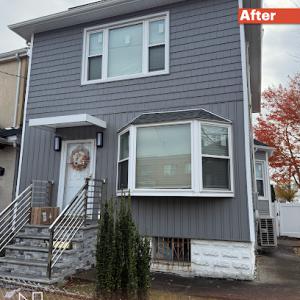
Neat Services is a licensed roofing and siding contractor in Queens, NY, serving Maspeth, Jackson Heights, Astoria, Forest Hills, and Brooklyn. We specialize in roof replacement, roof repair, siding installation, and window replacement with premium materials (GAF, CertainTeed) and a 25-year workmanship warranty. Bilingual team (English/Español), Directorii-backed, BBB A+, and 143+ five-star Google reviews. Need a roofing contractor near me or siding contractor near me? Call Neat for fast estimates, clear communication, and clean, professional work done right.
Royal Renovators
(718) 414-6067 www.nycrenovators.com
Serving
4.8 from 262 reviews
Royal Renovators is a trusted roofing contractor in Queens, serving homeowners and businesses throughout Queens, Brooklyn, Manhattan, the Bronx, and Long Island. We specialize in flat roof repairs and roof replacements for both residential and commercial properties. Since 1988, our licensed and insured team is BBB A+ Accredited and GAF Master Elite certified, working with flat and shingle roofing systems built to last. We also provide professional siding, masonry, and gutter services. From Brooklyn’s historic brownstones to Queens residential properties, clients choose us for honest, reliable roofing that withstands New York’s toughest weather. We offer emergency services for urgent leaks and storm damage. Call for Free Estimate today.
Skyward
(718) 878-6748 www.skywardroofing.com
Serving
5.0 from 82 reviews
Skyward Roofing - Queens is a professional and trusted roofing company catering to the roofing needs of commercial and residential clients. With vast experience, our team of skilled experts offers quality roofing services customized to meet the special needs of every client. From new installations and repairs to inspections and maintenance, we deliver excellent artistry using quality materials and modern techniques. Dedicated to client satisfaction, we ensure timely project completion, moderate pricing, and a commitment to surpassing client expectations. Reliable, trustworthy, and efficient, we are the most sought-after company for roofing needs. Call us or visit our site for more information.
Guaman Roofing Services
(917) 891-4164 guamanroofing.com
Serving
4.9 from 65 reviews
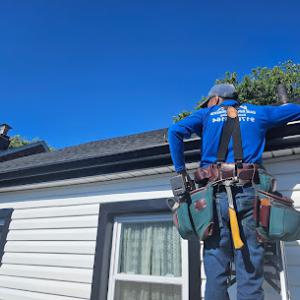
Guaman Roofing Services has provided quality services to residential and commercial owners in New York City. We know that you deserve the best quality service, that’s why our team executes precise and safe projects, always guaranteeing a professional service.
Eagle Express Contractor
(347) 362-0008 eagleexpresscontractor.com
Serving
5.0 from 82 reviews
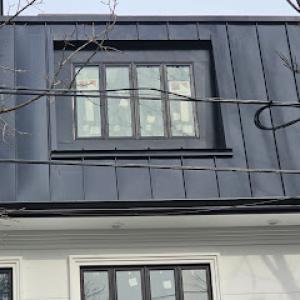
At Eagle Express Contractor, we pride ourselves on delivering top-notch roofing services with a commitment to excellence and customer satisfaction. With extensive experience in the roofing industry, our skilled team is equipped to handle projects of all sizes, from minor repairs to large-scale installations. We believe no job is too big or too small for us, and we take every project seriously, ensuring high-quality results every time. Our motto, "One call does all," reflects our dedication to providing comprehensive solutions for all your roofing needs. Contact us today to experience the Eagle Express difference!
Paragon Chimney & Roofing of Queens
(347) 544-9554 paragonchimneyandroofing.com
Serving
5.0 from 482 reviews
Paragon Chimney & Roofing is dedicated to providing top-quality chimney and roofing services. Our team ensures safety, reliability, and customer satisfaction. Serving New York, we pride ourselves on expert craftsmanship and prompt service. Trust Paragon for all your chimney and roofing needs.

TOP 1 Expert Home Improvement
(347) 925-7622 www.top1expert.com
Serving
5.0 from 348 reviews
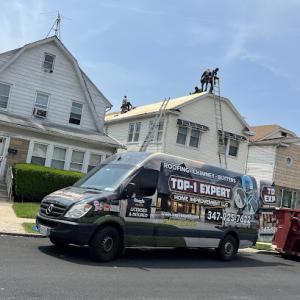
With decades of experience in delivering top-quality roofing services, TOP 1 Expert Home Improvement is a family-owned and operated business proudly serving the greater New York and metropolitan area. Our skilled team is committed to offering the highest level of service and craftsmanship in the region.
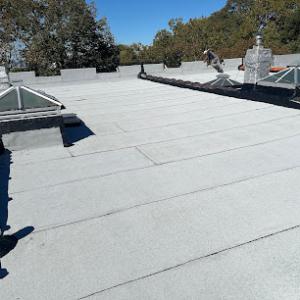
Daniel's Roofing:Best roofing contractor Queens/Brooklyn Ny
(917) 204-2906 danielsroofingnyc.com
Serving
5.0 from 78 reviews
Fourth-generation roofing contractor that does the job right! Serving New York and surrounding areas since 1987. I have developed a fantastic reputation in customer service and fast but neat quality work at a price that won’t break the bank. When you call for a free estimate or just to ask some questions, you get to talk right to me, the owner. I’ll repair your home like it’s MINE!
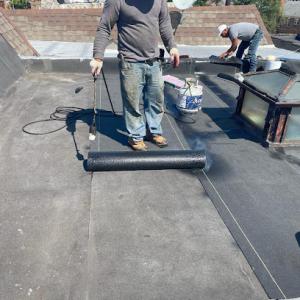
Master Roofing
(718) 957-0313 www.master-roofers.com
Serving
4.5 from 55 reviews
Looking for a reliable roofing company in NYC? Look no further than Master Roofing With years of experience, we offer high-quality roofing services for residential, commercial, and industrial properties. Our team of skilled roofers uses top-quality materials and the latest techniques to ensure your roof is strong and durable. We provide personalized service and attention to every client, ensuring that your unique needs and budget are met. Contact us today for competitive pricing and efficient service. Our Services: Roof installation, Roof repair, Roof maintenance, Gutter installation, Gutter repair, Roof insulation installation, Roof cleaning, Emergency roof repair services, Roofing inspections, Roof replacement & more
Asphalt shingles stay the workhorse choice on many Corona homes, especially in dense blocks where quick swaps are practical. They perform reasonably well on low-slope rear sections, but the hot humid summers of New York City take a toll: sun-exposed slopes lose granules faster, and the asphalt becomes brittle sooner than expected. When shingles near the eaves and on high-sun faces start to curl or shed grit, leaks can creep in along transitions and joints. The local pattern of shading from neighboring buildings can also create uneven wear, so a careful inspection of each slope is essential before scheduling a replacement. If a leak shows up after a heavy storm, check for wind-driven shingle displacement along edge details, as those areas are prone to moisture intrusion in tight street canyons.
Clay tile, concrete tile, and slate bring durability and an elevated curb appeal, but they require careful planning in Corona's mixed-slope rooflines. Heavier materials demand stronger framing and precise load calculations, which can complicate replacements in older houses or in rows where access is constrained by narrow alleyways and adjacent structures. On blocks where rear sections are low-slope or where multiple homes share side access, maneuvering tiles or slate sheets onto the roof can be challenging. Disposal and crane or hoist access must be coordinated to avoid disrupting neighboring homes, especially during prolonged drizzle or summer heat when crews work longer hours to stay dry. In many cases, a staged approach-covering vulnerable areas first with a weatherproofing layer while arranging full tile replacement later-helps manage both leaks and schedule gaps without exposing living spaces to the elements.
Metal is present in the market and can be a strong option when selected thoughtfully for Corona's roof layout. However, mixed-slope configurations demand closer scrutiny: visible front sections may reveal fasteners and seam details, while rear low-slope zones behave differently under wind-driven rain and thermal expansion. Flashing transitions between steep and low sections, along with penetrations for vents and skylights, require meticulous flashing details to prevent leaks at junctions. If a metal roof is considered, inspect the front facade and overhangs for gloss loss or hail damage, and ensure the panel coverage aligns with the underlying roof deck to minimize thermal movement gaps. In tight blocks, the weight, handling, and suitability of metal over existing underlayment become deciding factors for a reliable, long-lasting result.
A practical approach in this city involves prioritizing sections most at risk of water intrusion: low-slope rear areas, exposed front slopes, and any roof-to-wall flashings that show aging signs. If a leak is detected, plan a targeted repair or partial replacement that secures the vulnerable transitions first, while evaluating the rest of the roof for potential staged replacements. When choosing material types, consider how heat, humidity, and neighboring-structure shadowing will affect each option over the coming years. The goal is to align material performance with Corona's climate realities and the practical constraints of the typical Queens street footprint, ensuring that replacements minimize future leaks and schedule disruption.
A full roof replacement in Corona typically requires a permit through the New York City Department of Buildings, and the filing is generally handled by the contractor rather than the homeowner. This isn't just bureaucratic red tape; it shapes when work can start and how long it must stay under review. If a contractor hesitates to secure the permit or tries to cut corners, you're looking at real risk: delays, fines, and a job that can't be certified for occupancy or insurance coverage. The permit acts as the project's roadmap, documenting the scope, materials, and safety measures to satisfy inspectors who know the local clutter of low-slope and mixed-slope roofs.
DOB inspections occur during and after the work, and final sign-off matters because homeowners should not release final payment before the permitted job is properly closed out. In practice, this means you should plan for multiple site visits: one to verify the permit is active, interim checks during replacement, and a final walk-through with the inspector. If the permit isn't technically closed-no matter how clean the install looks-the final sign-off can stall insurance claims or warranty activations. Treat the inspection timeline as part of the project, not an afterthought, and keep clear records of all correspondence and inspection milestones.
Queens roofing jobs can run into practical DOB quirks such as permit validity periods and the need to post the permit on-site where inspectors can readily see it. A permit posted prominently helps avoid delays caused by an inspector noticing paperwork tucked away or misfiled. If a project drifts beyond the permit's validity window, expect renewals and possible re-inspections, which can push a job from "in progress" to "paused" without warning. For low-slope sections and mixed-slope configurations common in the area, inspectors pay close attention to drainage details, edge flashing, and how temporary coverings are managed during weather events. Missing or improperly installed venting and flashing can trigger follow-up visits and rework.
With leaks that threaten interior finishes, the clock can feel tight. If a repair is contingent on a permit, you may need temporary solutions to protect ceilings and walls while the document trail is being established. Coordinate closely with the contractor to ensure temporary measures comply with safety standards and won't jeopardize final approvals. Keeping a clear schedule, a dedicated contact for permit questions, and timely access to the roof deck for inspections helps prevent back-and-forth that can widen leaks and prolong disruption. In this neighborhood, adherence to the permit process isn't just compliance-it's a practical safeguard against cascading damage.
Asphalt shingles remain the practical workhorse for dense urban homes with mixed slope roofs. In Corona, cost is driven not just by the material but by tight staging space, limited access for tear-off, and disposal logistics on narrow streets. Expect a per-square range around 400 to 800 USD, depending on shale quality, underlayment, and debris management. When a roof has both steep-slope and low-slope sections, crews may price segments separately to reflect the extra detailing and sequencing required in the rear or side yards.
Metal can pay off in durability, but the logistics in Corona can push prices higher than a straightforward install. Dense street layout means staging metal panels, flashings, and long runs can require careful positioning and multiple deliveries. The typical range here is 800 to 1200 USD per square. If the roof has mixed geometry, labor intensity climbs-some crews must balance seamless metal runs on steeper sections with compliant flashings on low-slope areas, which adds to both time and cost.
Clay tile brings a longer lifespan but heavier handling and more intricate detailing. In this market, expect 1200 to 2600 USD per square. Narrow streets complicate crane or hoist coordination and tile staging, especially when rear sections are accessed through tight alleys. Mixed-slope roofs increase labor, as crews must adapt to different tile layouts and ensure proper ties between steep and low-slope portions without compromising weather-tightness.
Concrete tile sits between clay and slate in weight and labor needs. Corona projects typically run 900 to 1500 USD per square. The urban footprint matters: higher freight costs for materials, compact staging, and careful on-site sequencing to avoid blocking neighbors' driveways. Mixed geometry again raises the bill, as crews balance tile rows on steeper sections with detailing on flatter portions.
Wood shingles or shakes are less common but still encountered on older corners of the borough. In Corona, costs run about 600 to 1100 USD per square. Delivery and storage space are tighter here, and moisture in the air can affect drying times, extending the project window on days with wind-driven rain events. Mixed slopes require precise overlap and venting details to prevent leaks at transitions.
Slate projects are the high-end path and carry significant weight in Corona. Prices typically range from 1800 to 3200 USD per square. The combination of dense streets and heavy, delicate material means crews coordinate careful hoisting, cutting, and lead-work around dormers and rear low-slope connections. Budget flexibility is wise if weather or staggered deliveries push the timeline, since price spikes can emerge after wind or rain events that strain scheduling.
Get a clear picture of your project costs upfront - no commitment required.
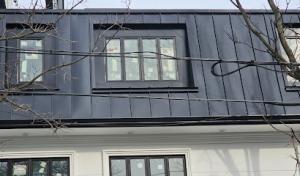
After a windstorm or hail event, your insurance claim becomes a claim file for a roof that still sits on a tight Queens row, with attached siding and mixed slopes. In the New York homeowners insurance environment, wind- and hail-related roof claims do occur, and Corona homeowners should expect insurers to want photos, itemized bids, and clear damage documentation. Take clear exterior shots from multiple angles, focusing on shingles edges, flashing, and any visible leaks inside attic or upper rooms.
Because roof replacements in Corona often involve DOB permits and inspections, permit records and contractor qualifications can help support a cleaner claim file and post-damage review. Gather contractor licenses, company B bonds, and a written scope of work. Having a detailed, line-by-line estimate tied to the actual observed damage reduces back-and-forth and speeds the adjuster's review.
Adjusters may request a post-damage inspection, so documenting interior leak locations along with exterior roof conditions is especially important on attached or mixed-slope Queens homes where the source is not always obvious. Note attic wet spots, stained ceilings, and mold-prone corners, and match them to roof components such as flashing or valley conditions. Interior photos should be dated and labeled by room to map the path of any water intrusion.
Keep a simple diary of weather events, nozzle directions, and any temporary tarping or sealant you apply. When possible, have a single, reputable roofer prepare a scope of work and a professional assessment for the claim file, so all parties read the same findings. In attached or mixed-slope homes in this area, the pace of scheduling can hinge on a DOB review, so prompt, organized documentation matters more than ever. If a claim drags, keep communication organized with your insurer and your contractor, and document every update for your records.
Connect with contractors who help homeowners navigate the claims process from damage assessment to final approval.
Daniel's Roofing:Best roofing contractor Queens/Brooklyn Ny
(917) 204-2906 danielsroofingnyc.com
Serving
5.0 from 78 reviews
The local contractor pool is heavily oriented toward re-roofing and fast-response service. This fits Corona homeowners who need to stop active leaks and address aging roofs without long delays. When a sudden drip appears or a storm leaves shingles in the gutter, the quickest option may feel appealing, but speed should not override quality. Look for crews that routinely handle residential roofs and have a track record of completing replacements in a single project window rather than chaining tasks across multiple visits.
Cleanup stands out as a major local hiring priority. Dense Queens blocks leave little room for stray nails, debris piles, or prolonged dumpster placement near neighboring homes and parked cars. Ask every candidate how they will manage debris on a tight urban lot and how they'll protect neighboring driveways and sidewalks during the job. A responsible crew will seal-off the work area and remove nails promptly at the end of each day. If a contractor's plan seems vague on cleanups and site protection, keep looking.
Corona homeowners are choosing from many residential-focused contractors, but verification remains essential. Confirm licensing and general liability coverage, and ask for proof of workers' compensation coverage for any crew on the project. A solid response is to request references from recent local jobs and to verify that the company maintains reliable insurance certificates during the project timeline. Because this area frequently relies on crews that handle Queens permit closeout, inquire about their experience with the closeout process and what documentation will be provided once the job wraps.
Clear communication matters in a city with a busy DOB-inspection cadence. Expect contractors to provide a written outline that covers start date, daily progress, anticipated completion, and a plan for weather-related setbacks. For low-slope or mixed-slope roofs common in Corona, ask how the crew ensures water-tight detailing at transitions, vents, and dormers, and whether their crew includes someone experienced with low-slope flashing systems.
Narrow choices to two or three crews who demonstrate solid cleanup procedures, verifiable residential experience, and transparent scheduling. Contact past clients within the neighborhood to gauge reliability and responsiveness. Once a preferred roofer is chosen, confirm a detailed scope of work, a written timeline, and the exact sequence of steps from material delivery to the final closeout.