
Last updated: Apr 19, 2026
In the tightly packed blocks of Queens, many attached and semi-attached homes feature flat or low-slope rear sections, porches, and extensions that act as primary leak points. Water that collects or travels on these surfaces has nowhere to go quickly, and a small seam or edge failure can cascade across a shared wall or party-wall condition. When roofs sit close to neighbors, a single ponding area or compromised flashing can threaten multiple units, so careful attention to every detail on the membrane edge, parapet, and transitions is essential. The local pattern is not just about a leak in a single home; it often becomes a neighbor issue the moment water finds a path toward a common ceiling or wall line.
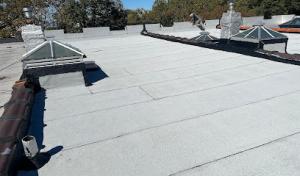
Flat and low-slope roofs in dense blocks struggle most with standing water, and the drainage system is the weak link. Look for standing pools after rain or thaw cycles, even on roofs that seem otherwise dry. Ponding accelerates membrane wear, invites debris buildup, and can push water laterally under flashing at parapets or edge details. Parapet walls frequently frame leak paths; if flashing around the top edge is compromised or corroded, water can weep down into the wall assembly and manifest as dampness on interior ceilings. In Maspeth, where many rear sections face limited direct sun and persistent shade, ponding lastingly stains and weakens the substrate, making preventative maintenance urgent rather than optional.
Edge details are the battlefield for low-slope roofs. Parapet flashing that appears intact may still fail under repeated freeze-thaw cycles or long-term UV exposure, especially where mismatched materials meet the membrane. Look for lifted edges, fastener corrosion, or cementitious coatings that have cracked or pulled away. The membrane should extend at least a few inches under counter-flashing and into any corner or penetration; if the flashing sits too low or the membrane turns up badly where it should be sealed, moisture can intrude behind the wall. In environments with dense construction, even small laps or creases become leak paths that radiate outward along the ceiling line, so precise, continuous sealing is non-negotiable.
The flat roof's waterproof layer bears the brunt of exposure to wind-driven rain and accumulation debris. Cracks, blistering, or punctures weaken the primary barrier and invite water to find micropaths toward the interior. In multi-unit configurations, a single failed membrane spot can propagate along the structure's length, amplified by shared attic or crawlspace connectivity. Regularly inspect for blisters that press inward when footprints or equipment are placed on the roof; such signs indicate underlying delamination that requires immediate repair before the next weather cycle accelerates damage.
If dampness appears on ceilings or walls adjacent to a flat roof, respond as if the problem is urgent. Avoid relying on temporary tarps alone; confirm that the drainage outlets are clear and that the membrane edge remains sealed at parapets and transitions. Photograph signs of water intrusion, note the location relative to party walls, and prepare to communicate specifics to a contractor: membrane type, exact leak coordinates, and any previous repair patches. In dense blocks, coordinating neighbors can prevent mistaken assumptions about shared responsibility and ensure a prompt, coordinated repair that minimizes further leakage.
When speaking with a local contractor, emphasize membrane condition around parapets, edge seams, and any suspected ponding zones. Point out visible misalignments, exposed fasteners, or any patchwork that seems incongruent with the surrounding membrane. Ask for a full weatherproofing assessment focused specifically on low-slope sections, porch interfaces, and extensions that typically harbor the most moisture intrusion. Clear, targeted information helps ensure the work addresses the actual failure points rather than treating the symptom.
Eagle Express Contractor
(347) 362-0008 eagleexpresscontractor.com
Serving
5.0 from 82 reviews
At Eagle Express Contractor, we pride ourselves on delivering top-notch roofing services with a commitment to excellence and customer satisfaction. With extensive experience in the roofing industry, our skilled team is equipped to handle projects of all sizes, from minor repairs to large-scale installations. We believe no job is too big or too small for us, and we take every project seriously, ensuring high-quality results every time. Our motto, "One call does all," reflects our dedication to providing comprehensive solutions for all your roofing needs. Contact us today to experience the Eagle Express difference!
Guaman Roofing Services
(917) 891-4164 guamanroofing.com
Serving
4.9 from 65 reviews
Guaman Roofing Services has provided quality services to residential and commercial owners in New York City. We know that you deserve the best quality service, that’s why our team executes precise and safe projects, always guaranteeing a professional service.
Daniel's Roofing:Best roofing contractor Queens/Brooklyn Ny
(917) 204-2906 danielsroofingnyc.com
Serving
5.0 from 78 reviews
Fourth-generation roofing contractor that does the job right! Serving New York and surrounding areas since 1987. I have developed a fantastic reputation in customer service and fast but neat quality work at a price that won’t break the bank. When you call for a free estimate or just to ask some questions, you get to talk right to me, the owner. I’ll repair your home like it’s MINE!
Nice & Fast Construction
Serving
4.9 from 63 reviews
Jaime J Duchi has been working as a local New York roofing contractor installing new roofs, vinyl siding, replacement windows and seamless gutters for over14 years. We have a great reputation for high quality workmanship, and also install roofing products with a lifetime warranty. Your roof protects your home, all of your personal belonings and most importantly your family so don't take any chances, call Nice and fast construction today!
Bushwick Roofing
(718) 285-7841 www.bushwickroofingny.com
Serving
5.0 from 44 reviews
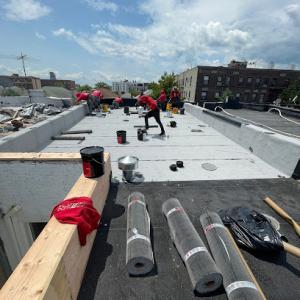
Bushwick Roofing, established in 1988 and conveniently located on Knickerbocker Avenue in Brooklyn, is your dependable source for any and all roofing solutions. Our highly skilled and experienced team of roofing professionals offers extensive knowledge in both residential and commercial roofing, including repairs, replacements, and installations. From traditional shingle roofing to specialized flat roofing systems, we've got you covered. Bushwick Roofing is committed to providing top-notch quality work with free price quotes, a warranty for your peace of mind, and our status as a fully licensed and insured contractor, which ensures reliability and professionalism. Contact us today for a free estimate.
Brooklyns Best Roofing Williamsburg
brooklynsbestroofingwilliamsburg.com
Serving
5.0 from 121 reviews
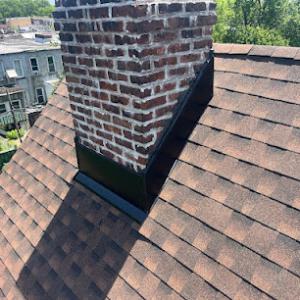
Brooklyns Best Roofing Williamsburg delivers exceptional roofing solutions for homes and businesses. As a trusted leader, we are dedicated to providing top-quality residential and commercial roofing services in NYC. Our commitment to excellence shines through in every project, ensuring durability and complete customer satisfaction. From expert installation to meticulous repairs and ongoing maintenance, our skilled team uses only the best materials and provides reliable craftsmanship tailored to your specific needs. Choose us for roofing projects done right, every time.
Neat Services
(718) 880-4080 www.neatservicescorp.com
Serving
5.0 from 143 reviews
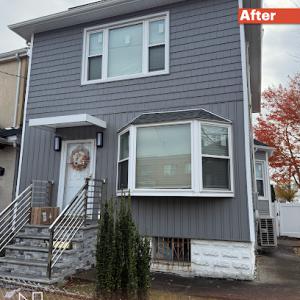
Neat Services is a licensed roofing and siding contractor in Queens, NY, serving Maspeth, Jackson Heights, Astoria, Forest Hills, and Brooklyn. We specialize in roof replacement, roof repair, siding installation, and window replacement with premium materials (GAF, CertainTeed) and a 25-year workmanship warranty. Bilingual team (English/Español), Directorii-backed, BBB A+, and 143+ five-star Google reviews. Need a roofing contractor near me or siding contractor near me? Call Neat for fast estimates, clear communication, and clean, professional work done right.
Thomas James Roofing & Waterproofing
(718) 416-5255 www.thomasjamesroofing.com
Serving
4.9 from 52 reviews
Since 1999, Thomas James Roofing and Waterproofing has been a trusted name in roofing, siding, and waterproofing. With a dedicated team of experienced professionals, they are committed to delivering high-quality, long-lasting results. Specializing in making each project as seamless and stress-free as possible, Thomas James Roofing and Waterproofing offers expert service with a focus on durability and customer satisfaction. Their skilled craftsmanship ensures that every home is treated with the care and attention it deserves, providing peace of mind and protection for years to come.
N.V. & Roman Commercial Roofing Brooklyn
(917) 440-1800 commercialroofingbrooklyn.com
Serving
5.0 from 97 reviews
Established in 1987, N.V. & Roman Commercial Roofing Brooklyn has been the premier choice for professional roofing services across New York City. As a fully licensed, insured, and bonded team of experts, they specialize in top-rated commercial roof installations and comprehensive property management solutions. Their commitment to quality and unmatched expertise ensures every project is completed to the highest standards, providing reliable and durable roofing for businesses throughout the five boroughs.
Smart Roofers NY
(929) 298-4177 smartroofersny.com
Serving
5.0 from 158 reviews
Smart Roofers NY is one of the most trusted roofing contractors in New York, delivering top quality roofing installation, roof repair, and roof maintenance services for both residential and commercial properties. Our licensed and experienced team ensures every roof is built to withstand New York’s toughest weather while enhancing the safety and value of your property. We proudly serve homeowners and businesses across Brooklyn, Manhattan, and Queens, providing reliable solutions tailored to your roofing needs. From small repairs to complete roof installations, we use premium materials and industry approved techniques for long lasting performance.
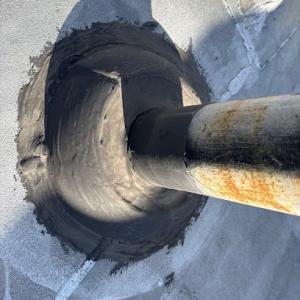
Paragon Chimney & Roofing
(646) 844-2022 www.paragonchimneyandroofing.com
Serving
5.0 from 806 reviews
Since 1994, Paragon Chimney and Roofing has been Brooklyn’s premier choice for expert home exterior and heating solutions. With a skilled team of professionals, they specialize in a full range of services, including meticulous chimney sweeping, masonry work, and comprehensive roofing installations. Paragon is committed to delivering unparalleled craftsmanship and reliable service on every project, whether it involves a shingle, metal, or flat roof. Trust their proven expertise to enhance the safety and integrity of your home's most vital systems.
SRT roofing services
(917) 459-8918 www.srtroofingny.com
Serving
4.7 from 92 reviews
srt roofing is a full service roofing company specializing in the installation and repairs of flat roof and shingle roof systems
Maspeth homeowners face wind-driven damage that can open seams, lift shingles, and trigger leaks that spread fast in tightly built neighborhoods. As soon as the sky settles, inspect the roof from a safe vantage point or from indoors with a flashlight toward the attic. Look for lifted or missing edges, curled shingles, or granule loss near roof-to-wall junctions. If you spot active leaks, prioritize tarping the damaged area to deter water intrusion while you assess options for a more permanent fix. Given the density of rowhouses and flat or low-slope roofs common here, even small openings can funnel water into multiple apartments and living spaces in a single storm. If you cannot reach the roof safely, document what you can see from inside the attic or upper rooms, paying attention to signs of water intrusion around vents, condensate lines, and ceiling joints.
Because New York insurers commonly require extensive documentation, you should capture thorough, organized records the moment the event ends. Take wide and close-up photos of the damaged sections, including gutters, flashings, seams, and any interior staining or mold symptoms. Keep copies of all contracts, contractor communications, and any permit records related to prior or current work, plus receipts for emergency tarping or temporary repairs. Maintain a dated timeline: when the storm hit, when leaks were first noticed, when a contractor was contacted, and when tarping or emergency measures were implemented. If pigeons or other debris were driven into the roofline by wind, document those as well, since debris infiltration can complicate claims. Store photos and notes on a cloud drive or a dedicated phone album so files stay accessible even if your devices fail. Local crews will expect clear, organized evidence to process a claim efficiently.
The local contractor market shows strong demand for both emergency repair and storm-damage help, reflecting how often homeowners need rapid tarping and leak control before full replacement can be scheduled. Seek a contractor who can respond within 24 to 48 hours, provide weatherproof tarping, and seal vulnerable seams with temporary materials that resist wind uplift. Because dense neighborhoods limit access and replacement timing can stretch, insist on a written sequence of temporary measures: immediate tarping, temporary sealing of penetrations, and a plan for staging a full roof repair or replacement. Ensure the plan prioritizes interior dry-out, especially in upper units where a single leak can affect several tenants or rooms. Keep supervisor contact info and log every visit with date-stamped photographs so the intervention trail is complete for insurers and future scheduling.
Once emergency work is secured, switch focus to planning a longer-term replacement that accounts for the block-style roofing and common low-slope configurations found here. Coordinate with the contractor to align storm-damage repairs with any parallel needs on neighboring homes when possible to minimize disruption and costs. Prepare for a phased approach if multiple properties on the block require attention, and maintain ongoing documentation of all communications and decisions to streamline the insurance review process and the city's inspection expectations.
Find local contractors experienced in assessing and restoring roofs after hail, wind, and severe weather events.
Daniel's Roofing:Best roofing contractor Queens/Brooklyn Ny
(917) 204-2906 danielsroofingnyc.com
Serving
5.0 from 78 reviews
Thomas James Roofing & Waterproofing
(718) 416-5255 www.thomasjamesroofing.com
Serving
4.9 from 52 reviews
For a full re-roof, the filing typically goes through the New York City Department of Buildings rather than a village or town building office. The process begins with assembling the core documents: project description, structural notes, roof plan, and material selections. In dense residential blocks, the plan package should clearly show any changes to venting, drainage, and emergency egress routes. You will need to indicate whether the roof is flat or low-slope, as that drives the review path and required details. Expect that the DOB will request details to ensure proper load distribution, fire separation, and access for fire department laddering.
Queens roofing projects may involve permit filing, plan review, milestone inspections, and final sign-off, so scheduling can be affected by DOB review and inspector availability. After submission, a plan examiner may issue comments that require revised drawings or supplemental calculations. If the project touches party walls or shared roof structures, prepare documentation that clarifies property line responsibilities and any compensating improvements. On low-slope or flat roofs common to Maspeth rowhouses, reviewers will pay close attention to drainage continuity, curb details, and overflow provisions. Plan review timelines can vary with workload, so set expectations accordingly and avoid last-minute changes that trigger additional review cycles.
On dense Maspeth properties, access, sidewalk protection, staging, and coordination with neighboring buildings can complicate permit logistics more than on detached suburban lots. Coordinate with the Department of Transportation if sidewalk protections or scaffolding parking restricts street use. If neighboring properties share a wall or extend roof geometry, ensure access rights and temporary support arrangements are documented to prevent delays at inspections. Communicate a clear sequence for material deliveries and scaffold installation, since inspectors will want to see site safety measures, waste containment, and protection of curb cuts during the project.
Expect milestone inspections at key stages: after structural decking and underlayment are installed, before final roofing material is applied, and a final sign-off once all work aligns with approved plans. During each inspection, have the required documentation ready: permit card, approved plans, and any field changes that reflect as-built conditions. The final sign-off confirms compliance with DOB standards and marks completion for the permit record. If any modifications diverge from approved drawings, secure an approved amendment before continuing, to minimize re-inspection time.
Maspeth pricing is influenced by NYC labor costs, permit-related administrative work, and the extra handling required on tight Queens lots with limited staging space. Those factors push bids higher than suburban equivalents, especially for flat or low-slope roofs where access is constrained and multiple trades often need to coordinate. When a project sits on a narrow alley or a street with parked cars, crews may need to work around neighbors' driveways and fire escapes, which adds time and small, but cumulative, costs.
Costs can rise when older Maspeth homes have multiple roof sections, chimneys, skylights, parapets, or low-slope additions that require more flashing and detail work. Each change in plane or penetration is a potential leak point that needs careful detailing, flashing, and sometimes custom counterflashing. If the roof has asphalt shingles over old underlayment or deck rot, the price climbs quickly, because fabrication and disposal of debris also add to labor and dumpster fees. Expect higher numbers if your roof isn't a clean, single-slope job.
Storm-driven demand spikes and winter weather delays in New York City can tighten contractor schedules and push replacement pricing upward during busy periods. If a major wind event or heavy snowfall precedes your project, you may encounter shorter notice windows and higher crew callouts. Planning for a shoulder season can help stabilize both schedule and price, but be prepared for occasional price bumps during peak storm seasons.
In Maspeth, material selection drives the bulk of the "what you pay for material and install" line item. For flat and low-slope roofs, asphalt shingles are the most affordable starting point, but long-term performance and water mitigation often favor metal or synthetic options for tight conditions. Concrete or clay tile brings substantial upfront cost but may offer extended life in exposed areas with higher wind loads. The typical cost ranges per square (100 square feet) reflect both material and installation nuances, including waste disposal and staging constraints common to dense city blocks.
When budgeting, estimate a base for the roof area you can measure from the ground, then add a contingency for flashing, parapet work, and potential deck repair. If your home has multiple sections or a low-slope addition, expect to allocate extra for detailing, drainage, and temporary weather protection during a short window of good weather. Finally, request a line-item breakdown that highlights labor, material, and waste handling to compare bids clearly.
Get a clear picture of your project costs upfront - no commitment required.
Daniel's Roofing:Best roofing contractor Queens/Brooklyn Ny
(917) 204-2906 danielsroofingnyc.com
Serving
5.0 from 78 reviews
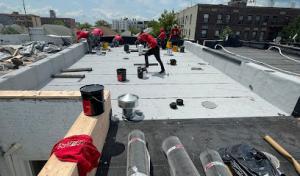
Asphalt shingles remain a practical fit for many Maspeth pitched roofs. They balance ease of installation with familiar aesthetics that blend with rowhouse streetscapes. For the front-facing main roof, asphalt can provide reliable, predictable performance and straightforward maintenance. In dense blocks, where shade from neighboring homes can affect daytime drying, a quality asphalt system with proper ventilation and a well-sealed drip edge can help mitigate minor leaks at seams and penetrations. Pair asphalt with a robust underlayment and well-sealed flashings around vent stacks, skylights, and rooftop penetrations to reduce the risk of moisture intrusion on the more visible, high-traffic portions of the roof.
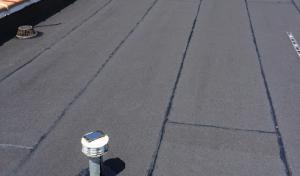
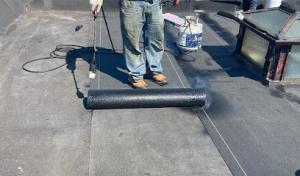
Low-slope sections often require a different roofing approach than the front-facing main roof. In Maspeth, where many homes display a mix of roof geometries, a dedicated low-slope or flat-roof solution-such as a built-up roof (BUR), modified bitumen, or a modern single-ply membrane-tends to perform best when precisely matched to the existing deck and drainage pattern. Focus on achieving consistent drainage across these zones, with properly pitched transitions to reduce ponding. Consider glazed or reflective membranes in sun-exposed pockets to limit heat buildup and UV degradation over time. Durable edge details and well-constructed parapets are crucial to prevent wind-driven leaks and edge failures common in dense urban settings.
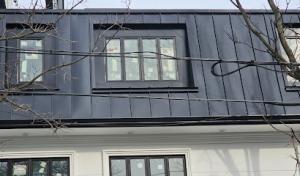
Metal roofing can appeal on select Maspeth homes for durability, but detailing around chimneys, adjoining walls, and mixed roof geometries is especially important in older Queens housing stock. When choosing metal, look for panels with secure fastening systems and compatible sealants that can tolerate temperature fluctuations and the neighborhood's moisture cycle. Pay attention to flashing where metal meets brick or block, as well as around dormers or extensions that create complex junctions. A properly integrated metal system can shed water quickly and resist hail, but improper integration at penetrations and transitions often becomes a leak point if not carefully detailed.
Tile and synthetic products appear in the market but are less universal than asphalt, so homeowners should weigh structural suitability and neighborhood roof form before choosing heavier systems. Clay and concrete tiles bring a distinctive look and long life, but their weight demands a reinforced structure and careful fringe detailing at eaves and around parapets. Synthetic shingles or composites offer lighter weight and easier installation, with a broader selection of textures to mimic traditional materials. In Maspeth's climate, ensure that any heavy system, including tiles, is evaluated for deck strength, anchorage, and wind resistance, especially along the narrow, high-wind exposures common to dense blocks.
Across all options, the most effective leak prevention comes from a well-sealed detailing plan that anticipates wind-driven rain, chimney and vent penetrations, and transitions between roof planes. In older Queens housing stock, where rooflines converge and neighbors' eaves abut, meticulous flashing, proper sealants, and robust edge metal are as important as the roof material itself. A thoughtful combination-asphalt for the main pitched areas, a purpose-built membrane for low-slope zones, and restrained use of heavier tile where structural readiness exists-often yields the best balance of performance and longevity.
Chimneys from older Queens-era homes are a common sight in Maspeth, and their masonry backs often introduce tricky flashing and leak pathways. When a flashing detail sits at the junction between brick or stone and a modern roof, small gaps can become big leaks after a freeze-thaw cycle. Pay close attention to any deterioration around chimney cricketes, step flashing, and near-wall transitions where the chimney meets the roof deck. If you notice loose mortar, missing flashing segments, or damp spots by the flue, address the flashing with a careful, targeted repair rather than a full teardown. The consequence of ignoring these transitions is not just a drip; it can undermine neighboring roofing joints and lead to hidden rot behind eaves and soffits.
Skylights are a meaningful specialty in this market, and curb flashing deserves dedicated attention. The curb sits at the top of a penetration through the roof deck, so inadequate sealing or aging mastic around the base invites slow leaks that travel along the interior sheathing. For fixed skylights, verify the sealant's elasticity and watch for sun-baked glazing leaks, which can widen over time. On compact Maspeth roofs, there is less room for error: a skylight's window head, curb, and surrounding shingles must align precisely. If flashing around the skylight shows paint or sealant cracking, or if you see staining along the interior ceiling near a skylight, plan a careful reseal or curb replacement rather than a quick, patchy fix.
On tightly spaced, multi-penetration rooflines, wall intersections concentrate leak risk in a small footprint. Valleys, intersections of dormers, and scaffold-style roof planes demand extra attention to detail. When multiple penetrations crowd a limited area, a single compromised sealant joint can become the bottleneck for rainwater. In these cases, prioritize thorough flashing integration, proper shingle-to-flashing transitions, and rigid testing of each joint after installation. A cautious, methodical approach here prevents cascading leaks that can compromise attic insulation and interior finishes.
Find contractors experienced in skylight installation, flashing, and leak repairs to bring natural light into your home.
Daniel's Roofing:Best roofing contractor Queens/Brooklyn Ny
(917) 204-2906 danielsroofingnyc.com
Serving
5.0 from 78 reviews
Cold-weather roofing in Maspeth is constrained by snow, ice, and freezing temperatures that can reduce workable days and complicate installation quality. When the ground is slick and wind-driven snow makes access hazardous, plan for short windows rather than long, continuous projects. Early mornings can stay frigid, while afternoon sun may briefly warm surfaces enough to help set materials, but spin your schedule around reliable forecast patterns rather than best-guess days.
Milder, drier periods are generally better for full replacement scheduling in Queens, especially when permit timing and inspection coordination are part of the project. Look for stretches of dry weather with temperatures above freezing for the bulk of the day and steady humidity levels. In practice, that means targeting late spring, early fall, or late winter spikes between storms. If a project must occur in winter, aim for a sequence that minimizes on-site exposure and allows temporary protection to shield steep edges and low-slope sections.
Humidity and temperature swings in New York can affect flashing work and material handling, which matters on both shingle roofs and low-slope systems. For low-slope roofs, ensure adhesive and seam tapes cure in moderate conditions, not in cold or damp air. On shingle roofs, keep bundle handling inside during cold snaps, and avoid prolonged exposure that could risk edge curl or adhesive stiffness. In Maspeth's climate, frequent cold spells demand a staggered approach: secure edges first, then move to interior bays as temps permit.
Coordinate delivery and staging to avoid weekend-wide cold fronts that lock in access issues. When a milder, drier spell arrives, consolidate trades to maximize each window-staging materials, flashing work, and interior protection in one concentrated effort. If inspections are needed, align them with the end of a favorable stretch to reduce back-and-forth delays caused by snow or ice buildup on scaffolds and access points.
When a roof has start-to-end life but shows leaks only in isolated areas, you face a practical choice: full replacement or targeted restoration on aging sections. In rowhouses and tight blocks, the logistics of removing and re-sheathing can be heavy, so you'll often see restoration proposed to buy time without a full teardown. You weigh the risk of hidden rot, substrate stability, and future leak patterns against the disruption of a complete re-roof. For many Maspeth homes, a staged approach lets you keep critical rooms dry while planning a broader upgrade.
Low-slope and flat sections dominate the dense blocks, so coatings have become a local specialty. On suitable substrates, a high-performance coating can extend service life and improve reflectivity, especially on sections where deck integrity is sound. Coatings are less invasive than replacement and can be a practical stopgap, but they depend on a clean, dry surface and proper drainage. If there is active rust, delamination, or structural weakness, coating won't restore long-term reliability.
Warranty discussions matter more in NYC when projects involve multiple components and permit records, so match product coverage with workmanship terms and installation scope. If a restoration or coating is selected, ensure the warranty covers surface prep, adhesion, and any subsequent leaks tied to the treated area. For full replacements, look for a single-inclusive warranty that spans deck, flashing, and penetrations, with clear timelines and what triggers warranty service.
Before deciding, document leak patterns, check attic insulation and ventilation, and assess nearby parapets and drainage. Get at least two detailed proposals that specify material brands, application method, and the intended sequence of work, so you can compare how each plan aligns with your roof's current condition and your long-term needs.
Extend the life of your existing roof with reflective or waterproof coatings that protect against UV and moisture.
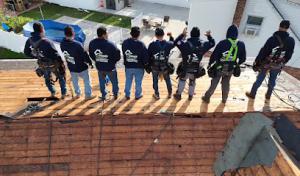
New York homeowners commonly face detailed insurer review, so Maspeth claims are stronger when owners keep date-stamped photos, contractor scopes, permits, and material specifications together. Photographs should show the roof, flashing, parapets, and any visible interior signs of damage, taken before repairs begin. A clear contractor scope helps demonstrate what was originally damaged and what was proposed as a fix. Gather receipts for temporary repairs and keep records of communications with the insurer. When a claim lands on the desk of a busy adjuster, this organized packet can make a decisive difference in how quickly and fairly the claim is evaluated.
Claim outcomes can vary after regional weather events, making it important for homeowners to document whether damage is sudden storm damage or long-term wear. Sudden leaks from a nor'easter or microburst may be treated differently than slow, creeping water intrusion. If a storm is responsible, note the date, wind direction, and any accompanying hail or debris. Long-term wear often hinges on aging components and maintenance history. Clear, dated evidence helps separate a warranty question from a replacement need, reducing disputes about responsibility and scope.
Dense urban properties can make source-of-leak disputes more complicated when water travels from adjoining walls, parapets, chimneys, or neighboring roof lines. Water may appear on a ceiling far from the actual entry point, or run along a shared wall before dripping. Document all potential pathways with photos from multiple angles and heights. If a dispute arises, a detailed diagram showing roof planes, parapets, and chimney locations can help an adjuster trace the moisture path. Clear communication with the insurer about these realistic failure routes reduces misinterpretation and speeds resolution.