Last updated: Apr 19, 2026
In Rego Park, many attached or closely spaced homes feature a street-facing, steeply pitched front roof and a low-slope rear section. That transition point is a magnet for leaks, especially when joints, seams, and flashing that seem fine on the front don't hold up on the rear over time. Water can creep along the edge where the front roof ends and the low-slope rear begins, then pool or run into interior corners. The tight lot lines and party walls mean a single leak can appear to originate at multiple spots at once, and tracking the true source becomes a game of follow-the-drip, which is often misleading during a mid-winter drip.
Winter in this part of Queens packs repeated freeze-thaw cycles that open seams and flashing details on low-slope sections faster than the front roof might indicate. Ice dams can form at the roof edge and push water sideways into ridges, step-flashes, and penetrations where a tiny lapse compounds over a season. Do not assume that a dry attic during a warm spell means the roof is sound. The rear low-slope, often less-visible from the street, bears a disproportionate share of stress as meltwater refreezes against parapets or along unsealed edges. The risk isn't from one big storm; it's from many small daily events that accumulate behind the scenes.
Dense lot lines and neighboring parapets or party-wall conditions can make it harder to trace whether water is entering from a home's own roof edge, a shared wall intersection, or a rear low-slope section. Water can travel along joints in metal flashings, slip behind step flashing, or migrate through vent penetrations in ways that mislead a casual inspection. When damp spots appear far from the visible leak, there's a real chance the issue lies at an adjacent wall, a neighboring roof edge, or a hidden valley behind a dormer. A careful, patient approach is required: inspect after a rain, then after a thaw when water is actively moving, and map all suspect seams and penetrations with note-taking and measurements.
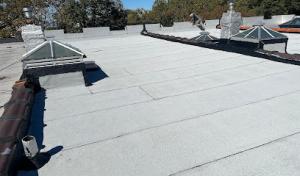
Begin with a close, daylight inspection of the rear low-slope section, paying special attention to sealed joints, flashing around skylights, vents, and around any transitions where the rear roof meets a parapet or wall. Look for hairline cracks, loose or missing sealant, and rust or corrosion on metal flashings. In a tight block, you may need to access the edge of the rear roof from an upper interior space or from a ladder with a helper; never step onto a fragile rear surface without proper safety checks. Document water staining on ceilings or walls and trace it back to the most probable source by following the path of moisture along insulation layers and wood members.
Secure any visibly loose flashing or sealant with temporary, weather-resistant measures that don't trap water behind new seams. Clear debris from gutters and ensure downspouts discharge away from party walls. If you notice recurring damp patches near transitions or along a rear edge after storms, consider a targeted inspection focusing on the rear low-slope area, including potential edge detailing where the front and rear roofs meet. In tight lots, a trained roofer who understands the local build patterns can quickly differentiate between a leak at a home's own roof edge and a shared wall intersection, reducing the time to a lasting fix.
Thomas James Roofing & Waterproofing
(718) 416-5255 www.thomasjamesroofing.com
95-22 63rd Rd #116, Rego Park, New York
4.9 from 52 reviews
Since 1999, Thomas James Roofing and Waterproofing has been a trusted name in roofing, siding, and waterproofing. With a dedicated team of experienced professionals, they are committed to delivering high-quality, long-lasting results. Specializing in making each project as seamless and stress-free as possible, Thomas James Roofing and Waterproofing offers expert service with a focus on durability and customer satisfaction. Their skilled craftsmanship ensures that every home is treated with the care and attention it deserves, providing peace of mind and protection for years to come.
SRT roofing services
(917) 459-8918 www.srtroofingny.com
Serving
4.7 from 92 reviews
srt roofing is a full service roofing company specializing in the installation and repairs of flat roof and shingle roof systems
Guaman Roofing Services
(917) 891-4164 guamanroofing.com
Serving
4.9 from 65 reviews
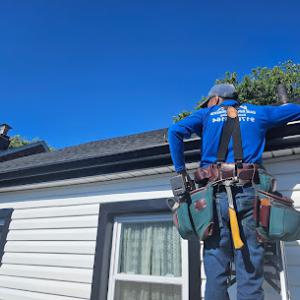
Guaman Roofing Services has provided quality services to residential and commercial owners in New York City. We know that you deserve the best quality service, that’s why our team executes precise and safe projects, always guaranteeing a professional service.
Royal Renovators
(718) 414-6067 www.nycrenovators.com
Serving
4.8 from 262 reviews
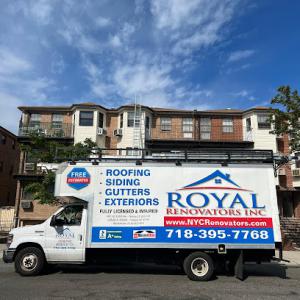
Royal Renovators is a trusted roofing contractor in Queens, serving homeowners and businesses throughout Queens, Brooklyn, Manhattan, the Bronx, and Long Island. We specialize in flat roof repairs and roof replacements for both residential and commercial properties. Since 1988, our licensed and insured team is BBB A+ Accredited and GAF Master Elite certified, working with flat and shingle roofing systems built to last. We also provide professional siding, masonry, and gutter services. From Brooklyn’s historic brownstones to Queens residential properties, clients choose us for honest, reliable roofing that withstands New York’s toughest weather. We offer emergency services for urgent leaks and storm damage. Call for Free Estimate today.
Eagle Express Contractor
(347) 362-0008 eagleexpresscontractor.com
Serving
5.0 from 82 reviews
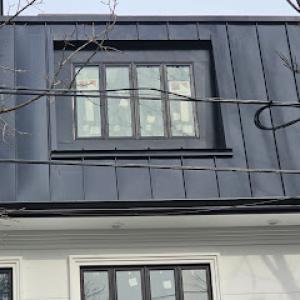
At Eagle Express Contractor, we pride ourselves on delivering top-notch roofing services with a commitment to excellence and customer satisfaction. With extensive experience in the roofing industry, our skilled team is equipped to handle projects of all sizes, from minor repairs to large-scale installations. We believe no job is too big or too small for us, and we take every project seriously, ensuring high-quality results every time. Our motto, "One call does all," reflects our dedication to providing comprehensive solutions for all your roofing needs. Contact us today to experience the Eagle Express difference!
Daniel's Roofing:Best roofing contractor Queens/Brooklyn Ny
(917) 204-2906 danielsroofingnyc.com
Serving
5.0 from 78 reviews
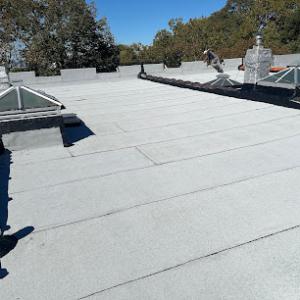
Fourth-generation roofing contractor that does the job right! Serving New York and surrounding areas since 1987. I have developed a fantastic reputation in customer service and fast but neat quality work at a price that won’t break the bank. When you call for a free estimate or just to ask some questions, you get to talk right to me, the owner. I’ll repair your home like it’s MINE!
Neat Services
(718) 880-4080 www.neatservicescorp.com
Serving
5.0 from 143 reviews
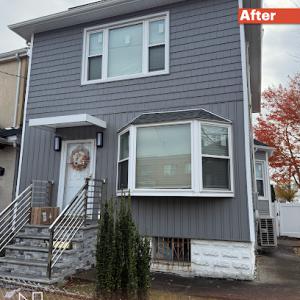
Neat Services is a licensed roofing and siding contractor in Queens, NY, serving Maspeth, Jackson Heights, Astoria, Forest Hills, and Brooklyn. We specialize in roof replacement, roof repair, siding installation, and window replacement with premium materials (GAF, CertainTeed) and a 25-year workmanship warranty. Bilingual team (English/Español), Directorii-backed, BBB A+, and 143+ five-star Google reviews. Need a roofing contractor near me or siding contractor near me? Call Neat for fast estimates, clear communication, and clean, professional work done right.
Five Star Roofing
(718) 795-6640 fivestarroofingny.net
Serving
4.8 from 443 reviews
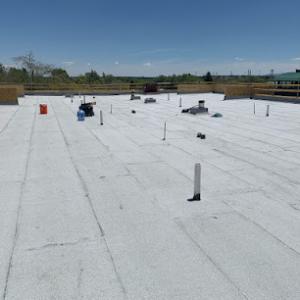
Five Star Roofing is a fully licensed and insured commercial and residential roofing company located in Queens, NY. Since 2008, we have provided top-quality roofing services to Queens, Brooklyn, and Long Island homeowners. Our team of experienced and certified roofing professionals specializes in flat, shingle, tile, and metal roofs, as well as urgent repairs. Whether you need roof repairs, replacements, or installations, we have you covered! With a strong emphasis on excellent customer service and premium craftsmanship, we have built a reputation as one of the most trusted roofing companies in the area.

Metro roofing
(347) 748-2500 themetroroofingcompany.com
Serving
4.8 from 52 reviews
Our company strives for quality and reasonable pricing . We pride our selves on our reputation and continue to work up to it
Paragon Chimney & Roofing of Queens
(347) 544-9554 paragonchimneyandroofing.com
Serving
5.0 from 482 reviews
Paragon Chimney & Roofing is dedicated to providing top-quality chimney and roofing services. Our team ensures safety, reliability, and customer satisfaction. Serving New York, we pride ourselves on expert craftsmanship and prompt service. Trust Paragon for all your chimney and roofing needs.
Skyward
(718) 878-6748 www.skywardroofing.com
Serving
5.0 from 82 reviews
Skyward Roofing - Queens is a professional and trusted roofing company catering to the roofing needs of commercial and residential clients. With vast experience, our team of skilled experts offers quality roofing services customized to meet the special needs of every client. From new installations and repairs to inspections and maintenance, we deliver excellent artistry using quality materials and modern techniques. Dedicated to client satisfaction, we ensure timely project completion, moderate pricing, and a commitment to surpassing client expectations. Reliable, trustworthy, and efficient, we are the most sought-after company for roofing needs. Call us or visit our site for more information.
J C Master Inc Roofing & siding
(347) 400-2611 jcmasterinc.net
Serving
4.0 from 92 reviews
JC Master is a licensed, insured roofing & siding contractor serving New York City—Brooklyn, Queens & Long Island—since 1997. We specialize in roof repairs & full replacements (shingle, flat/TPO/EPDM), gutters, leak detection, storm-damage assessments and insurance-claim support. Most of our work comes from referrals because we show up fast, document the damage, and handle the paperwork with your carrier. Free same-day inspections, clear pricing, and crews you can trust for family homes and multi-family buildings. Call for a visit today.
Rego Park roofs endure harsh freeze-thaw cycles, so timing roof work around cold snaps matters. When temperatures hover around or below freezing, tear-off work can create dangerous ice buildup and unsafe conditions for crews on low-slope sections. If a replacement or major repair is planned in mid-winter, aim for a window of a few days with above-freezing daytime highs and consistently dry nights. This helps prevent residual moisture from freezing in roof decking and reduces the risk of trapped ice during re-covering. On pitched fronts, remember that even when the front roof seems stable, rear low-slope sections are more prone to snow retention and ice dam formation. Schedule work after a proper roof inspection confirms the attic is dry and ventilation is adequate, so moisture from interior spaces doesn't complicate installation or shingle handling. If snow or ice accumulates during a project, pauses may be necessary to clear walkways and protect exposed edges.
Spring moisture in New York City can slow deck drying and inspection scheduling, which matters more on tightly packed homes where staging and material protection are limited. In Rego Park, dense rowhouses and multifamily-often with shared walls and limited roof access-can trap humidity inside roof assemblies. Plan inspections after a few dry days to allow deck surfaces to shed moisture from winter and to verify gutters and downspouts are clear. If a roof project must begin in early spring, consider temporary containment for decking and ensure underlayment exposure remains dry long enough to set and cure. Coordinate with crews to dry-in components gradually; a rushed mid-spring tear-off can trap moisture beneath flashing and cause premature shingle wear. For low-slope rear sections, prioritize rapid drying to prevent adhesive failure from lingering dampness.
Autumn leaf drop from neighborhood street trees can clog gutters and rear drainage paths, especially on low-slope additions and garage roofs common behind Queens homes. Before initiating work in fall, perform a thorough gutter and downspout clearing, and test drainage paths to ensure water is not pooling at flashings or along transitions. On low-slope rear roofs, even small debris accumulations can redirect water under edges and into joints. Schedule completion of any necessary wire-brushing or cleaning tasks early in the season to reduce the chance of debris washing into newly installed valleys or over flashings during autumn storms. If a project must proceed in late fall, plan for a mid-project check to remove fallen leaves from critical channels and to reseal any exposed nail caps after high-wind rain events. In tight blocks, coordinate with neighbors to minimize debris drift and to protect staging areas from street debris and parking restrictions. This targeted timing helps preserve the roof's new components through seasonal shifts and reduces the risk of moisture-related setbacks as temperatures swing.
Find local contractors experienced in assessing and restoring roofs after hail, wind, and severe weather events.
Thomas James Roofing & Waterproofing
(718) 416-5255 www.thomasjamesroofing.com
95-22 63rd Rd #116, Rego Park, New York
4.9 from 52 reviews
A full roof replacement in this neighborhood typically comes under the New York City Department of Buildings rather than a simple contractor-only paperwork process. The DOB process is not optional or ancillary-it's the framework that ensures structural work, drainage, and fire safety meet city standards amid the area's dense rowhouse and multifamily blocks. Expect the filing to be formal, with plans reviewed before any shingles come off, and a need for compliant documentation that travels with the project through completion.
The permit is generally filed through the NYC DOB system, and inspections are required during and after the work, so the roof must remain accessible for city review. That means temporary access routes, protected entry points, and clear paths for inspectors to reach crawl spaces, flashings, and parapets without delaying the project. In the middle of a Rego Park block with tight yards and shared boundaries, coordinating these inspections requires advance scheduling and communication with neighbors who may be affected by scaffolding or debris barriers.
You should expect a sequence of milestones: initial plan review, permit issuance, on-site inspections at key stages, and final sign-off. Each step hinges on timely responses to city feedback and the availability of licensed professionals who understand how dense urban rooftops interact with aging rear low-slope sections. From a practical angle, keeping all permit-related paperwork accessible on-site helps avoid delays when inspectors request revisions, revised diagrams, or proof of approved materials and drip-edge details that align with DOB expectations.
Homeowners should confirm the permit is formally signed off and closed, because unresolved DOB paperwork can create problems later during sale, refinance, or additional exterior work in New York City. An open or lingering permit can trigger questions from lenders or buyers, potentially delaying transactions or triggering additional city requirements if the roof is later readdressed. In a neighborhood where exterior work can intersect with shared walls and adjacent structures, ensuring the permit status is fully current protects both the property and the neighborhood's compliance standards.
Plan for a realistic timeline that incorporates DOB processing times, especially in winter months when freeze-thaw cycles and weather can complicate scheduling. Build communication lines with the contractor, the DOB, and, where relevant, management associations or co-ops that may affect approvals. By prioritizing formal closure of the permit, the project minimizes the risk of a future hold or challenging disclosures during sale or refinancing.
In dense Queens blocks, access to the roof is rarely straightforward. You'll be working around shared driveways, limited street space, and tight stair access in multifamily buildings. This pushes labor time higher and can affect material delivery windows. When planning, expect extra crew hours to navigate stairwells, elevator usage, and debris management on crowded block fronts. The local ranges for common roof types reflect this reality: Asphalt Shingles at 350 to 750 USD per square, Metal Roofing 900 to 1500, Clay Tile 1000 to 2300, Concrete Tile 900 to 1700, Wood Shingles/Shakes 600 to 1100, and Synthetic/Composite Shingles 500 to 900. Those figures assume typical Rego Park staging challenges and the need to coordinate with nearby buildings, not a bare suburban site.
Many homes here feature attached configurations, rear extensions, chimneys, and a mix of front pitched roofs with low-slope rear sections. That geometry elevates flashing labor compared with a simple detached suburban roof. Every chimney flashing, valley, hip, and transition between roof types requires careful detailing to manage NYC freeze-thaw cycles. Expect more seam work and waterproofing material in these areas, particularly where rear lowslope sections meet older sheathing or stone chimneys. In practice, the cost impact isn't just the material but the additional material and time spent sealing irregular lines and ensuring weep paths perform under winter freeze-thaw and summer humidity.
The provided local ranges matter because Rego Park projects rarely fit "one-size-fits-all" pricing. Asphalt Shingles sit in the 350-750 USD range per square, offering a lower upfront cost but limited long-term performance in salt-air and freeze-thaw cycles. Metal Roofing, while higher up front (900-1500), can handle dual pitched and low-slope sections with less maintenance if installed correctly around parapets and skylight penetrations. Clay Tile (1000-2300) and Concrete Tile (900-1700) deliver durability but demand precise framing and scaffolding. Wood Shingles/Shakes run 600-1100, best in dry, well-ventilated sections, but more sensitive to moisture and pests. Synthetic/Composite Shingles, at 500-900, provide a balance of price and ease of installation for mixed roofs.
Given the block layout and mixed roof layouts, scheduling crews to minimize downtime becomes a cost driver. Coordinating deliveries, temporary protection for landscaping and drive paths, and staging space on narrow lots adds to the project duration. When evaluating quotes, consider not only the sticker price per square but the expected effort on flashing, transitions, and low-slope sections that can influence long-term performance after a NYC winter.
Asphalt shingles fit much of the area's pitched residential stock, offering familiar aesthetics and reliable performance when paired with solid attic ventilation and proper installation. The front-facing, steeply pitched roofs you see on many row houses shed snow and rain effectively, and they're easier to inspect from street level. However, the rear sections in many homes are low-slope, which changes the leak risk profile and calls for different detailing. For those low-slope areas, you'll want to pair conventional shingles with a compatible underlayment and flashing strategy designed to handle the city's freeze-thaw cycles, where moisture pushes and pulls at joints.
When the roof sequence blends a pitched front with a low-slope rear, the transition points become critical leak zones. In this setup, your underlayment choice matters just as much as the visible shingles. A high-quality, breathable synthetic underlayment combined with reinforced flashing at all penetrations and along boundaries helps prevent ice dam seepage and wind-driven water entry. Proper slope-compatible solutions-such as taped seams or edge metal-support long-term performance in snow events and rapid thaw cycles. Routine inspection should focus on valley, step-flashing, and parapet junctions to catch early signs of moisture damage before it travels into the attic or wall assemblies.
Synthetic or composite shingles can offer a traditional look on exposed roof planes while delivering improved performance under a freeze-thaw climate. In practice, these products often resist granule loss, resist excessive thermal expansion, and weathering can be steadier across fluctuating temperatures. For homes with visible front pitches and lingering rear-slope challenges, a composite option provides a consistent aesthetic with potentially lower maintenance needs over time, especially where seasonal moisture exposure is high.
Clay and concrete tile are less typical on older NYC homes unless the structure and detailing are appropriate for the added load and flashing complexity. If a retrofit or rebuild is planned, structural assessment becomes essential to ensure the existing framing and parapets can carry the weight and that flashing details are compatible with the tile geometry. In most traditional Rego Park settings, these heavier materials remain a more specialized choice rather than a first option.
Extend the life of your existing roof with reflective or waterproof coatings that protect against UV and moisture.
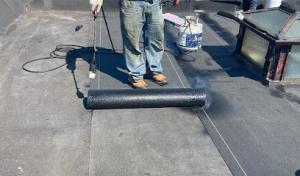
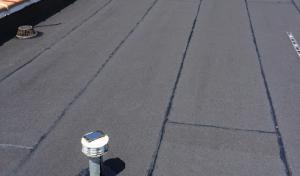
Chimneys are a frequent focal point for both roofing and masonry in this neighborhood, and many local contractors market combined chimney and roofing services. That overlap is practical because leaks at the chimney flashing, crowns, or step flashing often mimic or mask broader roof issues. When a chimney gets attention, it's essential to review the surrounding roof plane for signs of movement, cracking, or missing sealant, especially after seasonal freeze-thaw cycles. A small, slow stain can become a larger interior problem if the flashing isn't competently resealed and tied into the parapet or eave details.
On closely spaced Queens properties, roof edges, parapet returns, and side-wall flashings are harder to inspect and repair than on detached homes with full perimeter access. Limited access means that minor gaps or deteriorated sealant can persist and lead to water infiltration during spring storms or heavy rain. When probing for leaks, pay attention to transitions where a side wall meets the roof plane and where a low-slope section ties into a steeper main roof. If flashings appear displaced, brittle, or improperly integrated with coping, addressing those issues promptly can prevent more invasive water intrusion later.
Skylight leaks can be especially difficult to diagnose where they sit near low-slope transitions or older patchwork repairs on additions. The frame and flashing around a skylight are common failure points, and patches from previous owners can create hidden voids. Inspect around the skylight base for any wicking staining, cracked sealant, or rust on metal linings. If a leak traces to the skylight itself, consider whether the flashing integrates with the surrounding roof planes or if the skylight should be re-flashed as part of a larger roof section replacement. In tight spaces, careful, staged access and professional assessment are crucial to avoid missed leaks and costly follow-ups.
Find contractors experienced in skylight installation, flashing, and leak repairs to bring natural light into your home.
Thomas James Roofing & Waterproofing
(718) 416-5255 www.thomasjamesroofing.com
95-22 63rd Rd #116, Rego Park, New York
4.9 from 52 reviews
You are dealing with roofs that face NYC freeze-thaw cycles, snow loads, and humid summers, with many Rego Park homes featuring a mix of pitched front roofs and low-slope rear sections. Insurance coverage typically addresses sudden damage from storms, interior leaks linked to roof failures, and covered repairs after deductible. The scope often hinges on whether the damage is windy impact, hail, or water intrusion tied to flashing and low-slope connections. Keep in mind that the policy language will drive whether interior damage is tied to roof failures or separate plumbing and drywall issues.
In the NYC market, adjusters commonly ask for photos and replacement-cost documentation, so you should document both the damaged area and any related low-slope or flashing failures. Take clear images from ground level and up close, including attic signs of water intrusion, staining, and compromised underlayment. Save any contractor repair estimates that outline stabilization steps, tarping, and a plan to address flashing failures around skylights, vent pipes, or transitions between pitched and low-slope sections. Photograph surrounding debris and indicate storm dates on the records.
Claim activity can rise after notable regional storms, making response speed important when tarping, leak stabilization, and inspection scheduling compete for contractor availability across Queens. If you can, arrange a temporary tarping or water-stopping measure promptly to limit further interior damage while you wait for an adjuster. Keep a dated log of every contact with the insurer, photographer, and contractor, and note any changes to the roof's condition as days pass.
Communicate clearly about how a low-slope or flashing failure contributes to leaks, especially where water tracks from the rear low-slope section into interior spaces. Provide the exact locations of leaks, the suspected causes, and any prior repairs. When scheduling inspections, request times that minimize disruption and confirm that the adjuster will evaluate both the damaged area and the surrounding flashing details to capture the full scope of required repairs.
Connect with contractors who help homeowners navigate the claims process from damage assessment to final approval.
Daniel's Roofing:Best roofing contractor Queens/Brooklyn Ny
(917) 204-2906 danielsroofingnyc.com
Serving
5.0 from 78 reviews