
Last updated: Apr 19, 2026
In this inland stretch of Long Island, fall nor'easters and coastal storm bands can drive wind-driven rain right through aging tract-home roofs. Intense storms arrive fast, and the local contractor signal mix leans heavily toward emergency repair, tarping, and rapid leak control rather than waiting for a full replacement after every event. Winter freeze-thaw cycles and snow accumulation compound the stress on shingles, flashing, and vents, so small failures often reveal themselves as interior leaks during the coldest, snowiest storms. This combination creates a recurring pattern: a minor surface issue becomes a quick, urgent problem once the temperature drops.
When a storm hits, prioritize tarp placement and temporary leak stopping methods before the next gust arrives. If water is actively dripping, place a clean bucket under the leak and use a sturdy tarp to cover the affected area, securing it with boards or fasteners that won't blow loose in gusts. Do not pressure-test or seal a roof during active wind events; the focus should be on containment and preventing interior damage. If attic access is available, clear any ventilation obstructions that could blow rain into the living space and look for obvious entry points-flashing seam gaps, vent boots, and shingle lift along edges-so you can describe these spots clearly to a contractor when help arrives.
After a storm, a rapid, honest assessment is essential. Check for soft spots on the ceiling, damp insulation in the attic, and any staining that tracks from a corner or seam. Small flashing defects or displaced shingles can be the first signs of trouble when temperatures swing below freezing. A careful eye on valleys, step flashing around chimneys, and around roof penetrations can reveal where cold-season leaks began. If a contractor cannot visit immediately, document with photos and note the date and observed conditions so the repair plan can be organized the moment access is possible.
In this market, the fastest path to solid protection is a prioritized repair or temporary shelter followed by a planned, code-reviewed re-roof when conditions allow. Ask for a staged approach: secure the most vulnerable areas first, then schedule a full post-storm assessment and a roof replacement plan that fits the home's structure and local weather realities. Emphasize materials and flashing designs that perform well in wind-driven rain and extreme cold, reducing the chance of recurring leaks season after season. The goal is to limit interior damage now while setting up a durable, weather-tough roof for the long haul.
Many homes in this area started as similar mid-century models with flat or gently pitched roofs, then evolved through decades of additions and dormers. When you walk a roof line, you'll notice recurring patterns: long, low slopes with multiple valleys where original sections meet later additions, and occasional dormer heads that join into older roof planes. The common thread is aging roof decks that have carried several reroofs already, making the deck condition a frequent variable in any re-covering plan. Expect exposed nails, worn underlayment, and mismatched shingle seams at transition points where an addition ties into the original roof.
Where original sections meet new additions, valleys and flashing become high-risk zones for leaks. In Levittown neighborhoods, contractors often encounter tie-ins that were not initially planned for the full life of the house. Flashing transitions at these junctions can deteriorate or shift over time, creating intermittent leaks during winter storms or wind-driven rain. When assessing a project, map every valley and every transition line from old to new roof planes. Pay attention to underlayment continuity where the deck steps down or where a dormer interrupts a ridge. Remember that even small misalignments at these points can become major leak paths after a heavy storm.
The market's emphasis on re-roofing aligns with the stock's aging profile, where full replacement is often more sensible than chasing a patchwork fix. Start with a phased plan: first secure the critical leakage points and replace the most delaminated decking in high-risk areas, then schedule a full-cap replacement that respects the line of the original roof plus any dormers. When choosing materials, think about compatibility with existing layers and the likelihood of future additions. For homes with several tie-ins, a continuous valley or upgraded flashing system that bridges old and new sections provides longer-term resilience. If a dormer is present, ensure the new roof plan harmonizes with its fascia, soffit venting, and any pipe boots to avoid hidden leaks.
Ventilation patterns in these tract homes often rely on shared attic space and mid-century air channels. When re-roofing, verify that attic vents align with the new roof shape and that soffit intake remains unobstructed. A clear path for air movement reduces condensation on colder nights and helps preserve the roof system's life, especially across multiple cycles of roof work where the deck may have oxidized seams or saturated felt beneath.
Lastly, treat every project as a bridge to the next potential addition or modification. If future dormers or extensions are likely, coordinate the current flashing and vent layout to make future tie-ins simpler and less leak-prone. A thoughtful plan today minimizes disruption when the next homeowners decide to evolve the existing tract pattern.

Nisi Home Improvement Inc. Roofing & Siding
140 Cornflower Rd, Levittown, New York
5.0 from 223 reviews
"NISI Home Improvement is a trusted, family-owned business proudly serving Nassau and Suffolk counties. As a Google Guaranteed company, certified by Directorii, and fully licensed in both counties, we provide top-quality roofing, siding, windows, skylights, and more. Our experienced team is committed to delivering exceptional craftsmanship, backed by trusted warranties and a focus on customer satisfaction. Whether you're repairing, replacing, or upgrading, NISI Home Improvement is your go-to partner for transforming your home with confidence."
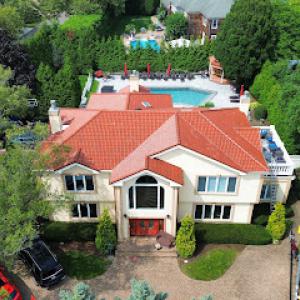
The Way Renovations
(516) 751-4002 thewayrenovationsinc.com
Serving
5.0 from 94 reviews
Are you looking for a reliable and experienced roofer to protect your home from the elements? Welcome to The Way Renovations, your premier roofing contractor in North Bellmore, NY. Licensed and insured with over 40 years of roofing experience, we pride ourselves on transforming homes with precision and a keen eye for detail. Established in 2020, our family-owned and locally operated business has dedicated itself to delivering exceptional craftsmanship with every project. Whether you need reliable asphalt shingle roofing, resilient flat roofing, or stylish metal roof installations, our skilled team is equipped to handle your needs.
Long Island Roofing
Serving
4.9 from 369 reviews
Long Island Roofing is an award winning roofing contractor that provides residential, commercial, and industrial roofing installation and around-the-clock emergency repairs in Long Island, Queens, Brooklyn, New Jersey, and Connecticut. With over three decades of experience, they specialize in roof removals and installations completed within a day, as well as custom copper and metalwork, gutters, downspouts, skylights, and all roof repairs, making them a trusted choice for all your roofing needs.
All American Home Improvement
(516) 986-3979 www.allamerican-hi.com
Serving
4.8 from 55 reviews
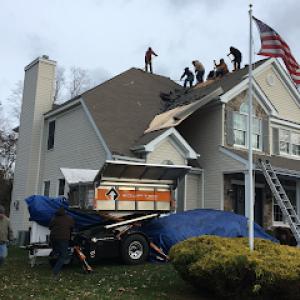
3rd & 4th generation family owned and operated residential roofing company. Specializing in roof leak detection, roof repairs and full roof replacements at affordable prices. Our other services include Siding, Windows and Gutter systems. Call us today to experience why its better to go with a local knowledgeable company as opposed to a large corporate sales organization.
Rapid Roofing
(516) 212-2275 www.rapidrestoreny.com
Serving
5.0 from 78 reviews
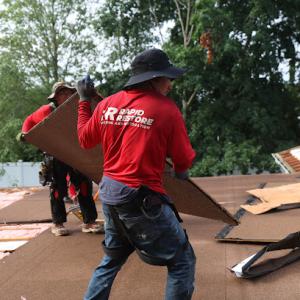
Getting a new roof or roof repair shouldn’t be a headache – that’s why at Rapid Roofing, we make it easy. As a roofing company built on trust, our expert roofer contractors deliver seamless roofing services with zero hassle and no shortcuts. Whether it’s routine maintenance or emergency roof repair, our residential and local roofers get the job done right – every time. We don’t just claim to be the best roofers, we prove it! From affordable roofing solutions to BBB-accredited roofing contractors, we’re the good roofing company homeowners rely on. A roofing business that stands behind its work, delivers results, and redefines what it means to hire top-rated roofers.
JJM Roofing & Waterproofing
(516) 508-3781 jjmconstructioncorp.com
Serving
4.9 from 93 reviews
Wether you're looking for a residential or commercial roofing project, JJM Construction is your top quality resource. Contact us today and get a free quote on your next roof, siding or waterproofing job.
Nust Construction Nyc
(917) 302-6149 nustconstruction.com
Serving
5.0 from 17 reviews
Services Areas: Bronx, Queens, Syosset, Brooklyn, Plainview, Nassau County. Roofing, waterproofing, new roof, Gutter, chimney
Long Island Precision Roofing
(516) 850-5500 liprecisionroofing.com
Serving
5.0 from 199 reviews
Welcome to Long Island Precision Roofing where our staff is committed to providing our customers with the highest level of service, quality, and reliability in the roofing industry. We believe that every home and business deserves a roof they can trust, and we operate with a steadfast dedication to integrity, transparency, and excellence in all we do. Our mission is simple: to always do right by our customers, delivering honest, straightforward solutions, and maintaining open communication every step of the way. With us, you can count on a job well done, with no surprises—just dependable, top-quality craftsmanship you can trust!
Four Seasons Roofing & Exteriors
(631) 249-3377 fourseasonsroofingny.com
Serving
4.9 from 683 reviews
A Division of Four Seasons Enterprises, Inc.
Westbury Roofing
(516) 637-1335 westburyroofcorp.com
Serving
5.0 from 108 reviews
Our team of experts are here to give you the best experience . we specialize in roof installations / repairs in any type of roof including architectural roof shingles , cedar shingles , slate and so much more. Over 30 years of experience father & son company founded in 2015 call now for free estimate.
Strong Arm Construction
(516) 433-2255 www.strongarmroofingny.com
Serving
4.7 from 14 reviews
Strong Arm has been servicing the construction industry for over thirty years! Providing quality work with affordable pricing, giving personalized attention to our costumers needs and questions! We pride ourselves with having an A+ Rating with the BBB.
Brickstone Construction & Renovation
Serving
4.6 from 79 reviews
Brickstone Construction & Renovation is your trusted partner for high-quality construction services. Specializing in waterproofing, roof replacement, masonry, and concrete sidewalk texture, we deliver durable, fast solutions for both small and large projects. Our experienced team stays updated with the latest trends to offer top notch services in home building, renovation and roofing. Whether you need a general contractor, flooring or waterproofing, we tailor our services to fit your needs. From water damaged ceiling repairs to full home renovations, Brickstone has you covered. Contact us today for expert construction solutions near you!
When you plan a roof project in this village, the permitting path is through the Town of Hempstead Building Department, not a separate city office. That means your first step is to file with the town, and not with a standalone Levittown office. The process is designed to ensure safety and long-term performance on the low-lying coastal-plain landscape you live with-where winter snow, nor'easters, and wind-driven rain can test the roof system. If you're contemplating a full re-roof or a major repair, expect a formal review before any work starts, and keep in mind that the town's inspectors will be involved throughout the project.
A full re-roof typically requires a permit in this jurisdiction, and the project is reviewed by the Town before work proceeds. During the plan review, you should be prepared to document existing conditions and proposed changes in a way that demonstrates compliance with local building codes. The town may request details beyond the basic materials, such as attic ventilation strategies and underlayment choices. The goal is to confirm that the roof will manage moisture, vent properly, and resist wind-driven water intrusion-critical in a area where Nor'easters and winter storms are not rare events.
Ventilation and underlayment are not afterthoughts here. The Town may require verification of ventilation and underlayment details during plan review, and inspectors will look for a system that supports moisture control and attic air exchange. If your current roof is older, there's a good chance the plan review will specifically call out whether the existing attic venting aligns with current code expectations and whether an upgraded underlayment is warranted. Prepare to provide cross-sections or diagrams illustrating intake and exhaust flow, ridge vents or soffit vents, and how the underlayment will perform under snow loads and driving rain.
Inspections occur at multiple stages in this jurisdiction. A building inspector may visit during the project to verify that framing, ventilation, underlayment, and newly installed roofing materials meet code requirements. After completion, a final inspection confirms the installation is watertight and compliant. Knowing this schedule helps you coordinate scheduling with your contractor and avoid delays that could leave your home exposed to the elements. If any deviations from the approved plan arise, you should expect the town to require adjustments before the project can be closed out.
Start early by gathering documentation on your existing attic ventilation and any underlayment already in place. Have your contractor prepare detailed roof plans that include venting strategies and lumber considerations, since the town may scrutinize these aspects closely. Maintain open lines of communication with the contractor about permit milestones and anticipated inspection dates. Failing to obtain the permit or missing an inspection can lead to a stop-work order or the need to remove and replace work that doesn't meet code, which can become costly and time-consuming when the weather window narrows. In this climate, the right permit steps are not just bureaucratic hurdles-they're a safeguard against leaks and wind-driven damage when the next storm arrives.
Winter Nor'easters, wind-driven rain, and snow load shape every re-roof in this tract-home fabric. Asphalt shingles remain the practical workhorse for the typical modest-pitch roofline found on Levittown's aging homes, helping keep many projects within the lower local cost bands compared with tile or slate. When layering or deck repairs surface after tear-off, costs can climb quickly, and storm-season demand can tighten scheduling and crews. The following costs reflect typical local ranges and practical considerations for this area.
Asphalt shingles are the dominant practical choice in this market. Expect roughly 350 to 700 USD per square (a square equals 100 square feet). This option aligns with the inventory of standard tract homes and generally stays, on average, within the lower cost band. If the roof has a straightforward footprint and no serious decking issues, installation tends to stay predictable. However, layered reroofs or significant adjustments to rooflines from an addition can push labor and material costs toward the higher end of the range.
Metal roofing runs higher, about 800 to 1500 USD per square. It offers strong wind resistance and longer service life, which can be appealing after a storm when quick resealing is desirable. On many Levittown homes, metal is considered a future-forward upgrade rather than a first-choice replacement for a typical tract-home roof. If an older roof has multiple layers or unusual roof angles, the price can rise further due to more complex installation and potential decking checks.
Clay tile typically lands in the 1400 to 2400 USD per square range. This material is less common on the average Levittown roof, given weight, pitch, and structural considerations. If a house has a taller parapet or heritage-style detailing compatible with tile, expect higher install complexity and labor. The cost premium reflects both material and the extra engineering often required for long-span support.
Concrete tile sits around 1100 to 2000 USD per square. It provides durable performance with a heavier build than asphalt but lighter than some clay configurations. For homes with solid decking and compatible framing, this can be a solid long-term option, though it remains a mid-to-upper range choice in the local market.
Synthetic or composite shingles run approximately 500 to 900 USD per square. This option often blends cost efficiency with improved aesthetics and decent durability. In areas where wind and rain are common, composites can offer favorable performance-to-cost balance, especially for houses where a traditional asphalt upgrade is desired without a full tile investment.
Slate roofs range from about 2000 to 3500 USD per square. Slate is a premium, long-lived choice with a high upfront price and substantial weight. Only homes with the proper structural support and roof geometry typically justify slate, given the clear cost premium and installation complexity.
Note: Costs in Levittown can rise when older tract homes have layered reroofs, altered rooflines from additions, or decking repairs uncovered after tear-off. Demand spikes after Long Island wind and storm events can tighten scheduling and labor availability, which can push Levittown replacement pricing upward during busy claim periods.
Spring and fall are commonly favored for roof work because they avoid the winter installation complications and the peak summer heat on Long Island. In a low-lying inland setting like Levittown, the shoulder seasons offer a more predictable schedule for crews and a better environment for roof systems to cure or settle without extreme temperature swings. By aiming for a spring or fall window, you reduce the risk of weather-driven delays and give shingles, underlayment, and vents a steadier pathway to performance.
Local seasonal risk is split across winter snow and freeze-thaw cycles, spring and early summer hail and wind, summer UV exposure, and fall nor'easters with heavy rain. Each cycle stresses roofs in different ways: ice dams and frozen vent issues in winter, impact and wind damage in spring, sun-driven drying and aging in summer, and soaking rains paired with wind in fall. Plan timing with these cycles in mind. If a roof shows signs of active leakage, waiting for the next moderate storm can escalate damage quickly, especially when freeze-thaw begins to push water into seams and fasteners.
Replacement timing in Levittown is often driven by whether a roof can make it through another winter storm cycle without leak escalation. A practical approach is to evaluate after the spring melt and before the autumn winds: if shingle granules are shedding heavily, flashing systems show corrosion, or there are recurring wet spots that worsen after a cold snap, it's time to schedule a replacement window. This avoids a late-season scramble and reduces the risk of storm-driven complications during the final months of the year.
Given the typical tract-house rooflines in this area, choose a window with moderate temperatures and moderate humidity. Coordination with a contractor who can mobilize quickly after a weather lull is valuable, because a fast re-roofing response matters when a nor'easter is forecast or after a heavy spring storm. Align the project with your local climate rhythm: target spring or fall, keep a contingency week for late-season weather, and set expectations with the crew for efficient material staging, ventilation checks, and secure detailing to withstand the next cycle of wind and rain.
Asphalt shingles dominate the local market because they fit the area's common residential roof forms and local price expectations better than premium heavy materials. They install quickly, handle snow, wind-driven rain, and Nor'easters well when paired with proper underlayment and ventilation. For typical tract houses, asphalt remains the straightforward choice that lines up with the neighborhood look and resale expectations. A good, architecturally compatible shingle profile helps with curb appeal and predictable performance through seasonal storms.
Metal is present but more specialized locally, making it a secondary option rather than the default across neighborhoods. When chosen, metal shines in areas with repeated wind events or where rapid re-roofing is desired, since panels can go on quickly and with fewer roof penetrations. In Levittown, metal's lighter, cleaner sections can work on newer additions or homes with compatible framing, but it often needs extra attention to flashings and drainage to prevent hidden leaks after heavy snows and storms.
Clay tile, concrete tile, synthetic/composite shingles, and slate are available in the market, but their higher cost and structural implications make them less typical choices for standard tract homes. Tile and slate add weight and may require structural upgrades, while synthetic options can offer lower weight with decent protection. These choices are best reserved for homes with existing support or clear architectural intent, rather than stock Levittown rooflines.
For storm-driven leak prevention and fast re-roofing, prioritize materials that align with your roof's form and existing framing. Ensure compatible underlayment and ventilation, and coordinate with a local roofer who can efficiently handle typical Levittown weather cycles.
In many homes here, postwar tract-line extensions mean roofs aren't a clean, single plane. Transition flashing becomes the frontline defense against water slipping between old and new sections, especially where dormers, added gables, or second-story bump-outs meet the original roof line. The consequence of skipped or poorly sealed transitions is a slow drip that can wait for the next Nor'easter to reveal itself. When you're reroofing or patching, insist on careful step-flashing and continuous, properly integrated base flashings that tie the old and new sections together. A misplaced nail line or a ragged seal around a corner can become a leak path through a masonry intersection or along a joint that already carries extra load from added weight.
The local contractor market shows meaningful demand for skylight and flat-roof work, suggesting many homes need help with leak-prone penetrations and low-slope sections rather than only simple gable reroofs. Skylight surrounds must be sealed to resist wind-driven rain and snow accumulation, and every lead-in from a skylight flashing should be integrated with the surrounding roof plane. Flat or low-slope portions demand careful membrane detailing, especially where old vent stacks and drainage lines converge. Inaccurate slope, insufficient edge drainage, or mismatched material transitions here creates a stubborn leak that misleads when it's dry for days and suddenly shows after a storm.
Chimney-related work is also common in the local contractor mix, reinforcing that flashing at masonry intersections is a recurring maintenance issue in this market. The goal is tight masonry-to-roof transitions, with counter-flashing secured and integrated with the roof's main waterproofing. If chimney brickwork has settled or shows hairline cracks, don't delay. Those gaps can channel moisture inside the coping, through the flashing, and into attic framing, especially during wind-driven rains.
Storms expose vulnerable penetrations and aging sealants quickly. Create a simple maintenance cadence focused on flashings, penetrations, and low-slope seams, and address small issues before they become interior leaks. In Levittown's climate, you'll benefit from triage that prioritizes transitions and skylight seals after heavy precipitation and heavy snows, so a fast riser roof response keeps attic spaces dry and leaks from chasing you through wall cavities.
Find contractors experienced in skylight installation, flashing, and leak repairs to bring natural light into your home.
Nisi Home Improvement Inc. Roofing & Siding
140 Cornflower Rd, Levittown, New York
5.0 from 223 reviews
In a postwar tract-home setting with winter snow, wind-driven rain, and coastal storm activity, the insurance environment around you tends to be reactive after major events. Adjuster decisions in this region are shaped by roof age, the quality of documentation, and whether an installation can demonstrate current code-compliance details such as proper underlayment and ventilation. A claim can hinge on whether the roof can be shown to have been installed with attention to these details, rather than on a quick assessment of visible damage alone.
Newer roof installations may face closer insurer scrutiny, so keeping thorough records matters. In Levittown, you benefit from assembling clear evidence: inspection sign-offs, detailed photos taken before and after events, and complete material documentation that identifies shingle type, underlayment, ventilation components, and fasteners. Clear, organized documentation can help an adjuster understand whether the roof was installed to current standards and how it performed during a storm-driven event.
Age-heavy roofs or those with aging underlayment and ventilation components can attract closer review. If the installation can demonstrate current code-compliance details, the likelihood of smoother processing increases. Contractors who can provide written confirmation of underlayment type, vent placement, and attic ventilation balance can make a noticeable difference when a claim is evaluated after a Nor'easter or wind-driven rain. In this market, honesty about what exists and what was updated reduces surprises for both you and the adjuster.
After a major weather event, document damage promptly with time-stamped photos from multiple angles, preserve any torn shingles or flashing, and keep temporary measures in place while you arrange a professional inspection. Contact your insurer with a clear scene record, then rely on a qualified contractor to verify installation details and produce documentation that aligns with coverage expectations. In Levittown, timely, organized records and professional verification help bridge the gap between damage and a fair settle.