
Last updated: Apr 19, 2026
Plainview's cold, snowy winters and freeze-thaw swings create a relentless cycle: snow builds up on steep asphalt shingles, then melts at the eaves while still freezing higher up. Ice dams form as meltwater backs up behind the dam, seeping under shingles and into attic spaces, often showing up as stains or damp drywall around the eaves. This is not a one-off problem; it repeats after heavy snow events and Nor'easters, especially when a roof's temperature isn't uniform.
Many houses in this area rose from Long Island's postwar suburban buildout, so you're likely dealing with aging roof decks, older ventilation layouts, and additions that weren't perfectly aligned with the original roof. Those mismatches create hot zones and cold zones on the roof, encouraging ice to form where temperatures swing. Leaks tend to show up around eaves, along gutters, in valleys, and at transitions where attached garages or rear additions meet the main roof. When those spots fail, water finds its way into soffits, fascia, and interior ceilings.
If you notice icy runoff backing up and dripping from the eaves, or if attic insulation looks compressed near the edge, it's a sign that heat is escaping to the roof deck and feeding dam formation. Buckling shingles, soft decking, or mildew on interior walls near the ceiling are red flags that water has penetrated through the roof system. In Plainview, those signs often appear after a stormy stretch or a day-with-thaw followed by a rapid freeze, so treat any eave or valley dampness as an urgent warning.
First, improve attic ventilation and insulation to equalize roof temperatures. Check that soffit vents are not blocked and that ridge or soffit vents are properly sized for the space. If insulation is inadequate, add or top up batt or sprayed insulation up to the typical attic depth, focusing on insulating the eave/overhang zones to minimize heat loss into the roof deck. Seal gaps around chimneys, vent pipes, and attic accesses with appropriate sealants, and ensure baffles are properly installed to maintain airflow behind the insulation.
Second, address the roof and eave system itself. Install or upgrade an ice and water shield along the eaves and into any valleys or transitions where ice dams are likely, especially at roof-to-garage and roof-to-addition junctions. Clear gutters and downspouts so meltwater can drain freely, and consider upgrading to standing-seam or properly sealed metal edging at critical eave points to reduce water intrusion.
Third, plan targeted interventions for transitions. Homes with rear additions or attached garages often have forced heat leakage paths at the shared edges. Improve flashing at these transitions and ensure continuous drip edges and proper termination of roofing materials at the interface.
If you see recurring damp spots after storms or if the attic shows signs of persistent moisture, it's time for a professional assessment. A local roofer with Plainview experience will verify ventilation balance, insulation levels, and the integrity of eaves, valleys, and transitions, and then tailor a plan to break the ice-dam cycle on your specific roofline. Don't delay, because pro intervention early in the season reduces the risk of widespread interior damage and more invasive repairs later.
Plainview's steep-shingle roofs must survive wind-driven rain that can whip through the Nassau County mix of heavy moisture and rising humidity. A nor'easter can turn a small flashing lapse or a handful of lifted shingles into a fast-moving leak path. In practice, the first sign is attic condensation staining that wasn't there before, followed by damp spots along interior ceilings near exterior walls or under overhangs. If gutters are clogged or sagging, wind pressure can force rain into the eaves and valleys, accelerating interior infiltration. Pay attention to any unusual wind-driven banging on soffits, squealing vents, or shingle edges that look curled or torn after a storm. Those are red flags that require urgent assessment before a second wave arrives.
Inspect with safety in mind, ideally during daylight after a lull in rainfall. Start outside: note any lifted, cracked, or missing shingles, especially along the roof shoulders and around chimneys, skylights, or vent stacks. Check the flashing around those same features; aluminum or copper flashing can loosen, buckle, or tear at the sealant joints after wind exposure. Inside, look for sudden stains or damp patches on ceilings and upper walls, and pull back attic insulation near the suspected leak to locate moisture tracks. Photograph every issue-shingle lift, flashing lift, gutter damage, and any interior staining-from multiple angles and distances. These images are crucial for conversations with your insurer and a contractor, and they document the pre-existing state if a second event follows.
Spring and autumn storms in Nassau County can compress schedules, leaving a small tear-off window vulnerable to rain and cold snaps. If replacement work cannot proceed to a dry, wind-free day, plan for temporary protection: tarping along the most vulnerable roof planes, secure edge protection, and ensure gutters and downspouts are clear so water doesn't pool near the fascia. When a project pushes into unsettled weather, prioritize securing flashing at penetrations and re-sealing valleys that show signs of moisture intrusion. Communicate clearly with contractors about anticipated weather gaps and have a contingency plan for rapid staging if a new front arrives.
After a wind event, insurers commonly request a detailed scope and pre-loss condition. Homeowners should assemble a concise dossier: date of the incident, a narrative of observed damage, and the photo set showing both widespread and pinpoint problem areas. Include indoor staining, attic moisture, and exterior signs of shingle or flashing failure. This documentation supports a straightforward assessment and reduces back-and-forth delays. If an adjuster schedules a visit, have the best-lit, high-resolution photos ready and reference the most at-risk roof sections first so the review can target those areas.
Even after a repair, the neighborhood wind pattern remains a factor. Prioritize a proactive wrap-up: secure loose shingles, reinforce or replace compromised flashing, and ensure attic ventilation is balanced with insulation to minimize cold-weather condensation. Clean gutters and downspouts to prevent ice dams, and trim nearby branches that could strike the roof in a heavy wind. Establish a rapid-response plan with a trusted local contractor for immediate shingle and flashing fixes when the next nor'easter looms. In Plainview, every high-wlip event carries a simple imperative: act quickly, document thoroughly, and seal the most vulnerable roof interfaces before the next round of rain and wind arrives.
Find local contractors experienced in assessing and restoring roofs after hail, wind, and severe weather events.
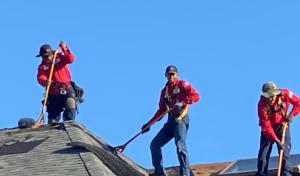
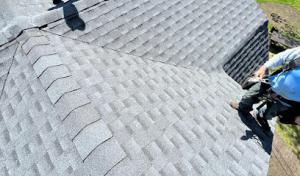
Safeway Roof Repair Long Island
(631) 646-5497 www.safewayroofrepair.com
Serving
5.0 from 16 reviews
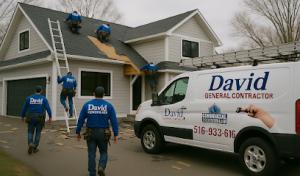
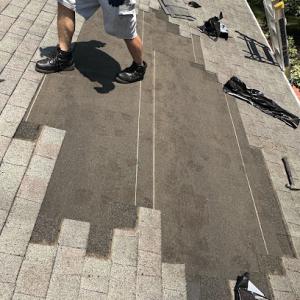
Empire Gen Roofing & Chimney
30 Commercial Ct, Plainview, New York
5.0 from 7 reviews
Local and trusted Roofing & Chimney company serving Long Island with the best expertise and professionalism. We offer totally free no obligation estimates to help you choose the right materials for the right price. Call us today to schedule your appointment.
County Roofing Systems
(631) 400-7663 countyroofingsystems.com
Serving
4.9 from 95 reviews
Established in 1987, County Roofing Systems is a licensed contractor offering comprehensive roofing solutions for residential and commercial properties across Suffolk and Nassau Counties, . services include Roof replacement, siding, and window installation, Dormers and extensions exterior work.
Brickstone Construction & Renovation
Serving
4.6 from 79 reviews
Brickstone Construction & Renovation is your trusted partner for high-quality construction services. Specializing in waterproofing, roof replacement, masonry, and concrete sidewalk texture, we deliver durable, fast solutions for both small and large projects. Our experienced team stays updated with the latest trends to offer top notch services in home building, renovation and roofing. Whether you need a general contractor, flooring or waterproofing, we tailor our services to fit your needs. From water damaged ceiling repairs to full home renovations, Brickstone has you covered. Contact us today for expert construction solutions near you!
Safeway Roof Repair Long Island
(631) 646-5497 www.safewayroofrepair.com
Serving
5.0 from 16 reviews
Fast, Reliable & Quality Roof Repair and Roof Leak Detection Service Guaranteed. Family and locally owned and operated, Safeway Roofing has been installing and repairing roofs in Long Island, and the surrounding area for over 25 years. Our licensed, bonded, and insured professionals install and service a wide variety of roof types quickly and efficiently.
Nust Construction Nyc
(917) 302-6149 nustconstruction.com
Serving
5.0 from 17 reviews
Services Areas: Bronx, Queens, Syosset, Brooklyn, Plainview, Nassau County. Roofing, waterproofing, new roof, Gutter, chimney
David General Contractors
(917) 295-5598 davidgeneralcontractors.com
Serving
4.9 from 115 reviews
With over 20 years of experience, David General Contractors INC is your trusted partner for high-quality residential and exterior remodeling work across Long Island and New York City. We specialize in roofing, siding, blacktop and concrete driveways, extensions, dormers, and full interior renovations. Our skilled team is known for fast response, reliable service, and superior craftsmanship on every job. Whether you’re planning a small upgrade or a major renovation, we bring professionalism, transparency, and results you can count on. Contact us today for a free estimate , We do not accept advertising or marketing calls. All solicitation will be ignored.
Imagine Remodeling
(516) 398-6595 imagineremodelinginc.com
Serving
5.0 from 130 reviews
Imagine Remodeling has provided Long Islanders with exceptional customer service and high quality craftsmanship for over 18 years. Our main focused trades are roof replacement, siding replacement and repair, Jame Hardie siding installation and repair, bathroom renovation and kitchen renovation. We are a GAF Master Elite roofing installer, James Hardie Preferred siding installer and a Certainteed 5 Star certified siding installer. We service all of Nassau county, NY USA and Suffolk county, NY USA Customer satisfaction is our number one priority here is Imagine Remodeling, give us a call today and see why Don't forget to ask us about our special 0% interest free financing for 72 month program on All purchases!
Klein Contracting
(516) 259-4444 klein-contracting.com
Serving
4.9 from 29 reviews
Long Island's #1 Trusted Home Improvement Company. Licensed and Insured with Over 30 Years Experience. Exterior Services Include: Roofing, Siding, Windows, Gutters, Chimneys, Decks & Porches, Masonry, Waterproofing and Painting. Interior Services Include: Basement Waterproofing and Refinishing, Bathrooms, Carpentry, Flooring, Closets, and Painting.
Universal Construction NY
Serving
5.0 from 6 reviews
Universal Construction NY is a roofing contractor / roofer serving the Queens, Nassau, and Suffolk NY area since 2000. Services include Roofing, Roof Replacement, Roof Repair, Roof Installation, Shingle Roofs, Tile Roofs, Metal Roofs, Painting & Staining, Gutters & Downspouts, Commercial Roofing, Flat Roofs, Hail Damage, Storm Damage and Roofing Prices.
All American Home Improvement
(516) 986-3979 www.allamerican-hi.com
Serving
4.8 from 55 reviews
3rd & 4th generation family owned and operated residential roofing company. Specializing in roof leak detection, roof repairs and full roof replacements at affordable prices. Our other services include Siding, Windows and Gutter systems. Call us today to experience why its better to go with a local knowledgeable company as opposed to a large corporate sales organization.
SW Roofing Of Huntington
(631) 991-9107 huntingtonroofingandchimney.com
Serving
4.9 from 44 reviews
SW Roofing Of Huntington is a local Family Owned & Operated Melville NY Roofing Company!
All Weather Pro
(917) 633-6121 allweatherprony.com
Serving
5.0 from 20 reviews
All Weather Pro, Inc is a Remodeling contractor / roofer serving the NY Metro and Long Island area focused on bringing you quality services that dont break the bank. Our services include Roofing for Residential and Commercial Properties, Replacement Vinyl Windows, Roof Installation, Commercial/ Flat Roof Waterproofing, Flat Roof Repairs, Vinyl Windows Installation, Roof Inspection, Storm Damage, Shingle Roofs, Rubber Roofs, Roof Coating and of course Free Roofing Price Estimates. Our Expert team offers a variety of cost-effective Home Improvement services for homeowners. Financing also available upon request. Contact us today or Book a Free Estimate appointment at your convenience"
In Plainview, the typical detached suburban roof forms align with asphalt shingles for reliable performance and familiar replacement patterns. This material handles the Nor'easter wind and the winter ice cycles common to Nassau County, while fitting the look of most mid-century and newer neighborhoods. Asphalt shingles are easy to source locally, straightforward to install on standard rafters, and compatible with the long, shallow to moderately steep pitches found on many Plainview homes. For homeowners aiming for a balance of value, durability, and predictable maintenance, asphalt remains the practical baseline choice.
Metal, tile (clay or concrete), wood shake, and synthetic shingles appear in smaller numbers and are more likely on custom homes or accent sections rather than the neighborhood norm. If a home features a unique architectural expression, or if a homeowner prioritizes a specific aesthetic (for example, a metal derived profile or a warm clay tone), these options can be pursued on isolated sections without changing the overall roof system. For high-wind sections or areas prone to ice dam formation, metal can offer strong wind resistance and fast shedding, while synthetic shingles can mimic other materials with lower maintenance. However, these choices often require a more detailed detailing of flashing, ventilation, and underlayment to perform optimally in Plainview's climate.
Warm, humid summers in Plainview accelerate asphalt aging and affect shingle sealing, making material choice and ventilation more important than in drier inland markets. A well-vented attic with balanced intake and exhaust airflow helps curb ice dam risk by reducing roof deck temperatures that promote meltwater infiltration. An updated underlayment with enhanced self-sealing properties and a drip edge at eaves contribute to leak resistance during heavy winter infiltration. When evaluating any roof type, ensure the attic is adequately insulated to keep roof temperatures from spiking during late-season thaws.
Choose a roofing contractor who understands Plainview's mix of older and newer homes, and who can confirm that the chosen system integrates properly with existing gutters, fascia, and ventilation ducts. For shingles, insist on a detailed seam and flashing plan around roof-to-wall transitions, the chimney chase, and skylight penetrations to reduce leak cycles after winter storms. Regular, seasonally timed inspections-particularly after storms-help catch edge curling, lift, or sealant failures early, before an ice dam cycle can start.
Even where the main roof is pitched, Plainview homes often have low-slope sections over extensions, porches, dormers, or garage connections that fail differently from the main shingle field. Those small-geometry areas live with different drainage dynamics and can be forgotten during quick seasonal checks. Wind-driven rain in the winter and early spring can drive moisture right at seam lines, side walls, and any drainage outlet. Recognize that these zones don't behave like the steep-shingle sections, so plan inspections with a focus on the transitions between roof planes rather than treating the whole house as one roof.
Begin with the transitions where a low-slope roof abuts a steeper roof. Look for missing, cracked, or deteriorated flashing at ridges, wall flashings, and near any dormer or porch connections. Check the membrane or underlayment on the low-slope surface for wear, punctures, or exposed edge laps. Inspect gutters and downspouts feeding the low-slope area; if water backs up or overflows during a hard rain, that is a sign the drainage plan needs attention. Pay extra attention to sealant joints around penetrations-supply lines, stack vents, and any skylight or lightwell details share the same vulnerability in a modest-slope corner of the structure. In winter, ice forms along these edges can create a repeating cycle of backing up water behind trim and flashing, so winter checks are essential.
Mixed-roof homes require careful diagnosis of how the steep-slope shingles meet the low-slope membrane. A contractor should verify that the transition flashing is continuous and that the membrane underlayment runs up and over the edge where the two planes meet. If a porch or garage connection uses a different roofing approach, make sure the fastening pattern and cover boards, if present, align with Long Island wind conditions to resist uplift. The goal is a seamless water barrier where seams in the low-slope section do not align with the main roof field, creating stubborn leak points.
Plan for periodic resealing of edge and flashing seals, especially after heavy winds or winter thaw cycles. Keep close tabs on any signs of aging around porch fasteners, skylight frames, or dormer trims, which can become leak pathways as the roof ages. When replacing or upgrading, prioritize materials and detailing that maintain a robust water barrier at the low-slope transitions, since that's where Plainview's climate and housing stock most often reveal vulnerabilities. Regular, targeted maintenance of these zones helps prevent the recurring leak cycles that follow winter storms and Nor'easters.
Find specialists in TPO, EPDM, and built-up flat roofing systems for residential and commercial properties.
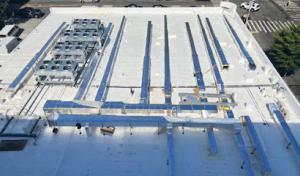
In this neighborhood, roof replacement costs follow the local market realities: Nassau County labor pricing and the practical realities of older suburban homes with mixed roof geometries. When you price a full replacement, expect per-square ranges to anchor your planning. Asphalt shingles sit in the 420-900 USD per square band, metal roofs typically run 700-1600 USD per square, clay tile 1100-2300 USD per square, concrete tile 1000-2100 USD per square, wood shingles or shakes 650-1200 USD per square, and synthetic or composite shingles 550-1000 USD per square. Those figures reflect Plainview's weather-driven demand, especially after winter storms and nor'easters, and the added costs that come with Nassau County-style labor rates.
Dry conditions in late winter can reveal why a replacement drive often starts with ice dam risk assessment. Older posts, dormers, and skylights create heat paths that foster uneven ice buildup along eaves and the inside corners of valleys. If your home features a combination of steep slopes and low-slope sections, the project scope grows beyond a straight swap of shingles. Expect costs to rise when chimneys or multiple dormers are involved, or when the roof line includes attached garages that add complexity to the layout and flashing details. In Plainview, that kind of complexity is common and directly influences final pricing.
A practical planning step is to map the roof into zones by slope and exposure. Steeper main sections plus any low-slope transitions should be treated as separate tasks if the replacement requires changing underlayment or reworking valley flashing. The result is a better long-term seal against leaks and ice dam cycles, especially after Nor'easter events. For homeowners, the most impactful cost awareness comes from recognizing how much labor and materials adjust when you add dormers, skylights, or multiple stacks of chimneys. Those features push the total per-square price higher and can change the choice of roofing material to balance durability with your budget.
When choosing materials, balance initial cost against expected lifespan and local climate. Asphalt shingles offer the lowest upfront cost and reasonable life expectancy, while metal roofs push into higher upfront figures but can offer longer service life and better wind performance in this coastal climate. Tile options-clay or concrete-bring notable durability but require structural consideration and higher installation costs. For Plainview homes with mixed slopes and aging components, a well-reviewed installer will tailor the scope to cover proper ice-dam deterrence, robust flashing, and effective attic ventilation to protect the roof system going forward.
Get a clear picture of your project costs upfront - no commitment required.
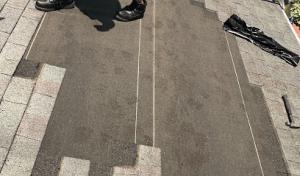
Empire Gen Roofing & Chimney
30 Commercial Ct, Plainview, New York
5.0 from 7 reviews
In the Nassau County towns around you, a full re-roof typically requires a formal building permit rather than informal maintenance. This means the process is more about paperwork and inspections than a quick weather-driven job. The permit journey is tied to the project's scope, roof plan, and how the work is sequenced around weather windows that are common after Nor'easters and winter storms. Understanding the sequence helps prevent delays and keeps the project moving toward a proper closeout.
The permit application is usually handled by the roofing contractor, who submits project details and a roof plan to the local building department. Because the permit process can affect liability and warranty validation, you should confirm who is actually pulling the permit before any work begins. If the contractor is handling the submission, request copies of all submitted documents and the assigned permit number, so you can track milestones. If you prefer to oversee the process, arrange a signed agreement that designates you as the project contact alongside the contractor. Retain any plan revisions or site-specific notes in a dedicated folder for easy reference.
Inspections are scheduled at project milestones, with a final inspection after completion. In Plainview, weather can influence the timing of each stage, especially when work must pause for snow or high winds. Plan for potential re-inspections if a weather-driven pause extends the timeline. A clear line of communication between you, the contractor, and the building department helps ensure inspections are requested promptly and that any required corrections are addressed before the next phase begins. Keep all storm-related notes, test results, and verification photographs organized so inspectors have easy access to evidence of proper installation.
Common milestones include rough-in (or deck preparation), underlayment and flashing installation, shingle or panel attachment, and interior moisture checks if applicable. The final inspection confirms that the roof system complies with code, wind uplift requirements, and drainage performance. Once the final seal is issued, retain the approval letter and any warranty documents with your records. If your project is split by weather, maintain a clear timeline of weather-limited windows and how work progressed within each window to support the final paperwork.
New York insurers generally cover standard roof replacements, but Plainview homeowners should expect requests for prior roof condition, photos, and a detailed scope after wind or hail-related losses. A claim often hinges on clear, dated evidence that the damage is storm-related rather than gradual aging. When a loss occurs, gather materials that show the roof's state before the event and how it progressed afterward. Delays or gaps in documentation can slow settlement or raise questions about coverage scope.
Long Island climate risk is influencing coverage terms and deductibles, so homeowners in Plainview should review whether wind-driven rain, named storm, or age-related exclusions affect the claim. Nor'easter winds can whip up shingle lift and edge damage, while winter ice dams may create concealed leaks that growers and adjusters miss at first glance. Having a professional assessment that distinguishes wind damage from pre-existing wear can help avoid claim confusion and reduce back-and-forth with the insurer.
Because many Plainview losses involve repeated leak history after winter storms, keeping dated photos, prior repair invoices, and inspection notes can materially affect claim handling. A consistent chronology helps prove ongoing deterioration linked to a specific event rather than isolated incidents. Store these records in a weatherproof folder and transfer key images to a digital archive labeled by date and property section. Clear, organized history supports a smoother evaluation and a more credible recovery path.
Connect with contractors who help homeowners navigate the claims process from damage assessment to final approval.
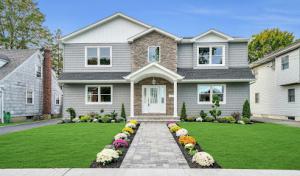
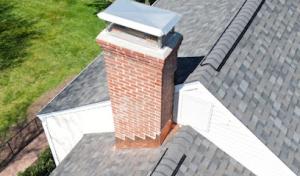
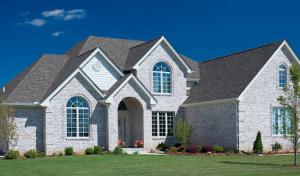
In Plainview, the local market strongly signals that homeowners prioritize re-roofing experience, fast response, and cleanup included over niche luxury specialties. Look for crews with a clear track record on typical Long Island suburban roofs-steep shingle pitches and occasional low-slope sections-so they understand how wind-driven rain and winter moisture cycle through. When you call, note how quickly the crew can schedule a site visit, how they describe access logistics, and whether they commit to a thorough cleanup at the end of each day. A contractor that spends time laying out a practical plan for tarping vulnerable areas and protecting landscaping is a good fit for a busy, family-oriented neighborhood.
Chimney-related work shows up frequently in this market, which matters because flashing at masonry penetrations is a common leak point on older suburban homes. Prioritize contractors who can demonstrate a methodical approach to chimney flashing-proper counter-flashing, cap flashing integrity, and sealant compatibility with valley and step flashing. Ask specifically about how they handle ice dam risk near masonry, and whether their process includes inspecting mortar joints and cracks around the chimney chase. If a leak shows up after a thaw, you want a crew that can diagnose whether the issue stems from flashing, clogged gutters, or improper kick-out flashing.
Long-established, family-run, residential-focused contractors are notably prevalent here, so homeowners often compare responsiveness and site management as much as price. Seek a crew that treats your property like a neighborhood project, with clear daily progress notes, protective ground coverage, and a defined sequence for tear-off, underlayment, and final cleanup. Ask for ready-to-verify references near your street and a realistic timeline. You want a partner who communicates updates promptly and leaves your yard as tidy as when they arrived.