
Last updated: Apr 19, 2026
Your roof endures cold winter conditions that flip to freeze-thaw cycles, and those tiny signature changes are what reopen vulnerable flashing joints and accelerate leak development. When water freezes in a seam or around a vent, it expands. That expansion pries at sealant, tabs, and the laps where shingles meet. By spring, what looked like a minor drip can become a stubborn, spreading stain as the repeated thawing weakens underlayment and edges of sheathing. In this climate, a small issue in late winter can become a noticeable leak in a matter of days once temperatures rise and rain returns. The pattern is predictable: cold spells, short warm-ups, rain, then another cold snap. Each cycle adds up, targeting the weakest point on an aging roof.
Spring storms and heavy rainfall in Nassau County often expose roofs that made it through winter but have weakened underlayment, flashing, or sheathing edges. The problem isn't always a dramatic failure; it's the cumulative effect of moisture working through microscopic gaps opened by freeze-thaw. When rain pours, leaks tend to track along rafter bays and reach living spaces faster if underlayment has shrunk or if flashing around chimneys, skylights, or vent pipes is compromised. In practical terms, any late-winter or early-spring drip should be treated as a warning, not a curiosity. Don't wait for a dramatic surge of water; monitor attics for sudden condensation on rafters and check ceilings for new, darkened spots after a storm. If you notice any sign of moisture near flashing joints or along the edges where sheathing appears softened, act quickly to avoid widespread interior damage.
Autumn wind events and Nor'easters are a real scheduling and damage factor for work that requires a temporary dry-in. High winds can loosen loose shingles, lift edges, or pull back flashing just enough to let moisture sneak in during the first heavy rains. When a dry-in is planned, autumn storms can complicate access and timing, so securing a solid temporary barrier-without delaying essential work-becomes a tightrope walk. The key is to anticipate: if a Nor'easter is forecast, hold back on nonessential work that would leave the underlayment exposed, and prioritize safeguarding vulnerable seams and flashing. If a leak is detected near the eaves after a windy day, treat it as urgent, because wind-driven rain can push moisture under layers you'd expect to stay dry.
Assess flashing joints around chimneys, skylights, vents, and abutments for gaps that appeared after freeze-thaw cycles. Inspect corners of the roof where the sheathing edges meet fascia boards; these spots commonly show early signs of wear after winter. If a spring storm arrives with heavy rain, don't delay addressing a known weak seam; temporary measures can buy time, but the goal is a solid repair before the next freeze. In the lead-up to Nor'easters, ensure temporary dry-in is complete and verify that gutters and downspouts are clear so that water routes away from vulnerable intersections. The pattern is relentless: treat any new or recurring moisture as a fault line and respond with precision, not hesitation.
Asphalt shingles are the dominant steep-slope material in this market, so understanding their vulnerabilities matters every year. In humid summers, heat accelerates aging, leading to brittle granules and faster granule loss. In winter, freeze-thaw cycles stress the same shingles, especially if attic ventilation is inadequate or if heat loss concentrates along eaves and valleys. For Uniondale homes with dormers or attached sections, big temperature swings can create micro-wrinkles and hairline cracks that invite moisture intrusion. Regular inspections after the hottest months and before the first major cold snap help you spot early failures before a small leak becomes a roof-full problem.
If you notice curling tabs, missing granules, or dark staining around fasteners and flashings, treat it as a warning sign rather than a quick patch opportunity. A proper assessment often reveals whether flashing and ventilation are the true culprits or if the underlayment has begun to break down. A focused look at the attic-looking for obvious compression where soffits meet the roof plane, or signs that insulation isn't keeping the attic space at a steady temperature-will inform whether a short-term fix is enough or a more durable repair is warranted.
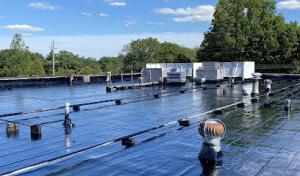
Flat and low-slope roofing is a meaningful local specialty signal in the central Nassau County area, reflecting the mix of attached sections, porches, garages, and commercial-adjacent roof forms common in the market. These surfaces often rely on membranes or built-up systems that behave differently from steep-slope asphalt. In Uniondale, attention to this category should prioritize conditional tests for ponding water, seam integrity, and the condition of edge details where flashing meets the parapet or fascia. If there is any staining along parapet walls or rust at metal flashings, suspect moisture lingering on the deck and potential roof deck delamination beneath the membrane.
On low-slope roofs, the failure mode is less about cosmetic wear and more about seam integrity and insulation compatibility. A routine check after heavy rains or winter thaws should verify that all seams are watertight and that membrane edges are properly adhered. Pay particular attention to any penetrations-vents, skylights, or conduits-that can become leak paths if flashings are not properly integrated with the underlying deck. If you observe soft spots, blisters, or suspicious bulges, the underlying insulation or deck could be compromised, signaling the need for more than a patch.
Inspection in this area commonly centers on flashing, ventilation, and any new sheathing or underlayment, which are the same details that often separate a short-term patch from a durable replacement. Start with flashing around chimneys, dormers, vents, and along parapet edges. Corrosion, loose counters, or lifted joints are easy to miss from ground level but critical up close. Then confirm attic ventilation paths are clear: soffit vents should not be blocked by insulation, and ridge or turbine vents should provide a balanced exhaust flow to prevent heat buildup that accelerates shingle aging.
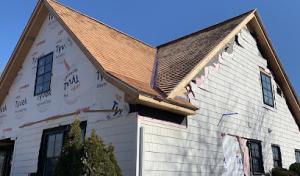
Additionally, verify the condition of the deck and underlayment. If new sheathing or underlayment is visible at any inspection point, determine whether it was properly installed and matched to the existing roof system. Improper transitions between materials are common culprits for leaks in this market, especially after winter thaw cycles and summer humidity spikes. A careful, methodical approach to flashing, ventilation, and decking quality can extend the life of an asphalt or low-slope roof without premature replacement.
Find specialists in TPO, EPDM, and built-up flat roofing systems for residential and commercial properties.
R&M Roofers
(516) 233-9506 rnmroofersllc.com
Serving
4.8 from 24 reviews
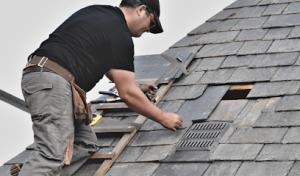
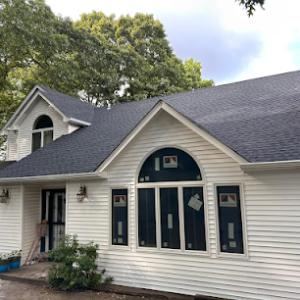
At R&M Roofers, we’ve proudly served Hempstead, NY and surrounding areas since 2007 with reliable roofing services and top-notch craftsmanship. From roof repairs to full roof replacements, our experienced team uses durable materials that stand the test of time. We also offer expert gutter installations and siding solutions to protect and enhance your home. Based in Hempstead, we serve nearby communities including Uniondale, Garden City, West Hempstead, Freeport, Baldwin, Rockville Centre, Valley Stream, Elmont, Franklin Square, and Lynbrook, as well as across Nassau and western Suffolk County. Whether you’re in Long Beach, Oceanside, Massapequa, or East Meadow, we’re committed to keeping your home safe, beautiful, and built to last.
Mk Best Roofing
(516) 615-1791 mkbestroofing.com
Serving
4.9 from 57 reviews
MK Best Roofing is a trusted GAF certified roofing company based in Roosevelt, NY. Since 1998, we have proudly served all of Long Island, especially Nassau County, along with nearby neighborhoods such as Merrick, North Merrick, South Hempstead, Freeport, and Uniondale. Whether residential or commercial, we handle every roofing need such as installation, repair, maintenance, and replacement. Our roofing options range from metal, flat, and shingle to solar and cedar roofs. We are also specialize in providing professional siding and gutter installation for your house. All of our work is fully licensed, insured, and backed with 100% financing options. LICENSED & INSURED
Apex Roofing Pro
(888) 773-1193 apexroofingpro.com
Serving
5.0 from 86 reviews
Apex Roofing Pro is your trusted roofing company in New York, proudly serving Manhattan, Brooklyn, Queens, Nassau, Suffolk, and Long Island. We specialize in roof installation, roof repair, and roof maintenance, providing durable and high-quality roofing solutions for homes and businesses. Our team also offers expert gutter installation, repair, and maintenance services to ensure your property stays protected from water damage year-round. At Apex Roofing Pro, we use premium materials, skilled craftsmanship, and a customer-first approach to deliver results that last. Whether you need a new roof, emergency repairs, or regular maintenance, count on us for reliable, efficient, and affordable roofing services across New York.
Long Island Roofing
Serving
4.9 from 369 reviews
Long Island Roofing is an award winning roofing contractor that provides residential, commercial, and industrial roofing installation and around-the-clock emergency repairs in Long Island, Queens, Brooklyn, New Jersey, and Connecticut. With over three decades of experience, they specialize in roof removals and installations completed within a day, as well as custom copper and metalwork, gutters, downspouts, skylights, and all roof repairs, making them a trusted choice for all your roofing needs.
All Weather Guard
(516) 876-1999 allweatherguard.com
Serving
5.0 from 162 reviews
Residential & Commercial Roofing

Delta Roofing Long Island
(516) 689-0889 deltaroofinglongisland.com
Serving
5.0 from 74 reviews
Delta Roofing Long Island is your trusted roofing contractor, serving residential and commercial clients across Long Island, New York. We specialize in metal roofing, roof repairs, cleaning, and maintenance services. Our fully licensed roofing expert team offers quality roof inspections, leak repairs, and complete replacements. Whether it's a new roof installation or a routine checkup, we use premium materials to ensure lasting results. We are proudly serving Long Island and surrounding areas. Contact us today for a free estimate and professional roofing solutions you can trust!
Nassau Roofers
(516) 785-7663 www.nassauroofers.com
Serving
4.9 from 97 reviews
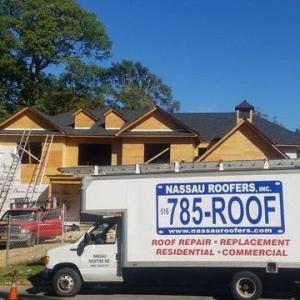
For comprehensive roofing services that meet every residential and commercial need, choose Nassau Roofers, Inc. Based in East Meadow, New York, our roofing contractors provide a wide variety of services, including replacement and repair of both shingle and flat roofs. Established in 1978, we have developed a proven track record as experienced professionals who create the roof you want at a price you can afford. We are a local, family-owned business that is fully dedicated to your complete satisfaction.
Westbury Roofing
(516) 637-1335 westburyroofcorp.com
Serving
5.0 from 108 reviews
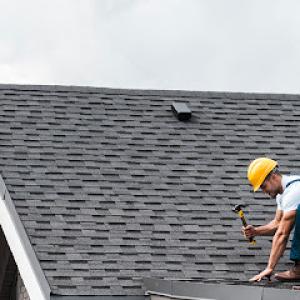
Our team of experts are here to give you the best experience . we specialize in roof installations / repairs in any type of roof including architectural roof shingles , cedar shingles , slate and so much more. Over 30 years of experience father & son company founded in 2015 call now for free estimate.
JJM Roofing & Waterproofing
(516) 508-3781 jjmconstructioncorp.com
Serving
4.9 from 93 reviews
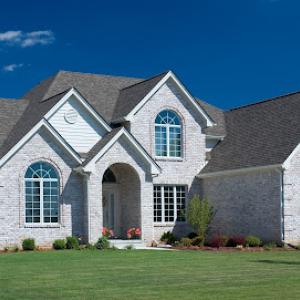
Wether you're looking for a residential or commercial roofing project, JJM Construction is your top quality resource. Contact us today and get a free quote on your next roof, siding or waterproofing job.

Nisi Home Improvement Inc. Roofing & Siding
Serving
5.0 from 223 reviews
"NISI Home Improvement is a trusted, family-owned business proudly serving Nassau and Suffolk counties. As a Google Guaranteed company, certified by Directorii, and fully licensed in both counties, we provide top-quality roofing, siding, windows, skylights, and more. Our experienced team is committed to delivering exceptional craftsmanship, backed by trusted warranties and a focus on customer satisfaction. Whether you're repairing, replacing, or upgrading, NISI Home Improvement is your go-to partner for transforming your home with confidence."
TMT Roofing
Serving
5.0 from 69 reviews
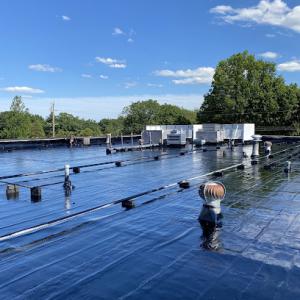
Established in 1963, TMT Roofing is your top choice for all commercial and residential roofing needs in Long Island, NY. We specialize in commercial roofing, gutter services, and siding, ensuring our dedicated team provides unparalleled expertise and exceptional customer service. We offer comprehensive roofing solutions, including silicone coatings, EPDM, shingles, and metal roofing. Whether you require a new roof installation or urgent repairs for leaks or damage, we have you covered. Trust TMT Roofing for high-quality materials, expert craftsmanship, and affordable rates—your satisfaction is our top priority.
Done Right Roofing & Chimney
(516) 541-3500 www.donerightroofingandchimneyinc.com
Serving
4.7 from 32 reviews
Done Right Roofing and Chimney is your local roofing company providing professional residential and commercial roofing, siding, and chimney repair, replacement, and installation. Our services include roof repair, installing flat roofs, installing gutters, fixing skylight leaks, and repairing chimneys. We also provide expert services for siding and masonry, including outdoor steps and siding installation. If you are experiencing a roofing emergency suck as a roof leak, we are available 24/7 for emergency roof repair, including roof leak repair and roof tarp installation.
For properties in this area, full re-roof work typically goes through the Town of Hempstead building department because Uniondale is an unincorporated hamlet within that town. In this Nassau County jurisdiction, contractors commonly handle permit submission for full re-roofs rather than homeowners filing on their own. This means you'll be coordinating through the contractor you choose, who will initiate the permit and track the project with the building department from start to finish.
When you hire a local roofer, expect them to submit the permit application, requested plans or roofing scope, and any required supporting documentation. The process often begins with a detailed scope of work, including roof type, underlayment, flashing, and venting. The contractor will also schedule the plan review and street-side inspections, so your role shifts to communicating access needs and ensuring the site remains safe and compliant during the build.
Mid-project inspections in this jurisdiction focus on critical weatherproofing details. The inspector will look closely at flashing around chimneys, vents, skylights, and transitions to walls or chimneys. Proper ventilation to prevent condensation and moisture buildup is checked, along with any midcourse work on underlayment or sheathing that was installed or repaired as part of the reroof. Make sure access to attic spaces and roof areas is clear, since inspectors will want to verify ventilation pathways and any new decking or underlayment installs.
The final inspection centers on ensuring the roof system is fully installed and weather-tight. The inspector will confirm that flashing integration is complete and sound, ventilation is functioning as intended, and any newly installed sheathing or underlayment meets code expectations. If the roof uses adapters, boot seals, or penetrating venting, those connections get a careful check to prevent leaks. Once the inspector signs off, you'll receive the final approval, and the permit can be closed out.
Coordinate with your contractor to align timing with Town of Hempstead inspection windows, and keep clear access to the roof and attic spaces on the inspection days. If you have prior roofing material debris or environmental concerns (channels for loose materials, cleanup plans), document them in advance, since the permit process often notes site cleanliness as part of compliance. Ensure any temporary protections are in place to limit damage or leaks during the work, especially given seasonal freeze-thaw risks.
In Nassau County pricing, labor and permitting conditions shape what you pay more than upstate benchmarks. After a regional storm, demand spikes pull scheduling and pricing tighter, even if the damage seems localized. That means a quick response can come with a premium, and timelines may stretch as crews shuffle jobs across central Nassau. When you're budgeting, expect a practical read on timelines and costs that reflects this added pressure rather than a statewide theme.
Asphalt shingles remain the mainstream option for most homes in this area, keeping projects straightforward and affordable within typical Nassau County budgets. If you're weighing alternatives, remember that metal, slate, clay or concrete tile, and copper shift the project into a specialized labor pool and push the per-square price higher. For Uniondale-style homes, asphalt shingles often land in the lower end of the cost spectrum, while premium materials can double or triple those figures per square, driven by material availability and crew specialization.
Storm-driven repairs in Uniondale often start with triage: stop-gap fixes to control leaks, followed by a formal replacement when the weather stabilizes and crews are available. Because contractors serve a broad central Nassau market, a localized leak can still be tied to a tighter scheduling window if a regional event created a surge in demand. That means you may see quicker emergency responses but longer lead times for the full replacement, especially if your roof requires a non-standard underlayment or higher-end materials.
Overall, plan for Nassau County labor and the regional demand pattern when estimating both the budget and the schedule for a roof replacement.
Don't let upfront costs delay a critical repair - these contractors offer payment plans to fit your budget.
Rebuild America-Roofing-Windows & Remodeling
(516) 407-7821 rebuildamericany.com
Serving
4.9 from 34 reviews
In this neighborhood, insurers usually want a clear, paper trail before any tear-off starts. Having prior damage documented and a thorough written scope of work ready helps speed things along and reduces pushback later. Take careful before photos of all roof areas, attic signs of leakage, and interior staining when it's safe to do so. After a storm or leak event, assemble notes that describe when the damage happened, what portion of the roof is involved, and any temporary fixes already applied. If an adjuster visits, you'll want to present a consistent story across photos, notes, and the scope of work so the claim doesn't stall due to conflicting details.
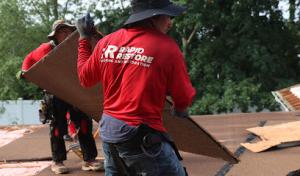
Adjusters serving this market commonly request before-and-after photos and a written scope of work. This makes documentation especially important before tear-off begins. A well-documented file helps when the scope of repairs expands or when the roofing crew uncovers hidden damage once the old material is removed. Make sure your contractor is prepared to provide a detailed written scope that matches the photos: this alignment reduces the chance of disputes over what was supposed to be repaired and can keep the process moving through the Nassau claims channel more smoothly.
Hurricanes and winter storms can influence premium calculations in coastal parts of the region, which affects the broader Nassau County insurance environment even for inland homeowners. That means storm history in nearby coastal zones can indirectly shape how insurers assess risk here, sometimes affecting how quickly claims are approved or how much is covered under policy language. When you're evaluating proposed repairs, keep in mind that a well-documented, conservative scope tends to minimize post-claim adjustments and avoids second-guessing once the weather turns again.
As a homeowner, you'll want a steady sequence: capture damage, coordinate a detailed scope, and ensure the adjuster receives a consistent package of photos and notes. If a storm hits and leaks recur, be prepared to revisit the scope with your contractor and insurer to reflect any newly discovered damage, staying patient through the process while aiming for a durable, long-term fix.
Connect with contractors who help homeowners navigate the claims process from damage assessment to final approval.
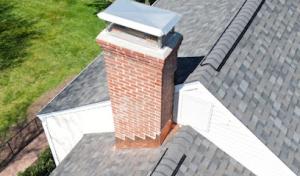
Skylight repairs behave differently in Nassau County's winter cycles than simple roof patching. In this market, the leak pattern often follows transitions where the roof meets the skylight unit, so you'll see moisture wicking at the edges rather than in the center of a broad panel. When a storm hits and freeze-thaw follows, the flashing around the skylight becomes the first point of failure. Plan on addressing both the curb flash and the base flashing together, since a weak seal at either seam can feed into the interior in a sudden rain event. If you notice condensation on the glass in cooler mornings or a damp ring around the skylight frame after a heavy rain, treat it as a flashing issue rather than a surface leak.
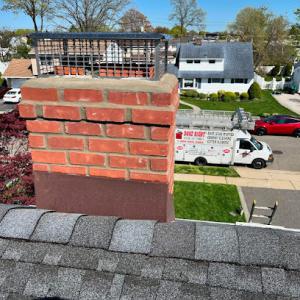
Chimneys are a common failure point on older Uniondale homes because masonry-to-roof transitions are exposed to year-round heat and moisture cycling. Counterflashing and proper step-flashing integration with the roofing surface are essential. Look for hairline cracks along the mortar line, rust stains at the metal components, or dark streaks where water travels down the sides of the chimney. In a weather pattern with heavy rain, wind-driven spray reaches higher on the roof and can push moisture into the chimney base if the flashing isn't fully intact. A thorough inspection should verify that the counterflashing behind the masonry is free of gaps and that the roofing material overlaps the flashing correctly to shed water away from the joint.
During a re-roof, skylight and chimney work becomes a decisive factor because both elements dictate the roof's overall waterproofing details. If the existing flashing shows any peeling, deformity, or tight corners where water can pool, plan for a flashing refresh as part of the re-roof project. The goal is to maintain a continuous waterproof envelope around these penetrations, with flashing that seats flush against the roofing and a sealant that remains flexible through freeze-thaw cycles. When timing a repair, prioritize flashing integrity alongside shingle or panel replacement to minimize future leaks.
Find contractors experienced in skylight installation, flashing, and leak repairs to bring natural light into your home.
Warranty positioning matters here because many homeowners are weighing repair versus replacement after weather-related wear rather than after a single catastrophic event. Your decision often hinges on how the roof has held up through freeze-thaw cycles, summer humidity, and seasonal storms. A well-structured warranty can guide whether patchwork fixes or a full re-roof makes sense for long-term reliability and resale value. In practice, a warranty that clearly distinguishes workmanship, material coverage, and conditions helps you compare options without guesswork.
Manufacturer-backed protection adds clarity to Uniondale projects, especially when full replacements are on the table. Manufacturer-certified contractors are common in this market, and choosing one of them can maximize installation-backed coverage. That coverage is particularly valuable after multiple seasons of wear, when a generic labor warranty may no longer reflect the scope of work already completed. When you pursue a roof replacement, asking for installation documentation tied to the manufacturer's certification can provide stronger, verifiable protection if a defect emerges years down the line.
Documentation plays a pivotal role in a permit-and-inspection environment. Recorded installation steps, material choices, and final approvals create a solid warranty trail that supports future resale questions and potential warranty transfers. Clear records help a new homeowner or appraiser understand the roof's history, which can smooth negotiations in the event of a future claim. Keeping organized copies of inspection reports, product data, and adaptation notes chosen for your weather conditions strengthens your position with both manufacturers and contractors.
Practical considerations guide how you stack warranty value with repairs. Prioritize coverage that explicitly addresses freeze-thaw vulnerabilities, storm-driven damage, and the labor involved in full replacements. Verify that the warranty remains active if maintenance schedules are followed, and confirm any exclusions that could affect coverage after repeated exposures to harsh winters and humid summers.
Consult with a local contractor who can align warranty terms with Uniondale's climate realities, ensuring you have a clear path from a weather-driven repair to a durable, code-compliant roof that stands up to tomorrow's storms.