
Last updated: Apr 19, 2026
Wantagh sits on Nassau County's South Shore, where nor'easters and coastal wind events are a recurring roofing concern even outside named hurricanes. The combination of humid salt air, freeze-thaw cycles, and seasonal storms means shingles take more wear here than in many inland areas. In this market, wind and hail are the main insurance claim drivers, and carriers commonly want roof-age records and photo documentation before or after a loss. That makes keeping a precise, dated history of your roof's condition essential, especially for homes over a decade old or with previous roofing work. Spring wind-and-rain events and fall nor'easters can both damage shingles and delay scheduling, creating post-storm demand spikes for local roofers. The result: a window of vulnerability where minor hits or wind-driven debris can escalate into claimsable damage, if not addressed promptly.
A storm can turn into an insurance event overnight in Wantagh if a hail strike or wind lift damages the shingles, underlayment, or flashing. Carriers will scrutinize whether damage was preexisting or storm-related, and they'll look for clear records of the roof's age and condition. Before a loss, compile a simple, dated photo log showing each elevation, ridge line, vent, chimney flashing, and any visible wear. After a storm, photograph the same features again from multiple angles and compare with older images to demonstrate newly developed issues or accelerated wear. If a contractor notices soft underlayment, lifted granules, or missing shingles, capture close-ups and wide shots to capture context for the adjuster. In Wantagh, where coastal winds can whip debris and salt spray can accelerate material aging, documented evidence becomes a faster path to a fair settlement and a smoother claim process.
Seasonal winds can peel back edges, lift shingles at the perimeters, or loosen flashing around chimneys and vents. A Nor'easter can drive rain under loosely seated shingles, especially if the roof has already endured several cycles of freeze-thaw during winter. In this climate, shingles that look in good shape from the ground can hide underlayment damage that only shows up as leaks or staining inside walls or ceilings after a heavy rain. Be particularly vigilant after storms that deliver hard rain combined with wind, as the combination increases the odds of concealed damage. If leaks appear, schedule a roof inspection promptly rather than waiting for a second storm, because delays can complicate claims and extend the time to repair.
Spring wind-and-rain events and fall nor'easters can both damage shingles and delay scheduling, creating post-storm demand spikes for local roofers. Wantagh residents should build a rapid-response plan: identify two preferred local contractors with storm-response experience, confirm their after-hours availability, and set expectations for documentation and timelines. When a claim is filed, your roofing contractor should be able to provide a clear scope of work, an itemized sequence of repairs, and a rough timetable that aligns with weather windows typical for Wantagh's shoulder seasons. Having a plan reduces the risk of weather-driven postponements compounding damage and extends the life of the roof by addressing vulnerabilities quickly.
Begin with a proactive maintenance check focused on coastal exposure: inspect and reseal ridge vent seals, confirm flashing around chimneys and vents is intact, and secure any loose granules or shingles along the eaves. Clean gutters to prevent water backing up under shingles during heavy rain, and ensure attic ventilation is balanced to minimize condensation and freeze-thaw stress in winter. Keep a simple storm-readiness kit: a camera or smartphone for quick photo logs, a dated notebook of roof observations, and contact information for two trusted local roofers who understand Wantagh's weather patterns. In a pinch, a rapid-response visit from a local pro can save thousands in hidden damage by capturing and addressing issues before they escalate.
Wantagh homes face a mix of humid summers and salt-influenced air, with Nor'easters in shoulder seasons and winter freeze-thaw cycles. Those conditions shape how asphalt shingles and tile perform. Storm-driven wear tends to accumulate first on edges and in valleys where moisture concentrates. Algae and mold growth can stain shaded slopes after the warm, humid stretches, especially on darker asphalt or tile finishes. The result is not just look: aging patterns from moisture absorption and thermal cycling can change the way a roof sheds water and resists wind uplift over time.
Asphalt shingles are common and versatile for Wantagh's housing stock, especially in re-roof projects. They respond well to rapid temperature swings when installed with proper underlayment and accurate flashing details around vents, chimneys, and dormers. Clay and concrete tile bring a different set of considerations. Clay tends to be lighter-colored and more resistant to algae staining, but it can become brittle with repeated freeze-thaw cycles if the installation isn't vented and underlayment is compromised. Concrete tile shares that risk profile, yet often handles salt air better when fastening is secure. Wood shingles or shakes offer a classic look but demand meticulous maintenance in damp summers and can suffer from rapid moisture-driven cracking without robust underlayment and flashing. Synthetic or composite shingles blend some of these traits, delivering lower weight or greater impact resistance, but still rely on a solid underlayment and sealed joints. Slate, while durable, requires careful detailing around edges and penetrations to prevent moisture intrusion in storm events.
If asphalt is your primary option, prioritize a high-quality underlayment and continuous eaves protection. Pay special attention to valley flashing and chimney/vent transitions, where wind-driven rain can force moisture under the shingle line. In shaded slopes, algae staining can accelerate aging; consider algae-resistant fibers or color choices that resist staining while ensuring adequate airflow beneath the ridge. Ensure proper nailing patterns and sealant around flashings to withstand winter winds and snow load effects from Nor'easters.
For tile options, focus on substrate integrity and movement control. Tile roofs require a robust, well-ventilated underlayment system to handle freeze-thaw stress without cracking. The flashing details beneath tile assemblies need to be continuous and sealed, particularly around penetrations and along parapets where moisture can travel. In Wantagh's climate, slope and framing must accommodate tile weight and thermal expansion; ensure fastener spacing and anchor systems match the tile type and roof pitch. Shading on tile roofs can reduce algae growth on darker surfaces but may invite moss in damp pockets, so routine cleaning and moss prevention are prudent.
A practical maintenance plan combines regular inspections after significant storms with seasonal checks. Inspect ridge lines, valleys, and around penetrations for lift or gaps that could allow wind-driven water to enter. For tile systems, look for cracked or displaced tiles, and verify flashing integrity beneath hips and shoulders. For asphalt, confirm granule loss isn't accelerating underlayment exposure and watch for curling or cupping at edges after freeze-thaw cycles. Documentation that tracks storm impacts, roof age, and any repairs supports smoother insurance discussions when storm-related wear occurs.
The Way Renovations
(516) 751-4002 thewayrenovationsinc.com
Wantagh, New York
5.0 from 94 reviews
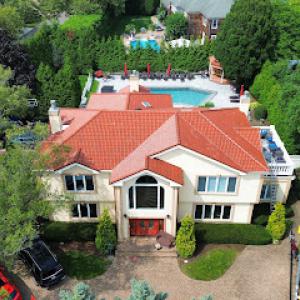
Are you looking for a reliable and experienced roofer to protect your home from the elements? Welcome to The Way Renovations, your premier roofing contractor in North Bellmore, NY. Licensed and insured with over 40 years of roofing experience, we pride ourselves on transforming homes with precision and a keen eye for detail. Established in 2020, our family-owned and locally operated business has dedicated itself to delivering exceptional craftsmanship with every project. Whether you need reliable asphalt shingle roofing, resilient flat roofing, or stylish metal roof installations, our skilled team is equipped to handle your needs.
Rapid Roofing
(516) 212-2275 www.rapidrestoreny.com
2079 Wantagh Ave Suite 2D, Wantagh, New York
5.0 from 78 reviews
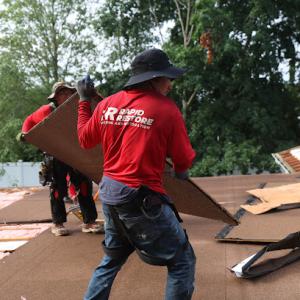
Getting a new roof or roof repair shouldn’t be a headache – that’s why at Rapid Roofing, we make it easy. As a roofing company built on trust, our expert roofer contractors deliver seamless roofing services with zero hassle and no shortcuts. Whether it’s routine maintenance or emergency roof repair, our residential and local roofers get the job done right – every time. We don’t just claim to be the best roofers, we prove it! From affordable roofing solutions to BBB-accredited roofing contractors, we’re the good roofing company homeowners rely on. A roofing business that stands behind its work, delivers results, and redefines what it means to hire top-rated roofers.
Long Island Roofing
Serving
4.9 from 369 reviews
Long Island Roofing is an award winning roofing contractor that provides residential, commercial, and industrial roofing installation and around-the-clock emergency repairs in Long Island, Queens, Brooklyn, New Jersey, and Connecticut. With over three decades of experience, they specialize in roof removals and installations completed within a day, as well as custom copper and metalwork, gutters, downspouts, skylights, and all roof repairs, making them a trusted choice for all your roofing needs.

Long Island Precision Roofing
(516) 850-5500 liprecisionroofing.com
Serving
5.0 from 199 reviews
Welcome to Long Island Precision Roofing where our staff is committed to providing our customers with the highest level of service, quality, and reliability in the roofing industry. We believe that every home and business deserves a roof they can trust, and we operate with a steadfast dedication to integrity, transparency, and excellence in all we do. Our mission is simple: to always do right by our customers, delivering honest, straightforward solutions, and maintaining open communication every step of the way. With us, you can count on a job well done, with no surprises—just dependable, top-quality craftsmanship you can trust!
Mk Best Roofing
(516) 615-1791 mkbestroofing.com
Serving
4.9 from 57 reviews
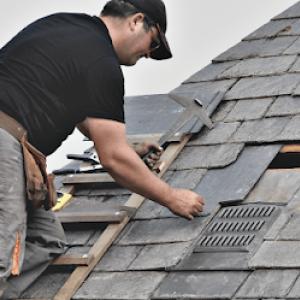
MK Best Roofing is a trusted GAF certified roofing company based in Roosevelt, NY. Since 1998, we have proudly served all of Long Island, especially Nassau County, along with nearby neighborhoods such as Merrick, North Merrick, South Hempstead, Freeport, and Uniondale. Whether residential or commercial, we handle every roofing need such as installation, repair, maintenance, and replacement. Our roofing options range from metal, flat, and shingle to solar and cedar roofs. We are also specialize in providing professional siding and gutter installation for your house. All of our work is fully licensed, insured, and backed with 100% financing options. LICENSED & INSURED
NY's Finest Roofing & Siding
(833) 476-6369 nysfinestroofingsiding.com
Serving
4.9 from 114 reviews
Roof Repair & Replacement Experts in Long Island & Queens! Worried about leaky roofs or outdated exteriors? NY's Finest Roofing & Siding, Inc. delivers peace of mind, lasting value, and superior craftsmanship for your home. We specialize in: Roof Repair Roof Replacement Flat Roof Repair & Replacement Siding Installation Why choose us? Nearly 30 years of experience serving Long Island, Queens, Brooklyn, Manhattan & Westchester. Skilled and certified roofing contractors who use the best materials. Fast and thorough appointment setting to job completion. Highly recommended by satisfied clients. Let us help you fix your roof leak with our roof repair or roof replacement solutions. Long Island's best roofing & siding Contractor!

Nisi Home Improvement Inc. Roofing & Siding
Serving
5.0 from 223 reviews
"NISI Home Improvement is a trusted, family-owned business proudly serving Nassau and Suffolk counties. As a Google Guaranteed company, certified by Directorii, and fully licensed in both counties, we provide top-quality roofing, siding, windows, skylights, and more. Our experienced team is committed to delivering exceptional craftsmanship, backed by trusted warranties and a focus on customer satisfaction. Whether you're repairing, replacing, or upgrading, NISI Home Improvement is your go-to partner for transforming your home with confidence."
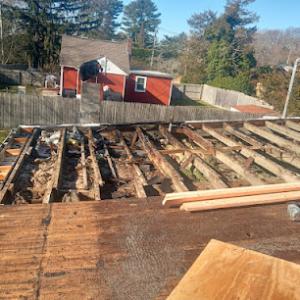
Long Island Flat Roof IslandWide Commercial Roofing
(631) 838-9285 www.longislandflatroof.com
Serving
4.9 from 108 reviews
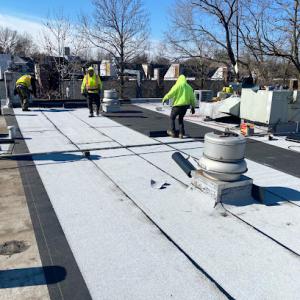
IslandWide Commercial Roofing is full service commercial roofing company located in Amityville NY and have been proudly serving customers throughout the Greater Long Island Area since over 10 years . From urgent flat roof repairs to complete flat roof replacements, we have become one of the most trusted industrial and commercial flat roofing contractors across the li. We believe that offering quality commercial and industrial roofing systems is simply not enough. We also set out ensure that all of our industrial roofing contractors are highly trained to a standard of excellence, and can offer an unprecedented level of customer service."
All Island Renovators
(516) 232-5116 www.allislandrenovators.com
Serving
4.8 from 24 reviews
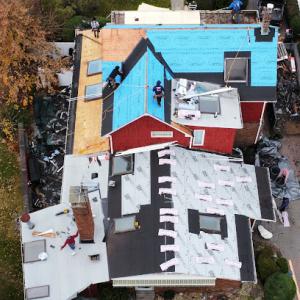
All Island Renovators is a family owned roofing and siding business. We have over 10+ years of experience. we specialize in residential roofs as well as flat roofs. Using only the best roofing brands there is on the market. We also do small roof leak repairs. Siding is also key to a beautiful house renovation. We use everything from vinyl siding, to azek trim and Hardie boards. Servicing all of Long Island NY.
Four Seasons Roofing & Exteriors
(631) 249-3377 fourseasonsroofingny.com
Serving
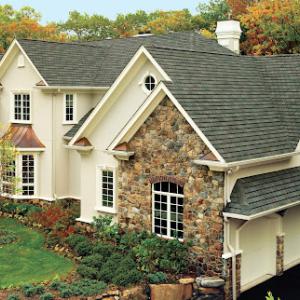
4.9 from 683 reviews
A Division of Four Seasons Enterprises, Inc.
Marvin Construction Services
(631) 639-6419 marvinconstructionservices.com
Serving
4.9 from 250 reviews
If you’re looking for a new roof installation or siding repair for your home, we are the construction company for you! For 15 years Marvin Construction Services has been dedicated to providing superior workmanship that is second to none. We have always been focused on high-quality results, excellent customer service, and reliable work ethic. Customers in Lindenhurst, New York and surrounding areas rely on us for professional roofing, siding, and gutter services. Our team has the experience, skills, and proper equipment to guarantee your home has the best outcome. We ensure all of our customers that we are a trustworthy company and that we always deliver the best results.
Citywide Roofing & Gutters
(516) 726-3212 www.citywideroofingny.com
Serving
4.8 from 46 reviews
We are a full-service roofing contractor specializing in residential and commercial roofing solutions. Our scope of work includes complete roof replacements, repairs, leak investigations, preventative maintenance, and roof inspections. We work with a variety of roofing systems such as modified bitumen, EPDM, asphalt shingles, and other flat and low-slope applications. Our team is committed to quality craftsmanship, safety, and project efficiency. We take pride in providing honest assessments, durable roofing solutions, and professional service from project planning through completion. Our goal is to protect our clients’ properties while delivering long-term value and peace of mind.
Wantagh's cold winters bring snow followed by freeze-thaw cycles that can back water up at eaves and expose weaknesses in flashing and underlayment. When ice forms at the eave, melted snow can't drain properly and refreezes, lifting shingles and pushing water under the roof edge. The same homes then face warm, humid summers, so attic ventilation and moisture control matter in both winter ice-dam prevention and summer shingle aging. In short, the roof is not a single-season system here; it endures a full year of stress, and failures often show up where the roof meets penetrations, valleys, and chimneys.
A humid attic is a warning sign for the entire roof. In Wantagh, salt air exposure plus occasional winter drafts can drive condensation through insulation and into underlayment. Start by inspecting attic ventilation: there should be a balanced combination of soffit intake and ridge or roof vents to move air continuously. In winter, look for frost on the underside of sheathing, which can indicate inadequate ventilation. In summer, verify that insulation is deep enough to keep conditioned air from meeting warm roof planes, and seal any gaps around attic hatches and duct work to minimize warm, moist air migrating upward. A breathable, properly installed underlayment helps resist water intrusion if flashing is stressed during freeze-thaw cycles.
Repeated seasonal swings are a local reason many homeowners discover leaks around roof penetrations, valleys, and chimney intersections rather than only on open field shingles. Pay special attention to the junctions where metal flashing meets masonry, and at joints where vent stacks pass through the roof. Over time, salt spray and freeze-thaw cycles can corrode or loosen flashing, inviting water into the attic. If you notice staining or dampness near these features after heavy rain or a thaw, inspect the flashing height at the eaves and the sealant around tool penetrations. Replacing brittle sealant and re-nailing loose shingles can prevent small leaks from turning into larger, costly problems.
Develop a routine for seasonal checkups: visually inspect the roof from the ground after storms, and perform a careful attic inspection at least twice a year-ideally after winter and before summer heat peaks. Ensure attic vents are unobstructed by insulation or stored items. Add or repair ridge and soffit vents to maintain steady airflow. Keep a close eye on attic insulation levels; insufficient insulation allows more heat to reach the roof deck, accelerating ice dam formation and shingle aging. Finally, document any ice dam activity or recurring damp spots with photos and notes so a contractor can pinpoint weaknesses quickly should a repair be needed. This proactive approach reduces the risk of unseen damage accumulating over years of seasonal stress.
Flat and low-slope sections are a common service call in this area, where coastal humidity and nor'easters push ponding water onto roofs that weren't built for long-term flat runs. In many Wantagh homes, the transition from a pitched main roof to a small flat section or a low-slope terrace happens near additions, sunrooms, or rear decks. The result is more frequent wear on membrane seams, edge details, and flashing. Expect more maintenance after heavy spring rains and coastal storms, especially where drip edges and parapet walls tie into older roofs.
Leak tracing begins with a careful walk-around to identify all potential entry points. Start at the skylight or chimney first, since these interruptions in the roof deck are common culprits. From there, check the intersection where a low-slope area meets a pitched roof; this transition is prone to flashing failures and seam separation as temperature swings and wind work the edges. Look for smooth, dark staining along the interior ceiling directly below these areas, which often maps back to a small, stubborn leak source. In many homes, the actual water entry is several feet away from the visible stain, following a path along deck boards or underlayment before showing up indoors.
Skylights invite natural light but bring their own set of vulnerabilities. In Wantagh, aging seals and flashing are frequent failure points due to salt-air exposure and seasonal freeze-thaw cycles. Inspect around the skylight flashing for loose fasteners, lifted sealant, or hairline cracks in the curb. If the skylight sits on a low-slope transition, the flashing must shed water effectively toward the gutter and away from interior joints. When leaks trace to a skylight, consider resealing the curb with a high-quality sealant and updating nearby counter-flashing to ensure a clean, rain-tight seal that won't degrade after the next coastal storm.
Chimneys disrupt the continuity of a roof plane and can create chronic leak paths if the flashing or mortar at the base is compromised. In many Wantagh homes, chimney leaks originate at counter-flashing that splits from the chimney side and runs under roof shingles, or from deteriorated step-flashing where the chimney meets a low-slope section. Inspect the base flashing for gaps, corrosion, or loose shingles. When a chimney is raised or has a large brick face, ensure the flashing has proper slope to direct water away and that any caulking or sealant at the joint remains flexible enough to bridge seasonal movement.
1) Clean the area around the suspect point, removing debris that can trap water and obscure the flashing. 2) Re-secure loose flashing and reseal with compatible, weather-tested sealant, especially at transitions and curb penetrations. 3) Replace damaged shingles or membrane around the affected corner in a way that preserves the existing roof's waterproofing plane. 4) If the leakage persists, add or upgrade edge and ridge venting in nearby roof sections to improve drainage and reduce moisture buildup. 5) Plan a targeted inspection after the next heavy rain or coastal storm to verify the fix holds under pressure.
Find specialists in TPO, EPDM, and built-up flat roofing systems for residential and commercial properties.
A full re-roof in Wantagh typically requires a building permit through the Town of Hempstead building department rather than a village-only process. That means your project is reviewed at the town level for code compliance, weatherproofing standards, and safety considerations that are tailored to South Shore conditions-salt air, wind uplift, and winter freeze-thaw cycles all factor into the plan review. Because Wantagh is an unincorporated hamlet, the permit path can differ from neighboring villages, so confirming which agency handles your permit early helps prevent delays once work begins. When planning, ask a prospective contractor to verify that the permit submission is prepared through the town and what documentation will be needed, such as roof diagrams, product specifications, and a temporary protection plan for storm-ready handling during installation.
Inspections are typically coordinated during and after installation. The town expects to see staged checks-for example, an initial framing or underlayment inspection before shingles go on, followed by a final inspection after completion. Local contractors commonly pull the permit on the homeowner's behalf, which can smooth the process given the influx of post-storm repairs along the South Shore. If a storm event has recently impacted your neighborhood, expect the town to schedule inspections with some flexibility, as inspectors balance multiple urgent repair projects. Keep a clear record of shingle type, underlayment, and nail spacing to show inspectors you're meeting local code adaptations for Wantagh's climate.
When comparing bids, verify the contractor's familiarity with Town of Hempstead permit requirements and their track record with storm-driven wear repairs. Early confirmation of who handles permit submissions helps prevent friction between the contractor's schedule and the town's inspection windows. Ask for a written plan that includes inspection milestones, temporary weather protection, and a clear sequence-base layer, underlayment, drip edge, and final sealing. Because Wantagh roofs endure salt air and harmful nor'easters, ensure the permit package and contractor's installation method align with the latest town amendments for wind resistance and moisture control, so insurance documentation upon claim aligns with how the work was performed.
Wantagh homes show a broad mix of materials, from asphalt to slate, wood, synthetic, and tile. That variety drives labor and deck considerations in ways you don't see with a single-material replacement. A tear-off may involve stripping concrete or slate in one area while leaving asphalt in another, which changes debris handling, disposal fees, and roof deck repairs. Because the deck carries the load differently with each material, expect scope adjustments for flashing, ice and water shield placement, and potential underlayment repairs. In practical terms, the job isn't a clean, one-material swap; it's a puzzle that shifts as the crew exposes the deck.
Coastal storm events push Wantagh pricing upward as emergency demand and scheduling pressure tighten labor availability across Nassau County. After a big nor'easter or tropical system, contractors may book out weeks, and surge pricing can apply to urgent replacements or emergency repairs. This dynamic can lift costs across all materials, particularly for premium options like slate or clay tile, while still anchoring asphalt toward the lower end of the market. The net effect is a temporary widening of the price band, with lead times and contingency allowances becoming part of the planning conversation.
The typical cost ranges reflect local reality. Asphalt shingles tend to sit at the lower end of the market, while slate and tile sit at the upper end. Within Wantagh's climate, the long-term durability of slate or concrete/tile options is appealing for salt-air exposure and freeze-thaw cycles, but the price is higher. Synthetic or composite shingles offer a mid-range alternative, balancing performance with cost. Concrete tile generally sits above wood shakes but below slate, contributing to a broader decision matrix when factoring tear-off and flashing scope.
Get a clear picture of your project costs upfront - no commitment required.
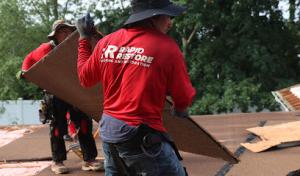
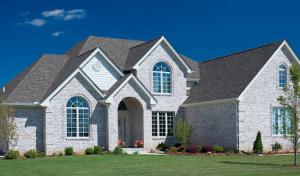
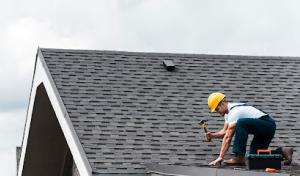
Storms on the South Shore carry a distinct rhythm, and adjusters are used to roof losses that come with salty air, Nor'easters, and winter freeze-thaw cycles. In this environment, the condition of a roof and the timing of wear can influence how a claim is evaluated. Documentation quality matters: sloppy or missing details can slow the process or affect the scope of replacement that the carrier approves. Keep in mind that a claim decision may hinge as much on the paperwork as on the physical damage found during assessment.
Before trouble hits, assemble a clear record you can reference after a storm. Take dated photos of the roof from multiple angles, including any visible damage to shingles, flashing, or vent areas. Preserve installation records or contracts from when the roof was installed or last replaced, and note the approximate age of the roof. If available, keep warranty information and any proof of prior roof work. These items can help demonstrate the roof's condition and history when the adjuster reviews the claim. In the moment after a loss, organize the material so it's easy to share with your insurer and/or contractor.
Coverage terms can vary significantly by carrier and policy form, so South Shore homeowners should verify wind, hail, and depreciation treatment before a loss occurs. Ask questions about how storm-driven wear is treated versus sudden damage, and whether depreciation is recovered in the claim or baked into the depreciation holdback. Knowing which items the carrier will consider replacement versus repair can shape what you document first and how you present the claim. Absent clear guidance, the risk is waiting for a determination that doesn't align with the roof's actual needs once a storm has passed.
Late spring through early fall is typically the most feasible replacement season in Wantagh because drier conditions improve installation reliability on homes with salt-air exposure and occasional salt-laden gusts from nor'easters. For homeowners, aligning window work with this window minimizes the chance of weather-driven delays and helps protect interior spaces during a busy tear-out and install cycle. Spring panels or older glazing can reveal hidden water intrusion after winter, so planning repairs before summer heat can prevent energy loss and interior discomfort.
Spring storms can interrupt tear-off schedules, while late-season nor'easters make fall timing less forgiving than homeowners often expect. If a completed job slips into late fall, preparedness for dust and debris during windy days becomes essential to avoid damage to adjacent roofing elements that wear from salt spray and freeze-thaw cycles. Conversely, starting earlier in the season gives crews time to verify flashing around openings and ensure that roof-to-wall transitions remain watertight during rainier periods.
Summer heat and humidity can affect crew pace and material handling, so scheduling earlier in the warm season can reduce weather-related delays. Heat can also impact window sealants and caulking performance, making a planned mid-may to early july window ideal for stable temperatures and consistent curing. Homeowners should discuss with installers how exterior finishes near the eaves and under the overhangs will tolerate extended exposure, especially on homes with aging siding or prior moisture damage.
Storm-driven wear in this part of the coast often correlates with prior water intrusion events. When coordinating replacement windows, verify that contracts clearly outline the sequence for weatherproofing steps, including temporary measures if a storm arrives mid-install. Keep a standing record of prior leaks, deterioration, and any prior roof or flashing repairs to support insurance discussions if questions arise during the project.
The local market strongly signals demand for cleanup, quick response, and affordable re-roofing, so homeowners prioritize execution and service over novelty. When a storm rolls through, the first impression of a contractor is measured by how fast they can secure the site, tarp exposed areas, and prevent interior damage. Look for crews that can be on site within hours of a warning, not days, and can outline a practical plan for immediate risk reduction.
Long-established, family-owned, residential-focused firms are well represented in this market, which matters in a town where repeat local reputation carries weight. Those firms tend to offer steadier scheduling and clearer communication, because they rely on local word-of-mouth to sustain their business. Check whether the crew understands typical neighborhood homes, attic ventilation patterns, and the salt-spray exposure that accelerates wear on shingles and flashing.
Manufacturer-certified and warranty-offering contractors are present but not dominant, making workmanship process and post-job cleanup especially important comparison points. Ask for a detailed rundown of the installation sequence, including roof deck prep, underlayment choice, flashing stages, and how attic access will be protected during the project. A reputable crew will provide a walk-through after completion, point out any factory warranty specifics, and leave the property broom-clean with debris removed from the yard and gutters.
Given the storm-driven wear typical here, insist on thorough before-and-after documentation. Request written notes on roof condition, damaged components identified, and a clear schedule with milestones. If a subcontractor will perform parts of the job, obtain the primary contractor's oversight plan and contact information, ensuring you have a direct line for progress updates during the project.