Last updated: Apr 19, 2026
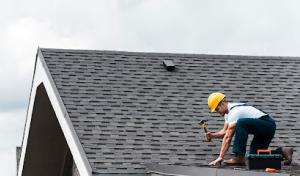
On Long Island, the most reliable full replacement window is typically late spring through early fall because winter snow and ice and shoulder-season storms can interrupt tear-off and dry-in schedules. In Farmingdale, those disruptions show up as sudden wind-driven rain events and freezing nights that slow any roof work. If a project must begin in late winter or early spring, plan for potential delays and brief pauses for insulation and ventilation checks once warmer days arrive. A practical approach is to coordinate with the crew to stage materials and pre-cut components in a sheltered space before a weather window, reducing on-site handling when cold or slushy conditions hit.
Summer brings humid conditions that can affect shingle adhesion and underlayment performance, but a dry, hot stretch also shortens daily tear-off time. For a roof replacement, aim for mid-to-late summer when crews can work in stable, predictable conditions and avoid peak afternoon heat. In Farmingdale, the interior Long Island corridor can experience rapid shifts between humid air and sudden sea-breeze gusts, so scheduling should favor early morning starts and late afternoon wrap-up to minimize heat exposure while maintaining ventilation. If a heat wave coincides with a scheduled project, consider a short pause to allow sealants and underlayment to cure during cooler hours.
Winter freeze-thaw cycles stress joints, fasteners, and flashing detail. In this climate, the goal is to complete a tear-off and dry-in before the deepest cold arrives, so the roof can tolerate freeze-thaw without reopening seams. When winter weather intrudes, leak prevention becomes a priority even if a full replacement is pushed to the next practical window. Prioritize replacing compromised flashing and addressing clogged gutters before a storm-heavy period, so accumulated meltwater doesn't back up onto the roof or into eaves. In severe nor'easter patterns, expect compressed contractor availability and be prepared with contingency plans for emergency tarping or temporary leak controls.
Nor'easters and tropical remnants affecting Long Island can compress contractor availability and push emergency leak calls higher after wind-driven rain events. In this setting, a proactive approach helps: keep an up-to-date communication line with the chosen contractor, and set aside a weather-aware buffer in the schedule for possible back-to-back leaks or sudden material shortages. When these events loom, you may need to prioritize critical sections first-start with the most vulnerable areas (valleys, decking near eaves, and compromised flashing) while postponing cosmetic detailing until the weather stabilizes. Having a clear plan for rapid response hours, including temporary tarping and quick-seal measures, pays off when a post-storm inspection reveals new issues.
Seasonal transitions offer the tightest balance between weather risk and project momentum in Farmingdale. The spring transition after the last ground frost and before summer heat tends to yield consistent warmth, manageable humidity, and fewer wind-driven interruptions. Fall can also work, provided the schedule allows enough dry days for a safe tear-off and drying phase before the first hard freeze. If a replacement must cross into shoulder seasons, expect longer timelines and tighter windows for dry-in and insulation. A practical approach is to map three consecutive work blocks: tear-off, dry-in, and finish work, with built-in buffers for weather shifts and short crew pauses after storm events. In this corridor, a well-timed replacement aligns with reliable drying conditions, steady crew availability, and predictable performance of ventilation and flashing details throughout the season.
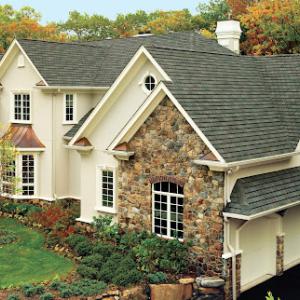
Asphalt shingles remain the dominant practical choice for pitched suburban homes across Farmingdale and nearby Nassau communities. They align well with the common rooflines and the typical home ages found in the area. When you plan a shingle roof, consider the long-term performance in a humid Long Island climate that sees hot inland summers and winter ice. Shingle systems depend on a well-sealed installation but also on a well-ventilated attic to prevent premature aging from heat and moisture. In homes with limited attic ventilation, heat buildup can accelerate granule loss, increase heat transfer into living spaces, and shorten shingle life. The accessible option for most owners blends cost efficiency with dependable performance, provided that the installation is executed with attention to ventilation and sealing detail.
Long Island humidity makes attic ventilation performance especially important under asphalt systems. Trapped heat and moisture can amplify attic temperatures in summer, which stresses roofing underlayment and shingle surfaces. A robust ventilation strategy should target balanced intake and exhaust: soffit or continuous eave vents paired with ridge or turbine vents to establish a steady air flow that moves moisture out of the attic space. In practical terms, check for unobstructed soffit baffles, clean vents, and properly sized exhaust near the peak. If there is a history of attic condensation or mold, time the ventilation assessment to cooler shoulder seasons when DIY fixes or contractor upgrades are more manageable. Seasonal moisture control matters just as much as wind-driven rain during nor'easters; a ventilated attic helps prevent ice dam formation and reduces the risk of interior moisture issues that can appear as stained ceilings or peeling paint.
Farmside storms bring wind-driven rain and burst cycles that test roof seams and flashing. A shingle system relies on accurate nailing, well-seated tabs, and continuous edge protection to resist wind uplift. Look for proper drip edge installation and flashing at chimneys, vent pipes, and wall intersections. Since the region experiences rapid temperature swings, it is wise to inspect after severe weather for lifted shingles or loose sealant beads. Addressing minor uplift promptly not only preserves the roof surface but also minimizes the chances of leak pathways during the next storm cycle. For families with attic spaces directly above living areas, a focused check for attic entry points and roof-to-wall transitions can spare interior water intrusion during heavy rain events.
Metal roofing is present but more specialized locally, often chosen by homeowners prioritizing longevity and wind performance after repeated regional storm cycles. Metal systems excel in harsh wind, resist punctures better than many shingle configurations, and shed snow more predictably in winter weather. If a metal roof is considered, evaluate panel seams, fastener types, and the roof's integration with soffits and ridge venting. A well-designed metal installation benefits from careful detailing around roof penetrations and proper sealing at transitions to gutters and fascia. For homes with existing asphalt structures, a mixed approach is possible where sections prone to wind-driven leaks or ice dam risk are upgraded or reinforced, while preserving the rest of the system.
In this market, regular inspection and timely maintenance pay dividends. For asphalt roofs, plan semi-annual inspections-after winter and after hurricane-season storms-to catch loose granules, damaged flashing, or aging shingle edges. For metal roofs, focus on fastener integrity and any signs of corrosion or panel separation, especially in coastal-adjacent neighborhoods where salt exposure can influence longevity. No matter the material, the goal is a weather-timed approach: schedule replacements and targeted upgrades to align with predictable seasonal stresses, ensuring a resilient roof that keeps attic environments comfortable and interior living spaces dry through Long Island winters and humid summers. In Farmingdale, the right balance of ventilation, material choice, and proactive inspection creates a roof that stands up to nor'easters and seasonal swings alike.
Four Seasons Roofing & Exteriors
(631) 249-3377 fourseasonsroofingny.com
90 Florida St, Farmingdale, New York
4.9 from 683 reviews
A Division of Four Seasons Enterprises, Inc.
Built Right Commercial Roofing Long Island
(631) 646-2681 www.builtrightcommercialroofing.com
45 Sarah Dr, Farmingdale, New York
4.9 from 55 reviews
Built Right Commercial Roofing provides commercial flat roof repair, restoration, and replacement across Long Island, Nassau County, Suffolk County, and all NYC boroughs. We specialize in TPO, EPDM, and silicone roof coating systems for warehouses, shopping centers, office buildings, schools, and multifamily properties. Our team responds quickly to active roof leaks, storm damage, and emergency repairs, helping property owners prevent costly interior damage. We also offer maintenance programs, roof inspections, and full system upgrades designed for long-term durability and energy efficiency. Commercial-only roofing. Fast response. Strong warranties. Call now for a free inspection.
All American Home Improvement
(516) 986-3979 www.allamerican-hi.com
39 Quaker Ln, Farmingdale, New York
4.8 from 55 reviews
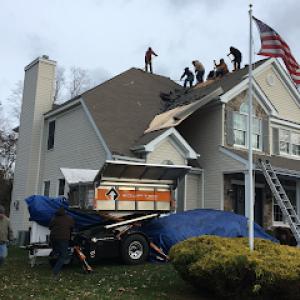
3rd & 4th generation family owned and operated residential roofing company. Specializing in roof leak detection, roof repairs and full roof replacements at affordable prices. Our other services include Siding, Windows and Gutter systems. Call us today to experience why its better to go with a local knowledgeable company as opposed to a large corporate sales organization.
Marcor Construction
(631) 321-0593 www.marcorny.com
Serving
4.9 from 381 reviews
Marcor Construction Roofing & More has been providing high-quality home improvement services to Long Island for over 30 years. We provide expert roof repair, roof replacement, siding installation, and more, and we can give you the perfect solution for your home's exterior improvement needs. We have installed thousands of roofs over the years, and we service a variety of roofing materials for both residential and commercial properties. We always put customer service first, and we will work with you to ensure that you are completely satisfied.
Klein Contracting
(516) 259-4444 klein-contracting.com
Serving
4.9 from 29 reviews
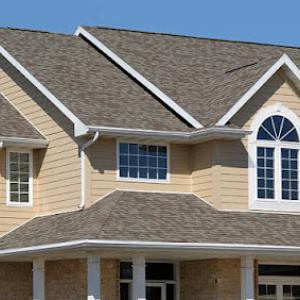
Long Island's #1 Trusted Home Improvement Company. Licensed and Insured with Over 30 Years Experience. Exterior Services Include: Roofing, Siding, Windows, Gutters, Chimneys, Decks & Porches, Masonry, Waterproofing and Painting. Interior Services Include: Basement Waterproofing and Refinishing, Bathrooms, Carpentry, Flooring, Closets, and Painting.
David General Contractors
(917) 295-5598 davidgeneralcontractors.com
Serving
4.9 from 115 reviews
With over 20 years of experience, David General Contractors INC is your trusted partner for high-quality residential and exterior remodeling work across Long Island and New York City. We specialize in roofing, siding, blacktop and concrete driveways, extensions, dormers, and full interior renovations. Our skilled team is known for fast response, reliable service, and superior craftsmanship on every job. Whether you’re planning a small upgrade or a major renovation, we bring professionalism, transparency, and results you can count on. Contact us today for a free estimate , We do not accept advertising or marketing calls. All solicitation will be ignored.
NY's Finest Roofing & Siding
(833) 476-6369 nysfinestroofingsiding.com
Serving
4.9 from 114 reviews
Roof Repair & Replacement Experts in Long Island & Queens! Worried about leaky roofs or outdated exteriors? NY's Finest Roofing & Siding, Inc. delivers peace of mind, lasting value, and superior craftsmanship for your home. We specialize in: Roof Repair Roof Replacement Flat Roof Repair & Replacement Siding Installation Why choose us? Nearly 30 years of experience serving Long Island, Queens, Brooklyn, Manhattan & Westchester. Skilled and certified roofing contractors who use the best materials. Fast and thorough appointment setting to job completion. Highly recommended by satisfied clients. Let us help you fix your roof leak with our roof repair or roof replacement solutions. Long Island's best roofing & siding Contractor!
SW Roofing Of Huntington
(631) 991-9107 huntingtonroofingandchimney.com
Serving
4.9 from 44 reviews
SW Roofing Of Huntington is a local Family Owned & Operated Melville NY Roofing Company!
County Roofing Systems
(631) 400-7663 countyroofingsystems.com
Serving
4.9 from 95 reviews
Established in 1987, County Roofing Systems is a licensed contractor offering comprehensive roofing solutions for residential and commercial properties across Suffolk and Nassau Counties, . services include Roof replacement, siding, and window installation, Dormers and extensions exterior work.
ML Best Construction
(631) 643-1404 mlbestconstruction.com
Serving
5.0 from 309 reviews
With over two decades of experience, ML Best Construction is a trusted name in residential, commercial, and industrial exterior renovations. Since opening in 2000, this family-owned company has provided top-tier craftsmanship for all roofing, siding, and gutter needs. Their skilled professionals also specialize in skylight, window, and door installations, using premium materials to ensure quality and durability. Their commitment to excellence has earned them a reputation for reliable service and superior results.

Nisi Home Improvement Inc. Roofing & Siding
Serving
5.0 from 223 reviews
"NISI Home Improvement is a trusted, family-owned business proudly serving Nassau and Suffolk counties. As a Google Guaranteed company, certified by Directorii, and fully licensed in both counties, we provide top-quality roofing, siding, windows, skylights, and more. Our experienced team is committed to delivering exceptional craftsmanship, backed by trusted warranties and a focus on customer satisfaction. Whether you're repairing, replacing, or upgrading, NISI Home Improvement is your go-to partner for transforming your home with confidence."
Long Island Flat Roof IslandWide Commercial Roofing
(631) 838-9285 www.longislandflatroof.com
Serving
4.9 from 108 reviews
IslandWide Commercial Roofing is full service commercial roofing company located in Amityville NY and have been proudly serving customers throughout the Greater Long Island Area since over 10 years . From urgent flat roof repairs to complete flat roof replacements, we have become one of the most trusted industrial and commercial flat roofing contractors across the li. We believe that offering quality commercial and industrial roofing systems is simply not enough. We also set out ensure that all of our industrial roofing contractors are highly trained to a standard of excellence, and can offer an unprecedented level of customer service."
Local contractor demand data shows unusually strong overlap between roofing, skylight work, and chimney-related service in this market, pointing to flashing and penetration details as a real homeowner concern. That means your skylight seams, chimney saddles, and the transitions where roof meets wall are not just aesthetic features-they are critical leak paths. A small misfit or aging flashing at these points can quietly begin to drip well before you notice any shingle wear, so you should treat penetrations as a potential first line of defense rather than an afterthought.
Wind-driven rain from Long Island coastal storm systems tends to expose weak flashing at skylights, chimney saddles, and roof-to-wall transitions before field shingles fail. In practical terms, that means a storm can saturate the flashing and push water into the attic or fascia long before you see signs on the main roof surface. If you notice staining around a skylight or dampness near a chimney during or after a nor'easter, don't chalk it up to a single storm event-look for recurring seepage and check the flashing hoses, sealant lines, and the metal saddle that seats the chimney. These are common weak points on older homes and mid-century designs that still populate the suburban block.
Older suburban homes in and around Farmingdale often need leak diagnosis at penetrations rather than just surface shingle replacement. A steady drip or a stained ceiling above a skylight rarely originates from the glass or from the shingles alone. It usually traces to a compromised flashing joint, a failed seal around the skylight curb, or a saddle that has settled or corroded with age. When diagnosing leaks, start at the highest point around the penetration and work outward along the flashing, then down the slope to confirm whether the water path follows a sealant line or a proud joint. This approach helps avoid chasing damp spots that are actually coming from a neighboring corner or a compromised transition on the roof.
For best results, keep skylight and chimney flashing clean and free of debris before the winter load and spring thaw. Inspect curb seals and chimney saddles after major storms, especially if a nor'easter has pushed salt spray or heavy rain inland. If you spot recurring dampness, consider having a professional reflash or reseal the entire penetration system rather than patching the surface shingles again. In many cases, a targeted flashing repair or a well-sealed saddle replacement can stop a leak at its source, saving you from more invasive roof work later on.
If the attic shows consistent condensation during warm mornings, or if staining persists after dry spells, a professional with local experience will be able to identify whether the issue is a failing seal, a misfit curb, or a shifting roof edge. Given the overlap between roofing, skylight work, and chimney service in this market, you'll benefit from a contractor who approaches these penetrations as a unified system rather than separate fix-its. The right inspection can prevent a small leak from becoming a costly interior repair after a Long Island winter.
Find contractors experienced in skylight installation, flashing, and leak repairs to bring natural light into your home.
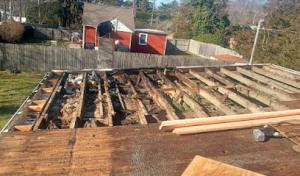
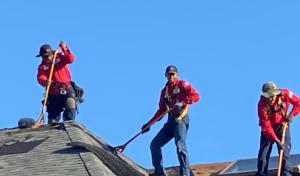
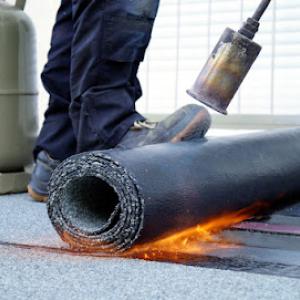
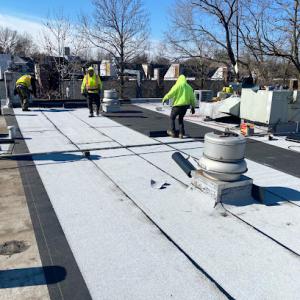
Although the area is a pitched-roof market, local contractor signals show meaningful demand for flat and low-slope work, often tied to extensions, porches, garages, and mixed residential-commercial properties. In these jobs, the flat portion is frequently the first place where water eyes the surface as soon as spring rains start or a Nor'easter drags in a heavy wind-driven downpour. Plan each project with the understanding that drainage, transition detail, and snow/ice ponding on the low-slope section drive performance more than the main roof planes. A careful assessment should map where water tends to pool after a heavy front passes and how that water will move toward edge drains or scuppers.
Long Island's heavy rain events and winter ponding risk make drainage details on low-slope sections more critical than on steeper planes. Ensure the roof deck under the flat area is uniformly sloped toward the designated drainage path, not toward any interior parapet or flashing junctions. Field tests should include a visual check after a major storm to confirm that rainwater does not linger near the interface where the flat roof meets any wall or porch extension. Consider simple, unobstructed routes for water to reach scuppers or edge drains, and verify that the drainage system remains clear through seasonal freezes, when ice buildup can push against flashing and widen small gaps.
Flat-roof trouble in this market often appears where newer additions meet older pitched structures and flashing transitions are stressed by seasonal movement. Pay close attention to the parapet wall details and the juncture where any low-slope roof ties into a traditional gable or hip roof. Flanges, transitions, and the underside of overhangs require robust sealing and compatible materials to handle movement between different roof geometries. Eliminate gaps where debris can accumulate and inspect sealant joints for weathering, especially at corners and along the interior edges where porches connect to the main house.
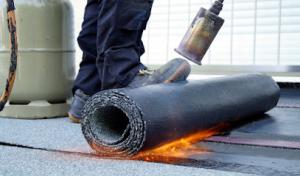
When planning, specify a roof system designed for hybrid applications that matches the substrate and surface conditions of a low-slope section. Use trusted membranes or synthetics that tolerate temperature swings and salt exposure, common near inland Long Island paths. For seasonal maintenance, schedule a fall inspection that targets edge detailing, flashing seals, and drainage clearances. A proactive approach helps prevent ice dams and summer humidity-driven degradation, keeping the entire roof assembly aligned with local winter and storm cycles.
Find specialists in TPO, EPDM, and built-up flat roofing systems for residential and commercial properties.
Built Right Commercial Roofing Long Island
(631) 646-2681 www.builtrightcommercialroofing.com
45 Sarah Dr, Farmingdale, New York
4.9 from 55 reviews
Provided local pricing ranges run from about 350 to 550 USD per square for asphalt shingles, 700 to 1200 for metal, 1000 to 2500 for clay tile, 900 to 2000 for concrete tile, 1800 to 3500 for slate, and 2500 to 6000 for copper roofing. In practice, a typical suburban home in this area lands in the middle of those bands, but exact numbers hinge on roof size, pitch, and the number of penetrations like chimneys and skylights. Asphalt remains the most common choice for a balanced blend of cost and performance, while metal can be a better long-term value on Mid-Atlantic-style winters if you expect heavy wind and moisture.
Costs in Farmingdale can rise when Long Island storm activity creates a surge in demand for tear-offs, emergency dry-ins, and fast scheduling after regional wind and rain events. If a storm hits and multiple houses need attention, crews may charge a premium for urgent service and extended work hours. That dynamic can push projects toward the upper end of the typical ranges for a short window, especially for full roof replacements rather than quick repairs.
Pricing also shifts with roof complexity common in suburban homes here, especially where chimneys, skylights, attached garages, and low-slope rear sections add flashing labor and disposal volume. A chimney stack and multiple skylights require additional flashing, step-flashing, and careful drainage planning. An attached garage adds extra edge work and waste, while a low-slope rear section may demand more careful underlayment and venting management. In short, a straightforward, single-plane roof will cost less than a multi-penetration, multi-section roof, even within the same material type. Expect some variance if your roof includes unique detailing or requires substantial disposal.
Get a clear picture of your project costs upfront - no commitment required.
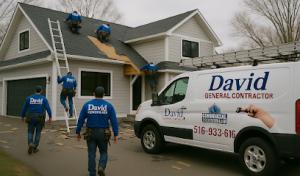
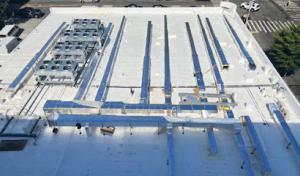
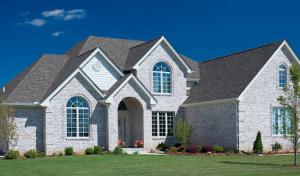
In this area, a full roof replacement in Farmingdale typically requires a permit through the local building department in Nassau County. The process is not a formality to skip, but a necessary step to ensure the project aligns with local weather realities and housing stock. The building department expects the project to be clearly described, including the chosen roofing system, ventilation details, and any structural work that accompanies the tear-off and replacement. Starting with the permit early helps prevent delays when the crew is ready to pull tarps and ladders after a winter or spring storm.
The usual process involves submitting project details and contractor information, paying the permit fee, and coordinating inspections at teardown, mid-progress, and final completion stages. In practical terms, that means the authority will want to verify the old roof is removed to the deck or sheathing where required, verify the installation sequence aligns with code, and confirm installer credentials for the chosen system. In Nassau County, timing inspections to weather windows is common, so coordinating with the inspector for access before a nor'easter or expected freeze helps keep the project on schedule.
Local inspections commonly focus on code compliance for ventilation, drainage, and the specific roofing configuration being installed. Ventilation matters here due to the humid summers and cold winters, so expect scrutiny of vent placements, soffit intake, and ridge or turbine details that support attic moisture control. Drainage checks ensure gutters, downspouts, and proper slope are installed to handle Nor'easter rain and snowmelt without pooling near fascia. The roofing configuration-whether asphalt, metal, tile, or another system-will be reviewed for proper underlayment, flashing details, and sequencing around dormers, skylights, or chimney penetrations. Proper coordination with the contractor during tear-off and installation reduces the chance of callbacks and keeps the project moving through the cropping weather patterns typical to this area.
Insurers on Long Island generally still write broad coverage, but weather-driven claim activity can affect underwriting and premiums for Farmingdale homeowners. The inland setting near the Republic Airport and the Nassau-Suffolk corridor means humid summers, winter snow and ice, and nor'easter-driven wind and rain can drive spike claims after storms. That pattern creates a need to approach roof health with a proactive mindset, not just reactive repairs after a leak shows up. When the shingles or flashing are aging in a way that invites wind-driven lift or ice dam-related seepage, the policy can tighten or the deductible can rise if the risk is seen as elevated.
Carriers commonly ask for roof age, prior claim history, and documentation such as photos and invoices, especially after regional wind events tied to nor'easters or tropical remnants. In Farmingdale, where roofs endure rapid temperature swings and seasonal moisture, having clear records helps the claim process move more smoothly. A well-organized folder with recent maintenance receipts, professional inspections, and dated photos can speed verification when a claim is filed. The goal is to demonstrate that the roof has been maintained and that any damage aligns with known weather events rather than negligence.
Adjusters in this region often want on-site verification and may compare reported damage with known local wind or hail event patterns. That means a discrepancy between what is described in a claim and what the weather history shows can slow down resolution. To minimize friction, keep a simple log of storms with dates, wind speeds, and observed leaks or shingle displacement at vulnerable edges. If a contractor has documented a high-risk area-such as a bay window flash, chimney chase, or skylight perimeter-have that documentation ready. Honest, precise reporting helps ensure the evaluation reflects the true local conditions that drive damage risk.
For a homeowner, yearly or biennial roof health checks focused on ventilation, ice dam readiness, and wind-resilient sealing can reduce the chance of surprise claims and stiff underwriting later. Pair these checks with organized documentation: dated photos, a simple map of roof sections, and notes on any temporary repairs made after heavy rains or winter storms. In a coastal-inland blend like Farmingdale's, aligning maintenance with known seasonal patterns helps keep coverage steadier and avoids the common, costly cycle of post-storm claim and policy adjustment.
Connect with contractors who help homeowners navigate the claims process from damage assessment to final approval.
Clearview Roofing & Construction Babylon
(631) 827-7088 longislandroofs.com
Serving
5.0 from 50 reviews
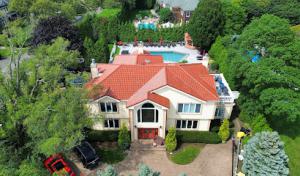
In this inland Long Island setting near Republic Airport, the roofing scene includes not only asphalt shingles but a meaningful share of slate, clay tile, concrete tile, and copper. That premium mix matters because heavier and more specialized systems demand different strategies for installation, staging, and long-term care. When slate or copper sits alongside existing asphalt, the plan for transitions, flashings, and edging becomes crucial to prevent mismatched leaks and mismatched wear. Your roof is likely to present a patchwork of ages and materials, and that reality should guide every repair or replacement decision.
These heavier or more specialized systems require closer attention to detailing and replacement planning than standard shingle jobs, especially when tying into older Long Island homes. Focus on the eave and rake edge detailing, ventilation alignment, and attic condensation control, since humidity and winter gnose can push moisture toward the interior if vents and soffits are not balanced. For slate and copper, line up matching profiles with adjacent sections to avoid abrupt transitions that trap water or create stress points. When dealing with clay or concrete tiles, verify that the underlying deck and underlayment are compatible with the weight and that fasteners are appropriate for the existing structure.
Because these materials are less common than asphalt locally, contractor selection and scope clarity matter more for repairs that must match existing roof sections. Seek estimates from roofers who regularly work with slate, copper, or tile and who can document color, thickness, and edge profiles for your home. Ask for a written plan that locates transition points, identifies flashings compatible with metal and tile, and outlines a phased approach if a full replacement is needed over several seasons. For paired materials, insist on a unified drip edge and a continuous ventilation strategy that respects the entire roof system, not just individual sections.
With a mixed roof, ongoing upkeep centers on keeping fasteners tight, replacing failing underlayment beneath heavier tiles, and inspecting flashings after wind events and nor'easters. In Farmingdale's climate, plan for seasonal inspections that catch ice dam risks in winter and humidity-related issues in the summer, ensuring that any repairs preserve the visual integrity and functionality of both subtle and bold material transitions.
Find contractors who specialize in clay and concrete tile roofs, known for their durability and curb appeal.