
Last updated: Apr 19, 2026
Winter temperature swings around freezing create repeated expansion and contraction of shingles, flashing, and fastener penetrations. In this central Nassau County pocket on Long Island, those cycles are not a once-a-season nuisance-they're an ongoing stress that wears the roof system down year after year. The combination of inland cold snaps, wind-driven snow, and thaw periods means your roof endures both abrupt freezes and late-wake thawing. That pattern elevates the risk of micro-cracks in shingles and collars, loosened flashing, and vulnerable penetrations that can grow into leaks after a storm.
The climate pattern in this market makes ice dam formation not a distant threat but a practical timing concern. When snow builds up on the field and heat in the attic rises during thaw periods, meltwater can back up at the eaves and refreeze, forming ice dams. Ice damming is most dangerous when the attic is warmer than the outdoors but the roof surface remains cold, enabling meltwater to back up under shingles. In Hicksville, you'll notice more frequent late-season events: snow that sits through the day, a bright cold night, and a sudden warm spell that initiates rapid melt. The result is a cycle of thaw, refreeze, and leaking potential that targets joints, valleys, and flashing lines first.
Town inspectors will verify ventilation on re-roof projects, and this matters directly to winter outcomes. A roof that vents poorly traps heat in the attic, driving more of that meltwater into the roof deck and underlayment. When attic heat is abundant, you magnify ice dam risks and accelerate deterioration of insulation, decking, and fasteners. In this market, a well-ventilated attic becomes the frontline defense against costly winter leaks. If the attic is too warm, even a strong roof can fail to shed meltwater cleanly, leaving eaves vulnerable during thaw cycles.
Addressing this seasonally requires both immediate attention and long-term planning. Start with a focused inspection of the eaves, valleys, and around vent stacks after each thaw event. Look for softened shingles, gaps in flashing, and any signs of water staining along the interior ceiling near exterior walls. Clean gutters and downspouts to prevent backed-up meltwater from pooling at the eaves. If attic access exists, check for signs of warmth-stale air, damp insulation, or a noticeable difference in temperature between the attic and living space. A modest attic ventilation improvement, such as adding soffit intake or ridge vent if allowed by the roof design, can dramatically alter the heat balance and reduce ice dam pressure.
If there are any signs of active leaks-water stains, dripping from ceilings, or damp insulation after a thaw-treat it as urgent. Ice dam-related leaks can worsen quickly with subsequent storms. A qualified roofer with experience in cold-climate conditions should assess the roof's condition, verify ventilation balance, and implement targeted measures such as flashing reseal, underlayment inspection, and targeted insulation improvements to mitigate repeat cycles. Prompt attention now can prevent more extensive damage when the next winter storm hits.
Hicksville roofs endure a brutal sequence: spring hail and heavy rain followed by fall coastal wind events that can lift edges, damage flashing, and turn older weaknesses into active leaks. After a storm, a homeowner's first sign of trouble is often a damp ceiling around recessed lights, then water creeping along rafters from flashing seams. The window of vulnerability is narrow-water can travel fast through gaps and arrive long after the rain has passed. If you notice any sagging edge, loose shingles, or dark staining along the eaves, treat it as a warning flare and investigate promptly.
Because this area is inland rather than oceanfront, the most common leak signal isn't salt-spray corrosion but flashing failure and water entry. Wind-driven rain can shove water under the roof edge, then pool along the deck and migrate past old sealants. You may see wet spots near pipe boots, chimney transitions, and low-slope transitions where flashing has worked loose or cracked. In many Hicksville homes, the first visible leaks show up on ceilings below attic access points or along walls where vapor barriers are weakest. Don't wait for a dramatic drip to act-act at the first telltale dampness.
The moment you detect moisture, start by locating the highest point you can safely access and inspect for obvious gaps, lifted shingles, or missing flashing pieces. If the attic is ventilated, check for warm, moist air that could indicate flow from a compromised seal. Slide a bucket beneath the area while you arrange professional help, but avoid stepping on a slippery roof or attempting a DIY fix unless you are experienced. A temporary tarping or weatherproof sealant can buy you hours, not days, but only if applied to intact, clean surfaces. The goal is to limit further rain intrusion while a pro confirms the source and coordinates a proper flashing repair or re-seal.
The local contractor signal mix shows an unusually strong prevalence for emergency repair and storm damage work, indicating post-storm leak response is a major real-world service need. That means the first 24 to 48 hours after a big event are critical: a rapid assessment can prevent widespread interior damage and avoid cascading issues like warped ceilings and mold growth. If you've recently survived a hailstorm or heavy rain, prioritize a professional inspection of flashing, edge cap integrity, chimney and vent transitions, and any previous patchwork that could be failing under new stress.
Once leaks are confirmed, the plan should focus on stopping the ingress first-secure flashing, reseal vulnerable joints, and ensure attic ventilation is balanced to prevent further condensation. Then address the underlying weakness: the roof's edge, flashing practice, or failed sealants that allowed water in. In Hicksville, where seasonal freeze-thaw cycles stress materials, timely repair is critical to prevent minor leaks from becoming major failures during the next warm spell or storm. Stay vigilant through the next few weeks of shifting weather, and treat every new damp spot as a sign to re-evaluate the roof's protective barriers.
Find local contractors experienced in assessing and restoring roofs after hail, wind, and severe weather events.

Nisi Home Improvement Inc. Roofing & Siding
Serving
5.0 from 223 reviews
Brickstone Construction & Renovation
161 Haverford Rd, Hicksville, New York
4.6 from 79 reviews
Brickstone Construction & Renovation is your trusted partner for high-quality construction services. Specializing in waterproofing, roof replacement, masonry, and concrete sidewalk texture, we deliver durable, fast solutions for both small and large projects. Our experienced team stays updated with the latest trends to offer top notch services in home building, renovation and roofing. Whether you need a general contractor, flooring or waterproofing, we tailor our services to fit your needs. From water damaged ceiling repairs to full home renovations, Brickstone has you covered. Contact us today for expert construction solutions near you!
Nust Construction Nyc
(917) 302-6149 nustconstruction.com
12 Reiter Ave, Hicksville, New York
5.0 from 17 reviews
Services Areas: Bronx, Queens, Syosset, Brooklyn, Plainview, Nassau County. Roofing, waterproofing, new roof, Gutter, chimney
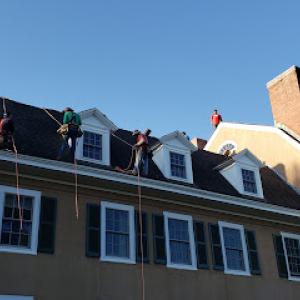
Strong Arm Construction
(516) 433-2255 www.strongarmroofingny.com
238 W Old Country Rd, Hicksville, New York
4.7 from 14 reviews
Strong Arm has been servicing the construction industry for over thirty years! Providing quality work with affordable pricing, giving personalized attention to our costumers needs and questions! We pride ourselves with having an A+ Rating with the BBB.

Nisi Home Improvement Inc. Roofing & Siding
Serving
5.0 from 223 reviews
"NISI Home Improvement is a trusted, family-owned business proudly serving Nassau and Suffolk counties. As a Google Guaranteed company, certified by Directorii, and fully licensed in both counties, we provide top-quality roofing, siding, windows, skylights, and more. Our experienced team is committed to delivering exceptional craftsmanship, backed by trusted warranties and a focus on customer satisfaction. Whether you're repairing, replacing, or upgrading, NISI Home Improvement is your go-to partner for transforming your home with confidence."
JJM Roofing & Waterproofing
(516) 508-3781 jjmconstructioncorp.com
Serving
4.9 from 93 reviews
Wether you're looking for a residential or commercial roofing project, JJM Construction is your top quality resource. Contact us today and get a free quote on your next roof, siding or waterproofing job.
Universal Construction NY
Serving
5.0 from 6 reviews
Universal Construction NY is a roofing contractor / roofer serving the Queens, Nassau, and Suffolk NY area since 2000. Services include Roofing, Roof Replacement, Roof Repair, Roof Installation, Shingle Roofs, Tile Roofs, Metal Roofs, Painting & Staining, Gutters & Downspouts, Commercial Roofing, Flat Roofs, Hail Damage, Storm Damage and Roofing Prices.
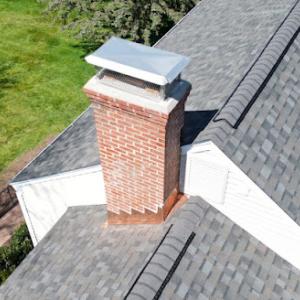
Guardian Roofing
(516) 475-3228 www.guardianroofingny.com
Serving
5.0 from 18 reviews
The highest quality materials and workmanship should be used on your roofing project at an affordable price. We believe that our customers deserve exceptional value for their investment in a new roof. Providing exceptional service and installing only high-quality materials is what creates that value at Guardian Roofing NY. We work with some of the top manufacturers in the roofing industry to provide the region's best roofing systems. We install products that we would use on our own homes, so we use the best shingles, underlayment, and accessories available. Your home's appearance and protection are enhanced by a properly installed roofing system. Call us now at (516) 475-3228 for a Free Roof Inspection and a Free Quote!
Westbury Roofing
(516) 637-1335 westburyroofcorp.com
Serving
5.0 from 108 reviews
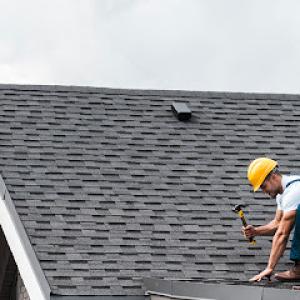
Our team of experts are here to give you the best experience . we specialize in roof installations / repairs in any type of roof including architectural roof shingles , cedar shingles , slate and so much more. Over 30 years of experience father & son company founded in 2015 call now for free estimate.
All American Home Improvement
(516) 986-3979 www.allamerican-hi.com
Serving
4.8 from 55 reviews
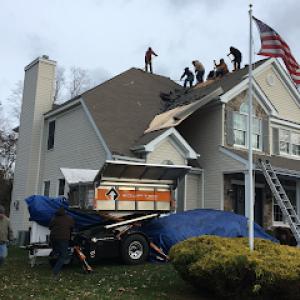
3rd & 4th generation family owned and operated residential roofing company. Specializing in roof leak detection, roof repairs and full roof replacements at affordable prices. Our other services include Siding, Windows and Gutter systems. Call us today to experience why its better to go with a local knowledgeable company as opposed to a large corporate sales organization.

Attyx
Serving
4.1 from 217 reviews
Transform your New York home with ATTYX, your all-in-one provider for roofing, HVAC, and solar solutions. As NYC's #1 roofing company, we excel in quality and service across all five boroughs, extending our expertise to Nassau County, Suffolk County, and Long Island. With top-tier warranties and expert craftsmanship, we offer peace of mind and energy efficiency. From leak-proof roofs to efficient HVAC systems and innovative solar panels, ATTYX has you covered. Qualify in minutes with tailored financing options. Enjoy hassle-free service, from free diagnostics to emergency repairs, all while we navigate NYC permits for you. Trust ATTYX for a fortified, sustainable home.
Safeway Roof Repair Long Island
(631) 646-5497 www.safewayroofrepair.com
Serving
5.0 from 16 reviews
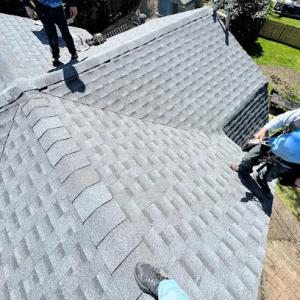
Fast, Reliable & Quality Roof Repair and Roof Leak Detection Service Guaranteed. Family and locally owned and operated, Safeway Roofing has been installing and repairing roofs in Long Island, and the surrounding area for over 25 years. Our licensed, bonded, and insured professionals install and service a wide variety of roof types quickly and efficiently.
Nassau Roofers
(516) 785-7663 www.nassauroofers.com
Serving
4.9 from 97 reviews
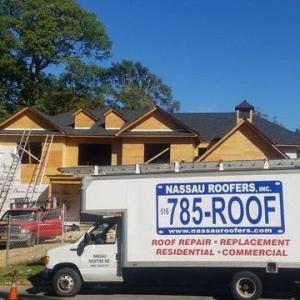
For comprehensive roofing services that meet every residential and commercial need, choose Nassau Roofers, Inc. Based in East Meadow, New York, our roofing contractors provide a wide variety of services, including replacement and repair of both shingle and flat roofs. Established in 1978, we have developed a proven track record as experienced professionals who create the roof you want at a price you can afford. We are a local, family-owned business that is fully dedicated to your complete satisfaction.
The dominant local material mix includes asphalt shingles, clay tile, concrete tile, slate, copper, and aluminum, which is broader than many suburban Long Island markets and requires material-specific repair planning. You'll notice asphalt still covers a large share of homes, but there are enough tile and metal roofs to make a practical, system-wide approach worth keeping. When planning any re-roof or repair, match the repair strategy to the roof type you have, not what you wish you had.
Asphalt shingles in Hicksville face summer UV aging plus winter freeze-thaw stress, making granule loss, brittle tabs, and shortened replacement timing a common concern in the local climate. In practice, that means you should expect more rapid deterioration along eaves and valleys and after back-to-back freeze events. A proactive approach is to monitor for curling edges, missing granules, and exposed felt. When those symptoms appear, address compromised shingles and flashing promptly to avoid leaks during thaws. If you notice shingle sections lifting after a heavy wind or hail, plan reinforcements or replacements before the next season's freeze cycle.
Tile and slate roofs used in this market are heavier systems that are more sensitive to underlayment aging, flashing quality, and freeze-related cracking than basic shingle roofs. Their weight means that underlayment, counters, and hip-and-ridge details deserve careful inspection during every service interval. Freeze cycles can cause hairline cracking in slate and spalling in concrete or clay tiles, especially where attic condensation accumulates or where flashing transitions to chimneys, skylights, or vent pipes wear thin. When planning repairs, prioritize flashing integrity and ensure proper seal around penetrations. If a tile or slate section is cracked, assess the surrounding area for underlayment exposure and consider replacing nearby tiles to prevent a cascading leak.
Copper and aluminum roofs bring longevity and a distinct maintenance profile. Copper, while durable, can develop patina and expand and contract with temperature swings, so flashing and seam details benefit from careful tightening and sealing. Aluminum roofs, common on mid-century upgrades, resist corrosion but can suffer punctures or seam failures if snow load or hail stress concentrates on weak points. In both cases, routine inspection after severe storms helps catch fastener loosening, seam openings, or flashing gaps before leaks become active. For homeowners, these metals reward a steady maintenance cadence rather than deferred, reactive fixes.
In practice, the smartest path is to treat each roof type as its own system with a shared goal: keep water out while accommodating movement from freeze-thaw. With asphalt, focus on granule retention and nail heads; with tile and slate, prioritize underlayment and flashing; with copper or aluminum, monitor fasteners and seam integrity. A coordinated inspection schedule that aligns with seasonal transitions helps you catch failure points before a leak timing window hits during a thaw or after a storm.
Hicksville homeowners typically fall under the Town of Oyster Bay permitting process for a full re-roof, rather than a city-run building department. The permit workflow is practical and predictable: you file project details, then move into plan review, followed by on-site inspections at key milestones and a final permit closeout. The process is designed to catch issues that affect long-term performance in the area's freeze-thaw cycle and storm exposure.
Prepare a concise project description that outlines the scope, the roofing material type, underlayment, ventilation approach, and flashing details. Include basic roof plan dimensions, a rough timeline, and any existing ventilation or attic condition notes. In this jurisdiction, plans are not only about aesthetics or workmanship but about how the roof performs under Hicksville's typical winter conditions. You should show where vents, soffits, and exhausts will be placed, and how flashing will tie into walls, chimneys, and dormers. If the project involves water-resistant barriers or ice-and-water shield, specify the installation plan and any attic or ridge vent strategies.
Expect plan review to take about 1 to 2 weeks, depending on department workload. This window is your planning buffer, especially when coordinating delivery of materials ahead of frost season or heavy storm periods. If reviewers request clarifications or changes, respond promptly to avoid delaying the permit. Keeping communication clear helps prevent back-and-forth that can push your start date into less favorable weather.
Inspections are scheduled to align with key milestones. An inspector will typically verify roof ventilation arrangements, attic intake and exhaust balance, and the integrity of flashing around penetrations. Ventilation and flashing are not merely workmanship concerns; they are permit-closeout issues in this jurisdiction. You may be asked to show that attic space remains properly vented after installation and that flashing around chimneys, skylights, and transitions into walls is continuous and watertight. Expect a final inspection once the roof is complete and all interior or exterior penetrations are sealed and weatherproofed.
Keep all documentation from the plan review and inspections handy in case a permit clerk or inspector asks for updates or clarifications during closeout. If you encounter a weather window challenge, coordinate with the contractor to adjust schedules so inspections occur during daylight and dry conditions. Clear, accurate communication about ventilation and flashing details will smooth closeout and help ensure your re-roof meets both code and local expectations.
In Hicksville, the pricing landscape for roof replacements reflects a mix of standard asphalt shingles and premium systems, with local market activity shaped by outdoor conditions and storm patterns. Local pricing spans from asphalt shingles at 420 to 900 USD per square up to copper roofing at 1200 to 2600 USD per square, reflecting a market where both standard and premium systems are actively installed. When budgeting, you'll want to align material choice with the typical Long Island freeze-thaw cycle, which can push edges of shingles and flashing to work harder than in milder climates.
One practical step is to start with the likely failure points that answer to Nassau County's winter weather. Freeze-thaw stress tends to reveal itself at valleys, roof-to-wall transitions, and around chimney and vent flashings. If your roof line holds a lot of penetration or has older flashing, anticipate additional perimeter detailing, which can add to both material and labor costs. Costs in Hicksville are pushed upward by permit handling through the Town of Oyster Bay, inspection scheduling, and the labor needed to meet flashing and ventilation expectations during re-roof work. That means a similar roof in a neighboring town may not track exactly with your final invoice; expect a premium for coordination, scheduling, and inspections that ensure the system drains and dries correctly.
Ice dam risk is a practical driver of replacement decisions here. If you've experienced repeated ice damning, you'll likely choose products and underlayments that improve edge insulation and ventilation. This can shift a project from a straightforward asphalt swap toward enhanced underlayment, better attic ventilation, and potentially higher-end materials like concrete or clay tile where appropriate for the home's structure and slope. These choices commonly sit toward the mid-to-upper end of the pricing bands because they require more materials and more precise installation.
Forecasting your schedule matters, too. Demand spikes after Long Island storm events can tighten contractor availability in Nassau County, which can affect scheduling and pricing for leak-driven replacements. If a leak forces a quick call, you may see premium labor windows or expedited material orders. Planning a spring or late summer replacement often yields smoother scheduling and more predictable pricing, particularly for homes with complex flashing or challenging attic access.
Get a clear picture of your project costs upfront - no commitment required.
New York homeowners commonly face higher deductibles and more documentation after weather events, and Hicksville owners should expect photo evidence, contractor estimates, and adjuster review after wind or hail losses. When a storm hits, a quick, organized set of photos from multiple angles helps capture shingles, flashing, and attic conditions before any temporary fixes are made. Keep timestamped images of loft and attic insulation or moisture staining, and note any prior wear that could influence a claim. A simple, contemporaneous log of dates, wind speeds reported locally, and observed damage can save questions later in the process.
Because Hicksville is part of the broader Long Island insurance environment, claim scrutiny can increase after coastal storm activity even for inland homes in Nassau County. After a big gust, hail, or a round of nor'easters, adjusters may request more detailed documentation and longer review timelines. Prepared homeowners who can present a clear narrative of damage progression-when the issue started, what areas were affected first, and how the roof performed during subsequent storms-often move through the process with fewer delays.
The local market shows active insurance-claims and storm-damage contractor specialization, reflecting that homeowners here often need help documenting roof conditions after weather events. Seek a contractor who understands the texture of Hicksville roofs, common shingle wear patterns, and how freeze-thaw cycles can reveal themselves in attic condensation and fastener rust. A knowledgeable contractor can provide precise, claim-ready documentation and offer a measured plan for necessary repairs that aligns with the expectations of adjusters and insurers.
Skylights are a common feature in Nassau County homes, and in this market the flashing and curb details tend to cause more leaks than the glass itself. Inspect the connection where the skylight sits on the roof, especially after a thaw and freeze cycle. Look for loose or cracked sealant, rusted or wavy counterflashing, and any movement in the curb base. A typical Hicksville repair often means resealing the curb, reworking step flashing, and upgrading to a compatible flashing kit that matches the skylight's profile. If multiple penetrations share a cedar or membrane underlayment, consider replacing the surrounding flashing in a coordinated way rather than chasing individual leaks. Involvement during a re-roof should ensure the skylight opening receives proper shingle-to-flashing interface and that drift snow or ice does not push water toward the curb.
Chimneys remain a practical weak point on many Nassau County homes, especially where flashing meets a steep roof transition or where masonry joints have opened with age. Before winter, have a pro reflash the chimney perimeter, including step flashing at the sides and a waterproof cap or cricket where appropriate. Look for gaps at the chimney base, mortar deterioration, and any loose or overloaded sealant. The priority is to create a continuous water barrier from the chimney throat outward onto the roof surface, with proper overlap onto the shingles and counterflashing that won't trap ice. If a crown or cap shows deterioration, plan for timely repair to avoid a bigger leak that follows freeze-thaw cycles.
Low-slope sections and transitions-porches, dormers, or additions meeting a steeper roof-draw the most attention in this market. They are susceptible to ice dam formation when heat loss or ventilation is uneven. Ensure that low-slope relative water barriers extend beyond the edge of the roof deck, and verify that flashing transitions are continuous with the main roof plan. In practice, that means carefully executed roof-to-wall termination, seamless integration with vertical surfaces, and attention to any deck drainage changes that accompany additions. Regular checks after storms help catch early signs of pooling, membrane degradation, or misaligned flashing before a leak timing window closes.
Find contractors experienced in skylight installation, flashing, and leak repairs to bring natural light into your home.
Strong Arm Construction
(516) 433-2255 www.strongarmroofingny.com
238 W Old Country Rd, Hicksville, New York
4.7 from 14 reviews
Nisi Home Improvement Inc. Roofing & Siding
Serving
5.0 from 223 reviews