
Last updated: Apr 19, 2026
After a Lake County hail or wind event, roofs can go from looking fine to leaking within hours due to wind-driven rain and winter weather swings. In Eastlake, a quick, disciplined response matters: pause any DIY fixes that involve walking on a compromised surface, document the condition, and begin the claim process with patience and precision. Take photos from ground level and from the attic if access is safe. Capture wide shots of the entire roof and close-ups of shingles, flashing, and vents. Note date, time, wind speeds, hail size if observable, and any interior signs of water intrusion, including attic staining or ceiling bulges. A same-day written note helps establish a damage timeline that insurers will need when adjusting.
Lake County sees periodic hail and wind events that create enough claim activity for insurance documentation and scope writing to be a routine part of roofing work in Eastlake. Prepare a detailed damage inventory: listing roof areas affected, visible leaks, gutter and fascia impacts, and any compromised skylights or vent boots. Photograph damage from multiple angles, timestamped if possible, and keep a running log of all communications with the insurer. When the adjuster arrives, provide the same, clearly organized set of photos and a simple map showing where each issue was found. The goal is to translate observed damage into a plausible scope that an insurer can approve without delay. Have a trusted local contractor available to review the scope and translate it into a repair or replacement plan that matches the level of exposure created by hail, wind, and freeze-thaw wear. The timing of coverage decisions hinges on crisp documentation, not hopeful recollection.
Eastlake roofs endure rapid shifts between frozen mornings and thawing afternoons. Shingle edges can lift, granules can shed, and vulnerable sealants can crack, creating micro-leaks that worsen after each freeze. In attic spaces, look for condensation patterns or frost on the underside of sheathing following a cold night. Exterior indicators include curled or lifting shingles, torn underlayment, damaged flashing around chimneys, vents, and dormers, and wind-scoured edges along eaves. These are not cosmetic details; they signal the potential for active leaks once meltwater penetrates the roofline.
Spring hail and heavy rainfall can expose repetitive damage that compromise entire roofing sections, not just isolated patches. Winter snow load combined with freeze-thaw cycling accelerates deterioration of cementitious or composite materials and can undermine roof saddles, kick-out flashing, and valley integrity. Autumn wind events bring sudden shingle uplift and flashing failures when temperatures swing. If multiple trouble spots recur across seasons, replacement often becomes the prudent option rather than piecemeal fixes. In such cases, insurers may reevaluate the need for a full roof replacement-documented by a well-maintained claim file and a coherent, contractor-generated scope.
Maintain a chronological file of every storm, every assessment, and every communication with the insurer and the contractor. Include generation of your weather data, notes from field visits, and printed repairs proposed by a local roofer. Ensure that the documentation clearly ties each observed issue to a specific event window and to corresponding photos. A robust file reduces back-and-forth with the insurer and helps move toward a timely resolution, so you can restore the roof's integrity before another storm hits. If uncertainty arises, lean on a trusted local roofer who understands the Lake Erie climate and how it shapes typical Eastlake damage patterns.
Find local contractors experienced in assessing and restoring roofs after hail, wind, and severe weather events.
Ulman Family Contracting
(440) 822-8362 www.ufcontracting.com
35500 Lakeland Blvd, Eastlake, Ohio
4.8 from 218 reviews
Twin Improvements
(216) 773-0757 www.twinimprovements.com
473 Brook Dr, Eastlake, Ohio
4.9 from 61 reviews
Savant Building Solutions
(440) 613-8297 www.savantroofing247.com
33544 Lakeland Blvd, Eastlake, Ohio
4.8 from 129 reviews
Ulman Family Contracting
(440) 822-8362 www.ufcontracting.com
35500 Lakeland Blvd, Eastlake, Ohio
4.8 from 218 reviews
We are a general contractor who specializes in storm restoration work
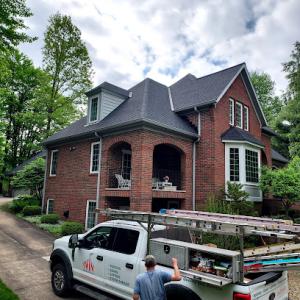
Twin Improvements
(216) 773-0757 www.twinimprovements.com
473 Brook Dr, Eastlake, Ohio
4.9 from 61 reviews
Twin Improvements is family owned and operated roofing company that values integrity and strives to exceed expectations. Servicing Roofing, Gutter, Siding needs of the greater Cleveland & the surrounding areas for over 20+ years. At our company, we handle your siding, gutter, and roofing problems. Through our multi-talented, experienced, and professional team, we can address issues quickly and deliver long-term solutions that ensure your home or business. Twin Improvements is the premier choice Roofer for your roofing, gutter and exterior needs. Whether you are looking for a simple roof repair or a full roof installation for your residential property, we "Get The Job Done Right The First Time!" Call Today for a free estimate! 216-773-0757
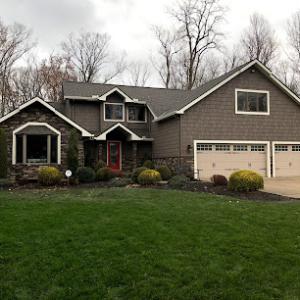
Savant Building Solutions
(440) 613-8297 www.savantroofing247.com
33544 Lakeland Blvd, Eastlake, Ohio
4.8 from 129 reviews
At Savant Building Solutions we are a trusted local roofing company with over 30 years of experience providing top-quality roofing solutions to our community. Our impeccable track record of reviews reflects our unwavering commitment to exceptional craftsmanship, reliability, and customer satisfaction. Whether it’s roof repairs, replacements, or new installations, we use only premium materials and industry-best practices to ensure long-lasting results. As a locally owned and operated business, we pride ourselves on building strong relationships with our clients, offering honest assessments, competitive pricing, and personalized service tailored to your needs. When you choose Savant Building Solutions your choosing piece of mind for your home
3rd Generation Home Improvements
(440) 850-5592 3rdgenerationhomeimprovements.com
35835 Vine St, Eastlake, Ohio
4.7 from 171 reviews
Best roofing, siding, windows, doors, gutters, masonry, railings, aluminum awnings, and gutter guards contractor. Serving the greater Cleveland area specializing in expert roof replacement, vinyl siding, replacement windows and doors. Our services range from full jobs to siding repair, roof repair, to installing shutters, vinyl windows, and patio sliders. Our expert representatives help with storm damage and the experienced installers will transform your home with vertical siding and vinyl shake. We are a licensed, bonded and insured locally owned and operated home improvement company specializing in roofing, siding, windows, doors, gutters, gutter guards, masonry and railings.
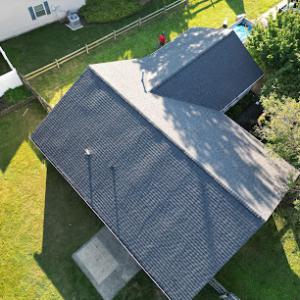
Right Hand Man
(440) 210-8787 www.righthandman-oh.com
1090 Erie Rd, Eastlake, Ohio
4.9 from 27 reviews
"Right Hand Man: Standing beside you from concept to completion."
Klemenc Construction Company
(440) 951-2033 roofingbyklemencconstruction.com
35781 Curtis Blvd, Eastlake, Ohio
4.5 from 28 reviews
At Klemenc Construction Company, Inc., we offer several home improvement services as well as roofing and general structural repairs. The majority of our business comes from residential family homes. We strive to have homeowners in the Northeastern Ohio area always think of us first, not only when they are looking to improve their home, but also when they are faced with a repair that was caused by something beyond their control.
Highland Roofing Ohio
(440) 728-2768 highlandroofingohio.com
Serving
5.0 from 31 reviews
Highland Roofing is Ohio's trusted and professional roofing company with the skills to perform the highest quality work on your home. Our team of roofing contractors can perform all different kinds of roof repairs and roof replacements on the different homes in Cleveland, Willoughby, and more surrounding areas. When you're looking for through the many different roofing companies Cleveland has to offer, trust going with Highland Roofing. We're backed by our 5-Year Workmanship Warranty, plus our outstanding Manufacturer's Warranties! Call Highland Roofing today for a FREE Roof Inspection!
Karbella Construction
(440) 742-2287 karbellaroofing.com
Serving
4.5 from 141 reviews
Karbella Construction is a family owned roofing, masonry, and construction company in Lake County which specializes in both traditional and contemporary roof repair and seamless gutter systems. We also offer a number of other exterior and interior services including brick and stone chimney repair. Over the years our company has earned a strong reputation in the Greater Cleveland area as a provider of best-in-class masonry services and top-rated roof repair services. We are also well known for our beautiful and durable brick paver patios, concrete driveways, and concrete walkways.
Dynamic Roofing Solutions
(440) 525-0979 dynamicroofing.us
Serving
4.9 from 193 reviews
We are an established roofing contractor in Northeast Ohio that has built a foundation of quality service and a passion for leaving a lasting and significant legacy. We believe that every completed project is a direct reflection of our obsession, commitment to quality and work ethic. Our years of experience in providing superior roofing services in the Cleveland area have proven the best solution for all our clients. We offer a large number of residential roof repair services which includes roof replacements, roof repairs, and new construction roofs. Our focused and dedicated team of skilled workers will assess your roof honestly and identify all possible options to fit your needs appropriately.
S&K Construction
(440) 307-2060 www.skroofingandconstruction.com
Serving
5.0 from 29 reviews
Google My Business Description (Roofing in Wickliffe with Financing): At S&K Construction and Remodeling, we’re proud to be Wickliffe’s trusted choice for roofing services. As an **Owens Corning Preferred Contractor, we provide expert **roof replacements, roof repairs, and new roof installations** designed to protect your home for years to come. We understand that a new roof is a big investment, which is why we offer roofing financing options to make your project affordable without sacrificing quality. Whether you need a complete roof replacement or emergency repair, our team
Powers Roofing & Exteriors
(440) 586-3644 powersroofs.com
Serving
4.9 from 268 reviews
Discover Powers Roofing & Exteriors in Mentor, Ohio, where quality and excellence converge to deliver unparalleled roofing and exterior solutions. Our passionate team is dedicated to protecting your sanctuary, one roof at a time. Whether it's a sleek shingle replacement or a complete exterior transformation, we blend craftsmanship with customer-centric care for an experience that reflects the strength and beauty of your home. Trusted throughout Lake, Geauga, and Cuyahoga counties, we stand ready to craft a unique roofing masterpiece that seamlessly integrates into your dreamscape.
C & S Construction/Snowplowing
Serving
4.8 from 27 reviews
When it comes to Roofing Contractors, Roof Repairs, Siding Services and more, no one compares to C & S Construction/Snowplowing. With years of combined experience, C & S Construction/Snowplowing has worked hard to build the trust of our clients in Mentor and surrounding areas. Visit our website to learn more or better yet, call us today!
In Eastlake, repeated winter freeze-thaw cycles are a core lifespan issue because melting snow can refreeze at eaves and vulnerable transitions, stressing shingles, flashing, and underlayment. The pattern isn't just about cold days; every warm snap followed by a hard freeze forces water to expand and contract at critical seams. That movement compounds existing weaknesses from previous seasons, so a roof that looked fine after autumn winds can show accelerated wear once winter arrives. Pay particular attention to eaves, valley transitions, and any roof-to-wall flashings where movement or minor gaps invite moisture intrusion during those cycles.
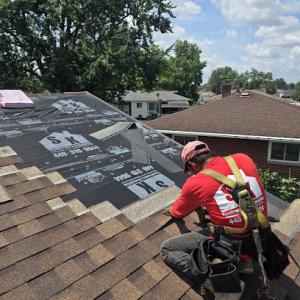
Cold winters in Northeast Ohio shorten the practical installation window, so Eastlake replacements are commonly timed outside winter to reduce weather delays and sealing problems. If you're facing a project, aim for late spring or early summer when temperatures stay reliably above freezing at night and the roof surface can dry thoroughly between storms. Scheduling around shoulder seasons also minimizes the risk of trapped moisture inside underlayment, which can become a bottleneck for proper sealant and adhesive cures. If a replacement must occur closer to winter, choose materials and installation methods that tolerate colder handling and ensure HVAC- or weatherization-related interior humidity won't drive condensation into attic spaces during the downtime.
Roofs already weakened by spring rain or autumn wind damage in Eastlake often deteriorate further over winter, making seasonal carryover damage a local planning concern. Start with a focused attic inspection: look for signs of prior leaks, condensation trails, or damp insulation near eaves and dormers. On the roof, check for lifted shingles, slipped flashing, and soft spots that reveal deck exposure. Address these issues before the first hard freeze to reduce the chance of moisture getting trapped inside during thaw cycles. A quick exterior reseal around penetrations and flashing can buy the season-long protection you need, while guaranteeing that the resting deck is dry when layers are installed.
Material behavior in Lake County is driven by both lake effect exposure and winter humidity. Asphalt shingles, metal, and synthetic options each respond differently to repeated freeze-thaw stress. Metal roofs offer excellent moisture shedding when properly fastened, but must be fully sealed at seams and flashings to cope with wind-driven spray. Synthetic or composite shingles can provide resilience against cracking during cold snaps, yet they still rely on sound underlayment and solid attic ventilation to prevent ice dams and interior condensation. Clay and concrete tiles are more sensitive to substrate movement and cold-induced brittleness; ensure a reinforced deck and appropriate fastener patterns to resist wind uplift and freeze-thaw stress. Wood shingles and shakes, while charming, demand careful maintenance of surface treatments to resist moisture and splitting after long winters.
Ice dam formation tends to follow meltwater back toward eaves when attic ventilation is inadequate. In this climate, ensure continuous soffit intake and adequate ridge or high-level vents to maintain a balanced attic temperature, reducing the risk of meltwater refreezing at the eaves. Pay particular attention to eave margins and transitions where snow sits the longest; these are the points most likely to experience freeze-thaw damage. Ensure downspouts direct meltwater away from the foundation and away from vulnerable roof edges to prevent panic leaks that complicate winter maintenance.
After the first heavy melt, inspect the roof promptly for any signs of moisture intrusion, staining on ceilings, or damp insulation in the attic. Document discrepancies with photos and notes for insurance discussions or subsequent contractor work. If you've had winter storms, expect that carryover damage from autumn or spring weather may surface as the season progresses, so plan a follow-up inspection targeted at flashing joints, valley lines, and penetrations where moisture can accumulate during freeze-thaw cycles. Keeping a simple, local-dense checklist helps you stay ahead of the next cycle and reduces the risk of undetected, long-term damage.
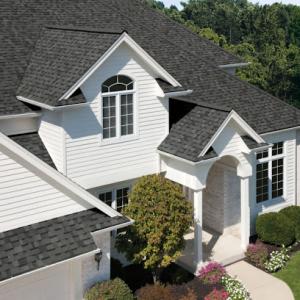
Asphalt shingles dominate the replacement market in this area because they align with the large re-roofing demand and the moderate price expectations that many homeowners hold. In a climate shaped by lake-effect snow, freeze-thaw cycles, and periodic hail events, asphalt provides a reliable, straightforward option that local crews can install quickly and repair efficiently after a storm. Look for shingles with good impact resistance and a tested wind rating to stand up to Northeast Ohio's wind gusts. A key consideration here is the quality of underlayment and attic ventilation; even a solid architectural shingle can underperform if the roof deck isn't dried in properly or if moisture sits in the attic during rare warm spells. If your home has a lot of roof penetrations (vents, chimneys, skylights), ask for upgraded flashing and a well-planned drip edge to minimize moisture infiltration during thaw cycles.
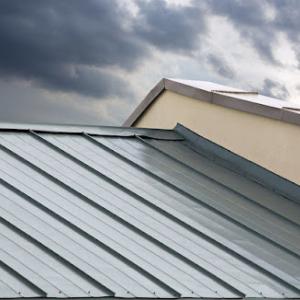
Metal roofing is relevant for homeowners prioritizing snow shedding and enduring durability through Northeast Ohio winters. The metal option shines when installed with attention to proper fastening, corrosion resistance, and seam quality. Wind and freeze-thaw exposure quickly reveal installation mistakes, so choose a contractor with a proven track record in metal systems, not just general roofing experience. Standing-seam configurations tend to perform best in this climate, offering reliable seal and alignment during temperature swings. If hail seasons have been a concern in your neighborhood, ensure the metal system includes a protective coating and a robust paint warranty. While metal may demand higher upfront labor, the long-term resistance to moisture intrusion and ice dam pressure can translate into fewer storm-related repairs.
Clay tile, concrete tile, wood shakes, and synthetic products appear in the market but are less common locally. Homeowners considering these options should expect a smaller pool of specialists who regularly install and warranty them. Clay and concrete tiles offer distinct aesthetics and excellent longevity, yet their weight and installation complexity require structural verification and knowledgeable crews. Wood shakes deliver a rustic look and solid insulation, but their vulnerability to moisture and insect concerns means maintenance must be more proactive in this lake-influenced climate. Synthetic or composite shingles provide design flexibility and sometimes improved hail resistance, but installation quality remains crucial, as improper fastening or flashing can undermine even advanced materials. In all cases, verify local installer experience with our climate's freeze-thaw cycles and storm patterns.
For most homes, the choice hinges on climate resilience and local service availability. Since Eastlake faces lake-effect weather, prioritize systems that balance moisture control with storm durability. When evaluating bids, ask for a detailed plan addressing attic ventilation, moisture barriers, flashing details, and the exact wind-rated performance of fasteners. Insurance documentation after hail or wind events should reflect the specific system chosen, its warranty, and the installation quality. If there is no urgent need to change aesthetics, asphalt shingles remain the most straightforward, cost-effective solution with broad local expertise, while metal offers standout performance in heavy snow years.
Provided local pricing ranges run about $350 to $600 per square for asphalt shingles, $600 to $1200 for metal, $1000 to $2000 for clay tile, $900 to $1700 for concrete tile, $700 to $1100 for wood shingles or shakes, and $500 to $1000 for synthetic or composite shingles. In practice, Eastlake homeowners often see fluctuations tied to storm-related demand and crew availability, especially after hail or strong winds. When estimating, consider a conservative allowance above the midpoints to cover expedited leak response and faster tear-off timelines after a severe event.
Storm-driven surges in demand can tighten scheduling and push pricing upward, especially for fast leak response and full re-roofing crews. If a hail or wind event hits Lake County, expect a backlog for critical materials and a scramble for skilled crew time. Plan for a two- to four-week window on the front end if the project needs to align with storm response priorities, and factor possible overtime or weekend work into labor costs if you want to minimize project duration.
Costs in Northeast Ohio are affected by winter conditions that can reduce crew efficiency or delay tear-off and dry-in. Wet, cold days slow asphalt and underlayment work, while freezing temps complicate nail fastening and ventilation installation. If a winter delay pushes into March or April, noted price bands can drift upward due to compressed schedules and limited local labor pools. Build a contingency in the budget for weather-related delays and the adjacent labor market.
Clay tile and concrete tile deliver long-term durability but require a heavier structural load and can push total costs higher, sometimes beyond typical ranges during post-storm rebuilds. Metal roofing offers fast tear-off and efficient installation, which may appeal after a wind event, yet initial material costs rise. Synthetic or composite shingles often provide a balance of price and performance in this market. For a typical Eastlake home, align material choice with the home's existing roof geometry, attic ventilation, and the expected storm exposure to optimize both upfront cost and long-term performance.
Get a clear picture of your project costs upfront - no commitment required.
Twin Improvements
(216) 773-0757 www.twinimprovements.com
473 Brook Dr, Eastlake, Ohio
4.9 from 61 reviews
Right Hand Man
(440) 210-8787 www.righthandman-oh.com
1090 Erie Rd, Eastlake, Ohio
4.9 from 27 reviews
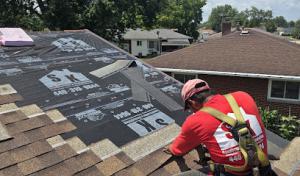
Residential roof replacements usually require a building permit through the Eastlake Building Department rather than being treated as a no-permit maintenance item. That distinction matters, especially after storm season when insurers and neighbors alike expect to see a proper permit trail. If a project begins without permit clearance, you can face stop-work orders, rework, or delays that ripple through scheduling with your contractor. Start by confirming whether the permit covers the entire reroof or only specific elements like underlayment or ventilation changes. The department's ledger is strict about documentation, and a missing or late permit creates unnecessary friction during a project that's already under pressure from weather-sensitive timelines.
The inspection schedule in this area typically includes a check after framing or underlayment is in place and a final inspection at completion. Mid-project coordination matters because inspectors will expect that what's behind the scenes lines up with code requirements for ventilation, underlayment, and nailing patterns. If the framing or deck is adjusted for a vented roof or if an upgraded underlayment is installed to address Lake County's freeze-thaw cycles, anticipate an intermediate review. Keeping the contractor's crew aligned with the inspection timeline reduces the risk of backtracking on work that was assumed complete. Plan for a concrete point where the inspector can verify that the roof system transitions-from deck to protection layer to surface-adhere to the approved details.
Permit approval and inspection signoff are tied to code compliance items that commonly matter on reroofs here, including ventilation, underlayment, and nailing patterns. If the city code calls for an upgraded attic ventilation strategy due to local moisture loads or a particular underlayment for high-hail exposure zones, that requirement will appear in the permit language and be checked at the relevant inspection. Nailing patterns must reflect the climate-driven demands of lake-effect winds and freeze-thaw cycles; improper nail spacing or missing fasteners can stall both the permit and the final signoff. Communicate clearly with the contractor about any changes to the roof's ventilation or deck preparation, and keep the permit and inspection documents accessible for the inspector to review during the agreed windows. Missing or mismatched details in these areas is a primary reason for delayed approvals and rework, especially after a heavy storm season.
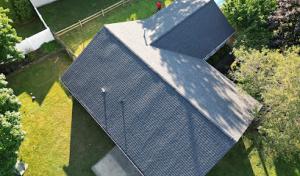
Because Lake County has recurring hail and wind claim activity, insurers will expect thorough photo documentation and a clearly written replacement scope. You should capture multiple angles of each slope, the flashing around dormers and chimneys, and any shingles that show hail impact or surface granule loss. Close-ups of any worn or loose underlayment, along with a dated time stamp, help establish the scope. A well-detailed scope reduces back-and-forth delays and helps prevent later disputes over what was actually replaced or repaired.
Some carriers serving this part of Northeast Ohio apply stricter underwriting expectations around wind exposure, which can affect roof age tolerance and replacement timing in Eastlake. If your roof sits in a high-wind exposure zone or has a history of wind-driven damage, expect more conservative underwriting decisions. Be prepared to provide weather-event records, prior mitigation steps, and a sustained plan for securing and detailing any temporary coverings. In practice, this can influence how quickly a claim moves from acknowledgment to approved scope.
For Eastlake claims, documenting damage by slope, elevation, flashing area, and interior leak location is especially important when weather events involve both wind and water intrusion. When water intrusion is reported, note which interior spaces are affected and the path of any leaks from the roofline to interior ceilings or walls. Photos should show the progression from exterior impact or uplift to interior staining, helping the adjuster trace the failure point. Clear, organized records minimize interpretation gaps and support a smoother settlement process.
Skylight work is a meaningful niche in the Eastlake market, suggesting leak tracing around skylight curbs and flashing is a recurring homeowner concern locally. The combination of lake-effect snow, freeze-thaw cycles, and wind-driven precipitation makes small flashing defects grow into visible leaks along skylight edges and at the curb transitions. Masonry intersections, especially where brick or stucco meets the skylight curb, are common trouble zones in older homes.
Most leaks trace to two places: the skylight curb and the flashing around it. In Eastlake's climate, freeze-thaw cycles push and pull at seals, causing hairline gaps that water can exploit during rapid thaw or after a heavy snowmelt. Look closely at the intersection where the skylight meets the roof deck, then follow the continuation of flashing along the curb and under the shingles. Chimney-related intersections also factor in; if a chimney footing or step flashing ties into the same roof plane, moisture can track from those joints and show up near the skylight, especially after wind-driven rain events.
Start inside with a flashlight and a pencil-thin probe to test for dampness along the skylight perimeter during a rain or after a light thaw. From the attic, identify any staining, damp insulation, or tar-like darkening along the curb line. On the roof, inspect the metal flashing at the skylight curb-look for lifting, gaps, or corroded sealant. Pay particular attention to transitions where the curb meets the roof deck and where flashing meets masonry at chimneys.
Common fixes include resealing the curb with high-quality flashing tape, re-flashing the skylight with metal or compatible membrane, and ensuring the shingles overhang the curb properly to shed water away. If the chimney intersection is involved, reworking step flashing and adding a continuous counter-flash can stop moisture from migrating toward the skylight. In freeze-thaw zones, use sealants and flashing materials rated for freezing temperatures and apply during dry conditions to maximize cure.
Find contractors experienced in skylight installation, flashing, and leak repairs to bring natural light into your home.
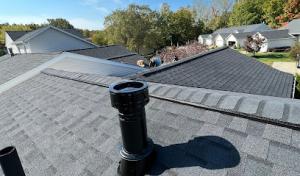
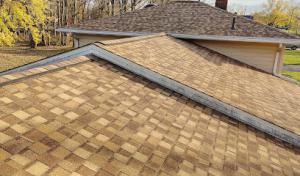
The Eastlake market leans heavily toward re-roofing rather than niche new-construction work, so you should evaluate contractors on tear-off efficiency, dry-in speed, and cleanup discipline. The weather pattern from Lake Erie's shoreline-lake-effect snow, freeze-thaw cycles, hail, and gusty winds-means crews are tested by moisture control from day one. In this climate, a fast, clean, and thorough installation can prevent mid-winter leaks and minimize subsequent freeze-thaw wear.
When you start calling crews, listen for a plan that prioritizes a solid, weather-ready dry-in and rapid site stabilization after a storm. Ask for a realistic tear-off timeline, the sequence for installing underlayment, and the crew's process for protecting adjoining siding, vents, and skylights. A good sign is a crew that commits to daily cleanup and tarp management, not just a final sweep. Note how the crew communicates changes to schedule or weather delays; in storm-prone seasons, dependable updates are a top predictor of fewer headaches.
Family-owned and long-established firms are common in the pool, and that lineage often translates to steadier crews who understand local nuances. However, do not assume compatibility. Require written warranties and documented support for warranty claims, and confirm who handles insurance documentation for storms and sudden damage. With frequent lake-effect events, you want a company that can back their work with clear, written coverage and a point person who remains accessible through the project.
In practice, the best crews arrive with a plan for on-site containment, weather protection, and debris containment that survives strong winds. They should leave the property safer and cleaner than before they arrived, especially after a storm-damaged roof where loose materials can pose risks to your family and neighbors. Request a post-install inspection for a second pass and a concise, written punch list to ensure nothing is overlooked after a leak-prone season.