Last updated: Apr 19, 2026
After a Northeast Ohio wind or hail event, minor roof issues can rapidly turn into active leaks. The combination of Lake Erie's breeze, freeze-thaw cycles, and seasonal snow means shingle edges, flashing transitions, and vent boot seals are often stressed long before a homeowner notices. In this part of the region, insurers commonly scrutinize hail and wind damage claims, so documenting every affected area is essential. Look for lifted shingles, granule loss in the gutters and driveway, bent ridge caps, damaged underlayment, and damp attic insulation. If you see daylight or feel wind-driven drafts in the attic, treat it as an urgent indicator of potential interior moisture. Delays amplify the risk of structural rot and interior mold, so act fast to secure the roof and begin documentation.
Take clear, dated photos from multiple angles: the entire roof line, close-ups of damaged shingles or flashing, and any signs of interior staining near ceilings or walls. Include photos of matching areas on neighboring homes to demonstrate typical wear versus storm-specific damage. Create a simple, consistent scope of work by listing each observed issue and its location (e.g., "northwest flank, 3 tabs lifted between vents; flashing at chimney compromised"). Keep a written log of repair steps you plan or have taken, plus dates of storms and any temporary fixes you've implemented, such as tarping or board bracing. The goal is to present a precise, defendable narrative to the adjuster: what failed, where, and how it affects water intrusion potential. In this market, a photo-heavy dossier with a concise scope of work often reduces back-and-forth and speeds the claim.
The signal mix here strongly favors storm damage assessment, emergency repair, and insurance-claims assistance. When choosing a contractor, look for those who routinely navigate post-storm workflows for homeowners. A responsive team should offer to accompany you on the initial adjuster visit, help translate field findings into a defensible scope, and provide a clear sequence of temporary fixes followed by permanent repair options. Beware low-bid bids that gloss over flashing integrity or underlayment exposure; a solid storm-repair plan in this market prioritizes water-tight vulnerabilities first, then a durable reroof strategy aligned with the house's structure and attic ventilation. Your chosen contractor should emphasize documentation, materials compatibility with your existing roof system, and a transparent escalation path if the insurance company questions any item.
If a leak is discovered during a storm-day inspection, prioritize temporary containment: seal the area to prevent further water intrusion and protect valuables below. Photograph the active leak location from interior and exterior angles, then contact your insurer and your contractor simultaneously. Request an expedited inspection if weather conditions threaten additional damage. Communication should be precise and timely: note the leak's location, the suspected cause (e.g., wind-driven uplift or flashing failure), and the urgency to stop further interior damage. In Willoughby's climate, wind-driven damage can initiate unseen pathways through attic penetrations that only show up after a thaw or after a day of heavy rainfall. Your goal is to minimize secondary damage while you secure an accurate scope for the ensuing permanent repairs.
Expect a two-step rhythm: first, emergency or short-term repairs to prevent more water intrusion; second, a comprehensive assessment leading to a reroofing plan if the storm has compromised shingle integrity, underlayment, or structural edges. Since storm-driven claims often hinge on precise damage grading, your documentation should distinguish cosmetic issues from structural or water-penetration risks. The Willoughby area benefits from contractors who can translate storm findings into a clear, insurer-friendly scope and a materials plan that matches the home's existing roof footprint and longevity expectations. Stay proactive: schedule a professional roof inspection soon after the initial claim to refine the scope and prevent coverage gaps later.
Dynamic Roofing Solutions
(440) 525-0979 dynamicroofing.us
2182 Lost Nation Rd, Willoughby, Ohio
4.9 from 193 reviews
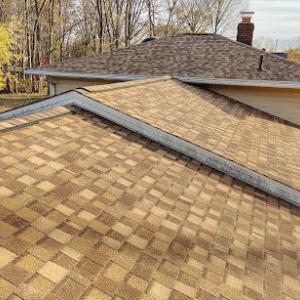
We are an established roofing contractor in Northeast Ohio that has built a foundation of quality service and a passion for leaving a lasting and significant legacy. We believe that every completed project is a direct reflection of our obsession, commitment to quality and work ethic. Our years of experience in providing superior roofing services in the Cleveland area have proven the best solution for all our clients. We offer a large number of residential roof repair services which includes roof replacements, roof repairs, and new construction roofs. Our focused and dedicated team of skilled workers will assess your roof honestly and identify all possible options to fit your needs appropriately.
Highland Roofing Ohio
(440) 728-2768 highlandroofingohio.com
3625 Lost Nation Rd Unit A, Willoughby, Ohio
5.0 from 31 reviews
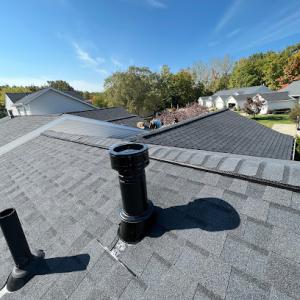
Highland Roofing is Ohio's trusted and professional roofing company with the skills to perform the highest quality work on your home. Our team of roofing contractors can perform all different kinds of roof repairs and roof replacements on the different homes in Cleveland, Willoughby, and more surrounding areas. When you're looking for through the many different roofing companies Cleveland has to offer, trust going with Highland Roofing. We're backed by our 5-Year Workmanship Warranty, plus our outstanding Manufacturer's Warranties! Call Highland Roofing today for a FREE Roof Inspection!
Karbella Construction
(440) 742-2287 karbellaroofing.com
38333 Pelton Rd, Willoughby, Ohio
4.5 from 141 reviews
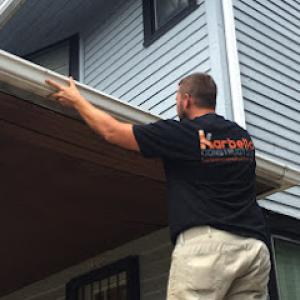
Karbella Construction is a family owned roofing, masonry, and construction company in Lake County which specializes in both traditional and contemporary roof repair and seamless gutter systems. We also offer a number of other exterior and interior services including brick and stone chimney repair. Over the years our company has earned a strong reputation in the Greater Cleveland area as a provider of best-in-class masonry services and top-rated roof repair services. We are also well known for our beautiful and durable brick paver patios, concrete driveways, and concrete walkways.
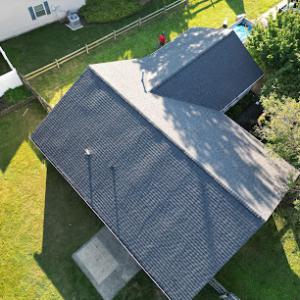
Right Hand Man
(440) 210-8787 www.righthandman-oh.com
Serving
4.9 from 27 reviews
"Right Hand Man: Standing beside you from concept to completion."
Ulman Family Contracting
(440) 822-8362 www.ufcontracting.com
Serving
4.8 from 218 reviews
We are a general contractor who specializes in storm restoration work
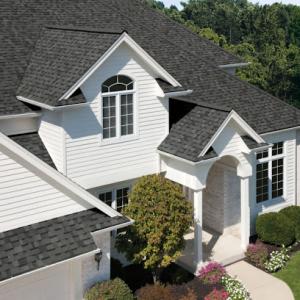
Powers Roofing & Exteriors
(440) 586-3644 powersroofs.com
Serving
4.9 from 268 reviews
Discover Powers Roofing & Exteriors in Mentor, Ohio, where quality and excellence converge to deliver unparalleled roofing and exterior solutions. Our passionate team is dedicated to protecting your sanctuary, one roof at a time. Whether it's a sleek shingle replacement or a complete exterior transformation, we blend craftsmanship with customer-centric care for an experience that reflects the strength and beauty of your home. Trusted throughout Lake, Geauga, and Cuyahoga counties, we stand ready to craft a unique roofing masterpiece that seamlessly integrates into your dreamscape.
3rd Generation Home Improvements
(440) 850-5592 3rdgenerationhomeimprovements.com
Serving
4.7 from 171 reviews
Best roofing, siding, windows, doors, gutters, masonry, railings, aluminum awnings, and gutter guards contractor. Serving the greater Cleveland area specializing in expert roof replacement, vinyl siding, replacement windows and doors. Our services range from full jobs to siding repair, roof repair, to installing shutters, vinyl windows, and patio sliders. Our expert representatives help with storm damage and the experienced installers will transform your home with vertical siding and vinyl shake. We are a licensed, bonded and insured locally owned and operated home improvement company specializing in roofing, siding, windows, doors, gutters, gutter guards, masonry and railings.
C & S Construction/Snowplowing
Serving
4.8 from 27 reviews
When it comes to Roofing Contractors, Roof Repairs, Siding Services and more, no one compares to C & S Construction/Snowplowing. With years of combined experience, C & S Construction/Snowplowing has worked hard to build the trust of our clients in Mentor and surrounding areas. Visit our website to learn more or better yet, call us today!
Sure Seal Roofing
(440) 942-6999 suresealroofing.netlify.app
Serving
4.8 from 17 reviews
Residential roofing specialists in Northeast Ohio.
Twin Improvements
(216) 773-0757 www.twinimprovements.com
Serving
4.9 from 61 reviews
Twin Improvements is family owned and operated roofing company that values integrity and strives to exceed expectations. Servicing Roofing, Gutter, Siding needs of the greater Cleveland & the surrounding areas for over 20+ years. At our company, we handle your siding, gutter, and roofing problems. Through our multi-talented, experienced, and professional team, we can address issues quickly and deliver long-term solutions that ensure your home or business. Twin Improvements is the premier choice Roofer for your roofing, gutter and exterior needs. Whether you are looking for a simple roof repair or a full roof installation for your residential property, we "Get The Job Done Right The First Time!" Call Today for a free estimate! 216-773-0757
Raw Roofing Solutions
Serving
5.0 from 170 reviews
Raw Roofing Solutions is your trusted roofing contractor in Chagrin Falls, Concord, Mayfield, and nearby areas. We provide expert residential roofing, commercial roofing, roof repair, and more — including specialized solar roofing services. Homeowners and businesses choose us for our comprehensive roof warranties and affordable roof financing options. Looking for dependable Mentor, OH roofers? Contact us today for a free estimate! “We do this every ‘shingle’ day!”
Klemenc Construction Company
(440) 951-2033 roofingbyklemencconstruction.com
Serving
4.5 from 28 reviews
At Klemenc Construction Company, Inc., we offer several home improvement services as well as roofing and general structural repairs. The majority of our business comes from residential family homes. We strive to have homeowners in the Northeastern Ohio area always think of us first, not only when they are looking to improve their home, but also when they are faced with a repair that was caused by something beyond their control.
In this neck of the lakefront, winter temperatures swing from bitter to mild, then back again, and small defects get widened with each cycle. The repeated freezing and thawing push on flashing around chimneys, skylights, and vent pipes, and even fine hairline cracks in shingles can become leak paths. You'll notice that once a nearby storm rolls through, the first big telltale sign is a damp spot or dark streak near a previously minor imperfection. The harsh reality is that those tiny gaps you barely noticed after last season are now acting like irrigation channels when the snow melts and refreezes. For a homeowner, this means that minor, inexpensive fixes done promptly can prevent a larger, more invasive repair later. The key is to treat micro-issues as urgent during a thaw cycle, not as something to monitor for another year.
Snow on a low-slope or mid-century roof can sit and compact, covering vulnerable edges and creases until a later thaw exposes the underlying weakness. In Willoughby, that sequence-snow piling up, a thaw, and then a freeze-drives a practical scheduling challenge. Emergency repairs become more common when a mid-winter thaw pulls meltwater into open seams, then freezes again with a hard edge. The performance issue is not just about a leak; it's about control: how quickly the roof can shed snow and how reliably seals can hold under shifting ice. If you know a thaw is imminent, plan to clear icicles and inspect eaves, but do so safely from the ground or with proper equipment. When you see meltwater running down interior walls after a freeze, that's a sign to pause and reassess the flashing and the roof edge detail. Proactive checks after a snow dump, before the next hard freeze, can save a late-winter crisis.
As winter yields to spring, the rain arrives on top of a thaw-weakened roof system. That means leaks often become more visible in late winter into spring, even if the weather seems comparatively mild. The combination of water saturation and lingering ice dam remnants can reveal weaknesses you didn't notice during the coldest stretch. Look for staining on attic ceilings, increased condensation on soffits, or damp patches along interior walls that align with roofline features. If a leak appears, don't delay deciding whether you can seal the spot temporarily or if a more thorough repair is needed. In many cases, what starts as a small, localized seep can expose broader issues around improper shingle tab alignment, marginal flashing, or failed sealants at penetrations. The cautious homeowner keeps a close eye on the roof after the last thaw, noting any new wet spots and scheduling a professional assessment before the next cold snap settles in.
The practical takeaway is to treat freeze-thaw cycles as regular stress tests on the roof. Maintain a simple inspection routine after every thaw: check around flashing, valleys, vents, and chimney abutments for any change in soundness or moisture entry. Keep snow from piling deeply on flat or low-slope sections, and be mindful that even a small, previously invisible defect can become a leak source when a fast-malling melt hits a mid-winter freeze. In this climate, early recognition and timely, targeted repairs reduce the risk of a larger, storm-driven reroofing event later, and help keep the home weather-tight through the Lake County winter rhythm.
Asphalt shingles dominate the local roofscape because they fit the reroof-heavy market and are widely used on the area's existing residential housing stock. In practice, this means you'll find ample compatible underlayment, fast repair options after a wind or hail event, and a broad pool of local contractors who know the Northeast Ohio freeze-thaw cycle. When you're evaluating shingles, prioritize products with good granular adhesion and thicker exposure for better wind resistance. Look for a durable match to the common roof pitches in Willoughby and ensure the color choice won't amplify heat buildup on hotter days.
Metal roofing is present but more specialized in this market, making contractor selection and detailing quality more important than in places where metal is the default. If you're considering metal, lean toward a system that emphasizes a solid fastening method, proper seam protection, and a durable coating that handles year-round precipitation and winter moisture. Metal can offer excellent longevity and wind resistance, but installation quality matters a lot here. Ask for projects with similar climates and snow exposure, and request a local warranty that covers performance through freeze-thaw cycles.
Clay tile and concrete tile exist in this market but are less common. They bring distinctive curb appeal, yet they require careful assessment against Northeast Ohio snow load, moisture exposure, and freeze-thaw durability. Tile can crack under heavy ice build-up, so you'll want a qualified installer who understands roof framing for higher weight and a drainage plan that prevents standing water. If you lean toward tile, ensure you're prepared for occasional maintenance on flashings, tile breaks, and potential needs for re-seaming in winter months. Concrete tile tends to be heavier than clay, so structural evaluation is a must.
Wood shakes and shingles offer a traditional look but demand attention to moisture exposure and seasonal shifts. In Willoughby, freeze-thaw cycles and standing snow can accelerate wear. If you choose wood, select treated or naturally durable species, consider a water-shedding layout, and plan for regular inspections after winter storms. Proper ventilation and a robust underlayment help prevent cupping and warping. Keep an eye on maintenance costs over time, as wood typically requires more upkeep than asphalt or metal.
Synthetic or composite shingles provide a balance of durability, weight, and style, with some products designed to mimic wood or slate without the bulk. They can handle the local freeze-thaw and moisture exposure when paired with a quality underlayment and correct installation details. If choosing synthetic, verify that the product line has proven performance in cold climates and is compatible with the existing roof deck and attic ventilation. A reputable installer will confirm whether this option meets your long-term storm protection goals.
In this market, the best roof is the one that provides dependable wind resistance, solid moisture management, and proven performance through winter weather. Start with asphalt for broad suitability and cost-efficiency, then consider metal for long life in high-wind areas, or durable tile and synthetic options if you want distinctive aesthetics without sacrificing resilience. Whichever path you choose, prioritize a local contractor with a track record of storm repairs and an understanding of Willoughby's seasonal challenges.
Local reroof pricing follows the per-square ranges you've seen, with asphalt shingles generally serving as the entry point and tile systems at the top end of the market. In Willoughby, you'll typically see asphalt shingles landing in the lower to mid-range of the statewide spread, while metal runs higher but still common for midwest lots needing durability. Clay and concrete tiles push toward the upper tiers, and wood shingles/shakes sit between asphalt and more premium options. After a regional storm event, prices in Lake County can spike as crews are in high demand for quick-response reroofing and emergency dry-in work. If a claim is involved, expect the contractor to bundle debris removal, underlayment upgrades, and faster tear-off timelines into a single scope to meet insurance timelines.
Seasonal timing matters locally. Winter snow can slow tear-off and underlayment work, as frozen screens and decking slow moisture control. Spring rain similarly stretches schedules, especially when crews try to coordinate dry-in windows between storms. In contrast, summer heat accelerates synthetic underlayment handling but can push crews to work longer days, which may compress scheduling in autumn storm windows. For a reroof that's tied to a storm claim, expect some cadence constraints: insurers often push for a dry-in and temporary protection quickly, followed by a full replacement when weather windows allow. The variability of Willoughby's spring and fall storms means you should plan for a two-to-three week window on typical projects, with longer lead times when demand spikes after a major storm.
If a quick turnaround is crucial, asphalt remains the most practical choice, offering predictable lead times and cost efficiency. For long-term durability in windy, freeze-thaw climates, metal provides solid value, especially where roof geometry is complex. Tile systems, while premium, deliver a notable durability upside in the area's freeze-thaw cycle but require careful installation and roof deck assessment. When insurance-driven reroofing is involved, align material selection with the insurer's preferred timelines while prioritizing a robust underlayment, proper attic ventilation, and a staged schedule that minimizes exposure to winter moisture and summer heat.
Get a clear picture of your project costs upfront - no commitment required.
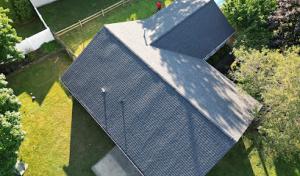
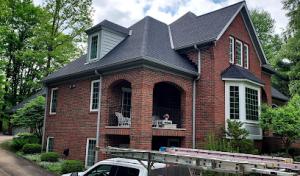
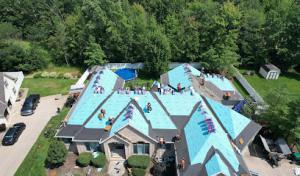
Willoughby uses a formal permit and inspection process for reroofs, and understanding it helps you avoid delays after a storm claim. Before any tear-off begins, you should expect to see permit paperwork filed with the Willoughby Building Department. The department does not rely on informal approvals from a contractor; every step from plan review to final inspection is tracked through official records. That means your project is more predictable, but it also means that timing depends on the department's review queue and any required corrections.
Once the permit is opened, project sequencing follows the inspection schedule. In practice, inspections are commonly requested at the rough stage or when the underlayment is installed, and again at final completion with all new materials in place. The rough/underlayment inspection is your signal that the structural and flashing work meets code expectations and that the roof deck is ready for the next layers. The final inspection confirms that permits are closed out correctly and that all work matches the permit scope. If the inspector notes deficiencies at either visit, the contractor must address them before proceeding or closing out the job.
Storm damage and insurance-driven reroofing in this area often compresses timelines but also adds paperwork realities. After hail or wind damage, insurance claims may authorize a tear-off and replacement, yet the city still requires a permit. Do not assume approved work can proceed without formal authorization. If a claim includes temporary repairs for leaks, coordinate the timing carefully with the insurer and the Building Department to avoid work that could be delayed by a hold for permit review.
To reduce surprises, keep a single file with the permit number, approved plans, and inspection receipts. Share the permit status with your insurer and your contractor so everybody is aligned on the review milestones. When the final seal is stamped, you know the project is officially closed and the roof is ready for long-term performance through the freeze-thaw cycles and lake-effect winds that characterize this area.
If you encounter winter restrictions, plan for weather delays and rescheduled inspections, and keep neighbors informed about access around the job site.
In this market, Ohio insurers frequently evaluate wind and hail exposure, so expect adjusters to scrutinize storm causation and the repair scope. Your documentation should clearly connect the damage to a specific storm event and outline what needs to be fixed now versus later. A detailed, organized file helps protect your claim from disputes when reroof versus repair decisions come up after a Northeast Ohio wind and hail event.
Before any shingle removal or patchwork, take wide and close-up photos of all roofing surfaces, gutters, and attic spaces with timestamps if possible. Capture sagging areas, curling shingles, granule loss, and any interior staining near the ceiling or attic. If you suspect compromised flashings or vent connections, photograph those as well. These images are especially important because carriers often request visual proof and may send on-site adjusters who want an objective baseline.
After temporary measures or permanent repairs begin, document progress with dated photos showing the work in stages. Keep receipts for materials and labor, and note any deviations from the original scope. If a different repair approach was needed due to material availability or roof pitch constraints, document the reason and approval path. This helps resolve questions about scope changes that commonly arise in storm-impacted reroofing.
A practical, written scope of work should clearly specify the exact roof areas affected, required shingle types or equivalents, flashing and underlayment details, and any ventilation or attic-infiltration fixes. Include both a repair-focused plan and a total reroof contingency, so the adjuster can see how the project could evolve if conditions worsen. This clarity reduces back-and-forth and supports timely decisions when storm damage claims move toward settlement.
Chimney-related roof intersections are a meaningful local concern, reflected by the number of contractors advertising chimney work. When inspecting or planning a reroof after a storm, pay special attention to the joint where the chimney meets the deck. Look for cracked mortar, lift of the flashing, and any gaps at the step flashing. In Willoughby's freeze-thaw cycles, small gaps can widen quickly, letting wind-driven water into attic spaces. Have flashing replaced or resealed with durable, flexible materials, and verify that the chimney cricket or saddle is properly installed to shed roof runoff away from the base.
Skylights are a real specialty in this market, so leak investigations should account for skylight flashing and curb details. Examine the entire skylight curb for staining, rust, or loose fasteners. Check that the membrane around the skylight is continuous and that the sealant lines remain intact after winter swings. If a leak is traced to the skylight, replacement or re-flashing may be required rather than a simple repair. In colder months, ensure any snow buildup around the skylight does not overwhelm the flashing and that the drip edge directs meltwater away from the curb.
Cleanup is a strong homeowner expectation in this market, so debris control and magnetic nail pickup are part of what residents commonly judge after reroof work. Before signing off, confirm that the contractor uses magnetic sweepers along the eaves and around vehicles, and that loose nails or shingle fragments are promptly collected. Insist on a thorough final rake of gutters and driveways to prevent punctures or tire damage. A tidy job site reflects attention to the local climate and the contractor's workmanship.
Find contractors experienced in skylight installation, flashing, and leak repairs to bring natural light into your home.
Dynamic Roofing Solutions
(440) 525-0979 dynamicroofing.us
2182 Lost Nation Rd, Willoughby, Ohio
4.9 from 193 reviews
Highland Roofing Ohio
(440) 728-2768 highlandroofingohio.com
3625 Lost Nation Rd Unit A, Willoughby, Ohio
5.0 from 31 reviews