
Last updated: Apr 19, 2026
In Northeast Ohio, storm season isn't news-hail and high winds are a regular part of life, and Maple Heights roofs take the brunt. Strong gusts can lift shingles, exposed flashing, and vent seals, while hail can ding the surface and crack underlayment hidden beneath. That combination creates a steady cadence of claimed damage after big events, so recognizing the signs early and acting fast is essential to protect the roof's integrity and long-term value.
Document damage promptly and thoroughly. After a storm, your best defense is a clear, dated record of what happened and what you saw on the day you inspected. Take wide exterior shots showing overall roof condition and closer photos of dimples, granule loss, bent flashing, lifted edges, and any compromised vents. If you notice interior signs like ceiling stains or attic condensation, document those as well. Insurance in this region commonly asks for photo documentation and may require a pre-loss inspection or detailed adjuster review before payouts. Getting good photos from multiple angles speeds up the process and reduces guesswork about scope and severity.
Prepare for an adjuster encounter with a solid narrative. When the claim opens, you'll need a concise timeline of the event, the symptoms you observed, and any prior repairs or related issues. Be ready to point to specific roof features-valleys, ridge lines, and corrugated vent stacks-that show wear or damage. The adjuster may request a pre-loss inspection or a detailed review; having your photos organized by date, weather event, and observed damage helps the conversation stay on concrete facts rather than impressions. In this climate, where wind-driven debris and hail are common, credibility hinges on precise, dated documentation.
Expect depreciation language to affect settlement dynamics. Recent policy-language changes and depreciation practices have affected some homeowners' claim outcomes, so you must understand how depreciation is applied to both materials and labor, and what it means for the payout timeline. If depreciation is referenced, ask for a clear line item that explains what portion is recovered through recoverable depreciation and how that interacts with replacement scenarios. Compare settlement language carefully to ensure you're not missing coverage for damaged components like underlayment, flashing, and ventilation components that often suffer first.
Plan timing around freeze-thaw cycles. Northeast Ohio's winter pattern can complicate repairs after a storm, with freezing temps slowing nail retention and shingle seating. If possible, align scheduling to milder windows while ensuring temporary protection-roof tarps or board-ups-are in place to prevent water intrusion during the wait. If a full replacement is needed, anticipate a process that may stretch across multiple weeks, with inspections and claim validation interwoven into the timeline. You'll benefit from keeping a storm-season calendar and confirming each milestone with your insurer and contractor to stay ahead of weather-driven delays.
Find local contractors experienced in assessing and restoring roofs after hail, wind, and severe weather events.
YICN Roofing (aka Your Insurance Claims Network)
(216) 999-4342 yicnroofing.com
Serving
5.0 from 118 reviews
Link Exteriors
(330) 302-2069 linkexteriors.com
Maple Heights, Ohio
4.9 from 154 reviews
At Link Exteriors we are roofing, siding, gutter, and window specialists! When it comes to roofing contractors in Northeast, OH, we know you have a lot of choices. So why should you choose Link Exteriors for your residential or commercial roofing needs? Quality Materials + Superior Workmanship = Outstanding Value. We’ve worked hard since our founding to build a reputation for excellence that has allowed us to continue to grow over the years. We are committed to customer satisfaction, and sincerely hope that every customer finds our team to be a great partner in turning their house into a home. We provide free storm damage inspections.
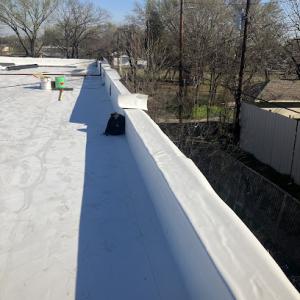
AA Metal & Dimensional Roofing
(216) 412-1347 aamdroofing.com
Serving
5.0 from 24 reviews
Our mission is to meet the needs of our communities by helping educate homeowners on the best choice for their largest asset. We do roofs (RESIDENTIAL & COMMERCIAL)! We do gutters! We do siding! We do window!! If its quality you seek then speak to your AAMD representative and ask them about our preferred products list. They will help you proceed to get your project what it needs. FINANCING AVAILABLE.
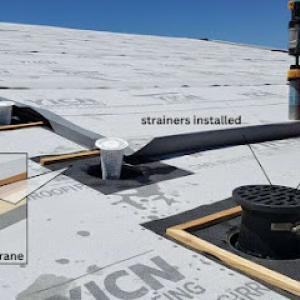
YICN Roofing (aka Your Insurance Claims Network)
(216) 999-4342 yicnroofing.com
Serving
5.0 from 118 reviews
YICN Roofing is a trusted, locally owned roofing company based in Cleveland, OH, proudly serving homeowners and businesses throughout Northeast Ohio. We specialise in roof repair, roof replacement, storm damage restoration, siding, gutters, emergency tarping, and skylight upgrades. Backed by years of experience and a 5-star reputation, our team delivers high-quality craftsmanship, honest inspections, and full insurance claim support. Whether you need emergency roof repairs or a complete exterior renovation, YICN is committed to protecting what matters most - your home and your peace of mind. Our licensed and professional team is committed to quality, reliability, and customer satisfaction. Call us today for a free estimate or storm damage
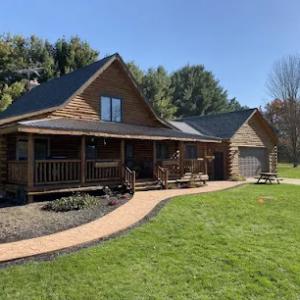
MK Roofing & Construction
Serving
5.0 from 9 reviews
MK Roofing & Construction is a premier roofing contractor based in Chagrin Falls, Ohio, dedicated to providing outstanding roofing solutions for residential and commercial properties. We specialize in a wide range of services, including roof repair, installation, maintenance, restoration, and replacement. We proudly serve areas such as Bainbridge, Solon, Hunting Valley, Novelty, and Orange. As a locally owned and established business, we prioritize building lasting relationships with our clients in Chagrin Falls and the surrounding communities. Our reputation for reliability, integrity, and professionalism has made us a trusted choice for all roofing needs. Let MK Roofing & Construction provide you with a roof that stands the test of time!
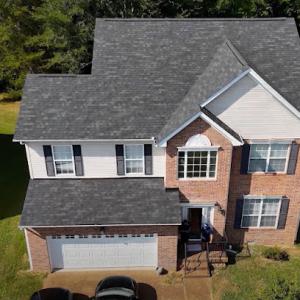
Mr. Roof Cleveland
Serving
4.8 from 476 reviews
Mr. Roof Cleveland is the premier roofing contractor in Cleveland, Ohio, serving homeowners with premium exterior solutions since 1962. We specialize in high-quality roof replacement and roof repair, often completing installations in just one day. As an Owens Corning Platinum Contractor, we offer industry-leading Lifetime Warranties on labor and materials. Beyond roofing, our team is expert in vinyl siding, replacement windows, gutters, and masonry. Whether you need emergency storm damage repair or a full exterior makeover, trust our licensed and insured team for honest pricing and free estimates. Experience why we are Cleveland, Caton, & Akron's top choice for residential roofing. Call today!
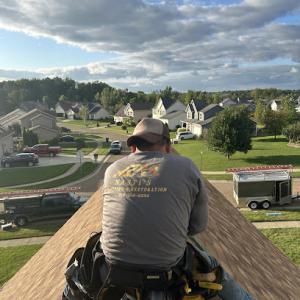
Nasti's Roofing & Restoration
(216) 650-4334 nastisroofing.com
Serving
5.0 from 79 reviews
Nasti’s Roofing & Restoration is a top-rated roofing contractor serving Cuyahoga, Geauga, Lorain, Medina, and Summit County. We specialize in asphalt and metal roofs, roof installations, replacements, gutter installation, siding, window installations, and all exterior restorations. As storm damage experts and insurance specialists, we help guide you through the claims process. We offer free emergency roof repairs and free roof inspections, available 24/7. As a CertainTeed Shingle Master, licensed, and insured, we provide fast, reliable service. Contact us today for a free estimate!
Radiant Roofing
(440) 840-4382 www.1radroof.com
Serving
5.0 from 53 reviews
Radiant Roofing is a family-owned roofing business in Northeast Ohio. We are your destination for help with insurance claims, and any residential or commercial roofing solution. Our experienced team specializes in crafting stylish and durable roofing structures, ensuring your property's protection from the elements year round. We are an Owens Corning certified contractor, and offer the best warranties in roofing. We can install traditional asphalt shingles, or metal roofing. We also install siding, windows, gutters and rooftop solar systems. We deliver unmatched quality and customer service for all your exterior needs!
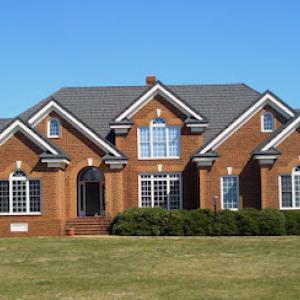
Erie Home
Serving
4.5 from 173 reviews
Since 1976, Erie Home has manufactured, supplied, and installed the best-performing roofing on the market. By providing ironclad warranties and convenient financing, we ensure that every homeowner we work with receives top quality service and value for their homes and properties. Erie Home professionals are the roofing company of choice in the greater Cleveland, OH area. Whether you need roof inspections or roof damage repair services, Erie Home has been the go-to roofing contractor for nearly 50 years because of our attention to detail and dedication to making sure our customers are satisfied with their results. Contact us today for a quote and see why we're the trusted roofing company Cleveland counts on.
Excellent Exteriors Roofing & Siding of Stow
Serving
5.0 from 11 reviews
Searching high and low for a quality roofing or siding contractor to handle your roof replacement or siding installation project? Well stop the search now because the guys over at Excellent Exteriors Roofing and Siding in Stow, Ohio have all of Summit County, Ohio and the remaining areas covered...pun intended when it comes to their roofing and siding needs. Furthermore, we also handle window installation, chimney repair and rebuilds and basically any exterior remodeling job you want to throw at us. Call us today for all of your residential and commercial needs and we'd love to provide you with a free estimate!
Tri-Kote Roofing
(440) 635-6285 www.trikoteroofing.com
Serving
5.0 from 3 reviews
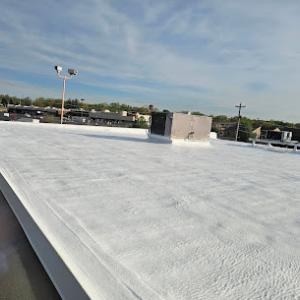
"We understand a roof affects much more than just what’s overhead. We believe in high-quality commercial roofing that’s designed to not just protect you from the elements, but free you from the burden of worry and costly energy inefficiency. We know roofing, of all things, does not have a one-size-fits-all solution, which is why we tailor our services to large commercial facilities throughout Northeast Ohio and their specific needs. We specialize in green commercial roofing solutions (Spray Foam roofing, cool roofing, reflective roofing, energy efficient flat roofing, and more) that help businesses increase energy efficiency, durability, and longevity and decrease costs and waste."
Great Lakes Home Remodeling
(216) 483-7741 greatlakeshomeremodeling.com
Serving
5.0 from 8 reviews
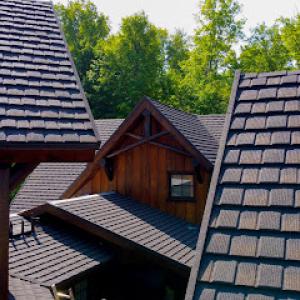
With over two decades of experience in the home improvement and Stone Coated Metal Roofing industry our Team has the knowledge, skills, and licensing to handle many different home renovations and permanent home solutions for our customers. Our goal is to offer you dependable and permanent home improvement services and craftsmanship. We provide premium roofing and siding products such as Stone Coated Metal Roofing, insulated siding and architectural fiberglass shingles for customers throughout Ohio, Michigan, and Indiana.
Rocket Roofing
(330) 800-7947 www.callrocketroof.com
Serving
5.0 from 37 reviews
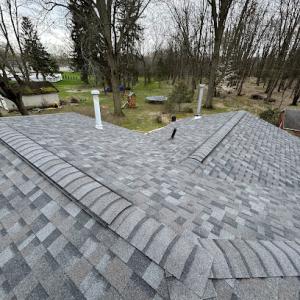
We build relationships with property owners who want peace of mind with their roof!
Maple Heights has a humid continental climate with cold winters and warm, wet summers, creating repeated freeze-thaw cycling that shortens roof service life. That cycle means water seeps into small cracks, freezes into ice, expands, and weakens shingle edges, flashing joints, and underlayment. Over time, that repetitive stress makes the fastest wear occur at vulnerable seams and around vents, chimneys, and skylights. In homes with asphalt shingles or composite layers, the freeze-thaw pattern shows up as granular loss, curling shingles, and sometimes early granule shedding after a harsh winter. In metal roofs, fasteners and panel seams face repeated contraction and expansion, and clay or concrete tile roofs may develop microcracks from bending with temperature swings. The result is not just a single storm hit, but a cumulative aging that quietly reduces wind resistance and water tightness.
Spring thaw combined with heavy rainfall is a local scheduling problem because roofs can trap moisture just as replacement season ramps up. After winter, residual ice damming and elevated moisture readings complicate the decision to replace or repair. If replacement is scheduled too early, lingering snow piles and saturated decks can slow work and stall inspections. If done late, new storms can introduce moisture into a roof still exposing stressed areas. Practically, plan for a window when temperatures stay above freezing consistently and the ground has dried enough to support crews and material movement. In Maple Heights, that means watching late March through May with careful contingency for late-season spring deluges.
When crews begin work during the thaw, moisture intrusion risk rises if flashing or underlayment are already compromised. Be prepared for longer dry-out times between rain events and for temporary protection over exposed roof areas. Work with the contractor to ensure drainage plan continuity while sections are opened. If sections of decking show soft spots or pronounced sag, address those before shingle replacement proceeds; misaligned or unsupported areas can fail under new material quickly. Keep a clear space around the home for equipment and ensure ladders and access points do not collide with ice-laden eaves, which can be slippery and dangerous.
Winter snow and ice increase access difficulty and raise the risk of moisture intrusion on already stressed roofs in this part of Northeast Ohio. Scheduling in deep winter should be avoided unless there is an emergency, since cold asphalt, frozen decking, and limited daylight complicate both work and curing of any sealing products. If a winter replacement is unavoidable, verify that crews use de-icing protocols and temporary coverings to protect exposed areas overnight. Snow removal from the roof is generally not a DIY task; trusted contractors manage safe removal to prevent material damage or personal injury. Incidentally, strong wind storms can drive additional moisture under edges, so post-storm checks are prudent.
After a harsh winter, inspect for curled edges, loose granules, and visible flashing gaps. In the spring, document hail impacts or wind damage, noting any moisture intrusion during thaw events. Take clear photos of damaged flashing, step joints, and vents, and keep a running log of weather events that correlate with roof issues. If insurance considerations come into play, your notes should align with observed signs of freeze-thaw stress and any storm-related impacts. When contacting a roofer, request a thorough inspection that includes attic ventilation, underlayment condition, and flashing integrity, since these are common failure points after Northeast Ohio cycles.
Asphalt shingles are the dominant local material, matching the practical needs of many Maple Heights homes. You'll also encounter metal roofing, clay and concrete tiles, wood shakes, and synthetic or composite shingles as homeowners explore longer-term options or specific aesthetic goals. Each material has its own behavior under Northeast Ohio conditions, so understanding how they handle heavy wind, hail, and the typical freeze-thaw cycle helps you choose a roof that aligns with your house's shape, slope, and exposure. For example, metal offers strong wind resistance and rapid shedding of hail impacts, while clay and concrete tiles bring excellent durability in hot sun and can be integrated with solid underlayment and flashing details. Wood shakes deliver a traditional look but demand precise attic ventilation and proper attachment to contend with Maple Heights' freeze-thaw stress. Synthetic shingles provide versatility and often better impact resistance, though their performance hinges on proper adhesive and flashing details. The common thread across all options is to pair the chosen material with a robust installation approach that accounts for local weather realities.
Freeze-thaw cycles make water-shedding detail critical at every termination point: ridge lines, hips, eaves, and along walls where flashing meets the siding. In Maple Heights, that means ensuring step-flashings, kick-out flashings, and valley intersections are continuous and well-sealed. Attachment quality is equally important; improper nailing patterns or missed fastener seals can open the system to moisture intrusion during thaw cycles. For asphalt, ensure architectural shingles are installed with compatible nails and proper cover at overhead projections to resist wind-driven infiltration during storms. For metal roofs, confirm that panel seams are sealed and that fasteners are corrosion-resistant and properly spaced to prevent water tracking. With clay and concrete tiles, the emphasis shifts to underlayment compatibility and secure tile interlock, since heavy frost can stress exposed edges. Wood shakes require carefully sealed joints and a weather-tight underlayment to avoid capillary movement. Synthetic shingles benefit from a quality adhesive system and correct flashing transitions to handle temperature swings.
Summer heat and humidity influence how roofing products perform during installation. Elevated temperatures can accelerate adhesive curing for certain products and affect the handling characteristics of underlayment and sealants. In contrast, cooler periods can slow nailing or fastening processes and alter the pliability of some materials. These factors matter when planning replacement timing by material, since you want to avoid weather-induced cure issues or delayed seals that linger into the fall. For asphalt and synthetics, working in consistently warm conditions often yields more reliable adhesive and sealant performance. For tiles and metals, hotter days can aid metal expansion and reduce the risk of micro-cracking in some installations, but require attention to proper expansion gaps and thermal movement joints. In all cases, the crew should prioritize a tight weather seal that remains effective after the first freeze-thaw cycle of the season.
Typical local pricing runs about $350-$600 per square for asphalt shingles, $600-$1100 for metal, $1200-$2300 for clay tile, $900-$1700 for concrete tile, $600-$1100 for wood shingles or shakes, and $400-$900 for synthetic/composite shingles. In practice, a Maple Heights project often winds up with a careful balance between roof pitch, reach of the rafters, and the existing underlayment. When you're evaluating bids, that range helps you spot a fair market quote and flag unusually low or high offers. For a basic asphalt replacement on a standard 20-square roof, plan around $7,000 to $12,000 before add-ons. If you're eyeing metal or tile, expect a bigger upfront investment, but weigh that against long-term durability in our freeze-thaw cycles.
Storms, especially hail and strong winds, can push Maple Heights pricing upward when insurance-funded reroofing work surges after Northeast Ohio events. If a hailstorm hits, you may see multiple crews in a neighborhood with accelerated timelines and a tighter supply of material options. That sporadic demand can compress bidding windows and affect scheduling. If you're negotiating after a storm, be mindful of how the insurer's timelines and your lender's requirements intersect with the crew's ability to source material and coordinate with the weather.
Timing matters in this area because temperature swings and late-season cold snaps slow installation or complicate flashing and underlayment work. Weather windows can stretch planning by days or weeks, and the sequencing of inspections (and back-to-back crew availability) influences when each phase happens. If you're coordinating a full roof replacement, expect potential pauses for a few days between tearing off and installing new underlayment, then again before final flashing is sealed. This is especially true in periods of heavy workflow after a storm.
Get a clear picture of your project costs upfront - no commitment required.
YICN Roofing (aka Your Insurance Claims Network)
(216) 999-4342 yicnroofing.com
Serving
5.0 from 118 reviews
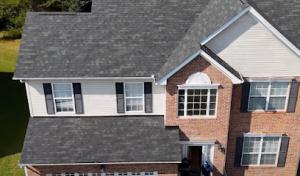
In Maple Heights, a full roof replacement typically triggers a building permit rather than being treated as purely over-the-counter maintenance. The city expects formal documentation, plan reviews, and a clear scope of work before any shingle removal begins. Treating a full replacement as a simple project can lead to hold-ups, rework, or even fines if the work advances without proper authorization. The permit process is not a formality; it anchors the job to the weather and climate realities of the Northeast Ohio area and helps ensure the new roof will perform under freeze-thaw cycles and seasonal storms.
The building department processes the permit after submission and then conducts inspections while the work is underway and again after completion. Inspections are not a single moment in time but a sequence that keeps the project accountable to local standards. In practice, inspectors commonly verify flashing, ventilation, and underlayment attachment. These components are crucial in this climate where ice dams, wind-driven rain, and rapid temperature swings can stress vulnerable details. If any element is not properly installed or tied into the rest of the system, a subsequent inspection failure can stall sign-off and require corrective work.
Weather and workload can occasionally delay sign-off, even when the job is otherwise progressing smoothly. Slower winter schedules, fluctuating temperatures, or short-notice storm repairs nearby can push inspection slots further out. That delay isn't just annoying-it can push your project into a tighter window for weather-sensitive stages like flashing and underlayment installation. A realistic expectation is to plan for the possibility of a few extra days beyond the initial schedule, especially in late fall and early spring when freeze-thaw cycles are at their most punishing.
Before the permit is submitted, confirm that the proposed scope aligns with the city's requirements for full roof replacements and that flashing details, ventilation strategy, and underlayment plan are clearly described. Prepare to provide shop drawings or product specifications if requested, and keep a clearly labeled sequence of work to show inspectors how combined elements will be installed. Once the permit is active, designate a single point of contact for all communications with the building department to avoid conflicting directions. Finally, keep a documented record of all inspections, notes from the inspectors, and any corrective actions taken, so the project can move forward without misunderstandings.
Spring thaw and heavy rainfall complicate tear-off timing and moisture management on exposed roof decks. Plan for extra days of drying time after wind-driven rain and use tarps or temporary enclosures to limit exposure. If a storm pulls in mid-project, coordinate with your contractor to pause work and reassess underlayment and ventilation once the deck is dry. Expect fluctuating temperatures that slow adhesive cures for some products and emphasize protected staging for materials.
Summer heat and humidity can change installation conditions for some products, especially where adhesive set and crew pacing matter. Schedule early-in-the-day starts to beat peak heat and plan shade or misting for crews during long days. Keep an eye on dew points and ventilation needs because higher humidity can affect roofing felt and vent performance. Ensure debris containment is robust to prevent heat-related damage to nearby siding or gutters.
Autumn storms and high winds in this market can interrupt active projects and increase debris exposure before winter arrives. Tie down loose materials, secure ladders, and build in 1-2 safe weather windows per week for strong wind days. Prioritize final sealant applications and flashing checks when a stable stretch of dry weather appears. Prepare for rapid shut-down if a sudden front brings gusts that threaten loose sheets.
Winter windows are short and often muddy. Cold temperatures slow curing and can affect roof deck moisture control after a late project restart. Use temporary covers for exposed valleys and verify that ice and water shield remains effective beneath the decking. Coordinate with crews for compact schedules around thaw cycles, and avoid full tear-offs during prolonged freezes. Keep routine inspections after storms to spot hidden damage and document moisture intrusion for insurance documentation and claim readiness. If crews must halt due to cold or snow, establish a written restart plan with dates, responsibilities, and a quick on-site rain plan to minimize deck exposure each time.
In this neighborhood, inspectors scrutinize flashing details as closely as they inspect the shingles themselves. Because Maple Heights inspectors pay close attention to flashing, local leak prevention depends heavily on detail work rather than shingles alone. That means you want meticulous corner maps, properly integrated step and counter-flashing around chimneys, vents, and dormers, and a reliable seal where roof-to-wall transitions occur. Skipping or rushing these specifics often shows up as hidden drips after a storm, even when the shingles look sound.
Ventilation is a recurring inspection point in this market, making attic airflow part of roof performance rather than a separate upgrade discussion. Poor attic ventilation traps heat and moisture, accelerating deck rot and softening underlayment under Northeast Ohio weather swings. You should expect the attic to feel breathable in hot days and to stay dry in winter melt cycles. The right balance of soffit, ridge, and powered options can reduce ice-damming risk and keep insulation performing, which helps prevent leaks that begin above the living space.
Skylight work is a meaningful specialty in this market, which reflects how penetrations and transitions become common leak points during Northeast Ohio weather swings. If a roof has skylights, ensure flashing around those assemblies is reinforced and the flashing hardware is optimized for seasonal temperature shifts. Pay particular attention to curb flashing, nailing fin alignment, and sealant integrity around any skylight flange. When storms push wind-driven rain, well-sealed penetrations can be the difference between a dry attic and a slow, creeping leak.
Winter thaw cycles and hail activity drive small flaws into larger issues quickly. A proactive homeowner checks for soft spots, peeling sealants, and any signs of moisture at joints after storms. If moisture is present, address it promptly through a guided assessment so that the underlying cause-often flashing, ventilation, or a penetration-receives targeted attention before it worsens.
Find contractors experienced in skylight installation, flashing, and leak repairs to bring natural light into your home.
YICN Roofing (aka Your Insurance Claims Network)
(216) 999-4342 yicnroofing.com
Serving
5.0 from 118 reviews
In a high-claim environment shaped by Northeast Ohio's freeze-thaw cycles, insurers expect a clean, organized photo set that shows both storm-related damage and the roof's prior condition. Gather images that clearly document missing shingle tabs, lifted flashing, hail impacts, dents in metal edges, and signs of wear on vent collars. Include close-ups of the roof deck, chimney flashing, and gutters, plus wide shots that situate the damage on multiple facets of the structure. Label each photo with date taken and the specific area shown, and keep a dated log of when each storm occurred, how long the leak or wind damage persisted, and any temporary repairs that were made.
Adjusters in this region commonly review prior damage history, so keep records of earlier repairs and past claim decisions. Compile receipts, contractor notes, and photos from previous roofing projects, exterior work, or attic moisture events. Document any prior claims, even if they were partially weather-related or did not result in a full replacement. A clear trail helps differentiate new storm damage from latent wear, which can influence settlement outcomes and the sequence of recommended work.
Because payout practices have shifted in recent years, Maple Heights homeowners should review depreciation and settlement terms before choosing repair versus full replacement. Look for how depreciation is treated in the settlement, whether it is applied upfront or recovered later, and what conditions trigger a full replacement versus a repair-only approach. When possible, secure a line-item estimate that differentiates temporary fixes from permanent remediation, and ensure the adjuster's scope aligns with the actual needs identified in the assessment, including flashing, ventilation, and underlayment details that commonly factor into full replacements.
Create a centralized file with digital copies and physical copies of every document, photo, and correspondence. Note dates of conversations with adjusters, insurers, and roofers, and keep a calendar of anticipated milestones-inspection dates, appraisal windows, and follow-up photo requests. In a Northeast Ohio climate, timely submission helps lock in the seasonal window for weather-safe repairs and reduces the risk of additional storm damage while a claim is pending.