
Last updated: Apr 19, 2026
Euclid's position directly on Lake Erie's shoreline means your roof Battens and shingles face relentless wind-driven gusts that can lift edges and loosen flashing long before a heavy storm arrives. Those exposed eaves and rake edges become weak points where wind can pries apart tabs, bend metal trim, and pull at cresting ridges. If you notice loose or curling shingle edges after a brisk autumn wind, don't delay-these signs are early warnings of vulnerabilities that can worsen with winter's ice and snow. Action now means catching small failures before they become costly leaks once lake-effect storms roll in. Start with a careful weekend roof walk or hire a local pro who understands how our wind patterns push against the south and east faces of homes along the shore. Tighten or replace loose edge abutments, re-seal any compromised flashing, and confirm that drip edges are properly seated to shed water away from fascia boards.
Cold, windy winters in this part of Northeast Ohio make ice damming a recurring concern, especially where attic heat loss meets snow accumulation at the eaves. When warm attic air melts a layer of meltwater on the roof, the water refreezes at the colder eaves, forming ice dams that back up into soffits and cause leaks under shingles and flashing. The combination of lake moisture and stubborn cold can create rapid ice buildup along valleys and vent openings. Regularly check attic insulation and air sealing, ensuring no gaps allow warm air to migrate to the roof deck. In late fall, before heavy snow, measure attic temperatures near the top plate and around penetrations-if you can feel warmth or see frost patterns forming sooner than expected, it's a signal to upgrade insulation and seal leaks. For immediate relief, clear gutters and downspouts of debris so meltwater has a clear path off the roof, and consider a timely installation of ice and water shield along eaves and above the most vulnerable flashing.
Autumn wind events before winter are a local risk period because loosened shingles and metal trim can fail before snow and ice arrive. Shingles that loosen during October storms leave bare edges exposed to the first cold fronts, and loose metal trim can flap and tear under the bite of wind, lifting underlayment and exposing deck fasteners. This is when small gaps become channel for water intrusion once snow and ice arrive. Prioritize a pre-winter roof shakeout: inspect all shingles for lift or curl, secure loose metal trims, reseal any flashing underlayment, and verify that vent boots and chimney flashing sit flush against the roof line. If you find damaged ridge caps or cracked flashings, address them promptly to prevent wind-driven leaks from sneaking into the attic.
Perform a targeted, street-smart inspection after a windy day: walk the roof visually from the ground if safe, looking for lifted edges, missing granules, or torn flashing. Climb only if you know the roof is structurally sound and you have a stable ladder setup. Inside the attic, look for light patches around flashing, damp insulation, or signs of thaw-refreeze cycles near eave lines. If any issue is detected, bring in a local roofing expert who understands our lake-adjacent climate and how wind, ice, and heat interact on typical Euclid homes. The goal is to stop small failures from becoming big repairs when the first major winter systems begin to move in off Lake Erie.
In the shoreline-exposed pattern of Lake Erie's weather, wind and hail damage can appear suddenly on a roof that otherwise looks solid. In Northeast Ohio, insurers commonly cover wind-hail roof damage when the homeowner can provide clear documentation and condition evidence. Start by photographing the roof from multiple angles on calm days if possible, then add images taken soon after a storm-focus on missing shingles, lifted edges, loose flashing, dented metal, and visible granule loss. Keep a dated record of any interior signs of water intrusion, such as staining on ceilings or attic mold. If you have prior roof project notes or inspection reports, gather those as well. The goal is to establish a verifiable before-and-after narrative that ties the damage to a specific weather event rather than gradual wear.
Adjusters in this market may ask for photo sets and roof condition reports before approving repair or replacement scope. Expect to provide a professional assessment if you can, as well as a straightforward timeline of when damage was first observed and reported. A roof condition report should note integrity of flashing around chimneys, vents, and valleys, the state of edge and hip shingles, and the ventilation balance in the attic (including any signs of ice damming or condensation). If a contractor's estimate is part of the file, ensure it clearly ties each repair item to observed damage rather than to speculative future needs. Be prepared to answer questions about prior repairs, attic insulation, and any seasonal ice damming patterns you've experienced, since these details affect the claim's scope and downstream decisions.
Depreciation is a meaningful factor in local claim outcomes, so older Euclid roofs may see different settlement expectations after severe weather. Insurance policies can address the remaining useful life of components when calculating actual cash value versus replacement cost. When a wind-driven event damages a roof, the depreciation tied to shingles, underlayment, and flashing can influence how much is paid upfront versus later. A documented age, installation quality, and maintenance history help the adjuster determine whether depreciation should be applied to specific materials or the entire project. If the roof is nearing the end of its expected life, be prepared for conversations about whether replacement or repair aligns with policy terms and the condition evidenced in your documentation.
Ice damming and rapid moisture swings emphasize edge protection and ventilation. Insurers will want to see how damage locations correspond to eave edges, valleys, and flashing overlaps. Clear photos of ice dam buildup on the eaves, along with attic ventilation indicators such as intake and exhaust balance, can be decisive in validating a claim. If you notice recurring ice damming, document the timing and duration of the events, including snowfall depth, temperature fluctuations, and any prior repairs aimed at mitigating ice buildup. This helps establish a connection between weather-driven stresses and the observed damage, which supports a more appropriate scope and settlement.
A practical approach is to compile a consolidated claim package: a dated photo log, the roof condition report, any prior inspection or maintenance records, and a written summary of observed damage correlated to a specific storm event. Communicate clearly with the adjuster about where water intrusion has been observed inside the home and how it aligns with roof surface damage. If the initial scope seems undersized, request a re-inspection with a focus on flashing integrity and vented attic conditions, where wind and cold snaps often cause overlooked issues. In Northeast Ohio, persistence and precise documentation pave the way toward a fair outcome that reflects the actual storm impact on a roof built to withstand our temperamental winters.
Connect with contractors who help homeowners navigate the claims process from damage assessment to final approval.
Northeast Roofing Solutions
27401 Tungsten Rd Suite B, Euclid, Ohio
5.0 from 10 reviews

Ken's Parkhill Roofing
(216) 284-9438 parkhillroofing.com
26981 Lakeland Blvd, Euclid, Ohio
5.0 from 372 reviews
Ken’s Parkhill Roofing is a family-owned Euclid, Ohio-based team of experienced, reliable roofing contractors. We provide a selection of top-notch roofing and construction services for home and business owners in the Cleveland area. Through a focus on trustworthy, reliable work and stellar customer service, we have become one of Cleveland’s highest-rated roofing teams.
Northeast Roofing Solutions
27401 Tungsten Rd Suite B, Euclid, Ohio
5.0 from 10 reviews
Serving northeast Ohio on all your exterior needs. We specialize in insurance restoration. Call any time to schedule a free inspection
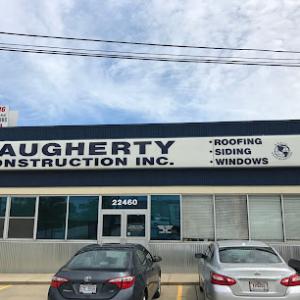
Daugherty Construction
(216) 731-9444 www.daughertyconst.com
22460 Lakeland Blvd, Euclid, Ohio
4.4 from 39 reviews
We have been at our present location, 22460 Lakeland Blvd, since June 2002. The years of experience serving each of our customer's individual needs in both residential and commercial construction have made us one of the outstanding roofing, siding and window contractors in Northeast Ohio. We are proud to give our customers only the finest quality materials and prompt, reliable, and friendly service. Our team of trained professional craftsmen utilize modern equipment to assure that the job is done properly and efficiently the first time. Our quality and dedication to service are extended to each and every job. We are a unique service company concerned about your individual roofing, siding, concrete, gutter, and window needs.
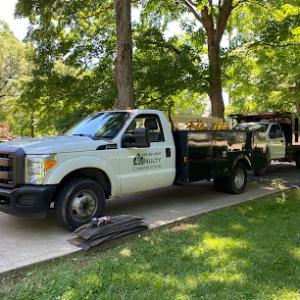
McNulty Construction
23300 Lakeland Blvd, Euclid, Ohio
4.0 from 21 reviews
We are a family-owned business providing the following services and more: roofing, siding, windows, kitchen and bath remodels, decks, additions, gutters, gutter cleanings, roof repairs, painting, insulation, and ventilation. We are also accredited by the BBB. Please feel free to contact us via our phone number or visit us in person at 5551 Wilson Mills Rd, Highland Heights OH 44143.
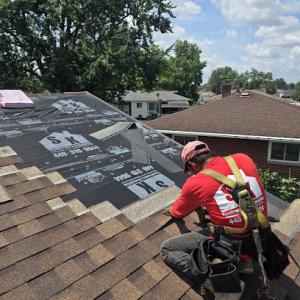
S&K Construction
(440) 307-2060 www.skroofingandconstruction.com
Serving
5.0 from 29 reviews
Google My Business Description (Roofing in Wickliffe with Financing): At S&K Construction and Remodeling, we’re proud to be Wickliffe’s trusted choice for roofing services. As an **Owens Corning Preferred Contractor, we provide expert **roof replacements, roof repairs, and new roof installations** designed to protect your home for years to come. We understand that a new roof is a big investment, which is why we offer roofing financing options to make your project affordable without sacrificing quality. Whether you need a complete roof replacement or emergency repair, our team
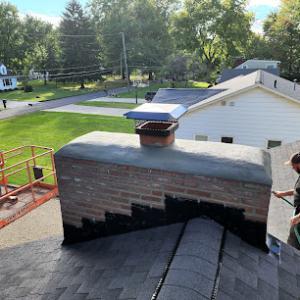
Structure Roofing Company
(440) 943-4705 structureroofs.com
Serving
4.6 from 29 reviews
Structure Roofing Company, Inc provides home improvements including roofing, siding, gutters, soffits, insulation chimneys, decks, Garage’s, sun rooms, additions 24-hour service to the lake Geauga Cuyahoga county area’s
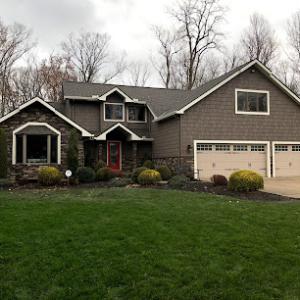
Savant Building Solutions
(440) 613-8297 www.savantroofing247.com
Serving
4.8 from 129 reviews
At Savant Building Solutions we are a trusted local roofing company with over 30 years of experience providing top-quality roofing solutions to our community. Our impeccable track record of reviews reflects our unwavering commitment to exceptional craftsmanship, reliability, and customer satisfaction. Whether it’s roof repairs, replacements, or new installations, we use only premium materials and industry-best practices to ensure long-lasting results. As a locally owned and operated business, we pride ourselves on building strong relationships with our clients, offering honest assessments, competitive pricing, and personalized service tailored to your needs. When you choose Savant Building Solutions your choosing piece of mind for your home

Northcoast Roofing
(216) 741-2841 northcoastroofinginc.com
Serving
4.9 from 38 reviews
NorthCoast Roofing is a Roofing Contractor located in Highland Heights, OH. We specialize in Roofing Services, Roof Repair, Roofing, Roof Removal, Roof Replacement, Roofing Company, Roofing Contractors, Emergency Roof Repair, Residential Roofing Services, and Commercial Roofing Contractors. Welcome to NorthCoast Roofing INC, where we take pride in providing you with exceptional remodeling services at competitive prices. From roofing and siding services to gutters and windows, rely on our skilled team to get the job done right the first time. Contact us today for more information and services!
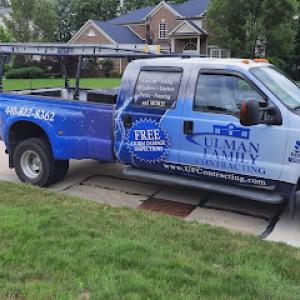
Ulman Family Contracting
(440) 822-8362 www.ufcontracting.com
Serving
4.8 from 218 reviews
We are a general contractor who specializes in storm restoration work
3rd Generation Home Improvements
(440) 850-5592 3rdgenerationhomeimprovements.com
Serving
4.7 from 171 reviews
Best roofing, siding, windows, doors, gutters, masonry, railings, aluminum awnings, and gutter guards contractor. Serving the greater Cleveland area specializing in expert roof replacement, vinyl siding, replacement windows and doors. Our services range from full jobs to siding repair, roof repair, to installing shutters, vinyl windows, and patio sliders. Our expert representatives help with storm damage and the experienced installers will transform your home with vertical siding and vinyl shake. We are a licensed, bonded and insured locally owned and operated home improvement company specializing in roofing, siding, windows, doors, gutters, gutter guards, masonry and railings.
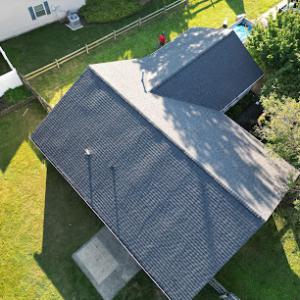
Right Hand Man
(440) 210-8787 www.righthandman-oh.com
Serving
4.9 from 27 reviews
"Right Hand Man: Standing beside you from concept to completion."

John Brick Construction
(216) 383-9760 johnbrick.construction
Serving
5.0 from 2 reviews
BBB Accredited Roofing Contractor that has been serving the Greater Cleveland area for over 35 years. Founded by John Brick in 1984.
A full re-roof in this area typically requires a building permit through the city building department. The process is straightforward but must be started before any material delivery or roof work begins. The permit serves as a formal record that the project complies with local codes for structural changes, venting, flashing, and underlayment. Missing permits can lead to stop-work orders or penalties when a neighbor or inspector notices work underway without proper authorization.
In most Euclid jobs, the contractor handles the permit paperwork rather than the homeowner. This is common practice because roof projects involve multiple code requirements and inspection points that are easiest to coordinate through the licensed professional on site. Ensure the contract clearly states that the contractor will file the permit and schedule inspections. It's prudent to verify the contractor's license status and the city's current permit turnaround expectations before signing.
City inspections are typically scheduled during the project and after completion to verify installation details. Expect checks at key stages, including the installation of underlayment, proper ventilation, and flashing. Inspections help confirm that the roof system will resist Lake Erie conditions-cold winds, ice damming, and moisture swings. A good inspector will look for adequate attic ventilation to prevent condensation buildup, confirm underlayment coverage without gaps, and verify drip edges and step/flashing connections around chimneys and vents.
Coordinate with the contractor to designate inspection windows that align with weather and material supply. For the underlayment stage, make sure access points to the attic are clear so inspectors can verify ventilation pathways and soffit-to-ridge airflow. If a vented soffit system or ridge vent is part of the plan, have the contractor demonstrate how it integrates with existing soffits and eaves to prevent wind-driven moisture issues. Before the final inspection, confirm that all flashing around chimneys, skylights, and wall transitions is sealed and that any antenna mounts or strap hardware are properly flashed and sealed.
Weather is a constant factor in this area, and inspections may be delayed by snow or ice. If a delay occurs, keep documentation of the work already performed and communicate anticipated milestones to the city and the inspector. If a deficiency is noted, address it promptly with the contractor and confirm a re-inspection date so the project can move forward without code compliance gaps. Remember that a well-coordinated permit and inspection plan reduces the risk of wind-driven roofing failures and ice dam-related setbacks after completion.
In Euclid, late spring through early fall is the preferred replacement window because winter access, ice, and spring moisture can disrupt tear-off and dry-in timing. When the lake breeze shifts from a sharp, frozen edge to a wetter, more variable spring, crews can lose days waiting for frost to retreat and for underlayment to dry. Plan tear-off before the peak heat of summer, but allow a little cushion for sudden storms, and coordinate with the crew to minimize rain delays that can compromise drying times and ventilation checks.
Spring thaw and heavy rains in this region can expose weak flashing and underlayment and may delay scheduled roofing work. Expect occasional mudwork and perched runoff that can saturate sheathing. Inspect flashing at the eaves, around chimneys, and where vents meet the roof line as soon as the thaw begins, because lingering ice and moisture can reveal gaps that started as hairline cracks in the prior season. If you notice peeling back or corrosion on step or apron flashing, address it before the next storm cycle to prevent ice dam problems from forming anew.
Humid summers around Lake Erie can affect asphalt performance and exposed fasteners during installation and aging. High humidity accelerates resin expansion in some shingle types and can momentarily affect adhesive tack when you're installing underlayment or asphalt shingles. Choose a crew that structures installs to avoid heat-soaked periods and uses corrosion-resistant fasteners and rust-preventive sealants. During the aging phase, heat and sun exposure can loosen edge fasteners, so confirm that the ridge caps and drip edges are secured with a pattern that resists wind uplift on hot days.
Lake Erie's winter winds add a layer of complexity that carries into late fall preparations. While the primary heavy season is winter, the season ahead should include a wind-resilient fastener pattern and a robust drip-edge strategy to manage rapid temperature swings. For damage prevention, ensure that the roof-line maintains continuous underlayment and that snow guards or proper valley protection are in place where ice tends to back up along eaves. This proactive approach helps prevent wind-driven shingles from lifting and reduces the risk of ice damming after the next thaw.
Get a clear picture of your project costs upfront - no commitment required.
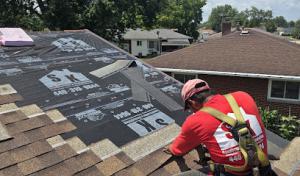
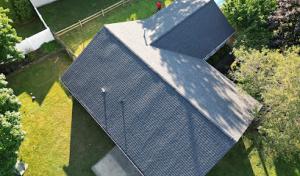
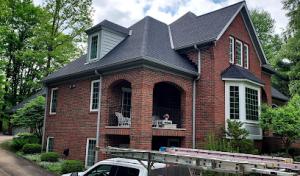
Asphalt shingles dominate the market, and you'll see them on a large share of homes in town. The cost range you should expect is about $450 to $900 per square installed. In practice, you'll notice pricing tightens after a Lake Erie wind event, when local crews are in high demand and scheduling becomes crowded. A full replacement often highlights flashing and underlayment updates alongside the visible shingle work.
Metal systems offer durability against wind and freezing cycles, but the upfront price reflects the added materials and fasteners. Expect roughly $700 to $1,400 per square. After a harsh storm, supply and crew availability can push quotes higher for metal, especially if mistakes in flashing or vent detailing are found during inspection. Consider how panel profiles and underlayment choices affect long-term performance in cold snaps.
Clay tiles bring long-term durability but require a solid roof deck and careful installation. The installed cost commonly falls in the $1,100 to $2,000 per square range. In a lakefront climate, the weight, wind resistance, and precise flashing around chimneys and vents drive bid variations-particularly when an inspection reveals deck or underlayment needs beyond the visible tiles.
Concrete tiles are a practical alternative with robust weather resistance, typically priced from about $1,000 to $2,200 per square. The winter storm cycle can influence scheduling and material availability, creating price pressure during busy periods. As with clay, expect attention to flashing and underlayment and potential reinforcement considerations if the existing roof structure shows wear from repeated freeze-thaw cycles.
Wood options run in the neighborhood of $700 to $1,500 per square. In Erie-adjacent conditions, wood products can be more sensitive to moisture and temperature swings, which may affect installation pace and warranty coverage. After wind events, crews often assess ventilation and underlayment compatibility to ensure that exposed edges and rafter tails aren't stressed by ice damming alongside visible shingles.
Synthetic or composite shingles sit between asphalt and higher-end options, with typical pricing around $600 to $1,200 per square. These systems can be appealing for their lighter weight and varied aesthetics, but local storm cycles can still tighten scheduling and push costs if replacement scope expands to include enhanced ventilation detailing and careful flashing assessments discovered during inspection.
Asphalt shingles are common in Euclid because they fit the area's mainstream housing stock and replacement budgets, but they are vulnerable to wind lift and summer heat aging. In lakeside neighborhoods, high wind events can grab loose edges, especially on homes with modest overhangs or marginal edge detailing. Heat from long summer days can accelerate granule loss and edge curling, letting UV exposure weaken the shingle mats over time. When choosing asphalt, invest in high-wind-rated shingles and ensure the flashing around chimneys and skylights is robust. A thoughtful installation with proper nailing patterns and careful inspection of edges can extend life despite the lake's gusts.
Metal roofing is a relevant local upgrade option where homeowners want better resistance to wind exposure and snow-shedding behavior near the lake. In Euclid, metal panels provide a tight, weatherproof barrier that resists the repeated slap of ice and the fatigue from fluctuating temperatures. Proper underlayment and solid fastener schedules are essential to prevent wind-driven leaks at roof-to-wall transitions. Pay attention to panel seams and edge details where wind can siphon under the roof line if flashing isn't continuous. A metal roof can also reduce ice dam buildup by encouraging uniform heat distribution, but it requires careful sizing of fasteners and venting to match Northeast Ohio's freeze-thaw cycles.
Clay and concrete tile exist in this market but require attention to structural load, flashing quality, and freeze-thaw durability in Northeast Ohio conditions. These tiles are heavy, so the roof structure must be evaluated to carry the extra weight, especially on older homes. Proper underlayment and flashing around ridges, hips, chimneys, and roof penetrations play a critical role in managing water infiltration during rapid temperature swings. Freeze-thaw cycles near the lake can cause cracking if tiles or their bedding are not properly chosen for local climate. If tile is a desired aesthetic, pair it with a reinforced deck and high-quality, corrosion-resistant flashing to maintain long-term performance.
Explore specialists in steel, aluminum, and standing seam metal roofs built to last 50 years or more.
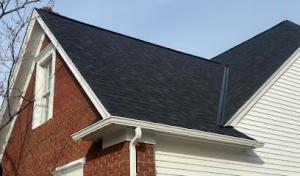
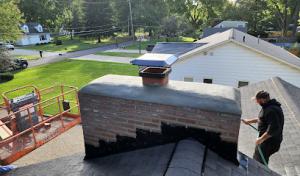
Chimney-related roofing work is notably common in Euclid's contractor market, reflecting the area's older housing stock and masonry roof intersections. When masonry and asphalt or metal roofing meet, the seam where brick, stone, and flashing press against the deck becomes a chronic weak point. If a chimney isn't properly supported, sealed, and flashed, you may notice damp spots near the lower shingles, icicles along the crown, and frequent need for resealing after winter storms.
Spring rain and freeze-thaw cycling in Northeast Ohio can expose weak counterflashing and step flashing around chimneys. The cycle of warming, freezing, and re-freezing widens any gaps, allowing water to track under shingles and into the roof deck. Look for hairline cracks at the base of the chimney, rust on metal flashings, or dark staining along the brickline where water runs. If you see granular loss or curling shingles near a chimney, treat it as a warning sign that the flashing may be compromised. Have a careful inspection that includes both the interior attic and the exterior roofline to confirm whether water intrusion is limited to surface staining or has penetrated the deck.
Skylight service is a meaningful specialty locally, making curb and flashing details an important inspection point on Euclid homes with roof penetrations. Skylight surrounds can develop dried sealant, loose fasteners, or deformed curb edges after winter winds. A common scenario is flashing that has shifted or warped, allowing rain to seek its own path around the unit. Pay attention to condensation in the skylight well, foggy glazing from interior leaks, or staining along adjacent ceiling joints. When resealing, ensure the curb is square, the flashing lap is continuous, and that appropriate sealant choices match the climate's freeze/thaw pattern. Regular checks now can prevent a larger, messier leak once spring rains arrive.
Find contractors experienced in skylight installation, flashing, and leak repairs to bring natural light into your home.
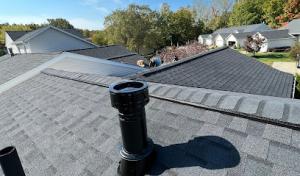
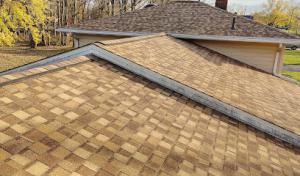
In this market, flat-roof specialization exists but is not the dominant path, so attention is focused on the select additions and garages that push a low-slope section into the roof system. Spring thaw and heavy rains tease weaknesses at these transitions, especially where a low-slope addition adjoins a steeper main roof. Start with a quick exterior scan after storms: look for pooling water, wispy edge flashing, and any soft spots along the perimeter of the addition. The goal is to keep water moving toward the drainage paths rather than toward the interior seams.
In Euclid, underlayment should be continuous across the entire boundary where the flat section meets a steeper roof. Inspect a consistent drip edge and ensure the transition from shingles to the flat surface is seamless, with properly integrated counter-flashing at any vent stack or dormer tie-ins. Where garage or porch roofs meet the house, confirm that the flashing rises high enough to shed water over the edge and that the slope remains adequate to avoid ponding. Flashes should be overlaid with a durable sealant at joints and penetrations, and all penetrations-pipes, attic vents, and skylights-need matched seal details that resist lake-effect temperature swings.
Each spring, test drainage by placing a light rain simulation along the flat perimeter and watching for slow runoff or sags. Clear any debris from scuppers or parapet edges and confirm that drip edges and gutter lines stay aligned with the roof edge. If ice damage is suspected at transitions, head off moisture intrusion by resealing the flashing and reseating any loose fasteners before the next thaw. In areas where a steep roof meets a low-slope addition, verify that the overlap remains intact and that ventilation paths remain unobstructed.
Find specialists in TPO, EPDM, and built-up flat roofing systems for residential and commercial properties.
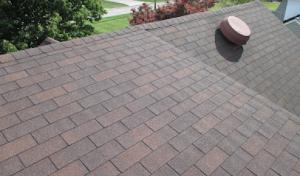
Walker Roofing & Construction
(440) 527-3039 walkerroofingandconstruction.com
Serving
4.9 from 215 reviews
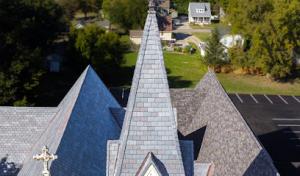
In Euclid, projects are commonly full re-roofs rather than minor patch jobs, so the warranty on the complete system installation matters more than any single-area repair. A true system warranty often covers underlayment, flashing, ventilation components, fasteners, and shingles as a cohesive package. If a claim arises from a latent defect, the insurer or manufacturer may look at the entire roof assembly rather than treating it as separate fixes. That makes the difference between a quick fix and a longer, more disruptive repair later on.
Local inspection focus centers on ventilation and flashing, where workmanship disputes tend to concentrate. A timely, properly sealed drip edge, kick-out flashing, valley protection, and ridge vent integration can make or break a warranty's validity. If moisture issues surface after a storm or freeze-thaw cycle, the root cause is often related to installation details rather than the shingle brand itself. A clear, documented inspection path that confirms correct attic ventilation, baffle placement, and flashing overlaps helps keep a warranty claim from being tangled in technicalities.
Manufacturer-backed warranty offerings are present in the local market but are not universal, so homeowners should verify what is actually included. Some packages shift coverage when non-approved components are used or when maintenance steps are skipped. The fine print can affect protection for leaks around roof penetrations, ice dam-related damage, or wind uplift scenarios. It pays to confirm whether the warranty transfers if ownership changes, and whether there are maintenance intervals that void coverage.
When choosing a contractor, request a detailed written warranty that specifies the scope of coverage, duration, and what triggers a claim. Ask for a separate workmanship warranty that explicitly covers flashing, ventilation, and edge details beyond the shingle material. Keep a simple maintenance log and retain supplier manuals. If a claim is needed after a harsh Lake Erie's seasonal swings, a well-documented, system-focused warranty bundle offers the clearest path to durable protection.