
Last updated: Apr 19, 2026
Solon homeowners deal with both heavy winter snow loads and spring hail and wind events, creating a two-season damage pattern that often turns small roof weaknesses into full replacement decisions. In the dead of winter, the weight of snow and ice sits on the shingles and underlayment, testing valleys, vents, and skylights. When spring arrives, hail strikes and gusty wind can puncture or loosen shingles, accelerating leaks and accelerating the need for a comprehensive replacement rather than a patch. That dynamic makes timely assessment after any storm essential, because a minor nailing failure or micro-crack today can become a major roof defect next season.
In cold winters, ice dam risk is a practical roofing issue because repeated freeze-thaw cycles can back water up at eaves after snow accumulation. If heat escapes from the attic or there are ventilation gaps, that meltwater refreezes along the eave line, forcing water to creep under shingles and into the decking. Over time, this can rot the roof deck and fascia, warp soffits, and jeopardize interior ceilings and insulation. The simplest symptoms-streaky staining on interior walls, damp attic insulation, or a handful of warped shingles after a thaw-should trigger a closer look from a qualified roofer. Do not assume a temporary fix will hold through another winter; the next freeze-thaw cycle will compound the damage.
Northeast Ohio insurers commonly ask for dated photos, inspection notes, and contractor estimates after hail or wind events, so timely documentation matters. Immediately after a storm, photograph all affected roof areas from multiple angles, including close-ups of damaged shingles, exposed decking, and any visible gutter or flashing issues. Keep dated notes from roofers or inspectors about observed damage, and obtain contractor estimates that clearly itemize needed repairs versus full replacement. Having this information ready when an insurance adjuster visits can keep the process moving and reduce back-and-forth delays. If you can, arrange a professional inspection within days of a storm so your documentation reflects current conditions rather than speculative conclusions.
After a storm or a severe freeze, start with a temporary, weatherproofing measure to prevent further interior leakage: tarps or heavy-duty plastic sheeting secured over the affected area, careful sealing at penetrations, and removing snow from any recessed areas where leaks are suspected. Schedule a roof evaluation as soon as practical, prioritizing visible leaks, sagging decking, and damaged flashing. Communicate clearly with your insurance adjuster about weather-related damage patterns typical to this market-ice dam formation on eaves in cold snaps and impact damage from spring hail are common in this area. If a roof is flagged for replacement, insist on a complete assessment of underlying decking, ventilation, and flashing, not just surface shingles, to ensure the solution stands up to two Ohio seasons again.
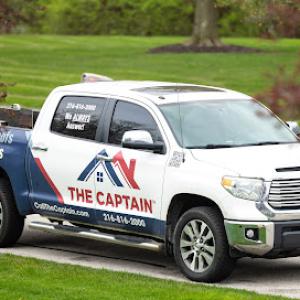
The Captain
(216) 816-2000 www.callthecaptain.com
34194 Aurora Rd Ste 129, Solon, Ohio
5.0 from 83 reviews
Local business. Family owned. We offer windows, roofing, siding, gutters, fencing, and decks. Superb quality. Impeccable service. If you're looking for a home exteriors contractor near you, look no further! Call the Captain!!

The Third Estimate Corporation
(216) 937-2030 thethirdestimate.com
30500 Solon Industrial Pkwy, Solon, Ohio
4.8 from 1260 reviews
The Third Estimate has served our community in Northeast Ohio since 1996. We are a family-owned and locally operated business in Solon, Ohio. Our company strives to provide superior customer service, integrity, and trust. We take pride in our top-notch craftsmanship, so we only offer the best high-quality products in the exterior home improvement market for roofing, windows, siding, and gutter systems. Our professional team strives to ensure budget-friendly prices and options while listening carefully to our customers to meet their needs and wants.

Busy Bee Restoration
(844) 766-3233 letsreviveyourhive.com
34194 Aurora Rd #313, Solon, Ohio
4.5 from 35 reviews
Busy Bee Restoration, Inc. specializes in all facets of storm restoration construction. Destructive weather does not only affect residential homes, it also damages small businesses, retail stores, apartments, condos and houses of worship. We have an excellent, knowledgeable and supportive team that is able to walk you and/or your business through the process from beginning to completion. Contact us to receive a free inspection today.
All - Star Roofing
(216) 332-0098 www.all-starroofingco.com
34194 Aurora Rd, Solon, Ohio
4.8 from 17 reviews
You will be very glad when you select All-Star Roofing as your roofing contractor. Our dependable service, fairness, and superior-quality workmanship will speak for itself. As a proud member of the Better Business Bureau, we have had an A+ rating for the 23 years of being in business. Call now for a free estimate.
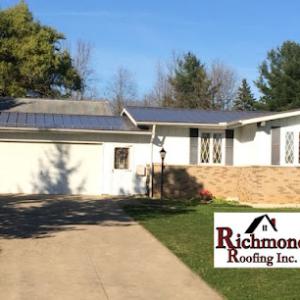
Richmond Roofing
(440) 394-8200 richmondroofinginc.com
30845 Solon Rd, Solon, Ohio
4.4 from 27 reviews
At Richmond Roofing, we’re your trusted roofing contractor in Solon, OH. From roof inspections, to roof tear downs, to roof replacements, we handle every project with honesty, care, and expert craftsmanship. Our goal is to make roofing stress-free by delivering high-quality work and clear communication from start to finish. With over 500 satisfied customers, we’re proud to provide reliable service that protects your home and adds value. Need a roof replacement in Solon? Contact Richmond Roofing today for a free estimate and peace of mind.
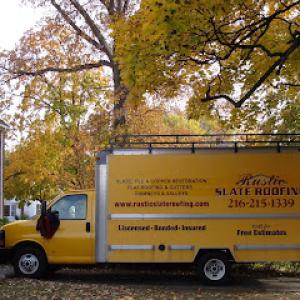
Rustic Slate Roofing
(216) 215-1339 rusticslateroofing.com
30815 Solon Rd, Solon, Ohio
4.1 from 10 reviews
Whether you need a new roof or just a few slates or tiles replaced, you deserve Rustic Slate Roofing's Old World Craftmanship. You deserve craftsmen that take pride in their work and understand the extra effort required to properly install or repair slate and tile roofs.
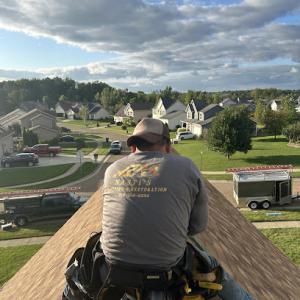
Nasti's Roofing & Restoration
(216) 650-4334 nastisroofing.com
Serving
5.0 from 79 reviews
Nasti’s Roofing & Restoration is a top-rated roofing contractor serving Cuyahoga, Geauga, Lorain, Medina, and Summit County. We specialize in asphalt and metal roofs, roof installations, replacements, gutter installation, siding, window installations, and all exterior restorations. As storm damage experts and insurance specialists, we help guide you through the claims process. We offer free emergency roof repairs and free roof inspections, available 24/7. As a CertainTeed Shingle Master, licensed, and insured, we provide fast, reliable service. Contact us today for a free estimate!
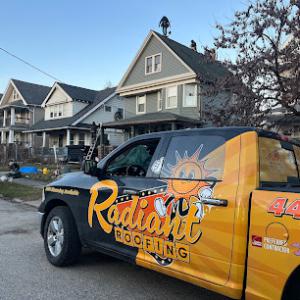
Radiant Roofing
(440) 840-4382 www.1radroof.com
Serving
5.0 from 53 reviews
Radiant Roofing is a family-owned roofing business in Northeast Ohio. We are your destination for help with insurance claims, and any residential or commercial roofing solution. Our experienced team specializes in crafting stylish and durable roofing structures, ensuring your property's protection from the elements year round. We are an Owens Corning certified contractor, and offer the best warranties in roofing. We can install traditional asphalt shingles, or metal roofing. We also install siding, windows, gutters and rooftop solar systems. We deliver unmatched quality and customer service for all your exterior needs!
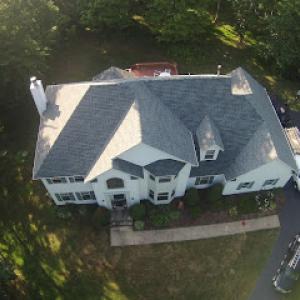
JD Roofing & Exteriors
(866) 504-7663 www.jdroofing.co
Serving
4.4 from 21 reviews
J.D. Roofing and Exteriors provides commercial and residential roofing installation, repair and maintenance in the Northeast Ohio region including Akron, Alliance, Canton, Cleveland, Parma, Youngstown, and the surrounding areas. No matter the scope of your residential or commercial roofing project, our reliable roofing team pledges to work quickly, efficiently, and with minimal disruption to your home & work life.
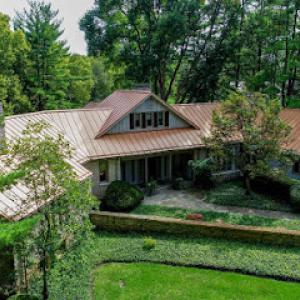
Lake Erie Metal For Shingles
(216) 777-4000 lakeeriemetalforshingles.com
Serving
4.9 from 77 reviews
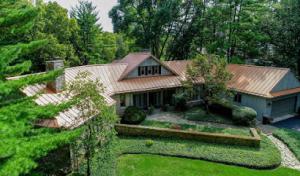
Lake Erie Metal for Shingles is proud to service Cleveland, Solon, Boston Heights, Chagrin Falls, Aurora, Westlake, Hunting Valley, Macedonia, Cuyahoga Falls, Moreland Hills, Gates Mills, Strongsville, Akron, and greater Northern Ohio with Metal Roofing Services, offering Rib Metal, Standing Seam Metal, and Metal Shingles for both Residential and Commercial Properties, Family Owned, Amish Installed. Our Metal is Class 4 Rated for Fire, Wind, and Hail. With a 40+ Year Guarantee and 24 Colors to Choose From.
YICN Roofing (aka Your Insurance Claims Network)
(216) 999-4342 yicnroofing.com
Serving
5.0 from 118 reviews
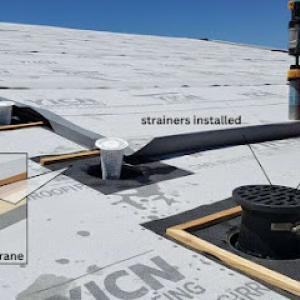
YICN Roofing is a trusted, locally owned roofing company based in Cleveland, OH, proudly serving homeowners and businesses throughout Northeast Ohio. We specialise in roof repair, roof replacement, storm damage restoration, siding, gutters, emergency tarping, and skylight upgrades. Backed by years of experience and a 5-star reputation, our team delivers high-quality craftsmanship, honest inspections, and full insurance claim support. Whether you need emergency roof repairs or a complete exterior renovation, YICN is committed to protecting what matters most - your home and your peace of mind. Our licensed and professional team is committed to quality, reliability, and customer satisfaction. Call us today for a free estimate or storm damage
The Durable Slate Company
(216) 751-0151 www.durableslate.com
Serving
4.5 from 24 reviews
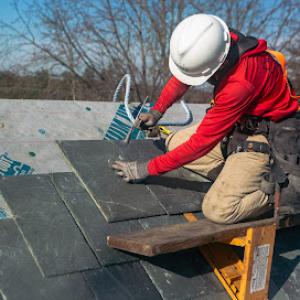
Established 1986, The Durable Slate Company provides expert historic and specialty roof services, including slate roof repair, clay tile roof installation, and copper gutter repair. Our Cleveland branch services Cleveland, Akron, Toledo, and Youngstown, as well as western Pennsylvania and other local regions. Historic roofing is our passion and we strive to treat every job, from minor slate roof repairs to comprehensive copper steeple restorations, with the same level of respect and attention. Our estimators never work on commission, so you can be confident that their recommendations are for the good of your roof. And with the best craftsmen in the industry, your slate, clay tile, or copper roof is in the best possible hands.
In this area, asphalt shingles are the market baseline, typically running from 350 to 700 USD per square. If you're considering something longer-lasting, metal roofs come in around 700 to 1500 USD per square, while clay tile stretches from about 1400 to 2600 USD per square and concrete tile from 1000 to 2100 USD per square. Wood shingles or shakes sit in the 600 to 1200 USD per square range, and synthetic or composite shingles are usually 450 to 900 USD per square. For homeowners weighing options after a hail event or strong wind, these ranges help frame decisions quickly when you're weighing upfront cost against long-term performance in the Northeast Ohio winter climate.
If your roof has a slope that makes maintenance or replacement harder to stage, you'll notice the cost spread between materials widens a bit because installation time and labor intensity rise with more challenging pitches. In practice, a typical re-roof in a suburban lot with standard pitch will land toward the lower end of whatever material you choose, but the initial per-square price still matters a lot when you're budgeting for a full replacement after a storm.
Storm-driven demand spikes in Northeast Ohio can push replacement pricing upward after hail and wind events because quick-response crews become harder to schedule. In Solon, the after-storm rush means you're not just paying for materials; you're paying for urgent labor, expedited material procurement, and sometimes after-hours scheduling. If a hail event hits your neighborhood, expect lead times to extend and prices to shift upward until crews can re-sequence their crews and trucks. That makes timing crucial: if you can plan around calmer windows, you'll typically see more negotiable pricing and steadier scheduling.
Cold-weather scheduling, snow removal, and moisture-sensitive installation windows in Solon can affect labor efficiency and timing, especially outside the main warm-season replacement window. In practice, that means projects started in late fall or early spring may face more weather-related delays, additional safety precautions, and longer on-site timing. If you're facing a storm-damaged roof during a colder stretch, discuss with the contractor how they plan to handle ice and snow, deck moisture, and temporary protection while sequencing the job to minimize freeze-thaw damage. The interplay between weather, material choice, and crew availability is the practical triangle you'll navigate when Solon's winter climate and spring hail season collide with an insurance-driven replacement timeline.
When you're evaluating bids, ask how the contractor sequences the job after a hail event, including crew rotation, material delivery buffers, and expected weather-related downtime. If you're leaning toward metal or tile for durability against wind and hail, confirm they can mobilize quickly but still protect against cold-weather pitfalls. For asphalt, understand the long-term protection you're trading for a lower upfront cost, especially if winter delays push you toward spring roofing windows. In all cases, confirm that the project alignment considers local wind patterns, typical storm timing, and the seasonal rhythm that shapes when crews can efficiently complete the work.
Get a clear picture of your project costs upfront - no commitment required.
All - Star Roofing
(216) 332-0098 www.all-starroofingco.com
34194 Aurora Rd, Solon, Ohio
4.8 from 17 reviews
Richmond Roofing
(440) 394-8200 richmondroofinginc.com
30845 Solon Rd, Solon, Ohio
4.4 from 27 reviews
Roof replacement in this area requires a building permit rather than treating re-roofing as permit-exempt work. Before any shingle or other roofing material begins moving, the permit application must be filed with a clear project scope, the contractor's license information, and the material details intended for use. The city's process asks for these elements up front so inspectors can verify that the proposed work meets current code and local standards for the particular housing stock commonly found in this suburb. Start by confirming the contractor is licensed, insured, and has a track record with Solon permitting. If the project involves storm-damage repairs prompted by a hail event or wind-related issues, provide documentation that supports the scope and the chosen materials as appropriate for the condition of the roof. Once submitted, the plan reviewer will note any required revisions or additional details before work may commence.
Inspections occur both during the roofing project and after completion. A field inspector will review the installation as it progresses to confirm that framing, underlayment, ventilation, flashing, and nailing patterns comply with current code and Solon's local amendments. The final inspection is needed to close the permit, ensuring that the finished roof, penetrations, drip edge, and overall workmanship meet the code requirements. If work is not completed to code, a reinspection will be necessary, and delays can occur while corrections are made. Expect inspectors to specifically verify ice barrier in applicable zones, proper attic ventilation, and the integrity of transitions around chimneys, valleys, skylights, and plumbing vents-areas that are commonly scrutinized after winter weather and spring storm events.
Coordinate closely with the chosen contractor to ensure permit items are addressed before any shingles lift. Have the project scope, material selections, and license details ready for the initial application, and keep a copy of the permit and inspections schedule on site during the project. Schedule inspections at the appropriate milestones-starting when roofing materials arrive and again after the installation is complete and weather-tight-so there are no gaps that would trigger a hold. If a reinspection is needed, understand that the delay and additional fees can be avoided by correcting noted deficiencies promptly and rebooking the inspection window as soon as possible. In practice, obtaining and staying compliant with permits and inspections helps protect a homeowner from later code issues and ensures the replacement stands up to lake-effect winter conditions and spring hail exposure.
In this suburb with warm summers that still bring stand-alone heat waves, window selections should prioritize both solar control and durability against occasional heavy summer storms. A sturdy frame material matters: aluminum-clad wood or vinyl-clad options provide long-term performance with minimal maintenance, while wood-only frames may require more upkeep in high-UV days and fluctuating humidity. Glazing should emphasize low-emissivity coatings and argon or dual-pane construction to curb cooling loads when heat and humidity spike, and to resist condensation that can worsen ice dam risk once the snow returns. Pay attention to gasket quality and sash alignment; reliable seals reduce air leakage during storm gusts and help prevent ice-related condensation behind interiors during colder snaps.
Solon's summer thunderstorms can disrupt tear-off schedules and affect shingle handling on install days, so plan windows for a windowful of dry, mild periods when possible. Early-late summer weather windows are ideal for minimizing interior exposure, with installers coordinating to protect interior spaces from heat and sudden showers. In the fall, rain and leaf debris slow cleanup and can interfere with flashing and exterior caulking if debris collects around work zones. Schedule debris containment and seal checks promptly, and be mindful of leaf-blocked drainage around the home to avoid moisture intrusion near newly installed units. Winter replacements are feasible but more logistically challenging; snow, ice, and cold conditions complicate staging, sealing, and inspection timing. If winter work is undertaken, expect longer lead times and ensure crews have clear safe access to the exterior and a plan for rapid interior drying in case of unexpected moisture.
Think about performance in insulated masonry or wood-sided exteriors common to the area. For homes with attic ventilation sensitive to heat gain, opt for windows with high-performance low-E coatings and tight operability to minimize drafts during seasonal transitions. Replacement projects should align with roof work when storm season or snow bouts are looming, so coordinating the timing of interior protection, flashing integration, and interior finish work matters. Choose a product that blends with existing trim and exterior colors to preserve curb appeal on tree-lined streets that characterize the neighborhood. Consider install crews experienced with asphalt shingle roofs and steep-lot access, as roof-related vulnerabilities often precede window upgrades after a hail or wind event.
Asphalt shingles remain the dominant practical choice in Solon because they fit the area's residential re-roofing market and broad contractor availability. They pair well with typical suburban roof slopes and align with the kind of quick, reliable replacements common after winter ice and spring hail. When choosing asphalt, focus on the granule blend and the nailing zone to resist wind uplift from Northeast Ohio storms. A fail-safe approach is to select a shingle with reinforced edging and proven return-to-shape after freeze-thaw cycles, ensuring the roof holds up through many Northeast Ohio winters and the occasional beam of lake-effect wind.
Metal roofing has a meaningful specialist presence in this market and is relevant for homeowners prioritizing snow shedding and long-term durability. In Solon's climate, metal can move water efficiently, reduce ice dam risk, and handle heavy snow loads when installed with proper underlayment and a solid deck. If choosing metal, consider exposed fasteners versus concealed systems, and ensure the panels are rated for local temperature swings. A well-installed metal roof can provide a noticeable step up in performance during repeated freeze-thaw cycles and high-wind events, which are not uncommon after spring storms.
Tile, wood shake, and synthetic products are available in this market, but their performance and cost need to be weighed against freeze-thaw exposure, snow load, and the structural realities of existing suburban homes. Clay and concrete tiles bring distinct aesthetics and impressive longevity, but they demand a strong deck, solid framing, and careful fastening to resist mid-winter ballast and shifting loads. Wood shakes offer a classic look but can be vulnerable to moisture-related distortion and mold in damp springs. Synthetic options can balance weight and durability, yet still require compatible underlayment and attic design to handle the region's temperature extremes.
Solon homes often combine traditional shapes with modern insulation needs. When evaluating materials, match the roof's pitch, attic ventilation, and existing deck condition to the chosen system. For hail-prone springs and wind-prone winters, prioritize products with a robust wind rating and good impact resistance, and confirm that installation practices align with local expectations for long-term performance. The right choice balances a realistic load path, ease of maintenance, and the ability to weather the region's seasonal stress without frequent repairs.
Explore specialists in steel, aluminum, and standing seam metal roofs built to last 50 years or more.
Lake Erie Metal For Shingles
(216) 777-4000 lakeeriemetalforshingles.com
Serving
4.9 from 77 reviews
Hail and wind losses are a familiar part of living in this Northeast Ohio climate, and Solon sits in a claim environment where roof age and pre-loss condition can materially affect coverage outcomes. The pattern is not random: older shingles, prior repairs, and existing flashing or gutter conditions can tilt how a carrier views a new claim. This means that a roof that appears "fine" to you might trigger a different eligibility result than a newer, well-maintained unit. The consequence is that timing of replacement can become more a financial decision driven by coverage expectations than a simple "get it fixed" moment.
For homeowners in this area, keeping thorough photo records before a storm, immediately after, and as repairs proceed is essential. Note storm dates and gather the names and contact details of any contractors who inspected the roof. Retain inspection reports and detailed estimates, including any notes on pre-existing conditions. Adjusters in this market commonly request documentation before approving scope, and having organized files can shorten the process and reduce back-and-forth. If you receive an inspection from a third-party roofer, ensure you have a written report that matches the scope of what you expect to be covered.
Depreciation-based payouts show up here with enough frequency to alter how a homeowner thinks about replacement timing. A roof that has lived past its typical life span may trigger more conservative settlements, or require documentation to justify replacement versus repair. This isn't about being skeptical; it's about understanding that coverage decisions can hinge on the roof's current condition, not on a single storm event. Preparing for that reality ahead of filing can prevent surprises when the claim is reviewed.
When an adjuster arrives, bring the organized file you built: photos, storm dates, roof age notes, and the contractor's current scope. Be prepared to discuss pre-loss conditions and any prior repairs that might influence the payout. If a scope seems incomplete or if the adjustment appears delayed, you can request a re-inspection or present additional documentation. Staying proactive reduces the chance of miscommunication steering the outcome away from what's needed for a sound, long-term roof.
Connect with contractors who help homeowners navigate the claims process from damage assessment to final approval.
The Captain
(216) 816-2000 www.callthecaptain.com
34194 Aurora Rd Ste 129, Solon, Ohio
5.0 from 83 reviews
Busy Bee Restoration
(844) 766-3233 letsreviveyourhive.com
34194 Aurora Rd #313, Solon, Ohio
4.5 from 35 reviews
All - Star Roofing
(216) 332-0098 www.all-starroofingco.com
34194 Aurora Rd, Solon, Ohio
4.8 from 17 reviews
In Solon, skylight work has a visible specialist presence in the contractor market, making flashing and curb details a recurring local service need rather than a niche add-on. When evaluating leaks around a skylight, start by inspecting the flashing at the base and the curb for gaps, lifts, or deteriorated sealant. In winter, ice buildup along the curb can push flashing out of alignment, so check after a thaw or a freeze-thaw cycle. If a skylight is misbehaving, opt for a veteran skylight crew that regularly handles curb flashing, not just a general roofer. Expect to see repeated visits if the curb and sealant were not installed to typical Solon weather challenges, so plan for a targeted repair that addresses both the flashing and the head of the skylight.
Chimney-related work is also common among Solon-area roofers, which matters on older suburban homes where roof-to-masonry transitions are frequent leak points. Inspect the step flashing where shingle courses meet brick or stone, and evaluate the chimney chase top for proper kick-out flashings. Leaks often arise where mortar joints deteriorate or where sealant around the chimney has failed after winter cycles. When planning repairs, prioritize integrated flashing that bridges the roof and masonry with durable, compatible materials. For any chimney flashing upgrade, ensure the counter-flashing seats firmly into the masonry to resist wind-driven moisture during spring storms.
In the freeze-thaw climate, penetrations and flashing details often become the first places where winter moisture intrusion shows up after storms. Beyond skylights and chimneys, inspect pipe penetrations, vent boots, and attic access hatches for hairline gaps that widen with cold, then thaw. A careful, staged approach helps: reseal suspect joints, replace failing boots, and reinforce high-risk edges with proven flashing assemblies. If moisture appears in ceilings below these points after a storm, treat it as a flashing failure first, not a random leak dictating a full roof replacement.
Find contractors experienced in skylight installation, flashing, and leak repairs to bring natural light into your home.
The Captain
(216) 816-2000 www.callthecaptain.com
34194 Aurora Rd Ste 129, Solon, Ohio
5.0 from 83 reviews
All - Star Roofing
(216) 332-0098 www.all-starroofingco.com
34194 Aurora Rd, Solon, Ohio
4.8 from 17 reviews
Because the city requires permit submission with contractor license information, homeowners should verify that the roofer is prepared to handle the local paperwork and the inspection sequence. A reputable contractor will come with complete license details, be able to submit the initial paperwork promptly, and be clear about how the inspection process unfolds after a storm repair or re-roofing project begins. Ask for a copy of licenses and a point person who will manage permits from start to finish, and confirm who handles any city-required re-inspections.
The local market strongly emphasizes quick response and cleanup, reflecting homeowner expectations after storm events and on occupied residential properties. When a storm hits, you want a crew that can arrive within a defined window, protect interior spaces, and set up a clean, safe work area without delaying family routines. For the cleanup phase, verify that disposal of old material and debris is included in the scope and that the crew uses daily cleanup routines to minimize dust and nails on driveways and sidewalks.
Solon homeowners are hiring primarily for re-roofing rather than niche new-construction work, so experience with replacement logistics on existing homes matters more than broad general contracting claims. Look for a contractor who can discuss shingle configurations, venting adjustments, and attic access during a re-roofing project. The best choice will demonstrate a practical plan for weather protection during the tear-off, a coordinated sequence with minimal disruption to living spaces, and a clear timeline that aligns with local climate patterns.