
Last updated: Apr 19, 2026
Chagrin Falls homeowners face both winter freeze-thaw stress and spring hail or wind events, creating a two-part damage pattern rather than a single-season roofing risk. The winter cycle pries at shingles, underlayment, and roof decking as moisture freezes and thaws, while spring storms deliver sudden, high-velocity impacts and punching rain. This means a roof that looks convincing after a winter may harbor stealth vulnerabilities ready to fail under a mid-spring hailstorm or gusty wind. Treat every late-winter or early-spring inspection as a diagnostic checkpoint, not a courtesy peek.
Cold-season expansion and contraction can stress shingles and roof decking before spring storms arrive, so roofs may already have vulnerable areas when hail or wind hits. Look for hairline granule loss on asphalt shingles, curled edges, and any visible cracking where exposed fasteners meet roofing material. For metal roofs, inspect fastener seals and panel laps for microscopic movement that could invite leaks once rain returns with force. Slate and tile roofs can show micro-cracking and fractured ridges after several cycles of freezing, then worsen rapidly with hail. Don't rely on a visual once; shadows and moisture behind attic soffits can reveal attic-to-rafters movement that signals deeper issues. If any of these cues exist, prioritize a professional roof inspection before the next storm season ramps up.
Local contractor demand spikes after hail and wind events, which can disrupt scheduling and push homeowners toward temporary tarping before full replacement. When a storm hits, don't wait for calm signals to fade before acting. Secure a tarped temporary cover that fully overlaps damaged zones, extending a few feet beyond the compromised edges to shield against wind-driven rain. Document all damage with dated photos from multiple angles and keep an inventory of affected areas, including attic signs of moisture. If contractors are backed up, insist on a phased plan that prioritizes high-risk sections first-corners, hips, and valleys-so interior damage and secondary leaks don't compound the problem while materials wait for installation slots.
Understanding the two-part cycle means you prioritize both preventative steps and rapid response. Schedule a fall and spring roof check with a trusted local contractor who understands steep-slope dynamics and the region's typical housing stock-asphalt, metal, slate, tile, and occasional wood. Emphasize inspections of deck integrity, underlayment, and flashing around chimneys, vent stacks, and skylights, since these are common failure points when a roof endures freezing and hail in quick succession. For aging steep-slope roofs, anticipate that vulnerability compounds with age; plan proactive repairs before a spring storm arrives rather than reacting post-impact. Your best defense is a timely assessment that flags compromised zones before they become urgent leaks.
Find local contractors experienced in assessing and restoring roofs after hail, wind, and severe weather events.

Lake Erie Metal For Shingles
(216) 777-4000 lakeeriemetalforshingles.com
8584 E Washington St, Chagrin Falls, Ohio
4.9 from 77 reviews
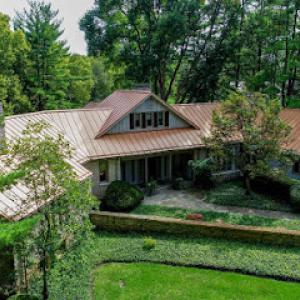
Lake Erie Metal for Shingles is proud to service Cleveland, Solon, Boston Heights, Chagrin Falls, Aurora, Westlake, Hunting Valley, Macedonia, Cuyahoga Falls, Moreland Hills, Gates Mills, Strongsville, Akron, and greater Northern Ohio with Metal Roofing Services, offering Rib Metal, Standing Seam Metal, and Metal Shingles for both Residential and Commercial Properties, Family Owned, Amish Installed. Our Metal is Class 4 Rated for Fire, Wind, and Hail. With a 40+ Year Guarantee and 24 Colors to Choose From.
The Captain
(216) 816-2000 www.callthecaptain.com
Serving
5.0 from 83 reviews
Local business. Family owned. We offer windows, roofing, siding, gutters, fencing, and decks. Superb quality. Impeccable service. If you're looking for a home exteriors contractor near you, look no further! Call the Captain!!
Swirsky Roofing & Home Improvements
Serving
5.0 from 7 reviews
Swirsky Roofing and Home Improvements, Inc. takes personal pride in ensuring the highest quality workmanship and customer service. Whether big or small, each job gets the same attention that has kept the business going since 1940. Swirsky has always strived to give outstanding service and quality workmanship. That is why second and third generations of families continue to count on the company. We know our customers and they can rely on us to meet all their roofing needs.

Busy Bee Restoration
(844) 766-3233 letsreviveyourhive.com
Serving
4.5 from 35 reviews
Busy Bee Restoration, Inc. specializes in all facets of storm restoration construction. Destructive weather does not only affect residential homes, it also damages small businesses, retail stores, apartments, condos and houses of worship. We have an excellent, knowledgeable and supportive team that is able to walk you and/or your business through the process from beginning to completion. Contact us to receive a free inspection today.
Horizon Roofing & Exteriors
(440) 813-9714 horizonroofingpros.square.site
Serving
5.0 from 35 reviews
Horizon Roofing and Exteriors, Northeast Ohio's trusted provider for top-quality roofing and exterior solutions. We specialize in residential roofing, offering expert installation, repair, and maintenance services designed to protect your property and enhance curb appeal. Our skilled team is committed to using premium materials and delivering exceptional craftsmanship with every project. Beyond roofing, we provide comprehensive exterior services, including siding, gutters, and more, ensuring your home or business stands strong against the elements. Choose Horizon Roofing and Exterior Services for reliability, professionalism, and superior results you can count on.

The Third Estimate Corporation
(216) 937-2030 thethirdestimate.com
Serving
4.8 from 1260 reviews
The Third Estimate has served our community in Northeast Ohio since 1996. We are a family-owned and locally operated business in Solon, Ohio. Our company strives to provide superior customer service, integrity, and trust. We take pride in our top-notch craftsmanship, so we only offer the best high-quality products in the exterior home improvement market for roofing, windows, siding, and gutter systems. Our professional team strives to ensure budget-friendly prices and options while listening carefully to our customers to meet their needs and wants.
All - Star Roofing
(216) 332-0098 www.all-starroofingco.com
Serving
4.8 from 17 reviews
You will be very glad when you select All-Star Roofing as your roofing contractor. Our dependable service, fairness, and superior-quality workmanship will speak for itself. As a proud member of the Better Business Bureau, we have had an A+ rating for the 23 years of being in business. Call now for a free estimate.
Victors Home Solutions
Serving
4.9 from 659 reviews
From our free 21-Point Roof Inspection to our 50-Year Leak Free Guarantee, we’ll protect your home and family for years to come. With almost two decades of roofing experience and a BBB Accredited A+ rating, Victors Home Solutions is the superior roofing and home improvement company across Ohio, Michigan, Kentucky, and Indiana. We provide the highest quality workmanship for residential roof repairs and replacements, seamless gutters, and attic insulation services.
Radiant Roofing
(440) 840-4382 www.1radroof.com
Serving
5.0 from 53 reviews
Radiant Roofing is a family-owned roofing business in Northeast Ohio. We are your destination for help with insurance claims, and any residential or commercial roofing solution. Our experienced team specializes in crafting stylish and durable roofing structures, ensuring your property's protection from the elements year round. We are an Owens Corning certified contractor, and offer the best warranties in roofing. We can install traditional asphalt shingles, or metal roofing. We also install siding, windows, gutters and rooftop solar systems. We deliver unmatched quality and customer service for all your exterior needs!
Nasti's Roofing & Restoration
(216) 650-4334 nastisroofing.com
Serving
5.0 from 79 reviews
Nasti’s Roofing & Restoration is a top-rated roofing contractor serving Cuyahoga, Geauga, Lorain, Medina, and Summit County. We specialize in asphalt and metal roofs, roof installations, replacements, gutter installation, siding, window installations, and all exterior restorations. As storm damage experts and insurance specialists, we help guide you through the claims process. We offer free emergency roof repairs and free roof inspections, available 24/7. As a CertainTeed Shingle Master, licensed, and insured, we provide fast, reliable service. Contact us today for a free estimate!
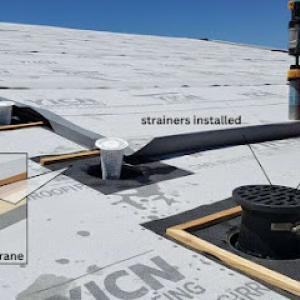
YICN Roofing (aka Your Insurance Claims Network)
(216) 999-4342 yicnroofing.com
Serving
5.0 from 118 reviews
YICN Roofing is a trusted, locally owned roofing company based in Cleveland, OH, proudly serving homeowners and businesses throughout Northeast Ohio. We specialise in roof repair, roof replacement, storm damage restoration, siding, gutters, emergency tarping, and skylight upgrades. Backed by years of experience and a 5-star reputation, our team delivers high-quality craftsmanship, honest inspections, and full insurance claim support. Whether you need emergency roof repairs or a complete exterior renovation, YICN is committed to protecting what matters most - your home and your peace of mind. Our licensed and professional team is committed to quality, reliability, and customer satisfaction. Call us today for a free estimate or storm damage
Richmond Roofing
(440) 394-8200 richmondroofinginc.com
Serving
4.4 from 27 reviews
At Richmond Roofing, we’re your trusted roofing contractor in Solon, OH. From roof inspections, to roof tear downs, to roof replacements, we handle every project with honesty, care, and expert craftsmanship. Our goal is to make roofing stress-free by delivering high-quality work and clear communication from start to finish. With over 500 satisfied customers, we’re proud to provide reliable service that protects your home and adds value. Need a roof replacement in Solon? Contact Richmond Roofing today for a free estimate and peace of mind.
In this Ohio market, claim activity commonly rises after major hail or wind events, making documentation especially important for Chagrin Falls homeowners. The village mix of steep residential rooflines and a variety of materials means that a single storm can expose more than one weak point-from a loose slate ridge to a lifted asphalt shingle edge. The consequences aren't limited to a single season; freeze-thaw cycles push damaged portions deeper, and that wear can show up as accelerated granule loss or hairline cracks that complicate a later assessment. Understanding the tangible signs and timing helps you approach an adjuster with credibility.
Insurers may ask for proof of pre-existing conditions versus new storm damage, so date-stamped photos, contractor estimates, and permit records matter locally. Start with clear images of the entire roof to establish a baseline before any temporary tarping or repairs. Close-ups of hail impact marks, lifted or missing shingles, corrosion on metal roofing, and any cracking or delamination are essential. Keep a running log of dates when a storm occurred, when damage was first noticed, and when a professional opinion was obtained. If you've had prior repairs, gather receipts and any notes on how those areas have performed since the work was completed. In a village context with older homes, this history can tilt an adjuster's view toward equitable coverage rather than a rushed decision.
Coverage decisions can be affected by roof age and prior repairs, which is especially relevant in a village with many older homes and mixed roofing systems. A loss assessment that separates what is likely storm-caused from what may have existed beforehand reduces later disputes. When possible, secure independent estimates from a licensed contractor who can distinguish new damage from wear, and request a line-by-line breakdown that aligns with your insurer's protocol. If temporary protection is needed, document the protective steps taken and the costs incurred, since insurers often ask for those details when processing a claim.
Asphalt, metal, slate, tile, and wood each respond differently to hail and freeze-thaw cycles. A claim often hinges on whether damage is widespread or isolated, and whether the aging surface has already shown signs of failure. For a homeowner with multiple roof types, coordinating assessments for each material can prevent gaps in coverage. Present a cohesive picture: where damage overlaps from one material to another, how the storm event correlates with observed failures, and how prior repairs may influence the claim's scope. The goal is a fair, well-supported settlement that recognizes both storm-driven damage and the realities of aging steep-slope roofs.
Keep communication concise and organized, and designate one point of contact with the insurer to avoid mixed messages. If an adjuster suggests temporary repairs, insist on written scope and timeframes, and document any discrepancies between the plan and the actual site conditions. In the end, a careful, well-documented claim that reflects local roofing realities stands the best chance of moving through smoothly.
Connect with contractors who help homeowners navigate the claims process from damage assessment to final approval.
For a steep-slope roof neighborhood like the historic village pockets, the best window for replacing a roof-penetrating window is spring through fall. Dry conditions and moderate temperatures make sealants cure reliably and flashing integrate cleanly with the existing shingles. In practice, this means planning after the last major freeze and before the first heavy fall storms. Spring offers a brief lull in humidity, which helps avoid softening sealants and wrinkling shingles during roof edge work. Fall can still be comfortable, but scheduling should account for early leaf drop and occasional rain that can slow progress and complicate ventilation planning around mature trees.
Summer poses its own challenges on steep slopes in this area. Heavy humidity can affect shingle installation and the performance of sealants, so daily weather windows matter. If a heat-wave or sudden thunderstorm arrives, crews may pause to protect underlayment, prevent wind-driven debris intrusion, and keep attic temperatures from compromising fasteners. When planning, target mornings with cooler air and shorter heat spikes, and build in buffer days to accommodate sudden humidity shifts or pop-up storms. For homes shaded by mature maples and oaks, afternoon heat can intensify tar and mastic behaviors, so a more cautious approach helps maintain warranty terms on weatherproofing.
Fall leaf drop creates extra debris that can clog vents and gutters during window work. The approach should include temporary intake and exhaust planning for attic ventilation, particularly on houses with steep pitches where vent placement is sensitive to airflow. Wet conditions from lingering rains also slow caulking and flashing resealing, making a dry week foundation essential. Before work begins, confirm the crew's plan for leaf cleanup, gutter protection, and roof edge safety. In tree-dense neighborhoods, consider a two-stage strategy: first address weatherproofing around the new window, then complete final shingle alignment once conditions stay consistently dry for several days.
After installation, verify that flashing integrates with the surrounding roof surface and that valley cross-areas receive careful sealing. In aging steep-slopes, routine checks on the window's head, jambs, and sill help identify early signs of moisture intrusion. Given the local climate, request a detailed maintenance plan that includes seasonal inspections, sealant checks, and gutter alignment to prevent future leaks around newly installed windows and surrounding roof edges. Keep a record of storm-related refinements and any adjustments made to accommodate Chagrin Falls' weather patterns.
Chagrin Falls has an unusually broad residential material mix for a small city market: asphalt shingles, metal, slate, clay tile, concrete tile, wood shingles or shakes. That mix means replacement decisions are not just about price; homeowners often have to match the structural and visual expectations of an existing roof type. In neighborhoods with steep slopes and varied lot lines, carries and fasteners may differ from one home to the next, even on adjacent streets. The result is a local vernacular where choosing a drop-in substitute can compromise curb appeal as well as performance.
When planning a roof replacement, the first consideration is whether the new material can be integrated with the home's underlying structure and the surrounding roofscape. If the existing roof is metal, slate, or clay tile, replacements often require compatible deck support, nailing patterns, and underlayment choices to avoid mismatches in appearance and in long-term durability. In Chagrin Falls, many houses carry historic or period-appropriate details, so the new material should respect sightlines, ridge lines, and color palettes that define the block. For asphalt, metal, or wood on steep slopes, ask for a profile and color study that shows how the new roof will read from the street and from neighboring properties.
Snowy winters and humid summers create distinct demands for each material. Freeze-thaw cycles stress materials differently: slate and clay tile handle freeze-thaw cycles well but require precise installation to prevent water intrusion, while asphalt shingles demand careful flashing at valleys and penetrations in slopes that see wind-driven moisture. Metal roofs can shed snow efficiently but may need extra coatings to resist humidity-driven corrosion and heat-related expansion. Wood shingles and shakes need protection against moisture ingress and microbial growth, particularly on shaded faces. Concrete tile, a common modern substitute, carries substantial durability with the right underlayment, yet it remains heavier and may necessitate structural confirmation. Details like proper nail hangers, snow guards, and accurate roof pitch assessments help ensure that the chosen material performs well over decades in this unique mix.
Prices here span a wide range because the area supports everything from standard asphalt re-roofs to premium slate and tile replacements. On a typical steep residential roof with a common suburban footprint, asphalt shingles often land in the low to mid-range of the market, while metal, clay tile, or slate push toward the upper end. The exact figure depends on roof slope, attic access, and whether an overlay is feasible or a full tear-off is required. In Chagrin Falls, you will see asphalt shingle projects around 350 to 650 USD per square, with premium options or upgraded underlayment creasing the cost. Metal roofing can run roughly 500 to 900 USD per square, and clay or concrete tile often sits higher still, around 700 to 1200 USD per square. Slate, when chosen, can be the most expensive, typically 1000 to 1800 USD per square, especially on older homes with tricky detailing.
Storms change the math quickly. After hail or high-wind events, crews are in higher demand and schedules tighten. Premium materials may be harder to source, and fast dry-in or emergency water protection becomes a factor, often adding to both material and labor costs. If a project is rushed to accommodate insurance timelines, you may see temporary increases in labor surcharges or expedited freight charges for specialty products. In those periods, a prudent plan is to reserve space in the calendar and choose materials that balance durability with local climate realities-freeze-thaw cycles can be punishing on detailing and fasteners.
Steep residential rooflines and older-home detailing common in historic village-adjacent neighborhoods can extend labor time compared with straightforward ranch-style tear-offs. Complex ridge lines, dormers, or chimney detailing require more careful handwork, temporary protection, and safety measures, all of which contribute to higher labor hours. When there is a material upgrade (for example, moving from asphalt to slate or concrete tile), expect both longer installation windows and more meticulous installation practices to prevent leaks during freeze-thaw transitions.
Start with a material strategy that aligns with the home's age and detailing. If the existing roof is significantly aged or has mixed materials, plan for a full tear-off rather than a cosmetic overlay. Obtain multiple estimates, clearly noting whether the bid includes underlayment upgrades, ventilation improvements, and drip edge quality. If storms are forecasted in the coming weeks, budget a cushion for expedited shipping of premium products and potential additional labor to maintain a dry-in window. Remember that the steepness of the roof and the presence of historic trim can swing both the timeline and the final price noticeably.
Don't let upfront costs delay a critical repair - these contractors offer payment plans to fit your budget.

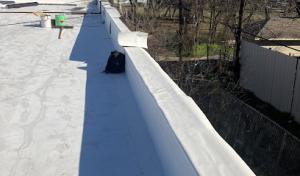
Roof replacements in Chagrin Falls generally require a permit from the City of Chagrin Falls Building Department. Before any work begins, confirm project scope with the department, including roof type, pitch, and supplementary work such as skylights or ventilation upgrades. Keep a copy of the permit number on site and share it with your contractor. Permits help ensure the steep slopes and mixed materials common to this area meet local code requirements for snow loads and drainage.
Inspections during the project are not optional. You should expect at least mid-project and final inspections, and maybe a rough-in inspection after decking and underlayment are installed. The inspector will verify that the roof decking is sound, underlayment is properly installed for the freeze-thaw cycle, flashing around chimneys and vents is sealed, and ventilation is adequate to prevent moisture buildup in the attic. If a mismatch exists between old and new materials, the inspector may require adjustments to fasteners, nail patterns, or venting.
Final sign-off is required before the permit can be closed, so skipping inspections can create problems for resale or insurance documentation. Plan around the schedule so the final inspection can occur after the last shingles are laid and the ridge line is sealed. If a problem is raised at the final check, address it promptly to avoid a hold on permit closure. Keep all inspection reports and permit documentation together in one place, since this material often accompanies insurance claims or a future sale disclosure. A smooth permit process helps protect your investment on a steep, high-snow area roof. Coordinate with weather windows in late spring or early fall to minimize ice dam risk and avoid extended exposure of vulnerable underlayment during work.
Older homes in the village often pair steep rooflines with chimneys and upgraded skylights, creating a web of flashing points that must work in concert rather than in isolation. Leak complaints in this area tend to center on roof penetrations and transitions, where even small misalignments or resistant settling can lead to water tracking down into ceilings after a heavy thaw or a sharp freeze. The consequence isn't just a soggy ceiling; it's hidden rot around framing, mold in attic spaces, and escalating restoration costs if a problem isn't found early.
City inspections emphasize flashing and ventilation as more than cosmetic touches. Properly designed and installed flashing around skylights and chimneys has to accommodate the roof's changing angles, the weight of snow, and seasonal expansion and contraction. In a neighborhood with mixed materials, the same chimney or skylight may sit against asphalt, metal, slate, or tile, each demanding different flashing methods. A small misfit where metal meets slate, or where a chimney base meets a tile shoulder, can seed leaks that are difficult to trace from above.
Watch for loose or deteriorated step flashing where a chimney flank meets shingle or tile. Skylight flanges that aren't properly secured or that lack a continuous seal around the rough opening are frequent culprits after freeze-thaw cycles. Transitions between materials-such as a metal roof edge near a clay tile valley-invite misalignment if the flashing is not tailored to the local geometry. In homes where the chimney sits on a steep slope, ensure the counter-flashing above the masonry remains tucked in and watertight, resisting wind-driven rain that can exploit tiny gaps.
Inspect after major storms or heavy snows for any staining or soft spots near penetrations. If a long-reach ladder approach is needed, prioritize safety and avoid stepping on steep roof sections where tiles or slate can fracture. When hiring, request flashing details that reflect the exact roof materials adjacent to skylights and chimneys, with a plan for seasonal movement and snow load considerations.
Find contractors experienced in skylight installation, flashing, and leak repairs to bring natural light into your home.
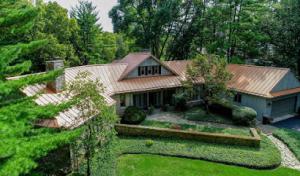
Lake Erie Metal For Shingles
(216) 777-4000 lakeeriemetalforshingles.com
8584 E Washington St, Chagrin Falls, Ohio
4.9 from 77 reviews
In a market that leans heavily toward re-roofing rather than new construction, the choice of both workmanship and manufacturer warranty terms matters more than you might expect. Look carefully at whether coverage is for the roof system as a whole, and whether it transfers if you sell the home. A solid warranty should spell out what is covered, what is not, and the procedure for filing a claim after a winter freeze-thaw cycle that often affects steep slopes.
Permit closeout and inspection records can support warranty clarity by documenting that decking, underlayment, flashing, and ventilation were addressed during installation. Keep a complete file with photos from key stages, notes on any decking repairs, and proof of proper attic ventilation. When a storm hits and an insurer or manufacturer asks for evidence, you will have a straightforward path to show that the critical roof system components were correctly installed or repaired.
The local contractor mix includes a noticeable share of long-established firms, so homeowners often compare tenure and warranty backing together. Ask about how long the company has stood behind previous projects and whether warranty service is performed by the contractor or routed through the manufacturer. For aging steep-slope roofs common in this area, a durable warranty pairing with a clear claim process can reduce headaches as the system endures freeze-thaw cycles and humid summers.
When meeting with a contractor, request written copies of both the manufacturer's coverage and the installer's workmanship warranty, plus any service agreement for storm-related repairs. Ask for a copy of the policy's transfer terms if you ever plan to sell. Verify whether exclusions apply to damage from standing water, improper ventilation, or nail pops in overhangs common on homes with tile or slate accents. Prefer a warranty that clearly defines inspection intervals and what triggers a hassle-free repair or replacement.