
Last updated: Apr 19, 2026
This neighborhood, built on older foundations and mid-century framing, often comes with aging flashing, penetrations, and a layered repair history rather than fresh, first-generation roofing systems. The result is a maintenance history that hides weaknesses: seams that have been resealed multiple times, vent flashings that have not kept up with material changes, and underlayment that has seen better days. When a storm or cold snap hits, these small flaws turn into interior leaks that travel along the ceiling planes and down walls, often showing up after a routine rain or a surprise overnight freeze. The pattern in this area is predictable: a little moisture finds a weak spot, freezes, expands, and pushes a path through the layers.
Winter here is not a single event but a series of freeze-thaw cycles that stress joints, step flashing, and edge metal. Humidity compounds the problem by pushing condensation into attic spaces and pooling behind soffit vents and ridge lines. In this environment, even minor shingle wear or a shallow gutter misalignment becomes a leak driver after a few cycles. You'll notice this most along peak lines, near penetrations like pipes or skylights, and at transitions between roof sections where multiple repairs have stacked up over the years. The warning signs are subtle: hairline cracks in sealant, light showing through where shingles lift slightly, and a damp spot that grows after a windy or wet week.
Most replacement work in this area concentrates from late spring through early fall, because winter snow and ice and summer heat-humidity both complicate installation timing. That means if you're confronting a leak now, delaying major repair can push you into a tighter window with unpredictable weather. Plan ahead for flashing replacement, underlayment updates, and panel realignment while the weather is temperate. Without timely attention, the cycle repeats: moisture enters, drying days are few, and the problem migrates to attic insulation, then ceiling finishes, then potentially wall stacks.
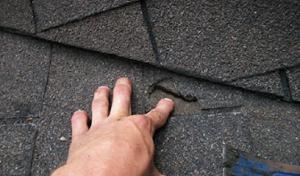
Start with a focused inspection of the critical points: roof-to-wall transitions and penetrations around vent stacks, chimneys, plumbing stacks, and skylights. Look for lifted shingles, missing granules, flashing gaps, and rust on metal flashing seams. Inspect gutters and downspouts for partial blockages that funnel water to vulnerable eaves and soffit areas. In the attic, check for signs of moisture, fastener rust, or damp insulation directly under known leak spots. If any of these indicators align with recent rain or freezing nights, treat it as urgent: small issues today become larger, costlier leaks tomorrow if left unaddressed. Prioritize repairs that restore proper flashing seals, secure the underlayment, and re-align drainage paths to reduce standing water near problem seams.
After a Drexel Hill storm, the path to a clear claim starts with solid documentation. Pennsylvania insurers generally cover documented wind and hail damage, so you want a photo trail that shows both the roof and any related damage areas. Take wide shots of the entire roof, close-ups of damaged shingles or flashing, and images of gutters, downspouts, and any staining or moisture intrusion you can see from the attic or ceilings. A clear scope of loss helps the adjuster match repairs to what actually failed during the event. Keep a dated log of when you noticed each issue, and note whether any previous repairs might affect the claim. If you have a contractor or roofer who has worked on the house before, their initial assessment can help you frame the scope, but rely on your own photos as the primary record.
Spring here brings heavy rain and wind that can interrupt roofing work and also create the kind of visible shingle and flashing damage adjusters look for. If a storm hits during the work window, document any temporary tarps or temporary patches you apply, and keep receipts for materials and any labor to cover urgent leaks. When the weather finally cooperates, you may find new issues exposed by the dry days, such as nail pop or flashing separation that wasn't visible before. In your claim notes, flag weather-related delays or access problems caused by spring storms. Adjusters expect to see how much rain and wind occurred, so correlate your photo notes with local weather data from credible sources for that timeframe.
Because many homes in this area sit close together in established blocks, debris pathways and runoff can complicate both drainage and damage assessments. After a storm, document not only roof surfaces but also detached debris, fallen branches, and any water entry points inside walls or ceilings. Photo angles that show where water enters-even if it's a small bead or discoloration-are valuable. If drainage issues are suspected, map the flow from the roof edge to the ground, noting any nearby trees or overhanging branches that may have contributed to impacts on the flashing or gutters. If neighbors sustained related damage, including those photos in your claim can help demonstrate a broader event pattern that insurers recognize for coverage qualification.
First, secure the property to prevent further damage with temporary coverings if you can do so safely, and photograph the setup. Then, contact your insurer promptly to initiate a claim and request an adjuster visit. Be ready to provide the scope of loss and the photo dossier, organized chronologically. When the adjuster arrives, walk through the property with them, pointing out the damage you documented and referring to specific storm timeframes. If you receive a denial or a partial payout, review the reason carefully and consider an evidence-backed second opinion from a local roofer who understands how freeze-thaw cycles in this neighborhood can exacerbate small flashing and drainage issues into leaks. Close collaboration between you, your contractor, and the insurer often yields the most accurate repair scope and reconstruction plan.
Connect with contractors who help homeowners navigate the claims process from damage assessment to final approval.
Last Stop Roofing & Home Repair
(516) 710-6656 laststoproofing.wixsite.com
Serving
4.9 from 73 reviews
Last Stop Roofing & Home Repair, LLC is one of the best roofing companies in Philadelphia providing roof repair, Shingle Roofing, Flat Roofing, Full Roof Replacement and serving Philadelphia & all surround areas. We are the top Contractors in Philly committed to highest customer service and workmanship. Protect your largest investment with our reliable roofing services
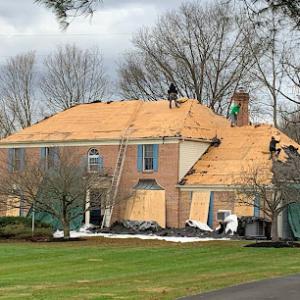
New Look Builders
Serving
4.6 from 80 reviews
New Look Builders is a full-service roofing contractor serving customers since 1996. New Look Builders specializes in roof repair, roof replacement, siding, commercial roofing, windows, deck installation, and more. Call today or visit for a free estimate if you live in Ambler and nearby areas.
McHUGH ROOFING • SIDING
(484) 494-0245 mchughroofing.com
Serving
4.8 from 210 reviews
Reliable roofing professionals committed to providing outstanding service and quality products at a fair price. With over 30 years experience - we specialize in: shingle roof replacements, siding, gutters & windows. Residential + Commercial 0% Interest Financing Available Free Estimates Certainteed Certified 8x Voted Best Roofer of Delaware County, PA Happy Homeowners in PA, NJ & DE
Manny Roofing Contractor
(267) 575-3503 www.mannyroofingcontractor.com
Serving
4.7 from 52 reviews
Manny Roofing Contractor Based in Upper Darby and serving the communities of Wayne, PA, USA Bryn Mawr, PA, USA Haverford, PA, USA Villanova, PA, USA Media, PA 19063, USA Upper Darby, PA, USA Radnor, PA 19087, USA Broomall and all the surrounding areas Manny Roofing Contractor has been a trusted name in roofing services for over 12 years. Our mission is to offer fair prices without compromising on the quality of materials. Whether you need a simple repair or a complete roof replacement, our experienced team is dedicated to delivering top-notch craftsmanship and customer satisfaction. Choose Manny Roofing Contractor for reliable, high-quality roofing solutions.
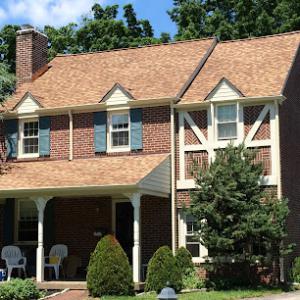
O'Donnell Roofing
(610) 449-8188 odonnellroofingco.com
Serving
4.8 from 202 reviews
O’Donnell Roofing, a family-owned business has been serving the exterior needs of customers in the greater Philadelphia area since it was established in 1924. Over the company’s 100-year history it has remained focused on innovation, expanding beyond roofing repairs and replacements, to service the complete home exterior, including siding, windows, skylights and solar. Now in its fourth generation of family ownership, the company continues to provide the highest level of honest, professional service to all its customers.
J. Parker Contracting
(215) 837-9135 pennsylvania-roofing.com
Serving
4.7 from 87 reviews
For over two decades, J. Parker Contracting has been a trusted name in the home improvement industry, providing comprehensive roofing, painting, and siding services to residents of Delaware County. Renowned for their unwavering commitment to excellence and customer satisfaction, J. Parker Contracting has established itself as a pillar of dependability in the community. Family owned and operated.
Industrial Roofing Contractors
(856) 602-5937 indroofingcontractors.com
Serving
4.6 from 34 reviews
Industrial Roofing Contractors is a roofing contractor in Philadelphia, PA that services Fishtown, University City, West Philadelphia and nearby areas. Our roofing company offers residential roofing, commercial roofing, roof repair, asphalt shingle roofing, metal roofing many more. Customers love us because of our 24/7 emergency repair services and 5 star reviews and customer references. If you want to feel how your most trusted Philadelphia roofing company embrace our motto “No Job is Too Small or Too Big”, call us now for free estimate!
KO Roofing
(610) 506-9819 koroofingphilly.com
Serving
4.5 from 130 reviews
Contractor specializing in all phases of home exteriors including shingles, flat roofs & siding servicing Philadelphia and surrounding counties. We strive to provide quality work at honest affordable prices.
NEF General Contracting
(267) 690-4901 www.nefgeneralcontracting.com
Serving
4.7 from 24 reviews
NEF General Contracting is a locally owned and operated general construction company that proudly serves Philadelphia and the surrounding areas. We are fully licensed, bonded and insured. Our friendly, courteous team members are available to assist you every day of the week, so we are available any time you may need us, day or night.

Green Star Exteriors
(800) 625-0021 greenstarexteriors.com
Serving
4.6 from 717 reviews
At Green Star Exteriors our mission is to provide and install superior vinyl replacement windows, roofing, siding and doors. We are dedicated to completing every job exactly as promised and providing our customers with the most gratifying experience possible. With decades of experience in the home improvement industry, we stand firmly behind our unmatched craftsmanship and attention to detail.
AMDG Exterior Contracting
Serving
4.9 from 142 reviews
AMDG Exterior Contracting, LLC has been proudly serving Delaware and Montgomery Counties since 2005. The company was established in Clifton Heights, Pennsylvania where it ran all operations for eight years. AMDG quickly established a neighborhood reputation as an honest and reliable roofing and siding company. During their time in Clifton Heights AMDG was voted by readers of the Daily Times as the “Best Home Improvement Contractor” in the annual Best of Delco publication. Through pure dedication to their craft, AMDG gained GAF MasterElite roofing status, an A+ rating from the Better Business Bureau, and certifications in Certainteed and Versico roofing systems.
Next Level Building Contractors
Serving
5.0 from 20 reviews
Next Level Building Contractors is a full-service contracting company dedicated to quality, integrity, and results. We specialize in all phases of construction — from residential remodeling and property improvements to commercial renovations and specialized builds. What sets us apart is our attention to detail and our passion for doing the job right the first time. We take pride in every project, whether it’s a small repair or a large-scale build, treating each with the same level of professionalism and care. Our team combines years of experience, modern techniques, and a customer-first approach to ensure every project not only meets but exceeds expectations.
The dominant materials in this market are asphalt shingles, metal roofing, clay tile, concrete tile, wood shingles or shakes, and synthetic or composite shingles. In older homes along the hillier streets, you'll often see a mix of these options on a single roof plane, especially where dormers, chimneys, or previously added skylights create irregular transitions. Asphalt shingles remain a practical baseline, but the local climate-humid summers and freeze-thaw cycles-puts a premium on proper installation details, not just the material's brochure life. Metal roofs offer long service when flashing and panel seams are carefully integrated with existing parapets and chimney detailing. Clay and concrete tiles bring a distinctive look but demand generous underlayment and precise pitch compatibility to avoid ice damming and tile breakage in freeze-thaw periods. Wood shingles and shakes lend a traditional character, yet they require meticulous sealing at transitions and careful ventilation to resist moisture-related rot. Synthetic or composite shingles can mimic other textures while loading less weight on older structures, but performance hinges on the quality of the underlayment and the compatibility with flashing components.
Older Drexel Hill homes can present mixed roof details such as chimneys, dormers, and transitions that make material choice less about brochure lifespan and more about flashing compatibility and repair access. When a roof carries multiple elevations or connects to a dormered attic, the budget often hinges on how well flashing is integrated around curbs, valley intersections, and vent stacks. In practice, that means you may prioritize materials known for easier field repair or more forgiving installation tolerances around intricate intersections. It also means ensuring that roof penetrations and step flashings are paired with the chosen material in a way that minimizes risk of recurring leaks after seasonal shifts. A thoughtful approach considers not only the visible surface but the hidden gutters, drip edges, and valley liners that channel meltwater away from seams during rapid thaw cycles.
Material decisions in Drexel Hill should account for humidity, freeze-thaw exposure, and the fact that installation windows are narrower than in milder climates. Humidity can challenge adhesive and underlayment performance, while repeated freezing and thawing stress can exacerbate small flashing vulnerabilities. That makes careful scheduling crucial: the mid- to late-fall or early-spring windows should align with predictable thaw-freeze patterns, and any temporary gaps in protection are best avoided. When planning installation or repairs, prioritize high-quality underlayment and compatible flashing details so a durable seal forms at every joint, crease, and transition.
Flat-roof specialization is meaningfully active in this market, and that matters because older homes in this neighborhood often feature porches, rear additions, or low-slope sections that fail differently from the main pitched roof. When a flat area fails, the symptoms can hide longer and drain misdirection becomes more costly to fix. This isn't about good-looking proportions alone; it's about understanding where water tends to sit and how that changes repair priorities. A careful assessment should map each flat or low-slope zone to its drainage path and vulnerable seams.
The Mid-Atlantic pattern of freeze-thaw cycles plus hot, humid summers is especially rough on seams, drains, and ponding-prone low-slope areas. Temperature swings can loosen fasteners and expand metal fittings, while humidity invites mold and organic debris to cling to joints. On a rear addition or porch roof, tiny leaks at corners or flashing can become persistent leaks once the season shifts from dry to damp. Expect that neglected seams and misaligned flashing will show up as recurring drips after a storm or when the attic breathes heavily in humid evenings.
Autumn leaf drop adds another layer of challenge in a tree-lined, suburban setting. Debris can obscure scuppers and gutters that feed a flat roof's drainage plan, leading to gradual ponding and accelerated wear on the membrane or coatings. The key defense is a proactive routine: frequent checks after windy or stormy days, clear pathways for water to move toward the drainage outlets, and timely removal of seasonal debris before ponding starts. On low-slope sections, even small blockages can translate into noticeable leaks behind a porch gutter or at a curb scupper.
Prioritize documenting the condition of every flat or low-slope segment with photos and notes tied to its location in the house. Track how water behaves after a heavy rain-where it pools and how quickly it drains. When arranging maintenance or a rebuild, insist on attention to seam integrity, flashing transitions at penetrations, and a robust, tested drainage plan that handles leaf-laden seasons. If a flat section consistently shows moisture intrusion after storms, treat it as a signal to re-evaluate the entire drainage and waterproofing approach rather than patching symptoms.
Find specialists in TPO, EPDM, and built-up flat roofing systems for residential and commercial properties.

Last Stop Roofing & Home Repair
(516) 710-6656 laststoproofing.wixsite.com
Serving
4.9 from 73 reviews

In this neighborhood, chimney joints and masonry-to-roof transitions are common leak points. The interplay of old masonry, humid summers, and winter freeze-thaw cycles concentrates water where shingles meet brick or stone. Skylight curb details also see a lot of action, because the curb sits at a tricky edge where shingle transitions meet flashing and sealant. Expect more frequent repairs at these points than on the formal field of the roof.
Chimneys are a frequent source of trouble from the top down. Start by inspecting the brick or stonework for cracked mortar or spalling, especially at the crown. Water can soak into the masonry and travel down into the roof plane where flashing is weakest. Check the metal flashing that ties the chimney to the roof; look for lifted pieces, rust stains, or dark damp spots along the intersection. If you notice efflorescence or persistent dampness along the ridge line, the problem is often at the interface rather than on the shingle surface. When sealing, insist on a flashing transition that overlaps both masonry and roof materials and a crown, or cap, that sheds water away from the roof line.
Skylights frequently fail at the curb, where the curb flashing, crickets, and sealant meet the surrounding shingles. Inspect for cracked or degraded sealant, lifted shingles around the curb, and any compression marks in the flashing. In many Drexel Hill homes, leaks begin at the curb rather than from the glass itself. A tight curb flashing system, properly soldered or sealed, plus flashing counter-flashings that direct water away from the joint, keeps this area dry. Pay attention to the drip edge and the first row of shingles directly adjacent to the skylight; a small defect there can cascade into a larger leak during a heavy storm.
After the first hard freeze, re-check both chimney and skylight interfaces for hairline gaps or small cracks in mortar joints and flashing. Clean debris from around the skylight and chimney chase to prevent water pooling. For aging chimneys, a cap or vented crown helps limit moisture infiltration during humid seasons. If moisture marks appear on interiors near these penetrations, prioritize flashing and curb repairs before decking or interior materials show damage.
Find contractors experienced in skylight installation, flashing, and leak repairs to bring natural light into your home.
When you estimate a roof replacement in this neighborhood, think in squares (100 sq ft). Asphalt shingles run roughly 350 to 650 per square, metal 600 to 1100, clay tile 900 to 1800, concrete tile 800 to 1600, wood shingles or shakes 600 to 1200, and synthetic or composite shingles 550 to 1000. These ranges reflect Drexel Hill's mix of older homes and the typical layering you'll encounter.
Costs can rise quickly if the old roof needs tear-off of multiple aging layers, or if detailed flashing work around chimneys and dormers becomes necessary. Long-standing homes with intricate rooflines often expose hidden issues once the first layer comes off, pushing labor time and material use higher. Keep in mind that a straightforward swap in a newer ranch will look different on a duplex with dormers, where extra flashing and step-flashes around brick expand the scope.
Seasonal demand in this area is real: late spring through early fall is the preferred replacement window. Storm backlogs and weather delays can affect scheduling and labor availability, sometimes extending project timelines or nudging quotes upward. If you're timing around a busy period, set expectations for lead times and potential price adjustments due to material and crew availability.
For most long-standing homes here, plan for a modest premium above the basic square-rate when deeper repairs or two-layer removals are involved. If you're weighing materials, remember that clay and concrete tiles offer durability but start in the higher price band, while asphalt remains the most cost-conscious option for a traditional home with standard ventilation and flashing details.
Get a clear picture of your project costs upfront - no commitment required.
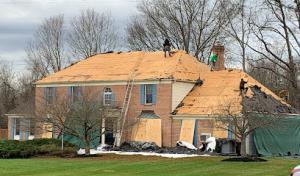
A full roof replacement in Drexel Hill typically requires a building permit through the Upper Darby Township building department. The township distinguishes between repairs and full replacements, and the permit expectations align with that distinction. Before any shingles come off or any decking work begins, you should confirm whether the project is characterized as a repair or a full replacement. This determines the necessary documentation, plan checks, and inspection milestones, and helps avoid delays once work is underway.
Begin by gathering the basics: property address, a scope of work, and any existing structural concerns you've noted from previous leaks or freeze-thaw cycles. The township will review the plan for code compliance, drainage details, and flashing overhang requirements, particularly important for three-season cycles common to Drexel Hill. If the project involves only minor repairs, the review may be lighter; for a full replacement, expect more detailed plans and possibly projections for ventilation, underlayment, and venting.
Inspections are part of the process to verify code compliance. The township schedules inspections at key milestones: pre-work inspection (if required), during critical phases, and a final inspection after completion. In a climate with frequent freeze-thaw cycles, inspections often focus on proper flashing installation, hazard mitigation for ice dams, and secure drainage details. Having a clearly defined sequence and access for inspectors to verify workmanship on how outlets, valleys, and eave details are sealed can prevent rework.
Approval time can vary with workload and the completeness of the initial submission. Inspections will follow a scheduled pace that aligns with the progress of the project. Be prepared for potential follow-up items identified by inspectors, especially regarding waterproofing, attic ventilation, and roof-to-wall interfaces. Addressing these promptly can help maintain momentum and reduce the risk of weather-related delays in Drexel Hill's seasonally unpredictable climate.
Engage a licensed contractor who understands Upper Darby Township requirements and has experience navigating the permit process for older, dense housing stock. Keep a log of all communications with the township, and ensure the scope clearly matches the approved plan to avoid retroactive changes. If the project transitions from repair to replacement mid-stream, notify the permit office immediately to adjust documentation and inspection steps accordingly. This proactive approach helps maintain compliance and reduces the chance of interruptions from weather-driven concerns.
The local market strongly signals re-roofing and quick-response demand, so homeowners in this area are often choosing among contractors geared toward active leak response and replacement rather than niche new-build crews. As a result, the most reliable crews tend to stay busy by handling ongoing maintenance, storm-related damage, and proactive replacements on older Delaware County housing. Expect crews to arrive with a workflow that prioritizes rapid assessment, tarping, and rapid mobilization to prevent further interior damage.
Look for long-established, family-owned firms with visible track records in older housing stock. In this market, a local reputation matters as much as a formal warranty. Ask for a short list of recent projects within your neighborhood and plan quick site visits to verify workmanship and material choices. Favor crews that bring a written plan for addressing flashing, drainage, and attic condensation-common trouble points after freeze-thaw cycles. If a contractor cannot point to a few leak-response scenarios in the last year, keep looking.
Cleanup is a major local hiring priority, which matters in established residential neighborhoods where driveways, landscaping, and close neighboring properties make debris control visible. Require a binding cleanup protocol: drop cloths at the edge of work zones, covered debris containers, and daily site tidying. Confirm that crews will protect landscaping, irrigation lines, and any walkways, and that truck traffic will be managed to minimize mud and stone scatter. A clean site reduces neighbor complaints and protects your own property during the project.
Start outreach with two to three firms, requesting a concise scope, anticipated schedule, and a short, phased work plan. Favor firms that can demonstrate readiness to respond to leaks promptly after adverse weather and that communicate clearly about project milestones. In a market with strong local presence, a nearby crew often translates to shorter response times and smoother coordination with neighboring homeowners.