Last updated: Apr 19, 2026
Springfield sits in Delaware County's cold-winter/warm-summer pattern, where snow is common and freeze-thaw cycles push moisture into every seam and edge of an aging roof. In older homes with layered roofs and imperfect ventilation, a light snowfall can rapidly turn into a stubborn ice dam once temperatures dip below freezing. When meltwater refreezes at the eaves, it backs up under shingles, freezing up into the attic and driving moisture into soffits, walls, and ceilings. This is not hypothetical: a single harsh stall in the melt-freeze cycle can yield a slow, creeping leak that travels along rafters and into insulation, compromising both structure and comfort. The climate behavior in this area makes ice dam formation a practical, repeatable roof concern every winter, especially on roofs with older decking, underlayment, and flashing that have seen decades of seasonal stress.
Spring and fall storms in southeastern Pennsylvania bring heavy rain and gusty winds that lay bare flashing shortcomings long before a replacement is planned. When a storm drives rain into weakened seams, you'll notice damp spots near chimney flashing, vent penetrations, and valley detail. Flashings that were marginal five or ten years ago become urgent problems when a storm hits with 50-70 mph winds. On older homes, this exposes the weakest path for water to penetrate: the transitions from roof to wall, around dormers, and where vent stacks intersect the roof plane. The reality is that you'll often detect leaks during or just after a storm, long before a reroof is considered complete. If you see water marks around penetrations, or feel damp insulation after a rainfall, treat it as an early warning sign of cascading moisture that could lead to structural rot if left unaddressed.
The local reroof review specifically checks ventilation and attic access, and those two factors are not cosmetic when winter moisture is a factor. Poor attic ventilation traps warm, moist air from living spaces and attic air leaks, feeding ice dam development and accelerating condensation-related damage. In Springfield's climate, adequate soffit and ridge ventilation helps keep roof temperatures more uniform, slowing or preventing the formation of ice dams. Attic access quality matters, too: a well-sealed, properly insulated access hatch or pull-down ladder reduces uncontrolled air leaks that feed moisture into the roof deck during the cold season. If a roof is being evaluated for replacement, those ventilation channels and the integrity of the attic access become concrete indicators of how well the roof will manage winter moisture and resist ice dam formation after installation.
Walk the perimeter of the house after a storm and look for staining or dampness that doesn't match a recent downpour. Check along eaves for icicles and for any damp patches on walls just inside the attic when you climb up to inspect. In the attic, look for water staining near rafters, condensation on sheathing, and any signs that insulation is wet or compressed. Inspect attic access doors or hatches for gaps or improper seals. If there are dormers, assess the flashing where the dormer meets the roof plane; loose or corroded metal flashing is a common path of water intrusion during wind-driven rain events. If you suspect any of these conditions, treat them as urgent and plan a targeted repair or roof replacement that prioritizes ventilation and flashing details.
Prioritize improved attic ventilation-ensuring a clear path from soffits to ridge vents and sealing any obvious air leaks around penetrations. Confirm that attic access is well-sealed and insulated to prevent warm, moist indoor air from migrating into the roof cavity. Tighten or replace any flashing that shows signs of movement, gaps, or corrosion, especially around chimneys, vents, and valleys. Finally, use storm-season awareness as a trigger: if a fast-moving storm sweeps through and you notice new leaks or exposed flashing, address those vulnerabilities promptly rather than waiting for a planned reroof to get worse. By focusing on ventilation, attic access, and flashing integrity now, you reduce the likelihood that ice dams and storm-driven leaks will compound-and you protect the underlying structure during Springfield's challenging winter climate.
Older suburban homes in this area typically pair steep-slope roofs with asphalt shingles, which remain the backbone of Springfield's roofscape. You'll also encounter metal roofing, cedar shakes, and a growing mix of clay or concrete tile and synthetic options. This blend means replacement planning isn't limited to one material class, so understanding how each option handles winter conditions and long-term wear is essential for a durable result. Cedar and wood shakes bring a natural look and good insulation but can demand extra attention for moisture and flashing, especially where eaves and dormers meet the main roof. Clay and concrete tiles offer long service life and strong wind resistance, yet they require careful support and careful installation on older structures. Synthetic shingles provide a lighter alternative with varied aesthetics, often easing retrofit challenges on mid-century homes.
In Springfield, many older homes feature steeper slopes designed to shed snow and ice efficiently, but that slope can complicate certain retrofit details. Roofs around chimneys, dormers, and additions frequently state their own challenges, with multiple tie-ins that demand careful flashing. When you have a chimney chase or a dormer that intersects the main roof plane, expect more intersection points where water can penetrate if flashing isn't continuous and properly integrated. Additions that tie into existing eaves can create hidden valleys or step-downs that require precise shingle layout and flashing transitions. In short, the more complex the connection points, the more attention those seams and sidewalls will need during replacement.
Flashing around chimneys and dormers is not a cosmetic afterthought in this market. It's a structural line you'll want fortified during a replacement. The slope and exposure of Springfield roofs mean the waterproofing at valleys, rake edges, and gutter lines must be continuous and well-sealed. When you choose a material like clay or concrete tile, flashing at the base of the tiles and around the penetrations needs to be designed to move with seasonal expansion and contraction. Metal roofs, while durable, still require precise detailing at laps, roof-to-wall transitions, and near skylights to prevent ice dams and leak paths during thaw cycles. Synthetic or composite options often offer better compatibility with older roof lines, but the underlayment and edge details still drive long-term performance.
A key advantage in this climate is proper attic ventilation paired with accessible attic spaces. Older Springfield homes sometimes show evidence of under-ventilated attics, especially on steeper roofs where soffit intake and ridge exhaust must balance air movement. When planning a replacement, you should verify that the attic has adequate insulation and a clear path for air to travel from soffits to the ridge vent or soffit vents. This ventilation matters for winter ice dam risk, as well-ventilated attics slow melted water from refreezing at the eaves. Access to the attic should be maintained or improved so that future inspections and repairs can occur without removing shingles or tearing into finished spaces.
Start by evaluating how the existing roof interacts with the home's massing-chimneys, dormers, and add-ons often dictate the most effective flashing strategy. If the structure supports it, consider materials that complement the existing aesthetic while offering reliable weather resistance in freeze-thaw cycles. For older houses, a balanced approach that preserves authentic look while upgrading flashing detail, attic ventilation, and edge integrity tends to yield the best long-term performance. Remember that the local character favors roofs that can handle slope, seasonal moisture, and the patchwork of older tie-ins without compromising exterior protection.
In Springfield, hail and wind documentation matters because Pennsylvania carriers commonly ask for photos, roof age, and replacement-cost support after storm events. You should start gathering evidence promptly: clear photos from ground level and from attic access if safe, notes on any interior leaks, and a rough timeline of when you first noticed problems. This city's older suburban roofs often show gradual wear that can be mistaken for storm damage, so precise records help separate ordinary wear from storm-related impacts.
Spring storms with heavy rain and hail, followed by fall wind events, create two distinct damage windows that can affect claim timing and contractor availability in the same year. Early-season hail can compromise shingles and flashing before winter, while autumn gusts can aggravate loose vent boots and ridge caps. Because both windows exist in the same calendar year, timing your inspections and repairs becomes a balancing act: delaying too long may complicate leak repairs, but rushing can skew damage attribution. Expect more contractor focus after a severe hail event, and again after strong winds in the fall when crews consolidate storm work.
The strong local presence of storm-damage and insurance-claims specialists reflects a market where homeowners often need help separating repairable wind loss from full replacement recommendations. These professionals can assist with documenting damage, interpreting policy language, and coordinating with adjusters who may be cautious about partial repairs on older roofs. Engage a specialist who understands Springfield's typical roof ages, flashing configurations, and attic ventilation challenges, because misreading a wind-only repair as a full replacement is a common pitfall in this area.
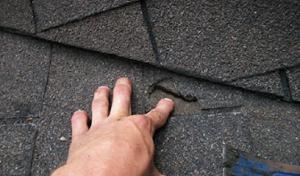
After a storm, your priority is clarity. Photograph all visible shingle damage, lifted edges, and any displaced flashing around chimneys, valleys, and vent pipes. Capture attic signs of water intrusion, such as staining or damp insulation, and note change in attic ventilation performance if you notice unusual condensation. Keep a log of weather conditions, the date of notices or calls from neighbors about leaks, and any temporary measures you take to minimize exposure. If possible, obtain independent assessments of roof age and condition to support the narrative that damage is storm-related rather than purely cumulative.
In this climate, timing matters: your first contact with an insurer should reflect a clear sequence of events, with photos and a concise description of observed damage. Expect that adjusters may request additional documentation or require a defect-focused diagnosis from a contractor experienced with Springfield roofs. A measured, well-documented approach reduces back-and-forth and helps ensure repairs address the true extent of storm-driven loss while avoiding unnecessary full-replacement conclusions on older homes.
Find local contractors experienced in assessing and restoring roofs after hail, wind, and severe weather events.

J. Parker Contracting
(215) 837-9135 pennsylvania-roofing.com
761 W Sproul Rd, Springfield, Pennsylvania
4.7 from 87 reviews
For over two decades, J. Parker Contracting has been a trusted name in the home improvement industry, providing comprehensive roofing, painting, and siding services to residents of Delaware County. Renowned for their unwavering commitment to excellence and customer satisfaction, J. Parker Contracting has established itself as a pillar of dependability in the community. Family owned and operated.

Last Stop Roofing & Home Repair
(516) 710-6656 laststoproofing.wixsite.com
Serving
4.9 from 73 reviews
Last Stop Roofing & Home Repair, LLC is one of the best roofing companies in Philadelphia providing roof repair, Shingle Roofing, Flat Roofing, Full Roof Replacement and serving Philadelphia & all surround areas. We are the top Contractors in Philly committed to highest customer service and workmanship. Protect your largest investment with our reliable roofing services
McHUGH ROOFING • SIDING
(484) 494-0245 mchughroofing.com
Serving
4.8 from 210 reviews
Reliable roofing professionals committed to providing outstanding service and quality products at a fair price. With over 30 years experience - we specialize in: shingle roof replacements, siding, gutters & windows. Residential + Commercial 0% Interest Financing Available Free Estimates Certainteed Certified 8x Voted Best Roofer of Delaware County, PA Happy Homeowners in PA, NJ & DE
New Look Builders
Serving
4.6 from 80 reviews
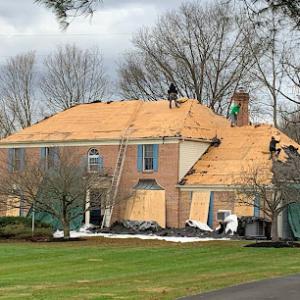
New Look Builders is a full-service roofing contractor serving customers since 1996. New Look Builders specializes in roof repair, roof replacement, siding, commercial roofing, windows, deck installation, and more. Call today or visit for a free estimate if you live in Ambler and nearby areas.
Bonner Master Roofing
(610) 876-8800 www.bonnerroof.com
Serving
5.0 from 130 reviews
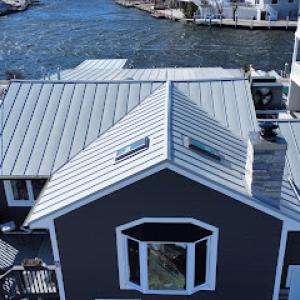
Bonner Master Roofing specializes in roofing services from shingles & simple homes to historical restorations, slate, copper, metal roofs, all types of flat roof systems and everything involved with roof related carpentry. We also install everything from vinyl siding to fiber cement and wood cladding on exterior walls. We specialize in all types of gutters from seamless aluminum to half rounds, copper, pole, yankee, built-ins and Euracraft. Most importantly, we pride ourselves in our leak diagnostics and repairs. We are located in downtown Media, PA.
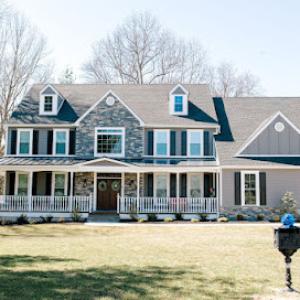
AMDG Exterior Contracting
Serving
4.9 from 142 reviews
AMDG Exterior Contracting, LLC has been proudly serving Delaware and Montgomery Counties since 2005. The company was established in Clifton Heights, Pennsylvania where it ran all operations for eight years. AMDG quickly established a neighborhood reputation as an honest and reliable roofing and siding company. During their time in Clifton Heights AMDG was voted by readers of the Daily Times as the “Best Home Improvement Contractor” in the annual Best of Delco publication. Through pure dedication to their craft, AMDG gained GAF MasterElite roofing status, an A+ rating from the Better Business Bureau, and certifications in Certainteed and Versico roofing systems.

Green Star Exteriors
(800) 625-0021 greenstarexteriors.com
Serving
4.6 from 717 reviews
At Green Star Exteriors our mission is to provide and install superior vinyl replacement windows, roofing, siding and doors. We are dedicated to completing every job exactly as promised and providing our customers with the most gratifying experience possible. With decades of experience in the home improvement industry, we stand firmly behind our unmatched craftsmanship and attention to detail.
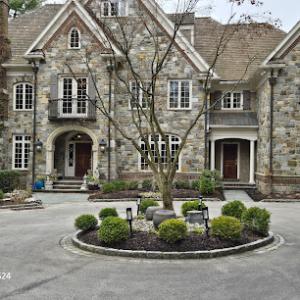
Next Level Building Contractors
Serving
5.0 from 20 reviews
Next Level Building Contractors is a full-service contracting company dedicated to quality, integrity, and results. We specialize in all phases of construction — from residential remodeling and property improvements to commercial renovations and specialized builds. What sets us apart is our attention to detail and our passion for doing the job right the first time. We take pride in every project, whether it’s a small repair or a large-scale build, treating each with the same level of professionalism and care. Our team combines years of experience, modern techniques, and a customer-first approach to ensure every project not only meets but exceeds expectations.
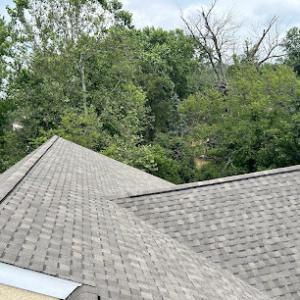
J&A Contracting
(610) 751-4193 jacontracting.jobbersites.com
Serving
5.0 from 37 reviews
Full exterior contractor specializing in waterproofing and remediation
KO Roofing
(610) 506-9819 koroofingphilly.com
Serving
4.5 from 130 reviews
Contractor specializing in all phases of home exteriors including shingles, flat roofs & siding servicing Philadelphia and surrounding counties. We strive to provide quality work at honest affordable prices.
NEF General Contracting
(267) 690-4901 www.nefgeneralcontracting.com
Serving
4.7 from 24 reviews
NEF General Contracting is a locally owned and operated general construction company that proudly serves Philadelphia and the surrounding areas. We are fully licensed, bonded and insured. Our friendly, courteous team members are available to assist you every day of the week, so we are available any time you may need us, day or night.
All Roofing Solutions
Serving
4.9 from 68 reviews
All Roofing Solutions is a family-owned & operated Delaware County PA roofing contractor with over 25 years of experience in residential & commercial roofing. We provide a full range of roofing, siding, gutter, and windows/door installation & repair services to both residential and commercial customers in Delaware County and Chester County, Pennsylvania. Fully licensed and insured, we offer a 30-year workmanship guarantee and a complimentary extended material warranty on all of our full roof replacements!
When planning a roof replacement, you'll want to compare Springfield reroof pricing against the established per-square ranges. Asphalt Shingles sit at the lower end of the spectrum, typically aligning with the more common suburban homes in the area. Metal roofing moves into the mid-to-upper range, while Clay Tile and Concrete Tile sit at the high end, reflecting their material and installation complexities. Wood Shingles and Synthetic/Composite Shingles fill the middle, with synthetic often a bit more affordable than natural wood in this market. In practical terms, expect asphalt projects to fall near the lower end of the provided ranges, with tile systems pushing toward the higher end, especially on larger homes or those with more complex rooflines.
Older homes in this city frequently require decking repairs, upgraded ventilation, or more detailed flashing work as part of a reroof. The local review process pays careful attention to attic ventilation, proper flashing at valleys and penetrations, and secure eave protection. When decking shows signs of rot or moisture damage, or when ventilation upgrades are necessary to meet performance goals, total costs rise accordingly. The same logic applies to flashing-extra linings, step flashing, and careful integration with existing chimneys or skylights add labor hours and material needs. If your home needs these ancillary repairs, budget margins should reflect a higher final price than a straightforward replacement on a newer, well-preserved roof.
Late spring through early fall represents the busiest installation window in this part of Pennsylvania. Storm-driven demand can tighten scheduling and push pricing upward, especially after winter freezes that leave a backlog of repairs and inspections. If you're planning around a tighter calendar, you might encounter shorter lead times and higher bids that reflect peak capacity. To mitigate surprises, align expectations with the typical industry rhythm: you'll likely see more competitive pricing in the shoulder seasons, but weather windows can still drive demand and affect crews' availability.
Keep a close eye on the material mix you choose. Asphalt will generally give you the most budget-friendly option, while tile systems will drive the cost higher. Use the per-square ranges as a baseline, and add a contingency for decking, ventilation, and flashing work as a prudent step for Springfield homes.
Get a clear picture of your project costs upfront - no commitment required.

In Springfield, a full reroof is treated as a formal project rather than simple maintenance. This means you cannot skip the permit process or simply patch and go. The local building department expects a documented plan that demonstrates proper ventilation, flashing details, and accessible attic space. Treat the permit as a practical guide to avoiding later rework, especially given the area's freeze-thaw cycles and the risk of wind-driven leaks during storms. Planning ahead with a licensed contractor helps ensure the scope reflects the required work and aligns with what the town will expect during review.
The permit review focuses on three central elements: ventilation, flashing, and attic access. Ventilation is critical in this climate to prevent attic moisture buildup that can feed ice damming and degrade decking. Expect to see calculations or specifications showing ridge and soffit venting, or alternative compliant layouts, with attention to continuous airflow across the roof while the home is enclosed. Flashing details are another focal point-covering chimney caps, sidewall joints, valley intersections, skylights, and roof-to-wall transitions to stop storm-driven rain from seeking shelter under shingles. Attic access is checked for both practical usability and code compliance, ensuring safe egress and adequate clearance for inspection during and after installation. The local reviewer will scrutinize these items with the same care given to new construction in areas that endure winter weather, so anticipate questions and be prepared with updated drawings and product data.
Expect a typical 1-2 week permit processing window in Springfield. Start the clock early by submitting a complete package: structural notes, ventilation plan, flashing details, and attic access plan. Your contractor should coordinate with the building department to align inspections with the installation workflow. Scheduling matters around weather can affect timing, but the permit process itself follows a predictable path-review, approval, and then staged inspections. Enlisting a contractor who has prior experience with the local permit office helps minimize delays and ensures the plan includes all required documentation.
Two inspections are central: underlayment or installation stage and final completion. The first inspection confirms that roof sheathing, underlayment, and ventilation provisions are correctly installed before the front-facing shingles go on. The second, a final completion inspection, verifies that ventilation remains functional, flashing details are properly integrated, attic access remains clear, and all work conforms to the approved plan. If the inspector finds gaps between what was approved and what was installed, be prepared for corrective work before the permit can be closed. Adhering to the plan and staying aligned with the local code expectations reduces the chance of post-install issues tied to winter performance, such as ice damming and storm-driven leaks, which are common concerns with older suburban homes in this area.
Although Springfield is primarily a steep-slope residential market, the contractor signal mix shows meaningful demand for flat and low-slope roof work on porches, additions, and small commercial sections. In this climate, standing water on low-slope sections during rain events can back up into flashing and create ice dam pressure when single-purface roofs sit below surrounding eaves. The local four-season pattern-freeze-thaw cycles plus heavy winter precipitation-puts additional stress on marginal flashing and attic access near these additions. Expect roof-to-wall transitions to be a weak point if attic ventilation is not coordinated with the new low-slope area.
If a Springfield home has both shingle and low-slope portions, start with a joint inspection of the entire roof system, not just the most recent section. Look for mismatched flashing, improper terminations at walls, and evidence of water re-entry near dormers or porch connections. Assess attic ventilation in both areas; poor bypass between high- and low-slope zones will worsen frost-related leaks and ice dam formation. Ensure hatch doors, scuppers, and drainage paths are kept clear during winter and after heavy storms. A careful moisture map at the interface between surfaces helps prevent a single-surface reroof from missing a broader vulnerability.
Coordination matters when shingles meet low-slope sections. The goal is a seamless transition with compatible flashing, a continuous drainage path, and adequate ventilation across surfaces. When the project includes a porch or added room, specify integrated flashing that steps down properly and seals the wall-to-roof plane without creating a trap for meltwater. Define a clear sequence for removal and installation so that the low-slope area is not left exposed to weather during the work window. In colder months, plan for temporary protection against wind-driven rain and sleet while joints cure.
Choose a low-slope roofing solution that tolerates standing water and echoes the performance needs of the adjacent shingles. Pay particular attention to edge detailing where the low-slope meets the main roof, and ensure fasteners are sized and placed to resist wind uplift without compromising the integrity of surrounding shingles. Use compatible underlayment with proven cold-weather performance and confirm that drip edges extend far enough to direct water away from the wall assembly. All penetrations-vents, skylights, and drainage lines-should be sealed with a continuous, weather-tight seal that remains flexible through freeze-thaw cycles.
After installation, implement a bi-seasonal inspection routine that checks for pooled water, frost buildup near flashing, and the condition of attic access openings. Clear any debris from drains and scuppers before winter to maintain a free drainage path. In Springfield, small cosmetic leaks at the intersection of surfaces can escalate quickly during a harsh winter; address them promptly to prevent larger compromises in the attic and wall assemblies.
Find specialists in TPO, EPDM, and built-up flat roofing systems for residential and commercial properties.
J. Parker Contracting
(215) 837-9135 pennsylvania-roofing.com
761 W Sproul Rd, Springfield, Pennsylvania
4.7 from 87 reviews

Last Stop Roofing & Home Repair
(516) 710-6656 laststoproofing.wixsite.com
Serving
4.9 from 73 reviews
Older homes in this area carry a quiet risk around skylights and chimneys, especially where roofs were never fully upgraded to modern flashing standards. The local contractor market shows strong skylight and chimney-related demand, which aligns with leak-prone roof penetrations on older Springfield homes. If a roof is nearing the end of its life or has not had targeted flashing work, those penetrations are prime trouble spots.
Spring inspections place a keen eye on flashing, and leak complaints around skylights and chimneys are treated with priority during reroofs. A thorough flashing wrap, properly integrated step and counter-flashing, and a tightly sealed chase for any venting are non-negotiables. If flashing is rushed or misaligned, the consequence is not only a leak but hidden rot in attic corners that can undermine the whole roof system.
Wind-driven rain in spring and fall often reveals penetration leaks in this region before broad field shingle failure is obvious from the ground. That means every reroof should anticipate the moment when a gusty shower finds a seam where skylight curb or chimney flashings meet the roof plane. Don't wait for visible water marks inside ceilings to decide a fix; anticipate those lean seasons and verify flashing integrity with an up-close inspection.
During roof work, ensure skylight or chimney flashing is integrated with the roof system and that attic access remains clear for ongoing evaluation. Ventilation around those penetrations should be balanced with a dry, well-sealed interior, so that any future wind-driven rain has fewer pathways to reach living spaces. In practice, prioritize correct sealing, continuous waterproofing along the curb, and a system that sheds water away from the chimneys and skylights.
Find contractors experienced in skylight installation, flashing, and leak repairs to bring natural light into your home.
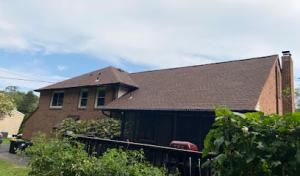
You'll notice that most full replacements in this area are concentrated from late spring through early fall. That window helps you dodge the tougher winter tear-off conditions, when ice and snow can slow work and threaten attic ventilation and flashing repairs. With soils or landscaping still recovering from winter, crews can maneuver safely and keep decking and underlayment dry during the critical stages of removal and installation. Homeowners who wait too long into late fall often run into shorter days and weather constraints that increase the risk of rushed work or compromised ventilation work between storms.
Summer heat and UV exposure in this part of the state ages asphalt products more quickly, so delaying replacement after visible wear can shorten the remaining service life of the chosen shingles. If you watch curling, cupping, or granule loss progress through spring and early summer, plan ahead and align the installation with a stretch of stable weather before peak heat hits. Scheduling within a window that avoids the hottest weeks can also help protect attic insulation and ventilation during the tear-off and re-sheeting process. A properly vented attic, with the right balance of intake and exhaust, is essential to sustain the new roof's performance under Delaware County's freeze-thaw cycles.
The presence of warranty-offering and manufacturer-certified contractors matters more in this area when homeowners compare long-term value after winter storm seasons and during permit-reviewed installations. When you choose a certified installer, you gain access to manufacturer-backed warranties that are designed to withstand local freeze-thaw stress and storm exposure. Look for technicians who can demonstrate product-specific training, documented adherence to installation manuals, and a history of properly braced flashing, attic access, and ventilation details. In this climate, a trustworthy warranty is not just about coverage-it's about confidence that installation practices won't undermine performance during the region's recurring winter cycles.
In this market, contractor responsiveness after storms is a practical baseline. You want a firm that can schedule a roof assessment quickly, arrive with a complete crew, and protect your driveway and landscaping during teardown and replacement. Look for a two-part signal: prompt phone calls or texts to set up a visit, and a concrete plan for minimizing disruption to neighbors and property. Do not assume fast means sloppy-documented method and clean, professional crews matter just as much as speed.
Cleanup is a major local priority, especially in established neighborhoods with driveways, landscaping, and close neighboring homes. Ask how debris will be contained, where tarps will go, and how nails or shingle pieces will be collected. Inquire about the crew's process for protecting delicate landscape features and neighboring yards during a storm-driven replacement. A reliable contractor will outline a clear daily end-of-site protocol and leave the property broom-clean.
Long-established, affordable, family-owned operators are common in this market, so neighborhood word-of-mouth offers real value. Seek those who have repeated referrals in your area and can point to a steady local crew rather than a rotating subcontractor roster. Ask for a handful of recent local homes with similar roof types and weathered conditions, and arrange quick on-site visits to gauge workmanship and project flow. Responsiveness to follow-up questions often signals ongoing accountability.
Older Springfield homes present unique challenges: attic access, ventilation, and flashing integration with existing structures. During the estimate, request a walkthrough that focuses on attic intake and exhaust balance, proper underlayment, and flashing transitions around chimneys, vent pipes, and walls. Ensure the roofer explains how they will protect existing insulation and prevent ice dam formation with ventilation and insulation improvements alongside the new roof. A credible pro will tailor the plan to your home's age, roof pitch, and debris history.
Before any decision, confirm the proposed crew's scheduled start window, anticipated daily progress, and safety practices on a working steep roof. Ask for a written outline of what will be done first, how storm-related damage will be prioritized, and how site supervision will occur to keep neighbors content after a storm event.
Pennsylvania homeowners insurance generally remains available after roof claims, but carriers in this area will ask for thorough storm documentation rather than relying on verbal descriptions. After a hail or high-wind event, Springfield homeowners often deal with older suburban roofs that have unique vulnerabilities-ventilation, flashing, and attic access can drive coverage decisions. Provide a clear, dated account of what happened, who inspected the roof, and what was observed in the attic or eaves. Keep records of the roof's age and any previous repairs, since that context helps insurers assess current damage in a local climate with regular freeze-thaw cycles.
In a market where emergency response after storms is common, documenting damage before any temporary repairs is essential. Take photos from ground level and from the roof if safe, capturing overall damage and close-ups of shingles, flashing, and vent seals. Include images of attic signs like moisture streaks or dark staining around joints. Note the exact locations of damage on a simple map or sketch. Record the date and the names of any contractors who evaluated the roof. Preserve all torn shingle pieces or granule loss as evidence of impact and wear. This level of detail often influences claim timelines and coverage decisions, particularly on older Springfield homes with complex roof lines.
Create a centralized file-digital copies with backup-containing photos, roof age records, and replacement estimates, plus weather reports linked to the event. Include prior maintenance notes and any previous storm-related assessments. Store copies of communications with the insurer and written repair plans. Well-organized records help clarify the situation for carriers that scrutinize storm damage, especially when the roof's ventilation, flashing, and attic access are part of the claim narrative.
Connect with contractors who help homeowners navigate the claims process from damage assessment to final approval.