
Last updated: Apr 19, 2026
Spring and summer storms in Media bring hail and high winds that can compromise shingles, flashing, and the venting stack in a hurry. After a storm, you should perform a quick, thorough roof walk if it's safe to do so, focusing on dented or lifted shingles, missing granules, and any dark, wet patches that could indicate hidden leaks. If stairs or a ladder are required, secure footing and avoid slick surfaces. When you identify damage or suspect a leak, limit interior exposure by moving valuables away from affected ceilings and walls and place clean buckets under drips. This is the moment to engage a local roofer who can perform a rapid tarping and debris removal plan to buy you time before a full repair. In neighborhoods with established, tree-lined streets, branches and shingle debris can blanket gutters; clear those carefully to restore drainage and reduce water backing up onto the roof edge.
Winter and early spring freezes complicate tear-off work and can stall permanent fixes, making temporary tarping an essential step. If leaks are active during freezing conditions, avoid risky failures by keeping tarps secure with weighted edges and ropes, and use existing roof seams to anchor detours for water away from living spaces. Active leaks in cold weather can worsen insulation damage and ice dam formation, so prioritize a rapid, staged repair plan that limits exposure of attic spaces to cold air and helps maintain interior temperatures. When temperatures swing, roofers may need to delay full membrane or shingle replacement until the weather window opens; in the interim, those tarps should be checked after each snowfall or thaw cycle and adjusted promptly to prevent wind-driven leaks from advancing.
Autumn leaf drop complicates drainage and leak tracing after heavy rain. Clogged gutters and downspouts can force water to back up onto the roof edge, seeping under flashing and into attic spaces. After a downpour, inspect gutters for leaf build-up and remove blockages safely, then verify that downspouts discharge water away from the foundation. Rain-driven leaks often follow the path of least resistance, so pay attention to soffit lines, penetrations around skylights, and chimney flashing, where leaves can mask the true source. When tracing a leak, test by simulating rainfall with a garden hose on low pressure, focusing along flashing seams and joints. Document every finding with photos and timestamps to guide the repair crew and help you describe the issue clearly to your insurer if an after-storm claim is filed.
After a storm, the key to a smooth resolution is solid documentation. Capture weather conditions, date and time, and visible damage from multiple angles-both on the roof edge and interior water intrusion points. Keep a running log of when tarps were placed, when crews accessed the roof, and what temporary fixes were implemented. Written notes should accompany photos so that any adjuster can follow the sequence of events. Store this information in a dedicated folder and share copies with your insurer promptly. In dense neighborhoods, where rapid response matters, a timely report sets the stage for faster authorization of repairs and minimizes the risk of coverage gaps due to delayed claims.
Communication with a nearby, reputable roofer who understands Media's seasonal patterns is essential. A trusted contractor will prioritize temporary protection and staged repairs when weather windows are narrow, coordinating with you to align the repair timeline with school schedules, work commitments, and weather forecasts. Given the neighborhood layout and mature trees, scheduling around anticipated storms and wind events makes a real difference in limiting additional damage. If you notice a sudden rise in interior moisture after a storm, treat it as urgent-fast action preserves your structure and reduces the scope of permanent repairs.
Costs in Media bind closely to the type of roof chosen, with asphalt shingles offering the most budget-friendly entry and tile options pulling the price upward. Provided local cost ranges run from $350 to $800 per square for asphalt shingles, $650 to $1500 for metal, $900 to $2200 for clay tile, $800 to $1800 for concrete tile, $500 to $1100 for wood shingles or shakes, and $450 to $950 for synthetic or composite shingles. Those figures reflect typical installation in a four-season climate where wind, hail, and storm debris create occasional spikes in material and labor needs. In practice, a homeowner weighing asphalt against metal or tile will see a noticeable gap between an entry-level install and higher-end options, especially when the roof line or attic space adds complexity to the project.
Tight borough lots and mature tree coverage shape both the scope and the hassle of a re-roof in this area. Tear-off, staging, and debris handling become harder when limited space restricts crane and material staging zones, and crews must choreograph access to minimize disruption on crowded streets. In such conditions, the same job can require longer labor hours or additional crew coordination, nudging the final price toward or beyond the upper end of the generic ranges. If a roof sits under a heavy canopy or near narrow driveways, expect staging to be a material portion of the estimate, not a cosmetic add-on.
Storm season and shifting weather patterns can introduce soft costs that ripple through the project timeline. Weather-related re-inspections or additional check-ins to confirm shingle sealant and flashing performance after wind events can extend the schedule and elevate costs slightly. The borough's seasonal cycle also means tight windows for full re-roofs, particularly after winter storms when crews must balance freezing conditions with roof work. When planning, expect a cautious approach to scheduling that minimizes blow-off risk and allows for proper inspection of venting, gutters, and attic ventilation once the weather clears.
For a typical Media borough home, start with the material's base range and add a buffer for site-specific challenges such as limited space for debris and equipment, or additional staging needs prompted by mature trees. If choosing heavier systems like clay or concrete tiles, prepare for higher labor costs and longer installation times, which compounds on tight lots and in tree-dense streets. A comprehensive estimate should itemize tear-off, disposal, underlayment, flashing, and any required ancillary work such as fascia replacement or vent repairs, so the soft costs tied to scheduling and inspections are visible alongside the hard material price.
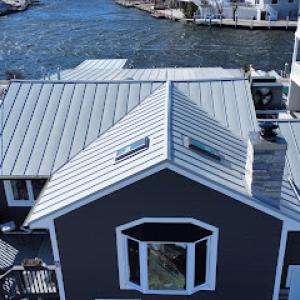
Bonner Master Roofing
(610) 876-8800 www.bonnerroof.com
111 N Olive St, Media, Pennsylvania
5.0 from 130 reviews
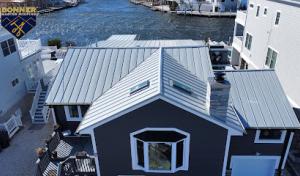
Bonner Master Roofing specializes in roofing services from shingles & simple homes to historical restorations, slate, copper, metal roofs, all types of flat roof systems and everything involved with roof related carpentry. We also install everything from vinyl siding to fiber cement and wood cladding on exterior walls. We specialize in all types of gutters from seamless aluminum to half rounds, copper, pole, yankee, built-ins and Euracraft. Most importantly, we pride ourselves in our leak diagnostics and repairs. We are located in downtown Media, PA.
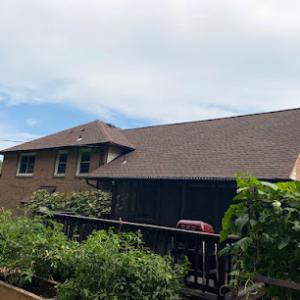
All Roofing Solutions
1167 W. Baltimore Pike Suite #242, Media, Pennsylvania
4.9 from 68 reviews
All Roofing Solutions is a family-owned & operated Delaware County PA roofing contractor with over 25 years of experience in residential & commercial roofing. We provide a full range of roofing, siding, gutter, and windows/door installation & repair services to both residential and commercial customers in Delaware County and Chester County, Pennsylvania. Fully licensed and insured, we offer a 30-year workmanship guarantee and a complimentary extended material warranty on all of our full roof replacements!
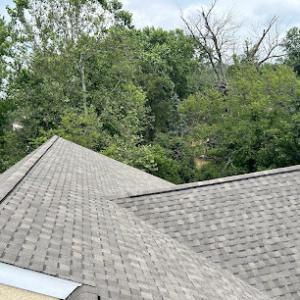
J&A Contracting
(610) 751-4193 jacontracting.jobbersites.com
635 Brooke St, Media, Pennsylvania
5.0 from 37 reviews
Full exterior contractor specializing in waterproofing and remediation
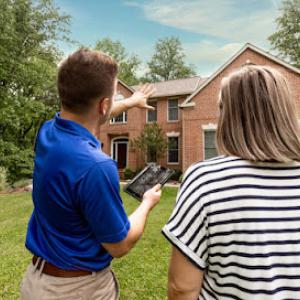
Nu Look Roofing, Siding, & Windows
(484) 673-6498 nulookhomedesign.com
Serving
4.9 from 102 reviews
At Nu Look Home Design, we believe finding a trustworthy contractor should be the easiest part of your home project. For over 20 years, we have been the trusted partner for over 50,000 homeowners, making the remodeling process stress-free. We offer free estimates with 3D renderings, personalized product selection, flexible finance options, comprehensive warranties, and a proven 13-step production process. With transparent, line-by-line pricing, you’ll know exactly what you're paying for. Our responsive and accountable team ensures your satisfaction with a lifetime transferable warranty and our Peace of Mind Guarantee, where you don't pay until the job is completed to your satisfaction. Choose Nu Look and experience the difference.
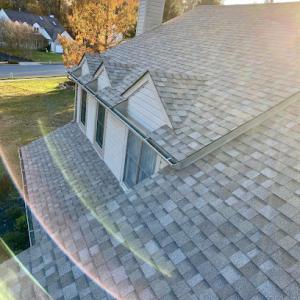
S&S Remodeling Contractors
(610) 904-3964 www.ssremodeling.com
Serving
4.8 from 172 reviews
S&S Remodeling Contractors has proudly served Chester, Delaware, and New Castle Counties since 1953. A fourth-generation, family-owned business, we specialize in roofing, siding, windows, doors, sunrooms, decks, and retractable awnings. Our experienced team delivers superior craftsmanship and personalized service to homeowners across Southeast Pennsylvania and Northern Delaware, including Media, Springfield, and Wilmington. From roof replacements to custom doors, we bring quality and care to every project. Trust S&S Remodeling to transform your home’s exterior — one project at a time.
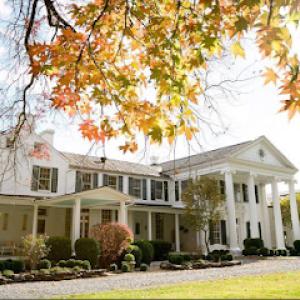
Walker Roofing & Siding
(610) 872-2032 walker-roofing.com
Serving
4.8 from 51 reviews
From our free estimates and fair, honest pricing to our insistence on using only the finest roofing materials, you can be sure that your roofing project will be handled with the care and respect it deserves. We believe the quality of our work speaks for itself. That's why we're proud of our A+ rating with the Better Business Bureau, and to have earned Angi's coveted Super Service Award - an honor reserved for only a handful of construction companies nationwide. From roof installations to roof repairs and maintenance, each project is handled with care, a focus on communication, and a commitment to getting the job done right the first time. Complete customer satisfaction is our goal.
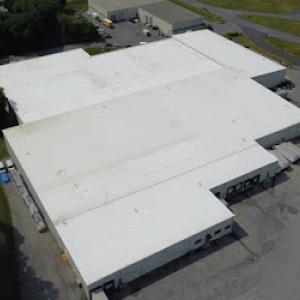
R Titter Roofing
(610) 358-8882 www.rtitterroofing.com
Serving
5.0 from 17 reviews
R. Titter Roofing, LLC is a commercial and residential roofing contractor with over 30 years of experience evaluating, repairing, and installing both low slope and steep slope roofing systems. Based out of Aston, Pennsylvania, R. Titter Roofing provides inspection, repair, maintenance, and roof replacement services to the Eastern Pennsylvania, Delaware, New jersey, and Maryland area.
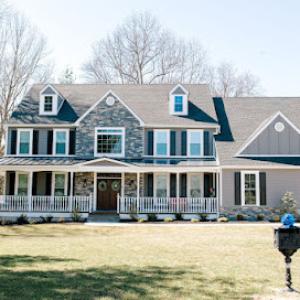
AMDG Exterior Contracting
Serving
4.9 from 142 reviews
AMDG Exterior Contracting, LLC has been proudly serving Delaware and Montgomery Counties since 2005. The company was established in Clifton Heights, Pennsylvania where it ran all operations for eight years. AMDG quickly established a neighborhood reputation as an honest and reliable roofing and siding company. During their time in Clifton Heights AMDG was voted by readers of the Daily Times as the “Best Home Improvement Contractor” in the annual Best of Delco publication. Through pure dedication to their craft, AMDG gained GAF MasterElite roofing status, an A+ rating from the Better Business Bureau, and certifications in Certainteed and Versico roofing systems.

Bumble Roofing of Greater Philadelphia
Serving
4.9 from 67 reviews
Bumble Roofing of Greater Philadelphia makes roofing easy with expert solutions tailored for both homeowners and businesses. Our trusted roof contractors are committed to delivering quality workmanship with honesty and transparency. With over 60 years of combined experience and more than 2,700 successful roof installations, repairs, and replacements, we’ve built a reputation you can count on. We offer one clear, upfront price and a full, detailed roof report—no haggling, no hidden fees, no gimmicks. Whether you need a simple repair or a full roof replacement, we’re here to make the process smooth, reliable, and stress-free. Visit us today and experience the Bumble Roofing difference.
J. Parker Contracting
(215) 837-9135 pennsylvania-roofing.com
Serving
4.7 from 87 reviews
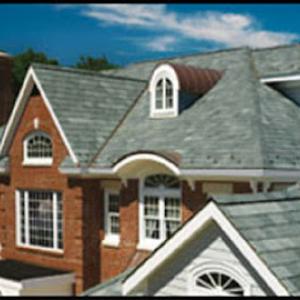
For over two decades, J. Parker Contracting has been a trusted name in the home improvement industry, providing comprehensive roofing, painting, and siding services to residents of Delaware County. Renowned for their unwavering commitment to excellence and customer satisfaction, J. Parker Contracting has established itself as a pillar of dependability in the community. Family owned and operated.
Isaac's Home Improvements
(610) 247-9335 www.isaacshomeimprovements.com
Serving
5.0 from 53 reviews
For complete home exterior services, contact Isaac's Home Improvements. Offering 20 years of experience in roofing, siding, gutters, and painting, they will make your home look fantastic. We provide free estimates over the phone on all our services!
Just Improvements
(610) 334-3993 www.justimprovements.com
Serving
5.0 from 45 reviews
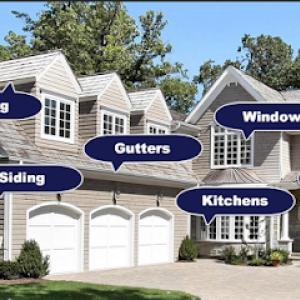
At Just Improvements, we understand how important it is to trust the people working on your home. Based in Newtown Square, PA, we’ve built a strong reputation for honest, high-quality roofing and exterior work in nearby communities like Malvern and Broomall. Our team treats every home like it's our own — whether it’s a new roof, siding repair, or gutter installation, we deliver dependable results with care and craftsmanship. We’re not here for quick fixes — we’re here to protect your home for the long haul. If you're looking for a contractor who shows up, communicates clearly, and stands behind their work, give Just Improvements a call. We’re proud to be a name homeowners can count on.
Replacement projects in Media are most efficient when dry, moderate weather dominates. Scheduling window installs after a stretch of stable days helps crews set and seal without battling sudden rain or fluctuating temperatures. In Media, replacement timing is commonly aligned with dry, moderate weather to improve installation efficiency and long-term roof performance. For homes that share tight tree-lined lots, a window project that follows a successful roof tear-off can reduce debris intrusion and protect interior spaces from pressure changes during the finish. Consider a window project window after the bulk of seasonal storms has passed, but before the heat of summer properly asserts itself.
Hot summer temperatures can affect material handling and adhesive performance for some roofing products, so crews often plan around heat and direct sun exposure. When selecting windows, factor in local sun exposure and shading from mature canopy trees common along Media streets. Vinyl and fiberglass frames tend to expand and contract less with temperature swings than certain wood options, helping seals stay airtight in the cycle between cool mornings and hot afternoons. For homes with exposed eaves or high sun exposure, plan the install early in the day or during cooler spells to minimize edge warping and ensure shims settle correctly.
Storm response in this area often involves rapid assessments and debris-heavy days. Coordinate window replacement to avoid overlapping tear-offs and roof work where possible. A practical approach is to stage the window project after a roof membrane or underlayment has been secured, so crews can focus on the wall openings without reintroducing debris into the attic or overhangs. In dense borough streets, trees can produce sudden branch fall events; plan access routes and waste containment to keep gutters and vent screens clear during installation.
Proper flashing around rough openings is essential, especially in four-season weather where rapid shifts can drive condensation into wall cavities. The best practice is to integrate window flashing with any existing roof-to-wall transitions to maintain a continuous moisture barrier. For Media homes with older siding, ensure that the exterior finish remains compatible with new window flashing details to prevent future leakage paths. Installers should verify that sill drainage slopes away from the interior and that weatherstripping remains continuous through seasonal temperature cycles.
After a severe wind, hail, or heavy rain event, review any noticed leaks at windows, especially near roof intersections and cornices. Document damaged seals, cracked panes, or compromised flashing for insurance discussions and future repairs. Take clear photos from multiple angles, noting weather conditions and the date. A neighborly approach in Media is to compare notes with nearby homes that share similar roof lines and window configurations to confirm whether observed issues are isolated or part of a broader pattern. This helps establish a coherent timeline for repairs and minimizes disruption during tighter scheduling windows.
The dominant roofing materials in Media are asphalt shingles, metal roofing, clay tile, concrete tile, wood shingles or shakes, and synthetic or composite shingles. Each brings a different look and performance profile to a dense, tree-lined neighborhood where seasonal weather tests rooftops from wind-driven hail to heavy rain. Asphalt remains the broadest-fit option, balancing ease of repair, availability, and compatibility with older homes that line the borough. In practice, you'll often see asphalt rides up against bolder choices like metal or tile on blocks with tighter lot lines and more pronounced eave detail. Understanding how these materials handle the local climate helps you plan for storm debris, wind exposure, and long-term durability.
Asphalt remains the broadest-fit option in Media, while tile and wood systems require closer attention to structural loading, detailing, and maintenance on older homes. Clay tile and concrete tile deliver distinctive curb appeal and excellent longevity, but they demand a sturdy roof deck and precise rafter spacing to avoid sagging or premature failure. On older properties, crews must verify that the underlying structure can bear the weight and that flashings, vents, and skylight details are integrated to handle seasonal shifts. Wood shingles or shakes offer a traditional look and good insulation but can be more susceptible to weathering and insect activity without regular maintenance. If you choose wood, anticipate ongoing inspection for moisture intrusion around roof penetrations and in valleys.
Synthetic and metal options are relevant in Media for homeowners balancing appearance, durability, and seasonal weather performance across cold winters and warm summers. Metal roofs provide excellent wind resistance and fast debris shedding, which is helpful after storms that drop branches onto roofs in densely treed streets. Synthetic or composite shingles offer versatile aesthetics, lower maintenance relative to some natural materials, and improved hail resistance in certain formulations. When evaluating these choices, consider how their textures and colors complement the home's style, how valley and ridge detailing will hold up to wind-driven debris, and how the roof seam or panel layout will perform under freeze-thaw cycles typical of Media winters. For many properties, a hybrid approach-combining materials in key areas-delivers optimal performance without compromising the heritage look of the street.
In this dense, tree-lined borough, several generations of homes share common design quirks that influence how roofs age. Media's older housing stock often mixes main pitched roofs with porch roofs, additions, and other low-slope sections that age differently and may need different repair methods. When storms roll through, that patchwork can hide weak spots behind dormers or near junctions where roof planes meet. The consequence is that a single leak or wind-driven blow-off may start on one part of the roof and travel to another, making careful inspections essential after every storm.
Skylight penetrations are a local service category, making flashing condition and leak tracing especially important during inspections in the borough. A stubborn interior drip often starts at a misaligned flashing curb, a torn boot, or a gap where sealant has aged. In these homes, skylights sit on roofs that may also carry older membranes and cedar shakes nearby, so professional tracing that follows water intrusion back to its source is worth the time. Do not assume a bright morning sun means dry ceilings; wind shifts and shade can disguise slow leaks for days.
Where low-slope sections are present, standing water risk and membrane condition should be evaluated separately from the main roof covering. Porch roofs and additions frequently feature a shallower pitch that invites algae buildup and edge pooling after heavy rain. A comprehensive inspection should document drainage patterns, flashing transitions at transitions to steeper planes, and any blistering or curl in the membrane. Because these areas age on a timetable, neglecting them can complicate a later re-roof project and compromise the overall waterproofing of the home.
After a storm, you should photograph and note the condition of all roof penetrations, including skylights, vents, and joints between main roofs and low-slope sections. In the borough, the mix of roof types means damage can be patchy and not immediately visible from the ground. Take wide shots of the attic space if safe, and save dates and weather reports that corroborate activity. When a leak is suspected, sequences of exploration from the inside can guide the exterior inspection: start at the highest, chronologically last place where water is seen and work toward the source. Having this documentation ready helps the insurance process by showing timely responses and repair needs. Respect the risk of mold growth after long exposures and arrange timely remediation to limit interior damage. Prompt action also helps preserve the home's value and comfort.
Find contractors experienced in skylight installation, flashing, and leak repairs to bring natural light into your home.
Bonner Master Roofing
(610) 876-8800 www.bonnerroof.com
111 N Olive St, Media, Pennsylvania
5.0 from 130 reviews
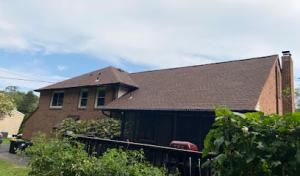
All Roofing Solutions
1167 W. Baltimore Pike Suite #242, Media, Pennsylvania
4.9 from 68 reviews
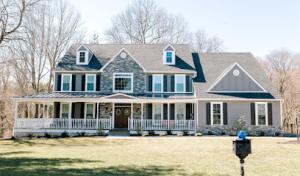
A building permit is required for a full re-roof in Media, PA. The Media borough building department handles permit submissions and inspections, so plan to engage there early in the project. The department conducts plan review, followed by site inspections after tear-off and at key progress points during the roof replacement. Knowing the sequence helps align weather windows and debris management with the inspection schedule.
Before submitting, gather the project scope, roof material type, square footage, and a current site plan showing access points and laydown areas. A licensed contractor should complete the permit application, and their license status will be checked at the time of application. Plan reviews may require structural notes or detail drawings if the overlay or replacement involves significant changes to existing framing or drainage. Be prepared to address any plan reviewer questions promptly to avoid delays that impact scheduling around seasonal storms.
Inspections occur after tear-off and at defined milestones during the project. Coordinate with the building department to set inspection dates as soon as the tear-off is complete and the new roof installation is underway. In Media's tree-heavy neighborhoods, ensure debris containment and clean-up meet inspection expectations, since improper containment can trigger re-inspection. If weather or supply delays occur, a re-inspection may be required, so maintain a clear log of the work completed and on-site conditions to streamline the process.
If the project slows, contact the borough early to schedule a re-inspection and confirm any additional documentation needed. Keeping the contractor's licensing current and readily verifiable at application helps prevent last-minute holds that could stall work through a busy season. By aligning schedule, permits, and inspections, the re-roof proceeds with fewer interruptions amid Media's seasonal winds and storms.
In Pennsylvania, you generally have roof replacement coverage when damage stems from covered perils rather than age-related wear. For Media homeowners, the key distinction is whether a storm event-wind, hail, or heavy rain causing water intrusion-caused the damage, not simply the roof's age or condition. After a storm, the next steps hinge on proving that a peril, not neglect, created the loss. This is the practical line between a covered claim and a denial based on wear.
Media-area claims rely heavily on photo documentation, contractor quotes, and the adjuster's site visit. After a wind or hail event, photograph the entire roof from multiple angles, plus any interior signs of water entry, attic staining, and damaged insulation. Capture timestamps and weather notes if possible. Obtain written quotes from reputable local roofers for the replacement and any immediate temporary repairs. These quotes should reflect the scope of work, materials, and expected timelines. If a leak is present, document its location and any nearby shingles or flashing that appear compromised.
When the adjuster visits, you want to present a clear, organized package: dated storm notes, photos, and the contractor quotes. Be prepared to discuss how the damage aligns with the storm path and wind patterns reported for your area. If the adjuster questions the cause, reference the interior and exterior damage that connects water intrusion to the storm event. Request a written scope of work and a line-by-line estimate. If the initial assessment seems incomplete, you have the option to request a supplemental review or obtain a second opinion from a reputable local roofer who can corroborate the damage assessment.
There is no statewide insurer pullback pattern in Pennsylvania, but regional market variability can still affect claim timing and policy terms for Media homeowners. Weather clustering around storm season can drive backlog in adjuster appointments and contractor availability. Plan for potential pacing in approvals and replacement scheduling, and keep a documented line of communication with your insurer to avoid gaps between assessment and repair.