
Last updated: Apr 19, 2026
Cold-season freeze-thaw cycles push moisture into the roof edge and underlayment laps. In this area, that stress settles first at edge detail, flashing transitions, and along the drip edge where water can linger. Over multiple winters, that repeated expansion and contraction invites micro-cracks in shingle granules and compromised sealant joints. The result is accelerated edge wear, quicker granule loss, and higher risk of slow leaks around dormers or roof-to-wall connections. The practical takeaway is to monitor edges and flashing annually for brittle seals, lifted granules, or any dark staining that signals moisture behind the shingles. If a section shows edge wear or loose flashing after a hard winter, plan a targeted edge re-seal or a partial replacement before the next spring storm season arrives.
Spring in the western Delaware County corridor can arrive with heavy rain, gusty winds, and rapid temperature swings. Those conditions can interrupt replacement schedules and complicate leak triage. For a homeowner facing a looming spring storm window, ensure a temporary dry-in plan is in place and tested before full replacement begins. That means secure temporary tarping or plastic sheeting over vulnerable valleys, chimney flashing, and any exposed penetrations. If a wind-driven storm hits mid-process, prioritize sealing around penetrations and resealing any flashing transitions that show moisture intrusion. On a practical schedule, align the project so work can resume quickly after a rain event, avoiding long pauses that allow underlayment laps to dry out and become less pliable. In this climate, the ability to adapt the work sequence-moving from inspection to temporary protection to final replacement within tight spring windows-defines outcomes.
Newtown Square's mature tree canopy leaves a noticeable residue in valleys, gutters, and lower roof areas as autumn winds pick up. Debris-filled valleys can trap moisture and promote early wear in the lower roof edge and along the gutter lines before winter weather sets in. The risk is twofold: debris plus moisture creates stagnant zones that can freeze and expand, aggravating sealant joints and underlayment laps. A practical approach is a thorough fall cleaning: remove leaves from valleys, gutters, and around protrusions; ensure gutters are clear of debris to promote proper drainage; and inspect underlayment laps where debris commonly collects. If sets of debris are found in the eaves or near roof-to-wall intersections, address them with a targeted clean and reseal, so panels and flashing have a clear, dry path to shed water during freeze-thaw cycles.
In this area, timing a replacement around the interplay of late winter, early spring storms, and late fall debris reduces risk. If a roof shows multiple seasons of granule loss, persistent small leaks along flashing transitions, or visible edge deterioration, that section should be prioritized for replacement within a window that avoids peak summer humidity and the wettest spring storms. A measured approach, prioritizing flashing integrity and edge sealing first, followed by staged panel replacement, helps manage exposure to freeze-thaw stress and spring storms while keeping the project on a reliable timeline.
The roofs you see around the Main Line in this area reflect a broader palette than many suburban markets. Asphalt shingles are common and familiar, but slate, clay tile, concrete tile, metal, and fiber cement all show up on the premium homes and aging estate properties that define the character of our streets. That mix matters when you're choosing a replacement: your decision isn't just about color or texture, it's about how a chosen system responds to the region's climate and the original structure's needs. Slate remains a standout in this corner of Delaware County, because many older houses arrived with steep-slope assemblies designed for long life and high performance. If your roof has a historic loom or distinctive pitches, a slate or a slate-inspired alternative may be the most faithful and durable path, but it also demands careful assessment of support structure and retrofit options.
Material choice often comes down to whether the home's architecture, rafters, and decking can bear heavier assemblies. Slate and clay or concrete tiles bring durability and a classic look, yet they require reinforced framing and sometimes upgraded attic ventilation to perform as intended. Homes with lighter timber or midcentury configurations may favor asphalt, metal, or fiber cement as more practical replacements that still deliver long service life. In this market, it's common to see a fusion of old and new-where the roof line and eave details tell a story, but the underlayment and deck are upgraded to support modern performance. When a traditional steep-slope roof sits atop a masonry or timber frame, the return on a heavier upgrade can be substantial if the structure is already built to support it.
Winters here bring reliable freeze-thaw cycles that stress material joints, fasteners, and flashings. Clay and concrete tiles, while heavy, offer excellent resistance to wind and hail when installed correctly, but their weight and require intact support system mean that replacing them is more invasive than asphalt. Slate, the area's historic favorite, endures freeze-thaw remarkably well when properly installed, but any existing cracks or failed underlayment can turn a small repair into a larger restoration. Spring storms test roof seams, valleys, and chimney flashings; the heavier tiles can shed debris differently than shingles and demand meticulous maintenance to prevent moisture intrusion. If your roof already shows micro-cracks or subtle movements after freezes, a staged replacement with a compatible long-lasting system may prevent costlier repairs in the near term.
If the roof serves a high-stud, steep-slope arched or heritage profile, slate or tile may be the most authentic and durable choice, provided the structure can support it and the installation is executed by crews familiar with historic detailing. For taller, modernized homes or ones with shorter rafters, fiber cement or metal can deliver a steadfast, weather-resilient option that still plays nicely with older surrounding architecture. In any scenario, a careful assessment of existing decking, ventilation, and attic insulation will guide the best long-term path. The goal is a roof that resists the area's freeze-thaw stress, shines through spring storms, and respects the home's original building aesthetics.
This is not an extreme catastrophe market, but local claim activity is still driven by wind and hail events that can create enough damage for insurer review without producing region-wide emergency conditions. The mix of older Main Line-era homes with steep, premium roof systems and newer suburban re-roof demand means that a single gusty storm can expose vulnerable edges, flashing, and softer underlayment before the rest of the roof shows obvious wear. In Newtown Square, careful inspection after a storm often reveals micro-damage that accumulates over days of freeze-thaw cycles, especially when heavy rain follows a sharp cold snap. The reality is that some roofs look fine from the curb but conceal issues under ridge lines or near dormers that become evident only after a thorough inspection.
Pennsylvania carriers serving this area commonly expect photo documentation, date-stamped records, and adjuster notes after storm events, so Newtown Square homeowners benefit from documenting conditions before temporary repairs begin. A steady sequence of clear photos taken over a few days can reveal shifting shingles, lifted edges, or compromised sealants that can otherwise be dismissed as minor wear. Keep a simple storm diary: note the date, wind speeds if you can verify them, and any visible movement on chimneys, skylights, or vents. When the adjuster arrives, you want to present a concise, chronological record that supports the claim rather than a collection of scattered anecdotes.
Because many homes here have mixed roof features such as chimneys, skylights, and complex flashing details, claim documentation needs to capture accessory damage and not just field shingles. Decking beneath a chimney or around a skylight can suffer from wind-driven impacts that loosen fasteners or create hidden leaks. Flashing seams around valleys, roof-to-wall transitions, and vent flashing frequently contribute to water intrusion after a storm, even if the visible shingles appear intact. If a leak appears in a bedroom ceiling or along a soffit line, don't assume it's only a cosmetic issue-trace it back to flashing or sealant failure, and document accordingly.
In the days after a storm, conduct a careful exterior and attic check before performing any temporary repairs. Look for lifted edges, exposed fasteners, and gaps around chimneys and skylights. Inside, inspect for damp insulation, staining, or musty odors that point to hidden leaks. When you contact your insurer, share the photo sequence, date stamps, and any notes from your own observations. A well-documented claim reduces back-and-forth time and helps ensure replacement decisions address both the visible damage and the related components that can fail under Newtown Square's freeze-thaw rhythm.
Connect with contractors who help homeowners navigate the claims process from damage assessment to final approval.
Tom Clark Roofing
(610) 208-7777 tomclarkroofing.com
112 Rockwood Rd, Newtown Square, Pennsylvania
5.0 from 130 reviews
Just Improvements
(610) 334-3993 www.justimprovements.com
3621 Chapel Rd, Newtown Square, Pennsylvania
5.0 from 45 reviews
Spartan Exteriors
(609) 506-1880 thespartanexteriors.com
3748 West Chester Pike suite 130, Newtown Square, Pennsylvania
5.0 from 13 reviews
Tom Clark Roofing
(610) 208-7777 tomclarkroofing.com
112 Rockwood Rd, Newtown Square, Pennsylvania
5.0 from 130 reviews
We are a locally owned roofing, siding and gutter replacement company based out of Newtown Square PA. We are a Certainteed certified master craftsman and shingle applicator giving us the ability to offer exceptional shingle warranties. We pride ourselves on quality work at a fair price. Check out our website and let our work speak for itself!
Isaac's Home Improvements
(610) 247-9335 www.isaacshomeimprovements.com
3553 West Chester Pike #310, Newtown Square, Pennsylvania
5.0 from 53 reviews
For complete home exterior services, contact Isaac's Home Improvements. Offering 20 years of experience in roofing, siding, gutters, and painting, they will make your home look fantastic. We provide free estimates over the phone on all our services!
Just Improvements
(610) 334-3993 www.justimprovements.com
3621 Chapel Rd, Newtown Square, Pennsylvania
5.0 from 45 reviews
At Just Improvements, we understand how important it is to trust the people working on your home. Based in Newtown Square, PA, we’ve built a strong reputation for honest, high-quality roofing and exterior work in nearby communities like Malvern and Broomall. Our team treats every home like it's our own — whether it’s a new roof, siding repair, or gutter installation, we deliver dependable results with care and craftsmanship. We’re not here for quick fixes — we’re here to protect your home for the long haul. If you're looking for a contractor who shows up, communicates clearly, and stands behind their work, give Just Improvements a call. We’re proud to be a name homeowners can count on.
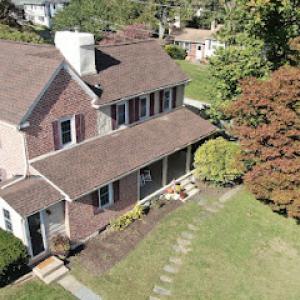
Mb Roofing
(610) 299-3740 mbroofing-llc.com
104 Rockwood Rd, Newtown Square, Pennsylvania
4.8 from 114 reviews
MB Roofing is a family owned small business with 25+ years experience in the field. Fully licensed and insured, we provide free estimates for all services. Services include roof repair, roof replacement, silver coating, gutter replacement and installation. MB Roofing takes extreme pride in staying one step ahead in this industry in order to ensure each customer receives the best experience possible and understands the value of the services they're investing in. There are no sales tactics or gimmicks when it comes to MB Roofing, just straight to the point honesty with the best deal for every project, for every customer in cities located in Delaware, Chester, & Montgomery Counties.
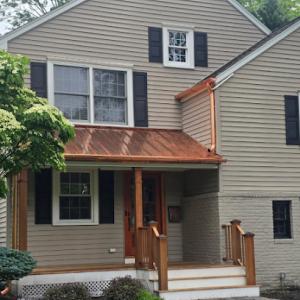
Spartan Exteriors
(609) 506-1880 thespartanexteriors.com
3748 West Chester Pike suite 130, Newtown Square, Pennsylvania
5.0 from 13 reviews
Spartan Exteriors is a top rated roofing contractor based in Newtown Square, Pennsylvania, proudly serving Delaware County and surrounding Main Line communities. We provide professional roof repairs, full roof replacements, storm damage restoration, siding, and gutter services for both residential and commercial properties. As local roofing specialists, we work directly with homeowners and insurance providers to simplify the storm recovery process and ensure quality repairs. From inspections to final cleanup, Spartan Exteriors is known for honest pricing, skilled craftsmanship, and dependable customer service you can trust.

Bumble Roofing of Greater Philadelphia
Serving
4.9 from 67 reviews
Bumble Roofing of Greater Philadelphia makes roofing easy with expert solutions tailored for both homeowners and businesses. Our trusted roof contractors are committed to delivering quality workmanship with honesty and transparency. With over 60 years of combined experience and more than 2,700 successful roof installations, repairs, and replacements, we’ve built a reputation you can count on. We offer one clear, upfront price and a full, detailed roof report—no haggling, no hidden fees, no gimmicks. Whether you need a simple repair or a full roof replacement, we’re here to make the process smooth, reliable, and stress-free. Visit us today and experience the Bumble Roofing difference.
Nu Look Roofing, Siding, & Windows
(484) 673-6498 nulookhomedesign.com
Serving
4.9 from 102 reviews
At Nu Look Home Design, we believe finding a trustworthy contractor should be the easiest part of your home project. For over 20 years, we have been the trusted partner for over 50,000 homeowners, making the remodeling process stress-free. We offer free estimates with 3D renderings, personalized product selection, flexible finance options, comprehensive warranties, and a proven 13-step production process. With transparent, line-by-line pricing, you’ll know exactly what you're paying for. Our responsive and accountable team ensures your satisfaction with a lifetime transferable warranty and our Peace of Mind Guarantee, where you don't pay until the job is completed to your satisfaction. Choose Nu Look and experience the difference.
Impriano Roofing & Siding
Serving
4.8 from 233 reviews
Established in 1973, Impriano Roofing and Siding, Inc. has been helping Broomall homeowners with their home improvement problems for over 40 years. Jack Impriano, with his sons Greg, Brad, Eric and Jack, provides customers with the highest quality products on the market for roofing, siding, windows, doors, skylights and gutter installation and repairs. Our company prides itself in using the highest technology standards, which allows us to best help customers to customize their home improvement projects. The Computer Color Analysis that we use will further allow one to view varied options before finalizing their plan. With these services & our excellent customer service, you'll see why Broomall homeowners count on us to improve their homes!
AMDG Exterior Contracting
Serving
4.9 from 142 reviews
AMDG Exterior Contracting, LLC has been proudly serving Delaware and Montgomery Counties since 2005. The company was established in Clifton Heights, Pennsylvania where it ran all operations for eight years. AMDG quickly established a neighborhood reputation as an honest and reliable roofing and siding company. During their time in Clifton Heights AMDG was voted by readers of the Daily Times as the “Best Home Improvement Contractor” in the annual Best of Delco publication. Through pure dedication to their craft, AMDG gained GAF MasterElite roofing status, an A+ rating from the Better Business Bureau, and certifications in Certainteed and Versico roofing systems.
All Roofing Solutions
Serving
4.9 from 68 reviews
All Roofing Solutions is a family-owned & operated Delaware County PA roofing contractor with over 25 years of experience in residential & commercial roofing. We provide a full range of roofing, siding, gutter, and windows/door installation & repair services to both residential and commercial customers in Delaware County and Chester County, Pennsylvania. Fully licensed and insured, we offer a 30-year workmanship guarantee and a complimentary extended material warranty on all of our full roof replacements!
Bonner Master Roofing
(610) 876-8800 www.bonnerroof.com
Serving
5.0 from 130 reviews
Bonner Master Roofing specializes in roofing services from shingles & simple homes to historical restorations, slate, copper, metal roofs, all types of flat roof systems and everything involved with roof related carpentry. We also install everything from vinyl siding to fiber cement and wood cladding on exterior walls. We specialize in all types of gutters from seamless aluminum to half rounds, copper, pole, yankee, built-ins and Euracraft. Most importantly, we pride ourselves in our leak diagnostics and repairs. We are located in downtown Media, PA.
Walker Roofing & Siding
(610) 872-2032 walker-roofing.com
Serving
4.8 from 51 reviews
From our free estimates and fair, honest pricing to our insistence on using only the finest roofing materials, you can be sure that your roofing project will be handled with the care and respect it deserves. We believe the quality of our work speaks for itself. That's why we're proud of our A+ rating with the Better Business Bureau, and to have earned Angi's coveted Super Service Award - an honor reserved for only a handful of construction companies nationwide. From roof installations to roof repairs and maintenance, each project is handled with care, a focus on communication, and a commitment to getting the job done right the first time. Complete customer satisfaction is our goal.
In this area, full roof replacements are not treated as informal maintenance. A building permit through the local township building department is typically required, even when the project seems straightforward. The permit ensures that the work meets local codes for structural integrity, wind resistance, and drainage. Expect the permit process to be part of the project timeline, not a kickoff after the job is done.
When you apply, you will usually submit a package that covers the scope of work, contractor information, and material details. The building department relies on these specifics to verify that the planned replacement aligns with the roof's original design intent and any historic or neighborhood covenants that may apply. In many cases, the township staff will request a concise set of notes on ventilation and any structural considerations unique to the house.
Some townships in this area use electronic plan review rather than a paper-first workflow. If electronic submission is available, you may receive online feedback, plan annotations, and a quicker path to approval. If paper submissions are still the norm, prepare for a slightly longer cycle, with the reviewer returning a stamped set of conditions or questions to address before approval.
Inspections are built into the process and occur during key milestones: a rough-in inspection to confirm framing and ventilation provisions, a mid-project check to verify underlayment and flashing details, and a final inspection to verify completion and adherence to the permit scope. The permit remains active through these inspections, and scheduling follows the township's calendar. Failure to meet inspection criteria can delay final sign-off, so plan for access and canopy protection during work days.
The permit is not fully closed until the final sign-off is issued. On replacement projects, inspectors sometimes request notes related to ventilation or structural details-such as ridge vent adequacy, soffit intake balance, or truss reinforcement where necessary. Having a clear plan for these notes, tied to the approved scope, helps prevent last-minute overhauls and keeps the project moving toward a clean closure.
Costs in Newtown Square span from asphalt at 350 to 600 USD per square up to slate at 1500 to 3200 USD per square, reflecting the area's unusually wide mix of standard and premium steep-slope materials. That range covers typical homes with decent attic access to premium Main Line-era properties with intricate detailing. If a roof overhaul includes a full tear-off, the numbers rise accordingly, especially when a replacement must match existing architectural character or integrate newer underlayment and ventilation upgrades. In practice, your decision often starts with material choice: asphalt for value, metal for longevity, and clay or concrete tiles or slate for the premium look and potential lifespan gains.
Local pricing can rise on homes with steep pitches, complex rooflines, chimneys, skylights, and heavier tear-off requirements, all of which are common on older and architecturally detailed properties in this market. A steep slope can increase both material waste and labor time, pushing per-square costs up compared with a simple, shallow roof. Holiday-style dormers or multiple intersecting planes also complicate flashing details and ventilation runs, which translates into more crew hours and higher waste disposal charges. If the home features masonry chimneys or tall skylights, budget toward the higher end of the range for smoother coordination and a cleaner finish.
Demand spikes after spring storms can affect labor availability and scheduling, while permit requirements and inspection coordination add process costs that homeowners need to account for beyond raw material pricing. In practice, storm-driven demand means you might face longer lead times or earlier starts in the late spring. If a roof is older and shows signs of hail impact or accelerated wear from freeze-thaw cycles, plan for a quicker decision window so the project isn't delayed by backlogs in peak season.
To estimate accurately, start with the material you prefer and then add for features that drive complexity: steep pitch, additional venting or attic upgrades, multiple penetrations, and a full tear-off. Expect costs to drift toward the upper end when premium products are specified with detailed color or texture matching. For an older, architecturally detailed property, aligning the roof's performance with an authentic look can justify the premium, given long-term protection against freeze-thaw damage.
If spring storms recently revealed shingle loss or granular wear, it's reasonable to prioritize replacement sooner rather than later to head off further deterioration from freeze-thaw cycles. Compare quoted timelines against the anticipated storm season, and consider staging the project if multiple crews are needed to meet a tight schedule. In this market, having a clear scope that includes underlayment, ventilation, and drip-edge improvements helps prevent surprises as the job progresses.
Get a clear picture of your project costs upfront - no commitment required.
Isaac's Home Improvements
(610) 247-9335 www.isaacshomeimprovements.com
3553 West Chester Pike #310, Newtown Square, Pennsylvania
5.0 from 53 reviews
Mb Roofing
(610) 299-3740 mbroofing-llc.com
104 Rockwood Rd, Newtown Square, Pennsylvania
4.8 from 114 reviews
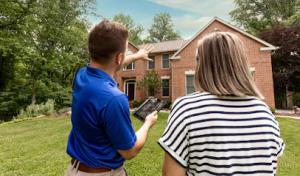
Slate and clay or concrete tiles bring historic character and long life, but in this market they demand careful attention to detail. Aging slate and tile systems can fail at flashings, fasteners, and transitions long before the field material itself is fully spent. That reality matters, because the underlying failures often show up as hidden leaks or interior staining with just a light spring rain. The local climate-freeze-thaw cycles, humid summers, and storm-driven months-exposes those weak points year after year.
Freeze-thaw cycling in this region can be especially hard on roof edges, mortar-related details, and vulnerable accessory areas where water enters and re-freezes. The edge and overhangs face unique stress from wind-driven rain and standing water that backs up against drip edges or fascia. If you own a slate or tile system, pay close attention to the eave lines, hip and ridge transitions, and any area where the slate or tile butts into a different material. Small gaps here can become large problems after a few harsh winters.
Homes with chimneys, valleys, and skylights need closer inspection because these details are common on older local houses and often become the first leak points. Valleys accumulate debris and moisture, while flashing around chimneys and skylights is a frequent failure point as fasteners corrode or sealants degrade. In slate and tile roofs, failure of a single flashing piece can allow water to travel under multiple layers, masking the source until interior damage appears.
Look for cracked or slipped tiles, rusted or missing fasteners, and deteriorated mortar at parapets and chimneys. Listen for water intrusive sounds after rain, and be alert for subtle stains on ceilings beneath attic vents or around skylights. If you notice increased granule run-off from adjacent areas or a sudden spike in attic humidity, inspect those transitions first. Regular checks after winter storms and before the most humid weeks of summer help catch failure points before a full collapse.
Find contractors experienced in skylight installation, flashing, and leak repairs to bring natural light into your home.
Tom Clark Roofing
(610) 208-7777 tomclarkroofing.com
112 Rockwood Rd, Newtown Square, Pennsylvania
5.0 from 130 reviews
Just Improvements
(610) 334-3993 www.justimprovements.com
3621 Chapel Rd, Newtown Square, Pennsylvania
5.0 from 45 reviews
Mb Roofing
(610) 299-3740 mbroofing-llc.com
104 Rockwood Rd, Newtown Square, Pennsylvania
4.8 from 114 reviews
Even when the main house sports a steep roof, additions, porches, garages, or rear sections often use low-slope roofing. In Newtown Square, these areas age differently because they're more exposed to spring storms and the damp fog of humid summers. A low-slope roof can trap moisture longer, especially after heavy rain or autumn debris washes in from nearby trees. The effect is not just a matter of appearance; standing or trapped moisture accelerates wear on sealants, membranes, and the edges where the low slope meets vertical surfaces.
Humidity and seasonal debris make drainage a primary concern. Ensure gutters and downspouts at these sections are sized to handle typical storm runoff and intermittent clogging from leaves. Clean, slope, and seal the surface with attention to poorly draining corners where water can linger. Diversions such as additional scuppers or drip edges may be warranted on additions with a flatter profile. Surface prep should verify that flashing at transitions to the main roof remains watertight, as water intrusion here can mimic issues seen on the main roof but at a slower, steadier pace.
Because low-slope areas age differently, schedule a separate maintenance cadence for additions. Inspect biannually: after heavy winter thaws and after the spring storm season. Look for early signs of membrane wear, edge lift, or hairline leaks that may not be obvious from ground level. Keep an eye on penetrations-slope changes, skylights, and vents-to confirm their seals remain intact. In practice, treat these sections as a distinct system with tailored maintenance, separate from the main asphalt, slate, or tile roof on the primary structure.
Find specialists in TPO, EPDM, and built-up flat roofing systems for residential and commercial properties.
Isaac's Home Improvements
(610) 247-9335 www.isaacshomeimprovements.com
3553 West Chester Pike #310, Newtown Square, Pennsylvania
5.0 from 53 reviews
Mb Roofing
(610) 299-3740 mbroofing-llc.com
104 Rockwood Rd, Newtown Square, Pennsylvania
4.8 from 114 reviews
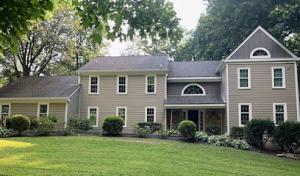
In this climate, where wind-driven hail and freeze-thaw cycles test every roof, keeping warranties and records organized is practical and protective. You benefit from keeping permit closeout records, installation photos, and warranty documents together in a single accessible place.
After a replacement, the final township sign-off matters locally because it helps establish a clean paper trail for future resale or insurance conversations. A complete package also makes it easier to verify coverage after a claim and to confirm that the installed system matches what was originally promised.
On higher-value homes with premium materials, documentation of the exact system installed is especially important. Matching and repairability considerations influence when and how future maintenance is done, so precise records about the roof type, the exact product line, and the installer are valuable for long-term upkeep.
Practical steps you can take now are straightforward. Create a digital folder labeled for the roof project and save installation photos from start to finish, along with all warranty cards and manufacturer literature. Include contracts, invoices, and any notes about inspections or tests. Keep a simple inventory of what was installed, where, and when it was installed.
During and after spring storms, preserve these records and ensure they're accessible. When you replace, request a detailed warranty that clearly states coverage terms, exclusions, and whether coverage transfers to a new owner. Photos should capture attic ventilation, flashing, underlayment, and surrounding fascia to support future decisions.
If ownership changes, have the contractor assist with transferring warranties and provide all claim-worthy documentation to the new owner. A well-organized set of warranties and roof records saves time, reduces friction, and supports smoother conversations with insurers and neighbors alike.