
Last updated: Apr 19, 2026
Clifton Heights sits in the dense inner-ring suburban belt where rowhomes and attached twins share roofs and walls. The cold-winter freeze-thaw cycle and variable summer heat create a narrow but meaningful window for thoughtful, staged roof work-from late spring into early fall. That means planning for a reliable, predictable maintenance rhythm each year: inspect after the worst winter, address obvious issues before spring storms, and schedule any needed re-roofing before the next winter arrives. In practice, this translates to a spring checklist that targets ice-dam risk, loose shingles, flashing gaps, and clogged gutters, followed by a fall readiness sweep to lock down any remaining vulnerabilities before leaf-fall storms.
Because homes are closely spaced and many roofs sit on older structures, a minor leak can quickly affect adjoining walls, shared rooflines, or interior plaster. A single failed seam, a loose boot, or a compromised valley can become a domino effect if not caught early. In this climate and housing stock, several targeted checks matter: test for moisture intrusion along eaves and soffits after heavy rain, inspect valleys and step-flashed joints where roof planes meet, and look at the area where the roof corners meet interior corners near the ceiling line. When a small problem is found, treat it as a shared-risk issue-address the source and the likely nearby vulnerabilities in one pass rather than letting it fester until a larger section fails.
Older Clifton Heights roofs often face more rapid wear around perimeter edges and along shared wall lines, where wind-driven rain can push moisture into the fascia and underlayment. In addition, dense rows of homes can funnel wind and precipitation in ways that create micro-vulnerabilities at chimney flashing, dormer connections, and chimney-to-roof transitions. The goal is to maintain continuous, watertight planes: confirm that underlayment remains intact where roof planes intersect, ensure flashing is continuous and well-seated, and verify that gutters and downspouts move water away from walls rather than into the fascia. When a roof system shows signs of aging-curling edge shingles, exposed fasteners, or damaged flashing-prioritize a targeted repair plan that preserves as much of the existing structure as possible. This approach reduces the risk that a small failure travels to shared walls or interior spaces before a full replacement is scheduled.
On a storm day, focus on the most exposed areas first: the overhangs, valleys, and joints where rain can pool or back up. If a leak appears in a shared roofline, document the exact location and moisture path, then apply temporary measures that divert water away from interior walls while a longer-term fix is arranged. Communicate with neighbors about roof concerns that may affect adjoining units, especially where shared elements exist. After the storm passes, recheck the attic for wind-driven drafts or new signs of moisture, and plan for a precise repair or patch that aligns with the existing roof geometry and the adjacent structures. This steady, neighborly approach keeps Clifton Heights homes drier and sleep-ready through the spring thaw and early fall transitions.
In this part of Delaware County, winter freeze-thaw cycles push moisture into tiny gaps in shingle surfaces, flashing, and gutter edges. When moisture is trapped, the cycle of freezing and expanding, then thawing and contracting, can turn a small defect into a full-blown leak. Those leaks often show up after stretches of cold days followed by sudden warmth or rapid moisture from melting snow. If you notice damp ceilings, stained walls near the attic, or damp spots along interior walls after a thaw, treat it as a leak risk and start a targeted inspection right away. The pattern is common here, so you should assume any exposed flashing seams or roof edge joints could be vulnerable after a winter storm.
Spring storms in this corner of southeastern Pennsylvania bring more than just rain-wind-driven shingles and hail bruising are regular concerns. Shingles may lift slightly, letting wind pry up edges and create pathways for water intrusion. Hail marks can puncture or soften protective coatings, exposing underlying layers to moisture. On a tightly spaced roof layout, a single storm can propagate leaks around a chimney flashing, a dormer, or a porch transition. Because of the often dense roof lines in older homes, a wind-driven event can push water into joints that would otherwise be minor problems. After a storm, perform a careful exterior check above any suspicious interior stains, and don't delay tracing leaks to their source.
Older homes around porches, chimneys, and additions typically feature multiple transitions rather than one simple plane. Those transitions create more potential leak paths when storm moisture migrates along roof edges and through flashing details. If a leak trace leads you to a porch step flash or a chimney cricket, expect multiple nearby roof planes to be involved. The tight spacing of homes means neighboring structures can alter wind patterns and rain runoff, sometimes funneling moisture onto a shared edge or edge gutter. In practice, when a leak appears after a storm, you must follow the water path into the attic, then map it back through a string of transitions rather than assuming a single failure point. Quick, systematic tracing is essential to prevent missed leaks and repeated calls.
Start with a rapid exterior check after a thaw or storm: look for loose, curled, or lifted shingles; inspect flashing around chimneys and dormers; and examine gutter edges for bending or loosened fasteners. If you identify a suspect area, mark it and schedule a targeted inspection of the corresponding interior space-typically the ceiling or attic near the path of water. For older homes with multiple roof transitions, consider tracing leaks by following any Interior staining back to the closest roof feature that could feed it, then inspecting the surrounding roof planes and flashing in that zone. Quick, focused action after a Delco storm can prevent wide-spread interior damage and minimize the disruption from subsequent weather events.
When you can't wait, these contractors offer fast response times to stop leaks and prevent further damage.
McHUGH ROOFING • SIDING
(484) 494-0245 mchughroofing.com
Serving
4.8 from 210 reviews
Reliable roofing professionals committed to providing outstanding service and quality products at a fair price. With over 30 years experience - we specialize in: shingle roof replacements, siding, gutters & windows. Residential + Commercial 0% Interest Financing Available Free Estimates Certainteed Certified 8x Voted Best Roofer of Delaware County, PA Happy Homeowners in PA, NJ & DE
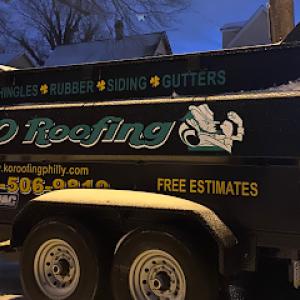
KO Roofing
(610) 506-9819 koroofingphilly.com
Serving
4.5 from 130 reviews
Contractor specializing in all phases of home exteriors including shingles, flat roofs & siding servicing Philadelphia and surrounding counties. We strive to provide quality work at honest affordable prices.
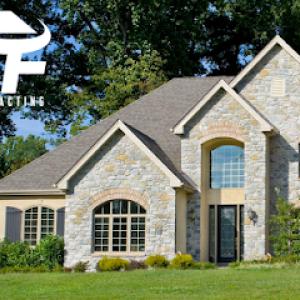
NEF General Contracting
(267) 690-4901 www.nefgeneralcontracting.com
Serving
4.7 from 24 reviews
NEF General Contracting is a locally owned and operated general construction company that proudly serves Philadelphia and the surrounding areas. We are fully licensed, bonded and insured. Our friendly, courteous team members are available to assist you every day of the week, so we are available any time you may need us, day or night.

Green Star Exteriors
(800) 625-0021 greenstarexteriors.com
Serving
4.6 from 717 reviews
At Green Star Exteriors our mission is to provide and install superior vinyl replacement windows, roofing, siding and doors. We are dedicated to completing every job exactly as promised and providing our customers with the most gratifying experience possible. With decades of experience in the home improvement industry, we stand firmly behind our unmatched craftsmanship and attention to detail.
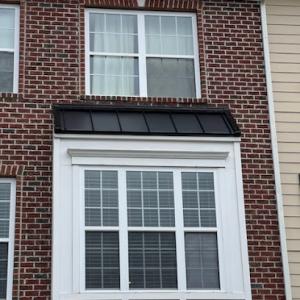
Rames Roof
(302) 530-2142 www.ramesroof.com
Serving
4.5 from 11 reviews
We specialize in home renovation, residential roof installation or replacement, and general contracting services in Delaware and surrounding areas.

Last Stop Roofing & Home Repair
(516) 710-6656 laststoproofing.wixsite.com
Serving
4.9 from 73 reviews
Last Stop Roofing & Home Repair, LLC is one of the best roofing companies in Philadelphia providing roof repair, Shingle Roofing, Flat Roofing, Full Roof Replacement and serving Philadelphia & all surround areas. We are the top Contractors in Philly committed to highest customer service and workmanship. Protect your largest investment with our reliable roofing services
O'Bannon Family Roofing
(610) 532-5813 obannonfamilyroofing.com
Serving
4.1 from 20 reviews
Roofing, Siding, Windows, Gutters, roof repairs, flat roofs, shingle roofs, slate repairs, gutter cleanings
New Look Builders
Serving
4.6 from 80 reviews
New Look Builders is a full-service roofing contractor serving customers since 1996. New Look Builders specializes in roof repair, roof replacement, siding, commercial roofing, windows, deck installation, and more. Call today or visit for a free estimate if you live in Ambler and nearby areas.
Ridley Roofing
(610) 595-5575 www.ridleyroofing.com
Serving
4.9 from 27 reviews
Roofing contractor in Ridley Township servicing all of Delaware County, PA. Our team is committed to delivering exceptional roofing service to local homeowners and businesses. We take great pride in the quality of our work and always aim to exceed our customers' expectations. Our team is composed of skilled professionals who are experts in all aspects of roofing. We offer a wide range of roofing services including roof replacement, roof repair, roof installation for new roofs and commercial roofing. In addition, we provide gutter installation and repair, as well as siding installation. No matter what your roofing needs may be, we have the expertise and resources to get the job done right. Reach out for a free inspection and estimate!
Manny Roofing Contractor
(267) 575-3503 www.mannyroofingcontractor.com
Serving
4.7 from 52 reviews
Manny Roofing Contractor Based in Upper Darby and serving the communities of Wayne, PA, USA Bryn Mawr, PA, USA Haverford, PA, USA Villanova, PA, USA Media, PA 19063, USA Upper Darby, PA, USA Radnor, PA 19087, USA Broomall and all the surrounding areas Manny Roofing Contractor has been a trusted name in roofing services for over 12 years. Our mission is to offer fair prices without compromising on the quality of materials. Whether you need a simple repair or a complete roof replacement, our experienced team is dedicated to delivering top-notch craftsmanship and customer satisfaction. Choose Manny Roofing Contractor for reliable, high-quality roofing solutions.
Next Level Building Contractors
Serving
5.0 from 20 reviews
Next Level Building Contractors is a full-service contracting company dedicated to quality, integrity, and results. We specialize in all phases of construction — from residential remodeling and property improvements to commercial renovations and specialized builds. What sets us apart is our attention to detail and our passion for doing the job right the first time. We take pride in every project, whether it’s a small repair or a large-scale build, treating each with the same level of professionalism and care. Our team combines years of experience, modern techniques, and a customer-first approach to ensure every project not only meets but exceeds expectations.
J. Parker Contracting
(215) 837-9135 pennsylvania-roofing.com
Serving
4.7 from 87 reviews
For over two decades, J. Parker Contracting has been a trusted name in the home improvement industry, providing comprehensive roofing, painting, and siding services to residents of Delaware County. Renowned for their unwavering commitment to excellence and customer satisfaction, J. Parker Contracting has established itself as a pillar of dependability in the community. Family owned and operated.
In this tight, older housing stock, rowhomes share sidewalls and closely aligned rooflines, which means flashings and transitions matter more than on a standalone house. Porch roofs, rear additions, and any low-slope sections are not extras you can ignore; they quietly influence how water behaves after a storm, and they age differently from the main pitched roof. The freeze-thaw cycle can push water into seams, then freeze, making weak points act up suddenly after a night of wet sleet or a fast warm-up. When roofs are packed tight against neighbors, a small leak on one unit can become a shared headache if the flashing isn't addressing both sections where they meet.
The borough's common roof geometry means sidewall flashing, parapet transitions, and tie-ins between old and newer roof sections require extra care. You're not just dealing with a single plane; you're dealing with a lattice of seams, step flashing, and networks that may run under old shingles and new materials at the same time. If flashing is compromised at a tie-in or along a shared ridge line, the leak may travel along the shared wall before it becomes obvious from the interior. In practice, that means inspections should pay close attention to any place where a porch roof meets a main roof, where a low-slope section abuts a steeper field, or where a metal drip edge ends and a different membrane begins. The goal is to prevent water from finding a path through a stack of joints that were never intended to work as a single system.
Low-slope sections over additions are often the first places to show wear after a harsh winter or a sudden spring thaw. Ponding water, worn seams, and drainage issues creep in where water can linger and sit longer. In practice, that means you may notice minor dampness along interior corners, staining near the base of exterior walls, or moss growth on those flat runs that never quite dry out. The consequence of delaying attention is not just a drip; it's accelerated edge deterioration, warped underside materials, and increased risk of more serious leaks following a heavier storm. When you address these areas, you're not chasing a single obvious crack-you're evaluating a system, including the transition from old to newer sections and the way water exits that ensemble. The better you maintain these connections, the less surprise you'll face after the next freeze-thaw sequence. In Clifton Heights, this careful approach protects both your home and your neighbor's, because a shared roofline doesn't respect property lines when water finds a path.
Find specialists in TPO, EPDM, and built-up flat roofing systems for residential and commercial properties.
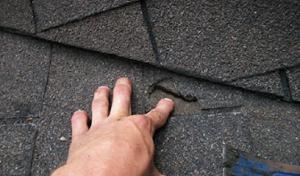
Asphalt shingles are the dominant practical choice in Clifton Heights because they fit the borough's common older residential roof shapes and the local re-roofing market is heavily geared toward them. For many attached and closely spaced homes, a traditional 3-tab or laminate shingle aligns with existing eave lines, dormer configurations, and historic roof pitches without overloading the structure. In areas prone to freeze-thaw cycles, asphalt shingles offer predictable performance, straightforward repairs, and ease of matching after a leak or wind event. A well-installed asphalt roof tends to finish with a clean, seamless look that respects the home's heritage while delivering reliable drainage around valleys, vents, and skylights. When choosing shingles, focus on products with good granule adhesion and a warranty that covers wind resistance and workmanship, since Clifton Heights experiences spring storms that can test the weakest spots first.
Metal roofing appears in the market but is usually a more selective upgrade choice in this older built-out borough where detailing around chimneys, dormers, and additions matters. If you have a home with a straightforward roof plane and a robust underlying deck, metal can offer excellent longevity and a dramatic reduction in maintenance calls after heavy storms. The caveat is that metal requires careful detailing at penetrations, transitions, and edge flashings to avoid leaks in areas where roof lines intersect with masonry chimneys or brick chimneys and where dormers project into the roofline. In practice, a metal panel or standing-seam installation may be most appropriate on a long, simple slope or on a side roof that can be coordinated with an existing material rhythm. If choosing metal, plan for precise seam alignment, proper underlayment, and attention to flashing around any chimneys or skylights to prevent corrosion or leaks during freeze-thaw cycles.
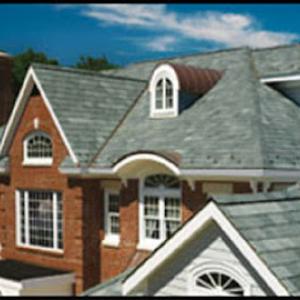
Slate and tile are present in the broader material mix, but on older Clifton Heights homes they require attention to structural load, repair matching, and specialized installation rather than commodity replacement. Clay tile and concrete tile deliver a distinctive look and longevity, but their weight is substantial enough to demand a verified structural assessment of the roof deck and supporting walls. For older homes with compact attic spaces or limited drill-through clearance, tile work can complicate venting, roofline changes, and the reuse of existing flashing details. When slate or tile is considered, ensure that the roof structure can bear the weight, that local knowledge is available for material matching on repairs, and that the installer can reproduce crosscuts and shingle thickness to maintain a cohesive appearance across the roof. In tight, historical-feel neighborhoods, careful detailing around transitions-near dormers, chimneys, and overhangs-helps preserve the roof's character while delivering consistent performance through freeze-thaw episodes and spring storms.
In Clifton Heights, local roof costs reflect the borough's older housing stock, where tear-off work often reveals layered repairs, aging decking, and flashing replacement needs. You'll notice that the typical job in this tight-knit area isn't just about shingle color or a quick cap; it often requires layered fix work to restore a sound base. That can push material and labor counts upward compared with newer, stand-alone homes in other neighborhoods.
The street layout and closely spaced homes matter when you're planning the project. Shared driveways and limited staging room mean crews maneuver debris, soffit protection, and waste removal with extra care. Expect longer setup and teardown times, which translates into higher labor hours and potential coordination challenges. If you're evaluating bids, ask each contractor to detail how they'll handle debris control, neighbor access, and temporary protection for adjoining properties.
Freeze-thaw cycles, spring storms, and rain-driven leaks are the heartbeat of timing here. Storm-driven demand spikes in southeastern Pennsylvania can tighten scheduling and pricing during the late spring through early fall replacement season. When storms hit, crews juggle urgent leak-response work alongside planned replacements, which can push both price and lead times upward. Planning ahead for shoulder-season work can sometimes yield more stable pricing and smoother access to crews who understand the dated framing and age of decking in many homes.
Material choice matters for value and resilience in this climate. Asphalt shingles start around 350 to 700 USD per square, while metal climbs 600 to 1300 USD per square. For heavier options, clay tile runs 900 to 2000 USD per square, concrete tile 800 to 1800 USD, wood shingles/shakes 500 to 900 USD, and slate 1800 to 3800 USD per square. In homes with layered repairs, a higher end of the range often accompanies a more thorough tear-off, decking inspection, and flashing replacement to mitigate future leaks after the next freeze-thaw cycle. Planning for potential additional costs helps keep the project on track through volatile spring and storm seasons.
Get a clear picture of your project costs upfront - no commitment required.

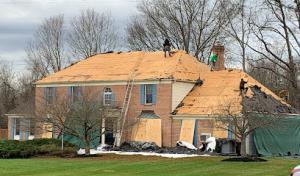
Clifton Heights generally requires a building permit for a full roof replacement, with the contractor or property owner applying through the Borough building department. That process is a concrete step before any shovel hits the driveway, and it sets the schedule for the entire job. When the permit is pulled, expect the listed scope to reflect a full tear-off or replacement and any permanent repairs to fascias, soffits, or flashing that may be needed to keep the job compliant with local code and the unique storm patterns of the area. The permit serves not only as authorization but as the document that guides inspection timing and turnover.
Required inspections occur during the project, such as rough framing or underlayment as applicable, and again after completion before the permit can be closed. In Clifton Heights, those inspections are not a one-and-done checklist; they are milestones that keep a tight sequence on a tightly spaced housing stock. The rough inspection can catch framing and venting issues early, while the underlayment or installation stage confirms that the roof deck, drip edge, and flashing meet local expectations for freeze-thaw resilience. Schedule these inspections proactively, coordinating with weather windows and any on-site back-and-forth with the Borough inspector. If weather creates delays, document the progress and communicate any anticipated changes to the inspector to minimize hold-ups.
Inspection timing can be affected by department backlog and weather, which matters when homeowners are trying to keep an exposed tear-off moving. In practice, that means plan for potential slowdowns after a storm or during peak permit cycles. Have the contractor request inspection slots promptly and keep a clear line of communication with the Borough building department. When the final inspection passes, and the permit is closed, the project is officially complete and the roof is back to its expected performance, ready to withstand Clifton Heights' seasonal temperature swings and spring storms.
Pennsylvania insurers commonly ask Clifton Heights homeowners for roof age documentation, photos, and a detailed scope of work when wind or hail damage is reported. In this tight-knit community, where many roofs age together on closely spaced houses, those details can make the difference between a full claim and a partial or denied one. Gather up-to-date photos showing the attic and interior clues of moisture, plus a clear timeline of events. Having a simple, itemized list of damaged components (shingles, flashing, vents) helps the adjuster see the scope without second-guessing.
Because spring wind and hail events affect this region, claim frequency can influence premiums and coverage decisions for older roofs in the borough. Insurance decisions here often hinge on whether recent damage is isolated or part of a longer pattern of wear. The more a roof has recorded weather-related hits, the more the insurer scrutinizes how much of the issue is sudden damage versus preexisting deterioration. That scrutiny can shape how a claim is handled, and can affect answers beyond the first settlement.
On older Clifton Heights homes, separating sudden storm damage from long-term wear is often the key issue in whether a claim is approved, partially approved, or denied. A claim that appears to be only a storm hit may still be challenged if underlying decking rot, compromised underlayment, or flashing failures existed before the event. If evidence points to gradual deterioration, the claim might be reduced or denied accordingly. Document the condition of the roof before the storm when possible, and keep a careful record of weather events and professional evaluations to support the narrative of a sudden incident versus chronic decline.
Connect with contractors who help homeowners navigate the claims process from damage assessment to final approval.
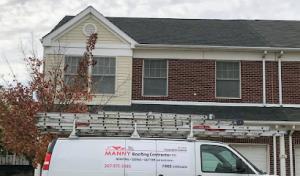
On Clifton Heights homes, workmanship quality around chimneys, sidewalls, porch roofs, and additions often matters more than the shingle brand alone. When inspecting or negotiating a replacement, focus on how the contractor plans to seal joints, flash around stacks and chimneys, and integrate new material with aging adjacent structures. Irregular framing and prior repairs common to older borough houses can create hidden vulnerabilities; a warranty that covers workmanship must account for substrate and flashing conditions, not just the visible roof surface.
Inquire whether the warranty explicitly addresses flashing integrity, underlayment, and ventilation along vulnerable lines where chimneys and sidewalls meet the roof. Ask for a detailed scoping note that shows how the contractor will handle damaged or uneven substrate, potential rot, or gap issues at lap joints and fascia. Clarify the warranty's duration, what actions void coverage (such as improper maintenance), and who performs follow-up service if leaks recur after a thaw-cycle or spring storm.
The local market includes many long-established crews, which makes warranty follow-through and cleanup standards a meaningful hiring concern for homeowners. Look for a contractor who provides a written post-installation checklist, guaranteed leak response windows after storms, and a clear plan for addressing any debris, nail holes, or loose flashing left from work. In older neighborhoods, where tight lot spacing can complicate access, ensure the warranty contemplates timely access for inspections and any necessary repairs without excessive disruption to neighboring properties.
Request a written warranty that ties coverage to specific installation practices, including substrate repair, flashing replacement, and proper detailing at roof-to-wall transitions. Have the contractor walk through the roof line with you, noting any areas that will receive reinforced flashing or additional underlayment. Keep a dated record of all enhancements and repairs tied to the warranty so future homeowners or contractors can reference the protection when a thaw-thaw or spring storm stress test hits.