
Last updated: Apr 19, 2026
Cold-winter freeze-thaw cycling in this town wears roofs out from the top down. Water that seeps into tiny cracks expands as it freezes, then pushes apart shingles and flashing. In Lansdowne, that cycle is helped along by storm-driven bursts in spring, which slam loose granules and push water toward vulnerable seams. The result is a pattern of leaks that show up after the first thaw, during heavy rain events, or after a stubborn windstorm. The immediate risk is interior damage to ceilings and attic spaces, but the long-term danger is accelerated wood decay and faster wear on the roof deck itself. Each season stacks new stress onto older roofs that already carry wear from decades of Delaware County weather.
This borough's older homes are built with multiple roof transitions, dormers, porches, and chimney intersections. Those details are not just aesthetic; they're the most likely first-failure points when winter expansion and contraction open gaps. The joints around dormers and the flashing where chimneys meet the roof are especially prone to lifting or shifting as temperatures swing. A small gap here becomes a big leak after a storm or during a sudden warm spell that follows a cold snap. If you can identify those problem spots before leaks appear, you can shore them up and reduce the chance of interior damage when a storm hits.
Autumn leaf buildup compounds the danger. Tree-lined blocks lend themselves to clogged gutters and moisture retention as leaves accumulate before winter weather arrives. This is a perfect setup for ice damming: melted snow can't drain properly, refreezes at the eaves, and forces water under shingles. Look for lifted or curled shingles near dormers and along flashing lines after the leaves have fallen. If you notice ice along the eave in late winter or early spring, that's a clear signal to inspect and address gutter and flashing integrity right away.
Start with a tight, proactive inspection of those high-risk seams: around dormers, where porches meet the main roof, and along chimney flashing. Look for lifted shingle edges, loose fasteners, and any movement at the intersection details where the roof deck meets structures. Clean gutters thoroughly before the first major freeze, then recheck after a storm to catch any added debris that could trap moisture. When you notice even small gaps or signs of moisture intrusion, schedule a targeted repair focusing on flashing reinforcements and resealing around transitions. For homes with historic or ornate details, prioritize resealing those transitions before heavy winter storms arrive, since those exact features tend to fail first under freeze-thaw stress. Acting quickly on emerging symptoms saves interior damage and preserves the roof's integrity through Lansdowne's seasonal swings.
Many homes in this area sit on dense, older layouts with complex rooflines, dormers, chimneys, porches, and occasional low-slope sections. That means flashing work isn't a one-and-done task; every ridge, valley, and step flashing needs close attention during a repair or replacement. When planning any project, expect multiple daylighting points where water could sneak in, not just at the main slope. A contractor should map out the full roof geometry first, noting where porches attach, where dormers intersect the main plane, and where the low-slope segments join steeper sections. For the homeowner, this translates to a phased approach: address the most vulnerable flashings first, then gradually tackle secondary joints as access and weather windows permit.
Chimneys are a recurring topic in this market because they commonly drive leak paths that aren't obvious from ground level. The joint between chimney masonry and roofing material is a frequent failure point, especially where older mortar has spalled or flaking brick allows moisture behind counters and cap shingles. Any time a roof is opened near a chimney, inspect the flashing for proper embedding, sealant integrity, and counter-flashing condition. In Lansdowne, where winter storms and freeze-thaw cycles stress mortar and sealants, you may see hairline cracks that widen after a thaw. Plan for extra attention to the chimney chase and the area around the flue: inspect the base, the crown, and the coping along with the common step and base flashing. If the chimney is offset or intersects multiple roof planes, expect additional flashing transitions and more caulk lines to monitor.
Low-slope porch roofs and rear additions often sit alongside steeper main roofs, creating mixed-slope challenges. Those configurations complicate drainage, ice dam risk, and deck-roof transitions. When sizing repairs, distinguish between a single-material fix (e.g., replace a uniform shingle section) and a mixed-slope scope (e.g., reseal flashing at a shoulder where a porch roof meets the main slope, plus reflash at a valley that feeds both planes). In practice, this means the contractor should design a coordinated plan that treats each slope as part of a single drainage system, while still allowing for material-specific detailing where the slope changes. For homeowners, expect longer project timelines if a porch or rear addition demands custom flashing details, different edge metal, or integrated underlayment strategies.
Older roofs in this market demand meticulous flashing details around dormers, skylights, and vent stacks. Ventilation gaps that were acceptable a generation ago may be insufficient for today's attic air exchange, so plan for additional vents or more robust intake and exhaust paths where appropriate. When tear-off is involved, the scope typically expands beyond the visible shingle layer to include underlayment, drip edge, and the insulation layer near eaves and rake edges. Expect a careful sequence: teardown, inspection of framing for water damage, targeted repairs, then precise reinstallation of underlayment with attention to overlaps and sealant lines at all transitions. This method minimizes the chance of a leak reappearing after a freeze-thaw cycle.
Freeze-thaw cycles are a persistent stressor on this climate, particularly on older detail-heavy roofs. A leak diagnostic in late winter or early spring can reveal breaches masked by snow or ice. When leaks occur during storms, focus on the most vulnerable joints first: chimney-to-roof transitions, porch-to-main-slope connections, and valley flashings where multiple planes converge. A practical approach is to track leak locations per storm and cross-reference with roof edge details and attic ventilation balance. In Lansdowne, where storms arrive with sudden intensity, having a staged response plan helps homeowners control costs and keep repairs targeted and effective.
Find specialists in TPO, EPDM, and built-up flat roofing systems for residential and commercial properties.
Manny Roofing Contractor
(267) 575-3503 www.mannyroofingcontractor.com
Serving
4.7 from 52 reviews
Manny Roofing Contractor Based in Upper Darby and serving the communities of Wayne, PA, USA Bryn Mawr, PA, USA Haverford, PA, USA Villanova, PA, USA Media, PA 19063, USA Upper Darby, PA, USA Radnor, PA 19087, USA Broomall and all the surrounding areas Manny Roofing Contractor has been a trusted name in roofing services for over 12 years. Our mission is to offer fair prices without compromising on the quality of materials. Whether you need a simple repair or a complete roof replacement, our experienced team is dedicated to delivering top-notch craftsmanship and customer satisfaction. Choose Manny Roofing Contractor for reliable, high-quality roofing solutions.
McHUGH ROOFING • SIDING
(484) 494-0245 mchughroofing.com
Serving
4.8 from 210 reviews
Reliable roofing professionals committed to providing outstanding service and quality products at a fair price. With over 30 years experience - we specialize in: shingle roof replacements, siding, gutters & windows. Residential + Commercial 0% Interest Financing Available Free Estimates Certainteed Certified 8x Voted Best Roofer of Delaware County, PA Happy Homeowners in PA, NJ & DE
Last Stop Roofing & Home Repair
(516) 710-6656 laststoproofing.wixsite.com
Serving
4.9 from 73 reviews
Last Stop Roofing & Home Repair, LLC is one of the best roofing companies in Philadelphia providing roof repair, Shingle Roofing, Flat Roofing, Full Roof Replacement and serving Philadelphia & all surround areas. We are the top Contractors in Philly committed to highest customer service and workmanship. Protect your largest investment with our reliable roofing services
New Look Builders
Serving
4.6 from 80 reviews
New Look Builders is a full-service roofing contractor serving customers since 1996. New Look Builders specializes in roof repair, roof replacement, siding, commercial roofing, windows, deck installation, and more. Call today or visit for a free estimate if you live in Ambler and nearby areas.
Industrial Roofing Contractors
(856) 602-5937 indroofingcontractors.com
Serving
4.6 from 34 reviews
Industrial Roofing Contractors is a roofing contractor in Philadelphia, PA that services Fishtown, University City, West Philadelphia and nearby areas. Our roofing company offers residential roofing, commercial roofing, roof repair, asphalt shingle roofing, metal roofing many more. Customers love us because of our 24/7 emergency repair services and 5 star reviews and customer references. If you want to feel how your most trusted Philadelphia roofing company embrace our motto “No Job is Too Small or Too Big”, call us now for free estimate!
O'Donnell Roofing
(610) 449-8188 odonnellroofingco.com
Serving
4.8 from 202 reviews
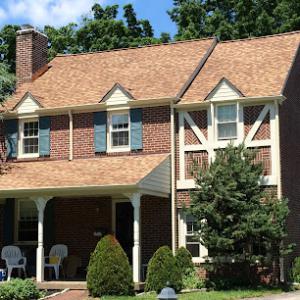
O’Donnell Roofing, a family-owned business has been serving the exterior needs of customers in the greater Philadelphia area since it was established in 1924. Over the company’s 100-year history it has remained focused on innovation, expanding beyond roofing repairs and replacements, to service the complete home exterior, including siding, windows, skylights and solar. Now in its fourth generation of family ownership, the company continues to provide the highest level of honest, professional service to all its customers.
KO Roofing
(610) 506-9819 koroofingphilly.com
Serving
4.5 from 130 reviews
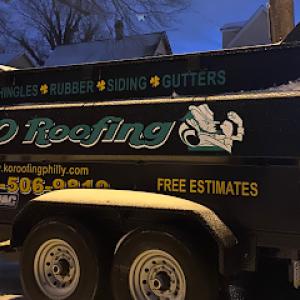
Contractor specializing in all phases of home exteriors including shingles, flat roofs & siding servicing Philadelphia and surrounding counties. We strive to provide quality work at honest affordable prices.
NEF General Contracting
(267) 690-4901 www.nefgeneralcontracting.com
Serving
4.7 from 24 reviews
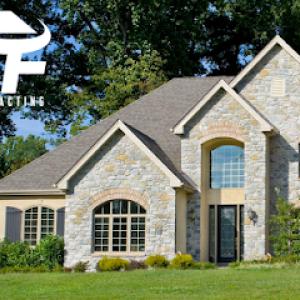
NEF General Contracting is a locally owned and operated general construction company that proudly serves Philadelphia and the surrounding areas. We are fully licensed, bonded and insured. Our friendly, courteous team members are available to assist you every day of the week, so we are available any time you may need us, day or night.

Green Star Exteriors
(800) 625-0021 greenstarexteriors.com
Serving
4.6 from 717 reviews
At Green Star Exteriors our mission is to provide and install superior vinyl replacement windows, roofing, siding and doors. We are dedicated to completing every job exactly as promised and providing our customers with the most gratifying experience possible. With decades of experience in the home improvement industry, we stand firmly behind our unmatched craftsmanship and attention to detail.
O'Bannon Family Roofing
(610) 532-5813 obannonfamilyroofing.com
Serving
4.1 from 20 reviews
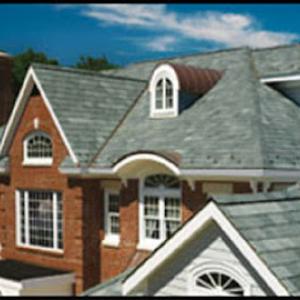
Roofing, Siding, Windows, Gutters, roof repairs, flat roofs, shingle roofs, slate repairs, gutter cleanings
J. Parker Contracting
(215) 837-9135 pennsylvania-roofing.com
Serving
4.7 from 87 reviews
For over two decades, J. Parker Contracting has been a trusted name in the home improvement industry, providing comprehensive roofing, painting, and siding services to residents of Delaware County. Renowned for their unwavering commitment to excellence and customer satisfaction, J. Parker Contracting has established itself as a pillar of dependability in the community. Family owned and operated.

Jim Miller
(484) 412-8246 www.jimmillerinc.com
Serving
4.4 from 98 reviews
For over three decades, Jim Miller has proudly served the Tri County area with exceptional roofing, siding, and gutter services. With a wealth of experience garnered since its inception in 1994, this family-owned business has built an enviable reputation for quality craftsmanship and unwavering commitment to customer satisfaction. Residents of Ardmore, PA, and surrounding communities can trust Jim Miller to provide unparalleled service and personalized solutions for all their roofing, siding, and gutter needs.
Asphalt shingles are the dominant practical choice for Lansdowne's older steep-slope homes, where the rooflines often include dormers, porches, and chimneys. They strike a balance between familiar aesthetics, broad local contractor availability, and proven performance under freeze-thaw cycles. When evaluating asphalt on a detail-heavy roof, look for sealed starter courses, solid valley protection, and heavy-duty underlayment in areas prone to ice dams. A well-seamed, properly ventilated attic helps reduce condensation and keeps shingles from curling after a harsh winter. If a roof has multiple transitions or a low-slope section, ensure the installer uses appropriate ice-dam barriers and enhanced flashing around all protrusions.
Metal is present locally and can excel where snow shedding and long service life matter. In Lansdowne, metal roofs can top off steep sections with a clean, modern look or blend with more contemporary homes. The key is matching metal type, panel profile, and fastener choices to the roof's complexity. On older Delaware County homes, metal often performs best where there is sufficient structural support and a straightforward layout. Where metal meets dormers, chimneys, or long valleys, careful detailing is essential to prevent leaks during heavy storms. Pay special attention to edge flashing, ground clearance for gutters, and compatibility with existing attic ventilation to avoid condensation issues.
Clay tile, concrete tile, and wood shakes exist in the market but require a closer fit check for Lansdowne's aging framing and roof geometries. Tile roofing tends to demand solid structural support and precise flashing around dormers and chimneys; older homes may need reinforcement or a lighter-weight tile option. Concrete and clay bring impressive durability in freeze-thaw cycles but can be brittle if installed on marginal framing. Wood shakes offer a traditional look but can be vulnerable to moisture, decay, and fire-safety concerns unless treated and maintained. Synthetic products emulate the appearance of tile or wood while offering improved weight and installation flexibility, yet still demand skilled hands to address flashing at valleys, penetrations, and transitions. In any case, verify installer experience with older Delaware County homes and ensure proper detailing for moisture control and venting.
Across all materials, the installer's approach to flashing detail, ventilation, and ice- dam mitigation determines performance as much as the material itself. On a dense mix of dormers, porches, and chimneys, the best roof isn't only about a single material but about how it integrates with the house's shapes and weather exposure. In practice, demand a tested installation plan that addresses dormer intersections, chimney crickets or counter-flashing, and valley protection. Regular inspections after severe storms help catch leaks early, especially where low-slope sections adjoin steeper planes.
Spring and fall are the preferred windows for shingle sealing and installation stability in this area. When warm days start and nights stay above freezing, roof seals set more reliably and flashing bonds hold better on those older, detailed roofs common to Lansdowne houses. If a roof has been aging through a hard Atlantic winter, consider lining up the work for early spring or late fall, after a period of milder weather. This timing helps avoid the stress of peak summer heat and winter cold on newly laid materials.
Winter projects can be delayed or complicated by freeze-thaw conditions and ice-related access issues, especially on older steep roofs. Ice dams and packed snow slow work and can hide underlying damage. If a roof is visibly failing-shingle edges curling, granules coating gutters, or repeated interior damp spots-a winter replacement is still possible, but plan for a longer process with careful de-icing and temporary protection. In practice, it is prudent to defer full replacement until the thawed shoulder seasons when the roof can be sealed reliably and access is safer for crews and inhabitants.
Summer heat and humidity in the borough can accelerate color-related aging and stress underlayment during peak-season installations. Hot shingles may become stiff and brittle before they are fully set, so crews often adjust scheduling to cooler hours and more gradual work sequences. If a full replacement is needed, consider starting earlier in the day or batching phases to avoid the least favorable afternoon heat. Prolonged sun exposure can also demand attention to attic ventilation and moisture control to prevent rapid drying and cracking of roof components.
Look for consistent signs that extend beyond isolated leaks. Recurrent staining on ceilings aligned with attic rafters, widespread curling on many shingles, or granular loss that shows through to underlayment are red flags. On older homes with dormers or porches, check around dormer corners, chimney intersections, and low-slope sections where water tends to collect. If several areas show deterioration in the same roof line, replacement becomes a practical choice rather than piecemeal patching.
Prepare a clear target window within the favorable seasons, and plan for air and ground access that avoids steep, icy, or heat-radiating surfaces. Clear yards of loose debris and secure outdoor furniture to reduce project delays. Ensure attic and interior spaces have temporary containment to minimize dust and disruption. For steep roofs with complex detailing, select a contractor experienced in working on historic-style rooftops with dormers and chimneys, to preserve the character while delivering durable protection.
Get a clear picture of your project costs upfront - no commitment required.
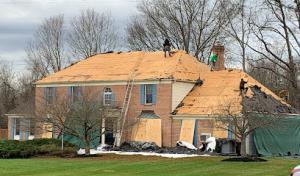
When budgeting a replacement, expect asphalt shingles to run about $350-$600 per square, metal between $700-$1800, clay tile from $900-$2700, concrete tile $1000-$2000, wood shingles or shakes $550-$1400, and synthetic or composite shingles $450-$900 per square. These ranges reflect the detail-heavy homes common in this area, where steep pitches mix with dormers, porches, and chimneys. Your final price hinges on roof complexity, not just the material itself.
Costs in older houses tend to rise because the geometry is more intricate. Expect longer labor times for chimney flashing work, porch tie-ins, and the transitions from steep to low-slope sections. Waste is higher too, as more flashing pieces, drip edges, and underlayment details must be cut and fit to preserve historic sightlines and rain control. If original materials are in good condition yet require careful removal, labor may eat into the savings you'd expect from a lower material price.
A practical approach is to plan for a full replacement rather than quick patchwork when multiple roof lines converge around a dormer or chimney. In this climate, letting water flow freely off layered surfaces matters, so ensure adequate ventilation and proper attic insulation are part of the job. Because older homes often feature mixed steep and low-slope sections, specify roof deck replacement where signs of rot or deflection exist, especially around porch connections and chimney bases. This upfront attention reduces the risk of future leaks after freeze-thaw cycles.
Spring storms can spike demand and lead times for material delivery and crew availability. In these months, price volatility is common and scheduling can slip. If a replacement is necessary after a harsh winter, expect a tighter window for permits and logistics, but avoid rushed decisions that compromise flashing detail or proper seam work. Your contractor should map out a sequence that protects vulnerable penetrations and ensures watertight transitions through seasonal shifts.
Consider asphalt for a balance of cost and durability, but for steep, detail-laden roofs with long service expectations, metal frequently provides sharper resistance to wind-driven rain and freeze-thaw stress. Clay and concrete tiles offer long life but require robust framing and careful flashing, especially where old masonry chimneys connect. Wood shingles or shakes bring a distinctive look but demand higher maintenance in freeze-prone areas. Synthetic or composite shingles can blend cost and resilience, often performing well on complex Lansdowne rooftops.
Don't let upfront costs delay a critical repair - these contractors offer payment plans to fit your budget.
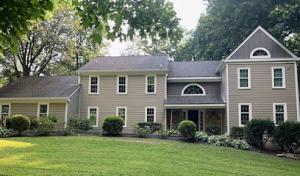
A full re-roof project in this village-grade neighborhood typically requires a permit issued by the Borough of Lansdowne Building Department. Treat the permit as part of the work, not an afterthought, because skipping it can lead to complications with code enforcement, future resale, or insurance claims. The Building Department expects that the plans, materials, and installation methods reflect practical standards for the older, detail-heavy homes that characterize the area.
Planning ahead is essential. Homeowners should anticipate roughly a 1- to 2-week window just for permit issuance and inspection scheduling. That lead time matters, particularly in shoulder seasons when storms or freeze-thaw cycles can test the roof's condition. If a contractor signals a tight timeline, use that as a caution flag: rushed permitting can force corners to be cut on ventilation or flashing work, which shows up later as leaks or ice-dam issues.
Inspections in this jurisdiction are not merely formalities; they are a real check on ventilation, attic detailing, and installation methods. Expect inspectors to verify that roof ventilation is adequate for the attic space, that drip edge and flashing are correctly integrated around chimneys, dormers, and low-slope sections, and that the chosen materials and fasteners meet local expectations. Noncompliance can trigger rework, additional inspections, or delays, so align your contractor's work plan with the inspection milestones from the outset.
Coordinate the timing of weather windows with permit milestones to avoid prolonged exposure of vulnerable roof edges. If a storm-driven leak challenge exists before the new roof goes on, document damage carefully and discuss temporary protection with the contractor while awaiting permits. Remember: the permit and the inspections are there to help ensure long-term performance against Lansdowne's freeze-thaw cycles and recurring storm events, not just to check boxes.
Pennsylvania carriers commonly adjust documentation requirements after weather-related claims, so Lansdowne homeowners should expect requests for pre-loss and post-loss photos plus contractor invoices. This market-sensitive detail means gathering proof that shows the roof's condition before and after a storm is crucial. If you have an older detail-heavy roof with dormers, chimneys, or low-slope sections, photos taken from multiple angles and times of day help demonstrate the exact scope of damage. Keep copies of any repair receipts or temporary fixes, since these can influence how an adjuster views a claim.
Because spring hail and high winds are recurring local risks, claim success in Lansdowne often depends on documenting shingle creasing, flashing displacement, and interior leak timing immediately after storms. Look for edges that have peeled back, granule loss, or lifted flashing around chimneys and dormers. Note any damp spots on ceilings or walls and the date those leaks appeared. Photos taken within 24 to 48 hours of a storm provide the most persuasive timeline for the adjuster, especially if interior signs of water align with roof-level clues.
Adjuster site visits are a realistic part of the claims process in this market, making contractor photo documentation and scope notes especially important. A clear, dated set of contractor observations helps translate what was seen on the roof to what the insurer considers coverage. If a claim involves multi-angled features or complex detail work, a well-prepared scope with measured notes can prevent back-and-forth that lingers after a storm season.
Connect with contractors who help homeowners navigate the claims process from damage assessment to final approval.
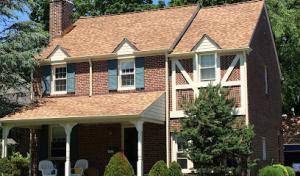
In older homes with chimneys, dormers, and porch roofs, leak-prone detail work is the norm rather than the exception. The way a roof transitions at these penetrations often determines whether a storm will cause a fast drip or a slow seep. A solid warranty isn't just about materials; it hinges on workmanship around those critical joints. When a contractor stands behind their sealant work, flashing, and flashing-to-slate or shingle interfaces, patchwork repairs become less tempting after the next freeze-thaw cycle.
The local contractor market includes firms that advertise warranties, making warranty comparison relevant for borough homeowners. Look beyond the label and ask what the warranty actually covers: coverage of labor, flashing, and installation methods, or only the material itself. In practice, workmanship coverage can save you more in Lansdowne's climate, where repeated freeze-thaw stress pushes seals and joints. A contractor-backed warranty that includes labor response after a storm is often more valuable than a short-term material guarantee.
Manufacturer-backed coverage is especially useful when proposals lean toward full replacement rather than frequent patch repairs. These programs can provide longer-term reassurance on shingle performance, underlayment integrity, and the resilience of ventilation and drainage connections. When a proposal includes such coverage, it signals confidence in the installation details that matter most on detail-heavy roofs.
If you are evaluating options, verify what is guaranteed in writing: the duration of labor and material coverage, exclusions tied to improper installation or damage from debris, transferability to future owners, and who handles service calls after a storm. Prioritize warranties that explicitly address penetrations, transitions, and flashing, and confirm estimated response times. A clear, transferable warranty that includes timely service can be a meaningful safeguard for Lansdowne's storm-prone seasons.