
Last updated: Apr 19, 2026
Chester's older attached housing with porch roofs stacks the risk right along shared walls and transitions. Flashing around chimney stacks, dormers, and the joint where a porch roof meets the main house often sits under constant pressure from seasonal storms. When a storm hits, wind-driven rain can slip past age-worn seals, wicking into the seam where one roof section slides into another. You'll notice leaks near eaves where low-slope sections meet vertical walls, along the edge of porch ceilings, and at the inner corners of stair-step shingles. These spots tend to show up after a heavy rain or a quick freeze-thaw cycle that pries open shingle laps and flashing tapes. Expect the most frequent failures to cluster where two roof planes touch, where older flashing has worn or been damaged by tree limbs, or where gutter systems back up and spill onto the flashing.
Winter brings freeze-thaw cycles that push water into small cracks and behind flashing. Ice damming on eaves and at transitions creates a backflow that forces water under shingles and into underlayment. Snow loads may sag poorly-supported porch areas, stressing the connections to the main roof. In spring, wind-driven rain becomes the primary enemy, driving water into aging roof systems that already show signs of wear. Summer storms, with gusty downpours and microbursts, exploit any overlooked flashing or sagging edge. The local pattern is clear: active leaks and post-storm failures are a frequent homeowner concern in this market, and the quickest way to protect you is proactive, not reactive.
Look for water marks on interior ceilings directly below shared walls and porch connections. Run a flashlight along the edge of porch transitions and around pipe penetrations to spot hairline gaps and loose or missing flashing. Check attic baffles and insulation for dampness after a heavy rain; the presence of moisture or mold odor near low-slope sections is a red flag. Exterior signs include peeled shingles at low-slope joints, rusted or loose fasteners, and visible gaps where flashing has pulled away from the wall. If you notice any wet spots forming shortly after a storm, treat it as urgent-delays compound damage and invite mold and rot.
Begin with a temporary seal to keep water from pouring in while you arrange professional help. Use a thick, waterproof covering on the affected area, avoiding walking on compromised porch roofs. Do not attempt to forcefully seal flashing that's visibly torn or buckled; that often hides deeper leakage paths. Schedule an immediate roof inspection by a contractor who specializes in flat- and low-slope systems and understands the prevalence of shared-wall leakage in rowhomes. Ask about reinforcing key flashing points, replacing compromised underlayment, and ensuring that any debris-free gutters direct water away from critical seams.
Develop a seasonal inspection routine that targets shared-wall junctions, porch-to-main roof transitions, and eave edges. Keep an eye on corner seams after storms and after snowmelt. Maintain clear gutters and downspouts so that water doesn't pool at transitions. For aging roofs, don't wait for a visible drip to act-address nagging signs of moisture at the first hint, because Chester's climate makes delayed responses costly and risky.

Armourseal Roofing & Contracting
(484) 470-9441 www.armoursealroofing.com
506 Edgmont Ave, Chester, Pennsylvania
4.9 from 185 reviews
We do it all from commercial residential anything exterior applications of All Roofing metal concrete You name it we do it masonry power washing
West A A Company
(610) 872-3302 www.aawestroofing.com
214 Dock St, Chester, Pennsylvania
4.8 from 27 reviews
Turn to AA West Company in Chester, Pennsylvania, for top-quality new roofing installations and repairs done to last. Your safety is the number one priority of our residential roofing specialists. Rest assured that you'll get the quality roof you deserve when you call on us.
S&S Remodeling Contractors
(610) 904-3964 www.ssremodeling.com
Serving
4.8 from 172 reviews
S&S Remodeling Contractors has proudly served Chester, Delaware, and New Castle Counties since 1953. A fourth-generation, family-owned business, we specialize in roofing, siding, windows, doors, sunrooms, decks, and retractable awnings. Our experienced team delivers superior craftsmanship and personalized service to homeowners across Southeast Pennsylvania and Northern Delaware, including Media, Springfield, and Wilmington. From roof replacements to custom doors, we bring quality and care to every project. Trust S&S Remodeling to transform your home’s exterior — one project at a time.
Top Tier Roofing of Delco
(610) 214-2004 toptierroofer.com
Serving
5.0 from 18 reviews
Top Tier Roofing of Delco is a roofing company offering roof repair and roof installation services to Ridley Park. Our professional roofers have years of experience working on all different roofing types. If you need your roof repaired or replaced you can receive a free quote from Top Tier Roofing. Call us today and we can schedule a same day appointment for you to receive your free quote.
R Titter Roofing
(610) 358-8882 www.rtitterroofing.com
Serving
5.0 from 17 reviews
R. Titter Roofing, LLC is a commercial and residential roofing contractor with over 30 years of experience evaluating, repairing, and installing both low slope and steep slope roofing systems. Based out of Aston, Pennsylvania, R. Titter Roofing provides inspection, repair, maintenance, and roof replacement services to the Eastern Pennsylvania, Delaware, New jersey, and Maryland area.
Jay's Roofing & Siding
(215) 370-8696 www.jaysroofingandsiding.com
Serving
4.5 from 33 reviews
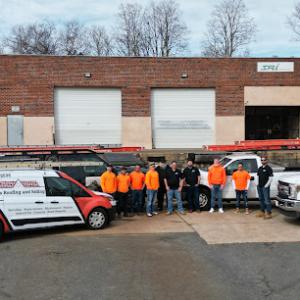
Jay's Roofing & Siding is your trusted local expert in the Philadelphia area and all the surrounding counties. We offer top-quality roofing solutions for both residential and commercial properties. We specialize in roof installation, roof repair, and custom-formed metal work, delivering durable craftsmanship and reliable service on every project. Whether you need a full roof replacement or a quick repair, our experienced team is committed to protecting your property with high-performance materials and professional care. Give us a call today for a free inspection and free estimate, no project is too small.
Ridley Roofing
(610) 595-5575 www.ridleyroofing.com
Serving
4.9 from 27 reviews
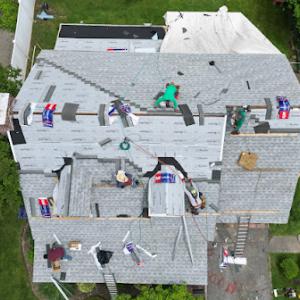
Roofing contractor in Ridley Township servicing all of Delaware County, PA. Our team is committed to delivering exceptional roofing service to local homeowners and businesses. We take great pride in the quality of our work and always aim to exceed our customers' expectations. Our team is composed of skilled professionals who are experts in all aspects of roofing. We offer a wide range of roofing services including roof replacement, roof repair, roof installation for new roofs and commercial roofing. In addition, we provide gutter installation and repair, as well as siding installation. No matter what your roofing needs may be, we have the expertise and resources to get the job done right. Reach out for a free inspection and estimate!

Green Star Exteriors
(800) 625-0021 greenstarexteriors.com
Serving
4.6 from 717 reviews
At Green Star Exteriors our mission is to provide and install superior vinyl replacement windows, roofing, siding and doors. We are dedicated to completing every job exactly as promised and providing our customers with the most gratifying experience possible. With decades of experience in the home improvement industry, we stand firmly behind our unmatched craftsmanship and attention to detail.
Bonner Master Roofing
(610) 876-8800 www.bonnerroof.com
Serving
5.0 from 130 reviews
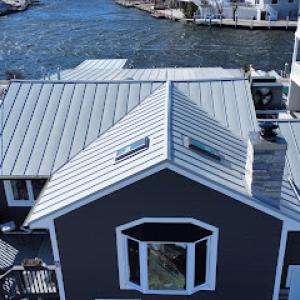
Bonner Master Roofing specializes in roofing services from shingles & simple homes to historical restorations, slate, copper, metal roofs, all types of flat roof systems and everything involved with roof related carpentry. We also install everything from vinyl siding to fiber cement and wood cladding on exterior walls. We specialize in all types of gutters from seamless aluminum to half rounds, copper, pole, yankee, built-ins and Euracraft. Most importantly, we pride ourselves in our leak diagnostics and repairs. We are located in downtown Media, PA.
J&A Contracting
(610) 751-4193 jacontracting.jobbersites.com
Serving
5.0 from 37 reviews
Full exterior contractor specializing in waterproofing and remediation
All Roofing Solutions
Serving
4.9 from 68 reviews
All Roofing Solutions is a family-owned & operated Delaware County PA roofing contractor with over 25 years of experience in residential & commercial roofing. We provide a full range of roofing, siding, gutter, and windows/door installation & repair services to both residential and commercial customers in Delaware County and Chester County, Pennsylvania. Fully licensed and insured, we offer a 30-year workmanship guarantee and a complimentary extended material warranty on all of our full roof replacements!
Alessi Exterior Solutions
(856) 693-9847 www.alessiexteriors.com
Serving
5.0 from 16 reviews
Alessi Exterior Solutions provides roofing, siding, and gutter replacement services in the Gibbstown, NJ area. GAF Certified installer offering warrantied roofing systems.
The Delaware River area features a lot of older, low-slope roof sections on rowhomes, rear additions, porches, and mixed residential-commercial buildings. Flat-roof specialization is unusually prevalent here, so the defenses against water intrusion need to be precise. The weather cycle-wet springs, cold snaps, and freeze-thaw patterns-puts extra emphasis on seam reliability, edge detailing, and prompt leak response. In this market, a well-kept low-slope roof isn't just about shedding rain; it's about controlling every potential water path around parapets, windows, and wall intersections.
Ponding water is the most visible problem on older low-slope roofs. Even small depressions can hold water long enough to degrade sealants and flashing, especially after autumn leaf fall or a heavy storm. Seams are another frequent failure point; over time, adhesive bonds can weaken and fasteners can loosen, allowing water to creep under the membrane. Edge-metal problems-think rust, buckling, or exposed fasteners-are common near parapets and along wall transitions. Flashing around roof-to-wall junctions is critical: if it pulls away or becomes brittle, leaks will track down into the framing. In this climate, flashing breakdown around parapets and wall intersections deserves annual scrutiny, not only after a storm.
Autumn leaf fall can blanket the roof and clog drainage paths. Before the first freeze, clear leaves, dirt, and debris from the surface and from internal drainage channels. Keep scuppers and downspouts free of obstructions so water can exit the roof efficiently during winter thaws and spring rains. After a heavy storm, inspect exposed edges and flashing for movement or chatter from wind and ice. In late winter, look for small ice dams forming near parapets; those dams can back up water under flashings and into the structure. In spring, run a precise check along all seams and edges after high winds or heavy rains, and note any new damp spots inside the attic or ceiling. Maintain a routine where you visually inspect the roof from the ground with a clear line of sight to parapets and transitions, and schedule a professional inspection if any seam or flashing irregularities appear.
From a stable ladder, inspect edge-metal for corrosion, loose fasteners, or lifted corners. Look for any visible cracks or gaps where membranes meet walls or parapets, and press gently along seams to detect soft spots or movement. Check drip edges and scuppers for rust or detachment. If you notice standing water that doesn't drain after a gentle rainfall, take note of the location and mark it for a closer professional evaluation. Inside, check for any ceiling stains near exterior walls or around recessed skylights; even small signs can point to a developing issue on the roof.
If you observe repeated damp spots after storms, recurring ice dam patterns, or consistent edge-metal movement, arrange a professional assessment. A seasoned roofer can confirm seam integrity, assess flashing performance, and address parapet detailing-areas where age and weather exposure compound risk on older low-slope roofs in our area. Local expertise matters for matching membrane types, properly terminating at walls, and ensuring the system remains resistant to the neighborhood's freeze-thaw cycles.
Find specialists in TPO, EPDM, and built-up flat roofing systems for residential and commercial properties.

Armourseal Roofing & Contracting
(484) 470-9441 www.armoursealroofing.com
506 Edgmont Ave, Chester, Pennsylvania
4.9 from 185 reviews
Asphalt shingles remain the practical workhorse for many homes with typical Chester-style rooves, especially the rows with small-to-mid pitch and comfortable attic space. They install quickly, lay flat, and handle the Delaware River climate reasonably well when paired with a solid underlayment and proper flashing. The key here is recognizing that low-slope sections attached to the main pitched roof often need a different assembly than the visible slope. On those areas, install a compatible underlayment and flashing system designed for low-slope or flat transitions, plus a robust edge detail at parapet or porch connections. In practice, expect careful attention to step flashing at wall intersections, continuous ice and water shielding along eaves and low-slope transitions, and an air-permeable but weather-tightly sealed ridge detail. If the roof has a porch or balcony roof that runs off the main structure, coordinate the flashing and drainage so water cannot back up into the junctions during heavy storms or sustained freezing conditions. Regular inspection of the shingle tabs near penetrations and along eaves helps catch storm-driven leaks early, before they travel into the attic space.
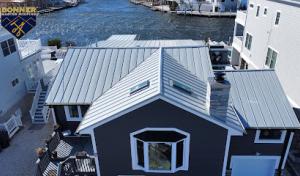
Metal roofing is present in the local market and can be attractive for its longevity and storm resilience, especially on newer additions or standout features. In this climate, metal does well with rapid runoff and strong hail resistance, but the detail work matters a lot. Pay special attention to penetrations-vents, chimneys, and skylights-where sealing must hold up to freeze-thaw cycles and wind-driven rain. Flashing around sidewalls and changes in plane should be continuous and tied into a well-sealed underlayment system. Transitions from metal to other materials, such as a shingled main roof or a tile section, demand matching details so water cannot migrate at the interface during a thaw or a heavy storm. Insist on proper ventilated decking beneath the metal and, where feasible, a sealing system that accommodates thermal expansion. For older homes, evaluate whether the existing framing and attic space can support the added weight and whether the attic ventilation aligns with the metal roof's design to prevent condensation and attic heat buildup during seasonal shifts.
Tile products-clay or concrete-offer distinct curb appeal and long service if the structure is engineered to bear the weight. Wood shakes or shingles provide a classic look but require regular maintenance and careful detailing to resist moisture intrusion. Synthetic or composite shingles aim to combine durability with easier maintenance, yet still demand thoughtful compatibility with the existing framing and ventilation. In older Chester structures, structural framing and attic ventilation often need evaluation before choosing these materials. Weight is a primary constraint: older rows may not support heavy tile or dense shakes without reinforcement. Ventilation is equally important; ensure there is an effective intake and exhaust path to manage moisture and temperature swings that come with storm-driven wetting followed by freezing. For any non-shingle option, verify that the underlayment, fasteners, and flashing are matched to the roof plane arrangement, especially where low-slope sections meet the main roof plane. In all cases, a careful assessment of the existing attic ventilation and the framing's load-bearing capacity helps prevent late-life leaks and structural issues caused by repeated freeze-thaw cycles.
Provided local cost ranges per square are: Asphalt Shingles 350 to 550, Metal Roofing 700 to 1100, Clay Tile 1000 to 1800, Concrete Tile 900 to 1500, Wood Shingles/Shakes 650 to 1100, and Synthetic/Composite Shingles 420 to 750. These figures reflect Chester's mix of older rowhomes, low-slope sections, and porch roofs, where deck prep and precise flashing play big roles in final pricing. When shopping, align material choice with roof geometry, exposure, and desired longevity. For a typical 1,000-square-foot roof, expect roughly 3 to 10 squares of material, with waste factors and added staging pushing costs higher in tighter urban lots.
Costs in Chester can rise on older homes that need decking repair, flashing replacement at party walls or chimneys, or extra staging for tight urban lots and attached-house access constraints. The combination of low-slope sections and close insets between structures means crews may spend more time on ventilation, drip edge, and precise flashing detailing. If decking shows rot or insect damage, budget on the high end of the material range plus labor for replacement. Expect porch roof transitions and corner flashings to be frequent sources of unexpected expense, especially where original hardware and scroll-molded trim complicate access.
Storm-driven demand spikes after wind and hail events can affect scheduling and pricing, while mixed roof geometry with porches, additions, and low-slope sections can increase labor complexity. In Chester, the storm cycle tends to expose vulnerable flashing along chimney paths and at the intersection of porch roofs with main lines. Plan for possible short-term price bumps after severe weather or during peak spring-fall windows, and consider allocating some contingency funds for expedited material orders or crew access challenges.
Shingles remain the most cost-consistent option across Chester's stock, with Synthetic/Composite shingles offering a middle ground between price and modern-warranty performance. Metal roofs push higher upfront but can provide longer service life on wind-prone days, which is a practical fit for exposed elevations and tight lots where odor-free, rapid installs help reduce street disruption. Clay and Concrete tiles bring distinctive looks and durability but demand careful framing and heavier deck support-an important consideration on older structures. Wood Shakes, while attractive, typically require more maintenance and faster wear under Chester's freeze-thaw cycles, so plan for ongoing upkeep in budgeting.
Don't let upfront costs delay a critical repair - these contractors offer payment plans to fit your budget.

In Chester, a building permit is typically required for a full roof replacement rather than being treated as a no-paperwork job. The clock starts when the permit is pulled, not when the first shingle is removed. If the project slips into a weekend or holiday, the permit process can stretch longer than expected, and delays during a storm season can complicate scheduling. Expect the building department to ask for details like roof type, layers, and ventilation plan, and be prepared to adjust plans if any safety or code concerns arise.
The process generally involves submitting project details to the local building department, followed by inspections during and after the work. Documentation should clearly outline material selections, underlayment specifications, and any modifications to eaves, skylights, or attic access. Make sure the contractor's scope aligns with code requirements, because mismatches between paperwork and actual work are a common source of hold-ups. Keeping a clean, complete submission helps avoid back-and-forth that can stall a repair during a weather-driven season.
Inspectors commonly verify flashing, ventilation, and underlayment, and some municipalities in the area also require a final inspection before permit release. On low-slope and rowhouse roofs, attention to flashing around dormers, chimneys, and transitions to walls is critical. Proper attic ventilation helps prevent moisture-related problems that can worsen after freeze-thaw cycles. If a temporary repair is used to manage a storm value, ensure it's integrated into the written plan so inspectors see it as part of the approved approach.
When the work finishes, schedule the final inspection promptly. A missed final inspection can stall permit release, leaving the roof technically incomplete and potentially affecting warranty validity or future re-roof allowances. Work with a licensed contractor who understands Chester's climate nuances and can coordinate timing with weather windows to minimize risk of leak exposure during progression and once the roof is complete.
Roofing in this area faces front-to-back wind and hail threats, and Pennsylvania insurers regularly handle wind and hail roof claims, making Chester homeowners more likely to face adjuster review after seasonal storms. When a storm hits, the window for a prompt acknowledgement can close quickly, so timely communication with your insurer matters just as much as the first inspection. If an adjuster comes, anticipate a close look at flashing on low-slope sections and at any porch roofs, where leaks tend to show up first after a freeze-thaw cycle. Slow or careless water entry can escalate into interior damage that complicates the claim, so keep an eye on any new damp spots around fasteners or joints.
Documentation matters in this market because adjusters typically evaluate storm-related damage and expect photos, dates, and records that separate sudden storm loss from older wear. Take clear photos of all roofing seams, flashing joints, and any visible wear on valleys and skylight curb flashings. Date each image, note the exact problem area, and keep a simple calendar of when you observed changes after a storm. If you had nearby storms or a freeze event, document the timing and the condition of the roof at that point. Have notes ready about previous repairs or partial replacements, as this can influence how the claim is processed.
Coverage availability and underwriting can vary by insurer and policy in Pennsylvania, and prior claims may affect premiums or renewal considerations. Acknowledge that not every policy handles wind-driven damage identically, and some may have distinctions around hail-induced damage versus general wear. If a prior claim exists, you may face higher scrutiny or different deductibles in the future. The practical move is to keep a straightforward record trail, from the first storm notice through to any subsequent repair dates, so you can clearly demonstrate how the roof condition evolved over time.
Connect with contractors who help homeowners navigate the claims process from damage assessment to final approval.

Winter in Chester brings freezing temperatures, snow, and ice that can delay tear-offs and increase temporary leak risk. That combination makes planned roof work more likely to stall, and contractors may shift to emergency repairs when a cold snap hits. Spring storms raise wind and hail exposure, so you'll often need to balance better installation weather against more volatile scheduling. Warm, humid summers can accelerate shingle aging, while fall leaf drop increases debris and moisture retention on exposed roof surfaces. Each season creates its own push-pull between ideal conditions and real-world constraints.
If you're aiming for a tear-off, target the milder windows between cold snaps when possible. Look for days when nighttime temperatures won't plunge below freezing, and avoid forecasts that call for heavy precipitation. For older low-slope or rowhouse roofs, you may get faster, safer work by staging materials on a dry day and sealing vulnerable flashings early in the project. In spring, be prepared for wind-driven days that make fast installation challenging; you'll often prioritize compact crews and shorter daily targets rather than a single marathon session. Have a plan for temporary leaks-sturdy tarps or standby flashing can save interior finishes during the busiest weeks.
Pre-work roof checks should focus on obvious flashing failures, prior penetrations, and any ice-dam risk spots that tend to leak first in Chester's winters. When you receive a forecast with back-to-back storms, coordinate with your contractor to adjust the sequence-often siding or porch roof areas drain first while main roofs wait for calmer weather. Keep attic access clear and ensure ventilation is known to reduce condensation during warm months, which helps late-season work stay dry. Regular debris removal after fall winds minimizes moisture retention on exposed areas and eases subsequent sealing.
In a market dominated by re-roofing, you want crews that can replace and repair on aging Chester homes, not just install new-looking systems. Look for contractors who can describe common failure points on low-slope porch roofs, chimney and vent flashing, and where water tends to track along the eave line. Ask for recent projects on similar housing stock and request before-and-after photos that show proper labor on older structures. If a crew can walk you through their typical repair sequence on an occupied rowhome, that's a strong signal.
Leaking roofs don't wait for business hours, so prioritize teams that respond promptly and can commit to a clear leak-repair window, even during storm season. A Chester-specific tell is how they handle active leaks in occupied homes: do they cover and protect belongings, seal temporary gaps, and leave a tidy work area daily? Request a written plan that outlines how they will stage materials, manage tarps or containment, and clean gutters and ground debris after each day's work. The right crew treats cleanup as part of the job, not afterthought.
You'll find many long-standing, affordable, family-owned contractors here, with a focus on residential roofs rather than big commercial projects. Look for references from nearby neighborhoods with similar housing stock and storm histories. Manufacturer-certified and drone-inspection offerings exist but aren't universal; verify what the contractor actually uses on the roof and how it informs the repair plan, not just marketing. A steady, local presence matters when quick follow-up on future leaks is needed.
Ask for a written scope that covers inspection findings, flashing details, and a staged repair plan for the most common leak paths in older homes. Ensure the contractor provides a realistic timeline, a clear line of contact, and a plan for weather-related delays. For this market, the best choice blends practical know-how with dependable communication, a track record on similar homes, and a clean, cooperative approach to keeping occupied spaces livable during work.