Last updated: Apr 19, 2026
Shippensburg homeowners deal with cold winters that create repeated freeze-thaw stress on roof coverings and flashing details. When temperatures swing above and below freezing, water that seeps into small gaps can freeze, expand, and push against shingles, tiles, and flashing. Over the course of multiple cycles, this small damage compounds into loose shingles, lifted granules, or hairline cracks that quietly creep into larger problems. The most vulnerable spots are along valley flashing, dormers, chimneys, and roof-to-wall transitions where movement concentrates. If you notice ashy granules in gutters or a slight misalignment after a thaw, treat it as a warning bell rather than a cosmetic issue. Immediate attention can prevent a minor issue from turning into a winter-to-spring water entry.
Spring rainfall in this part of Pennsylvania raises the risk that small winter roof failures turn into active leaks before replacement is scheduled. Snowmelt plus heavy spring showers can overwhelm compromised seams and flashing that held through the cold months. Pay attention to attic condensation or musty odors that intensify after a rainy day. If you see damp spots on ceilings or newly stained with dark streaks along walls near the ceiling, don't wait. A targeted inspection after a wet spell can confirm whether sealant failures or shingle lift are creeping toward active leaks. In this market, a proactive, staged approach matters: address the most vulnerable sections now and schedule a full reroof before the next freeze cycle begins, so you do not find yourself fighting weather windows again during the busy spring.
Replacement timing in Shippensburg is often planned to avoid both winter installation disruptions and spring weather delays. The onset of cold snaps can stall material delivery and complicate interior comfort during a roof swap. Conversely, lingering winter moisture and spring downpours can push you into delayed sequences or unattended leaks. The practical sweet spot is aligning reroofing with a dry, moderate window where crews can work steadily without being interrupted by snow, ice, or heavy rainfall. Prioritize a plan that completes before the next harsh freeze, so interior spaces aren't exposed to attic humidity and potential condensation issues. If a capable crew can guarantee a dry installation phase in late winter or early spring, use that window to lock in a proper, code-conscious, vented setup that withstands next season's freeze-thaw cycle. In all cases, address flashing integrity first, then shingles, to seal the roof's most vulnerable seams against moisture entry.
Asphalt shingles and metal roofing are the dominant reroof choices in Shippensburg, making them the most relevant options for homeowners comparing durability and budget. Asphalt shingles offer straightforward installation, broad availability, and a familiar repair path when the thaw-freeze cycles push granules loose or edges lift during a spring storm. Metal roofing, by contrast, brings exceptional resistance to wind and rapid water shedding, a real plus during heavy spring rain events and afternoon thundershowers. For a standard ranch or small- to mid-size Colonial, these two options cover the majority of needs without introducing unusual weight or support requirements. When sizing the roof for replacement, it helps to partner with a local crew that understands common attic air paths and venting needs, because a good roof in this area hinges on proper moisture management as temperatures swing.
Slate, clay tile, concrete tile, and fiber cement shingles are present in the market, but usually involve higher structural, installation, or repair complexity than standard shingle replacements. Slate and clay or concrete tiles demand careful assessment of the existing roof deck, framing, and anchoring because their weight can exceed what a typical structure carries without reinforcement. In homes with older framing or marginal attic ventilation, retrofits may be necessary to safely support these heavier systems. Fiber cement shingles offer a middle ground, providing better durability than standard asphalt but still requiring attention to deck support and flashing details; installation quality matters a lot with these materials to avoid cracks or premature failures in freeze-thaw cycles. For any of these, expect more meticulous detailing around chimneys, vent stacks, and skylight penetrations to keep moisture from moving through the roof plane during rapid temperature shifts.
Material choice in Shippensburg should be weighed against winter movement, summer heat exposure, and how easily the roof can be serviced after storm events. Freeze-thaw cycles can push shingles and tiles at the edges, so redundancy in fasteners and robust flashing are worth prioritizing in an installation plan. In the summer, heat exposure can cause some materials to expand and contract more aggressively; metal roofs, for instance, need proper panel overlaps and heat-expansion gaps to prevent panel buckling or panel lap leaks. Storm responses matter here too: a roof that can be quickly accessed and patched after a hail or wind event reduces the risk of moisture intrusion. When choosing between asphalt shingles and metal, consider not only initial install costs but long-term serviceability, especially in the shoulder seasons when wind-driven rain and residual snowmelt coincide.
Shippensburg homes benefit from a practical mindset: pick a system that tolerates the local mix of freeze-thaw wear and spring rainfall, while leaving room for timely maintenance visits after storms. Asphalt shingles are forgiving for typical homeowners who want to handle routine inspections and minor repairs themselves or with a trusted local roofer. Metal roofing rewards regular inspection of fasteners and seam seals, especially after severe weather, but generally holds up well under repeated temperature swings. For prestige materials like slate or clay, ensure the roof structure can bear the load, and plan for a longer lead time to coordinate specialized crews. In all cases, investing in proper ventilation and a solid underlayment remains a cornerstone of a durable, low-maintenance roof in this region.
Spring storms and heavy rain are a key local trigger for leak calls in Shippensburg, especially when winter damage was already present. Roof systems endure freeze-thaw cycles that silently crack flashing, shingles, and underlayment, so a storm surge can reveal weaknesses you didn't see in late winter. When the rain starts, a cautious homeowner acts fast: eyes on attic signs, blocked gutters, and any new staining or bulges. The clock is ticking, because delaying a fix lets interior damage spread and increases the chance of mold and insulation loss.
If leaking shows up during a rain event, prioritize safety and minimize interior damage. Move possessions away from the drip path, place a bucket under the leak, and document with photos as soon as it's safe to do so. Pennsylvania insurance adjusters commonly ask for documentation of wind or hail damage, so photos taken promptly after conditions allow are valuable. Check the attic for daylight slipping through vents or flashing seams, and note any loose or lifted shingles from the ground level. Acting quickly limits secondary damage and makes the repair reality more manageable once weather cooperates.
With storm season in full swing, a fast repair mindset means you have a ready-to-activate plan. Contact a local roofer who handles emergency repairs and storm damage, and share your photos and a clear timeline of when issues appeared. Good crews will schedule a same-day or next-day on-site assessment, outlining a staged fix that covers the immediate leak and a durable long-term solution. In a market with real urgency, finding a contractor who can respond quickly makes a noticeable difference in personal comfort and protection of your home's structure.
The local contractor market shows meaningful demand for emergency repair and storm-damage work, indicating that fast response is a real homeowner priority here. Expect an on-site check for wind-due and hail-related wear, a temporary tarping or sealant if needed, and a plan to restore full protection before the next round of weather. A practical approach often combines rapid temporary measures with a clear, code-conscious repair path that addresses the root cause and prevents a repeat breach during the next thaw or heavy rain.
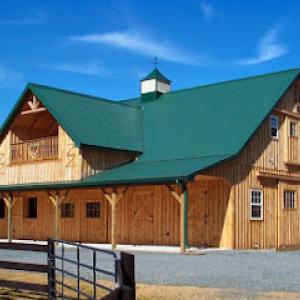
Martin's Roofing
(717) 532-3460 martinsmetalroofing.com
260 Walnut Bottom Rd, Shippensburg, Pennsylvania
4.9 from 82 reviews
For over 25 years, Martin’s Roofing, LLC has been manufacturing and distributing the Everlast Roofing products right here in Shippensburg, Pennsylvania. Our family’s commitment to you and the products we produce hasn’t changed.Because we form and cut our metal right here in Shippensburg, Pennsylvania, we have full control over the quality of our manufacturing and we can also provide custom lengths and cuts with ease.
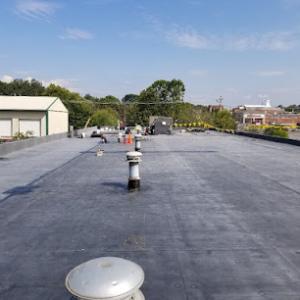
R & R Roofing/Rubber/Metal/Shingle Roofing
(717) 532-2053 www.rrroofingpa.com
111 Walnut Dale Rd, Shippensburg, Pennsylvania
4.9 from 51 reviews
Metal Roofs, Rubber Roofs Shingle Roofing Certified Carlisle Rubber Applicators Certified GAF Shingle Applicators All types of metal roofing In business since 1988 Free estimates 717 532 2053
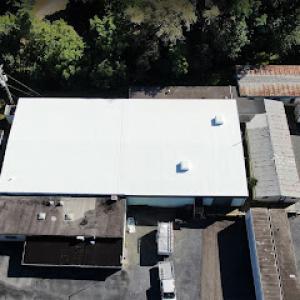
Rocky Ridge Roofing
(717) 352-7663 usa-roofers.com
1481 Newburg Rd, Shippensburg, Pennsylvania
5.0 from 4 reviews
Protect your largest investment with our time-tested roof restoration systems. Rocky Ridge Roofing is factory trained and certified to give you the best long-term solution for your roof needs. We are a locally owned and operated roofing company currently serving South Central PA and beyond. No matter how major or minor the repair you need, we are here to help. Our services include commercial roofing, commercial flat roofing, and commercial roofing restoration.
Tip Top Roofing & Siding
(717) 552-4900 tiptoproofingandsiding.com
Serving
4.9 from 218 reviews
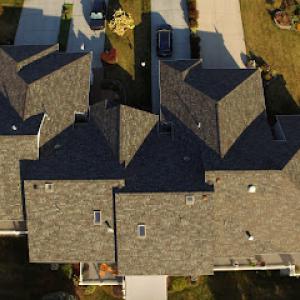
Tip Top Roofing & Siding is your trusted partner for all your roofing and siding needs in Pennsylvania. With a commitment to quality and customer satisfaction, we offer a comprehensive range of services including roofing, roof replacement, roof inspection, and roof repair. Our expertise extends to shingle, metal, and flat rubber roofing, ensuring we can meet any roofing requirement. We also specialize in siding installation, providing options such as vinyl and board and batten siding to enhance the exterior of your home. Additionally, we offer storm damage repair and 24/7 emergency services to ensure your home is protected at all times. Choose Tip Top Roofing & Siding for reliable, professional, and high-quality service.
Teflon Roofing
(717) 830-8454 www.teflonroofing.com
Serving
5.0 from 300 reviews
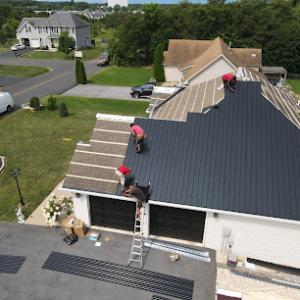
Teflon Roofing is licensed and insured roofing company in Chambersburg, PA, we specialize in providing top-quality roofing solutions for homeowners in the area. Specializing in all roofing systems, we're committed to exceeding the expectations of Chambersburg residents. Our team works closely with each client to ensure their roofing project meets their specific needs for each individual roof installation. With our dedication to craftsmanship on every roofing project and customer satisfaction, Teflon Roofing is the #1 trusted choice for all your roofing needs in Chambersburg, PA and surrounding areas bring transparency, trust and leading the next generation of roofing. With 300 google reviews its clear why we are the top choice for roofing!
Cooper Brothers Construction
Serving
5.0 from 11 reviews
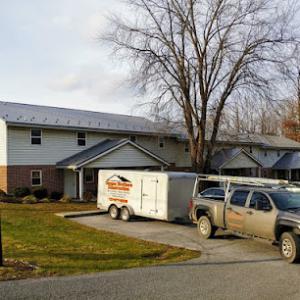
Specializing in: METAL ROOFING, New Roofing, Re-roofs, Roof Repairs, Shingle and Rubber Roofing. Pole Buildings, New Construction, Home Additions, Framing, Siding and more. No project too big or too small. Life Time Warranty on all Metal Roofs. Reliable & Honest. Fully Licensed & Insured. PA# 124494
WF Schmidt Construction Company
(443) 314-8950 wfsroofingcompany.com
Serving
4.9 from 74 reviews
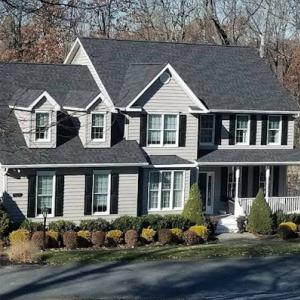
Roofing. Siding. Gutters. WF Schmidt Construction Company has the perfect finishing touches for any building, commercial property or residential house. Serving Pennsylvania & Maryland since 1998 from our Hanover PA home, family-owned WF Schmidt is the York & Adams area's top quality roofer, with experienced installation & trusted repair technicians. Gutters, siding, asphalt shingles, slate, cedar, EPDM flat, metal roofing & more, you'll see why we say our construction work is Durable, Sustainable & Beautiful. Cover your investment. From Westminster MD to Gettysburg PA, Call the expert roofers of WF Schmidt Construction, a preferred Owens Corning contractor, today for your free estimate on a roof, gutter or siding installation or repair.
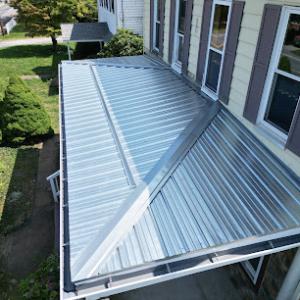
Done Right Exteriors
(717) 455-0353 donerightexteriors.net
Serving
5.0 from 123 reviews
Done Right Exteriors is a trusted residential and commercial contractor proudly serving Pennsylvania communities such as Chambersburg, Gettysburg, Carlisle, Waynesboro, Shippensburg, Greencastle, and more. We specialize in roofing, siding, windows, and doors, offering comprehensive services including replacements, repairs, and inspections. Many of our products come with limited lifetime warranties, providing lasting protection for your home or business. As an Owens Corning-certified contractor, we deliver expert craftsmanship, durable materials, and superior service. With flexible financing through Acorn Finance, we make upgrades more affordable. Contact Done Right Exteriors today for reliable, professional service near you!
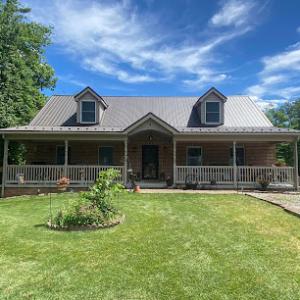
Rapid Roofing & Renovations
(717) 404-5890 rapidroofingpa.com
Serving
5.0 from 4 reviews
Quality workmanship at affordable rates. Rapid Roofing specializes in metal roofing installation and also offers gutter replacement, gutter cleaning, shingle installation, siding installation, deck builds or renovations and more.
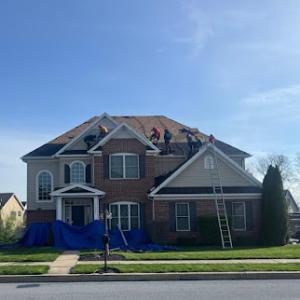
First Choice Exteriors
(717) 321-0596 firstchoiceexteriorsllc.com
Serving
4.8 from 92 reviews
Storm damage specialist offering all of your exterior needs.
C &J Roofing
(717) 267-0059 candjroofing.com
Serving
4.2 from 26 reviews
Family owned and operated! Quality leaves no regret! Local!
AC Matthews Roofing & Exteriors
Serving
5.0 from 27 reviews
Local contractors specializing in roof repairs, replacement and new installs for residential properties.
Local cost comparisons start with the per-square ranges you'll see around town: asphalt shingles from 350 to 650, metal from 550 to 1100, clay tile from 900 to 1800, concrete tile from 800 to 1500, slate from 1400 to 2600, and fiber cement shingles from 450 to 800. Those figures reflect typical Shippensburg jobs where labor and disposal rates align with the regional market. When you price out a replacement, start with these ranges and then add for any specialty work or upgrades you choose. If your house is mid-century with a heavier roof deck, expect the higher end of the range to be more common for the same material.
In Shippensburg, winter damage can compress scheduling into the spring and early summer busy season. That built-in crunch often pushes material delivery, permitting windows, and crew availability into tighter timelines. If you're aiming for a spring replacement, plan a cushion of a couple of weeks beyond the quote to accommodate weather delays or crew bottlenecks. Costs can creep up slightly during the peak spring rush because more crews are booked and supply chains tighten. If you can move a planned install to a shoulder season, you may see a steadier timeline and fewer unplanned cost bumps.
Heavier materials such as slate, clay tile, and concrete tile can increase labor time and structural checks compared with the more common asphalt and metal reroofing work seen locally. For these heavier options, you'll want more precise roof framing assessments and potential reinforcement, which adds to both time and cost. When estimating, factor in possible adds for attic ventilation and underlayment upgrades that can improve long-term performance in freeze-thaw cycles. For lighter options, expect quicker completion and fewer structural surprises, with costs staying nearer the lower to mid ends of their respective ranges.
Don't let upfront costs delay a critical repair - these contractors offer payment plans to fit your budget.
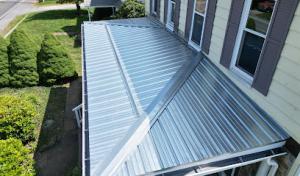
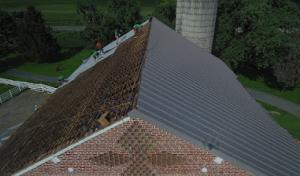

In this borough, a full roof replacement typically requires a permit through the borough building department. This is not a bureaucratic hurdle to avoid, but a safeguard that helps ensure the work meets attic ventilation, flashing, and drainage standards that are essential for a long-lasting roof. If a project proceeds without the permit, you risk setbacks, rework, and potential fines that can delay weather-dependent repairs during the freeze-thaw cycles common to this area. Treat the permit as part of the project timeline, not an afterthought.
The permit application may be submitted by either the contractor or the homeowner, which affects who handles paperwork and scheduling. If the contractor takes the lead, you still want a clear, written pause-and-go plan: when the permit is pulled, when work starts, and when inspections are expected. If you handle the paperwork yourself, you should coordinate closely with your contractor to align the timeline with weather windows and the borough's inspection cadence. Either way, confirm all required documentation-drawings or notes about ventilation, attic baffles, and exhaust vents-are accurate and up to date before submission. Clarity now saves frustration later when weather pressures compress schedules.
After completion, an inspection is required to verify proper ventilation and overall code compliance rather than treating reroofing as a no-contact job. In practical terms, that means the inspector will check attic soffit and eave vents, ridge or turbine ventilation, and the flashing around chimneys and valleys. If the ventilation isn't up to code or the flashing wasn't installed to prevent leaks, corrective work may be required before the permit can be closed. The need for timely follow-through is real, especially as the local climate swings from wintery freeze to spring rain. Plan for a potential inspection window and have your roofer present to address any concerns on the spot.
Weather in this part of Pennsylvania can push or pull permit timelines, so coordinate your schedule with both the contractor and the borough's office. Build in a buffer for the inspection pass, since a missed window can hold up a project as storms roll in. A well-documented venting plan and a thorough inspection-ready setup reduce the risk of delays and ensure that the finished roof remains robust against the next thaw and melt cycle. In the end, a compliant permit and a clean inspection are what keep your roof performing when the temperatures bounce back and forth.
In this borough's climate, roof claim outcomes hinge on Pennsylvania policy language, prior claim history, and any riders that affect roof coverage. The way a policy defines wind, hail, and wear from freeze-thaw cycles can tilt a claim toward repair or replacement. A homeowner with a long claim history or a rider that excludes certain roof components will experience noticeably different results. This is not universal across carriers, so understanding the nuance in your own policy matters.
After a storm, adjusters commonly request documentation of wind or hail damage. Date-stamped photos that show shingles lifting, granule loss, or fascia damage can influence the decision. Contractor inspection notes that clearly identify locations and suspected cause of damage also carry weight. In Shippensburg's spring weather swings, this documentation helps bridge the gap between what appears cosmetic and what a carrier recognizes as warranting action.
Because coverage can vary by insurer, homeowners often need to compare repair-versus-replacement decisions against deductible impact and future insurability. A partial fix might reduce short-term out-of-pocket costs, but some carriers view repeated repairs as a signal of ongoing risk, which can affect premium or eligibility for future policies. Each claim should be weighed against the likelihood of continued weather exposure and the house's overall roof condition.
Timing matters when a roof has endured freeze-thaw cycles. Delays in reporting can complicate the claim if wear accelerates and new damage appears. Early, organized documentation-photos, notes from a trusted local contractor, and a clear narrative of when issues began-helps protect the claim's credibility as conditions evolve into spring rain and lingering ice.
Start by securing the most vulnerable areas to prevent further damage, then gather the documentation described above. Contact the insurer promptly with a concise summary and attached evidence. If a second storm rolls in, maintain updated records to reflect how the roof condition has changed between events. This approach supports a transparent, careful claim process tailored to Shippensburg's unique weather patterns.
Connect with contractors who help homeowners navigate the claims process from damage assessment to final approval.
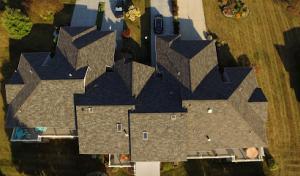
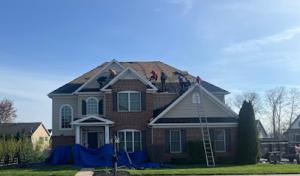
Autumn in this area brings a heavy mix of leaves and twigs that can cling to the roof and valley lines. In this borough, that debris slows drainage and makes roof inspections before winter more challenging. Start by clearing a wide swath along the eaves and over any parapets, paying special attention to metal edge clearance and any creases where leaves collect. Use a sturdy ladder and a partner if possible, and avoid stepping on softened shingles. After a windstorm or heavy leaf drop, inspect the gutters and downspouts for clogs; a backed-up system can push water toward the flashing and fascia. When debris is present, you may notice damp spots that don't dry out after a sunny day. Address these areas promptly so meltwater can funnel toward the downspouts without backing up onto the roof.
Spring rains in this area can reveal clogged valleys, gutters, and transitions from roof to wall, which often show up as interior water intrusion if left unchecked. A practical approach is to run a quick water test on overhangs and valleys after a heavy rain, using a garden hose to simulate rain if needed. Look for denim-blue damp spots in attic spaces or ceiling corners that align with roof lines. Pay particular attention to skylight borders and flashing transitions where spring moisture tends to reveal weaknesses first. Clean gutters thoroughly, then inspect the gutter-to-roof seams for any loose nails or sealant gaps. If you spot moisture staining near the interior, pause any long-term repair and confirm the exterior drainage path is clear before sealing or flashing is reapplied.
Skylights deserve extra attention during inspections because leak symptoms often appear during the same wet periods that expose flashing failures. Check the skylight curb, flashing, and sealant for cracks or gaps after each significant thaw or rain event. Inspect from both inside and outside: look for condensation lines on the glass internally and for lifting flashing or deteriorated sealant externally. Ice buildup around skylight flanges in winter can push water inward when temperatures swing, so ensure snow guards or drip edges aren't directing meltwater toward the skylight. If flashing shows any movement or the sealant appears cracked, plan a targeted reseal or flashing repair before the next freeze-thaw cycle.
Find contractors experienced in skylight installation, flashing, and leak repairs to bring natural light into your home.
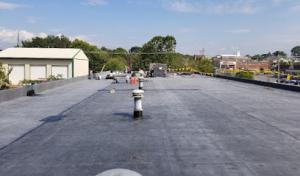
R & R Roofing/Rubber/Metal/Shingle Roofing
(717) 532-2053 www.rrroofingpa.com
111 Walnut Dale Rd, Shippensburg, Pennsylvania
4.9 from 51 reviews