
Last updated: Apr 19, 2026
In this part of central Pennsylvania, the roof endures a recurring pattern: cold snaps followed by thaw, then refreezing. That cycle, repeated through winter, can stress shingles, seals, and flashing in ways that aren't as obvious as a visible leak. Asphalt shingles may begin to show accelerated wear along the eaves and Valleys where moisture sits longer, while darker materials like metal reflect heat differently but still face thermal expansion and contraction. In a borough with a mix of older homes and newer builds, the outcome is uneven aging: some roofs look fine on the surface but carry subtle damage beneath the surface layers. The particular risk in Waynesboro is how quickly a late-wall snowpack melts and refreezes, pushing water into joints and gaps that you might not notice until spring rains hit. This is not just about asphalt granules washing away; it's about the cumulative impact on underlayment and fasteners over multiple seasons.
The local pattern tends to favor scheduling full roof replacements in the late spring through early fall window. Warmer temperatures ease the installation process, help sealants cure properly, and give crews the best chance to manage ventilation and deck dryness. Waiting for that window also aligns with the way weather tends to cooperate in this area: milder days, longer daylight, and fewer hard freezes that could complicate tear-off work. If you are weighing a replacement, aim to avoid the peak heat of midsummer where you risk heat-related impacts on certain underlayment products; yet avoid the very depths of winter, when freezing conditions complicate tearing off and re-nailing layers. In practice, the sweet spot tends to be May through September, depending on the year's precipitation pattern and your home's orientation to sun and shade.
Spring brings a different set of challenges. Thawing days can come with heavy rainfall, and that combination creates moisture concerns during tear-offs. If a roof is opened during a spring thaw, the underlying deck can stay damp longer than ideal, and rain events can interrupt work, delaying progress and drying time. For Waynesboro homes, this means your contractor should build in contingency days for weather disruptions and have a plan to tarp and vent areas where deck moisture is highest. A prudent approach is to schedule the tear-off for a period with a forecast of dry days back-to-back, with a backup plan for rain delays that keeps the interior minimally exposed to the weather. Communicate with the crew about potential moisture in the attic and how they plan to manage temporarily exposed insulation and decking.
Before a replacement begins, you want to ensure the attic is properly vented and any damp insulation is addressed. This reduces the risk of mold and odor development while the roof is open. Your project timeline should include a pre-start inspection to identify ice dam risks from the prior winter and to confirm that the flashing around chimneys, dormers, and skylights is sound. If there is any doubt about the deck's condition, plan for a deck inspection as part of the tear-off phase so that plywood or OSB replacement can be factored into the schedule. In Waynesboro, the surrounding terrain on South Mountain means you may experience sudden shifts in temperature even during the spring, so a flexible plan that can absorb a few extra days of dry weather helps keep the project on track without creating moisture pressure inside the home.
1) Assess the roof's condition in late winter or early spring, noting any recurrent ice dam issues and visible shingle wear.
2) Talk with local contractors about preferred installation windows and contingencies for spring rain and thaw periods.
3) Target a full replacement in late spring through early fall, with a built-in buffer for weather delays.
4) Ensure ventilation and attic moisture management are part of the scope and verified before the tear-off.
5) Schedule a final inspection after completion to confirm flashing and seals are sound and the interior remains dry through any remaining spring moisture.
This approach helps align your roof project with Waynesboro's climate realities while minimizing the chance of moisture problems during the replacement itself.
Winter snow load can push shingles and flashing beyond their comfort zone, while spring rain tests roof seams that sat through freeze-thaw cycles. In Waynesboro, local contractor signals show emergency repair and storm damage are among the most prevalent specialties in the market. When shingles lift, gutters back up, or a wet ceiling line appears inside, treat it as urgent. Don't wait for a drip to worsen into a collapsed section or an attic full of condensed moisture. The first 24 hours after a leak starts are the critical minutes to limit interior damage, wood rot, and mold growth.
If you notice active dripping, place a bucket under the leak and keep occupants safe from exposed wiring. Move valuables away from affected areas and clear a path for a quick assessment. Use a tarp or heavy plastic to cover the affected roof area from the exterior as a temporary shield, ensuring edges are weighted down to resist wind. Do not climb onto a roof during freezing or windy conditions; optics and safety matter more than a temporary patch. Call a local roofer who specializes in storm damage and emergency repair-the market in this area responds fast, and timing often determines how much interior damage is contained.
Winter snow load, spring rain, summer heat, and autumn wind all shape the urgency of a repair crew's arrival. In this market, quick response is a strong signal of credibility. Seek a contractor who can commit to a same-day or next-day on-site assessment and provide a clear plan for temporary stabilization followed by a durable fix. Ask for before-and-after photos of similar Waynesboro projects, proof of licensing where required, and a written timeline that includes wind- and weather-proofing details. The right contractor will treat this as a true emergency, not a routine tune-up.
A leak that spreads after a freeze-thaw cycle deserves accelerated attention, especially when multiple seasons have stressed the roof. Prioritize repairs that restore a water-tight barrier and protect the structure until a full replacement can be scheduled if needed. In homes with asphalt shingles or metal, the goal is to halt further water intrusion and buy time until calm weather allows a thorough inspection and safer, higher-quality work. If a roof has sustained repeated storm damage over several winters, expect the need for a more decisive plan-one that pairs stabilization with a clear path to a complete system upgrade when appropriate.
Once the immediate leak is contained, perform a careful scene walk to identify other vulnerable spots-valleys, chimney flashings, and eave lines are common trouble zones after heavy wind or rapid thaw. Have the roof professionally inspected within days rather than weeks, especially if fluctuating temperatures persist. Local crews emphasize that addressing small issues quickly prevents expensive surprises when the next storm rolls in. Keep a written log of all damages and communications with contractors to streamline follow-up work and ensure nothing falls through the cracks during the busy seasonal cycle.
Find local contractors experienced in assessing and restoring roofs after hail, wind, and severe weather events.

Mighty Dog Roofing of Waynesboro
(717) 420-1454 www.mightydogroofing.com
1981 Market Square Blvd, Waynesboro, Pennsylvania
5.0 from 169 reviews
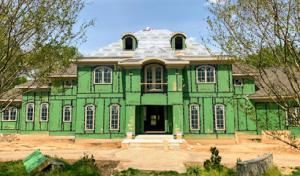
Green & Son Quality Builders
12408 Old Germantown Rd, Waynesboro, Pennsylvania
4.2 from 28 reviews
Mighty Dog Roofing of Waynesboro
(717) 420-1454 www.mightydogroofing.com
1981 Market Square Blvd, Waynesboro, Pennsylvania
5.0 from 169 reviews
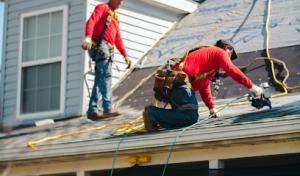
When it comes to your home’s exterior, Mighty Dog Roofing delivers top-of-the-line services matched with the neighborly customer care our clients have come to love. Our team of skilled experts will conduct a free, detailed inspection of your home, treating it as our own. Whether your home needs a simple repair or a full roof replacement, expect to receive the transparent guidance you deserve. Whatever the case, our team will work to meet your safety and budget needs. We take pride in operating with quality materials, hiring skilled roofers, and providing our customers with a high-quality experience. See for yourself; our reviews say it all. Schedule your free, home inspection today!
Varner Roofing
(717) 491-0550 varnerroofing.com
2025 Market Square Blvd, Waynesboro, Pennsylvania
4.9 from 48 reviews
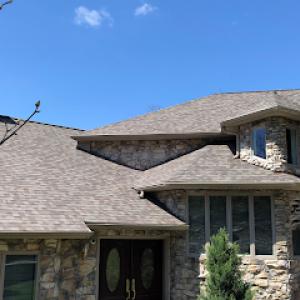
Varner Roofing is a local family-owned business specializing in roof replacements. Your peace of mind and protecting your home are our top priorities. Give us a call to talk about how we can help you.
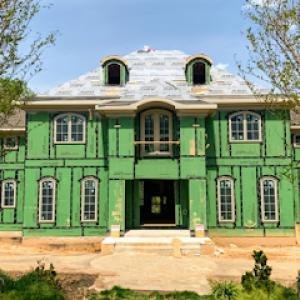
Green & Son Quality Builders
12408 Old Germantown Rd, Waynesboro, Pennsylvania
4.2 from 28 reviews
Our company is an industry leader with 50+ years of experience in framing, roofing, siding, and custom homes. We are family owned and operated, currently 2 generations, with visions of a 3rd generation entering the picture. We value family and we want to help serve yours. Call today for a free inspection of your home!
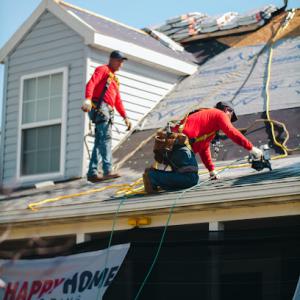
Happy Home
(833) 384-2779 happyhomeroofs.com
Serving
5.0 from 191 reviews
Happy Home Roofing was born out of the belief that a contractor should deliver world class client service. We put you first and respect the trust you have given us to work on your home. To do this, we install only the highest quality roofing systems and help guide you down the process of selecting the perfect roof for your home. We've been blessed to work with amazing clients, and this passion is reflected in our mission, Happy Client - Happy Home. We are a fully licensed and insured Hagerstown roofing company that never cuts any corners and provides full transparency to all clients. You can expect clear and open lines of communication, readily available customer service and complete professionalism. Please contact us today to get started.
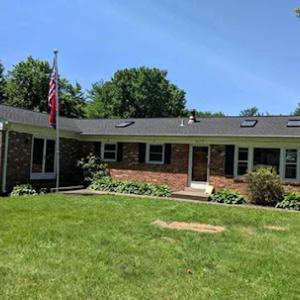
Jeranco Roofing & Exterior
(240) 675-4324 jeranco-roofing.com
Serving
4.7 from 26 reviews
Jeranco Roofing & Exteriors uses quality roofing materials for all our jobs including roof repair. Our roofs are made to endure the hot summer heat, cold winters, and severe thunderstorms that can occur anytime of the year. At Jeranco Roofing & Exteriors we value our work and build with integrity. Call us today.
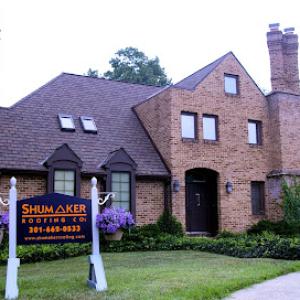
Shumaker Roofing Company
(301) 662-0533 shumakerroofing.com
Serving
5.0 from 51 reviews
Shumaker Roofing is Hagerstown's most trusted veteran-owned roofing contractor, proudly serving Hagerstown, Washington County, and all of Western Maryland since 1946. With over 75 years of proven expertise, we specialize in residential and commercial roof replacement, roof repair, emergency roofing, siding installation, gutter services, solar panel installation, and skylight installation. As licensed Maryland roofing professionals, we use premium weather-resistant materials designed for Maryland's climate. From storm damage repair to complete roof replacements in Hagerstown, MD, we deliver exceptional quality and lasting protection. Contact us today for your free roofing estimate in Hagerstown!
St. Mary's Roofing & Home Improvement - Northern MD
(240) 343-0302 www.stmarysroofing.com
Serving
5.0 from 15 reviews
We are a licensed, bonded, and insured complete roofing contractor. We are also a full-service insurance restoration contractor, providing services such as; framing, drywall, painting, and flooring.
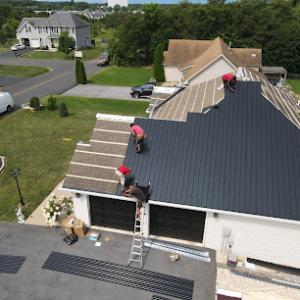
Teflon Roofing
(717) 830-8454 www.teflonroofing.com
Serving
5.0 from 300 reviews
Teflon Roofing is licensed and insured roofing company in Chambersburg, PA, we specialize in providing top-quality roofing solutions for homeowners in the area. Specializing in all roofing systems, we're committed to exceeding the expectations of Chambersburg residents. Our team works closely with each client to ensure their roofing project meets their specific needs for each individual roof installation. With our dedication to craftsmanship on every roofing project and customer satisfaction, Teflon Roofing is the #1 trusted choice for all your roofing needs in Chambersburg, PA and surrounding areas bring transparency, trust and leading the next generation of roofing. With 300 google reviews its clear why we are the top choice for roofing!
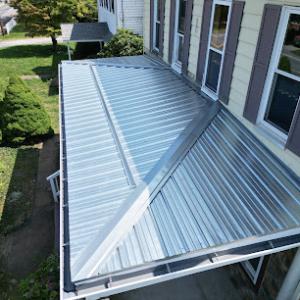
Done Right Exteriors
(717) 455-0353 donerightexteriors.net
Serving
5.0 from 123 reviews
Done Right Exteriors is a trusted residential and commercial contractor proudly serving Pennsylvania communities such as Chambersburg, Gettysburg, Carlisle, Waynesboro, Shippensburg, Greencastle, and more. We specialize in roofing, siding, windows, and doors, offering comprehensive services including replacements, repairs, and inspections. Many of our products come with limited lifetime warranties, providing lasting protection for your home or business. As an Owens Corning-certified contractor, we deliver expert craftsmanship, durable materials, and superior service. With flexible financing through Acorn Finance, we make upgrades more affordable. Contact Done Right Exteriors today for reliable, professional service near you!
E&Y Home Improvement
(240) 452-7209 e-yhomeimprovement.com
Serving
4.8 from 28 reviews
Exterior home renovation E&YHome Improvement specializes in boosting curb appeal and protecting homes with high-quality exterior renovation services throughout Hagerstown, Pennsylvania and surrounding areas. We focus exclusively on the outdoor features of your property, providing expert installation and repair for long-lasting results and increased home value. Our services include: Roofing tear-offs and replacements Deck and porch construction and repair Siding and window replacement Exterior painting and staining We use high-grade, durable materials and a dedicated team to ensure every project withstands the elements and meets your exact specifications.
Tip Top Roofing & Siding
(717) 552-4900 tiptoproofingandsiding.com
Serving
4.9 from 218 reviews
Tip Top Roofing & Siding is your trusted partner for all your roofing and siding needs in Pennsylvania. With a commitment to quality and customer satisfaction, we offer a comprehensive range of services including roofing, roof replacement, roof inspection, and roof repair. Our expertise extends to shingle, metal, and flat rubber roofing, ensuring we can meet any roofing requirement. We also specialize in siding installation, providing options such as vinyl and board and batten siding to enhance the exterior of your home. Additionally, we offer storm damage repair and 24/7 emergency services to ensure your home is protected at all times. Choose Tip Top Roofing & Siding for reliable, professional, and high-quality service.
Blue Line Roofing & Exteriors
(240) 674-5248 www.bluelineremodels.com
Serving
4.9 from 41 reviews
Blue Line Roofing & Exteriors is a trusted roofing contractor with over 20 years of experience serving Emmitsburg, MD. We specialize in roof installation, roof repair, siding, and roof replacement for residential and commercial properties. Our team is committed to delivering high-quality workmanship, durable materials, and outstanding customer service. Whether you’re dealing with storm damage, planning a full roof upgrade, or need new siding to enhance your home’s appearance, we’re here to help. Fully licensed and insured, Blue Line Roofing & Exteriors ensures every project is handled with care and precision. Trust our experienced team to protect your property with reliable roofing and exterior solutions built to last.
The dominant roofing materials in Waynesboro are Asphalt Shingles, Metal Roofing, Clay Tile, Wood Shingles/Shakes, Slate, and Fiber Cement Shingles. Each material plays to different priorities: quick installation and affordability with asphalt, longevity and low weight with metal, and the classic, high-end look of tile or slate. Understanding how these options perform in this specific locale helps homeowners plan for performance, resilience, and replacement timing.
Summer heat in this region is a force to consider, and it specifically accelerates asphalt shingle aging. In long, hot summers, asphalt shingles can become more brittle and lose granules faster, which shortens the interval before readiness for evaluation or replacement. Meanwhile, snow and freeze-thaw conditions are a critical factor for heavier and more rigid systems such as slate and tile. Freeze-thaw cycles can cause cracking, spalling, or loosening of fasteners, and they demand careful winter maintenance and proactive inspection after severe winters. The contrast between hot summers and snowy winters means that a single material's behavior may demand different inspection focuses year to year.
Asphalt Shingles: In a climate with strong summer heat, asphalt remains a practical choice for many homes, but attention should be paid to surface wear, granule loss, and edge degradation. In the presence of freeze-thaw cycles, checks for cupping, curling, and cracked tabs are essential, especially on slopes that face sun exposure or where shade creates moisture pockets.
Metal Roofing: Metal offers excellent resistance to wind and moisture, with predictable performance in freeze-thaw conditions when installed with proper underlayment and venting. Expansion joints and fastener seals deserve annual checks, as temperature swings can stress seals over time.
Clay Tile and Slate: For clay tile and slate, weight and rigidity come into sharper focus in winter. These materials excel in durability but require careful winterization, snow removal practices, and prompt attention to cracked or loosened pieces after heavy snows or freeze-thaw events. Replacement timing for these heavier systems often hinges on local wear patterns and the severity of winter seasons.
Wood Shingles/Shakes and Fiber Cement Shingles: Wood responds to moisture and temperature cycles with potential warping or splitting if leaks develop. Fiber cement offers a middle path with improved durability, but freeze-thaw action still dictates maintenance cycles and timely replacement planning to prevent moisture intrusion.
In Waynesboro, material choice directly influences inspection cadence and replacement timing. Asphalt may show age-related wear faster in heat-heavy summers, while slate and tile demand vigilance for freeze-thaw damage and fastener integrity. A proactive maintenance plan that aligns with seasonal transitions helps homeowners avoid surprise failures and preserves the roof's performance through the region's mixed climate. Regular inspections after winter melts and mid-summer checks for surface wear create a practical rhythm for keeping a roof solid through the years.
In this borough, your roof refresh will follow the familiar material tiers, with asphalt shingles staying the most common and budget-friendly option. Expect costs in the 350 to 550 USD per square range for asphalt shingles, reflecting typical Waynesboro modest labor and material prices. If metal is chosen, the range climbs to 700 to 1100 USD per square, offering longer life and better wind resistance for the hillside streets. Clay tile runs higher still, at roughly 900 to 1700 USD per square, bringing notable weight and installation considerations, while wood shingles or shakes sit around 500 to 850 USD per square. For premium aesthetics or longevity, slate sits in the 1400 to 2600 USD per square band, and fiber cement shingles typically fall between 600 and 900 USD per square. These figures represent common market bands for our area and can shift with material availability and contractor demand.
Waynesboro experiences winter freeze-thaw cycles that can stress roof systems and push replacement into more weather-friendly windows. Spring rain can delay tear-offs and create staging challenges, which in turn can elevate soft costs like temporary protection, scheduling, and labor days lost to weather. When spring showers extend, projects may spill into late spring through early fall, compressing the schedule and potentially raising daily crew costs. In contrast, a dry late summer spell might help accelerate completion, but hot days can impact shingle especially during近 installation. Expect the overall project timeline to drift with the calendar, and build in a buffer for weather-driven delays.
With material options and weather-related timing in mind, map out a target replacement window that avoids peak demand if possible and aligns with your chosen material's delivery timeline. For heavier options like slate or clay tile, verify structural readiness and ensure the chosen contractor can accommodate longer lead times. For asphalt or fiber cement, securing scheduling early in the season helps lock in favorable rates and reduce the risk of price spikes caused by spring rain delays. Budget a contingency for minor soft costs that rise when weather compresses the work season.
Don't let upfront costs delay a critical repair - these contractors offer payment plans to fit your budget.
Crafted Exterior Services Hagerstown
(301) 462-3229 craftedexteriorservices.com
Serving
5.0 from 5 reviews
In this borough, a building permit is typically required for a full roof replacement. This isn't just a formality; it signals that the project will align with local codes and safety expectations, especially given the winter freeze-thaw cycles that stress shingles and flashing. The permit process is designed to ensure proper ventilation, attic insulation, and adequate drainage, all of which matter when snow sits on a roof and then rapidly warms and refreezes. When planning, know that the outcome of a permit review can influence material choices and installation methods, so it pays to align your contractor's plan with the local requirements from the outset.
The Waynesboro Borough Building Department handles the permit submission process. That means you or your contractor will submit the project scope, structural details, and material plan through the borough office, not a private portal alone. Have readily available essential details: the exact roof area, venting plan, underlayment type, and a proposed replacement timeline. In practice, a complete submission tends to move faster when the contractor's information matches what the borough expects to see for a full replacement. Delays often arise from missing structural notes or incomplete attic ventilation details, especially when freeze-thaw considerations are involved.
After submission with contractor details and scope, inspections are typically scheduled at the rough-in stage and again at final completion, with timing varying by workload and plan review. Rough-in inspections catch framing, underlayment, and flashing configurations before shingles go on, which is critical in a climate that repeatedly pushes moisture into vulnerable joints. Final inspections confirm that all code requirements-ventilation, flashing integrity, and drainage-are met after the new roof is installed. If the schedule slips, expect the inspection window to shift, so coordinate with your contractor to keep weather-related risks in mind and avoid extended exposure that can hasten wear.
In Pennsylvania, roof-related claims are common but not unusually volatile, which shapes a documentation-heavy rather than crisis-driven insurance environment. In this borough, winter snow and recurrent freeze-thaw cycles mean that signs of wear can appear subtly but progress quickly after a midwinter thaw. Your documentation should reflect both the recent weather and the roof's age, focusing on what changed since the last inspection rather than a single storm event.
Insurers commonly require detailed estimates, photos, and documentation of pre-existing conditions for roof claims in this market. Start by gathering clear, dated photos of the entire roof from multiple angles, plus interior pictures of any leaks, stains, or ceiling sagging. Keep a running file of professional estimates that specify materials, labor, and any anticipated repairs. If a contractor notes pre-existing wear, include that in the file with photos and a short timeline that ties wear to seasonal freeze-thaw cycles.
Adjusters may request a scope-based replacement rather than a repair, and coverage can vary significantly by carrier and policy. Be prepared for a conversation about whether the best outcome is patching specific areas or replacing whole sections. Have your contractor's written rationale ready for why a repair may be insufficient in the face of widespread shingle uplift, underlying deck rot, or multiple damaged valleys. The goal is to align the claim scope with actual condition, not with perception of urgency.
Document pre-existing conditions carefully to avoid later disputes. Include dated photos of prior damage, wear patterns, and any prior temporary fixes. Annotate each image with location, material type, and observed condition. If a prior contractor involved temporary measures, note the dates and the rationale behind them. This record helps establish a factual timeline that supports your claim's legitimacy.
Create a single, well-organized file (physical or digital) that pairs photos with corresponding estimates and notes. When submitting to the claim, reference specific shingles, tiles, valleys, or flashing locations to keep discussions precise. Clear, chronological documentation reduces back-and-forth and keeps the process moving toward a fair resolution.
Connect with contractors who help homeowners navigate the claims process from damage assessment to final approval.
Mighty Dog Roofing of Waynesboro
(717) 420-1454 www.mightydogroofing.com
1981 Market Square Blvd, Waynesboro, Pennsylvania
5.0 from 169 reviews
Varner Roofing
(717) 491-0550 varnerroofing.com
2025 Market Square Blvd, Waynesboro, Pennsylvania
4.9 from 48 reviews
Green & Son Quality Builders
12408 Old Germantown Rd, Waynesboro, Pennsylvania
4.2 from 28 reviews
Aflat roof in this market often realities for both homes and small commercial structures, and the repeated freeze-thaw cycles can push sealants and coatings past their prime. When spring moisture arrives, that moisture sits on low-slope surfaces longer, especially if debris from autumn storms isn't cleared promptly. A routine roof coating can extend life, but it's not a cure-all; once water sits and penetrates the membrane, you'll see faster deterioration around seams and penetrations. In Waynesboro's typical projects, careful attention to edge terminations, drainage paths, and surface preparation before coating is essential to avoid micro-blistering and hidden leaks that only show up after a few warm days.
Skylights and vent penetrations are frequent trouble spots because they concentrate water management challenges around flat or low-slope sections. Flashings can degrade with seasonal temperature swings, and debris from autumn winds can clog notches and runoffs. Spring moisture exacerbates ventilation issues if soffit or ridge vents aren't paired with proper intake and exhaust paths. Around skylights, sealants and flashing need periodic scrutiny; even a small crack can channel water into insulation and decking, triggering rot or ice-damming patterns once winter returns.
The Waynesboro market draws a mix of residential and commercial roofers who handle low-slope systems and restoration work. When planning work, expect crews to prioritize surface prep, proper drainage testing, and targeted flashing work around penetrations. Given the seasonal shifts, scheduling around the worst of winter's thaw cycles and the first big melt can pay off by reducing call-backs for venting and coating issues. A cautious approach to inspections after heavy snow and before the spring flood of moisture helps catch problems early.
Find specialists in TPO, EPDM, and built-up flat roofing systems for residential and commercial properties.
Varner Roofing
(717) 491-0550 varnerroofing.com
2025 Market Square Blvd, Waynesboro, Pennsylvania
4.9 from 48 reviews
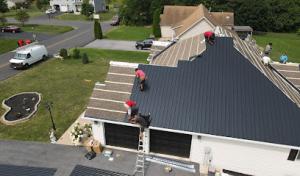
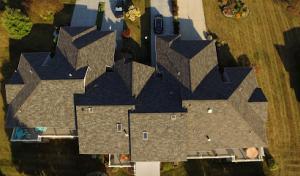
Re-roofing is the strongest contractor market signal in Waynesboro, indicating replacement work is a core local service rather than a side offering. When winter snow and freeze-thaw cycles hammer shingles, homeowners notice quickly who can deliver a solid, complete job. A contractor that shows up with cleanup included and a quick response stands out in the local signal set, reflecting a respect for jobsite control and speed that neighbors value.
Residential-focused firms dominate the local scene, and that matters. Look for long-established, family-owned, veteran-owned, licensed, and insured teams that visibly operate in town. Ask for a local reference list, especially from homeowners with similar house styles and roof ages. Check how they handle debris containment, daily cleanups, and ladder safety, since good cleanup is a hallmark of dependable neighbors.
Ask for a detailed scope that covers underlayment, ventilation, and a clear timeline with milestones. Request a written start date, daily work hours, and end-of-day cleanup expectations. Inquire about crew size and on-site supervision, since larger crews often translate to faster progress but require tighter coordination to keep the street clean. Confirm the proposed materials align with the local climate and house style, and that the warranty terms are specific about workmanship and shingle performance in freeze-thaw cycles.
In practice, a re-roofing project in this market moves quickly when crews are assembled and materials are on site. Expect a staged approach: surface inspection and tarp setup, removal, deck repair if needed, underlayment and ventilation adjustments, shingle installation, and final cleanup. A reliable team will provide daily progress updates and address questions promptly, minimizing disruption to surrounding homes.
After the last shingle nail is driven, inspect for wind uplift protection and ensure drip edges and flashing are sealed. Verify that all waste is removed and that the surrounding area is broom-clean. A reputable local firm will offer a brief walk-through, answer lingering questions, and leave you with maintenance tips tailored to a snow-heavy winter and repeat freeze-thaw cycles.