Last updated: Apr 19, 2026
In this four-season pattern, aging isn't driven by a single hazard season but by a cycle: winter freeze-thaw knocks at shingles and flashing, followed by spring and fall precipitation that intensifies wear and exposes existing damage. That means a roof can look fine after a mild week but be silently compromised by a sudden freeze event, then tested again by heavy spring rains. You should plan inspections to line up with the transitions between seasons-after the snows retreat and before the next round of storms hits. Delays compound wear, especially on older steep-slope homes where the weight and movement of ice, coupled with repeated thaw cycles, can loosen fasteners and deteriorate underlayment quicker than you expect.
Winter brings snow and ice load that stress ridge caps, valley flashings, and attic vents. If you hear a crack when a plow passes, or notice ice damming along eaves, treat it as a red flag for potential hidden roof deck damage. Spring hail and heavy rain test the integrity of shingles, sealants, and the attic-to-ceiling envelope; you may see granule loss, missing shingles, or damp spots inside. Summer heat softens underlayment and can affect adhesive applications, especially on older roofs where the deck has already endured decades of sun exposure. Autumn wind pushes leaves, debris, and moisture into vulnerable joints, increasing the likelihood of moisture intrusion during the installation window or in the days that follow. The takeaway: every season imposes its own stresses, and the cumulative effect is a louder warning about aging and potential failure.
Local contractor signals in this market tilt toward storm damage, emergency repair, and insurance-aligned replacements. That makes timely diagnosis crucial. When a storm hits, you need a clear, documented assessment immediately-photos, measurements, and notes on any lifting shingles, granule loss, or moisture intrusion. Quick, professional triage matters because insurance adjusters respond to prompt, well-documented claims and because delayed repair can transform a manageable fix into a full roof replacement. Keep a simple log of weather events, noticeable leaks, attic moisture, and any sounds of wind-driven movement around the roof line. If a shingle edge shows curling, granules appear in gutters after a moderate rain, or you observe interior staining that aligns with storm timing, treat it as a potential storm-damage case. The goal is to convert a precise, timely report into a plan that minimizes further damage and preserves the long-term integrity of the roof.
Plan two proactive checks each year: after winter thaws and after autumn leaf fall. Have a local roofer perform a targeted inspection for flashing integrity, soffit and vent condition, and the attic's insulation and vapor barrier performance. If any wear or intrusion is detected, ask for a phased plan that distinguishes between emergency repairs and insured replacement, so you're not scrambling when the next storm arrives. In a borough with a mix of older steep-sloped homes and newer builds, small fixes now prevent big headaches later, especially when the storm-chasing contractors start arriving after a heavy event. Stay ahead by documenting before-and-after conditions and keeping a ready list of trusted numbers for rapid response.
In Gettysburg, replacement timing is strongly affected by freeze-thaw conditions in winter and by spring/fall precipitation that can interrupt tear-off and dry-in schedules. Plan to align the roof replacement window with days that forecast a solid stretch of mild temperatures and dry weather, ideally avoiding the cold snaps that push underlayment and shingles to fail to seal. If a winter project becomes necessary, expect shorter workdays and greater handwork to protect exposed decking during thaw cycles. In spring or autumn, watch the forecast for extended dry spells and wind lows, since a sudden rain or gusty day can stall progress and complicate flashing installation.
A practical approach is to schedule roof tear-off and deck cleanup during a window when precipitation is unlikely for at least 24 to 48 hours. That gives enough time for the dry-in phase to take hold before a cold front or late-season rain comes through. In Gettysburg, autumn scheduling can be complicated by wind and leaf debris, especially on homes with nearby mature trees common in established neighborhoods. Clear the debris from valleys and eaves before the crew arrives to minimize slowdowns. Ensure gutters are protected and that a plan exists for safeguarding vents, chimneys, and any satellite dishes that could be damaged by falling debris.
Summer installations in Gettysburg require attention to heat-sensitive underlayment performance and adhesive curing, which can affect shingle sealing and crew pacing. High daytime temperatures can shorten sealant cure times and cause underlayment to expand or buckle if not properly braced. Communicate with the crew about planning the day around the hottest hours, using reflective or shaded staging areas, and scheduling most strenuous work for cooler mornings. Have a contingency for an early start or a late finish to avoid midday heat exposure that can compromise materials.
Storms can press a tight schedule, but local reliability matters. If a storm advisory hits during teardown, the plan should include secure tarping and temporary weather protection to prevent water intrusion. The best time to finalize a full dry-in is a stretch with several dry days in a row, ensuring that shingles seat properly and that any flashing around chimneys, vents, and skylights is able to set. In a place with a historic core and varied rooflines, confirm that the chosen window accommodates distinct sections of the roof to minimize repeated access and reduce the chance of weather-related delays.

Dayhoff Construction
(717) 778-5918 www.dayhoffconstruction.com
15 Sachs Rd, Gettysburg, Pennsylvania
4.9 from 143 reviews
Our skilled team handles everything from roof inspections and installations to gutter installation and skylight repair, ensuring your home is protected and beautiful.
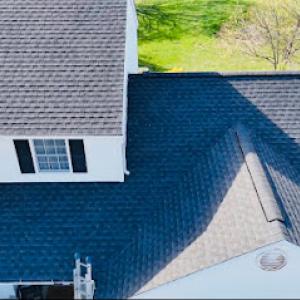
Quintero Roofing
(301) 378-3585 quinteroroofing.com
2992 York Rd UNIT A, Gettysburg, Pennsylvania
5.0 from 27 reviews
Quintero Roofing is a family owned and operated business located in the Adams County. We specialize in all types of roofing. Our services also include gutters, siding, and 24/7 emergency roof repair. We offer financing and are accredited by the BBB. With every roofing project we undertake, we pledge to be on time and stay within your budget. Call us for a free estimate!
Bealing Roofing & Exteriors
(717) 744-9388 bealingroofing.com
395 Buford Ave Suite 7, Gettysburg, Pennsylvania
4.9 from 10 reviews
Bealing Roofing & Exteriors, Inc., based in Gettysburg, Pennsylvania, is the trusted choice for roofing and exterior services in south-central Pennsylvania and northern Maryland. We offer 24/7 roof repair, replacement and installation, asphalt and metal roofing, siding installation, attic and roof insulation, chimney and masonry repair, gutter installation and repair, flashing repair and ventilation solutions. As a Platinum Preferred Contractor with Owens Corning, we deliver honest, high-quality service using top-tier materials and uphold the highest standards of craftsmanship with every project.
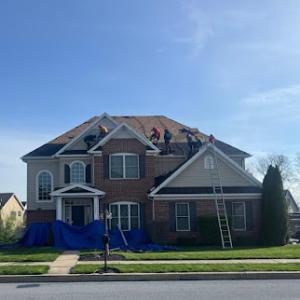
First Choice Exteriors
(717) 321-0596 firstchoiceexteriorsllc.com
Serving
4.8 from 92 reviews
Storm damage specialist offering all of your exterior needs.
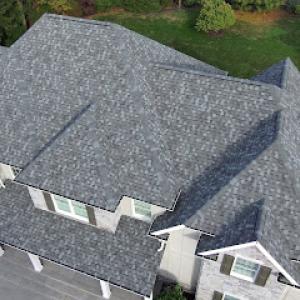
Rivera Contractors & Roofing
(717) 832-4112 riveracontractorsroofingllc.com
Serving
5.0 from 96 reviews
Rivera Contractors & Roofing takes pride in being your local roofing experts, committed to enhancing the beauty, functionality, and value of your property. Whether you're a homeowner looking to enhance the curb appeal of your property or a business owner in need of professional roofing solutions, Rivera Contractors & Roofing is the name you can trust. Our team is well-versed in both residential and commercial roofing projects, delivering exceptional results every time. Don't compromise on the safety and protection of your property. Contact us today to schedule a free consultation. Let us show you why we're the preferred choice for all your roofing needs!
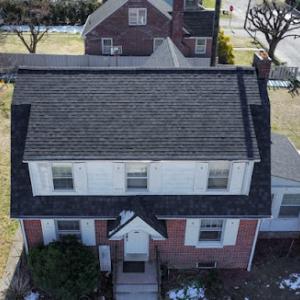
L&M Exteriors
Serving
5.0 from 84 reviews
L&M Exteriors is a local exterior company that provides roofing, siding, and gutter services.
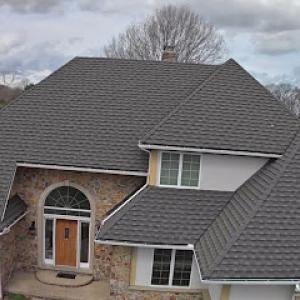
Foster Roofing & General Construction
(717) 778-7379 fosterroofingpa.net
Serving
4.9 from 55 reviews
Protect your largest investment with our reliable roofing services. We are a locally owned and operated roofing company currently serving Littlestown, PA and surrounding communities. If you want to make your roof last as long as possible, it is vital that you never put off a roof repair. Small issues with roofing become big issues in a hurry. No matter how major or minor the repair you need, we are here to help. We offer roofing contracting, roof replacement, and roof installation.
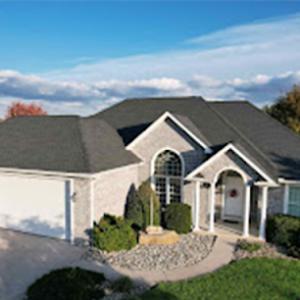
AC Matthews Roofing & Exteriors
Serving
5.0 from 27 reviews
Local contractors specializing in roof repairs, replacement and new installs for residential properties.

Roofing Solution
(717) 524-6644 www.roofingsolutioninfo.com
Serving
5.0 from 293 reviews
Roofing Solution is a roofing contractor that is licensed and insured in Maryland & Pennsylvania. Our company specializes in residential roofing replacements, roof repairs, as well as other exterior home remodeling replacements including siding, gutters and windows,
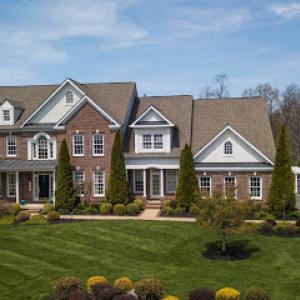
Blue Line Roofing & Exteriors
(240) 674-5248 www.bluelineremodels.com
Serving
4.9 from 41 reviews
Blue Line Roofing & Exteriors is a trusted roofing contractor with over 20 years of experience serving Emmitsburg, MD. We specialize in roof installation, roof repair, siding, and roof replacement for residential and commercial properties. Our team is committed to delivering high-quality workmanship, durable materials, and outstanding customer service. Whether you’re dealing with storm damage, planning a full roof upgrade, or need new siding to enhance your home’s appearance, we’re here to help. Fully licensed and insured, Blue Line Roofing & Exteriors ensures every project is handled with care and precision. Trust our experienced team to protect your property with reliable roofing and exterior solutions built to last.
Triple R Roofing
(717) 634-8752 www.tripleroofing.com
Serving
4.8 from 91 reviews
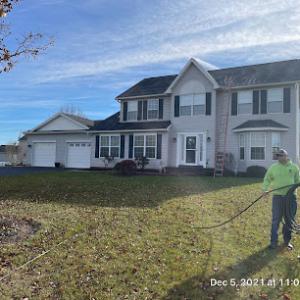
Triple R Roofing will strive to do what is best for you and your home. As an Atlas Platinum Level roofer, we bring over 20 years of roofing and siding experience to Central Pennsylvania and Maryland. We provide York, Hanover, Chambersburg and surrounding areas affordable solutions that fit your needs. Triple R Roofing's services extend from roofing repairs and replacements, Roof Maxx/roof rejuvenation, siding repairs and replacements as well as gutter repairs and replacements. We pride ourselves with offering the greatest materials and warranties available given with 5-star service.
JWE Remodeling & Roofing
(717) 931-7139 www.jweremodeling.com
Serving
4.9 from 128 reviews
JWE Remodeling & Roofing, based in Abbottstown, PA, provides expert roof replacement and installation services for homes across Adams and York Counties. Pennsylvania’s mix of heavy rain, snow, and seasonal temperature shifts can lead to roof leaks, shingle damage, and structural wear. Our team delivers reliable roofing solutions that restore protection, improve energy efficiency, and enhance curb appeal. Known for precision workmanship, clear communication, and dependable service, JWE Remodeling & Roofing stands out as one of Abbottstown’s most trusted roofing contractors for quality-driven, lasting results.
Gettysburg homes show a practical mix of asphalt shingles, metal roofing, clay tile, concrete tile, wood shingles or shakes, and synthetic or composite shingles. This isn't a city that relies on high-end slate or a heavy slate-first approach; it's a neighborhood where you can source skilled local crews who regularly handle asphalt and metal, and where occasional tile installations are feasible but rarer. For most homeowners, the decision starts with what your local contractor can reliably supply, install, and service, and what holds up best against our seasonal swings.
The freeze-thaw cycle is a real factor here. When water seeps into small gaps and expands as it freezes, heavier brittle materials like clay and concrete tile endure the most stress. In Gettysburg's winter months, that can translate into more hairline fractures, broken tiles after a strong storm, or more maintenance to address small leaks before they become big problems. Asphalt and metal systems typically weather these cycles with fewer direct breaks, and synthetic or composite shingles often offer a good balance of toughness and ease of repair. If your roof sits in a windy, storm-prone location, or has a steeper pitch common on older homes, that factor becomes especially important to weigh.
The local contractor signal mix shows meaningful specialization in metal roofing and asphalt shingles. Those two options are usually the easiest to source, install, and maintain locally, with crews who know how to handle the seasonal moisture, wind events, and quick storm-response needs that Gettysburg faces. Tile options, while present, require specialized crews and careful maintenance planning, particularly if you have a tight access route or limited attic space for installing underlayment and ridge systems. If you lean toward tile, expect fewer nearby suppliers and more careful scheduling around weather windows.
When comparing materials, think first about how the roof behaves in a Gettysburg winter. Lighter, more forgiving systems like asphalt, metal, and synthetic shingles handle freeze-thaw cycles more gracefully and are generally quicker to repair after storms. Clay and concrete tiles deliver a distinct look and can last a long time, but their resilience under heavy freeze-thaw stress and their response to storm damage can be more variable. Wood shingles or shakes offer a classic appearance but demand diligent maintenance to prevent moisture intrusion and decay in a climate with significant humidity and temperature shifts. Synthetic or composite shingles blend some of these traits, often delivering decent performance with lower maintenance requirements.
During storm seasons, homes with asphalt, metal, or composite systems tend to have shorter repair hold times and more predictable replacement scheduling, which can align well with insurance pathways. Tile roofs, while beautiful and durable when intact, may prompt longer appraisal times if damage is localized, since replacements or repairs require exact matching and expert installation. If insurance timing matters, discuss with a local roofer who understands Gettysburg's storm patterns and can deliver documentation, photos, and a clear plan for how a replacement would unfold in a way that insurers recognize.
Average Gettysburg prices cluster by material. Asphalt shingles typically run about 350 to 750 USD per square, a practical range for most mid-1980s to mid-2000s homes with standard slope. Metal roofs sit higher, roughly 700 to 1400 USD per square, reflecting the long-term durability and faster installation in good weather windows. Clay tile clocks in from 1200 to 2600 USD per square, with concrete tile at 900 to 1900 USD, reflecting the weight and structural considerations common in older houses. Wood shingles or shakes generally fall between 700 and 1100 USD per square, and synthetic or composite shingles land around 700 to 1200 USD per square. These figures give a realistic starting point for budgeting in a borough where steep slopes and historic-era framing are common.
Severe weather spikes drive the local market. It is common to see tighter crew availability and higher response costs after a damaging event, especially when multiple roofs are in need of repair or replacement within a short window. Storm-response teams tend to command premium rates, and scheduling can push a project from a few weeks to several months depending on weather and arctic freezes. Planning ahead for the shoulder seasons-late spring and early fall-often yields smoother scheduling and can help lock in a steadier price.
Older, steeper homes are the rule rather than the exception in the historic blocks. These rooftops demand more labor, more time, and often more material due to irregularities, higher peak lines, and potential deck reinforcement needs. As a result, projects on such structures may drift toward the higher end of the material range, even for standard shingle systems, with additional costs for underlayment, ice barriers, or enhanced ventilation. When choosing materials, consider how weight, wind exposure, and freeze-thaw cycles will interact with the roof's pitch and the house's construction era.
To align expectations, verify contractor credentials, assess the existing roof deck condition, and map out the anticipated weather windows. If the goal is to minimize disruption during a Gettysburg winter, consider a fall project that finishes before the first hard freeze, leveraging milder temperatures for better shingle adhesion and faster completion. For insurance-ready planning, document damage thoroughly and request detailed, line-item bids so comparisons account for labor intensity and material ordering timelines.
Don't let upfront costs delay a critical repair - these contractors offer payment plans to fit your budget.
Quintero Roofing
(301) 378-3585 quinteroroofing.com
2992 York Rd UNIT A, Gettysburg, Pennsylvania
5.0 from 27 reviews
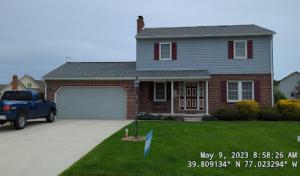
For a full roof replacement in Gettysburg, permits are commonly required through the borough building department rather than being treated as an informal contractor-only matter. That means you'll want to coordinate with your chosen roofing contractor to initiate the permit application, and not assume the work can roll forward without official clearance. In practice, the contractor typically handles the heavy lifting of the application, but you should confirm who is submitting and who will be the point of contact for any follow-up questions. The borough's process is structured to ensure that storm damage repairs, freeze-thaw wear, and long-term roof performance meet local safety and code standards, so treating the permit as a routine checkbox can backfire if the review discovers gaps.
Inspections in Gettysburg commonly occur at rough-in and final completion stages. Rough-in inspection checks that deck attachment, underlayment, and early framing or sheathing work meet code expectations, which matters when the climate has already stressed materials through cold winters. The final inspection verifies that the roof system is properly completed, flashed, and vented, and that ancillary work such as gutters and underlayments are installed to the approved plan. If your project misses an inspection window, it can stall the entire tear-off or replacement, leaving you exposed to weather while waiting for the next slot. Plan ahead with both your contractor and the borough to avoid unnecessary delays.
Fees and processing times vary by locality, so Gettysburg homeowners should confirm timing before scheduling tear-off, especially during busy storm-recovery periods. In peak seasons, the borough can experience backlogs that push back permit issuance and inspection windows. A practical approach is to ask your contractor to provide a projected permit timeline when you're assessing scheduling, and to reach out to the building department early in the process to secure tentative inspection slots. Keep in mind that storm response and wintry cycles can tighten timelines quickly, so align your project milestones with realistic borough schedules to reduce the risk of weather-driven holds.
Throughout the Pennsylvania insurance environment, weather-related roof claim activity is a familiar rhythm for homeowners in this area. The way a claim is documented can directly affect how smoothly the adjuster moves through the process. When a major storm hits, a clear record of what happened and what was damaged helps avoid back-and-forth delays. The more precise your notes and photos, the more confidently a carrier can assess needed restoration versus repair. This is especially true for steep-slope homes that show freeze-thaw wear after long winters, where the evidence of damage can be subtle at first glance.
Insurers commonly expect proper permitting, accurate estimates, and post-renovation photos, and adjusters may request proof of contractor licensing and a copy of the permit. In the wake of a damaging event, a contractor's written scope should align with the photos taken before and after work, so there is a consistent storyline for the claim file. Avoid gaps: document roof lines, gutters, vent flashing, and any interior intrusion that may have resulted from missing or delayed repairs. Consistency between your records and the contractor's documentation helps prevent mismatches that slow the claim review.
Coverage availability in this region has remained relatively stable, but homeowners should still document storm damage promptly after major events because underwriting and claim scrutiny can tighten after severe weather. Quick action reduces the chance of escalating questions about the timeline of damage and repairs. If a claim is filed, expect to provide a copy of the permit and licensing information, along with a thorough set of before-and-after photos that clearly show the condition changes caused by the event. Honest, timely documentation is the strongest defense against protracted claim resolution.
Connect with contractors who help homeowners navigate the claims process from damage assessment to final approval.

Dayhoff Construction
(717) 778-5918 www.dayhoffconstruction.com
15 Sachs Rd, Gettysburg, Pennsylvania
4.9 from 143 reviews
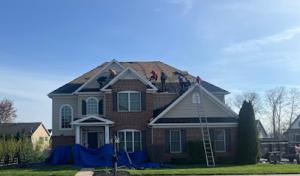
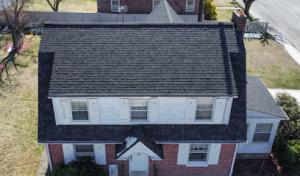
Gettysburg's established housing stock means many re-roofing projects involve older roof decks, flashing transitions, and penetrations rather than straightforward first-time installations. In steep-slope homes near the historic core, the roof deck may have settled, nails may have corroded, and old underlayment can fail in spots you don't see from the ground. Expect to address re-flashing at chimneys, vents, and skylights as a routine part of the project, not an exception.
Local contractor signals show recurring work around chimneys and skylights, which are common leak-prone details on older steep-slope homes in this market. Chimney cricket installation or rework, step-flashing at chimney transitions, and proper counter-flashing are essential to stop history from repeating. Skylights often reveal compromised curb flashing or deck-penetration seals after a harsh winter or a heavy spring rain. Pay attention to valleys and roof-to-wall transitions, where aging or mismatched sealants can trap moisture.
Because re-roofing is far more prevalent locally than new construction, homeowners should expect hidden-condition discoveries once tear-off begins. Deteriorated sheathing, wood rot under failed underlayment, and corrosion at nail heads are not unusual. A thorough inspection of all penetrations during tear-off helps prevent surprise issues later in the process. If soft spots appear in the deck, plan for timely deck repair so new materials can seat properly and perform as designed.
Ask your contractor to map every roof penetrant and note prior flashing materials. Have a plan for upgrading old chimney flashing with modern, corrosion-resistant metal and to reseal skylight transitions with high-quality, compatible sealants. When considering a replacement, focus on matching flashing details to the age and orientation of the home, so the system sheds water reliably through seasonal freeze-thaw cycles.
Find contractors experienced in skylight installation, flashing, and leak repairs to bring natural light into your home.
Dayhoff Construction
(717) 778-5918 www.dayhoffconstruction.com
15 Sachs Rd, Gettysburg, Pennsylvania
4.9 from 143 reviews
Quintero Roofing
(301) 378-3585 quinteroroofing.com
2992 York Rd UNIT A, Gettysburg, Pennsylvania
5.0 from 27 reviews
Gettysburg homeowners are hiring primarily for re-roofing, quick response, and cleanup, so contractor evaluation should focus on execution during occupied-home replacements rather than broad commercial capability. Look for teams that can mobilize promptly after a storm and that can maintain interior protections while living spaces stay sealed. A neighborhood-first mindset matters: crews that respect driveways, landscaping, and access routes avoid extra wear on older steep-slope homes.
In practice, you want to see a crew that can complete a solid installation with minimal disruption to daily living. Ask for a clearly staged plan: where tarps will go, how debris will be contained, and how consecutive days of weather will be managed in a freeze-thaw cycle. Local homes often feature steep pitches and overhangs that complicate weather protection. Confirm that edge wrap, underlayment, and ventilation steps align with Gettysburg's seasonal pattern and that temporary heat or weather-resistant barriers are on hand for sudden storms.
Manufacturer-certified and warranty-offering firms are present in the market but not universal, making warranty terms and installation credentials a meaningful differentiator locally. Ask for documentation of asphalt shingle, metal, or tile system installation credentials that match the selected product. Verify that the crew's work adheres to the manufacturer's installation instructions, especially around attic ventilation and flashing at chimneys and valleys, since poor details here frequently drive leaks after freeze-thaw cycles.
Affordable pricing is a common market signal in Gettysburg, so balance low bids against permit handling, documentation quality, and post-job cleanup expectations. Ensure the contract specifies removal of all roof debris, disposal of old materials, and thorough cleaning of gutters and property surfaces. Request a final walkthrough to confirm no nails or scrap remain in walkways or lawn areas, which helps protect landscaping during the unpredictable transition from storm repair to winter readiness.
Ask for recent Gettysburg-area references, preferably from occupied-home replacements after storms. Confirm a proposed timeline that accounts for known seasonal delays and the crew's plan for storm response, cleanup, and coordinating with any remaining interior protection. A clear written plan with milestones gives you confidence that the chosen crew can deliver steady, neighborhood-friendly workmanship.
Flat-roof specialization exists in Gettysburg but is secondary to steep-slope re-roofing, so low-slope guidance should be treated as a niche section rather than the main focus. When a late addition or porch introduces a flat or low-slope segment, the rest of the roof often continues to follow an older steep-slope design. Understanding your roof geometry helps prevent mismatched materials and uneven drainage over time.
In practice, many Gettysburg homes with low-slope sections rely on conservative maintenance rather than full replacement. Local restoration options may be suitable for select areas rather than a wholesale roof overhaul. If a flat or near-flat surface services the main living space, a targeted coating or flashing upgrade can extend life without forcing a larger reconstruction that disrupts historic details.
Coating services exist locally but are limited, meaning you may see focused offerings for porches or additions rather than universal coverage. When choosing coatings, prioritize breathable, elastomeric products compatible with existing insulation and deck materials. Keep an eye on ponding, especially after winter thaws or early spring storms, which can accelerate wear on small flat planes.
Older homes with mixed roof geometries demand careful integration. An addition with a low-slope roof often sits awkwardly next to a steep-slope main roof. The best approach uses compatible underlayment and flashing transitions that respect the historic aesthetic while preserving waterproofing. In Gettysburg's freeze-thaw cycle, poor transitions can develop leaks or ice dams at the interface.
Maintenance plans should map seasonal needs: inspect after winter storms, reassess after heavy rains, and schedule mid-season checks before the first heat spike. This focused attention reduces the chance of hidden damage, minimizes long-term repair costs, and keeps the overall roof system aligned with neighboring heritage-style homes.
If considering restoration rather than replacement, consult a contractor who understands porch and addition detailing, plus the way snow loads behave on flatter sections common to Gettysburg's late-1900s renovations.
Find specialists in TPO, EPDM, and built-up flat roofing systems for residential and commercial properties.
Quintero Roofing
(301) 378-3585 quinteroroofing.com
2992 York Rd UNIT A, Gettysburg, Pennsylvania
5.0 from 27 reviews