Last updated: Apr 19, 2026
Storms sweeping through the South Hills bring a specific mix of hazards for roofs: high wind gusts, hail, and debris from mature tree lines. In this area, insurance-driven roofing activity is tied mainly to wind and hail events rather than coastal or wildfire losses. A roof can look intact from the ground but harbor hidden damage that collapses the payoff of a claim or invites leaks when freezing cycles return. Treat any strong storm as a potential trigger for a full inspection, especially if your home sits on a hill where wind channeling can magnify impact. Start with a rapid, safe exterior check for missing shingles, dented metal, damaged flashing, and obvious granule loss. If you see multiple shingles curled, creased, or torn, or if neighbors are reporting leaks, schedule a professional assessment without delay.
After a wind or hail event, your first priority is safety. Stay off damaged roofs and avoid stepping on slick or visibly compromised areas. If you notice active leaks inside, place a bucket under the drips and protect valuables with plastic. While you handle ongoing water intrusion, begin gathering the essentials for the claim: date-stamped photos, a roof condition report, and contractor estimates. In this climate, branches and debris from nearby trees can cause incidental damage that looks similar to hail scars. A careful, patch-by-patch survey will help you separate hail or wind damage from impact and debris damage-critical when the adjuster reviews the claim. If there is obvious structural distress, consider temporary tarping to limit further water intrusion, but avoid climbing on a damaged roof.
Insurance decisions in this region hinge on timely, precise documentation. Date-stamped photos that show the extent of the damage from multiple angles are essential. A roof condition report by a licensed contractor provides a professional, objective snapshot of the damage state and an opinion on required repairs or replacement. Secure at least two or three contractor estimates to demonstrate market pricing and scope. Keep notes of every communication with the insurer, including the date, time, person spoken to, and what was discussed. Because many homes sit in mature South Hills neighborhoods with trees, you must clearly distinguish hail and wind damage from branch impact and debris-related damage after storms. Photos should include neighboring properties for context-this can help establish that damage is storm-driven rather than a preexisting condition.
When the adjuster arrives, present the organized file first: the timeline of events, dated photos, the roof condition report, and multiple estimates. Be prepared to discuss the cause of damage and to explain how tree debris contributed to or confused the damage picture. If the adjuster questions cause-and-effect between hail strikes and incidental debris, provide clear documentation, including close-ups of hail dents and granule loss patterns. A key strategy is obtaining a contractor's repair plan that aligns with the adjuster's scope, so a smooth transition from claim approval to repair starts without delays. If you encounter a stall or dispute, request a senior adjuster review and maintain consistent, factual records rather than reactive statements.
Do not assume a minor leak is cosmetic. Freezing cycles in this region can push small penetrations into larger, expensive failures. Don't delay internal documentation or requests for a second opinion if the first assessment seems inconclusive. Separation of hail/wind damage from debris-related damage is essential to accuracy and claim credibility; provide clear, timestamped comparisons for each category. And finally, avoid signing a settlement or scope without a comprehensive contractor estimate that matches the insurer's assessment-partial repairs can leave the home exposed to further weather harm and complicate later claims.
Find local contractors experienced in assessing and restoring roofs after hail, wind, and severe weather events.
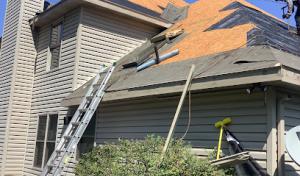
Kelley Restoration
4607 Library Rd suite 220 #486, Bethel Park, Pennsylvania
4.6 from 21 reviews
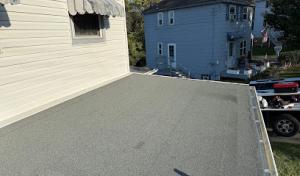
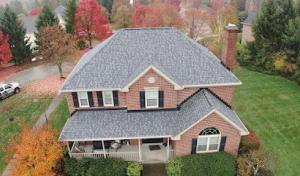
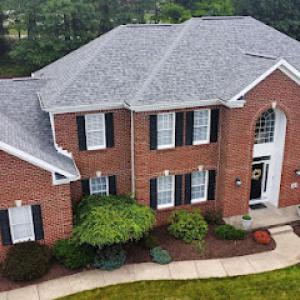
Buccos Roofing
5330 Enterprise Blvd, Bethel Park, Pennsylvania
4.9 from 867 reviews
Buccos Roofing was founded in 2012 by Dan Easton, Mark Easton and Ernie Comfort. Together, the three Peters Township natives set out to serve the greater Pittsburgh community and never looked back. What once was a three-man, one truck crew, working out of a garage, is now an enterprise spanning the greater Pittsburgh area. They attribute their success to hard work, good friends, and family. Today, Buccos Roofing is home to over 25 roofing contractors and additional staff. Together, our team of experts work hard to provide our customers with the best roofing and exterior renovation experience possible. Our mission is to deliver reliable and enjoyable services to each of our clients, prioritizing their needs first.
Craig Gouker Roofing
(412) 664-7679 www.craiggoukerroofing.com
4607 Library Rd Suite 210, Bethel Park, Pennsylvania
4.8 from 66 reviews
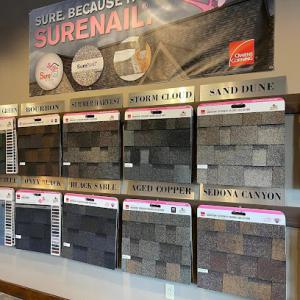
Since 1991, Craig Gouker Roofing has been the trusted Bethel Park roofing contractor for quality craftsmanship and dependable service. As an Owens Corning Platinum Preferred Contractor, we adhere to the highest standards for professionalism, stability, and customer care. We offer the best warranties in the industry and proudly protect your home and landscaping with our exclusive roofer’s buggy. Our team is fully insured, employs no subcontractors, and provides FREE estimates for roofing, siding, gutters, downspouts, soffit, and fascia. Serving Bethel Park and parts of Allegheny and Westmoreland Counties, our showroom is open Mon-Fri and Sat by appointment. PA License #012596.
Kelley Restoration
4607 Library Rd suite 220 #486, Bethel Park, Pennsylvania
4.6 from 21 reviews
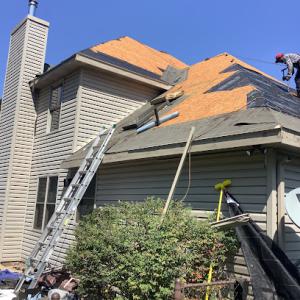
As a leading Pittsburgh Roofing Contractor, Kelley Restoration is a fully-certified roofing business ready to tackle anything from complex to minor scaled projects. We know that dealing with insurance companies can get pretty stressful, but we are here to take the load off your shoulders. We are fueled by our commitment to excellence and go the extra mile to make sure our clients are fully satisfied with our work. Get in touch today for a free inspection.
Jose Roofing & Remodeling Company
(412) 712-3107 www.jroremodeling.com
Bethel Park, Pennsylvania
5.0 from 3 reviews
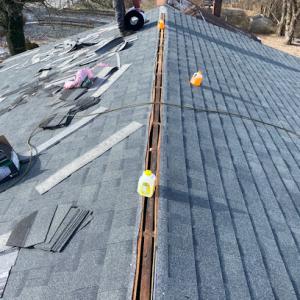
At Jose Roofing & Remodeling, Our story started in 2010 with a simple goal: to redefine the spaces where people live. With years of experience and countless satisfied customers, I have dedicated myself to delivering top-notch remodeling services. Each completed project tells a unique story, and I am eager to write the next chapter with you.
Sacred Pillars Demolition & Construction
2884 Maple St, Bethel Park, Pennsylvania
5.0 from 3 reviews
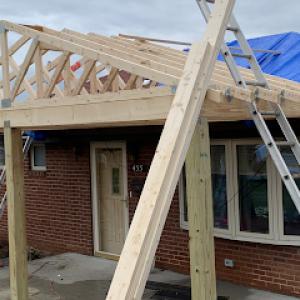
Has your roof seen better days? Do you have damaged concrete steps? When dealing with dated or crumbling exterior surfaces, turn to the experts at Sacred Pillars Demolition and Construction, LLC in Bethel Park, PA. These professionals offer a variety of services, including roofing repairs, concrete work, and siding installations. Homeowners can count on their commitment to quality craftsmanship, honest prices, and excellent customer support. Over time, your home’s roof takes a beating from wind, hail, and UV rays. This family-owned and -operated roofing contractor will inspect your structure for leaks and weathered patches. If the time has come for a replacement, their skilled team will quickly and efficiently install new materials.
Kap Construction
Serving
5.0 from 25 reviews
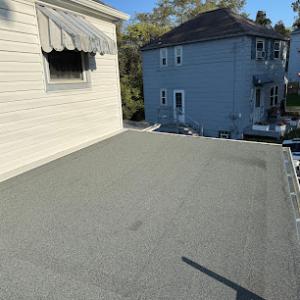
Service with pride since 2005!!! KAP CONSTRUCTION provides PA customers with expert solutions for all of their roofing needs! Roof repair... roof replacement...? We'll get you handled!!!
Pittsabana Roofing
(412) 207-7661 www.pittsabana.com
Serving
4.9 from 103 reviews
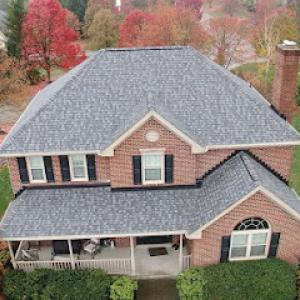
If a storm has damaged your roof, call the professionals right away. Pittsabana Contracting Services, LLC will be there promptly to assess the damage and provide an effective solution. They keep homes throughout Castle Shannon, PA, warm and dry with reliable roofing services. From leaking roofs to split shingles, this licensed and insured roofing contractor can handle all types of problems. Whether your home has been damaged by a fallen tree or excess moisture, they’ll fix it with air- and watertight roof repair. They offer budget-friendly prices and manufacturer and labor warranties, giving you peace of mind with your newly repaired roof.

Gregor Roofing
(724) 969-4145 gregorroofing.com
Serving
4.9 from 159 reviews
A family business serving Pittsburgh and its suburbs since 1998, Gregor Roofing combines quality products, exceptional service, and expert roof replacement and installation to install our roofing systems. Gregor is a GAF Master Elite™ Contractor – only 3% of all roofing contractors qualify for Master Elite™ Certification. Gregor Roofing has an A+ rating by the Better Business Bureau and is highly rated on Angie’s List. We’ve been in business since 1998. We deliver the highest quality work with responsive and professional service, including the best warranty in the industry.
Resnick Roofing & Contracting
(412) 946-8300 www.resnickroof.com
Serving
5.0 from 234 reviews
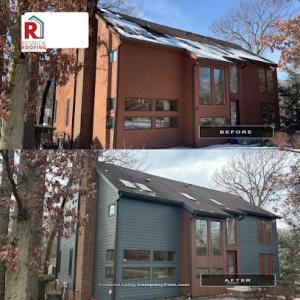
Established in 2006, Resnick Roofing & Contracting delivers unmatched property improvement experiences in roofing, siding, and solar. We provide top products, installations, and warranties, backed by a leadership team with over 50 years of combined experience. Serving Western PA, we ensure clear customer expectations and quality through a fleet of 30+ vehicles and two locations. Our installers receive annual certifications from each manufacturer, guaranteeing proper installation. Our quality is validated by hundreds of 5-star reviews on Google and Facebook and an A+ BBB rating. At Resnick Roofing & Contracting, customer satisfaction is paramount.
A Plus Roofing & Exteriors
(412) 515-5466 aplusroofingexteriors.com
Serving
5.0 from 140 reviews
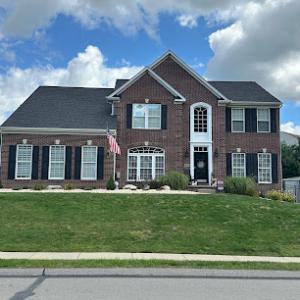
At A Plus Roofing & Exteriors we take pride in operating with the utmost integrity. Our team of industry Experts approach every task with a commitment to finding the best solutions fit for your problem, home, and budget. We carefully work closely with our customers to make sure they fully understand the task at hand, we explain every detail inside of every process we follow and why, therefor, building a strong relationship and bond for many years to come. Born and Raised in Black & Gold territory is why we choose to service ALL our beautiful counties such as: Allegheny, Washington, Butler, Westmoreland, and more… CALL US for all your ROOFING & EXTERIOR needs.
Blockbuster Roofing
(412) 273-0013 blockbusterroofing.com
Serving
5.0 from 65 reviews
Blockbuster Roofing and Gutters is a full service roofing and gutter contractor serving the Greater Pittsburgh area. We specialize in custom seamless aluminum gutter installation, flat and shingle roof replacements, and box gutter restoration. We are proud to say that we always provide reasonable pricing and strive to exceed all of our customers expectations.

TLC Roofing
(412) 891-8942 www.tlcroofingpgh.com
Serving
5.0 from 66 reviews
With over 20 years of construction experience and a decade in roofing, we provide reliable residential and commercial services in Pittsburgh and surrounding areas, including shingles, flat, sloping, rubber, TPO, and EPDM roofs. Our team also handles gutters, soffit, fascia, repairs, installations, insurance claims, and warranties. We proudly offer free inspections and estimates, ensuring you get expert advice without any commitment. Combining expertise and dedication, we deliver durable solutions tailored to your needs for your home or business.
Full replacements in Bethel Park are typically planned from spring through fall because Pittsburgh-area winter freezes and snow loads can delay tear-off and installation. The window keeps crews on a predictable schedule and helps keep interior temperatures manageable for shingles and underlayment. If your roof is already showing advanced wear or your attic is leaking, a careful pre-season assessment in early spring can prevent last-minute delays once the weather warms. A solid game plan is to line up your project after the ground thaws and before autumn weather becomes unreliable, so expect a narrow but workable window each year.
Freeze-thaw cycling in the South Hills accelerates wear at shingle edges, flashing transitions, and vulnerable penetrations after winter. That means the first warm day in late winter or early spring is not the time to rush a tear-off. Instead, use that period for assessment, ordering of materials, and coordinating crews. If inspections identify compromised flashing or deteriorated edge sealant, schedule repairs or adjustments before full removal starts. This approach minimizes the risk of repeated openings to the attic during the critical spring melt and reduces the chance of wind-driven damage during the work.
Spring and summer rain can interrupt scheduling, so conversations with the contractor should include contingency days and rain-delay policies. In Bethel Park, sudden downpours can push back an installation by a day or two, especially when crews are balancing multiple jobs. Build in buffer time for weather setbacks and plan your interior protection accordingly. If a leak is actively dripping into living spaces, address temporary containment and drying measures promptly to prevent mold or structural concerns while awaiting favorable weather for the full replacement.
Autumn leaf drop in established neighborhoods adds cleanup and gutter-access complications late in the season. Debris from mature trees can clog downspouts and gutters, which in turn affects water shedding across the new roof. Schedule gutter cleaning and roof access preparations ahead of the first full week of October in areas with heavy tree cover. Communicate with the installer about leaf-guard options, rake-friendly debris management, and the timing of any interior protective measures during the later phases of installation. If fall scheduling is necessary, ensure crews have sufficient daylight and realistic daily targets to finish before freezing temperatures threaten the newly installed materials.
A Bethel Park roof project often intersects with attic ventilation, soffit details, and insulation considerations. The spring-through-fall window is conducive to aligning a tear-off with improvements in attic air flow and venting, which helps the new roof perform as designed under winter conditions. Plan to complete any necessary attic work within the same season to reduce the risk of moisture issues after a lengthy exposure to the elements during installation. Clear communication with the contractor about sequencing-removal, underlayment, flashing, and final shingle lay-keeps the project moving steadily through the typical seasonal constraints.
Asphalt shingles dominate many replacements in this area because they fit the common suburban housing stock and moderate reroof budgets. In neighborhoods with mature trees and frequent wind-driven debris, asphalt delivers solid performance when paired with a quality underlayment and proper attic ventilation. Look for impact-resistant options in this category if a hail event has recently occurred or if you anticipate more wind-driven cycles. This material's versatility makes it a practical choice for most mid-century and newer ranches and colonials that pepper the hillsides around the Pittsburgh South Hills.
Clay tile, concrete tile, and slate show up in pockets across the broader market, but their suitability varies significantly with the age and structure of the home. In established South Hills neighborhoods, many older homes have roofs with spans and rafters that were not designed for very heavy roofing. If contemplating clay or concrete tile or slate, a careful structural evaluation is essential to ensure the attic and supporting framing can handle the extra weight, and to assess flashing details and access for maintenance. For a home with a shallower roof pitch or compromised decking from decades of weather exposure, these heavier options may require substantial reinforcement, which can complicate a reroof and affect long-term performance in freeze-thaw cycles.
Metal roofing and synthetic/composite shingles appeal locally where weather patterns demand improved shedding of rain and snow and where maintenance around tree debris is a consideration. Metal options-whether standing seam or exposed-fastener styles-tend to resist wind uplift well and drain snow quickly, reducing the chance of ice dam formation on milder pitches. Synthetic or composite shingles mimic the look of slate or shake while offering better impact resistance and lighter weight, which can be advantageous on older structures that can't bear the load of natural stone-look materials. For homes with heavy tree cover, metal's smooth surface can also be easier to keep clear of fallen branches and leaves, potentially lowering routine cleaning needs.
South Hills weather cycles-freeze-thaw brought on by winters with fluctuating temperatures, plus periodic hail from storm fronts-shape material performance here. Any choice should account for fast drainage, robust underlayment, and reliable flashing around chimneys, dormers, and vent stacks. Consider roof shapes that channel wind away from eaves and valleys, as sharp gusts can lift weaker edges if installation quality isn't solid. Roofing choices for these homes should also prioritize compatibility with existing attic insulation and ventilation, to minimize heat buildup that accelerates shingle aging during freeze-thaw cycles.
In practice, the goal is to balance the local climate realities, the home's age and structural capacity, and the desire for lower long-term maintenance. Asphalt remains the most durable, cost-efficient baseline for most bets here. If an older structure can support it, a well-installed metal or synthetic option can offer improved debris shedding and reduced maintenance over time, especially in trees-heavy neighborhoods. For select century-old or particularly reinforced homes with the right roof framing, heavier tiles can be considered, but only after a professional assessment confirms structural compatibility and long-term performance under South Hills weather patterns.
Replacement costs in this South Hills borough reflect a few local realities. The mix of older homes, steep drives, and mature tree cover means crews often deploy larger equipment and careful material handling, which can influence both time and price. For planning, expect the cost picture to sit toward the high end of general regional ranges when you replace the entire roof.
Storm-driven demand spikes after wind and hail events tighten contractor availability across the area, and that pressure tends to push bids toward the upper end of local material ranges. If a storm hits, you may see faster scheduling pressure but higher quotes and tighter financing options as crews reallocate crews from nearby towns. Having a preferred contractor on standby and a realistic timeline helps keep costs predictable.
South Hills roof access is harder on sloped lots and tightly spaced residential streets, which can raise labor and disposal logistics costs. Narrow driveways, crowded alleys, and street parking constraints translate to more time for material staging and load-off, especially with bulky shingles or tile waste. If you anticipate a clear fall or spring window, align the project with dry, mild conditions to reduce weather-related delays and debris-management issues.
Typical replacement costs for common materials (per square, 100 square feet) start in a broad range and tend to cluster based on durability and weight. Asphalt shingles run roughly 360 to 700 USD per square for the finished roof. Metal roofing sits around 700 to 1,100 USD per square. Clay tiles typically land 900 to 1,800 USD per square, concrete tiles 900 to 1,400 USD per square, synthetic/composite shingles 450 to 750 USD per square, and slate 1,200 to 2,500 USD per square. For a full replacement, expect the total to scale with roof size and waste factors, plus the added logistics of steep or crowded sites.
To document storm-related damage for insurance, photograph from multiple angles, capture nearby trees and damage patterns, keep a dated file, and ask for a written estimate that includes removal, disposal, and debris containment costs.
Get a clear picture of your project costs upfront - no commitment required.
Buccos Roofing
5330 Enterprise Blvd, Bethel Park, Pennsylvania
4.9 from 867 reviews
Craig Gouker Roofing
(412) 664-7679 www.craiggoukerroofing.com
4607 Library Rd Suite 210, Bethel Park, Pennsylvania
4.8 from 66 reviews
Bethel Park typically requires a building permit for a full roof replacement, and the permit must be obtained before work starts. If your contractor swings into action without a permit, you risk fines, mandated corrections, or a hold on the project until the paperwork is in order. Before any shingle removal or new underlayment goes down, verify with the borough that a permit is in place for the exact scope of work. The borough's emphasis is on replacement projects, so it's essential to determine early whether the planned work constitutes a full replacement or a limited repair, and to align the permit documents accordingly.
The borough building department reviews the project scope and conducts inspections during and after the replacement process. Expect at least one pre-inspection to confirm site access, waste containment, and safety measures, followed by progressive inspections as the roof layers are removed and replaced. A final inspection seals the permit and verifies that materials, attachment methods, and ventilation meet local standards. Delays can occur if inspections miss a scheduled window or if the contractor submits incomplete documentation, so coordinate dates well in advance and maintain open lines of communication with the inspector and the contractor.
Homeowners should confirm whether the planned work is treated as full replacement versus limited repair, because the borough process is centered on replacement projects. A misclassification can trigger unexpected permit requirements, additional inspections, or fee adjustments. If storm damage or hail concerns drive the project, be prepared to justify the scope with notes from a roofing professional and, if applicable, documentation from an insurer. Clear delineation of repair versus replacement helps avoid a mismatch between what gets permitted and what the borough expects to review.
Keep all permit-related documents, inspection approvals, and any correspondence with the building department in one accessible place. When storms create damage, compile dated photos, contractor assessments, and any insurer notices to support the project trajectory during permitting and inspections. If the project involves insurance-related timelines, share anticipated inspection dates with the insurer to align claim progress with the borough's review cadence. This disciplined approach reduces surprises and helps ensure the replacement process stays on track.
The freeze-thaw cycles that mark Pittsburgh's South Hills can quietly undermine roof details. In Bethel Park, weaknesses tend to show up first at flashing where the chimney, vents, and perimeters meet the deck. After a harsh winter, water can seep behind missealed or aged flashing and migrate to the attic or ceilings, especially around flat transitions and step flashing along the eaves. Regular checks after thaw periods help catch hairline gaps before they turn into active leaks. If you spot staining near the roofline or feel a draft near a vent, treat the area with the caution due to potential hidden ice damage behind the flashing.
Valleys collect runoff, especially on hilly streets where runoff speeds up. In this climate, valleys are prime spots for ice damming and leaf debris that trap moisture. A weak valley seam or a missing shingle tab can allow water to back up into the valley and find its way into the attic. Roof penetrations-such as vent pipes, skylights, and satellite dishes-require careful sealing, because aging sealants crack with repeated freeze-thaw cycles. When you notice dark stains or damp patches near a valley interior, investigate promptly; delayed repairs can lead to structural rot and mold.
Chimney-roof intersections are a common trouble spot in this market, where chimney work often appears alongside roofing tasks. The seal around the chimney base and the flashing against brick or stone need periodic attention. Seasonal temperature swings can loosen mortar and compromise the counter-flashing. If you see peeling flashing metal, damp ceilings near the chimney, or efflorescence on brick, treat it as a warning sign-the risk of water intrusion increases with each thaw.
Skylights are a notable local concern since many Bethel Park homes feature them and a sizable portion of contractors advertise skylight repair and replacement support. Poor skylight flashing, vent complications, or degraded seals let moisture migrate inward during wind-driven rainstorms or rapid temperature swings. Visible condensation between panes, mold at the interior perimeter, or a damp ceiling near a skylight warrants professional evaluation before interior damage escalates.
When a wind or hail event follows a thaw, inspect roof intersections, valleys, and penetrations first for telltale signs of trouble. Document any leaks with dates and photos, and track how water travels inside the home. A timely inspection by a trusted local contractor familiar with Bethel Park's weather patterns can prevent small issues from becoming costly repairs.
Find contractors experienced in skylight installation, flashing, and leak repairs to bring natural light into your home.
Craig Gouker Roofing
(412) 664-7679 www.craiggoukerroofing.com
4607 Library Rd Suite 210, Bethel Park, Pennsylvania
4.8 from 66 reviews
Kelley Restoration
4607 Library Rd suite 220 #486, Bethel Park, Pennsylvania
4.6 from 21 reviews
The local insurance environment stays active after South Hills wind and hail events, with many Bethel Park-area contractors marketing claim assistance specifically for roof losses. That means you'll likely be approached by professionals offering to help navigate the process, but you still control what happens at every step. Wind and hail are the main triggers for claims scrutiny in this market, so having pre-loss roof photos and up-to-date maintenance records can materially affect outcomes when an adjuster reviews your case.
Records you keep now make a real difference later. Store clear, dated photos of the roof from multiple angles, especially the areas near vents, chimneys, and skylights. Maintain a simple log of visible issues and repairs, noting dates and what was done. If you have recurring issues like shingle curling or flashing gaps, document those too. This bank of information helps when an adjuster asks for context and can support a smoother claim evaluation.
After a storm, an adjuster may request contractor contact information, inspection findings, and written estimates before processing roof claims. Be prepared to share your preferred roofing contractor's details and any written assessment you've obtained. It's common for the insurer to want to verify the scope of damage with a licensed professional, and having a detailed, contractor-backed estimate ready can streamline the process. If an inspection reveals damage beyond ordinary wear, be ready to discuss findings in plain terms and reference the supporting photos.
If a contractor offers claim-support services, approach with the same due diligence you would apply to any major home repair. Get written communications with the insurer, confirm who is authorized to speak for you, and keep all correspondence organized. Clarity on who performs inspections, who provides estimates, and how changes to scope are handled helps prevent surprises down the line. This neighborhood tends to see a practical, paper-backed approach-backed by your own records and a clear line of communication.
Connect with contractors who help homeowners navigate the claims process from damage assessment to final approval.
Kelley Restoration
4607 Library Rd suite 220 #486, Bethel Park, Pennsylvania
4.6 from 21 reviews

In this market, homeowners heavily prioritize fast response and cleanup, reflecting how often leaks and storm-related issues need immediate attention. A locally grounded roofer understands the South Hills freeze-thaw cycle, tree-dotted yards, and how asphalt shingles or metal hold up on hilly, windy lots. Choose firms with a proven track record servicing homes similar to yours, not just national names that show up after a storm.
Storm events in this area create urgent needs for both temporary tarping and rapid leaks control. The right contractor prioritizes immediate containment, then coordinates debris removal and site cleanup to minimize future damage from falling branches or ice damming. Look for teams that can mobilize quickly, lay plastic and tarps correctly, and return for a thorough follow-up visit once the weather cooperates. Quick but careful work protects the interior and preserves valuable shingles and flashing.
Bethel Park-area homeowners also have many long-established, family-owned, and manufacturer-certified firms to compare, not just transient storm chasers. A solid local contractor should show a durable local reputation: long-running family names, repeat customers, and solid manufacturer credentials. Ask for referrals within the neighborhood, and verify that crews have stable supervision and ongoing training with the materials you plan to use.
Drone inspection and free inspection offerings are present locally, but they are less prevalent than core reroofing, repair, and cleanup services. Use drone or on-site checks as a supplemental step, but ensure the firm provides a practical plan for permanent repairs, including flashing reseal, underlayment assessment, and shingle replacement if needed. Ensure the proposal details access timing, material choices, and a clear cleanup protocol.
Ask each bidder to outline their immediate response plan after a wind or hail event, how they manage storm debris, and their process for documenting damage for insurance. Require a written timeline, a scope that covers leak-prone areas (valleys, eaves, vents), and a courteous, predictable communication cadence. A trustworthy Bethel Park roofer will explain how their approach aligns with the neighborhood's typical weather and housing stock.
While steep-slope residential roofs dominate the neighborhood, the secondary market for flat and low-slope sections on additions, porches, and garages remains meaningful for local contractors. These areas often use different framing, flashing, and drainage details than the main roof, so they require separate attention during a replacement or repair. In Pittsburgh-area freeze-thaw cycles, slow drainage and lingering winter moisture can stress low-slope surfaces even when the main roof looks solid.
Low-slope roofs rely on consistent drainage to prevent ponding and accelerated wear. In Bethel Park, make sure those additions have integrated scuppers or internal drains that tie into the home's gutter and downspout system without causing water backup near doors or foundations. When selecting materials, consider options that resist standing water and provide reliable seam sealing. For porches and attached garages, oversize drip edges and properly configured edge flashing help direct meltwater away from walls and windows, reducing leak potential at transitions.
Because these areas age differently from the main roof, plan a separate scope review when replacing only the primary roof. Have a trusted roofer assess the low-slope sections for surface wear, flashing integrity, and membrane condition. In Bethel Park's climate, paying attention to ponding spots, edge terminations, and junctions with walls is especially important. Regular inspections after wind events or hail help catch edge damage or membrane micro-tears that could otherwise hide until a leak appears.
After a wind or hail event, inspect low-slope areas first for obvious damage to seam tapes, flashings, or surface membranes. Document these findings with dated photos, noting any pooled water or damp insulation signs. When filing insurance claims, include a clear record of the low-slope section condition and any temporary tarping or repairs performed to control water intrusion. A thorough, section-specific report can simplify claim reviews and support timely repairs on additions, porches, or garages.
Find specialists in TPO, EPDM, and built-up flat roofing systems for residential and commercial properties.