
Last updated: Apr 19, 2026
Winter in the Pittsburgh-area pattern pours on repeats of freeze-thaw cycles, and McKees Rocks sits squarely in the rush of that swing. Each cycle can reopen small failures in shingles, flashing, and gutter edges that seemed settled after last thaw. It's not a one-time snow-load issue here; it's a pattern of micro-failures that compound year after year. When ice backs up at the eaves, water can sneak behind flashing or under shingles, then refreeze and widen the problem. For older homes, those small defects become predictable leaks after a harsh stretch-especially on steep roofs where heat moves unevenly and ice damming is more likely to form.
Many homes in and around the area are older structures that added venting and insulation upgrades over time. That retrofit work often leaves uneven roof temperatures, which concentrates ice buildup at eaves and along vent-prowlines. When ice forms there, it pushes against flashing and shingles, stressing fasteners and sealants that may have already aged. The result is a practical leak source that can appear in February or March after a heavy cold snap followed by a thaw. Without timely attention, those small breaches become stubborn, recurring headaches.
If you notice a raised edge of ice along the eaves, or icicles that seem to form in unusual patterns, treat it as a warning. Wet spots on ceilings or patchy stains in upper rooms often trace back to attic temperatures that aren't uniform, allowing heat to melt and refreeze at critical joints. Inspectments should focus on flashing joints around chimneys and vent stacks, along valleys where two roof planes meet, and where guttering ends. Remember that ice backup can be invisible from the ground; a careful interior check after a thaw is essential.
Start by clearing safe pathways for water to escape during thaws, but never climb a steep roof yourself if ice is present. A professional crew can perform a careful ice dam removal and assess flashing integrity without creating new openings. Keep attic access sealed and vents clear in cold snaps to reduce the differential warming that feeds ice dams. If you have ongoing warm zones or inconsistent attic insulation, consider temporary flashing checks to reduce the risk of water entry during the next freeze-thaw cycle. In a busy season, prompt triage-addressing the most obvious leaks first-can limit interior damage while you arrange a more permanent fix.
Given the local demand patterns for emergency repair and storm response, it's prudent to plan ahead for winter. A staged approach often works best: first stop the immediate leaks with targeted flashing repairs and gutter maintenance; then tighten attic insulation and ensure ventilated combinings are balanced to minimize warm spots. On older roofs, upgrading vulnerable edge details-such as drip edge, proper valley flashing, and chimney setbacks-can dramatically reduce recurring ice damming. If you're weighing a re-roof, favor assemblies that handle ice and freeze-thaw stress more robustly and that align with the steeper roof profiles common on the stock here. The goal is a roof that resists the repeated insults of a Pittsburgh winter rather than one that only "gets by" during calm years.
In this river-valley neighborhood, the March through May pattern brings sudden wind gusts and hail that can disrupt a quick roof repair window. A minor aging issue-like a loose shingle edge or a cracked vent boot-can flip into an active leak after a hard shock from a storm. Steep residential roofs, chimneys, and ice buildup from the previous winter concentrate risk, so timing matters. When a forecast shows a line of strong storms sweeping through the Ohio Valley, expect scheduling delays and the potential for tripped leaks to turn into interior damage within hours. Treat any hail impact or wind-blown debris as an urgent signal: inspect, document, and call for help before the next wave hits.
Pennsylvania insurers routinely weigh roof age, material type, and local exposure to wind and hail. Before storm season, gather dated photos of every visible issue: cracked shingles, lifted edges, flashing gaps around chimneys, and any signs of prior patchwork. Keep a simple roof maintenance log with dates of inspections, measurements of missing granules, and notes on attic signs of moisture. After a storm, take fresh photos immediately from multiple angles and timestamp them. If you rent or share the home, collect contact details for the property manager and any previous repair receipts. The goal is to show a clear, continuous record of condition and response, so a claim can move promptly without back-and-forth delays.
If a storm leaves even a small puncture or lifted edge, arrange a temporary, tarped cover or edge protection to slow water intrusion. Do not delay wind-damaged repair estimates; seek a reputable local contractor who understands the terrain, the typical leak paths, and the seasonal surge in demand. Schedule a quick, professional roof inspection within 72 hours of a storm when possible, prioritizing areas around chimneys, skylights, and valley intersections where water can funnel through. If leaks are active, place waterproofing trays in the attic to catch drips and minimize interior damage while awaiting a contractor.
The local market has strong storm-damage and insurance-claims specialization, so post-storm inspections and claim support are a routine homeowner need here. Contact your insurer soon after damage is confirmed and provide the photo dossier, maintenance log, and a short description of observed leaks. Ask for a written scope of loss and keep the claim number handy. If the first adjuster visit doesn't align with your documented condition, request a second opinion and bring your photo timeline. Local adjusters often rely on third-party inspectors, so ensure you have access to a trusted roof technician who can corroborate findings with independent notes and measurements.
Leaning on neighbors who've weathered similar storms yields practical referrals for licensed crews familiar with the Ohio Valley's wind and hail patterns. Prioritize contractors who understand the seasonal urgency, provide rapid on-site assessments, and can coordinate with insurers for a smooth claim flow. Maintain your records after every milestone: initial assessment, temporary protections installed, and final repairs completed. This city's climate rewards prepared homeowners who treat spring storms as a time to tighten defenses, not a reason to delay.
Find local contractors experienced in assessing and restoring roofs after hail, wind, and severe weather events.
Bronson Roofing
(412) 221-6999 bronsonroofing.net
Serving
4.8 from 92 reviews
Family owned and operated with over 45 years of service, customer satisfaction is our top priority. Our team of exterior remodeling professionals are committed to delivering the highest quality workmanship at an affordable price. From repairs to full roof replacements and siding installations, you can trust Bronson Roofing to get the job done right.
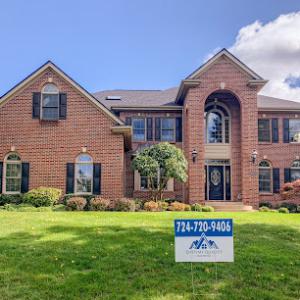
Lifetime Quality Roofing
(412) 324-7879 www.lifetimequalityroofing.com
Serving
4.8 from 304 reviews
At Lifetime Quality Roofing, we offer expert residential roof replacement, gutter installation, and commercial roofing backed by over 50 years of experience in Pittsburgh and the surrounding areas. Our skilled technicians handle asphalt shingle roof leak repairs and storm damage restoration with precision and speed. We know the demands of Pennsylvania’s climate, and we build craft roofing systems to endure. Whether you need emergency service or a new roof built to last, trust our Pittsburgh team for quality you can count on. Schedule your free roof inspection today and experience roofing done right, with Lifetime Quality Roofing on your side. Contact us today!
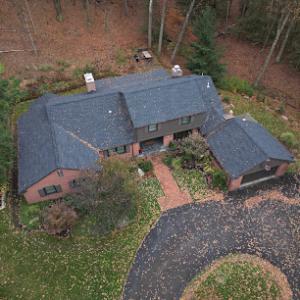
LINC Roofing & Contracting
(814) 475-1877 linc-roofing.com
Serving
4.8 from 88 reviews
Harsh condition's such as rain, sleet, snow, and hail can damage the strength and stability of your roof; what's worse, wet or leaky situations can add to the damage and put your entire property at risk. With LINC Roofing & Contracting, understanding and maintaining such a crucial part of your home is the highest importance and should only be handled by experienced professionals. We are a family owned and operated roofing contractor in the Pittsburgh area. We specialize in full roof replacements, repairs, rubber roofing, gaco applications, gutters, siding, fascia, metal trim work; we also offer home repairs and emergency services. We service the Pittsburgh and surrounding areas, including parts of Ohio and West Virgina.
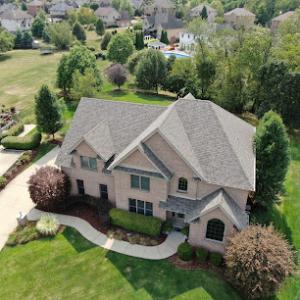
Gotcha Covered Contracting
(724) 581-8147 www.gccroofers.com
Serving
4.6 from 160 reviews
Gotcha Covered Contracting of McKees Rocks offers services throughout the Pittsburgh, PA area including residential and commercial roofing, siding, and gutters. If your roof has storm wind or hail damage, you may need roof repair. We can help. GCC provides free roof inspections and estimates. We specialize in complete roof replacement services for homeowners and business owners. When it's time to redo your siding, we install all kinds. If you need new gutters, we got ya covered! If your home or commercial building has hail damage, we will work with you to get it restored. Call us today.
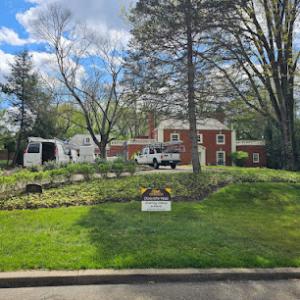
Powerhouse Home Improvements
(724) 979-7663 powerhouseroofs.com
Serving
4.9 from 53 reviews
Powerhouse Home Improvements is recognized as the best roofing and siding company in Pittsburgh, providing high-performance exterior solutions. We specialize in professional siding installation, house siding repair, and energy-efficient solar systems for local homeowners. Whether you need roof repair near me in Robinson Township or a full roof replacement in Moon or Cranberry, we are the top-rated contractors near you for elite craftsmanship. As a premier Pittsburgh siding company, we also handle gutters and storm damage inspections. Get the best roofers in Pittsburgh to protect your home today. Call now for a free estimate!
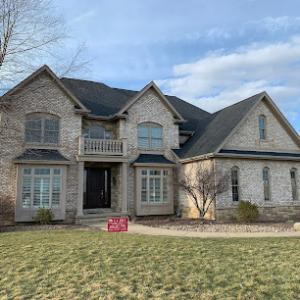
CL Frey Construction
(412) 327-7593 www.clfreyconstruction.com
Serving
5.0 from 151 reviews
C.L. Frey Construction roofers many years of experience replacing roofs of every kind and can help you every step of your roofing job. No roof is too big for our roofing installers. We are a 4th generation company dating back to 1882! Our roofers are GAF Master Elite Certified, licensed & insured. We service areas north of Pittsburgh, including Allison Park, Avalon, Belle Acres, Bellevue Roofing, Bradford Woods, Coraopolis, Cranberry, Cranberry Township, Fox Chapel, Franklin Park, Gibsonia, Glenshaw, Hampton, McCandless, North Hills, Pine Richland, Ross Township, O'Hara Township, Shaler, Wexford, West View, Sewickley, Warrendale and other local areas. You can trust CL Frey for quality roofing done right at an affordable cost.
Pro Roofing Service
(412) 926-9147 www.proroofingservice.com
Serving
5.0 from 6 reviews
Pittsburgh Roofing Contractor
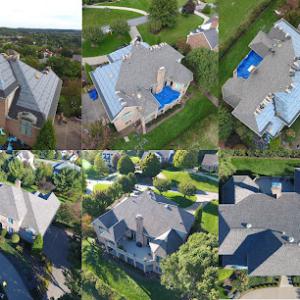
Buccos Roofing
(724) 587-6970 buccosroofing.com
Serving
5.0 from 46 reviews
We specialize in residential, commercial, and industrial roofing along with exterior house solutions throughout the greater Pittsburgh area. We are family owned and operated with deep roots in Pittsburgh. We are also licensed, bonded, and insured plus we offer free estimates.
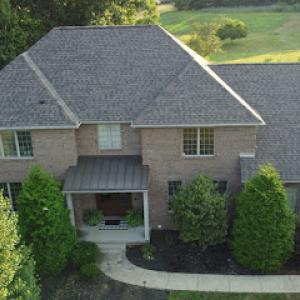
Tri-State Roofing Solutions
(724) 494-6433 www.tristateroofingsolutions.com
Serving
5.0 from 27 reviews
We are one of the best roofing companies in western PA and located in Monaca Pa specializing in roof replacement, roof repairs, and metal roof replacement with a focus on quality and a seamless customer experience serving most of western Pennsylvania and parts of eastern Ohio. We also offer gutter cleaning and complementary roof inspections.

SmartRoof - Roofing & Solar
Serving
4.7 from 85 reviews
SmartRoof re-energizes the dream of homeownership across Pennsylvania through energy efficient upgrades. With innovative integrated solar solutions, and roof, gutter, siding, window and door replacement, we’re improving the home improvement process. We’re taking the home renovation industry from a frustrating back-and-forth, to a collaborative, service-focused dream. We lead with kindness, relatability, and a commitment to communication and support. Backed by thousands of 5-star reviews and more than 20,000 installations, we treat your home like it is our own. We’re certified by the best manufacturers in the US, and use only the latest roofing and solar technologies to help you achieve your dream home. Build your future with us!
Mighty Dog Roofing of West Pittsburgh
(412) 899-2407 www.mightydogroofing.com
Serving
4.9 from 129 reviews
When it comes to your home’s exterior, Mighty Dog Roofing delivers top-of-the-line services matched with the neighborly customer care our clients have come to love. Our team of skilled experts will conduct a free, detailed inspection of your home, treating it as our own. Whether your home needs a simple repair or a full roof replacement, expect to receive the transparent guidance you deserve. Whatever the case, our team will work to meet your safety and budget needs. We take pride in operating with quality materials, hiring skilled roofers, and providing our customers with a high-quality experience. See for yourself; our reviews say it all. Schedule your free, home inspection today!
Prescott Roofing, Siding, Gutters & Masonry
(412) 991-2005 prescottroofing.com
Serving
4.9 from 252 reviews
Prescott Roofing is family owned & operated. We’ve been standing on Pittsburgh roofs since 1906. As a premier GAF Master Elite Certified roofing contractor, our skilled roofers specialize in residential roofing, metal roofing & commercial roofing services, ensuring your property is protected with top-quality materials & craftsmanship. From thorough roof inspections to expert installations, we've got you covered. Our roofers provide comprehensive solutions for your home or business exterior, including gutter installation & siding. Trust our siding contractors with your vinyl siding or James Hardie Siding project, enhancing your property’s appearance & its durability. Click or call to schedule your roof installation or roof inspection.
Asphalt shingles are the practical baseline for most homes in McKees Rocks because they fit the existing roof stock you're likely looking at from the street and from the attic access. The local contractor specialty around asphalt is deep, with crews familiar with steep pitches, valley intersections, and chimney flashing that show up in this river-valley neighborhood. If winter ice damming and freeze-thaw cycles are your main concerns, asphalt shingles paired with proper underlayment and good attic insulation provide a straightforward, proven line of defense. They handle the temperatures swing without asking for heavy retrofit to the decking, and repairs are typically available from a broad network of local suppliers and installers. When planning a replacement, look for shingles with good sealant strength and a documented micro-weather resistance rating, since that combination tends to hold up best through long Pittsburgh winters.
Metal roofing is present in the market but less common, making it a more selective upgrade for homeowners who prioritize snow shedding and longer service life. In this climate, metal performs well during freeze-thaw cycles and can help reduce the risk of ice dam formation at eaves when paired with proper insulation and ventilation. The steep residential roofs found in older blocks of homes make metal a clean look, and it sheds snow more predictably than asphalt in heavy snowfall. The trade-off is weight along with a higher upfront installation cost and the need for a precise roof deck assessment. If choosing metal, ensure the underlayment and flashing details are designed for steep pitches and that the fasteners and panel joins are compatible with winter conditions. A local installer with experience in this area can tailor panel profiles to minimize wind uplift and to integrate with existing chimneys and skylights.
Tile and synthetic products appear in the local material mix, but their higher installed weight or cost can matter more on older homes where decking changes may trigger added review. Clay and concrete tiles bring a long service life and distinctive curb appeal, yet they demand a robust structure and careful attachment details to cope with seasonal temperature shifts. Synthetic or composite shingles offer a lighter option with some of the durability advantages of tile, but installation quality remains critical to performance in freeze-thaw cycles. In homes with aging decking or limited attic space, any tile or synthetic upgrade should start with a decking assessment and a plan for compatible underlayment and flashing. For many houses in the area, matching the look of traditional shingles with an upgrade path that preserves attic efficiency yields the best balance between protection and practicality.
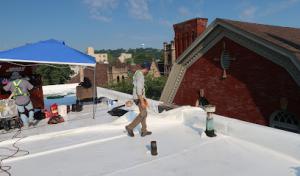
Flat-roof specialization is meaningfully active in McKees Rocks, reflecting a real share of porches, additions, and mixed-slope residential sections that need different detailing than main steep roofs. The local housing stock often blends old steep primary roofs with flatter appendages, so the transition points demand careful planning. A flat or low-slope section isn't a standalone piece; its performance hinges on how it ties into the surrounding roofscape, curb drainage, and ventilation details that keep ice and moisture from creeping into aged framing.
Low-slope sections in this climate are vulnerable when winter ponding, snowmelt, and spring rain overlap, especially where tie-ins meet older shingle roofs. Ice can back up at the eave and along penetrations, freezing and thawing cycles that stress seams, flashing, and deck joints. If a low-slope replacement is attempted without addressing these overlaps, you risk creating new leak paths that undermine nearby steep-roof sections. This is a problem that tends to present itself after dramatic temperature swings or heavy late-winter precipitation.
Because decking or venting changes can trigger additional review in the borough permit process, flat-roof replacements that alter assemblies may need closer planning than simple overlay-style work. Pay special attention to insulation continuity, improved drainage paths, and robust flashing at wall and roof junctions. In practice, that means ensuring proper slope within the flat area, experimenting with heat-equalizing vents, and selecting an assembly that can tolerate freeze-thaw cycles without relying on temporary gaps or crawl spaces as moisture sinks.
Aimid at compatibility: think about the entire roof envelope rather than treating the flat section as an afterthought. If the flat roof can be integrated with higher-slope sections through continuous insulation, clearer step-flashings, and coordinated attic ventilation, you reduce the risk of hidden moisture pockets that worsen ice damming and wood deterioration in winter. In turn, this approach supports long-term stability of both the flat addition and the adjacent steep roofs.
Find specialists in TPO, EPDM, and built-up flat roofing systems for residential and commercial properties.
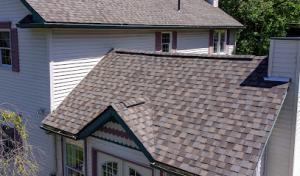
Chimneys and their flashing sit at the front line for leaks on tighter, older roofs common in this river-valley housing stock. Chimney-related work is a notable local contractor signal, matching the older housing stock in McKees Rocks where masonry penetrations are a common roof leak source. When preparing for re-roofing, expect that flashing around brickwork, caulking joints, and the transition from chimney crown to shingle or tile will need thorough inspection. In winter, ice dams tend to push water laterally along the chimney abutment, so that area must be treated as a primary leak-retention zone. A practical approach is to verify that the chimney flashing sits flat, the counter-flashing is secure, and any mortar cracks are addressed before new roofing material goes on.
Skylight service is also active locally, so homeowners should expect flashing and curb details to be a recurring issue during re-roofing rather than a rare specialty item. A common failure point is the curb and its sealant or the transition to the surrounding shingles. When a roofer examines a skylight, look for cracks in the curb, insufficient fasteners, or degraded sealant that splits open with seasonal expansion. During installation or replacement, ensure the skylight flashing forms a continuous, water-tight channel and that the interior trim around the skylight opening seals cleanly against the curb. If a curb is old or misaligned, plan for adjustments or a new curb that matches the roof slope and material.
In a freeze-thaw climate like McKees Rocks, leaks often show first at penetrations and sidewalls before broad field-shingle failure becomes obvious. This makes every vent boot, plumbing stack, and electrical stack more than just a detail; it becomes a potential leak source during heavy snows and thaw cycles. Check that pipe collars are properly sealed with the correct gap to accommodate movement, and that boot transitions are reinforced where shingles bend around them. For metal vent sleeves, confirm corrosion protection and proper integration with the chosen roofing material to prevent ice buildup along the seam.
Ask for materials and workmanship warranties that specifically cover penetrations, flashing, and curbs. Leaks like to start at points where shingles end and flashing begins, so insist on a continuous, integrated drip edge and a properly sealed counter-flashing that overlaps the base flashing. Have the roofer lay out a detailed inspection plan that highlights chimney, skylight, vent, and sidewall interfaces as critical zones to inspect after the first winter thaw. This targeted approach helps catch problem areas before broad shingle failure becomes apparent.
Find contractors experienced in skylight installation, flashing, and leak repairs to bring natural light into your home.
Tri-State Roofing Solutions
(724) 494-6433 www.tristateroofingsolutions.com
Serving
5.0 from 27 reviews

In this tightly built river-valley neighborhood, older decking, chimney flashing, and ventilation corrections commonly drive final costs above base material rates. When ice damming and freeze-thaw cycles take a toll, damaged decking or weakened ventilation can emerge, pushing labor time and material needs higher than a straightforward re-cover. Aluminum or copper flashing around chimneys, outdated attic vents, and degraded underlayment add to the bottom line. Expect the worst-case scenario to surpass the base material price by a meaningful margin if these elements require replacement or retrofit.
Common shingle and panel options carry the following installed-cost ranges per square: Asphalt Shingles 350-700, Metal Roofing 700-1400, Clay Tile 1000-1700, Concrete Tile 1100-1900, Wood Shingles/Shakes 500-1100, Synthetic/Composite Shingles 600-1000. These are base rates; in McKees Rocks, locally cited prices often climb when ice-dam repair, chimney flashing upgrades, or extra ventilation work is needed. Seasonal factors can also nudge these numbers higher, especially after winter damage is followed by spring storms.
Winter ice damming and spring storm damage create noticeable demand spikes that affect scheduling and labor availability. Fast-turn leak work can be scarce shortly after a harsh spell, so plan for potential delays if a quick replacement is required. Late spring through early fall remains the preferred installation window here, so peak-season demand can extend lead times and tighten contractor calendars. If you're aiming to lock in a crew, booking ahead and confirming contingency dates for weather days helps keep the project on track.
For a straight replacement, use the listed ranges as a starting point and add 10-25% for decking, flashing, and ventilation fixes when those elements are encountered. Asphalt remains the most budget-friendly, while clay and concrete tiles offer longer lifespans with higher upfront costs. In McKees Rocks, expect totals to push toward the upper end of base ranges if older decking or chimney work is required, but still align with the per-square rates noted for the chosen material.
Get a clear picture of your project costs upfront - no commitment required.
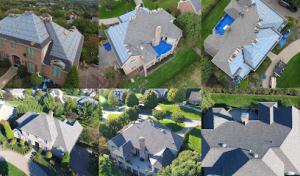
Before any full reroof begins, expect to obtain a building permit from the McKees Rocks Borough Building Department. The permitting process is not something to skim-codes and local expectations are particularly strict when dealing with older, tightly built river-valley homes where steep roofs and winter conditions are common. Plan to submit the usual elements: a project description, scope of work, and any required drawings or roof plan details. A permit that sits idle can become a bottleneck, especially when weather windows are tight and ice damming season is approaching.
The borough typically conducts two core inspections during a reroof. The rough inspection happens during the decking or underlayment phase, when the roof deck and ventilation approach are being prepared. This check helps verify that the substrate, underlayment, and any venting setups meet local expectations before shingles go on. A final inspection follows after completion to confirm everything is properly installed and sealed. Keeping the inspection dates in your calendar early helps avoid delays that can edge into winter.
Decking or venting changes are common points where plans need extra scrutiny. If the project goes beyond a straight tear-off and re-shingle, anticipate additional coordination with the building department. This is especially true for homes with historically sensitive roof lines, chimneys, or complex vent configurations. Have concise, up-to-date plans ready and be prepared to adjust framing, attic ventilation, or flashing details to satisfy both code and the borough's expectations. When winter ice damming is a concern, any alterations that affect drainage paths or venting efficiency should be clearly explained to the inspector to prevent back-and-forth revisions.
Contact the Building Department early in the process to confirm required documentation and any neighborhood-specific review steps. Arrange a pre-work meeting with the contractor to align on permit status, inspection windows, and anticipated milestones. If snow or freezing conditions are forecast, discuss temporary measures to protect the interior and ensure that decking and underlayment work remains compliant with weather-related best practices. Finally, keep a dedicated contact at the borough handy for quick questions during planning and execution.
When a roof has a long history and older materials, insurers will look at age, material type, and any evidence of prior repairs. In this market, many homes feature steep roofs and visible chimneys, where the story of past maintenance matters just as much as current condition. If the roof was installed with materials that are nearing or past typical lifespans, or if previous repairs were only partial, adjusters may view the risk differently. That perspective can influence whether a claim is fully covered, partially covered, or denied for lack of adequate documentation.
In advance of the next winter or heavy weather, gather records that tell the roof's full story: dates of past roof work, the scope of repairs, and any notes from contractors about seasonal freeze-thaw damage or ice dam remedies. Photos taken before the season, showing ridge lines, valleys, and critical details around chimneys and vent connections, can be especially helpful. Keep a simple, organized file with invoices and warranties, plus a log of recent inspections. When a storm hits, ready access to this evidence makes the adjuster's job easier and reduces the chance of disputes later.
Broad insurer pullbacks are not the defining local issue, but depreciation and limits on older or non-standard materials can still affect how a claim is settled. If the roof uses materials that are no longer standard in the area, or if the aging roof shows widespread wear, the insurer might reduce the payout or impose restrictions on what qualifies as a replacement. Understanding that distinction ahead of time helps you set reasonable expectations and plan for possible gaps between repair needs and covered costs.
Keep a clear record of any seasonal maintenance, especially proof of ice dam prevention measures and attic ventilation checks, which are central to performance in the valley climate. When in doubt, contact your insurer early to review what documentation they'll require for an upcoming claim. Being proactive with evidence helps protect the roof's value and supports a smoother adjustment process when winter conditions threaten leakage or freeze-thaw damage.