Last updated: Apr 19, 2026
On the hillside neighborhoods that climb up from the Ohio River corridor, your roof fights two hard realities at once: sharp drips and wind-driven spray from higher ground, and the way runoff behaves differently from street to ridge. Lower streets see a gentler slope and different wind patterns, while elevated blocks expose shingles, flashing edges, and roof transitions to more frequent freeze-thaw cycles. That means the same roof design can age at noticeably different rates depending on where you are in town. Don't assume a neighbor's issue mirrors yours-your exposure, drainage, and roof edge details matter for reliability through winter.
Coraopolis sees a dependable winter pattern: freezing temperatures after moderate precipitation. Water that seeps into tiny gaps then freezes expands, tugging at shingles and loosening granules. Shingle edges and valleys take the brunt of repeated freeze-thaw stress, while vulnerable roof transitions-think around dormers, chimneys, and ventilated ridges-become weak points fast. On hillside homes, runoff can pool near transitions or spill over the drip edge differently than on a flat-graded home, creating localized wear that stacks year after year. When this stress compounds, minor leaks become persistent, and flashing joints can fail sooner than expected.
If you notice granule loss in gutters, curling or cupping shingles, or frequent mossy patches near the eaves, those are alarm bells that the roof is weathering too hard for its age. Dark stains near transitions or along flashing lines indicate moisture intrusion, especially after thawing days when ice dams form and then melt. On hillside blocks, you may see water staining that seems to shift with the slope of the house. Pay attention to attic condensation as well: higher humidity or temperature swings can reveal improperly vented roofs that funnel warm, moist air into the deck during melt cycles.
Late spring through early fall becomes the practical replacement window in this area because winter snow and freezing temperatures constrain safe access for crews and complicate full tear-offs. If a roof shows persistent, speeding wear from freeze-thaw cycles-especially around vents, skylights, chimney flashing, and valley lines-you'll want to prioritize scheduling during that warmer window. The goal is to complete a thorough tear-off and re-flash, with attention to proper insulation and ventilation, before the next winter sets in. If the roof is already showing widespread damage, delaying a replacement can translate to higher risk of indoor leaks during a thaw cycle or a sudden freeze after a heavy rain.
Start by tracing the most exposed roof sections from the street and noting where runoff concentrates near transitions. Have gaps around flashing and edge materials inspected, especially where slate, clay, or fiber cement pieces meet edging or parapets. Ask a contractor to verify attic ventilation and insulation levels on hillside models, because improper intake or exhaust can amplify freeze-thaw damage upstairs and push moisture toward the decking. Keep gutters clear of debris, ensuring downspouts direct water away from foundations and away from any vulnerable roofing seams below, since blocked drainage can intensify edge wear. If a roof already shows repeated cycles of freezing and thawing wear, plan a targeted, high-quality replacement strategy for the most exposed sections now, rather than risking a broader failure in the heart of winter.
In this hillside borough, the roof isn't just a weather shield; it's a visible piece of the neighborhood's history. The dominant local material mix includes asphalt shingles, metal roofing, clay tile, concrete tile, slate, and fiber cement shingles, which points to a housing stock that ranges from standard re-roofing to heavier legacy materials. When you're choosing a replacement, you're balancing available space above the street, weight on old structures, and the look that sits well with your neighbors' homes. The goal is a roof that respects the era and the slope of the property while standing up to the Ohio River climate.
Slate and tile matter more here than in many small borough markets, so replacement planning often has to account for matching older roof aesthetics rather than defaulting to basic shingle-only decisions. If your home already has slate or concrete tile, maintaining that look can meaningfully preserve curb appeal and neighborhood harmony. For homes with metal or clay tile, sticking with a similar profile helps maintain the roofline rhythm seen along the hillside streets. The practical approach is to select a material that preserves the visual scale and the roof's historic silhouette, while upgrading underlying performance. In some cases, a durable fiber cement shingle or a high-quality asphalt option with a compatible profile can be blended to keep the appearance cohesive when exact replicas aren't feasible.
Freeze-thaw conditions make flashing, underlayment, and drainage detailing especially important regardless of whether the roof is asphalt, metal, slate, tile, or fiber cement. In older houses, decking spans may be uneven or sag slightly, and hillside installation often carries more complex ridge lines and valley layouts. A meticulous approach to flashing at valleys, chimney-to-roof transitions, and roof-to-wall intersections reduces the risk of leaks after freeze-thaw cycles. Underlayment should be chosen with a robust performance in cold snaps and repeated wet-dry swings, and proper nail placement becomes critical to avoid wind-driven uplift that can expose vulnerable edges during temperature swings.
As you weigh material options, consider how each behaves with heavy rains, snow, and freeze-thaw stress. Asphalt shingles provide straightforward replacement for many standard re-roofs and can be favored where weight and slope constraints are moderate. Metal roofing offers longevity and a sleeker look, with additional emphasis on precise flashing and panel seams to prevent ice dams. Clay and concrete tiles deliver a strong, historic presence but require structural checks for weight and careful support detailing in older rafters. Slate delivers unmatched longevity and a traditional aesthetic, yet it demands careful matching of thickness, color, and edge detail to keep the roof visually integrated with surrounding homes. Fiber cement shingles offer a practical compromise between weight, durability, and the ability to mimic slate or wood textures when needed.
When planning replacement, think beyond the visible surface. The local climate and hillside layout mean you'll prioritize robust drainage and well-sealed perimeters. Consider the transitions where the roof meets dormers, decks, or exposed eaves, and verify that the roofing system behind the visible surface is compatible with the chosen material. A well-coordinated install minimizes the risk of cold-season leaks and ensures the roof can hold up through multiple cycles of winter weather while maintaining the historic charm that defines the area.
Local contractor signals show emergency repair and storm damage work are highly prevalent in this market, indicating homeowners here frequently need fast leak stabilization rather than only planned replacements. When a sudden rainstorm hits after a freeze, a compromised roof edge or flashing can dump water into the attic in minutes. If you notice active drips, damp ceiling spots, or staining near valleys, gutters, or roof edges, treat it as an urgent situation. Move valuables away from the affected area, place a bucket under the drip, and call a local roofer who can respond within hours. Temporary protections-tarps secured with weighted stones or boards-should cover the most vulnerable sections without relying on defective ice dams or sagging membranes. Do not delay if multiple shingles have peeled back or if interior insulation shows signs of wetness.
Spring thaw and storms are a known scheduling problem in this area, with rain and wind affecting both temporary protection and the timing of full replacement work. As the weather shifts from freezing nights to rainy days, moisture in the roofing system expands and creates new leaks where joints were marginal. If a storm hits during a slowgoing repair window, prioritize securing the roof with temporary cover until work can resume in clearer weather. When planning for a replacement, coordinate with the contractor to align the most critical waterproofing tasks-valley and flashing resealing, vent boot replacements, and edge flashing-with the first dry window of spring. Delays can allow small leaks to escalate into attic mold or structural damage, especially on hillside homes where wind exposure is greater.
Because wet leaves are a fall concern locally, drainage backups and overflow around valleys, gutters, and roof edges can complicate leak diagnosis before winter sets in. In the weeks after trees shed leaves, water can pool in gutters or spill over at the fascia, masking the true source of a leak. Inspect gutters and downspouts for blockages after storms, and note any areas where overflowing water runs along siding or into soffits. When leaks are suspected, avoid relying solely on interior water marks to identify the breach; check attic insulation for dampness, and verify that ventilation continues to draw moisture upward. A quick, targeted patch can buy critical time, but a thorough diagnosis and permanent fix should be scheduled promptly to withstand the winter cycle.
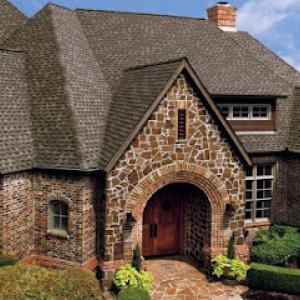
MHI Roofing
314B Moon Clinton Rd, Coraopolis, Pennsylvania
4.8 from 1403 reviews
MHI Roofing has been a trusted roofing contractor since 1979, serving Pittsburgh, Mt Lebanon, Bethel Park, Monroeville, Upper St Clair, McCandless, and nearby areas in Allegheny & Washington County. We specialize in Shingle Roofing, Roof Repairs, Roof Inspections, and Seamless Gutters. Call us now for a free estimate!
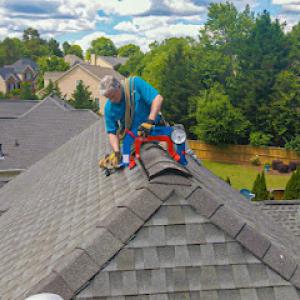
Hope Roofing & Gutters
(412) 264-7598 www.hoperoofingandgutters.com
1529 Vance Ave, Coraopolis, Pennsylvania
5.0 from 5 reviews
At Hope Roofing & Gutters we specialize in Roofing installations, Roof Repairs, Gutter Installations, Gutter Repairs & Gutter Cleanings. We offer quality work at affordable prices. Hope is just a phone call away!
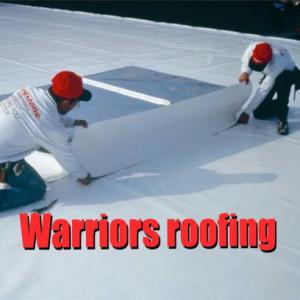
Warriors Roofing & Paving
1887 Oakbine Ave floor 2, Coraopolis, Pennsylvania
5.0 from 2 reviews
Our goal is to reach our customers 100% satisfaction we are here for you no matter any needs you might have specializing in commercial industrial residential we are here for you. We are honest reliable and we are very competitive on our prices please call now don't delay you've got to the right people to help. All of our work is completely guaranteed. we are the best at what we do from a small leak repair to a complete roof installment we treat every job as it was the same with my company you will be in good hands Just to tell you a little bit about my company we are 3th generation roofer all of my roof technicians go through thorough inspections and training before hired Our goal is to help you and keep you dry Thank you
LINC Roofing & Contracting
(814) 475-1877 linc-roofing.com
Serving
4.8 from 88 reviews
Harsh condition's such as rain, sleet, snow, and hail can damage the strength and stability of your roof; what's worse, wet or leaky situations can add to the damage and put your entire property at risk. With LINC Roofing & Contracting, understanding and maintaining such a crucial part of your home is the highest importance and should only be handled by experienced professionals. We are a family owned and operated roofing contractor in the Pittsburgh area. We specialize in full roof replacements, repairs, rubber roofing, gaco applications, gutters, siding, fascia, metal trim work; we also offer home repairs and emergency services. We service the Pittsburgh and surrounding areas, including parts of Ohio and West Virgina.
Royal Roof & Gutter
Serving
5.0 from 74 reviews
We are insured, reliable, roof replacement specialists. We use specialized equipment to collect and manage the debris from the old roofing and eliminate the mess associated with replacing a roof. We are an Owens Corning Preferred Contractor and also DaVinci Roofscapes Master Contractor. Our roofs are backed by the biggest names in the business. Royal can help you with roofing repairs, chimney leaks, and gutter cleaning. Our quotes are free and we use eagle view satellite technology to quickly and accurately measure your roof for replacement quotes.
Tri-State Roofing Solutions
(724) 494-6433 www.tristateroofingsolutions.com
Serving
5.0 from 27 reviews
We are one of the best roofing companies in western PA and located in Monaca Pa specializing in roof replacement, roof repairs, and metal roof replacement with a focus on quality and a seamless customer experience serving most of western Pennsylvania and parts of eastern Ohio. We also offer gutter cleaning and complementary roof inspections.
Luis Dominguez
(703) 232-6018 luisdominguez.net
Coraopolis, Pennsylvania
5.0 from 1 review
Luis Dominguez is a company that was established 12 years ago. Our company was built with the commitment to ensure cost-effectiveness and high quality in every home improvement Service. Our company was founded under the great values of: Professionalism Commitment Diligence Cost-Effectiveness Contact our team today and get a free estimate for any of the services that we offer. If you hire us to do the job, we will work hard and smart until your expectations are exceeded. Contact our professional and reliable company today to save time and money on your upcoming project!
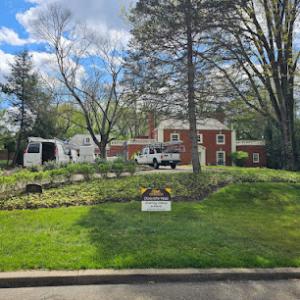
Powerhouse Home Improvements
(724) 979-7663 powerhouseroofs.com
Serving
4.9 from 53 reviews
Powerhouse Home Improvements is recognized as the best roofing and siding company in Pittsburgh, providing high-performance exterior solutions. We specialize in professional siding installation, house siding repair, and energy-efficient solar systems for local homeowners. Whether you need roof repair near me in Robinson Township or a full roof replacement in Moon or Cranberry, we are the top-rated contractors near you for elite craftsmanship. As a premier Pittsburgh siding company, we also handle gutters and storm damage inspections. Get the best roofers in Pittsburgh to protect your home today. Call now for a free estimate!

Newhouse Contracting
(724) 375-8853 newhousecontracting.com
Serving
4.8 from 25 reviews
Established in 2007, Newhouse Contracting is a trusted roofing contractor serving Pittsburgh, PA and the surrounding areas. They specialize in a variety of roofing services, including roof repair, shingle replacement, and comprehensive roof maintenance.
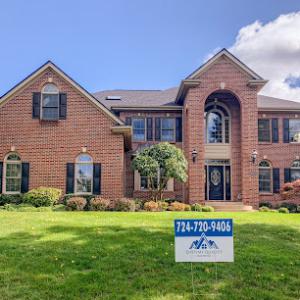
Lifetime Quality Roofing
(412) 324-7879 www.lifetimequalityroofing.com
Serving
4.8 from 304 reviews
At Lifetime Quality Roofing, we offer expert residential roof replacement, gutter installation, and commercial roofing backed by over 50 years of experience in Pittsburgh and the surrounding areas. Our skilled technicians handle asphalt shingle roof leak repairs and storm damage restoration with precision and speed. We know the demands of Pennsylvania’s climate, and we build craft roofing systems to endure. Whether you need emergency service or a new roof built to last, trust our Pittsburgh team for quality you can count on. Schedule your free roof inspection today and experience roofing done right, with Lifetime Quality Roofing on your side. Contact us today!
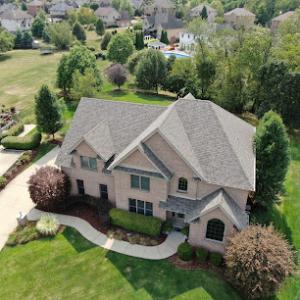
Gotcha Covered Contracting
(724) 581-8147 www.gccroofers.com
Serving
4.6 from 160 reviews
Gotcha Covered Contracting of McKees Rocks offers services throughout the Pittsburgh, PA area including residential and commercial roofing, siding, and gutters. If your roof has storm wind or hail damage, you may need roof repair. We can help. GCC provides free roof inspections and estimates. We specialize in complete roof replacement services for homeowners and business owners. When it's time to redo your siding, we install all kinds. If you need new gutters, we got ya covered! If your home or commercial building has hail damage, we will work with you to get it restored. Call us today.

Tectum Quality Roofing
(412) 512-5824 www.tectumqualityroofing.com
Serving
4.9 from 57 reviews
We are a community-oriented roofing company serving the Greater Pittsburgh Area. Our focus is on operational efficiency and fostering a customer-centric culture. TQR is committed to delivering exceptional quality, ensuring unmatched customer satisfaction, and providing fair pricing on every project. With over 25 years of experience in the construction industry, we are dedicated to meeting our customers' needs, one project at a time.
If you're replacing a roof on an older hillside home, expect typical pricing to align with local averages: asphalt shingles run about $350-$650 per square, metal $600-$1000, clay tile $900-$1800, concrete tile $700-$1300, slate $1500-$3000, and fiber cement shingles $380-$700 per square. These ranges reflect the mix of stock layouts in town-from compact, gravity-fed rooflines to steeper slopes that creep along the hillside above the Ohio River corridor. The balance between material choice and roof complexity is especially noticeable after years of freeze-thaw cycles that stress coatings, seams, and underlayment.
Costs in this borough can rise when older homes require deck repairs uncovered during tear-off. Deck integrity is a frequent point of inspection during replacement projects, and uncovering rot or loose framing can add time and material. If a tear-off reveals damage that necessitates reinforcing or rebuilding a deck edge, expect additional line items for deck joists, flashing, and temporary support-items that don't show up on a simple shingle swap. These adjustments are not unusual in Coraopolis and should be budgeted for in advance so winter doesn't catch you by surprise.
Scheduling pressure after winter damage or spring storms can affect labor availability locally. Contractors may have tighter windows as weather windows narrow and crews shift to storm repairs or back-to-back replacements. If a project waits too long into spring, you might see a bump in lead time and a tighter window for installation. Planning ahead, especially if a deck repair is on the radar, helps avoid the bottlenecks that tend to crop up after heavy northeasters.
In hillside lots with exposed eaves and higher wind exposure, slate and clay tiles offer durability but come at a premium upfront. For homeowners prioritizing speed and cost, asphalt shingles remain the most common option, particularly when reroofing over existing decks and flashing are already in need of attention. Fiber cement shingles provide a middle ground with decent resistance to the freeze-thaw cycle while keeping weight manageable for most older structures. When larger tiles or slate are considered, ensure the roof structure and framing are assessed against the added weight, especially for older houses perched on the hillside.
Plan for deck-related contingencies, plus a little extra for the possibility of extended lead times in spring. If a replacement involves removing and re-flashing along the perimeter, that work will influence both cost and schedule. By aligning material choice with the known winter stresses and the borough's emphasis on deck integrity, homeowners can secure a durable, code-resilient roof that stands up to the next round of freeze-thaw cycles.
Don't let upfront costs delay a critical repair - these contractors offer payment plans to fit your budget.
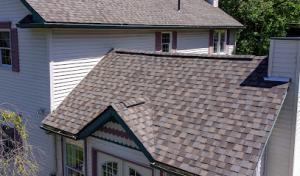
Perfect Roofing & Siding
(412) 727-0000 www.perfectroofingsiding.com
2000 Cliff Mine Rd, Coraopolis, Pennsylvania
4.9 from 68 reviews
Mighty Dog Roofing of West Pittsburgh
(412) 899-2407 www.mightydogroofing.com
Serving
4.9 from 129 reviews
A full roof replacement in this borough generally requires a permit through the borough building department rather than being handled informally by the contractor alone. That means you need to submit plans, coordinates, and any drawing the inspector may request, and your contractor should be aligned with the borough to avoid delays. Rushing this step can cost more in trip-and-repeat work when the permit is finally reviewed, especially on hillside homes where proper ventilation and waterproofing are critical for long-term performance.
Homeowners should plan around an estimated 1-2 week processing period before work can begin, which is important during the busy late spring through early fall replacement season. The window matters in a town where winter freeze-thaw cycles already stress older structures. If a project is started without approval, you risk a stop-work order and potential fines, plus the added headache of rework to meet code once the permit is finally granted.
Typical borough inspections occur during and after the job and focus on venting, underlayment, flashing, and deck integrity rather than only the finished shingle surface. In Coraopolis, inspectors will want to see that attic ventilation is adequate to handle the pressure from a new roof, that the underlayment lies flat without ridges, and that flashing around chimneys, vents, and the deck edge is properly sealed to prevent water intrusion on hillsides where drainage can be a challenge. Deck stability matters because an unstable deck can push through new roofing joints under freeze-thaw stress. A clean inspection record reduces the chance of rework after winter, which is especially costly on older homes.
Before scheduling, verify that your contractor can provide the necessary permit-related paperwork and that drawings reflect the roof's layout, any updates to venting, and flashing details. Keep written confirmation of submitted permit materials and anticipated inspection dates, so you aren't left guessing when the weather turns. On hillside homes with older decking, ask the contractor to address potential deck repair or reinforcement as part of the project scope, since a solid base is essential to resist future freeze-thaw damage. If you're unsure about ventilation layouts, request a brief discussion with the inspector or a local roofer who routinely works in Coraopolis to ensure your plan aligns with borough expectations before the first shingle is removed.
In this part of Western Pennsylvania, the insurance environment is generally stable, but claims in markets like Coraopolis are still driven by severe weather events rather than routine wear alone. That means a roof claim is most credible when there's clear, weather-related damage such as missing shingles after a storm, hail impacts, or visible compromised flashing and ventilation components. The adjuster will look for damage that lines up with a specific event date and documented conditions before the incident.
Before any replacement work starts, take clear photos from multiple angles-full roof views and close-ups of edges, valleys, flashing, and vent stacks. Note sagging sections, granule loss, and any pre-existing deterioration in older materials. If a contractor provides a free pre-inspection, use that report to anchor what's in good shape versus what's damaged. In Coraopolis, where older hillside homes bear freeze-thaw cycles, this pre-work record helps show whether issues existed prior to a storm or are damage from the event.
When you file, be specific about the weather event date, wind speeds, hail size, and the section of roof affected. Provide the insurer with the pre-work photos, the contractor's written assessment, and a dated timeline. If the adjuster asks for additional documentation, respond promptly and keep a log of all conversations. The aim is to align the claim with a clearly attributable event and not routine wear.
After replacement, insurers may ask for proof of completed work and warranty details. Keep itemized quotes, dated photos of the finished roof, and final paperwork together in one place. If any components were upgraded or re-flashed to address the winter-specific stressors, include supplier specs and installation notes. This consolidated package speeds review and reduces back-and-forth.
If the insurer requests follow-up documentation or a site visit, coordinate promptly. Ensure the contractor provides a final lien waiver or receipt, along with warranty terms. In the months after restoration, maintain the records in a weatherproof folder or digital archive so that any future claim or service call starts from a solid, organized base.
Connect with contractors who help homeowners navigate the claims process from damage assessment to final approval.
Perfect Roofing & Siding
(412) 727-0000 www.perfectroofingsiding.com
2000 Cliff Mine Rd, Coraopolis, Pennsylvania
4.9 from 68 reviews
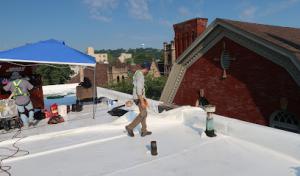
Flat-roof specialization is active in this market, even though pitched residential roofing dominates, which means many homes have porches, additions, or low-slope sections that need separate detailing. In hillside neighborhoods with the Ohio River corridor nearby, micro-drainage patterns matter. When a low-slope roof ties into steeper sections, water can shed unevenly if flashing or edge detailing isn't matched to the slope transition. This is common on additions that were added later to older homes, so verify that the new section has its own adequate drainage plan and that the interface with the main roof is carefully treated.
In this climate, moderate year-round precipitation slows drying and elevates the risk of standing water on flat or near-flat surfaces. The emphasis should be on proper deck integrity and underlayment choices that suit a low-slope system. Consider materials designed for limited slope, and ensure the edge details extend far enough to create a positive drain path toward gutters or scuppers. When selecting a finish for the addition, factor in how it will interface with the house's main roof in terms of color, texture, and expansion joints to avoid cold-wind creases or ice dams along the transition.
The borough inspection emphasis on underlayment, flashing, and deck integrity is especially relevant where low-slope tie-ins meet steeper roof sections. During installation, pay close attention to parapet details, valley flashing, and the compatibility between the low-slope membrane and any existing shingles or metal edging on the main roof. Schedule a thorough post-installation walkthrough focusing on drip edge alignment, drainage clarity, and any movement at the junctions. In predictable freeze-thaw cycles, verify that fasteners and sealants are compatible with seasonal temperature swings to prevent premature deterioration at field seams and transitions.
Find specialists in TPO, EPDM, and built-up flat roofing systems for residential and commercial properties.
Perfect Roofing & Siding
(412) 727-0000 www.perfectroofingsiding.com
2000 Cliff Mine Rd, Coraopolis, Pennsylvania
4.9 from 68 reviews