
Last updated: Apr 19, 2026
In this region, the cold winters and repeated freeze-thaw cycles chew at shingle tabs, flashing joints, and roof penetrations faster than you might expect. The ice and sun on the same spot day after day pull apart fasteners and loosen edge tabs, especially on steeper, older roofs that dominate Canonsburg neighborhoods. The result is a roof that looks fine at first glance but hides slow leaks and hidden moisture pockets that surface as the season shifts. If you wait until spring to address a failing roof, you're fighting a layout that's already stressed by months of freeze-thaw movement, making repairs more invasive and costly. Timing your project to avoid the peak of winter is not about preference-it's about reducing hail of small failures that accumulate when the temperature swings between freezing and thawing and meltwater refreezes at night.
Local replacement scheduling is often pushed out of deep winter because snow, ice, and cold-weather sealing issues can delay tear-off and installation. Crews will tell you that a rough, cold start can stall flashing work, underlayment bonding, and shingle seating. In Canonsburg, if the forecast calls for consecutive subfreezing days, you're likely to see crews pause or postpone, not cancel, but clocking a full tear-off under those conditions invites misfits and water entry risk. The practical consequence is that late fall and early spring become the most reliable windows, when crews can work steadily without weather interruptions. The lesson is to set expectations with your roofer early: get on the calendar before the calendar freezes over, and plan a window that can tolerate a few days of mild temperature swings without forcing rushed work.
Moderate precipitation combined with winter freezing makes small leak points more likely to show up during seasonal transitions rather than only during major storms. A roof that is technically sound can sprout a drip from a seam or chimney flashing after a few days of freezing nights followed by a warm day. In Canonsburg, those leaks tend to appear after the first few warms into late winter or early spring, when the roof has endured weeks of ice dam pressure and snow melt that refreezes at the eaves. Watch for new damp spots in attic insulation, spotting along walls, or stains that emerge with the first warm spell. Treat these as urgent signals to have the roof inspected before the next freeze cycle tightens the issue again.
If you're planning a roof replacement or major repair, aim to complete work in late winter-to-early spring or in late summer to early fall, avoiding peak freeze-thaw stress periods. Prioritize a schedule that allows for proper flashing inspection and sealing, with attention to penetrations around vents, chimneys, and dormers where wear concentrates due to movement and settlement. Ask for a phased approach if the roof line is steep or complex: seal vulnerable joints first, then install underlayment and shingles during the milder day windows. Finally, insist on a comprehensive inspection of all flashings after the job is done, because even minor gaps can become troublesome with the next round of frost. In a town with Canonsburg's winter tempo, proactive planning and clear timing are not optional-they're your best defense against silent, costly deterioration.
In older Canonsburg homes, the chimney ties into a roof that has seen decades of weather cycles. The local contractor market shows meaningful chimney-related demand, which aligns with leak risk where masonry chimneys meet aging flashing on older homes. Expect seam failures at the base, cap flashing that's fatigued by repeated freeze-thaw cycles, and mortar joints that have settled enough to widen gaps. The practical fix often starts with a careful inspection of the step flashing where the chimney flank meets the roofplane, followed by re-flashing or replacing surrounding shingles to restore a continuous barrier. If brick or stonework shows spalling or cracked mortar, address those issues promptly, because water can track down from the chimney and sit along underlying sheathing.
Steeper residential rooflines are a defining feature in the borough and nearby neighborhoods, and valleys, step flashing, and eave transitions become recurring failure points under Canonsburg's winter stress. Look for lifted shingles where valley metal is visible, or where step flashing has pulled away from the sidewall or chimney. Ensure valley metal is properly laced and sealed, and that step flashing along walls is continuous and overlapped with asphalt, metal, or compatible flashing. Eave transitions require fascia and drip edge that lay flat against the roof and gutter, with all shingle tabs tucked under to prevent wind-driven infiltration. In practice, a trained eye will check for loose granules, hairline leaks along fasteners, and any staining that signals moisture behind the underlayment.
Spring storm interruptions and winter ice conditions make temporary repairs and tarp stabilization a common first step before full replacement. If a leak is discovered during thaw or after a freeze-thaw cycle, a quick, temporary shield-such as a weighted tarp or a surface patch with roofing tape-can deter further damage while a longer-term plan is arranged. This is particularly important around protrusions like vent pipes, dormers, and the chimney chase, where ice dams tend to back up under flashing. The goal is to keep water from migrating into the attic and through any compromised fasteners until a full-repair window opens.
Schedule a fall pre-winter check specifically for edge sealants and flashing around chimneys, skylights, and vent stacks. Clean gutters and downspouts so meltwater flows freely away from the house, and confirm that soffits remain vented and unobstructed. If any flashing appears bubbled, lifted, or corroded, plan for a targeted reseal or flashing replacement. In Canonsburg, a cautious approach that prioritizes secure flashing at transitions will pay dividends when the next freeze-thaw cycle arrives.
Find contractors experienced in skylight installation, flashing, and leak repairs to bring natural light into your home.
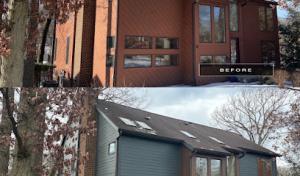
Resnick Roofing & Contracting
(412) 946-8300 www.resnickroof.com
2857 Washington Rd, Canonsburg, Pennsylvania
5.0 from 234 reviews
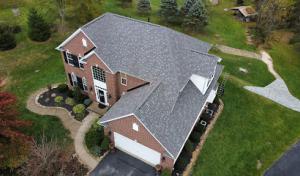
Planet Roof
8 Four Coins Dr, Canonsburg, Pennsylvania
4.7 from 928 reviews
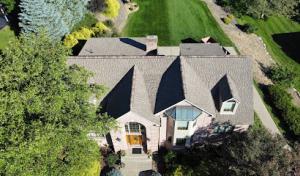
In this market, insurers commonly ask for photos and recent storm documentation rather than treating every roof loss as automatically covered. That means your roof event isn't a guarantee just because a storm rolled through or because neighbors had work done after a wind gust. Insurers expect you to show when damage happened and how it progressed, especially after a cold week followed by a warm snap that can accelerate wear. Knowledge of neighbor roofing activity and the timing of the storm can matter, but the crucial factor is documentation you can present quickly and clearly.
Adjusters in the region tend to scrutinize wind and hail damage closely, so homeowners need date-stamped photos of lifted shingles, bruising, flashing damage, and interior leaks. Keeping a meticulous record starts the moment you notice trouble: capture the first signs of damage from ground level, then document supported elevations and roof lines with time-stamped shots. If leaks appear inside, photograph ceilings, stains, and any accompanying mold or staining, and save receipts for temporary protections if you seal off areas to prevent further interior damage. If a claim is filed after a severe storm, expect a focused inspection window where the insurer will compare your photos to the visible condition on the day of inspection. Accuracy matters more than abundance; clear, dated images of the problem area are your strongest early leverage.
Spring storms and hail potential in Canonsburg can interrupt active jobs and also create short-term surges in inspection and repair demand. If a storm rolls through during late winter or early spring, crews may be working at a slower pace or juggling multiple projects, which can affect the speed of claims processing. Plan for potential delays, and keep a running folder of the storm dates and any immediate measures you take to deter further damage. Having a neighbor's or a nearby property's documented storm path can sometimes help explain the intensity or duration of the event, but nothing substitutes for your own date-stamped evidence and a well-organized claim narrative. In Canonsburg, where older housing stock and steep roofs are common, proactive documentation reduces ambiguity when the weather finally shifts and the ground dries enough to resume repairs.
Connect with contractors who help homeowners navigate the claims process from damage assessment to final approval.
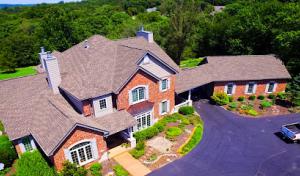
Peak Precision Contracting
(412) 498-4299 www.peakprecisionrc.com
938 S Central Ave, Canonsburg, Pennsylvania
5.0 from 223 reviews
Resnick Roofing & Contracting
(412) 946-8300 www.resnickroof.com
2857 Washington Rd, Canonsburg, Pennsylvania
5.0 from 234 reviews
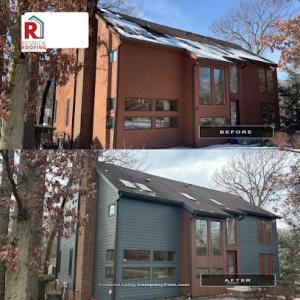
Established in 2006, Resnick Roofing & Contracting delivers unmatched property improvement experiences in roofing, siding, and solar. We provide top products, installations, and warranties, backed by a leadership team with over 50 years of combined experience. Serving Western PA, we ensure clear customer expectations and quality through a fleet of 30+ vehicles and two locations. Our installers receive annual certifications from each manufacturer, guaranteeing proper installation. Our quality is validated by hundreds of 5-star reviews on Google and Facebook and an A+ BBB rating. At Resnick Roofing & Contracting, customer satisfaction is paramount.
Peak Precision Contracting
(412) 498-4299 www.peakprecisionrc.com
938 S Central Ave, Canonsburg, Pennsylvania
5.0 from 223 reviews
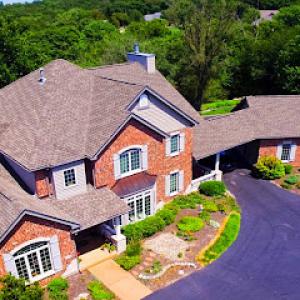
Top Rated and Trusted Western PA Roofing Contractor located in Canonsburg PA Providing The Highest Quality Service With Your Satisfaction, Guaranteed. Most Residential Roofing Projects Are Completed In Just One Day. 24/7 Emergency Roofing Services Available. Contact Us Today For Your Free No-Obligation Inspection And Estimate! Reaching Beyond The Peak Of Perfection!
Buccos Roofing
(724) 402-5869 buccosroofing.com
2400 Ansys Dr Suite 102, Canonsburg, Pennsylvania
5.0 from 94 reviews
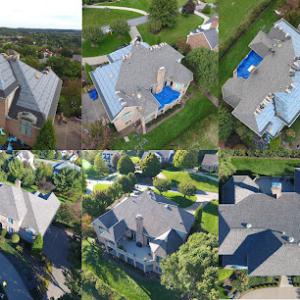
Pittsburgh Born. Pittsburgh Created. At the core, our team started years ago, but Buccos Roofing was just created early in 2012. Our team is comprised of skilled craftsman, entrepreneurs, and top notch roofers who enjoy working hard. We cover all angles of the roofing industry and have solutions tailored to your needs. Plain and simple, customers come first. Our mission here at Buccos Roofing is to deliver a fast, reliable, and enjoyable experience for our clients. We work our hardest everyday to deliver the best results and we are confident we can tackle any obstacles that come our way. Pittsburgh is at our core and our work ethic and morals reflect that mentality.
Knox's Construction
(724) 941-8219 www.pittsburgharearoofers.com
2400 Ansys Dr, Canonsburg, Pennsylvania
4.9 from 251 reviews
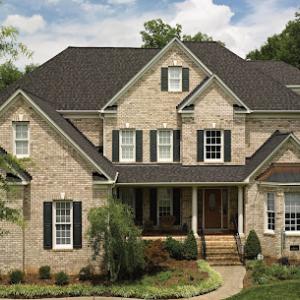
Knox's Construction, family owned and operated roofing company, has been repairing roofs and replacing roofs since 2002. Our roofers are trained, and we are a CertainTeed SELECT Shingle Master. We offer a 25-year workmanship warranty on all roof installations. You can trust Knox with your roof replacement or repair. We assist you through the entire roofing process. Roof inspection, shingle selection and overview of your roofing project, roofing cost, protecting your home and family during construction to professional cleanup of all roofing debris and materials. We operate out of Pittsburgh, but we also serve the communities of Washington, Canonsburg, Venetia, Cranberry, Wexford, Upper St. Clair, Fox Chapel, Allison Park, and Waynesburg.
Planet Roof
8 Four Coins Dr, Canonsburg, Pennsylvania
4.7 from 928 reviews
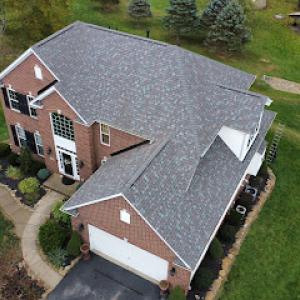
Planet Roof, headquartered in Canonsburg, PA, is your premier roofing company offering top-tier residential and commercial roofing services. Recognized as an Owen's Corning Preferred Contractor and certified by VSI for vinyl siding installation, our expertise covers a broad spectrum of roofing needs. Our services range from meticulous roof installation and repair to comprehensive roof replacement, ensuring high-quality outcomes for every project. With a focus on serving Canonsburg, Pittsburgh, and the Pittsburgh surrounding areas, we are committed to delivering the best in service and quality. hether you're seeking a simple repair or a full roof replacement, Planet Roof is here to provide quality roofing services.
CentiMark Corporation
(724) 743-7777 www.centimark.com
12 Grandview Cir, Canonsburg, Pennsylvania
4.7 from 15 reviews
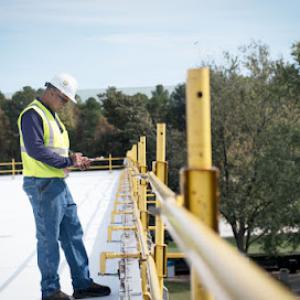
CentiMark Corporation, located in Canonsburg, PA, is a renowned leader in the commercial and industrial roofing industry. Established over 55 years ago, we provide top-quality roofing services including installation, emergency repairs and preventive maintenance. Our commitment to safety, quality and innovation sets us apart. We focus on our customers' needs, building enduring relationships across various sectors. Utilizing cutting-edge technology and industry best practices, we ensure excellent results for all your roofing requirements. From this particular location, we provide services to those in Pittsburgh and surrounding areas within PA.
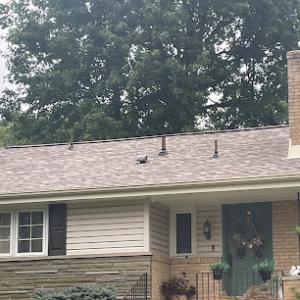
Ridge Point Roofing
(412) 912-6286 www.ridgepointroofs.com
Serving
5.0 from 59 reviews
Ridge Point Roofing provides residential roofing, commercial roofing, and gutter installation to the Venetia, PA area.
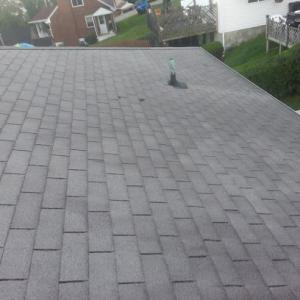
AMC Construction & Remodeling
Serving
4.9 from 83 reviews
AMC Construction & Remodeling specializes in roofing, siding, soffit, fascia and exterior construction. AMC has been ranked in the top 30 in Southwestern Pennsylvania.
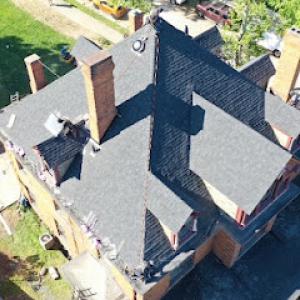
JS Jobs
(412) 610-2378 www.myjsjobs.com
Serving
5.0 from 20 reviews
JS JOBS is a licensed and insured roofing company based in Monongahela, PA. We provide residential and commercial services across the region, including roofing, gutter cleaning, siding, decks, and related exterior projects. Our company is officially registered as a Home Improvement Contractor in the state of Pennsylvania. We serve multiple nearby cities and operate Monday through Friday.
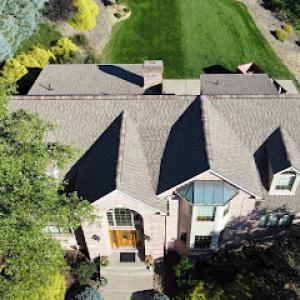
Big Fish Roofing
(724) 395-7630 thebigfishco.com
Serving
4.9 from 1022 reviews
The Big Fish Roofing Company proudly serves Southwestern Pennsylvania with top-quality residential asphalt shingle roofing, roof replacement, and repair. Our expert services include vinyl and James Hardie siding installation and repair, seamless gutter installation, maintenance, and service, as well as innovative solar roofing solutions. As a GAF Master Elite Contractor, we’re recognized for delivering unmatched customer service and offering the industry’s best warranty coverage. PA#119464. We service the following areas: Beaver County, PA, USA; Greene County, PA, USA; Westmoreland County, PA, USA; Fayette County, PA, USA; Allegheny County, PA, USA; Butler County, PA, USA; Washington County, PA, USA.
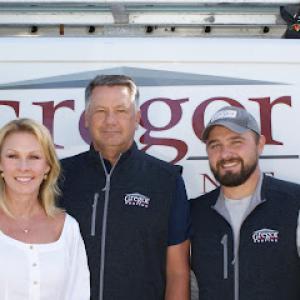
Gregor Roofing
(724) 969-4145 gregorroofing.com
Serving
4.9 from 159 reviews
A family business serving Pittsburgh and its suburbs since 1998, Gregor Roofing combines quality products, exceptional service, and expert roof replacement and installation to install our roofing systems. Gregor is a GAF Master Elite™ Contractor – only 3% of all roofing contractors qualify for Master Elite™ Certification. Gregor Roofing has an A+ rating by the Better Business Bureau and is highly rated on Angie’s List. We’ve been in business since 1998. We deliver the highest quality work with responsive and professional service, including the best warranty in the industry.
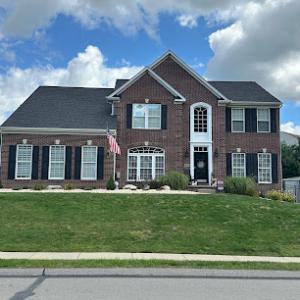
A Plus Roofing & Exteriors
(412) 515-5466 aplusroofingexteriors.com
Serving
5.0 from 140 reviews
At A Plus Roofing & Exteriors we take pride in operating with the utmost integrity. Our team of industry Experts approach every task with a commitment to finding the best solutions fit for your problem, home, and budget. We carefully work closely with our customers to make sure they fully understand the task at hand, we explain every detail inside of every process we follow and why, therefor, building a strong relationship and bond for many years to come. Born and Raised in Black & Gold territory is why we choose to service ALL our beautiful counties such as: Allegheny, Washington, Butler, Westmoreland, and more… CALL US for all your ROOFING & EXTERIOR needs.
Asphalt shingles remain the dominant practical choice because they fit the area's large stock of standard pitched residential roofs and the broad contractor familiarity. In neighborhoods with older houses and steep but manageable slopes, asphalt bundles easily into rehab projects and new builds alike. When selecting asphalt, prioritize high-quality laminated/shingle products that offer stronger granule adhesion and better impact resistance. The key in this market is matching the shingle profile to the roof's pitch and ensuring the existing underlayment and ice-dam barriers are in good shape before re-roofing in late fall or early spring. In Canonsburg, the interplay between freeze-thaw cycles and long winter stretches makes a solid, well-sealed edge wrap and properly spaced fasteners essential for long-term performance.
Metal roofing is present in the market and can appeal where snow shedding and long-term durability matter, but detailing at penetrations and transitions remains critical in freeze-thaw conditions. Metal panels excel on steeper sections and on homes seeking a modern edge while still blending with older streetscapes when finished with weathered or paint-coated surfaces. The true local nuance is paying attention to valley and ridge details, chimney and vent penetrations, and the integration with gutters to prevent ice buildup. In Canonsburg's winter pattern, a meticulous installation around flashing, step flashing at walls, and correct sealant selection makes metal a reliable choice rather than a decorative one.
Slate, clay tile, concrete tile, and synthetic alternatives appear in the local material mix, reflecting a region with some older and higher-character homes where roof weight, repair matching, and specialized installation matter. For homes with existing heavy roof assemblies, weight calculations and structural checks are essential before committing to a tile system. Tile roofs demand precise underlayment, ventilated decks, and careful flashing to withstand Canonsburg's freeze-thaw cycles. Synthetic options can offer a lighter weight and easier seam details with good durability, but still require attention to penetration flashing and wind-driven rain. In older neighborhoods, matching color tones and texture with surrounding homes helps preserve the visual fabric while ensuring the flashing transitions remain crisp through repeated freeze-thaw cycles.
In this market, pricing reflects a mix of straightforward asphalt re-roofs and more specialized work on slate, tile, and composite systems found on older regional homes. The zero-to-very-little slope isn't universal here, and steep roof geometry common on older homes can push labor time up compared to a low-slope replacement. Weather delays during Canonsburg's winter and the need for careful chimney flashing work can add days and cost to a project. Understanding these local patterns helps you read the price ranges from shingle to slate with eyes wide open.
Asphalt shingles run from about 350 to 700 USD per square, making them the most common starting point for a timely, straightforward re-roof. Metal roofing tends to sit higher, roughly 800 to 1500 USD per square, reflecting faster installation on simple runs but more complex details where flashing and penetrations occur. Clay tile brings a higher ceiling, around 900 to 1700 USD per square, with substantial labor time for pronounced breaklines and vent/flash details. Concrete tile sits between, about 650 to 1100 USD per square, offering durability with mid-range complexity. Synthetic or composite shingles span roughly 420 to 800 USD per square, providing a good balance for older homes needing lighter systems or more forgiving installation. Slate is the prestige option here, typically 1400 to 2300 USD per square, driven by careful cutting, precise nail patterns, and extended labor, especially on homes with historic framing.
Winter timing matters in this climate because freeze-thaw cycles stress flashing and sealants, so a well-timed re-roof avoids repeated call-backs. Steep roofs common on older neighborhoods demand additional fall protection, scaffolding, and careful material handling, all of which extend lead times and labor hours beyond a simple replacement. If your plan includes chimney flashing or vent work, set aside extra time and budget for meticulous detailing to prevent leaks when the first thaw arrives. For Canonsburg homes, expect that a cost-conscious asphalt job may still incur extra costs from flashing and edge venting on steeper pitches, while durable slate or concrete tile projects will consistently show higher labor-time components.
Get a clear picture of your project costs upfront - no commitment required.
Peak Precision Contracting
(412) 498-4299 www.peakprecisionrc.com
938 S Central Ave, Canonsburg, Pennsylvania
5.0 from 223 reviews
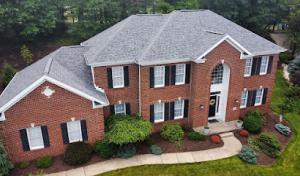
A full re-roof in Canonsburg generally requires a permit filed with the Canonsburg Building Department, and contractors typically handle the application. The process is designed to ensure that work meets local standards for our older Washington County housing stock, where steep roofs and aging flashings demand careful oversight. When the permit is pulled, expect the contractor to provide project details such as the scope of replacement, roofing material type, and any necessary vent or flashing adjustments. Keeping the permit current and accessible on site helps prevent delays that can cascade into weather-related hold-ups during a winter or early spring schedule.
Local inspections occur at rough-in and final stages, with attention to underlayment, nailing patterns, ventilation, and flashing details. The rough-in inspection focuses on how the roof deck is prepared and how the first layers are secured, particularly underlayment orientation and fastener spacing. In Canonsburg, steep pitches and limited attic access mean inspectors check that nailing patterns follow the chosen material's requirements and that reinforcement around skylights or dormers is solid. The final inspection confirms that all components-from drip edges to valley flashing and roof-to-wall transitions-are properly installed and sealed. Proper ventilation is essential in this climate to minimize freeze-thaw stress, so ensure soffit, ridge, and any turbine or power vents are correctly integrated.
Weather-related delays are a practical scheduling issue here because inspection timing can be affected when winter conditions or spring storms interrupt active work. Plan for windows that allow continuous roofing and flashing work without long freezes or heavy rain, as interruptions can push inspections out and risk exposure of underlayment to moisture. When storms threaten, coordinate with the contractor to protect exposed areas and keep the inspection calendar informed so delays don't complicate permits or required pass criteria. Remember to have a clear communication line with the Building Department so any weather-driven reschedules are handled promptly in this climate.
The Pennsylvania insurance scene for Canonsburg homeowners sees active roofing claims without the spike you might expect in harsher markets. Winter conditions magnify the consequences of damage, but the overall claim activity mirrors nearby communities with similar roof ages and construction. This means carriers are accustomed to Canonsburg's mix of older stock and steep roof profiles, yet they still scrutinize storm-related versus wear-related damage.
Coverage availability tends to be steady, but several carriers may place limits on certain roof types or require adherence to specific venting and installation standards before binding or renewing. For example, some policies are more selective about how a roof is vented or how flashing is lapped and sealed in areas with frequent freeze-thaw cycles. Understanding these expectations before you file can prevent surprises and delays when a claim is needed, especially after a harsh winter.
Because adjusters may question whether damage stems from a recent storm or long-term wear, keeping thorough records is essential. Before-and-after photos, dated inspection notes, and a clear timeline of any repairs help establish a credible narrative. In Canonsburg, where freeze-thaw stress can reveal issues gradually, these records pay off when a claim is evaluated months later and the cause attribution comes under closer scrutiny.
You can reduce friction when a loss occurs by planning ahead: schedule a professional roof inspection after severe winter spells, capture current conditions with photos, and ensure a reputable contractor prioritizes proper flashing, shingle alignment, and venting. If a claim becomes necessary, you'll have solid evidence to support whether the damage aligns with freeze-thaw effects or a recent event, improving the chances of a smoother resolution.
Flat-roof work exists here, but it isn't the citywide norm. For a Canonsburg property with a rear low-slope or garage roof, plan for robust edge details and steady drainage. In freeze-thaw winters, standing water on a low-slope surface can seep into seams and edge treatments as it refreezes. Pay close attention to scupper and gutter connections, parapet cap flashing, and drip edges. If you have a porch or garage with a flat or near-flat deck, ensure a positive drain path from the center toward a controlled outlet, not toward a weakened corner. Regular checks after spring thaws help catch micro-leaks before they migrate.
Older houses here often combine a steep main roof with a low-slope rear section. That mix creates transition details that deserve closer inspection than a single-plane roof would require. Look for mismatched flashing where the steep roof meets the low-slope segment, and verify that corner flashing on the transition is continuous and weather-tight. Pay extra attention to fastener patterns where a new low-slope patch connects to older, steeper framing. If you notice any sagging or inconsistent drainage around these joints, address it before spring storms stress the system further.
Winter timing matters more for low-slope areas than for typical steep-canopy roofs. Freeze-thaw cycles can push edge flashing and membrane seams to the limit, so plan re-roofing or patching during windows with firm, dry days and before heavy winter winds start. In Canonsburg, a careful inspection schedule after freeze-thaw events helps distinguish minor edge staining from actual edge failure. For garages and rear sections, confirm that any prior repairs used compatible materials that tolerate thermal expansion and contraction through the season. A proactive approach in these pockets prevents small issues from becoming larger cold-weather headaches.
Find specialists in TPO, EPDM, and built-up flat roofing systems for residential and commercial properties.
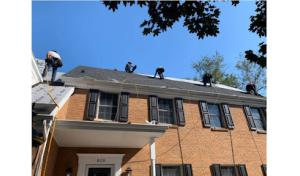
Solar roofing appears in the local contractor mix but is still a niche service compared with standard re-roofing and repair work. In neighborhoods with older Washington County stock and steep roof lines, solar projects must respect the existing roof geometry, flashing details, and frost-cycle stress that can complicate panel mounting. The more you align solar goals with a roof refresh, the fewer chances of rework around penetrations and mounting brackets later on.
On aging shingle homes, coordinating roof replacement before solar installation can avoid leak-prone penetrations and the need to retrofit mounts after a solar array is in place. This is especially true for Canonsburg's period homes, where roof valleys, ridge lines, and vent stacks carry a higher risk of water intrusion if flashing is compromised during later modifications. A single, well-planned roof replacement allows for continuous, contiguous flashing and a cleaner seal around all penetrations.
Insurance and manufacturer requirements in Pennsylvania make installation quality, ventilation, and documentation especially important when combining roofing and solar-related upgrades. Ensure the roofing contractor provides detailed flashing diagrams, venting plans, and a clear record of materials used. Ventilation must remain adequate to prevent decking moisture buildup under the panels, and a robust installation journal helps support future warranty claims. In practice, prioritize a roofer who can integrate solar compatibility checks into the re-roof schedule, so the system and the roof work as a cohesive unit rather than as two separate projects.
Find contractors who integrate solar panels or solar shingles into your roof for long-term energy savings.
Resnick Roofing & Contracting
(412) 946-8300 www.resnickroof.com
2857 Washington Rd, Canonsburg, Pennsylvania
5.0 from 234 reviews