
Last updated: Apr 19, 2026
Spring thunderstorms, hail, and the late-summer storm cycles push roofs to their limits, and Shelby homeowners shoulder repeated claim pressure as events roll in from the Piedmont. The risk isn't theoretical: wind-driven shingle damage, granule loss, and hidden leaks become expensive problems when moisture sits undetected on attic framing. Fall tropical-weather wind events that move inland across the western North Carolina Piedmont can strip weak flashings, lift shingles, and drive water into eaves and valleys. After a big storm, the clock starts ticking on moisture intrusion, which means fast, decisive action protects the long-term integrity of the roof and the attic. The urgency isn't just about repairing a few shingles; it's about preventing hidden rot, mold growth, and structural concerns that can cascade into pricey repairs later. If you suspect wind or hail damage, don't wait for a full write-up from an insurer. Initiate inspection, document every hit, and secure temporary protection to minimize interior damage while you gather evidence.
This market operates on weather-claim activity, and adjusters commonly ask for precise photo documentation, material specifications, and prior claim history after storm events. Start with a dated, high-resolution photo log that captures: the overall roof condition, damaged ridges or flashing, hail impact patterns on shingles or metal, and any interior signs of leakage (ceiling stains, attic dampness, softened insulation). Material specifications matter: identify shingle type, color, granule loss, and any underlayment or flashing materials visible at roof edges or vents. If you have past claim history for storm-related work, compile a concise timeline of repairs, dates, and contractors. Keep a separate folder for weather events that caused damage: timelines from the National Weather Service, local news clips showing hail size, wind gusts, or tornado warnings, and any emergency repairs you had to commission to protect the home. Insurers here routinely request this documentation, and presenting it in a clear, organized package can streamline the adjustment process and reduce back-and-forth questions.
Because storm-driven demand surges after regional weather events, reroof scheduling and pricing can tighten quickly in Shelby and greater Cleveland County. If a storm event rolls through, anticipate backlog for reputable local roofers who understand the area's humidity, moisture control, and ventilation needs. When working with an adjuster, align on a realistic scope that addresses exterior damage first and foremost: missing shingles, damaged drip edge, compromised underlayment, and any compromised attic ventilation that could worsen moisture retention. If the insurer approves temporary protections, implement tarping or board-up measures without delay to minimize interior exposure. Roofers should prioritize moisture control strategies-adequate ventilation, proper decking inspection, and confirmation that third-party moisture barriers are intact or replaced as needed. Document every repair decision and keep adjusted scopes in writing with timestamps, so scheduling and decisions don't drift during peak seasons. If you face a delay in authorization or a hold on a critical repair, push for interim fixes that prevent further moisture damage, but ensure interim measures are documented and approved before you incur costs that could later complicate the claim.
Look for soft spots on decking, curling or buckling shingles, granule loss, and exposed nail heads. In metal roofing, check for denting, panel seam separation, and degraded sealant at flashings. In the attic, watch for damp insulation, staining around vents, and unusual attic temperature swings that hint at poor ventilation or hidden leaks. If a storm left debris in gutters or near roof edges, note how debris could have contributed to water intrusion or accelerated wear. When you file, pair these observations with your photo log and a concise narrative linking each damaged area to a specific weather event. The goal is to present a focused, credible case that helps the claim move efficiently toward repair and moisture-safe restoration.
Find local contractors experienced in assessing and restoring roofs after hail, wind, and severe weather events.
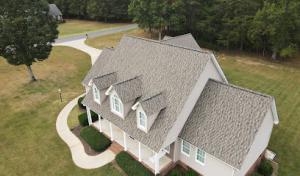
CPS Construction Services
(704) 448-5966 cpsconstruction.com
616 S Morgan St, Shelby, North Carolina
4.9 from 165 reviews

Infinity Roofing
(704) 703-2746 infinityroofing-nc.com
607 N Lafayette St, Shelby, North Carolina
5.0 from 31 reviews
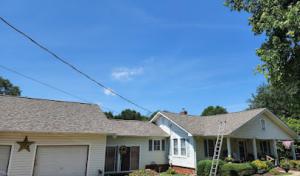
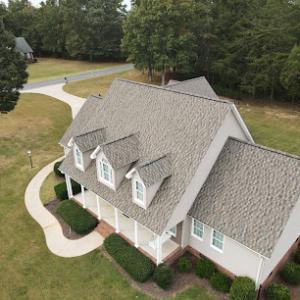
CPS Construction Services
(704) 448-5966 cpsconstruction.com
616 S Morgan St, Shelby, North Carolina
4.9 from 165 reviews
CPS Construction is a trusted, full-service construction company based in Shelby, NC, specializing in roofing, windows, siding, and gutter installation. We offer competitive pricing, quality materials, and expert craftsmanship, making us a reliable one-stop shop for exterior home renovations. We’re proud to be voted Best Home Repair/Remodeling Company in Cleveland County, a reflection of our commitment to excellent customer service and high-quality work. From small repairs to full exterior renovations, our team delivers dependable results you can trust. CPS Construction proudly serves homeowners throughout North Carolina and South Carolina. Contact us today to schedule a consultation and start your exterior home project today!

Infinity Roofing
(704) 703-2746 infinityroofing-nc.com
607 N Lafayette St, Shelby, North Carolina
5.0 from 31 reviews
Infinity Roofing is your trusted local roofing company serving Shelby and Gastonia, NC. Specializing in roof replacement, roof repair, and roof installation, we handle both residential and commercial roofing projects with precision and care. Our experienced team provides expert storm damage repair, shingle roofs, metal roofing, flat roofing, and roof leak repair. As a fully licensed and insured roofing contractor, we prioritize customer satisfaction with honest, reliable service and competitive roofing estimates. From roof inspections and maintenance to emergency roofing services, Infinity Roofing ensures your home or business is protected year-round. Contact us today for a free estimate from your friendly local roofer!
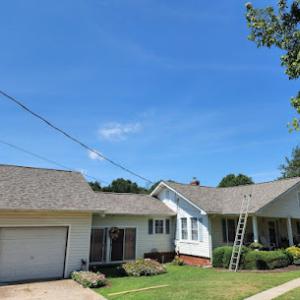
Tim's Roof Contractors
Shelby, NC
4.7 from 250 reviews
At Tims Roof Contractors, we are a full service roofing contractor. We install composite shingles, asphalt shingles, 3 tab shingles, architectural shingles. Shingles from 25 year to 50 year warranty. Metal roofing installation and repairs, preventative maintenance. We also install commercial rubber roofing, EPDM membrane with a wide range of underlay materials. We offer repairs on all Commercial Roofing Systems. We also offer siding and gutter replacement and installation. If you don’t see your services listed here please fell free to call or message us anytime. Shingles, tile, metal, wood, rubber membrane, composition shingles. Roof repairs and roof replacement, chimney flashings. Emergency roof repairs and temp repairs!
Reliable Roof & Gutter
(980) 552-9607 www.reliableroofandgutter.com
1241 Fallston Rd, Shelby, North Carolina
5.0 from 9 reviews
Reliable Roof & Gutter is your local expert for roofing, gutters, and roof rejuvenation. We provide quality roof replacements, seamless gutter installations, and cost-effective rejuvenation treatments to extend roof life. Our skilled team delivers exceptional workmanship, honest service, and clear communication from start to finish. With in-house financing available and no banks involved, we make it easy to protect your home, boost curb appeal, and increase value. Call today for a free inspection!
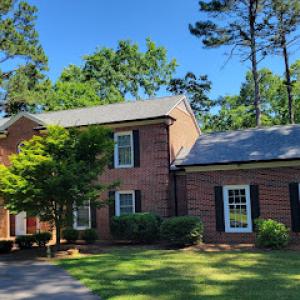
Cline Roofing
Shelby, North Carolina
5.0 from 8 reviews
Family Owned. Been in business since 1997.

Roof Dynamx
(980) 267-4999 www.roofdynamx.com
222 N Lafayette St, Shelby, North Carolina
5.0 from 5 reviews
Roof Dynamx provides trusted roofing services in Shelby, NC, and surrounding areas. Specializing in residential and commercial roofing, we deliver expert installations, repairs, and maintenance tailored to your needs. Our skilled team ensures high-quality workmanship using premium materials for durable and long-lasting results. Whether you need a new roof, repairs, or routine maintenance, Roof Dynamx is committed to providing reliable, efficient, and affordable roofing solutions. We prioritize customer satisfaction and offer free estimates to help you make the best decision for your property. Choose Roof Dynamx for roofing done right.
Hipps Roofing
3607 Artee Rd, Shelby, North Carolina
3.2 from 6 reviews
Hipps Roofing Company, Inc. is a premiere roofing company that has proudly served Cleveland County, NC and surrounding areas for over 45 years.
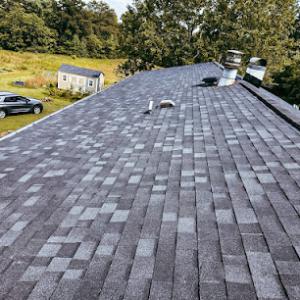
Elevation Roofing
(828) 205-4252 elevationroofing.org
Serving
5.0 from 12 reviews
Residential and commercial roofing contractor specializing in asphalt shingles, metal, TPO and EPDM.

Queen's Roofing Service
(704) 843-0221 queensroofingservice.com
Serving
4.3 from 11 reviews
There's no need to search far and wide for a reliable roofing contractor. Queen's Roofing Service provides top-quality roofing services right here in Indian Land, SC. We can install a new shingle or metal roof at your home right away. Want to replace your old siding too? We've got you covered. Our crew can transform your home's exterior from top-to-bottom.
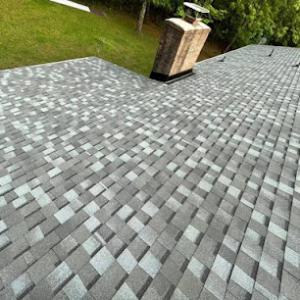
D & T Reliable Roofers
Serving
5.0 from 31 reviews
At, D & T Reliable Roofers our goal is to please all our customers while providing top quality work. We offer residential shingles, metal roofing, construction work and more! Call us for a free estimate or inspection.
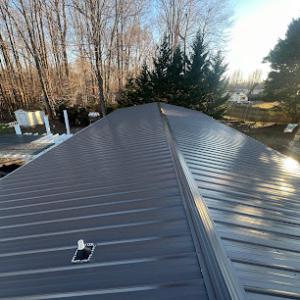
Express Roofing Carolinas
(704) 741-1449 expressroofingcarolinas.com
Serving
5.0 from 11 reviews
Express Roofing Carolinas is your #1 premiere roofing company, based out of Charlotte, North Carolina. We service all of the Carolinas. We offer various services such as new roof installs, roof replacements, residential roofing, and commercial roofing. We provide quality roofing at affordable pricing.

DK Mason Roofing
(864) 480-9806 www.dkmasonroofing.com
Serving
4.8 from 296 reviews
Has your roof gone through a bad storm or started leaking? DK Mason Roofing will restore your home or business to proper working order with our comprehensive roofing services. Our expert roofers are committed to helping you save time and return to a weather-tight structure. There's no need to worry about poor service or inexperienced roofing contractors; we are an award-winning roofing company with over 25 years of experience. Our skilled team will help you save money and time, so leave the tough stuff to us. We look forward to providing the honest and dependable services you need. Contact us today to request a free estimate.
Shelby's humid subtropical climate pumps heat and humidity into roof assemblies, while spring often brings heavy rain and late-winter cool snaps can introduce moisture challenges. The combination of hot summers and wet springs accelerates UV exposure and moisture wear, making material aging more pronounced in between the usual maintenance cycles. In this climate, timing roof work around dry stretches and avoiding peak heat is not just comfort - it helps ensure faster work, better sealants cure properly, and less storm-related disruption during installation.
Spring in this region typically ushers in a mix of rain, but there are windows when the weather dries out enough for a reroof without prolonged delays. When you see a multi-day dry spell following winter, it's your best chance to strip old roofing and reinstall under better moisture control conditions. Plan for inspections after any late-season freeze to catch concealed damage that might have appeared as frost heaves or moisture intrusion. If spring storms arrive suddenly, prioritize temporary coverings and tarping to prevent water intrusions while crews mobilize. The goal is to complete the critical venting and underlayment checks before the heat of summer settles in.
Fall offers another practical reroofing window. Moderate temperatures help roofing materials cure and sealants set without the risk of scorching sun or abrupt cold snaps. A typical fall window provides enough daylight to finish most projects, reduce heat-related worker fatigue, and wrap up before the typical wet season resumes. Use this period to align ventilation upgrades, attic insulation checks, and moisture barrier re-sealing while temperatures stay dependable. If a fall storm sweeps in early, a quick tarp and securement plan can keep the project on track with minimal ripple effects to the surrounding landscape and landscaping.
Winter in Shelby is not a mountainside climate, but freezes and occasional ice dams can still affect performance. Cold snaps can slow sealant curing and complicate asphalt shingle installation or underlayment adhesion. If a winter roof project is unavoidable, expect shorter workdays and extra attention to roof edge protection and de-icing precautions around ladders and materials. Ice dam prevention should be discussed with the contractor, including appropriate underlayment ratings and attic heat management. Scheduling around potential cold spells helps reduce snow and ice-related delays and protects new materials from premature exposure to freezing and thaw cycles.
Spring and fall are the most predictable times to coordinate storm damage evaluations, moisture testing, and documentation for insurance claims. During these windows, do a thorough attic inspection before and after major weather events to map any hidden leaks or condensation patterns. Keep a dated record of photos, attic readings, and any sagging or staining in ceilings or walls. Documentation helps establish a clear baseline for repairs and aligns with common post-storm claim workflows. If a storm occurs outside the ideal window, prioritize a prompt moisture check and a quick temporary waterproofing plan to minimize interior damage while roofing decisions are finalized.
When you can't wait, these contractors offer fast response times to stop leaks and prevent further damage.
Infinity Roofing
(704) 703-2746 infinityroofing-nc.com
607 N Lafayette St, Shelby, North Carolina
5.0 from 31 reviews
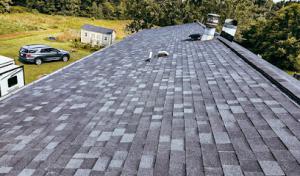
Asphalt shingles and metal roofing are the dominant practical choices in Shelby, while tile, slate, and composite systems appear more selectively due to higher structural and installation demands. This local mix matters because the speed and ease of reroofing can influence long-term durability when spring storms collide with hot, humid summers. Asphalt shingles offer straightforward installation, broad repair options, and compatibility with typical attic ventilation setups. Metal roofing, meanwhile, delivers strong resistance to wind and moisture, and can help shed heat during the dog days of summer. When weighing options, think about how each system plays with the common roof shapes found on nearby houses and how ready the existing structure is to support heavier replacements if needed.
In Shelby's climate, moisture retention and UV exposure are key local stressors, so material selection should focus on how products handle wet spring conditions and prolonged summer sun. Asphalt shingles tend to perform well in wet, variable spring weather when installed with integrated underlayment and proper flashing details. Look for shingles with robust algae resistance and a well-designed sealant system to mitigate early lifting during repeated moisture cycles. Metal roofing excels in reflective heat and rapid drainage, which helps reduce summer heat gain and the risk of moisture standing on flat sections after storms. If choosing metal, ensure panels are properly sealed at seams and that fasteners are corrosion-resistant to endure the humid air.
Heavy materials such as clay tile, concrete tile, and slate can sharply change project scope in this market because many homes are more commonly reroofed with lighter systems. If a structure originally built for asphalt or light metal is considered for heavier tile or slate, anticipate reinforcement needs for sheathing, framing, and support-these changes can extend handling time and affect compatibility with attic ventilation and moisture control strategies. For homes with existing insulation and ventilation items that are borderline for hot weather, lighter options often yield the most predictable performance. In any case, confirm with a local contractor that underlayment choices and attic ventilation align with the chosen material to prevent moisture buildup, which can be a particular concern after spring rainfall and during humid summers.
When the goal is consistent moisture management and steady performance through stormy seasons, asphalt shingles and metal roofing remain the most dependable bets for many Shelby homes. Lightweight, well-vented assemblies paired with quality underlayment help manage condensation and heat transfer, especially on roofs with shallow pitches or complex geometry. For homeowners contemplating premium or specialty materials, plan for higher installation precision and potential structural adjustments, weighing the benefits against the typical Shelby roof profile and the aim of maintaining a durable, moisture-aware roof system through spring-to-fall weather.
Explore specialists in steel, aluminum, and standing seam metal roofs built to last 50 years or more.
CPS Construction Services
(704) 448-5966 cpsconstruction.com
616 S Morgan St, Shelby, North Carolina
4.9 from 165 reviews
Infinity Roofing
(704) 703-2746 infinityroofing-nc.com
607 N Lafayette St, Shelby, North Carolina
5.0 from 31 reviews
In Shelby, asphalt shingles remain the most common and economical choice, with a cost range of 350 to 600 USD per square. Local cost swings are driven by storm-driven demand spikes, especially after hail or wind events that affect Shelby and nearby Cleveland County neighborhoods at the same time. If a major storm hits, you may see short-term price bumps and quicker scheduling pressures, but the material itself stays the most practical option for typical ranches and small-to-midsize homes common in the area. When you plan, target early spring or late fall slots to avoid peak demand and keep production crews available.
Metal roofs run roughly 700 to 1,100 USD per square in this market. Metal is especially desirable when storm exposure is high, since it handles hail and high wind well and often carries a longer warranty. Local variations tend to hinge on access to qualified metal contractors and the degree of flashing and underlayment work required after wind events. The market is strongest for metal, so you'll likely find consistent crews and predictable timelines, particularly if you book during the spring lull or fall shoulder periods. If a hail event has recently passed, expect a brief surge in material availability and scheduling.
Clay tile sits around 900 to 1,600 USD per square, while concrete tile runs from 800 to 1,300 USD per square. In Shelby, tile installations are less common and can require more specialized labor, which translates to tighter availability and higher risk of scheduling delays after a storm. Material choice matters sharply here because the market is strongest in asphalt and metal, while tile and slate installations are more prone to longer lead times. If choosing tile, plan for a longer planning window and confirm nearby crews with experience in handle-heavy rural-to-suburban rooflines, especially after a spring-to-fall storm cycle.
Synthetic or composite shingles cost about 350 to 650 USD per square and can be a practical middle ground when storm-driven prices spike for traditional asphalt. In surge periods, these products may face similar demand pressures as asphalt, so aim for spring or fall installations to secure crews and favorable staging. This option often balances cost with decent wind and impact resistance, making it a sensible choice when hail uncertainty is high.
Slate ranges from 1,200 to 2,400 USD per square, and is the least common in this area. It requires specialized labor and careful moisture control during install and after storms. If slate is pursued, expect longer lead times and a need for seasoned crews who can manage weight, flashing, and long-term performance in Piedmont weather. Scheduling in spring and fall helps align with more available stonemasons and reduce the likelihood of weather-related staging interruptions.
Get a clear picture of your project costs upfront - no commitment required.
Infinity Roofing
(704) 703-2746 infinityroofing-nc.com
607 N Lafayette St, Shelby, North Carolina
5.0 from 31 reviews

Roof Dynamx
(980) 267-4999 www.roofdynamx.com
222 N Lafayette St, Shelby, North Carolina
5.0 from 5 reviews
A full reroof in this jurisdiction typically requires a building permit issued through the Cleveland County/City of Shelby Building Department. That means the project isn't just about picking materials or hiring a contractor-it's about compliance with local codes and reporting requirements that protect your home from moisture intrusion and storm-related damage. If a permit is skipped or rushed, you risk hidden code violations that can surface later as leaks, wind damage disputes, or trouble with insurance claims after the next storm. Plan ahead and align your contractor's timeline with the permit office's expectations to avoid delays that could leave your roof vulnerable during Shelby's severe spring-to-fall weather windows.
Roof work is inspected during and after installation, with a final inspection required to close the permit. In practice, inspections often cover decking, underlayment, fasteners, and flashing-areas that matter most for moisture control in humid summers. If inspections are missed or pushed, the permit may stay open, and you could face re-inspection fees or mandated corrective work that interrupts living space and extends project duration. Communicate clearly with the contractor about when inspectors are likely to show up and what documentation you must present. Having proof of proper underlayment and fastener schedules on hand helps you move quickly through the process.
Because permit handling is tied to the local county-city building process, homeowners in Shelby should confirm who is pulling the permit and who is responsible for scheduling each inspection. Don't assume the contractor will automatically handle every step or that the county automatically notifies you of upcoming inspections. Confirm in writing who will file the permit application, track the approval status, and coordinate with the inspector for required weather and moisture-control checks. Missing a scheduled inspection can stall your project and complicate insurance documentation after storm events. Having a clear point of contact keeps the process predictable and helps protect your home from moisture-related wear.
After the final inspection, ensure you receive the final approval notice and a stamped set of plans or permit record. Keep these documents with your household files, because in Shelby, your insured risk assessment later may hinge on verifiable permit and inspection history. If renovations uncover hidden moisture paths or compromised flashing, the permit closeout should reflect corrective actions taken. Staying organized now reduces the chance of disputes with insurers after a severe storm season.
In Shelby, although the market is mostly residential reroofing, flat and low-slope roof service remains active and becomes more vulnerable during wet spring periods. Pay attention to how water moves across these sections after every storm, because a slow drain or minor seam lift can lead to widespread saturation in a single heavy shower. Start by mapping high-traffic flat areas like porches, sunrooms, and transitions to steeper roofs.
Begin with a visual walk of every low-slope surface after a rain event. Look for standing water within 48 hours, indicating insufficient slope or blocked outlets. Check drainage paths from parapets to scuppers and downspouts; note any sagging edges or debris accumulation that could impede runoff. In Shelby, frequent rain events mean temporary ponding is common, but persistent pooling signals a deeper issue in seam alignment or membrane integrity.
Inspect all seam lines and flashings where porch roofs meet walls or other roof planes. Even small laps can leak during summer storm interruptions when wind-driven rain blasts through joints. Pay special attention to termination bars, counterflashing at vents, and any corner pockets. A mixed-use local crew accustomed to both residential and commercial work can handle these details, particularly where low-slope transitions meet existing steeper roofs.
Establish a practical maintenance cadence for spring and fall, aligning with Shelby's storm exposure. Clean gutters and scuppers, inspect edge seals, and re-tighten or reseal around penetrations after heavy rains. Document issues with photos and keep a running list of suspect seams, flashing, and deck joints to help prioritize repairs before the next storm front moves through.
After significant rain, perform a quick inside-out check: look for damp spots on ceilings, signs of moisture along interior walls near low-slope sections, and any odor indicating latent leaks. Keep a log of dates, moisture observations, and any temporary fixes. This record supports timely exterior repairs and helps when storm documentation is needed for insurance or updates.
Find specialists in TPO, EPDM, and built-up flat roofing systems for residential and commercial properties.
Infinity Roofing
(704) 703-2746 infinityroofing-nc.com
607 N Lafayette St, Shelby, North Carolina
5.0 from 31 reviews
Storms, wind, and hail routinely shape roofing decisions and insurer scrutiny here. Hail can leave quiet marks that aren't obvious to the untrained eye, and wind-driven loosening may show up only after a few weeks. When a storm hits, the way your roof looks in the immediate aftermath matters less than what inspectors find down the line. A careful homeowner understands that the insurer will compare pre-storm conditions to what's reported after the event, so even small, barely visible wear can become a point of contention. In practice, this means your roof's first impression to an adjuster should emphasize clean, well-documented condition prior to any new damage, not just the most dramatic impact.
After major regional weather events, insurers may reassess premiums or coverage, making documentation quality especially important for repair versus replacement decisions. You should catalog the roof's timeline: dated photos taken right after a storm, product details for any materials used, and records of prior roof work. Store receipts, warranty papers, and contractor notes in a single, organized folder. When an adjuster arrives, you want a clear, shareable history that shows what existed before the latest event and what has changed since. Clear photos of shingles, flashing, and attic moisture signs can prevent adjustable questions later.
Homeowners here should keep dated photos, product details, and records of prior roof work because local claim reviews often examine pre-existing wear versus new storm damage. If a ridge vent was already aging or a shingle edge showed minor curling before a storm, that context matters. Your goal is to present a truthful, timing-aware narrative of damage, so decisions about repair versus replacement aren't clouded by ambiguous history or hurried after-action notes.