Last updated: Apr 19, 2026
Storm events along the Memphis metro storm track drive the daily risk in this area. Wind-driven rain, hail, and severe thunderstorms aren't rare here; they're recurring triggers for roof loss and interior damage. When a storm hits, a rapid response isn't just helpful-it can be critical to limit secondary damage, protect possessions, and position you for a smoother insurance claim. The urgency spikes after each thunderstorm season, so treat the clock as your ally: the faster you react, the better your claim documentation and your home's recovery.
After storms roll through, start with a visual sweep from ground level to the eaves. Look for lifted tabs, creases in shingles, and exposed nails on asphalt or architectural shingles; metal roofs can show denting, hail pitting, or loose fasteners. If you notice daylight where it shouldn't be, or if a leak appears on the ceiling, treat it as emergencies that require temporary sealing to slow water intrusion. In this market, emergency tarping isn't a luxury-it's standard practice to keep interior damage to a minimum while you line up a claim and a contractor.
Adjusters in this region commonly ask for before-and-after photos, repair history, and scope details. Your best defense is a clean, organized record that can be shared quickly. Take clear, dated photos of every visible issue: shingle creases, lifted tabs, hail impact on metal, and any interior staining from leaks. Photograph the entire roof line from multiple angles, then zoom in on damaged areas to show the edge of shingles, granule loss, or any ceiling staining that indicates active intrusion. Keep a simple change-log: when you first noticed the problem, any temporary fixes you applied, and when a contractor was contacted. This evidence makes the claim narrative straightforward and reduces back-and-forth with the insurer.
Local contractor demand signals cluster around insurance claims, storm damage, and emergency repair in the wake of severe weather. When choosing a contractor, prioritize those who understand the claim process and can provide repair scope details aligned with adjuster expectations. Request a written scope that differentiates emergency tarping, temporary fixes, and permanent repairs, so your claim isn't muddled by overlapping phases. If you must delay a permanent repair while waiting for an adjuster appointment, ensure temporary measures remain intact and documented to support continued coverage.
Keep all communications with the insurer and contractor concrete and timestamped. Save emails and texts, and insist on written recommendations and a detailed repair plan. If an adjuster requests specific documentation, deliver it promptly-organized files reduce the need for follow-up visits and keep the process moving. Remember that the storm cycle here means quick turnarounds are common; maintaining a calm, proactive posture helps you stay ahead of weather-driven delays and the inevitable questions that arise during claims review.
Protect living spaces with tarps and plastic sheeting if a leak worsens. Move valuables from the path of water, and keep pathways clear for any temporary repairs. If you're ever unsure about a potential roof-related hazard, err on the side of caution and arrange a temporary cover while you coordinate with your contractor and insurer. The faster you stabilize, the less risk there is for interior damage that complicates a claim and extends the recovery timeline.
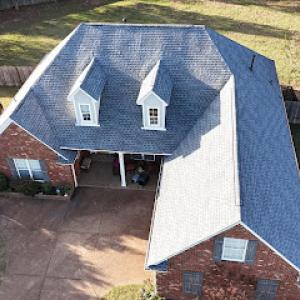
Elite Construction & Roofing
(662) 470-4170 eliteconstructionroofing.com
1731 Dancy Blvd, Horn Lake, Mississippi
5.0 from 15 reviews
At Elite Construction & Roofing, we help homeowners with insurance claims to secure full roof replacements, roofing repairs, and accurate estimates. We offer free drone inspections to assess your roof’s condition. Trust our experienced team for quality craftsmanship and expert solutions to handle your roofing needs and insurance claims. Contact us for a free estimate today!
Ultimate Roofing
(662) 331-3000 ultimate-roofing.com
Serving
4.9 from 52 reviews
With 1,000’s of roofs installed, an A+ BBB, and 5 star reviews, Ultimate Roofing is a great choice. We are locally owned and operated in DeSoto County by families born and raised in DeSoto County and the Mid-South area. This is our home. Ultimate Roofing is a dedicated roofing company that covers the West Tennessee and North Mississippi area.

Abes Construction
(901) 921-3729 abesconstructionco.net
Serving
5.0 from 16 reviews
Abe's Construction, located at 1794 main st Southaven Ms , is your top choice for expert roofing services in Memphis. As a family-owned business with over 30 years of excellence, we specialize in commercial roofing, flat roof repair, emergency roofing, roof maintenance, and residential roofing. Our team of experienced roofing contractors is committed to quality workmanship, offering reliable roof replacement and inspection services. Trust Abe's Construction for premium roof repairs and installations. Contact us for a free quote and experience superior roofing services tailored to your needs.

Pro Shingle Roofing
Serving
4.5 from 52 reviews
Pro Shingle is a professional roofing company licensed and insured in Tennessee, Mississippi & Arkansas. With an A+ with the BBB, call Pro Shingle or visit our website for more information- it's the simple choice!
Mighty Dog Roofing of Southeast Memphis
(901) 668-5761 www.mightydogroofing.com
Serving
4.8 from 21 reviews
When it comes to your home’s exterior, Mighty Dog Roofing delivers top-of-the-line services matched with the neighborly customer care our clients have come to love. Our team of skilled experts will conduct a free, detailed inspection of your home, treating it as our own. Whether your home needs a simple repair or a full roof replacement, expect to receive the transparent guidance you deserve. Whatever the case, our team will work to meet your safety and budget needs. We take pride in operating with quality materials, hiring skilled roofers, and providing our customers with a high-quality experience. See for yourself; our reviews say it all. Schedule your free, home inspection today!
Roof Renew
Serving
5.0 from 6 reviews
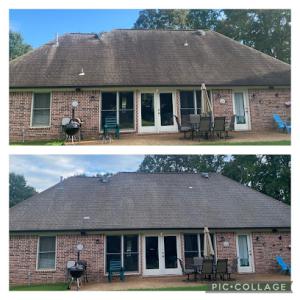
A veteran owned and operated roof cleaning business. Our goal is to provide the best rates and service in the midsouth. We would like the opportunity to renew and prolong the life of your roof by providing our roof cleaning service that will remove algae, moss, and stains. Getting on your roof is not required in most cases and we guarantee our work.
Bullett Enterprises
(901) 672-7585 www.q3contractors.com
Serving
4.8 from 37 reviews
At Q3 Contractors, we understand that every home is unique. We provide customized roofing solutions that not only protect your home but also enhance its curb appeal. From shingle to metal roofing, we use top-quality materials to ensure longevity and durability. Q3 Contractors proudly serves the Memphis community, offering top-notch roofing solutions for both residential and commercial properties. Our team is dedicated to providing reliable and high-quality roofing services that meet the unique needs of our clients.
Dry Fast Roofing & Construction
(901) 437-4283 www.dryfastroofingandconstruction.com
Serving
5.0 from 84 reviews
Dry Fast Roofing & Construction is your trusted roofing contractor at 3689 Cherry Rd, specializing in top-notch roofing solutions for residential and commercial properties. Our expert team excels in roof repair, roof installation, roof replacement, and storm damage restoration. We pride ourselves on using high-quality materials and offering exceptional customer service. Whether you need asphalt shingles, metal roofing, or flat roofing systems, we ensure your roof is durable and weather-resistant. Choose Dry Fast Roofing & Construction for reliable roofing services in your area. Contact us today to schedule a consultation and experience the best roofing contractor services available.
CJ The Roof Guy
(662) 469-5285 www.facebook.com
Serving
5.0 from 8 reviews
Providing roofing inspections, damage assessments, repairs, ventilation adjustments, and roof replacement services. Insurance claims, customer pay, etc.
Kreunen Construction & Restoration
(901) 245-6266 insuranceroofs.com
Serving
4.7 from 108 reviews
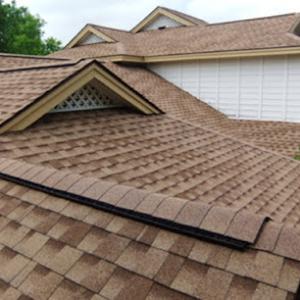
Kreunen Construction is a licensed roofing contractor in Olive Branch, MS since 1984, providing expert roof repair, replacement, and maintenance for both residential and commercial properties. We help property owners address leaks, storm damage, and aging roofs, ensuring long-lasting protection and curb appeal. Serving Olive Branch, Memphis, and the surrounding Mid-South areas, our team delivers high-quality workmanship and professional service, helping clients safeguard their homes and businesses year-round.
Royal Roofing & Restoration
(901) 409-6467 royalroofingrestorationllc.com
Serving
5.0 from 11 reviews
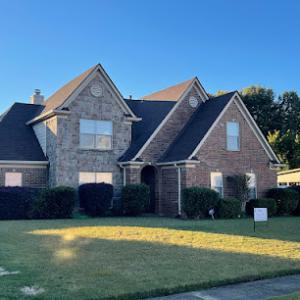
We take pride in delivering top-quality roofing and restoration services with professionalism, integrity and craftsmanship.
Chase Roof Inspections
(901) 907-3666 www.chaseroofinspections.com
Serving
4.9 from 66 reviews
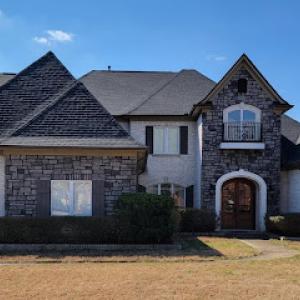
Chase Roof Inspections is the business to turn to when searching for a “local roofing company near me”. We provide top-quality services to residential clients in Olive Branch, Memphis, and the entire Mid-South! With thousands of successful projects under our belt, our NATIONALLY CERTIFIED ROOF INSPECTORS and FACTORY CERTIFIED technicians offer exceptional craftsmanship and expertise in roof repairs, replacements, and emergency services. We pride ourselves on delivering long-lasting benefits to our customers by focusing on safety, value preservation, and convenience. Our team is licensed in Tennessee, Mississippi, and Arkansas and fully insured—so clients can rest easy with every project we do. Contact us now for your free quote!
Hot, humid summers paired with frequent Randy-like afternoon storms push asphalt shingles to wear faster in this area. In these conditions, granules shed more quickly, algae streaking can take hold along the southern exposures, sealant around flashing ages sooner, and shingle brittleness shows up earlier after repeated sun exposure and storm hits. In this climate, asphalt shingles commonly land in roughly a 15 to 25 year range depending on sun exposure, attic heat, drainage, and storm history, while metal and tile often outlast them. Repeated wet-dry cycles from summer thunderstorms and autumn rain fronts can expose weak flashing details around penetrations and valleys before the roof reaches its nominal age. That means you should treat signs of early aging as a warning, not a reassurance, and plan proactive checks before a small issue becomes a leak or a larger repair.
Because roof edges, step flashings, and valley metal live at the interface between roof planes, they take the first hit from delta humidity cycles and storm-driven winds. After a storm, inspect the membrane under the shingles around vent pipes, chimneys, skylights, and where two roof planes meet. If you notice exposed fasteners, lifted shingles, or dark staining along the flashing, address it promptly. In this climate, attic heat can push adhesive seals to age out, especially where attic access is limited or insulation is skimpy. A quick route to avoiding widespread damage is a targeted inspection after each major storm, with extra attention given to sun-exposed east and south slopes where heat-driven expansion compounds aging. If you see granular loss on shingles that corresponds with exposed underlayment or felt, plan a closer look in the next off-season, since repetitive wet-dry cycles can accelerate concealed damage.
Set a seasonal checklist that targets the most vulnerable areas first: flashing details around penetrations, valley metal, and the edges of the roof where water flows most aggressively during thunderstorms. Clean gutters and downspouts so that drainage stays clear and the roof deck stays dry, particularly after autumn fronts and late summer downpours. If algae streaking is present, address it with a roof-safe cleaner that's compatible with your shingle type, and consider a preventative treatment plan for the crown and southern exposures where heat fosters biological growth. For metal or tile roofs, inspect fasteners and seam seals after major storms; these roofs tend to resist wind damage longer but still benefit from a routine check to catch loosening screws or sealant wear before water finds a path through the joints. In all cases, maintain the attic space to keep temperature swings from accelerating shingle brittleness; a modest improvement in insulation and ventilation can extend overall life and reduce the rate at which heat-induced problems appear.
If your roof is nearing the 15 to 25 year window for asphalt in this delta climate, establish a pre-season inspection cadence that lines up with the spring thunderstorm surge and the late-summer peak. A focused assessment should test for edge lift, flashing integrity, and valley performance, with a plan to address any weak spots before a heavy rain event exposes them. Remember that repeated wet-dry cycles can show up as subtle leaks weeks after a storm, so treat any small seepage or staining as a signal to pull back the roofing layer for a closer look. That approach keeps long-term damage from sneaking in during Horn Lake's volatile storm season.
The most popular roofing material in the US. Find pros who install, repair, and replace asphalt shingles.

Dry Fast Roofing & Construction
(901) 437-4283 www.dryfastroofingandconstruction.com
Serving
5.0 from 84 reviews
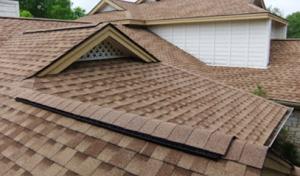
Households in this city require a residential reroof permit through the building department, not a permit-exempt maintenance approach. That means your project will be filed and tracked like a formal change to the home, with documentation tied to the property address and the planned scope of work. The process is designed to keep storm repairs documented for insurance and code compliance, especially after North Mississippi thunderstorm and hail events. Work should not proceed as if it's minor maintenance; the permit signals a transition from temporary repairs to a code-compliant, long-lasting roof.
For a standard reroof, the contractor typically submits the project using the property address and a clear description of the scope. Plan review, in practice, is usually limited rather than extensive. Expect a straightforward check to ensure basic safety and adherence to local roofing and wind-resistance requirements. It helps when the contractor provides concise details: number of layers to be removed, underlayment type, and confirmation of fastener standards compatible with local wind zones. This keeps review moving without lengthy back-and-forth, but still preserves a clear paper trail for the record.
Inspections occur during and after the installation to verify proper installation and code compliance. Scheduling is tied to the city's inspection timing, so plan around the inspector's window and any required interim checks. A pre-inspection conversation with the contractor can help align the crew's workflow to the city's expectations, reducing downtime. Final closeout hinges on a successful post-work inspection that confirms flashing details, nailing patterns, underlayment installation, and venting as applicable. Expect the inspector to look closely at how the roof interfaces with gutters, skylights, and any roof penetrations, especially in areas prone to heavy storm activity.
Keep copies of the permit, plan submissions, and inspection approvals in a readily accessible place. If a weather event triggers insurance adjustments or delayed start dates, coordinate with the building department to keep the permit active and avoid repeat reviews. Have the contractor provide a brief but complete project description, including the materials to be used and warranty notes, so when the city asks for scope clarification, there's a clear, turnkey answer. Accurate project details reduce surprises at inspection time and help ensure the final closeout occurs without delays.
If a snag arises-whether due to weather delays, material availability, or a needed plan clarification-contact the building department promptly. Delays in rescheduling inspections can stall the project, so establish a reasonable inspection timetable before work begins. Confirm that the crew's work is staged to meet both the permit conditions and the inspector's expectations, especially around nailing patterns and edge details near cornices and eaves. Having this alignment early helps minimize rework and keeps the reroof on track to pass final clearance.
Provided local pricing ranges run about $350 to $700 per square for asphalt shingles, $700 to $1200 for metal, $900 to $1800 for clay tile, $800 to $1400 for concrete tile, $600 to $1000 for wood shingles or shakes, and $450 to $900 for synthetic or composite shingles. In practice, that means a straightforward asphalt reroof in a standard subplot of your home can still drift upward after storms simply due to scheduling pressure. If a contractor is juggling multiple Horn Lake storm repairs at once, you may see a modest bump in labor cost or a tighter window to lock in materials.
In this area, the storm corridor reality matters. Spring and summer weather events can tighten contractor schedules, and reroof pricing can rise even when the roof scope itself is straightforward. If a leak shows up after a hail event, you'll likely face faster decision timelines from insurers and installers alike, which translates to the need for quicker material sequencing and sometimes expedited permits or decking assessments. Expect bids to reflect not just material choice but the practicalities of lining up crews during peak storm weeks.
Roofing materials behave differently under Horn Lake's Delta humidity and direct summer sun. Asphalt shingles stay affordable, but prolonged heat can drive faster wear on shingles with a shorter warranty window. Metal roofing performs well against wind and hail but carries higher upfront costs. Clay and concrete tiles bring excellent longevity and heat resistance, yet their weight and installation complexity can raise both price and scheduling needs. Wood shingles or shakes give a character line that's popular in older suburbs but can require more maintenance in high-humidity conditions. Synthetic or composite shingles offer a balance of price and durability, often matching the local need for hail resistance without the weight of tile.
Costs shift based on common suburban reroof conditions. Multiple penetrations-think vent stacks, skylights, or chimney flashings-drive more labor time and sometimes more flashing materials. Damaged decking from repeated leaks adds decking replacement or repair costs, which can be significant if the underlayment was compromised during prior rainfall. Material choices that suit heat and thunderstorm exposure may trade initial savings for longer-term resilience, so consider a midrange option if life-cycle cost matters and you want a roof that holds up to Mississippi-style weather.
Get a clear picture of your project costs upfront - no commitment required.
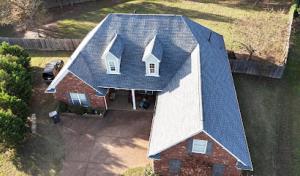
Elite Construction & Roofing
(662) 470-4170 eliteconstructionroofing.com
1731 Dancy Blvd, Horn Lake, Mississippi
5.0 from 15 reviews
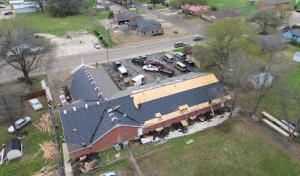
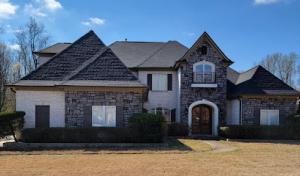
Asphalt remains a dominant choice in Horn Lake because it fits the area's mainstream housing stock and price sensitivity, but it is also the material most exposed to shortened life from heat, humidity, and storm wear. In a climate shaped by hot Delta humidity and frequent thunderstorm activity, asphalt shingles provide familiar installation, predictable performance, and straightforward repairs after hail or wind events. Look for architectural or laminated shingles with high wind resistance and good granule adhesion, which help guard against accelerated wear from repeated storms. Regular inspections after severe weather and a plan for rapid leak detection can keep asphalt roofs performing well through Mississippi's volatile seasons.
Metal roofing is especially relevant locally because it handles repeated rain events and can offer longer service life in this climate, though noise expectations and upfront cost matter to homeowners comparing it with shingles. In Horn Lake's storm corridor, metal acts decisively when hail or high winds hit, helping shed impact and reduce roof life cycles in comparison with traditional shingles. If choosing metal, prioritize profiles with solid underlayment, proper fasteners, and a secure fastener pattern to resist uplift. Insulation and interior sound-dampening strategies can mitigate rain-induced noise, making metal a quiet upgrade for living spaces beneath the roof. Regular gutters and downspouts to manage heavy rainfall will complement the metal system's resilience.
Clay and concrete tile can last longer here but occasional winter freezes and installation complexity make proper underlayment, fastening, and structural suitability more important than in warm no-freeze markets. These tiles excel in durability and aesthetic appeal, yet they demand careful attention to roof structure, layout, and freeze-thaw cycles. In winter months, proper overhangs, thermal expansion gaps, and moisture barriers become crucial to prevent cracks and leaks. A tile roof benefits from a roof deck strong enough to support heavy tiles and from precise, weather-tight flashing around chimneys, vents, and dormers to minimize vulnerability during cold snaps and spring thaws.
Concrete tile, in particular, can deliver long service life under Horn Lake's blend of heat, humidity, and storm activity, but installation nuance matters more in this market. If leaning toward tile, verify the home's structural capacity and ensure the roof plan accommodates tile weight and expansion. A well-executed underlayment system, along with careful fastening patterns, becomes a defender against the region's thunderstorm-driven leaks and wind-driven damage. For homes with limited attic space or challenging access, coordinate with a roofer who has experience leveling and sealing complex tile assemblies to maintain performance across seasons.
Explore specialists in steel, aluminum, and standing seam metal roofs built to last 50 years or more.
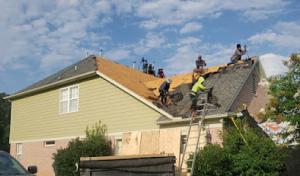
Dry Fast Roofing & Construction
(901) 437-4283 www.dryfastroofingandconstruction.com
Serving
5.0 from 84 reviews
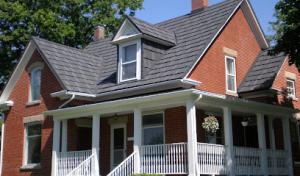
Spring in this area brings a real mix of storm intensity and sudden hail, and the backlog that follows can stretch inspection timelines, estimates, and install crews thin. After a storm, you may need to move quickly to document damage with photos and notes, then share them with the insurer and your contractor. Delays are common when the roof is still drying or crews are shuttled between triage jobs, so it pays to have a plan for temporary protection and a clear line of communication with the contractor. If a leak starts, prioritize shoring up the ceiling below and covering vulnerable seams to limit interior damage while waiting for a proper assessment.
The hottest months bring afternoons that can shut down open-roof work mid-day, especially when clouds build and a thunderstorm rolls through. Tear-off and installation windows shrink to early morning or late evening periods, which can compress schedules and push crews into tighter windows. If planning a replacement in the height of summer, coordinate with the crew for a hard start time and a defined sequence for removing old material, laying underlayment, and applying the final roof finish. Plan for heat-related demand on materials and for potential quick rescheduling if a storm interrupts progress.
Autumn fronts deliver heavy rain and high winds that disrupt progress and raise the risk of set-backs in getting a secure dry-in. In some cases, their pace can force crews to pause between phases while weather clears. Occasional winter freezes complicate certain tile installations and the performance of sealants, so scheduling around prospects for below-freezing days matters. Keep contingency days in the calendar and maintain dry-in measures to protect the interior during sudden shifts in weather.
In this climate, the most common asphalt failures show up in the granular surface, where you may notice accelerated loss after the hot Delta humidity and repeated storms. Granules wash away faster when gutters are clogged or attic ventilation is poor, leaving shingles exposed to UV and heat. After strong winds, tabs can become lifted or creased, creating edge gaps that invite water intrusion. Premature aging is also a real risk if attic heat and moisture are not managed, so a well-ventilated attic and a reflective attic barrier can extend the life of an otherwise sound roof. If you see any bald patches or curling near the eaves after a storm season, treat it as a warning sign rather than a cosmetic issue.
Frequent rain exposure makes flashing failures around chimneys, skylights, vents, and valleys especially important because small defects can turn into interior leaks quickly during repeated storms. Look for loose or lifting flashing where shingles meet metal, as even a small gap can channel rain into the roof deck. Valleys often bear the brunt of heavy downpours; if you notice rust, seam separation, or deteriorated sealant, plan for a targeted repair before it leads to mold or sheathing damage. Pay attention to interior signs: damp ceiling spots, peeling paint around fixtures, or attic mustiness after a downpour all point to flashing issues that should not be ignored.
Tile roofs in this region need attention to freeze-related cracking risk during occasional cold snaps, especially on older installations where glaze or cement bond has weakened. Cracks can propagate under stress from temperature swings and wind-driven rain. Metal systems should be checked for fastener and flashing performance after severe weather, as loose or corroded screws and damaged laps can allow water intrusion behind panels. If metal panels show oil-canning, loose seams, or obvious fastener wear after a storm sequence, address it promptly to prevent concealed leaks from turning into attic or ceiling damage.
Find contractors experienced in skylight installation, flashing, and leak repairs to bring natural light into your home.
Wind and hail are among the most common roof claim drivers in the Horn Lake area, making this a documentation-heavy market rather than one where claims are rare exceptions. Hot Delta humidity can mask slow leaks, while summer storms bring sudden damage that can trigger quick insurance responses. Understanding how these forces interact with typical local roofs-shakes, shingles, or low-profile metal-helps keep expectations realistic after a storm.
Mississippi has seen periodic premium adjustments, so homeowners often weigh repair-versus-replacement decisions not just against roof condition but also against deductible and renewal concerns. After a North Mississippi thunderstorm or hail event, the carrier will look for a clear paper trail: inspection photos taken before and after work, invoices from repairs, permit records if applicable, and a written scope of work. Keep these in a single, orderly folder or digital drive so you can share quickly if an adjuster asks for it.
Storms can create both obvious shingle granule loss and hidden deck or underlayment damage. Start with a careful exterior walk-around after a storm and photograph every angle, focusing on hail hits, missing granules, and obvious leaks inside. If leaks appear, prioritize temporary mitigation (tarps, buckets) and arrange an adjuster visit promptly. In this market, timely documentation often accelerates the claim review and helps avoid coverage questions later.
Because carriers may request prior roof condition records and repair history, homeowners in Horn Lake should keep inspection photos, invoices, permit records, and written scopes after any storm-related work. Maintain a simple chronology: storm date, assessment notes, work performed, and who performed it. This reduces back-and-forth with adjusters and eases any policy review that follows a repair or replacement decision.
Deductibles and renewal considerations can tilt the balance toward replacement even when repairs seem feasible. Treat this as a long-term decision, not a single storm event. If multiple years show wear or recurrent leaks, documenting the cumulative damage can support a replacement case when the insurer scrutinizes ongoing maintenance.
Connect with contractors who help homeowners navigate the claims process from damage assessment to final approval.
Elite Construction & Roofing
(662) 470-4170 eliteconstructionroofing.com
1731 Dancy Blvd, Horn Lake, Mississippi
5.0 from 15 reviews
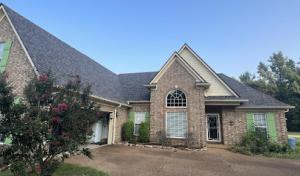
Although pitched residential roofs dominate in this area, the local contractor signal set shows a meaningful presence of flat-roof and coating work. That indicates real demand for low-slope sections on additions, porches, and mixed-use properties. In a storm-prone climate with hot Delta humidity and frequent thunderstorm activity, you will see more flat or low-slope transitions at exterior additions and outdoor living spaces. Understanding how these roofs behave in rain, wind, and hail helps you choose wisely between reroofing, restoration, or targeted coatings.
Frequent rain makes drainage performance critical on low-slope areas because standing water and seam failures become more consequential in a storm-prone climate. Prioritize a proven slope and positive drainage away from walls, with adequately sized gutters and downspouts. Seams and flashings should be inspected routinely, especially after hail events or high-wind storms, since water intrusion often travels along joints before appearing inside living spaces. A well-sealed substrate and precision-installed membranes reduce the risk of leaks during North Mississippi thunderstorm seasons.
Flat-roof options commonly seen in additions or porch coverings include built-up membranes, modified bitumen, and single-ply systems. For a low-slope retrofit, synthetic or composite membranes offer durability and extendable warranties, but expect tailored detailing at penetrations, vents, and edge details. Coatings can be a targeted solution for restoring a weathered surface or slowing down minor leaks, yet they are not a default path and should be treated as a focused fix rather than a full reroof. In heavier-wind and rain events, a full reroof with a proven low-slope membrane system tends to yield longer-term reliability.
Because this area experiences hot humidity and frequent thunderstorms, routine inspection after major storms is essential. Look for blisters, surface damage, and unusual puddling after rain. Maintain clean drainage paths and monitor seams for early signs of wear. When planning repairs, coordinate documentation for insurance purposes, including photographs of visible damage and a clear timeline of repairs, since the paperwork is a meaningful part of storm response in this market.
Find specialists in TPO, EPDM, and built-up flat roofing systems for residential and commercial properties.
Dry Fast Roofing & Construction
(901) 437-4283 www.dryfastroofingandconstruction.com
Serving
5.0 from 84 reviews