
Last updated: Apr 19, 2026
In Hernando, the rhythm of spring storms and frequent thunderstorms drives repairs after wind and hail slam roofs. This area sits in a Mississippi wind-and-hail claim environment where storm-driven damage is a common trigger for full replacements, so ready yourself for a faster claim process and tighter schedules when the next round of storms hits. The key is to act with urgency: identify damage early, document it thoroughly, and align with the right professionals who understand how insurers view wind and hail in this climate.
Documentation is your first line of defense. Local insurers may expect detailed pre-loss and post-loss photo documentation because wind and hail claims are common in this part of Mississippi. Start by chronicling the roof's condition before and after any event with dated photos that show shingles, vents, flashings, and the deck's surface. Keep a written catalog of observed issues like curling shingles, granule loss, rusted or displaced flashings, and any interior signs of leaks around penetrations. After a storm, photograph from multiple angles, including close-ups of damaged sections and wider shots that reveal the roof's overall condition. These records will accelerate the claim review and reduce back-and-forth with adjusters.
Storm season is when contractor availability tightens. Demand spikes after regional storm events can tighten contractor availability in Hernando and DeSoto County, affecting scheduling and temporary protection needs. If a large event has occurred nearby, anticipate delays in securing a reliable crew and in obtaining materials. Proactively reserve time for tear-off, deck assessment, and reinstallation, and discuss temporary roof protection options with your chosen contractor. Ask for a written contingency plan that specifies tarps, boards, and wind-rated fastenings for storms during the replacement window, so your home remains protected even if weather turns nasty.
Choosing the right contractor is critical in a tight market. Favor crews with clear experience handling wind-driven damage and a proven track record with Mississippi-style inspections. Ask for references that include insurer-facing documentation, and verify that the crew will prepare a detailed photoset and an itemized scope of work aligned to the insurer's expectations. During the intake process, provide your adjuster contact and claim number, and insist on a transparent, itemized estimate that shows pre-existing conditions and newly installed materials. A credible contractor will coordinate closely with the insurer, not merely patch a roof, but restore the structure to a compliant, long-lasting state.
On-site safety and temporary protection cannot be overlooked. In the days after a major event, the risk of further damage climbs as winds resume or storms roll in. Ensure that temporary protections are installed promptly and inspected after each weather event. If the weather forecast calls for another round, confirm with the contractor that the tarp or boards tie into secure anchors and that any exposed deck areas are shielded. The goal is to minimize additional damage while the claim and replacement process proceeds, so maintain clear lines of communication about weather contingencies and access needs for crews.
Finally, stay proactive about post-loss timelines. Insurers work in waves tied to regional storm activity, and delays in one part of the process can ripple through the replacement schedule. Maintain steady contact with your adjuster, your contractor, and, if needed, a public adjuster who understands how wind-and-hail claims move through the Mississippi system. The faster you respond to requests for information, the smoother the claim, the quicker the replacement can begin, and the better protected your home will be through the next thunderstorm.
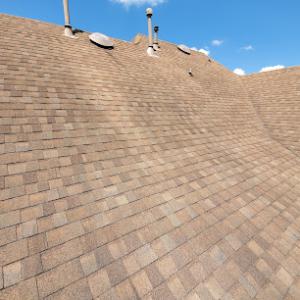
CJ The Roof Guy
(662) 469-5285 www.facebook.com
Hernando, Mississippi
5.0 from 8 reviews
Providing roofing inspections, damage assessments, repairs, ventilation adjustments, and roof replacement services. Insurance claims, customer pay, etc.
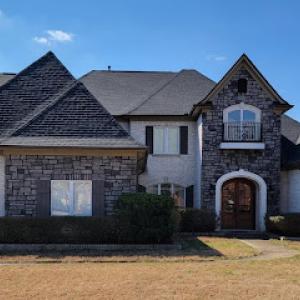
Chase Roof Inspections
(901) 907-3666 www.chaseroofinspections.com
Serving
4.9 from 66 reviews
Chase Roof Inspections is the business to turn to when searching for a “local roofing company near me”. We provide top-quality services to residential clients in Olive Branch, Memphis, and the entire Mid-South! With thousands of successful projects under our belt, our NATIONALLY CERTIFIED ROOF INSPECTORS and FACTORY CERTIFIED technicians offer exceptional craftsmanship and expertise in roof repairs, replacements, and emergency services. We pride ourselves on delivering long-lasting benefits to our customers by focusing on safety, value preservation, and convenience. Our team is licensed in Tennessee, Mississippi, and Arkansas and fully insured—so clients can rest easy with every project we do. Contact us now for your free quote!
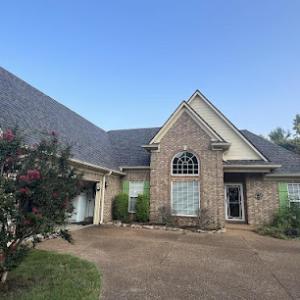
Ultimate Roofing
(662) 331-3000 ultimate-roofing.com
Serving
4.9 from 52 reviews
With 1,000’s of roofs installed, an A+ BBB, and 5 star reviews, Ultimate Roofing is a great choice. We are locally owned and operated in DeSoto County by families born and raised in DeSoto County and the Mid-South area. This is our home. Ultimate Roofing is a dedicated roofing company that covers the West Tennessee and North Mississippi area.
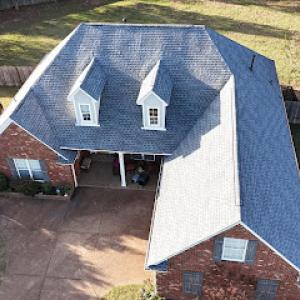
Elite Construction & Roofing
(662) 470-4170 eliteconstructionroofing.com
Serving
5.0 from 15 reviews
At Elite Construction & Roofing, we help homeowners with insurance claims to secure full roof replacements, roofing repairs, and accurate estimates. We offer free drone inspections to assess your roof’s condition. Trust our experienced team for quality craftsmanship and expert solutions to handle your roofing needs and insurance claims. Contact us for a free estimate today!
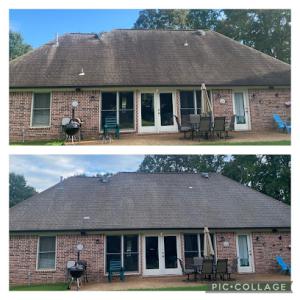
Roof Renew
Serving
5.0 from 6 reviews
A veteran owned and operated roof cleaning business. Our goal is to provide the best rates and service in the midsouth. We would like the opportunity to renew and prolong the life of your roof by providing our roof cleaning service that will remove algae, moss, and stains. Getting on your roof is not required in most cases and we guarantee our work.
Mighty Dog Roofing of Southeast Memphis
(901) 668-5761 www.mightydogroofing.com
Serving
4.8 from 21 reviews
When it comes to your home’s exterior, Mighty Dog Roofing delivers top-of-the-line services matched with the neighborly customer care our clients have come to love. Our team of skilled experts will conduct a free, detailed inspection of your home, treating it as our own. Whether your home needs a simple repair or a full roof replacement, expect to receive the transparent guidance you deserve. Whatever the case, our team will work to meet your safety and budget needs. We take pride in operating with quality materials, hiring skilled roofers, and providing our customers with a high-quality experience. See for yourself; our reviews say it all. Schedule your free, home inspection today!
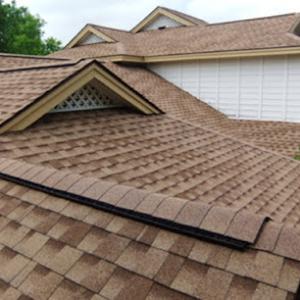
Kreunen Construction & Restoration
(901) 245-6266 insuranceroofs.com
Serving
4.7 from 108 reviews
Kreunen Construction is a licensed roofing contractor in Olive Branch, MS since 1984, providing expert roof repair, replacement, and maintenance for both residential and commercial properties. We help property owners address leaks, storm damage, and aging roofs, ensuring long-lasting protection and curb appeal. Serving Olive Branch, Memphis, and the surrounding Mid-South areas, our team delivers high-quality workmanship and professional service, helping clients safeguard their homes and businesses year-round.
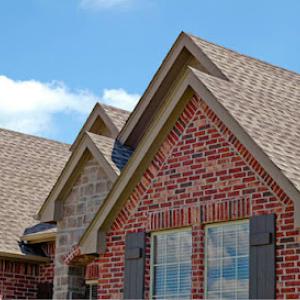
RL Quality Roofing
(662) 367-3247 rlqualityroofing.wixsite.com
Serving
5.0 from 79 reviews
RL Quality Roofing is a full-service roofing company specializing in reliable, high‑quality roof installation, repair, and maintenance for residential and commercial properties. We combine skilled craftsmanship with durable materials to deliver long‑lasting results that protect your home or business. Our team is committed to safety, clear communication, and exceptional customer service from the first inspection to project completion. Whether it’s fixing storm damage, replacing an aging roof, or completing a new construction project, we provide honest recommendations, fair pricing, and workmanship you can trust.
Abes Construction
(901) 921-3729 abesconstructionco.net
Serving
5.0 from 16 reviews
Abe's Construction, located at 1794 main st Southaven Ms , is your top choice for expert roofing services in Memphis. As a family-owned business with over 30 years of excellence, we specialize in commercial roofing, flat roof repair, emergency roofing, roof maintenance, and residential roofing. Our team of experienced roofing contractors is committed to quality workmanship, offering reliable roof replacement and inspection services. Trust Abe's Construction for premium roof repairs and installations. Contact us for a free quote and experience superior roofing services tailored to your needs.

Pro Shingle Roofing
Serving
4.5 from 52 reviews
Pro Shingle is a professional roofing company licensed and insured in Tennessee, Mississippi & Arkansas. With an A+ with the BBB, call Pro Shingle or visit our website for more information- it's the simple choice!
Dry Fast Roofing & Construction
(901) 437-4283 www.dryfastroofingandconstruction.com
Serving
5.0 from 84 reviews
Dry Fast Roofing & Construction is your trusted roofing contractor at 3689 Cherry Rd, specializing in top-notch roofing solutions for residential and commercial properties. Our expert team excels in roof repair, roof installation, roof replacement, and storm damage restoration. We pride ourselves on using high-quality materials and offering exceptional customer service. Whether you need asphalt shingles, metal roofing, or flat roofing systems, we ensure your roof is durable and weather-resistant. Choose Dry Fast Roofing & Construction for reliable roofing services in your area. Contact us today to schedule a consultation and experience the best roofing contractor services available.
Hernandez Services
Serving
4.9 from 40 reviews
Affordable Roofing, House Painting Services, Interior and Exterior Wood Repairs, Gutter Installation and Repairs, Fencing, Pressure Washing.
Asphalt shingles are the dominant practical choice in Hernando, and for good reason. The familiar asphalt bundle is simple to install, widely available, and well understood by local crews. In this climate, prolonged summer heat and humidity make attic ventilation and underlayment performance especially important. A roof replacement that skims on ventilation or uses a thin underlayment won't hold up long in the daily grind of Mississippi humidity and sudden storm gusts. If asphalt is chosen, ensure the attic has a clear path for air movement and check that the underlayment used is rated for high humidity and hot summers. Pay attention to nailing patterns and shingle overlap at eaves and rakes; wind-driven rain can exploit marginal edges and poorly sealed penetrations during powerful thunderstorm events. In practice, insist on a robust ridge vent or continuous soffit intake, and verify that all vents, plumbing stacks, and chimneys are properly flashed and sealed. A well-ventilated attic paired with a high-quality asphalt shingle can deliver reliable performance when paired with a roof deck in good condition.
Metal roofing is a strong fit for storm exposure in this area, where thunderstorms arrive with wind and hail potential. In Hernando, the performance story hinges on installation quality more than the material itself. Metal panels must be secured with a meticulous fastener pattern, and every penetration-vents, skylights, chimneys-needs thorough detailing. Wind-driven rain can exploit seams and edge details if the installation sequence gaps are present. If considering metal, work with a contractor who emphasizes precision seam sealing, backer flashing at penetrations, and proper edge detailing along eaves and rake lines. Evaluate the roof's ability to resist expansion and contraction in extreme heat, and confirm that the chosen finish holds up under long, humid summers. A properly installed metal roof can shed both water and heat efficiently, enabling a cooler attic and potentially lower cooling loads on peak hot days.
Tile, wood, and synthetic options exist in the market but are less common locally. Tile options (clay or concrete) bring durability and a distinctive look, yet they require a structurally sound roof deck and careful assessment of wind uplift capabilities. Wood shingles or shakes can deliver curb appeal, but humidity and growth conditions raise concerns about moisture-related warping and maintenance. Synthetic or composite shingles offer versatility and improved resistance to some weather conditions, but still need a thoughtful installation approach to manage heat and humidity. When evaluating these options, weigh storm exposure, the existing roof structure, and replacement costs against long-term performance in the local climate. In practice, a careful inspection of the deck, ventilation, and flashing details is essential before committing to any non-asphalt choice.
When a North Mississippi storm rolls through, you'll notice a quick uptick in reroof demand across Hernando and the wider DeSoto County area. Local pricing can rise after storm events as crews and materials shift to meet the surge in replacement work. If your roof suffered hail or high-wind damage, expect estimates to reflect the tighter market for a few weeks as crews book out and supply chains tighten. In this climate, planning for a replacement window that avoids the peak storm rush can help keep costs a bit more predictable.
During a full replacement, inspectors may flag deck repairs or ventilation corrections as part of the scope. In Hernando, those findings can push the project into higher-cost territory, especially if structural sanding, deck patching, or additional underlayment or venting components are needed. If the deck is sound and ventilation is adequate, the project stays closer to the baseline. If not, you'll want to budget for repair labor and additional materials, which can affect both timing and final pricing. Communication with the contractor about deck health and venting will help prevent surprises when the permit-ready plan is finalized.
Locally, material choice ranges from common asphalt systems to higher-cost metal, tile, wood, and synthetic roofs. Asphalt shingles remain the most common and typically lead to lower upfront costs, while metal and tile offer longer lifespans and different performance profiles in the heat and humidity. In Hernando, labor and staging costs can vary with roof complexity, such as steep pitches or multiple roof planes, which influence both time on site and the amount of protective work required during installation. Expect the following general ranges per square for a full replacement: asphalt shingles from roughly 350 to 700 USD, metal from 550 to 1100 USD, clay tile from 900 to 1800 USD, concrete tile from 800 to 1400 USD, wood shingles or shakes from 550 to 1000 USD, and synthetic or composite shingles from 500 to 900 USD.
Begin with a roof condition assessment focused on deck integrity, ventilation, and the visible shingle condition. If weather windows align with calmer days, you can often secure better scheduling and reduce staging costs. Build a contingency for storm-driven price shifts by setting a modest reserve: 5 to 15 percent is common in a storm-affected market, depending on roof size and system chosen. When you review bids, compare not just the per-square price but also what each contractor includes for decking work, ventilation upgrades, underlayment quality, waste disposal, and tarp protection for lingering spring-time storms.
Get a clear picture of your project costs upfront - no commitment required.
Elite Construction & Roofing
(662) 470-4170 eliteconstructionroofing.com
Serving
5.0 from 15 reviews
A full roof replacement in Hernando typically requires a building permit reviewed through the City of Hernando or DeSoto County building department. The permitting mindset here emphasizes proper installation details and structural soundness, not just a cosmetic update. When you pull a permit, expect forms that ask for roof type, venting plans, underlayment choices, and an outline of replacement materials. The process is designed to catch potential issues early, so engaging the right contractor who is familiar with local code expectations can save time and prevent delays. Plan for some coordination with the permit office, especially if weather windows are tight around the storm season.
Inspections in this jurisdiction commonly check ventilation, underlayment, and roof deck condition rather than treating reroofing as a simple tear-off and replace job. A typical path includes a rough-in inspection early in the project to verify ventilation and baffles, followed by an underlayment and drip edge check, and a final inspection after completion to confirm all components meet code and manufacturer requirements. Because Hernando's climate can intensify heat and humidity, proper ventilation and deck integrity aren't optional add-ons-they're structural safeguards that help extend roof life in the long run. If the contractor uses multiple layers of underlayment or innovative ventilation strategies, these elements will be scrutinized to ensure they pass the local standards.
Homeowners should expect inspection activity during and after the project, so contractor scheduling has to account for local approval timing. Storm season brings the added complexity of potential weather-related holds, which can shift timelines and push back final approvals. It helps to align your project with a contractor who builds in buffer days for permit review, weather interruptions, and any required remedy work flagged by inspectors. Clear communication with the contractor about when inspections are anticipated-and who will accompany the inspector-reduces the chance of delays. In practice, a well-coordinated plan includes pre-inspection checks on vent placement, deck surface condition, and underlayment installation, so when the inspector arrives, the team can demonstrate compliance without scrambling.
Between thunderstorms and hail risk, maintaining thorough documentation matters. Keep receipts, photos of the existing deck and any damage, and notes on ventilation and underlayment choices. If storm damage prompts an insurance claim, have your contractor provide a detailed scope that aligns with permit expectations and inspection criteria. This helps ensure the replacement proceeds smoothly through the permit office and into a compliant, weather-resilient finish that stands up to Hernando's hot, humid summers.
storms in this part of North Mississippi leave no doubt that wind and hail damage is a recurring risk. When a roof needs replacement after a storm, adjusters often scrutinize the evidence with a sharp eye, looking for consistency between what's visible on the attic side and what is shown on the outside. The reality is that the claim review can be more stringent after a big event, and expectations about coverage may shift based on the perceived durability of the chosen replacement.
Insurers in this market may favor or require stronger wind-resistance shingle options once a roof is replaced after storm damage. The choice you make isn't just about initial appearance or comfort; it can influence whether wind uplift and impact resistance are deemed adequate under an adjuster's standard. When discussing options, you'll want to consider materials and systems that have a track record of standing up to the kind of summer thunderstorms that roll through the area, and be prepared for questions about the specific wind ratings and installation details.
Because adjusters may compare before-and-after evidence, it pays to be thorough and organized. Keep dated photos from during the storm, the immediate aftermath, and any signs of damage you've observed over time. Inspection notes from a trusted roofer or contractor add credibility, especially if they describe the deck condition, underlayment, and ventilation as they stood at the time of loss. Also maintain records of temporary leak mitigation-things like tarping, rapid repairs, or other steps taken to limit further damage. This paperwork can help anchor your claim if the insurer asks for a clear narrative of events and the roof's condition before, during, and after the storm.
Storm-driven weather in this area often means you're balancing urgent mitigation with the reality of a thorough inspection timeline. Insurance reviews can extend timelines, especially when proof of wind resistance, material choices, and installation methods are under the microscope. Knowing that the adjustment process tends to converge around clear documentation can reduce stress and help you coordinate roofing crews and material selections more efficiently, so a replacement proceeds with fewer delays.
In neighborhoods where homes share similar roof lines and vulnerabilities, consistent documentation becomes a community asset. When neighbors compare notes about which insurers favored certain shingle families or installation details after a storm, you'll appreciate having a precise record of your own roof's story. The end result is a replacement that not only looks right but also stands up to the next round of Mississippi weather with clearer support from the claim process.
In the peak heat of summer, the pace of reroofing slows noticeably. Shingle and underlayment work demands steady shade and cooler temperatures to avoid premature material aging. Between tear-off and dry-in, keep exposed decking dry as long as possible, since hot, humid air can wick moisture into the structure and complicate inspections. Scheduling windows should prioritize dry, calm mornings and avoid the brutal afternoon heat that saps crew endurance and dries materials too quickly to lay smoothly.
Frequent afternoon thunderstorms in late spring and early fall routinely interrupt local reroof projects. Thunderstorms bring wind shifts, sudden leaks, and safety hazards that force urgent halts. Expect several days of lighter work or delays caused by weather fronts, and build buffers into your timeline for tracking storm cells moving across the region. If a forecast shows a high storm risk, consider delaying noncritical tasks like final ventilation checks until the line of storms has passed and roof deck conditions are stable.
Occasional winter cold fronts can slow progress, but the bigger planning issue in a typical year is avoiding storm-prone windows during active replacement. Cold snaps can stiffen decking adhesives and reduce fastening efficiency, while returning warmth can cause condensation risks if the roof isn't fully dried-in. Plan critical steps-like final roof deck sealing and moisture barriers-around days with moderate temperatures and low humidity to minimize rework.
Coordinate a realistic two- to three-week block for the entire replacement when conditions align, with a built-in fallback for weather gaps. Maintain daily checks for deck dryness and ventilation readiness, so if a dry-in window opens, crews can capitalize immediately and keep the project on track. Communicate clearly with your contractor about preferred storm-buffer periods and acceptable weather margins to minimize mid-project halts.