
Last updated: Apr 19, 2026
East Tennessee spring hail and wind storms are a major trigger for roof damage and insurance claim activity in Sevierville. When a storm blows through, shingles can crack, granules can wash away, and flashing can fail without obvious signs at first. The window to catch damage before it becomes a leak is narrow, and that window tightens as soon as the calendar hits late spring and early summer. Delays invite moisture intrusion from warm, afternoon thunderstorms that routinely dump on roofs already stressed by hail impact. Your roof is exposed to both the immediate blow and the slow drip afterward if repairs are put off, so response timing is not a luxury-it's a quality of life or risk decision.
After a hail or wind event, your first move is to inspect safely from the ground and document visible damage. Look for lifted shingles, cracked tabs, and missing granules along gutters and downspouts. If you notice any dark stains on ceilings or walls, treat that as a sign of interior moisture intrusion that deserves prompt attention. Protect the interior by tarping damaged sections if a leak is suspected and the weather is unsettled. In Sevierville, frequent rain means tarping and dry-in speed are more important than in drier markets, because a wet roof turns a minor repair into a larger problem quickly. Schedule a roof assessment as soon as storms pass, and prioritize contractors who can mobilize quickly and site-evaluate with infrared moisture meters or professional moisture surveys. A early trigger point is any shingle edge that is curled, raised, or missing anchor nails; these are high-risk spots that can fail with the next gust or shower.
Storm activity in this market often pushes homeowners into insurance-driven decisions. The timing of roof replacement can hinge on the speed of an insurer's assessment and agreed scopes. If hail or wind damage creates widespread shingle failure, your most cost-effective route might be a full replacement rather than piecemeal patchwork. The moment an insurer acknowledges a legitimate claim, you gain a finite window to complete the work before weather delays or policy year cycles complicate the process. Because Sevierville sits at the foothills, afternoon storms can roll in with little warning, so coordinating a replacement crew during a dry spell is essential. A proactive approach-having preferred roofers lined up, ready access to materials, and a clear plan for staging-reduces risk of days lost to rain or scheduling bottlenecks.
Summer afternoon thunderstorms can turn small storm-created shingle damage into active leaks if repairs are delayed. Plan for a dry-in period that aligns with a predictable stretch of good weather rather than chasing a window that closes with a pop-up shower. Reserve a contingency for rain days and ensure the contractor seals and underlayment are compatible with Sevierville's frequent wet patterns. If your roof has multiple penetrations or vents, insist on a temporary protective layer that won't trap moisture against decking. Finally, maintain open lines of communication with your insurer and the contractor, so you do not lose momentum during the crucial dry-in stage. Your best outcome is a timely assessment, rapid tarping if needed, and a solid plan to restore roofing integrity before the next storm.
Romero Pro Roofing
(865) 246-9136 romeroproroofing.com
412 McMahan Ave, Sevierville, Tennessee
5.0 from 91 reviews
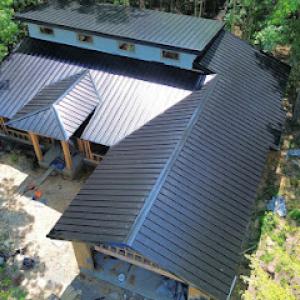
Romero Pro Roofing is a roofing contractor experienced in installing, repairing, and replacing commercial and residential roofing applications. We assess and treat any issues that you may be experiencing with your roofing and act fast before it gets worse. We specialize in waterproofing, so you can expect us to tackle leaks as soon as we see them.

E&F Roofing
400 Park Rd #204, Sevierville, Tennessee
4.9 from 73 reviews
E&F ROOFING & CONSTRUCTION / Roofing Services Sevierville is a trusted roofing and construction company serving the Sevierville, Tennessee area. With a experienced team , we offer a wide range of services, from minor repairs to complete roof replacements. We are committed to providing our customers with the highest quality at a fair and affordable price.
Eagle Roofing
(865) 358-0081 www.eagleroofingllc.net
626 Kingfisher Ave #1, Sevierville, Tennessee
5.0 from 42 reviews
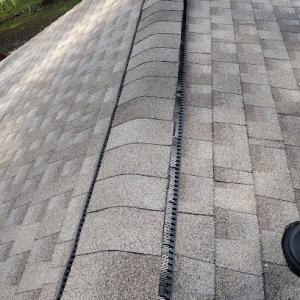
Welcome to Eagle Roofing Trusted local experts in roofing, gutters, siding, and deck building. We provide high-quality roof installations, storm damage repairs, seamless gutter systems, durable siding upgrades, and custom decks — all designed to handle East Tennessee weather. Fast, reliable, and affordable service with a focus on craftsmanship and customer satisfaction.
Alvarado Roofing & Construction
(865) 396-6465 alvaradoroofingandconstruction.com
293 Mt Dr #809, Sevierville, Tennessee
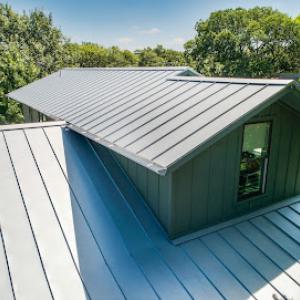
4.9 from 100 reviews
This maintenance also lengthens the life of your roof. Roof maintenance can also mean the difference between a repair and a replacement when there is a problem, minimizing future or unexpected costs. How often should you have your roof inspected and maintained? That depends on several factors—the age of the roof, weather conditions, and any problems identified during previous inspections.
Four Seasons Construction
(423) 676-7717 four-seasonsconstruction.com
Sevierville, Tennessee
5.0 from 7 reviews
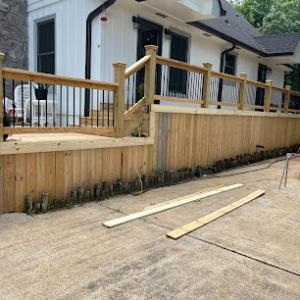
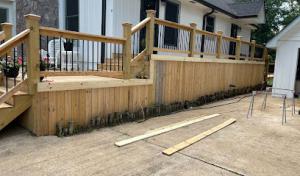
At Four Seasons Construction, we leverage our 25 years of experience to serve those in Bristol, Tennessee, as well as Chattanooga and Knoxville, and meet a wide variety of roofing and exterior needs. Our offerings include floor installation services, interior and exterior painting services, window installation services, residential and commercial roofing services, deck installation services, vinyl siding installation services, home addition services, and home remodeling services. What’s more, as a veteran-owned and -operated business, we are proud to honor those who have served with special pricing — it's the least we can do! If you’re ready to get started, reach out to us today to get a free estimate for your next project.
Sevierville Roofing & Exteriors
(865) 209-5991 www.seviervilletnexteriors.com
236 E Main St, Sevierville, Tennessee
5.0 from 5 reviews
Professional Roofing & Exterior Services for homes, businesses, condos & apartments, churches and warehouses. Emergency services including leaks, tree damage, tarp installation. Serving Sevier County since 2012
East Tennessee Roofers
293 Mt Dr, Sevierville, Tennessee
5.0 from 4 reviews
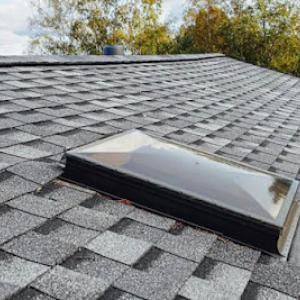
Are you searching for reliable, skilled roofers in East Tennessee to handle your roofing repair and installation needs? Look no further! Our team at East TN Roofers is dedicated to providing top-notch service and craftsmanship for all your roofing projects. Whether it's repairing a leaky roof, installing shingles on new construction, or upgrading to a durable metal roof, we have the expertise and experience to get the job done right. Trust us to be your preferred choice for all your roofing needs in East Tennessee.
Brian King Roofing
(865) 573-6859 briankingroofing.com
Serving
4.8 from 98 reviews
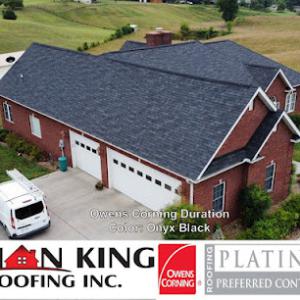
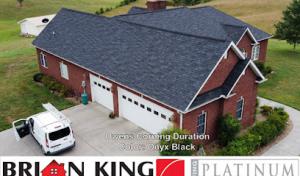
Even the sturdiest construction is useless without a quality roof to keep it safe and dry. Your roof is your home's first line of defense against wind, rain and debris. When you need a new one, hire a roofing company you can trust for dependable work. Contact Brian King Roofing today to speak with a preferred roofing contractor in Seymour, Maryville & Knoxville, TN. Since 1991, we've completed countless roof repair, replacement and installation services. Our residential and commercial clients rely on us for quality workmanship at affordable prices. Call 865-573-6859 today to get a free estimate from your local roofing contractor.
Gold Medal Roofing of Eastern Tennessee
(423) 607-7061 www.goldmedalroofing.com
Serving
4.9 from 161 reviews
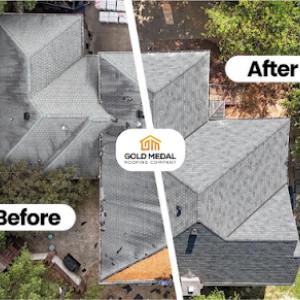
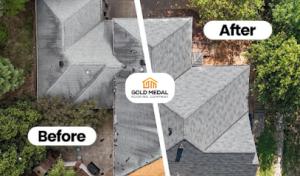
Gold Medal Roofing Company assists thousands of homeowners in getting roof repairs, or a completely new roof, through the insurance claims process. Let our team of licensed roofing contractors walk you through the process and help save you thousands of dollars! Book a FREE inspection today!
FLOW Roofing
(865) 910-5530 flowroofing.com
Serving
5.0 from 406 reviews
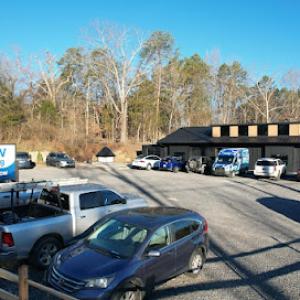
FLOW Roofing is a veteran‑owned and operated roofing contractor in Knoxville, TN, specializing in metal and shingle roof installation, roof replacement, storm damage repair, and emergency roofing services. Our licensed, insured team provides free inspections, fast quotes, insurance claim assistance, and quality workmanship for homes and businesses across Knoxville and surrounding East Tennessee communities.
Five & Two Construction
(865) 324-4588 www.52construction.com
Serving
5.0 from 16 reviews
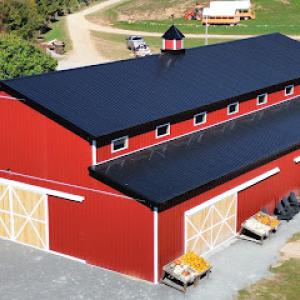
At Five & Two Construction, we are a locally owned roofing and construction company serving Maryville, TN, and surrounding areas. With our team of skilled professionals, we provide top-notch construction services tailored to meet the needs of our clients. From roof repairs to home renovations, we take pride in delivering exceptional craftsmanship and customer satisfaction.
Cover Pro Roofing
(865) 999-7663 coverproroofing.com
Serving
4.9 from 54 reviews
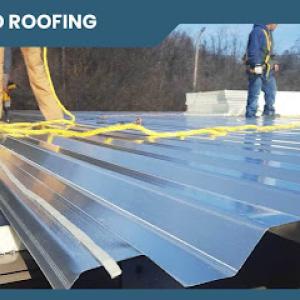
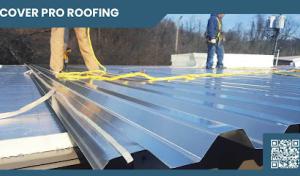
Cover Pro Roofing is a trusted family-owned roofing company serving Knoxville and nearby areas with reliable residential and commercial services. With over 15 years of experience, our certified team has specialized in roof installation, replacement, storm damage repairs, inspections, and ongoing maintenance. Customers value our clear communication, honest pricing, and dedication to quality protection. We are fully licensed and insured, offering industry-leading warranties and financing options. From shingles, metal, and flat roofing to leak repair, insurance claim assistance, and preventive maintenance, we deliver durable workmanship backed by a trusted guarantee. Call today for a free inspection and estimate in Knoxville, Tennessee.
In this foothill area, asphalt shingles and metal roofing are the practical backbone for most homes, while tile and slate exist but carry much higher installed cost ranges. Asphalt shingles are familiar, quick to repair, and largely capable of handling the spring thunderstorm mix that sweeps through the Smokies. Metal roofing offers strong wind resistance and longevity, often with lower maintenance of fasteners when properly installed. Tile and slate can perform beautifully when installed with precise flashing and high-grade underlayments, but they demand careful detailing and can become costlier projects if the structure needs reinforcement or complex orientations.
Sevierville's hot summers and humidity can accelerate asphalt aging, especially after repeated thunderstorm exposure. That means shingle selection should favor enhanced UV resistance and improved granule retention for longer life under high humidity conditions. If choosing metal, look for coated, corrosion-resistant options and consider color and coating stability to minimize heat gain. Tile and slate handle moisture well when underlayment and drainage are flawless, but their weight and fastener demands amplify the impact of storm-driven moisture and temperature swings.
Frequent rain and cool-season moisture make proper underlayment, flashing, and ventilation especially important regardless of roof type. In that climate, the underlayment should be robust and compatible with the chosen outer layer, and flashing needs to be continuous and well-sealed around chimneys, valleys, and transitions to walls. Ventilation becomes a frontline defense against mold, ice dam risk in shoulder seasons, and trapped humidity. So, even if a roof is primarily metal or composite, plan for a well-vented attic or vented rafter space and a moisture-dense air pathway that does not force condensation onto sheathing.
When installing any material, prioritize edge details and valley integrity. Shingle roofs should have properly sealed starter courses and strong ridge ventilation to counter seasonal humidity. Metal roofs benefit from staggered panel seams and precise sealants at penetrations to resist rain-driven infiltration. Tile and slate demand accurate slope, correct underlayment choice, and reinforced support at eaves and overhangs to avoid breakage during hail events. In all cases, detailed flashing and continuous drip edges help manage spring moisture surges.
After spring storms, inspect for lifted shingles, loose field tiles, or exposed underlayment, then address quickly to prevent moisture intrusion. Regular checkups before and after the peak storm season help catch fastener loosening, corrosion spots on metal, and cracking or granule loss on asphalt. A consistent maintenance routine keeps your roof resilient through the Sevierville storm cycles. In Sevierville, a thoughtful material choice paired with solid moisture control translates into fewer storm-driven surprises and steadier performance.
In this part of the foothills and Smokies, material costs follow a clear pattern. Asphalt shingles in Sevierville typically run about $350 to $650 per square. Metal roofs command $700 to $1,200 per square. Clay tile ranges from $900 to $1,700 per square, while concrete tile is usually $700 to $1,200 per square. Synthetic or composite shingles sit around $400 to $750 per square, and slate comes in higher, roughly $1,100 to $2,100 per square. Those figures reflect local sourcing, regional labor intensity, and the need to manage moisture and storm-driven demand that can tighten supply after hail or high wind events.
When East Tennessee weather throws hail or stiff spring winds, Sevierville sees a spike in demand for roof replacements. The surge can tighten contractor availability and push replacement timelines into a window where crews are juggling multiple storm-related projects. If a widespread hail year hits, you may notice longer wait times and higher pricing due to rushed sourcing and peak-season labor. In practice, that means planning ahead after a storm-not waiting until a leak becomes active-often saves both time and money.
Spring in Sevierville brings periodic wet spells that slow progress more than in reliably dry climates. Seams and underlayment exposure during rain delays require careful scheduling to avoid rework. Labor efficiency can drop when crews contend with wet decking, soggy crawlspaces, or sudden downpours. Expect possible short pauses between rain events, especially if the home has experienced recent hail damage that necessitates tarping and temporary protection. Coordinating a project window with estimated dry spells helps keep crews moving and reduces the chance of weather-driven delays pushing the timeline into peak heat or late-season storms.
Your material choice should factor in both climate performance and the local pricing ranges. Asphalt remains the most cost-effective and common option for many Sevierville homes, with broad color and profile options. Metal provides durability against wind and hail but comes with higher upfront costs per square. Tile and slate offer longevity but require structurally sound roofs and can add substantial weight, affecting subroof and attic considerations. Synthetic options often balance cost and durability, delivering wind and impact resistance at a middle price point. Weigh long-term replacement intervals against current budgets, especially in the wake of a heavy storm season.
If a spring storm has touched your area, start with an immediate exterior assessment and document any hail dents, missing shingles, or lifted edges. Obtain three quotes from local contractors who understand how moisture control and wind impact crews here. Ask about staging areas to minimize on-site moisture exposure and confirm any tarping plans for rain gaps. Schedule maintenance checks around wet conditions and align replacement timing with anticipated dry windows to maximize efficiency and minimize weather-related downtime.
Get a clear picture of your project costs upfront - no commitment required.
Four Seasons Construction
(423) 676-7717 four-seasonsconstruction.com
Sevierville, Tennessee
5.0 from 7 reviews
In Sevierville, a full roof replacement commonly requires a building permit through the City of Sevierville Building Department. This is not a formality to skip; it ensures the project aligns with local codes, winds, and moisture considerations that are common around the Smokies foothills. The permit process protects your home from undersized work and helps coordinate storm-season crews so that scheduling doesn't collide with sudden spring weather events. If a contractor tells you the permit isn't necessary, verify with the City's Building Department before proceeding.
The permit application is typically submitted by the roofing contractor with project details rather than by the homeowner alone. Expect the application to include the scope of work, roofing material type, roof size, and anticipated start and finish dates. Because Sevierville experiences rapid changes in weather in the spring, the city looks for a realistic timeline and a plan for protecting landscaping, gutters, and attic ventilation during a replacement. Ask the contractor to provide a copy of the permit application and the permit number as soon as it's filed; this helps you track progress and confirms the project has city oversight from day one. If a change order occurs, ensure the permit is updated and re-approved when necessary.
Inspections are scheduled during and after the work, and communication with the contractor is key to smooth coordination. The city's inspectors focus on safety, structural integrity, and moisture-control measures that matter in Sevierville's climate, where daily rain and spring hail can impact installation quality. Typical checkpoints include a framing or underlayment assessment before shingles go on and a final inspection after completion to verify proper attachment, flashing, ventilation, and code compliance. Having access to the site for inspectors during the work reduces the chance of delays. If weather windows compress due to storms, the inspector might adjust the schedule, so maintaining flexibility with the contractor helps keep the project on track.
The final inspection is a critical step to verify installation quality and code compliance. It confirms that the materials chosen meet local wind and moisture-resistance requirements and that flashing, hips, ridges, and valley details are properly executed. In a mountain-adjacent climate, proper attic ventilation and underlayment protection are scrutinized to prevent moisture problems down the line. Prepare the site by ensuring clean pathways for inspectors, removing any debris, and having all warranty documents and material specifications on hand. If the final inspection passes, the permit is closed, and the project is officially complete in the city's records. If issues are found, there is a clear path to correction, with a follow-up inspection to finalize approval.
Sevierville sits in an East Tennessee insurance environment where hail and strong wind claims are common enough to influence underwriting and roof-age scrutiny. That reality touches how carriers see a roof's future performance, not just what happened last storm. If a report shows a roof nearing the end of its expected life or one made from a material vulnerable to penetrating hail, the approach to coverage can shift from replacement to repair, or from straightforward payout to more rigorous scrutiny. In this climate, a homeowner might find that insurers look closely at the roof's history and the likelihood of recurrent damage in the next few seasons.
Insurers may evaluate roof age, material type, storm exposure, photos, and post-damage assessments when adjusting coverage or settling claims in this market. The words "post-damage assessment" aren't a formality here; they drive what an adjuster will consider when determining if a claim is a repair, a partial replacement, or a full replacement. Photos taken at the right moment-ideally within days of a storm while debris is still visible-help set the scene for what happened and what is likely to recur. If a roof has multiple impact points or localized wear, those details can influence the perceived severity and the final settlement. You'll see more emphasis on objective evidence than in places with milder storm histories.
Homeowners in Sevierville benefit from documenting damage quickly after storms because repeated rain can obscure or worsen the original loss pattern. A late-in-season shower, for example, may mask hail marks or wind-lift signs, leading to questions about the cause and timing of the damage. Keeping a simple, labeled photo log-dated images of distinct damage, plus notes on when storms occurred-helps when insurers request a narrative to accompany the photos. If a roof is aging or shows prior repairs, documenting current conditions against those past alterations becomes critical for a fair evaluation. In this environment, proactive documentation reduces the risk of later disputes over how and when damage developed.
Connect with contractors who help homeowners navigate the claims process from damage assessment to final approval.
Gold Medal Roofing of Eastern Tennessee
(423) 607-7061 www.goldmedalroofing.com
Serving
4.9 from 161 reviews
In Sevierville, roof replacements are often best scheduled during drier, milder periods to reduce moisture-related delays. Target a window with several consecutive dry days and comfortable daytime temperatures. This approach helps sealants cure properly and minimizes weather-driven hold-ups in the middle of a roof swap. Plan ahead for weeks when afternoon showers are unlikely and overnight temps stay above freezing. Scheduling during a calm spell also lowers the risk of sudden wind gusts shifting loose decking or shingles.
Spring brings frequent rain and the usual extra risk of hail and wind. If a storm is forecast, delaying minor updates until after the system passes keeps material exposure to a minimum and avoids rushed work under pressure. When a replacement is invited by an insurance-adjusted timeline, use the lull between fronts to complete critical tasks like underlayment and flashing checks. The key is to balance the urgency of storm damage repair with the practical need for dry, stable install conditions.
Fall temperature swings and windy conditions in Sevierville can complicate installation timing even when rainfall is lighter. Aim for a stretch when mornings are cool but afternoons stay dry and breezes are moderate. Fall work often works best after leaf fall reduces debris concerns, yet before the first hard freeze tightens schedules. If you must work during shoulder-season winds, ensure crews secure all materials at day's end to prevent wind-driven damage.
Winter freezing conditions and ice slow tear-off and installation and can stress roofing materials during the work window. In cold snaps, nails and sealants don't seat properly, and ice dams add risk to interior moisture intrusion. If a winter project is unavoidable, choose a lull in the coldest spells and plan for short, steady work blocks with frequent material checks.
In Sevierville's frequent-rain environment, skylights and flashing transitions are common places where storm damage becomes an interior leak. The combination of heavy spring downpours and occasional hail stresses the seals and the metal or plastic flashing around penetrations. Over time, sun exposure plus repeated wetting can push vulnerable joints toward failure, especially where two roof planes meet or where flashing corners butt against vent pipes and skylight frames.
Repeated wetting after spring storms can expose installation weaknesses around penetrations faster than in lower-rain markets. After a storm, inspect skylight domes, around curb mounts, and the surrounding flashing for staining, damp patches on ceiling material, or soft insulation in the attic near the penetration. Small drips or condensation can signal hidden water paths that worsen with the next round of storms. If any moisture is noticed, address it promptly rather than waiting for a dry spell, because afternoon thunderstorms can repeatedly re-wet partially damaged roof openings.
Start with a careful exterior visual sweep, focusing on skylight seals, flashing bends, and the step flashing where the roof planes meet. Look for loose shingles or shifting sealant near penetrations. On the interior, check for new damp spots or musty odors along the ceiling near skylights and vents. If damage is suspected, temporary measures like a drip edge or sealant may slow leaks, but a professional assessment is essential to prevent hidden rot and to plan a proper flashing or curb repair that holds up to the next storm.
Find contractors experienced in skylight installation, flashing, and leak repairs to bring natural light into your home.
Romero Pro Roofing
(865) 246-9136 romeroproroofing.com
412 McMahan Ave, Sevierville, Tennessee
5.0 from 91 reviews
Alvarado Roofing & Construction
(865) 396-6465 alvaradoroofingandconstruction.com
293 Mt Dr #809, Sevierville, Tennessee
4.9 from 100 reviews