
Last updated: Apr 19, 2026
June through September brings frequent rain, hail, and tropical activity that can interrupt tear-offs and expose roof decking if projects are not tightly scheduled. In this window, a planned reroof becomes a high-stakes domino: a delay for a day of downpour can push completion into next week, and a rushed final day can leave exposed decks overnight. This is the season when every hour of clear weather counts, and a well-orchestrated sequence matters as much as material choice. Because the Gulf Coast weather never fully takes a vacation, a good contractor will build in buffer days for storms, plan early-morning starts, and line up contingencies for single-day downbursts that suddenly shift the schedule. Angleton's climate means you should expect weather gaps and demand a tight, staged plan with clear milestones before work begins.
Roofs here face repeated wind-driven rain and tropical exposure even though the city sits inland from the beachfront. That exposure means shingles, underlayment, and flashings endure more stress during the peak season, making rapid, careful temporary protection essential. If decking becomes damp or exposed for even a short stretch, you risk faster deterioration, mold, and hidden moisture that only shows up later. Expect crews to sequence tarping first, then remove old layers, then reseal with meticulous underlayment and flashing. A dependable crew will keep decking inspection as an ongoing item, not a post-project checkbox, because unaddressed moisture can undermine the next step of installation.
Local reroof timing is often pushed toward spring and fall because those periods are generally more workable than peak summer heat and peak tropical weather months. Planning a replacement for those shoulder seasons reduces the risk of mid-project disruption and minimizes the chance of a weather-induced rework. If a storm enters during spring or fall, a solid contractor will have a contingency plan to pause, protect, and quickly resume once the window opens again. In Angleton, the emphasis should be on identifying a two-to-three week weather-friendly block where back-to-back dry days are feasible, with a pre-shutdown checklist that ensures tarps are secured, nails are protected from wind uplift, and vulnerable areas are temporarily shielded. The goal is to lock in a window where crew availability aligns with a weather pattern that allows uninterrupted progress from start to finish.
Communication becomes the anchor when storms loom. You need a supervisor on site who commits to daily weather checks, a rolling installation log, and real-time updates about progress, moisture readings, and any decking concerns. Documentation matters here: note the date of each rain event, any moisture detected in the decking, and the exact status of underlayment and flashing at the end of each day. This isn't just record-keeping-it's the signal to pause or proceed in a controlled way, preventing a small rain shower from morphing into a costly, extended exposure issue. A neighborly approach works best: a trusted crew that explains daily milestones clearly and respects your property as the weather shifts.
After the storm season, the first priority is a thorough inspection for wind damage, lifted shingles, loose flashing, or compromised seals. In Angleton, that inspection should verify that every seam, valley, and edge has resisted wind-driven moisture and that decking shows no soft spots or staining. If moisture is found, address it quickly with a targeted repair plan so the final layers can seal properly. The end goal is a roof that stands up to the next round of Gulf Coast weather, with a schedule that minimizes exposure risk and keeps the project moving toward completion rather than toward another storm-driven stalemate.
Angleton homeowners are in a Gulf Coast storm-claim environment where hail and wind losses are common enough that insurers often expect detailed pre-loss and post-loss documentation. That means your roofing event-whether a sudden hit from hail or a sustained wind gust-will likely be scrutinized more closely than in milder markets. Prepare for a process that asks for clear proof of what your roof looked like before damage, what occurred during the storm, and how the work recovered the roof's integrity. Being ready with solid records helps you ride out the inevitable questions without surprises.
Carriers serving this region may focus on wind-resistance ratings and code-related upgrades when evaluating continued coverage or premium discounts after replacement. Those factors matter because the Gulf Coast environment tests a roof's resilience year after year. If the selected roof system demonstrates improved wind resistance and aligns with current constructive standards, it can influence the insurer's willingness to extend coverage or apply favorable terms. Understanding this emphasis helps you and your contractor target upgrades that pay off in both performance and future risk reduction.
Adjusters in this market commonly request photo documentation before work begins, during temporary protection, and after completion because storm-related claims are heavily scrutinized. Start with clear images of the entire roof surface, attic signs of moisture, and vulnerable edges. Keep a running sequence as temporary measures are deployed-tarps, board-ups, or other shields-and end with thorough after-work photos and warranty paperwork. If you maintain a consistent, time-stamped photo log, you reduce back-and-forth delays and help the claim move toward efficient settlement.
In practice, the goal is to align the storm window with a reroof that minimizes exposure to further weather damage, while also meeting insurer expectations for documentation and upgrades. Communicate your plan with the adjuster early, and verify that the proposed roof system targets wind-resistance improvements and code-compatible components. When questions arise about the scope of work, rely on the photo sequence and the project timeline to explain decisions clearly. A well-documented, thoughtfully sequenced project often translates to fewer hold-ups and a smoother path to completion.
Begin with organizing your pre-loss photos and any maintenance records that show prior roof conditions. Request a digital copy of the claim checklist from your adjuster and confirm the submission method for photos and reports. As work progresses, document every stage-the initial protection, the installation milestones, and the final inspection. This disciplined approach not only supports the claim but also reinforces the roof's performance narrative for wind-driven events and future coverage considerations.
Connect with contractors who help homeowners navigate the claims process from damage assessment to final approval.
Bulldog Construction Services
(979) 482-2149 bulldogroofingtx.com
7896, 515 County Rd 698D, Angleton, TX
5.0 from 26 reviews
Bulldog Construction Services
(979) 482-2149 bulldogroofingtx.com
7896, 515 County Rd 698D, Angleton, TX
5.0 from 26 reviews
Bulldog construction is a family owned general construction contractor. We provide quality roofing replacement or repair, fencing, siding, painting, patios, addtions and much more. We take pride in our work and it is reflected in your home. We are the local residential roofing specialist you can trust. Windstorm certified contractor and claim specialist on all wind and hail damage insurance claims.
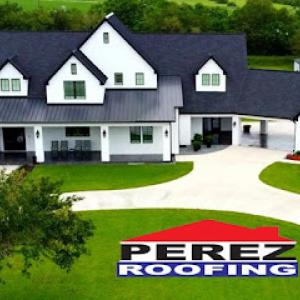
Perez Roofing & Construction
(979) 529-9567 www.perezroof.com
13802 FM523, Angleton, Texas
4.7 from 50 reviews
Perez Roofing specializes in Shingles Re-Roofing & Repairs for Residential & Commercial. We also specialize in TPO Restoration and Repairs. Quality workmanship and outstanding customer service. NOT JUST ROOFING! We offer other construction services including: -Soffit & Fascia Replacing/Repair, -Framing, -Siding, -Interior & Exterior Paint, -Drywall, -Exterior Woodwork, -Fences, -Gutter Installation & Maintenance Our no-commitment estimates are FREE. Give us a call to schedule yours today! (979)529-9567
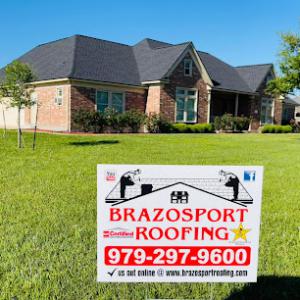
Brazosport Roofing
(979) 297-9600 brazosportroofing.com
105 E Wilkins St, Angleton, Texas
5.0 from 5 reviews
Over 22 years in business serving Angleton and surrounding areas!
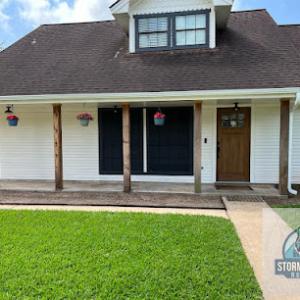
Storm-Wolves Roofing
13802 FM523, Angleton, Texas
5.0 from 3 reviews
"Storm-Wolves Roofing " is a locally owned and operated roofing company located in Angleton, TX . We specialize in repairing roof leaks, roof repairs, storm damage repair, & hail damage repair. We pride ourselves on providing the best quality composition shingles and expert hand nail installation on all our complete Re-Roofs and Roof Repairs. We are insured and bonded as well as windstorm certified for your peace of mind. We offer our services to all of Brazoria, Matagorda, and the Houston area. Our company also offers services for the following: sheet rock, tape, float, & texture, interior/exterior paint, soffit & fascia installation, gutters, exterior wood work and more. We look forward to serving you!
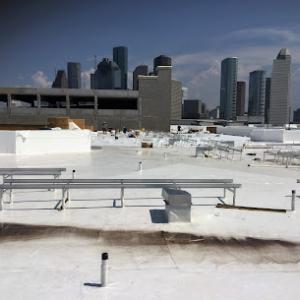
Jaco Roofing & Construction
(800) 265-5226 www.jacoroofing.com
1725 S Velasco St, Angleton, Texas
5.0 from 3 reviews
JACO Roofing & Construction, Inc has been servicing the State of Texas since 1968. JACO specializes in commercial & industrial single-ply roofing, metal roofing systems and roof coating applications. Having installed over 45 million square feet of roofing, on over 2,500 different commercial projects, JACO has earned the reputation of providing exceptional services and extensive knowledge of the commercial roofing industry. With over 50 years of commercial roofing installation experience, our clients are always in good hands.
Asap Roof Repair
(832) 560-2869 asaproofrepair.com
818 Cincinnati St, Angleton, Texas
5.0 from 3 reviews
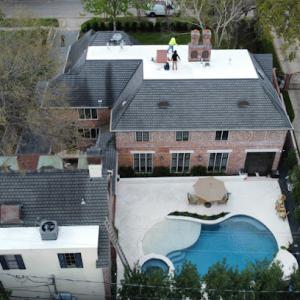
Asap Roof Repair is the trusted roofing contractor Angleton homeowners and businesses depend on for fast, professional service. We offer complete roofing services Angleton, including roof repair, roof inspection, roof maintenance and repair, and roof replacement. As a leading roofing company Angleton, we also handle gutter repair and replacement to keep your property protected. Whether it’s residential roofing Angleton or commercial roofing Angleton, our experienced roofers Angleton deliver top results. We also specialize in foundation repair Angleton to ensure your home’s safety and stability. Call Asap Roof Repair today for expert care.
Jose Ochoa Roofing
(979) 215-9592 joseochoaroofing.com
2211 S Velasco St, Angleton, Texas
4.2 from 5 reviews
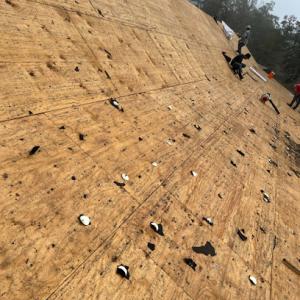
Jose Ochoa Roofing was founded many years ago under the values of professionalism, diligence, and integrity in the city of Angleton, TX. Our team is locally known for its professionalism and cost-effectiveness. Our company grew from ground up thanks to the referrals from our clients. Our clients don’t hesitate to recommend us to their families, friends, and co-workers because they know what we deliver; an exceptional service with high-quality finishes and great customer service. Here in Jose Ochoa Roofing, we have a free estimate company policy, so feel free to contact our customer service number to ask for a free estimate for your upcoming project; you can also schedule an on-site visit. Shingle Roofing, Maintenance or Installation? It doe
1912 Roofing & Services
Serving
5.0 from 38 reviews
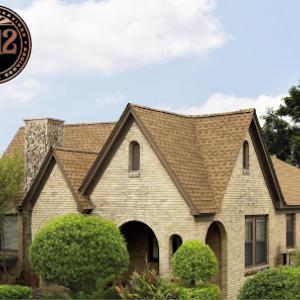
Experience top-tier craftsmanship with 1912 Roofing & Services, your trusted local roofing contractor. Based in Lake Jackson and proudly serving Brazoria County and surrounding areas, we specialize in comprehensive residential and commercial roofing solutions. From meticulous roof inspections and storm damage repairs to full replacements and new skylight installations, our team ensures every project is executed with professional workmanship and code-compliant precision. We also offer expert assistance with insurance claims, providing seamless support for storm damage documentation. Rely on us for durable, quality roofing systems designed for your peace of mind.
Peak Exterior Solutions
(979) 665-8839 www.peakexteriorsolutions.com
Serving
5.0 from 12 reviews
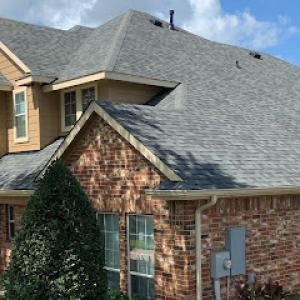
Peak Exterior Solutions is a locally owned and operated Roofing, Siding, and Painting company committed to outstanding service and quality craftsmanship. We have a passion for detail throughout all steps of each project. Simultaneously delivering quality, expertise, and value at fair pricing. Our customers are made a priority from the very first handshake. Let us bring your home back to Peak Condition, we promise you will be 100% satisfied with your experience.
Alpha 1 Roofing
(832) 580-7122 www.alpha1roofing.com
Serving
4.6 from 46 reviews
We provide expert roofing, storm repair, and exterior solutions with quality, transparency, and care—Contact us to protect your property today!
Affordable 1 Home Services – Roofing Contractor | Sugar Land, Houston & Pearland
(832) 639-4450 affordable-1.com
Serving
4.9 from 715 reviews
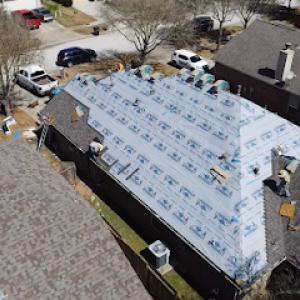
Affordable 1 Home Services is Sugar Land and Fort Bend County’s trusted roofing contractor, specializing in roof replacement, storm damage repair and free roof inspections. Since 2014, our licensed and insured team has provided warranty‑backed workmanship and 24/7 emergency service. We repair hail, wind and hurricane roof damage with full insurance claim support and clear pricing. Services include asphalt shingle, metal and flat roofing, skylight installation and repair, seamless gutter installation and attic ventilation. We are a local, bilingual team (English, Spanish, Vietnamese) serving Sugar Land, Pearland, Alvin, Katy and Greater Houston with reliable, affordable roofing solutions.
SSB Roofing
Serving
4.9 from 96 reviews
SSB Roofing is a family-owned and operated business. We offer residential and commercial roofing services in Alvin and the surrounding area.
Spring and fall are typically the preferred reroof windows in Angleton because they avoid the worst combination of tropical rain risk and extreme summer heat. If a storm hits late summer or early spring, work may stall or be forced to pause for days, so planning around those shoulder seasons helps keep timelines realistic. The goal is to land a stretch of dry days with moderate humidity, when asphalt felts and underlayment can breathe without the blistering heat or heavy downpours compromising fasteners and sealants. Contractors who map out a spring-to-fall calendar, rather than chasing after immediate post-storm rushes, tend to finish with fewer call-backs and better long-term performance.
Extreme summer heat in this part of the Texas Gulf Coast can affect adhesive behavior, crew productivity, and daily work pacing on exposed roofs. When heat spikes, shingles may set too quickly, mastic seals can cure prematurely, and ladders or roof anchors become riskier to use. For a reroof in a hot window, expect longer scheduling blocks for each phase: underlayment, starter strip, and shingle or panel installation all benefit from mid-morning starts and afternoon shade where possible. If a project must push into peak heat, crews will stagger breaks, adjust adhesive timelines, and rely on reflective or lighter-colored underlayment to reduce heat buildup. This is not a flaw in planning but a practical adjustment that protects workmanship and warranty integrity.
Humidity in Angleton's milder seasons can still affect sealants and wood-based components, so contractors need to plan around moisture conditions rather than temperature alone. When humidity rises, sealants cure slower, wood decking can swell, and fasteners may seat differently. A proven sequence is key: confirm moisture content of the deck before laying down underlayment, then install vapor barriers or moisture-resistant underlayment in a dry spell. Dry, breezy days help sealants cure properly and prevent microscopic gaps that could invite wind-driven rain under the edge of flashing. If the forecast calls for humid afternoons, the crew may schedule tasks that require dry surfaces-like flashing and vent boot adjustments-earlier in the day.
Storm-season damage can appear suddenly, and documentation becomes essential for timely reroofing. After a storm, you should capture clear photos of all affected areas, including skylights, vent flashing, and roof-to-wall intersections. Take wide shots to show environmental context, then close-ups of damaged shingles, lifted tabs, or ballast movement. Keep a dated log and note any wind-driven debris that blocked drainage or compromised soffits. When you contact a contractor or an insurer, pair the photos with a simple diagram of affected sections and a rough measurement of affected areas. A steady documentation routine reduces back-and-forth, speeds assessment, and helps lock in a work window that fits the Gulf Coast weather pattern.
Choose materials that handle coastal humidity, heat, and wind exposure without excessive maintenance. In Angleton, popular options balance performance with service life, especially for storm resistance and sealant longevity. Shingles, metal, or tile products should be selected with factory-backed warranties that acknowledge exposure to salt air, humidity, and intermittent heavy rains. Ensure the installation plan accounts for coastal wind uplift, with proper nailing patterns and flashing details tailored to your home's roof pitch and eave configuration. This focused approach keeps reroof work resilient through the next storm season while aligning with the climate realities described above.
Get a clear picture of your project costs upfront - no commitment required.
Perez Roofing & Construction
(979) 529-9567 www.perezroof.com
13802 FM523, Angleton, Texas
4.7 from 50 reviews
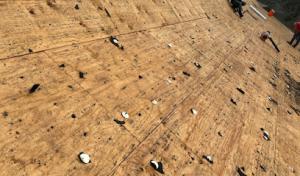
Jose Ochoa Roofing
(979) 215-9592 joseochoaroofing.com
2211 S Velasco St, Angleton, Texas
4.2 from 5 reviews

Angleton's residential roofs commonly feature asphalt shingles, metal roofing, clay tile, concrete tile, wood shingles or shakes, and synthetic or composite shingles. Each material has a different balance of weight, wind resilience, and moisture handling, but all share a need for thoughtful installation in this harbor-influenced climate. When evaluating replacements or upgrades, consider how the roof's shape, eave detailing, and ridge line will interact with prevailing Gulf winds. A roof that looks sturdy in a dry season can feel very different once you factor in the humidity and storm-driven gusts.
Coastal wind exposure puts extra stress on edges, ridge details, and fasteners across every material type. For asphalt shingles, pay attention to edge sealants and the accuracy of adhesive bonding along every course. Metal roofs should be installed with secure fasteners in reinforced patterns to resist uplift on high-wind days, and flashing around hips, valleys, and chimneys must be continuous and well-sealed. Clay and concrete tiles demand precise setting to prevent cracking from wind-driven impact and thermal movement, with battens and underlayment chosen to reduce movement at the roof plane. Wood shingles or shakes require moisture-resistant fasteners and careful nailing to avoid loose edges, which can balloon under wind load. Synthetic or composite shingles, while often lighter, still need robust attachment and matching underlayment to prevent movement in storm winds. In all cases, a properly prepared roof deck and full perimeter sealing matter as much as the chosen material.
The Gulf Coast climate's heat and humidity can shorten service life if ventilation, fastening, and moisture management aren't up to the task. Heavier tile systems benefit from an enhanced ventilation strategy to curb deck moisture and heat buildup, which can warp or delaminate components over time. Wood products demand rapid moisture control to avoid swelling, rotting, or mold growth under siding of the attic and around roof penetrations. Synthetic and composite shingles tend to fare well with good attic moisture management and a breathable, properly vented roof space to prevent warping and color fading from heat exposure.
Asphalt shingles are a practical, versatile option when edge detailing and fastener quality are strong. Metal roofing thrives with clean, continuous flashing and precise panel alignment to resist wind uplift. Clay and concrete tiles excel in appearance and longevity but require a sturdy deck and accurate layout to prevent movement and breakage under humidity and gusts. Wood shingles offer a traditional look but rely heavily on ventilation and moisture control to prevent premature deterioration. Synthetic or composite shingles provide variety and lower weight, yet still need solid ventilation, correct nailing patterns, and good edge protection to maximize performance.
When you're budgeting a roof replacement, know that the local cost ranges run about 350 to 650 USD per square for asphalt shingles, 900 to 1500 for metal, 1000 to 1800 for clay tile, 800 to 1400 for concrete tile, 800 to 1400 for wood shingles or shakes, and 700 to 1100 for synthetic or composite shingles. Those figures reflect Angleton's Gulf Coast influences: hot humidity, storm-season demand, and the need for resilience against wind and impact. Your townhome or ranch-style house may tilt toward mid-range materials if the roof is easily accessible, while higher-end tiles or metal can push costs toward the top end quickly.
In Angleton, storm-season demand spikes when hail or tropical weather drives homeowners to replace or repair roofs all at once. That surge can push pricing up and extend scheduling windows by weeks. If a contractor's calendar is crowded after a storm, you may see shorter project windows and potential delays in material lead times. Plan ahead by calling for inspections early after a calm spell and lock in a start date before crews are fully booked.
Costs can move upward when wind-uplift considerations, decking repairs found during tear-off, or heavier tile systems require more labor and structural attention in this Gulf Coast environment. For example, heavier clay or concrete tiles demand more staging, equipment, and crew coordination, which raises both price and complexity. If a roof has damaged decking or compromised fascia, expect additional costs for repair or replacement before the new roof goes on.
To minimize surprises during storm season, gather three bids after a mid-season inspection and ask each roofer to itemize tear-off, disposal, decking repair, underlayment, and fasteners. Schedule projects to avoid the peak mid-summer heat and the busiest post-storm weeks, if possible. Choose a material that balances local weather resilience with your budget, and confirm wind-load considerations for your chosen system. A well-timed reroof can reduce the risk of repeated storm damage and save you money over the long term.
The City of Angleton Building Department handles permit applications and performs inspections at the framing or roof-decking stage and again after completion. Inspections at those milestones verify nailing patterns, sheathing integrity, and proper underlayment, as well as the correct installation of flashing and ventilation penetrations.
Local plan review may include code-compliance checks and wind-uplift considerations, with permit fees collected when the permit is issued. This means your project may be reviewed for hurricane-season resilience, especially on shoreside winds and high-watertable attic spaces. The department may request documentation on roof deck attachment, fastener size, and edge-lift calculations.
Once you secure a permit, coordinate inspection windows with your contractor, targeting favorable weather gaps between Gulf storms. In practice, that often means aligning work with dry periods in late summer or early fall and avoiding peak hurricane season when possible. The inspection timing can influence reroof progress, and missing a window might delay the project or require rebooking.
Gather evidence of the current roof structure, including photos of the attic and deck, and retain a stamped plan if required. Schedule pre-site visits with the Building Department to confirm tie-in with gutters, venting, and attic ventilation. Ensure your contractor communicates the permit process and keeps you informed of any additional documents requested.
Keeping a record of storm-season damage and the dates of repair helps with the permit timeline and any post-work inspections. You may also be asked for contractor licenses, material specs, and wind-rated assemblies to satisfy Angleton's local expectations.
Roof edges and perimeter fastening are a recurring concern in the Angleton area because coastal wind exposure accelerates wear and can exploit weak attachment details over time. That relentless gusting pushes at eaves, rake boards, and overhangs, loosening nails or screws and exposing underlayment to the weather. Over years, a few loose fasteners become a larger trend that invites shingles to lift, fascia to warp, and edge metal to peel. The consequence is not just a cosmetic issue; wind-driven leaks tend to start at these seams and move inward with the next storm. The fix is regular inspection focused on the perimeter after strong winds, and timely re-fastening using fasteners rated for high-wind environments. If flashing at hips or valleys shows signs of movement, address it promptly before it can create a stubborn moisture path.
Repeated wetting during the local storm season can turn small flashing or penetration issues into interior leaks quickly, especially when repairs are delayed by weather. In Angleton, the rhythm of tropical showers means a minor gap around vents, skylights, or the chimney can become a leak hotspot after a few storms. Look for staining along ceilings that radiate from roof penetrations, soft spots near corners, and rusting or lifted metal around flashings. Drying time matters; moisture trapped behind flashing slows repair cure and invites rot. A practical approach is to keep penetrations sealed with weather-appropriate materials between storms, and schedule targeted flashing resealing as soon as the roof dries enough to work safely.
In Angleton's humid climate, wood-based roofing components and sealant-dependent details are more vulnerable when moisture control and drying time are poor. Wood underlayment, fascia boards, and certain deck components can swell, warp, or rot when humidity lingers. Sealants lose elasticity in prolonged damp heat, allowing micro leaks that grow with every storm. The risk becomes greater where ventilation is inadequate or where space behind the roof line traps moisture. Regular inspection for soft spots, cupping shingles, and peeling sealant joints helps catch deterioration before a leak shows up inside. Timely replacement of compromised wood and reapplication of high-performance sealants are essential to slow the cycle of moisture-related damage.
Find contractors experienced in skylight installation, flashing, and leak repairs to bring natural light into your home.
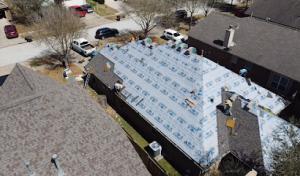
Affordable 1 Home Services – Roofing Contractor | Sugar Land, Houston & Pearland
(832) 639-4450 affordable-1.com
Serving
4.9 from 715 reviews
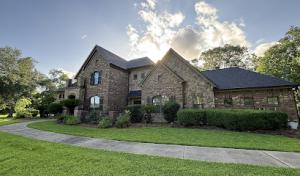
Performance Roofing & Construction
(281) 824-4086 www.performanceroofconstruction.com
Serving
5.0 from 314 reviews
In this Gulf Coast pocket, the hot, humid inland climate meets coastal wind exposure in a way that makes low-slope systems a real part of the local reroof and repair workload. Repairs on flat or nearly flat roofs must plan around the June through September storm season, when frequent rain can stall work and push temporary waterproofing to the top of the priority list. When timing a restoration, aim for a weather window that allows proper adhesion and coating cure without back-to-back downpours. This means coordinating around those regional dry spells and avoiding the hottest days that can accelerate coating film formation, compacting performance.
Storms bring not only direct damage from hail or wind but also amplified leak risk from fast-moving cloudbursts. If a leak develops, prioritize temporary sealing to limit interior damage, then schedule long-term fixes during a lull in storms. Low-slope roofs benefit from quick-deploy waterproofing measures immediately after discovery, especially to bridge the gap until a full reroof can be completed when weather allows. In Angleton, the rhythm of the storm season makes rapid response more valuable than perfect timing on the first attempt.
Hot Gulf Coast conditions affect coating and restoration timing on low-slope roofs. Application quality hinges on ambient and surface temperatures, which can tighten cure windows in summer.Plan restoration phases to start after cool mornings or cooler late afternoons when the surface can dry evenly, and avoid stacking multiple heat-driven workflows on the same day. Document conditions and set realistic cure expectations with crews so that performance is not sacrificed by rushing through a window that's too hot or too wet.
Keep clear records of every storm impact, repair step, and temporary measure. Photograph leaks, gather contractor notes, and track how weather delays shift the schedule. In Angleton, where commercial and flat-roof activity signals ongoing demand, having a concise, orderly file speeds up decisions and helps coordinate temporary fixes with longer-term reroof plans.
Find specialists in TPO, EPDM, and built-up flat roofing systems for residential and commercial properties.
Bulldog Construction Services
(979) 482-2149 bulldogroofingtx.com
7896, 515 County Rd 698D, Angleton, TX
5.0 from 26 reviews
Perez Roofing & Construction
(979) 529-9567 www.perezroof.com
13802 FM523, Angleton, Texas
4.7 from 50 reviews
Affordable 1 Home Services – Roofing Contractor | Sugar Land, Houston & Pearland
(832) 639-4450 affordable-1.com
Serving
4.9 from 715 reviews