
Last updated: Apr 19, 2026
Spring hail events and the June-to-November hurricane and severe storm window create a tight, pressure-filled schedule for roofs in this area. The risk isn't just fallen shingles; it's incremental damage from wind-driven rain that finds its way through small gaps and weak points. Weather patterns cluster inspections tightly around those periods, so you'll want to think in terms of a storm-readiness cadence: inspect before the first bands of spring storms, then recheck after each significant storm pass. This isn't theoretical-inland Southeast Texas, repeated storm bands across Hardin County turn minor flashing or underlayment issues into interior leaks quickly.
Before the first gusts arrive, walk the roof with a critical eye focused on flashing around chimneys, vents, skylights, and along the eaves. Look for loose granules on asphalt shingles, lifted edges on metal seams, and curling or missing shingles that could catch a gust. In Lumberton, wind-driven rain can force water behind marginal seals, so check the joints where roof meets walls and around dormers if present. Pay special attention to valleys and crickets; these are common failure points when storm bands push heavy downpours through the area. If any edge or flashing shows wear, address it now rather than letting a single storm expose the underlying frame.
During June through November, you should perform a quick visual from the ground after each major storm, especially if there are gusts or hail. If you hear or see wind-driven rain infiltrating through the attic or ceiling, treat it as a red flag. Heavy rainfall in this area can turn even small flashing or underlayment failures into interior leaks quickly. Maintain gutters and downspouts so water is directed away from fascia and into proper drainage paths; clogged lines will force water to back up under shingles and through the roof deck in heavy rain. If any leaks appear, capture moisture early with temporary measures and call in a pro to assess flashing, underlayment, and deck integrity before the next round of storms.
If a storm bands through Hardin County and you notice moisture intrusion, prioritize rapid assessment and mitigation. Start with a careful interior review for staining, musty smells, or bulging ceilings-these signal possible deck or underlayment compromise. From a roofing standpoint, focus on the most vulnerable zones first: skylights, vent pipes, and chimney transitions, then check ridge caps for wind uplift. Temporary patches can limit interior damage, but plan for a professional evaluation promptly-wind and rain can worsen even small gaps in a hurry.
Keep a storm-season log that marks inspection dates, observed issues, and any temporary repairs. Photograph or video roof and attic conditions before and after each major system event, focusing on flashing, seals around vents, and any unusual moisture paths. That record becomes invaluable when insurance discussions arise after a serious event, helping to demonstrate the roof's prior condition and the storm's impact. In practice, treat documentation as a protective layer that travels with every claim and every repair decision. This approach helps ensure that readiness translates into faster, more accurate remediation when storm damage does occur.
When a big storm rolls in across the Gulf Coast pattern, hail and wind can do more unseen damage than a quick visual check might show. In Lumberton, where humid summers and heavy tropical showers meet long rooflines and soft-metal features, the consequences of a storm can hide in plain sight. Hail can leave tiny impact marks on metal accents, fasteners, and flashing, while wind can lift shingles or reveal loose seams long before a visible leak appears. The practical truth is that insurers in this market scrutinize these events closely, and the difference between a smooth claim and a drawn-out fight often hinges on how you document what happened and what was affected, slope by slope, surface by surface.
Documentation after a storm is not optional; it's essential. Start with the basics: every slope, every area where hail might have hit, every ridge line, and every soft-metal component such as flashing or vents. A careful after-action sweep will save you from later disputes about what was damaged versus what might have been pre-existing wear. In this climate, interior leak stains following a wind event can appear hours or days later after moisture migrates through multiple layers. If a storm rattled your roof, you should capture photos of all roof segments, the attic, and any visible stains as soon as safety allows. In Lumberton, shingles can hide damage behind a seemingly intact surface, and metal edges can suffer micro-impressions that aren't obvious until inspected up close.
Timing matters, especially in a storm-affected Southeast Texas market. The moment hail or wind has passed and temporary repairs are considered, the roof's appearance can change, and with that change comes risk of claim disputes. Take photos immediately after the event and before any patchwork or temporary fixes are performed that alter the roof's look. These images should cover each slope, any suspected dent marks, and interior spots that may indicate seepage. If a contractor has already started work, ensure that the insurer receives a complete set of before-and-after photos, including close-ups of flashing joints and V-shaped metal seams. The goal is to build a transparent narrative that connects the storm, the damage, and the subsequent repairs in a way the adjuster can verify.
Assignment-of-benefits (AOB) concerns remain relevant in this market, so understanding exactly what is signed before a contractor reaches out to an insurer on your behalf is critical. In practice, this means reading every sentence that authorizes the contractor to communicate with the insurer, authorize repairs, or assign benefits. If any part of the contract seems broad or ambiguous, seek clarification before the document is signed. AOB clauses can shift control of the claim from you to a third party, and in a storm pattern where claims spike, insurance companies will expect clear, documented authorization of steps and payments. A careful homeowner keeps control of the process by knowing when and how communications will be conducted and what information will be shared.
Partnering with a contractor who understands the local weather realities can help, but never assume that a quick fix is sufficient. The Lumberton weather pattern tends to test the integrity of a roof in stages: initial impact damage, secondary moisture intrusion, and potential interior staining. Maintain a running log of observations: dates, weather conditions, specific damage noted, and any contractor recommendations. This log becomes a practical record that can support the claim through the lifecycle of repairs, from initial assessment to final settlement, and helps ensure that coverage aligns with the actual storm-driven damage rather than time-worn deterioration. Remaining vigilant about these details reduces the risk of delays and increases the likelihood of a fair resolution when storms strike again.
Connect with contractors who help homeowners navigate the claims process from damage assessment to final approval.
High & Tight Roofing
(409) 215-7400 hightightroofing.com
193 S Lhs Dr, Lumberton, Texas
4.9 from 135 reviews

M&M Roofing, Siding & Windows - Beaumont
(409) 727-8327 mmroofsiding.com
Serving
4.9 from 237 reviews
High & Tight Roofing
(409) 215-7400 hightightroofing.com
193 S Lhs Dr, Lumberton, Texas
4.9 from 135 reviews
High and Tight Roofing, located in Lumberton, Texas, is a Veteran owned and operated roofing company serving Southeast Texas. We specialize in residential & commercial roofing including roof repairs, roof inspection, roof replacement, new roofs, asphalt shingle roof, and metal roofing. We are dedicated to ensuring your roof protects your home and family from the elements for years to come. Our Roofing Contractors offer excellent roofing services and first-class craftsmanship. High and Tight Roofing is your number-one source for Residential and Commercial Roofing, Repairs, and Maintenance. When searching for the best roofing company in Texas area, look no further than this Local & Veteran owned and operated roofing company.
Coastal Roofing Specialists
(409) 751-5454 www.coastalroofingspecialists.com
1318 US-96, Lumberton, Texas
4.5 from 80 reviews
Coastal Roofing Specialists, Inc provides residential and commercial roof installation and repairs to the Lumberton, TX and All of surrounding areas in Southeast Texas. GAF Master Elite Contractor. Member Roofing Contractors Association Of Texas and an A+ Rating with the BBB. Locally owned and Family Operated.

Southern Roofing Solutions
(409) 550-6541 southernroofing.solutions
Serving
4.9 from 72 reviews
Southern Roofing Solutions is your local roofing expert based in Silsbee, Texas, proudly serving homeowners and businesses across Hardin County and the Southeast Texas region. As a GAF Certified Contractor, we meet the highest standards for roofing excellence and offer extended warranty options backed by one of the most trusted names in the industry. Our services include roof repair, replacement, inspections, and maintenance, tailored to withstand the Texas heat, humidity, and storms. Whether you're dealing with storm damage or planning a full roof upgrade, our experienced team delivers quality craftsmanship and reliable service every time.

M&M Roofing, Siding & Windows - Beaumont
(409) 727-8327 mmroofsiding.com
Serving
4.9 from 237 reviews
Trusted since 1983, M&M Roofing, Siding & Windows is the Golden Triangle's premier exterior expert. As a certified GAF Master Elite® and Owens Corning Preferred contractor, we rank in the top 2% of roofers nationwide. We specialize in hurricane-proofing homes with high-wind rated Shingle, Metal, and TPO roofing, as well as complete storm damage restoration and insurance claim assistance. Beyond roofing, we protect homes with James Hardie® siding, impact-resistant windows, and seamless gutters. We proudly serve Beaumont and the entire area—from Nederland, Port Arthur, and Groves to Vidor and Pleasanton. Family-owned and dedicated to "Peace of Mind" with lifetime labor warranties and flexible financing. Call today for a free inspection!
The Roof Doctor
Serving
5.0 from 5 reviews
The Roof Doctor provides residential and commercial roofing repairs, roof replacement, shingles, and chimney flashing services in Beaumont, TX.

Fresh Era Roofing Beaumont
(346) 443-5413 fresheraroofing.com
Serving
5.0 from 38 reviews
At Fresh Era Roofing Beaumont, we deliver dependable roof repair services for homeowners and businesses throughout Beaumont, TX. A strong, well-maintained roof is essential for protecting your property, and our skilled team specializes in fast, reliable repairs that restore both safety and durability. From minor leaks to storm-related damage, missing shingles, or aging roof issues, we provide long-lasting solutions using quality materials and proven methods. Our experts carefully inspect each roof to detect hidden problems, preventing small issues. With years of local experience, we understand the challenges of Beaumont’s weather and tailor our repair services to keep your roof performing at its best year-round.
Tres Coronas Enterprises
Serving
4.8 from 21 reviews
Reliable and reputable company, 15 yr experience, specialist in roofing commercial and residential,we have an expert in every construction field.reasonable prices available
Cool Roofs - Beaumont
Serving
5.0 from 47 reviews
Welcome to Cool Roofs - Beaumont, Premier Roofing Contractor! 🏡🛠️ Specializing in residential and commercial roofing, we excel in roof installations, repairs, replacements, and emergency restorations. We're the go-to for new roofs, repairs, and replacements in Jefferson County, Orange County, and Central Texas. As the top among roofing companies in Beaumont, we offer quality services, including roof inspections and replacements. Cool Roofs proudly supports our Veterans & Military. Trust us for the best in roof installations, repairs, and replacements. Contact us for expert contractors and top-notch service!
Roofing On Demand
(409) 965-5555 roofingondemand.com
Serving
4.9 from 39 reviews
We are a locally owned Storm Restoration company focused on Roofing, Siding, Gutters and Patios for Residential and Commercial customers based out of Beaumont, TX. We serve primarily the Southeast Texas and Houston areas. We take pride in the quality of work we have done and continue to do. No matter the condition of your residence or commercial property, trust us to provide a long lasting solution on a budget. We can assure you durability, affordability and quality through the roof! Financing options available.

Dutchmark Roofing Beaumont Tx
(409) 799-7663 dutchmarkcontractors.com
Serving
5.0 from 130 reviews
With over 27 years of experience, Dutchmark Roofing provides the highest quality materials and craftsmanship at competitive prices. We pride ourself on our Lifetime warranty on both labor and on GAF Shingles! We offer a 15 year unlimited windspeed warranty! We have an Insurance Specialist on staff to assist with insurance claims to help you get full compensation for wind or hail damages. We do both Commercial & Residential and work with Shingle and Metal. Call Our Office Today and lets schedule a free inspection!
American Roofing & Construction
(409) 489-6654 www.american-construction.org
Serving
4.7 from 94 reviews
Local roofing company and general contractor. Performs residential and commercial roofing. Offers remodeling, painting, insulation, windows, fences and more. Fully insured and bonded. GAF Certified roofing contractor able to offer extended warranties.
Bobby Galicia Roofing Services
(409) 213-7492 roofingservicessilsbee.com
Serving
5.0 from 3 reviews
Dreaming of a sturdy, dependable roof over your head? Since 2021, Bobby Galicia Roofing Services has been the trusted roofing expert for homes and businesses in Silsbee, TX. We're dedicated to providing professional roofing solutions with a focus on quality and reliability. Discover the peace of mind that comes with a expertly crafted roof, ensuring protection and lasting value for your property.
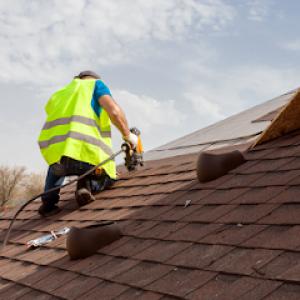
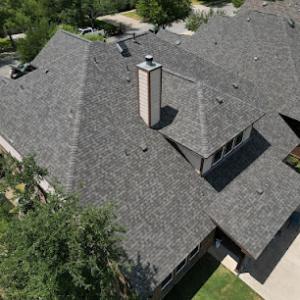
Asphalt shingles are common in Lumberton, and many homes don't want to overhaul the look or the installation process when storms roll through. However, Gulf Coast heat and humidity can shorten the life of lower-grade products and accelerate granule loss and underlayment aging. If asphalt is your plan, choose architectural or dimensional shingles with a high-heat, high-wear rating and a factory-applied protective granule. Look for shingles that advertise UV resistance and weathering performance for coastal climates. In practice, this means paying attention to the color choice as well-lighter tones reflect more sun and stay cooler on roof surfaces during the hottest afternoons, which helps protect the underlayment and deck structure over time. Consider additional edge protection in areas with frequent driving rain by pairing shingles with a robust underlayment and a drip-edge that resists wind-driven infiltration. If a storm hits hard, you want a system that sheds water quickly and resists blistering, curling, or curling cores from heat exposure.
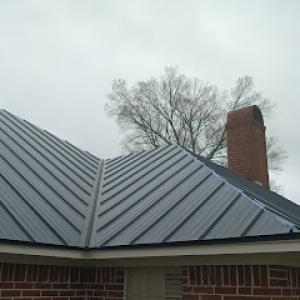
Metal roofing has strong local relevance in Lumberton because it handles heavy rain shedding well and is actively offered by a notable share of local contractors. A metal roof can provide excellent resilience against wind-driven rain and can be quieter when properly installed with suitable insulation and furring. If you're choosing metal, think about longer panel runs to minimize seams, and ensure high-quality sealants at boundary points near walls and vents. Coastal moisture calls for corrosion-resistant alloys and protective finishes, such as galvalume or painted coatings designed for humid conditions. Pay attention to attic ventilation paired with metal systems; without good ventilation, metal roofs can trap heat and humidity, accelerating deck and underlayment wear. For roofs in high-humidity zones, consider a standing-seam profile to reduce the number of exposed fasteners and the potential for leaks around penetrations. A proper installation matters as much as the material itself, so lean on a contractor who prioritizes secure fastening, proper insulation, and a wind-rated underlayment system. If you expect frequent storm activity, you may appreciate the ease of flashing replacement and patching that metal systems facilitate, compared with some shingle setups.
Tile and wood options exist in the market, but their suitability in this climate depends heavily on structure, ventilation, and moisture management rather than freeze-thaw performance. Clay and concrete tiles can shed heavy rains effectively and resist direct sun exposure, helping keep interior spaces cooler when paired with proper attic ventilation. However, clay and concrete tiles are heavier and demand a solid, well-ventilated roof frame, plus careful consideration of moisture control to prevent mold buildup in humid air. Wood shingles or shakes bring a traditional look but can suffer from moisture-related issues and accelerated aging in hot, damp conditions unless you maintain a thorough drying plan and predictable maintenance cycle. If you lean toward tiles or wood, insist on a roof assembly that prioritizes moisture barriers, ridge and soffit ventilation, and a continuous underlayment system that resists mildew and rot. In coastal weather, it's critical to treat all wood with moisture inhibitors and to install a drainage-friendly layout to minimize standing water, especially after heavy downpours.
Regardless of material choice, the path to a durable roof in this climate runs through moisture control and storm readiness. Start with a robust underlayment, proper ventilation, and a well-sealed perimeter around vents, skylights, and chimneys. During storm season, inspect and reinforce fasteners and flashings, especially at hips, valleys, and eaves where wind-driven rain can infiltrate. After heavy rain, check for signs of moisture intrusion in the attic and along interior walls, addressing any staining, soft spots, or mold promptly. For all options, keep a predictable maintenance cadence: clean gutters before storm fronts, remove debris from roof surfaces to avoid ponding, and schedule professional inspections after severe weather to catch small issues before they become costly leaks. A well-chosen system, installed right, with vigilant moisture management, makes a tangible difference when the Gulf Coast pattern delivers its usual mix of heat and downpours.
In this humid climate, attic ventilation isn't just a comfort feature-it directly affects shingle temperature, moisture buildup, and how quickly the roof system ages. Excess heat in the attic can accelerate sealant deterioration and warp decking, while poor airflow can trap humidity that leads to condensed moisture on underside of the roof deck. When the attic breathes well, shingles stay cooler on hot afternoons, helping preserve the color, granules, and overall lifespan. If the attic feels stuffy or smells damp after a rain, it's a sign airflow needs attention.
During a full roof replacement in Southeast Texas, ventilation design becomes a practical consideration, not an optional upgrade discussion. Local inspections commonly verify that the venting layout meets functional expectations for the finished system. The goal is to establish a balanced flow: enough intake to supply fresh air at the eaves and enough exhaust at the ridge or high exhaust points to push stale air out. If the attic space is tight or cramped by ductwork, you may need to rethink soffit placement or add dedicated vents rather than relying on existing gaps. Proper vent sizing and placement reduce the risk of condensation on the deck and help minimize heat-related stress on underlayment and decking materials.
Rapid summer heat buildup followed by heavy rain is a common Southeast Texas pattern that can expose weak attic airflow and condensation-related roof deck problems. On hot days, a well-ventilated attic absorbs less radiant heat, so the roof deck less aggressively transfers heat to the living space. When a storm rolls in, moisture that's been allowed to accumulate behind insufficient vents can condense on cooler surfaces, potentially seeping into fasteners and along rafter tails. The practical fix is to design a vent system with redundancy: multiple intake points near eaves or soffits and robust exhaust toward the peak, so air moves consistently even on trade-wind days. Regular checks for blocked vents from insulation or debris help maintain steady performance through the season.
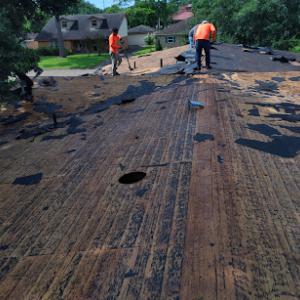
When you price a full roof replacement, you're looking at a broad spread driven by material choice and the specifics of the job. In Lumberton, asphalt shingles typically run from about 350 to 650 USD per square, while clay tile can push into the 900 to 1600 USD per square arena. Metal roofing commonly lands around 700 to 1100 USD per square. Those ranges reflect how storm exposure, coastal moisture, and the Gulf Coast climate influence material performance and labor needs. If you're weighing options, start with a target material and then confirm what that price includes (underlayment, flashing, nails, sealants, and waste disposal).
Storm-driven demand, especially after hail or hurricane-season events, tightens crew availability in Lumberton. When crews are scarce, you'll often see scheduling delays and price bumps that aren't tied to material cost alone. If your roof is near the storm window, expect shorter windows for bookings and a premium for rushed tear-off and rapid replacement to minimize interior exposure. Keeping a flexible date range or aligning the project with off-peak parts of the year can help moderate timing and total cost.
A straightforward re-roof generally stays closer to the lower end of the local ranges, but several factors can push costs up. If damaged decking is discovered after tear-off, you're paying for additional framing materials and labor to replace compromised sections. Ventilation can also influence the final number; some inspectors expect upgraded or additional soffit ventilation to meet current standards, which adds to the material and labor totals. If you upgrade to a premium system-like metal or clay tile-the price jump is substantial but often extends the roof's life and resilience to heavy rains and winds. Ventilation improvements, attic sealing, and moisture control details can add to the bottom line, especially in stifling Texas summers that stress attic spaces.
Get multiple detailed bids that itemize tear-off, disposal, underlayment, flashing, and ventilation. Ask each contractor to separate the costs for material type and for any decking repairs. Clarify how they handle storm-season contingencies, such as scheduling priority windows or expedited debris removal. Finally, compare the long-term value, not just the sticker price: the right material for Lumberton's moisture, wind, and sun pattern can save you headaches and insurance documentation hassles down the line. Here in Lumberton, choosing the right balance of cost, performance, and crew availability matters as much as the quotes themselves.
Don't let upfront costs delay a critical repair - these contractors offer payment plans to fit your budget.
Coastal Roofing Specialists
(409) 751-5454 www.coastalroofingspecialists.com
1318 US-96, Lumberton, Texas
4.5 from 80 reviews
M&M Roofing, Siding & Windows - Beaumont
(409) 727-8327 mmroofsiding.com
Serving
4.9 from 237 reviews
A building permit is typically required for a full roof replacement in Lumberton's jurisdiction. Before any shingle tear-off begins, verify that the permit is active and clearly tied to the reroof scope with the local building department. In practice, the permit process helps ensure that the new system meets wind and moisture standards common to this Gulf Coast climate. Make sure the permit covers not only the roof covering but also underlayment, flashing, vents, and any attic or attic-access work that may be involved. If the project involves altering roof geometry, eaves, or skylights, document those specifics with the permit office to avoid delays later on.
The local building department generally reviews the reroof plan and performs inspections at key stages, including underlayment or installation and final approval. Expect a plan review to check ventilation, deck integrity, and proper attachment details for the chosen roofing material. Inspections are typically scheduled around milestone steps: pre-dry-in, underlayment installation, and final completion. During the underlayment stage, the inspector will verify proper nailing patterns, seals at eaves and ridges, and that roof-to-wall connections meet local code requirements. The final inspection confirms that flashing around chimneys, vents, and any penetrations is correctly sealed and that the roof system is visually and structurally ready for storm-season demands.
Inspection timing in Lumberton can vary with department workload, so replacement schedules should account for possible delays between dry-in and final sign-off. Build a realistic timeline that includes buffer days for weather interruptions and potential hold-ups in the permit queue. Coordinate with the roofing crew to align material deliveries with anticipated inspection windows, reducing the risk of exposed decking during rainy periods. Have documentation ready for inspections: permit card, approved plan sets, material specs, and any warranty information from the installer. If a non-conformance is noted, address it promptly and resubmit as needed to minimize downtime between stages. Keep a clear line of communication with the inspector and the contractor, especially during hurricane season, when moisture intrusion is a higher concern and timely inspections help protect interior spaces.
In this Gulf Coast climate, wind-lifted shingles are a common failure pattern. High-season gusts can peel back edges and expose underlayment to storm moisture. When shingles pull up, rain can find its way beneath, tracking along roof lines and into the attic. You'll notice lifted tabs after strong winds or during a quick change in air pressure, especially on older roofs with brittle edges. If you see lifted bundles or gaps near hips and penetrations, address them promptly to prevent gutterful leaks and accelerated aging.
Rain-driven leaks often follow where flashing meets siding, vents, or chimneys. The combination of heavy rain and humid air makes worn sealant brittle, so flashing details can fail long before the rest of the roof shows obvious wear. In Lumberton you'll encounter leaks that appear as damp spots on ceilings near exterior walls after a heavy shower, not necessarily during a steady drizzle. Inspect around penetrations after storms and look for loose or degrading caulk, gaps, or cracked metal flashing that invites water to follow the joints.
Moisture-related aging progresses quietly on Southeast Texas-style homes. Continuous exposure to humidity, heat, and rain speeds up deck and underlayment deterioration. Seals and rubberized components dry out, increasing the chance of slow drip leaks and hidden rot. In addition, poorly vented attics trap humidity, accelerating mold risk and compromising insulation. Keep an eye on visible rust, curling edges, or spongy decking, and plan proactive repairs before moisture migrates to sheathing.
Brief winter freezes and fast temperature swings can expose already-brittle seal strips and flashing details, even though winters are usually mild. Sudden cold snaps followed by rapid heat can cause joints to loosen and caulking to crack. In Lumberton, this pattern often shows up as recurring fine leaks or damp spots after a few winter-thaw cycles. Stay vigilant after temperature shifts and seal gaps before the next storm season.