
Last updated: Apr 19, 2026
Grapevine sits in the Dallas-Fort Worth hail corridor, where spring hail and severe wind events are a primary trigger for full-roof replacement rather than age alone. When a storm sweeps through, the risk isn't just missing shingles or a few granules; it's sudden, structural exposure that can turn a manageable leak into interior water intrusion within hours. The combination of strong storm-season winds and hail driven blows means a quick, deliberate response is not optional-it's essential to protect your home, your belongings, and your peace of mind.
Strong winds can complicate emergency leak control by tossing tarps, tools, and staging materials around in minutes. In Grapevine, temporary tarping often has to be coordinated around active weather windows, so the plan must be tight and adaptable. Start with prioritizing the most vulnerable areas first: major living spaces, bedrooms, and any ceiling stains that signal active intrusion. If rain begins again, your first goal is to reduce ongoing water entry by securing a tight, high-contrast tarp over the most exposed roof plane, then sealing the edges with durable fasteners or weighted terms when possible. Do not chase leaks room by room in high winds; instead, establish a quick map of where water is entering and where tarping can realistically hold until daylight and calmer conditions.
Texas carriers commonly scrutinize hail claims, so precise, organized documentation is non-negotiable. You need date-stamped photos that show the roof from multiple elevations and directions, both before the storm (if available) and after. Capture elevation-by-elevation damage-start at the high eaves and move up, noting any new impact marks, lifted shingles, or damaged flashing. Keep a written log of weather conditions during the claim window: wind speeds, hail size if observed, and the exact timing of your best and worst leak events. Label images clearly with dates and locations on the roof where each photo was taken. This granular record helps separate fresh storm hits from older wear and tear, which is crucial when insurers assess the scope and cause of the damage.
Responding quickly isn't just about stopping leaks; it's about framing the scope for a proper assessment. In Grapevine's climate, hail damage often looks deceptively minor from the ground but can compromise hidden underlayment and ridge lines. A practical on-site assessment should move from the most visible signs to less obvious yet critical areas: evaluate the ridge vent integrity, evaluate edge metal, and check for penetrations around chimneys and vent pipes. If a roof deck shows signs of weakness after a storm, plan for a staged approach that prioritizes temporary containment today and a robust, code-respecting repair plan tomorrow, when conditions allow.
Expect a prompt, precise dialogue with an adjuster who will want to see both the storm date and the sequence of damage. Your photos, organized by date and elevation, along with your written log, will help establish a credible narrative of the event. When possible, align your communication to reference the most recently reported severe weather window and avoid conflating preexisting conditions with fresh storm impacts. A clear, consistent story backed by solid visuals reduces back-and-forth and speeds toward a resolution that reflects the actual, storm-driven nature of the damage.
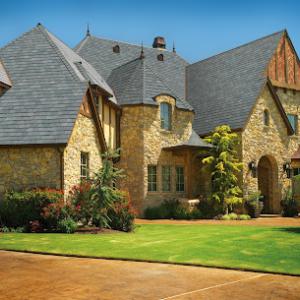
Greyhawk Roofing
(817) 999-8553 www.greyhawkroofing.com
Grapevine, Texas
5.0 from 72 reviews
Greyhawk Roofing is located in Southlake, TX and offers quality residential and commercial roofing services throughout Dallas/Fort Worth and surrounding communities. Our professional team offers a full range of services including roof replacement, repair, roof inspection and damage assessment. Additionally, our experienced team can assist with the insurance claims process and offers restoration services to restore your home after a storm. Greyhawk Roofing is an accredited business with the Better Business Bureau and has maintained an A+ rating since 2014.
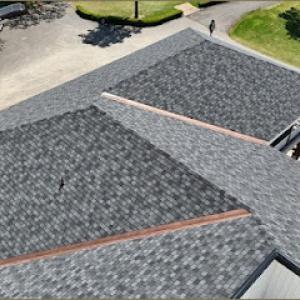
Cabrera Brothers Roof Repair
1340 S Main St, Grapevine, Texas
4.9 from 82 reviews
GRAPEVINE ROOFING EXPERTS AT YOUR SERVICE

Texas Home Improvement
(817) 601-6031 texashomeimprovement.com
1702 Minters Chapel Rd #116, Grapevine, Texas
4.8 from 409 reviews
Established in 2005, Texas Home Improvement elevates the look and functionality of homes in the Dallas-Fort Worth area. Their expertise spans siding, windows, patios, roofing and painting. They prioritize quality craftsmanship and customer satisfaction, ensuring a home exterior that lasts. At Texas Home Improvement, we pride ourselves on being the premier siding contractor in Grapevine, TX. We offer top-notch siding services, exterior painting and window replacements. Our dedicated team is committed to high-quality workmanship and exceptional customer service for residential and commercial clients.
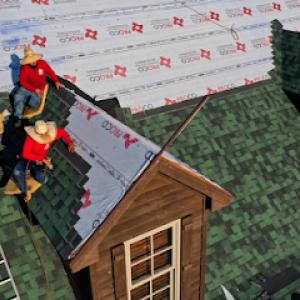
PROCO Roofing
1020 S Main St, Grapevine, Texas
4.8 from 309 reviews
We are your local and licensed roofing company who loves our community! Preferring people over profit is what we have been about since 2014. Take advantage of our free roof inspection services as well as getting a free quote for your project. From traditional to high end roofs, we've got you covered. Commercial or residential we'll treat your project like it's our own!
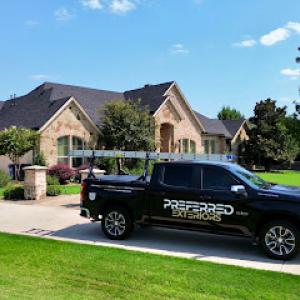
Preferred Exteriors
(972) 955-6048 www.preferredext.com
2451 W Grapevine Mills Cir Ste 222, Grapevine, Texas
4.9 from 75 reviews
Preferred Exteriors is a trusted expert in residential and commercial roofing, storm restoration, and exterior remodeling. As a preferred contractor for over 100 insurance carriers, we guide property owners through seamless insurance claims and deliver high-quality craftsmanship. From roof repairs and replacements to siding, gutters, and full exterior upgrades, our team ensures your property is protected, beautiful, and built to last. Choose excellence and peace of mind with Preferred Exteriors.

Rankin Roofing & Solar
(817) 554-2064 rankinroofingandsolar.com
Serving
4.8 from 65 reviews
Rankin Roofing & Solar provides roofing, fencing, deck, siding, gutter, and holiday lighting services in the DFW, TX.
Prime Roofs
(817) 523-1308 www.primeroofstx.com
Serving
5.0 from 112 reviews
We are a premium roofing company specializing in composite, slate, tile, and metal roofing, while also expertly replacing hundreds of laminated shingle roofs each year. As a veteran-owned, family-first business, we take pride in delivering exceptional craftsmanship and customer service. Roofing isn’t just our trade—it’s our passion.
Shepherd Tile Roofing
(214) 699-8266 www.shepherdtileroofing.com
Serving
5.0 from 29 reviews
Shepherd Tile Roofing is the go-to tile roofing contractor for homeowners and businesses in Southlake and the surrounding areas of the Dallas-Fort Worth Metroplex. We specialize in clay and concrete tile roof installations, repairs, and replacements—backed by over a decade of experience and a reputation for quality workmanship. Whether you're looking to upgrade your roof, fix storm damage, or schedule a professional inspection, our team delivers durable solutions with unmatched customer care.
IntegriBuilt Roofing
(817) 421-0295 integribuiltroofing.com
Serving
4.9 from 327 reviews
IntegriBuilt dba IntegriBuilt Roofing -Commercial and Residential Roofing Company serving Dallas, Fort Worth and surrounding areas. Specializing in commercial flat roof repair, multi-family apartment complexes as well as residential insurance claims from hail or storm damage. BBB A+ and Accredited. Call us for TPO or Shingle roof leaks. We're able to diagnose tough leaks and damage due to our decades of experience on staff. We are fully insured with business liability and workers comp. We currently serve the entire DFW metroplex with concentration on Collin County, Tarrant County, Denton County and Dallas County. IntegriBuilt Roofing believes in Integrity, Teamwork and Performance.
Best Roofer Solar
(682) 688-7727 bestroofersolar.com
Serving
4.9 from 301 reviews
Best Roofer Solar is a top-rated roofing company dedicated to delivering exceptional quality and craftsmanship. Our crew specializes in various roofing services, from installations and repairs to total replacements. We pride ourselves on employing only the finest materials and advanced strategies to ensure every project exceeds industry standards. Our commitment to excellence is reflected in our attention to detail and the long-lasting results we provide. We focus on clear communication, honest pricing, and reliable service to ensure a seamless experience for every client. At Best Roofer Solar, our goal is to enhance the durability and beauty of each roof while maintaining the highest possible degree of client satisfaction.

Hail King Professional Roofing
(682) 235-2880 www.hailkingpros.com
Serving
5.0 from 349 reviews
Hail King Professional Roofing, located at 1900 Industrial Blvd Ste 200, is the leading roofing contractor near you in the Dallas-Fort Worth area and East Texas. We specialize in residential and commercial roofing services, including roof repair, roof replacement, and TPO roofing solutions. Our expert team ensures durable, cost-effective solutions tailored to withstand Texas weather. In addition to traditional and commercial roofing, we offer exterior improvements like painting, siding, gutters, and fencing. Trust Hail King for professional, prompt, and reliable roofing services. Contact us for a free inspection and discover why we're the top choice for roofing companies near you.
Gregory Group Roofing
(214) 354-6753 www.gregorygrouproofing.com
Serving
5.0 from 203 reviews
Gregory Group Roofing is available to our customers 24 hours a day and 7 days a week. When our people need us, they get same-day response. Home improvement issues are too important to be put off. Our responsive and reliable services give people the peace of mind that comes from knowing their issue is in good hands. When you call us, you’ll get a free estimate. When we provide that estimate, you’ll know it can be handled with a payment plan. A bilingual company, we serve both English and Spanish-speaking clients in Denton and throughout the Dallas-Fort Worth metroplex area.
Grapevine's hot, windy summers can slow installation pace and affect shingle handling, making spring and fall the preferred replacement windows when schedules allow. Dry, moderate days reduce the risk of heat-related worker fatigue and curb warp or sealant issues that can crop up on scorching afternoons. Plan around the local windows in late March through early June and September through early November when temperature swings are milder and crews can move efficiently without overworking temperature-sensitive materials.
Occasional winter storms in North Texas can delay tear-off, dry-in, and final inspection timing even when temperatures are otherwise workable. If a heavy cold front rolls through, expect temporary pauses as crews accommodate decking checks, flashing reseating, and weatherproofing steps. Have a flexible sequence in mind: initial measurement and product selection in the first window of clear days, with a backup plan for back-to-back warm spells to push through the install if a lull occurs.
After major hail events in the Grapevine area, contractor calendars tighten quickly, so homeowners often face a tradeoff between immediate post-storm booking and waiting for milder installation weather. When scheduling tight, set a realistic target for order placement and material delivery, then align timing with a window of comfortable temperatures that avoids peak afternoon heat. If possible, designate a primary and secondary crew to reduce downtime between obtaining approvals and beginning the tear-out phase, especially after a storm pushes many roofs into the queue.
Local crews know that Grapevine homes vary from standard shingle layouts to tile-heavy upscale designs near the lake and in Southlake-adjacent corridors. Window choices should account for roof line transitions, attic access, and potential overhangs that affect installation logistics. Choose suppliers who can provide consistent warranty-backed performance for the long Texas exposure to sun and wind. In homes with complex rooflines, ask for a fabricator with experience matching flashing details to the existing roof substrate to minimize leaks and call-backs during windy springs.
Coordinate lead times with your contractor by mapping out the preferred installation period, while keeping contingency days available for weather-induced delays. Establish a clear line of communication for weather forecasts, anticipated delays, and inspection milestones so that you can adjust expectations without losing momentum. In Grapevine, staying aligned with the local climate pattern and the crew's seasonal rhythm is essential to keep a replacement window project moving smoothly from measurement to finish.
Get a clear picture of your project costs upfront - no commitment required.
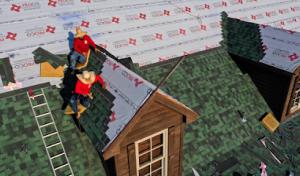
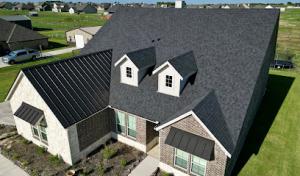
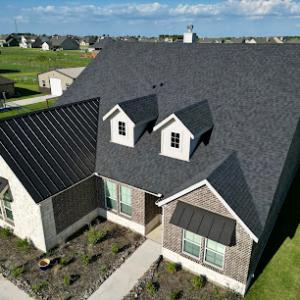
Asphalt shingles dominate many Grapevine neighborhoods because they balance replacement cost with the reality of recurring hail exposure. In a city where hail cycles are common, this profile offers quick repairs and predictable outcomes when a storm hits. High-wail winds can loosen damaged shingles, but modern laminated or architectural options improve wind resistance and staggered patterns help shed hail impact more effectively. When selecting asphalt, prioritize impact-resistant (IBR or Class 4) layers and a reinforced underlayment that can endure quick, heavy Texas rain-sleet transitions after a storm. If you own a home with standard tract lines or mid-century layouts, asphalt shingles provide familiar aesthetics and a straightforward reroof path that aligns with typical Grapevine roof decks.
Metal roofing is a meaningful local niche in Grapevine, appealing to owners looking for better wind performance and long-term durability in a hail-prone market. Metal panels with standing seam or premium through-fastened systems tend to shed hail with less surface damage and can offer better wind uplift resistance. The lightweight nature of metal reduces structural load concerns during replacement, which matters for older homes or those with complex roof geometries. Proper installation matters a lot here: a well-sealed valley, accurate fastener spacing, and high-quality flashing reduce the risk of leaks after hail-driven pitting or denting. For homes perched along wind corridors or near open plains, metal roofs can deliver noticeable peace of mind during severe storms, while maintaining a sleek or bold curb appeal that some Grapevine properties favor.
Clay and concrete tile matter more in Grapevine than in many North Texas cities because parts of the local housing stock include higher-end homes where tile appearance and weight become major reroof planning issues. Clay tile offers a distinctive, elegant silhouette and color depth that suits upscale neighborhoods near Grapevine Lake, but it requires structural verification due to substantial weight. Concrete tile shares similar aesthetic versatility with added impact resilience and a broader range of profiles. Both tile options perform well against wind when properly fastened and sealed with integrated underlayment, but hail can cause breakage that necessitates careful color-matched replacement pieces. If choosing tile, ensure the roof structure has adequate support, check attic ventilation to manage moisture with heavier coverings, and plan for potential tile repairs that might affect overall project timelines after a storm.
In Grapevine, the decision often boils down to balancing look, durability, and long-term maintenance against storm risk. For standard shingle homes with moderate roof slopes, asphalt remains the most practical, offering straightforward repairs and a familiar replacement cadence. If a property is already angled toward a modern aesthetic or sits in a wind-prone corridor, metal can deliver superior wind performance with a leaner maintenance footprint. For upscale sprawls with tile-friendly rooflines and concrete or clay accents, tile provides the premium look while requiring careful structural assessment and potential reinforcement before installation. In all cases, plan for hail-season contingencies: reinforced underlayment, proper flashing, and a robust inspection routine after major hail events to document damage for insurance and faster mitigation.
Regardless of roof type, Grapevine homeowners should begin with a rapid damage assessment after hailstorms, prioritizing safety and accessibility. Damaged shingles, loose tiles, or dented metal profiles should be flagged immediately to prevent water intrusion. Keep a photographic record with timestamps and note any denting or hairline cracking that could worsen with wind-driven debris. For tile roofs, inspect the underlayment beneath tiles, as hidden leaks can develop quickly under heavy moisture loads. Metal roofs benefit from checking for loose fasteners and sealant integrity around seams and flashings. A timely mitigation plan reduces the likelihood of secondary damage and supports smoother insurance documentation when filing claims after a North Texas storm cycle.
In Grapevine's hail market, asphalt roofs commonly show granule loss, bruising, and creased tabs after spring storms, which directly affects claim outcomes and remaining service life. Granules lost in a hail strike leave the underlying asphalt exposed, accelerating UV degradation and shortening the roof's useful life. Bruised shingles can delaminate over time, and creased tabs create weak points where future hail or wind can pry panels loose. After a storm, a careful walk-around to note loose or curling tabs, unusual granule specks in gutters, and dark granular clumps on driveways pays off. If you see irregular wear beyond cosmetic dents, document it with photos from multiple angles and note the storm date. Those early signs can push a claim toward a faster settlement, but they also signal that coverage decisions may hinge on precise damage characterization.
Tile roofs in the Grapevine area can suffer impact cracking from hail and breakage during foot traffic, making post-storm inspection technique especially important on upscale homes. Concrete and clay tiles are rigid, so a single hail hit can crack a tile without fully displacing it. Cracked tiles risk water intrusion, even if the break seems minor from a distance. On two-story or tiled estates, climbing is risky and inspection etiquette matters-use a ladder with a spotter, and avoid stepping on questionable tiles. If a tile appears cracked or displaced, capture the context: which row, how many adjacent tiles, and whether underlayment exposure is visible. These details can influence whether a patch or full roof replacement is recommended by insurers and adjusters.
Cedar shake and older specialty roofs are less common locally and can be harder to match after storm damage, which matters in a city where partial repairs may be visible and insurance-sensitive. Grain, color, and thickness vary widely between batches, so a patch that looks acceptable from the ground may stand out up close. After a hail event, focus on identifying lifted, split, or water-streaked shakes. Because matching across a small number of remaining shingles is a frequent challenge, expect that repairs may require targeted replacements of entire sections or the closest visual substitutes, with attention to seamless color and texture transitions to avoid conspicuous repairs.
Find contractors experienced in skylight installation, flashing, and leak repairs to bring natural light into your home.
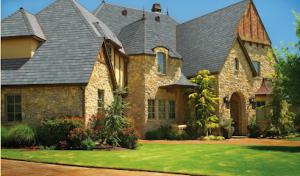
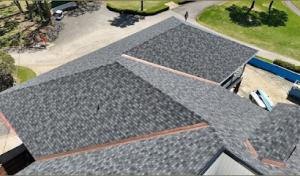

Local estimates show typical ranges per square (100 square feet) in Grapevine as follows: asphalt shingles from $350 to $700, metal from $600 to $1100, clay tile from $900 to $1700, concrete tile from $800 to $1500, synthetic/composite from $400 to $750, and cedar shakes from $700 to $1300. After a hail storm, those numbers can shift quickly as crews move in and materials tighten up. The exact price you'll see depends on your roof's profile, the material chosen, and whether specialty flashing or underlayment upgrades are advised by the contractor.
Storm-driven demand spikes in this market can push labor availability and scheduling pressure higher after hail events. This means timelines that would normally feel reasonable may stretch by days or even weeks, especially for reroofing crews that juggle multiple damaged homes in the same neighborhood. When storm activity is fresh, it's common to encounter back-to-back inspections, material backorders, and higher crew mobilization fees. Expect longer lead times for appointments and a tighter window to lock in a preferred crew or material.
Costs in Grapevine rise when homes feature steeper architectural rooflines, tile systems, or specialty flashing details. Tile options-clay or concrete-tend to carry higher labor and material costs, and steeper pitches demand more scare equipment and time, which shows up as higher bids. Insurance-required documentation and an expanded repair scope after storm loss also add to the overall price tag, since more detailed documentation, extra mitigation steps, and potentially additional flashing or underlayment work become necessary. In neighborhoods near Grapevine Lake or the Southlake-adjacent corridors, these factors frequently converge, nudging project budgets toward the upper end of the local ranges.
When planning, compare bids not only on the sticker price but on the scope of work and the anticipated timeline. If possible, secure a preferred crew early in the cycle, and ask for a detailed breakdown that includes materials, underlayment upgrades, flashing, and any temporary protective measures during rain events. For asphalt or synthetic shingles, you often see quicker turnaround versus tile systems, but tile can offer longer-term durability in this climate if the roofline and structure support it. By aligning expectations with the local market dynamics, a post-storm roof replacement can proceed with fewer surprises and a clearer path to restoration.
Reroof projects in this area require a permit through the City of Grapevine Building Department. That means the county or a third-party contractor cannot simply start tearing off shingles and replacing them without city oversight. The permit ensures the work complies with local code, drainage and ventilation standards, and wind-rated materials that are common in North Texas storms. Before any tear-off begins, you should confirm who is pulling the permit for the project and how the inspection schedule will be managed. This upfront clarity helps avoid delays once the work is underway.
Inspections are not a one-and-done step. In Grapevine, inspections are typically scheduled during the course of the reroof to verify key milestones, including material delivery and roof framework readiness, underlayment installation, and flashing details. Scheduling should align with the contractor's workflow so each phase can be signed off promptly. If a storm-related delay occurs, confirm how the city will handle updated inspection timing to prevent backlogs that could stall the project.
A final inspection is required before the permit can be released. This final check confirms that the roof installation meets Grapevine's adopted codes, and that all components-ventilation, flashings, and fastenings-perform as designed under local wind and hail exposure. It is worth having a clear plan for access with the city inspector, including which portions of the work area will be open for inspection and when. Once the final inspection passes, the permit is released, and the project can be officially closed in city records.
From the outset, designate who will pull the permit and how inspection timing will be coordinated with the contractor. Keep a single point of contact for scheduling, and document every inspection notice and result. If the project involves a tile-heavy or mixed roofscape near Grapevine Lake or busy corridors, specify any architectural review requirements early, so the permit process remains smooth and the final inspection can occur without surprises.
Grapevine is part of a Texas hail and wind claim environment where roof coverage decisions are shaped by frequent storm losses and close insurer review of documentation. The quick pace of North Texas storms means adjusters expect a tight, auditable trail showing what got damaged, what was pre-existing, and how repairs were executed. If a roof shows both new hail impacts and older wear, the line between storm damage and normal deterioration can shift your outcome. In this climate, the timing of a claim matters because insurers scrutinize how quickly and precisely a roof is assessed after a hail event.
Adjusters serving this market commonly want evidence distinguishing storm-created damage from pre-existing wear, prior repairs, or age-related deterioration. Photos should capture both large-scale impact patterns and subtle, pre-existing conditions, while written notes explain the sequence of events-what failed first, what was impact damage, and what was already weakened. Keeping a dated charge-up timeline, repair receipts, and prior inspection notes helps your case. If a roof has mixed signals, a clear, labeled board-level assessment showing storm-induced failures versus wear can reduce back-and-forth and speed a resolution.
Post-installation paperwork matters in this market because insurers may request final invoices, completion photos, and warranty records after a claim-funded replacement. Maintaining a tidy, complete file is essential: final contractor invoices that reflect the work performed, high-quality completion photos from multiple angles, and any manufacturer or workmanship warranties. If a claim is approved, having ready access to this material can prevent delays and help confirm the work meets expectations and coverage terms.