
Last updated: Apr 19, 2026
Spring hail and wind in the Dallas-Fort Worth corridor create a concrete, time-sensitive risk for your roof. After a severe storm, shingles can lift, granules abrade, and attic moisture can start to show itself within hours. The right move is rapid assessment and decisive action to prevent leaks, hidden structural damage, and interior claims complications. If you notice curled edges, bruised shingles, or dark streaks on ceilings after a storm, treat it as a high-priority warning. Delaying a licensed inspection can convert cosmetic damage into costly, water-intrusion problems that complicate insurance handling later on.
In this North Texas insurance environment, carriers expect clear, thorough photo documentation of pre- and post-storm conditions. Gather high-resolution images of the entire roof line, close-ups of damaged shingles, attic insulation and sheathing, and any interior signs of moisture. Photograph the surrounding property as well-driven gutters, skylights, vents, and edging where hail impact may have occurred. Create a time-stamped sequence that shows the roof before the storm, during, and after, to support a straight narrative for your adjuster. If you don't have accessible pre-storm photos, document the current state with multiple angles and annotated notes that pinpoint the most vulnerable spots. Having this material ready can shorten settlement timelines, especially after major regional hail events when adjusters are juggling many claims.
Contractors in this area tend to be heavily aligned with insurance_claims, storm_damage, and emergency_repair signals. Expect vendors to emphasize rapid mitigation as a first step, followed by a detailed scope that aligns with your insurer's expectations. Before committing, verify that a prospective contractor will handle claim communications, provide a thorough dry-soak and leak-stabilization plan, and deliver a written, itemized restoration scope tied to the photos you've collected. A reliable crew will coordinate a temporary seal to stop active leaks while the full assessment and repair scope is under way. If a contractor cannot articulate how they will document the work for your insurer and what the contingency steps are for delays, reconsider the engagement. Prompt, transparent communication with the insurer and your chosen contractor is essential to keep the process moving rather than stalling in the storm aftermath.
Leak stabilization is not optional-it's a critical first line of defense. Immediate tarping, temporary flashing, or a rapid sealant application can prevent interior damage and keep living spaces safe while a full evaluation unfolds. Coordinate with a contractor who can deliver both the emergency stabilization and the longer-term restoration plan in one clear, written package. The faster you stop active leaks, the better the odds of a smoother claim settlement and fewer dispute points with the adjuster. Keep in regular contact with your insurer about expected timelines and any required supplemental documentation. Timely, decisive stabilization protects your home's structure and reduces the risk of cascading damage that complicates the claim path.
Once the immediate danger is contained, set up a structured follow-up plan. Schedule a full roof assessment within a short window while weather remains favorable, and ensure the contractor revisits the pre- and post-storm documentation to confirm all damage is captured in the final scope. Maintain a centralized file with all estimates, notes, and communication logs, so when the adjuster reviews the claim, the narrative is coherent and complete. In a region where large hail events are common, establishing this discipline reduces the chance of back-and-forth delays and helps secure a timely, fair settlement.

CLC Roofing
(972) 304-4431 www.clcroofing.com
200 E Belt Line Rd #203, Coppell, Texas
4.9 from 565 reviews
Welcome to CLC Roofing, a Dallas based roofing company. My name is Chad Cross and I started the company over two and half decades ago. We have been blessed with hiring some outstanding employees that have helped CLC continue to grow and deliver outstanding roofing installations across the DFW Metroplex. We are a Platinum Preferred Contractor with Owens Corning. Platinum Preferred Roofing Contractors are the top tier of a premier network of roofing professionals chosen specifically based on their commitment to service, reliability, and unparalleled craftsmanship. Contact us today for a free roof inspection. We look forward to exceeding your expectations.
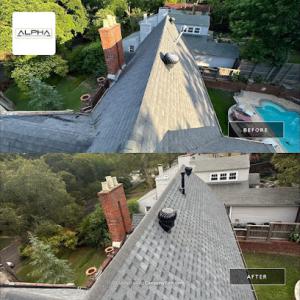
Alpha Exteriors & Construction
255 S Denton Tap Rd #240, Coppell, Texas
5.0 from 141 reviews
Alpha Exteriors and Construction is a family-owned roofing contractor serving Coppell. With over 10 years of experience, we focus on quality workmanship and customer satisfaction. Our team is committed to delivering reliable roofing and exterior solutions using high-quality materials. Whether you need repairs or a roof replacement in Coppell, we ensure durable results that protect your home. We understand the importance of a strong, weather-resistant roof and work hard to meet your needs. Contact Alpha Exteriors and Construction today for trusted residential roofing and exterior services. Let us help keep your home safe and secure!
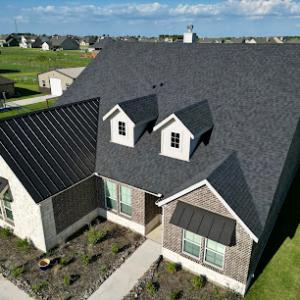
Gregory Group Roofing
(214) 354-6753 www.gregorygrouproofing.com
Serving
5.0 from 203 reviews
Gregory Group Roofing is available to our customers 24 hours a day and 7 days a week. When our people need us, they get same-day response. Home improvement issues are too important to be put off. Our responsive and reliable services give people the peace of mind that comes from knowing their issue is in good hands. When you call us, you’ll get a free estimate. When we provide that estimate, you’ll know it can be handled with a payment plan. A bilingual company, we serve both English and Spanish-speaking clients in Denton and throughout the Dallas-Fort Worth metroplex area.
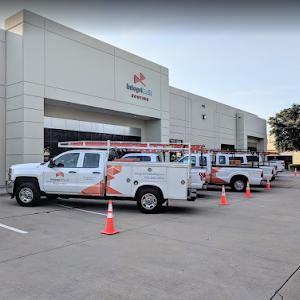
IntegriBuilt Roofing
(817) 421-0295 integribuiltroofing.com
Serving
4.9 from 327 reviews
IntegriBuilt dba IntegriBuilt Roofing -Commercial and Residential Roofing Company serving Dallas, Fort Worth and surrounding areas. Specializing in commercial flat roof repair, multi-family apartment complexes as well as residential insurance claims from hail or storm damage. BBB A+ and Accredited. Call us for TPO or Shingle roof leaks. We're able to diagnose tough leaks and damage due to our decades of experience on staff. We are fully insured with business liability and workers comp. We currently serve the entire DFW metroplex with concentration on Collin County, Tarrant County, Denton County and Dallas County. IntegriBuilt Roofing believes in Integrity, Teamwork and Performance.
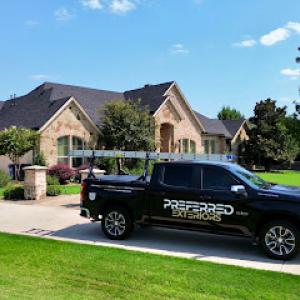
Preferred Exteriors
(972) 955-6048 www.preferredext.com
Serving
4.9 from 75 reviews
Preferred Exteriors is a trusted expert in residential and commercial roofing, storm restoration, and exterior remodeling. As a preferred contractor for over 100 insurance carriers, we guide property owners through seamless insurance claims and deliver high-quality craftsmanship. From roof repairs and replacements to siding, gutters, and full exterior upgrades, our team ensures your property is protected, beautiful, and built to last. Choose excellence and peace of mind with Preferred Exteriors.
B&C Quality General Contractors
(469) 226-9198 www.bncqualityroofs.com
Serving
5.0 from 115 reviews
We have been in business for over 20 years now! Family owned and operated. Experts in roofing, remodeling, fencing, painting, and much more! Give us a call today and let’s get started on your next project!
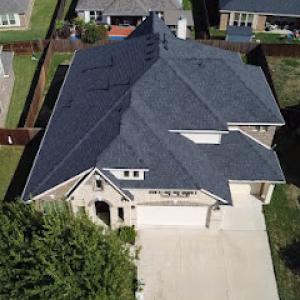
Legacy Roofing & General Contracting
(972) 900-4591 www.legacyroofinggc.com
Serving
4.9 from 353 reviews
At Legacy Roofing & General Contracting, we pride ourselves on being more than just a local business – we are your neighbors in Dallas, TX. Specializing in both residential and commercial roofing, as well as comprehensive home improvement services, we are Texas' one-stop solution for excellence. From the first assessment to the final touches, our team ensures impeccable workmanship and solutions tailored to your needs. Our commitment? Unwavering customer satisfaction and a promise to deliver results that stand the test of time. Choose Legacy Roofing and embrace the confidence that comes from partnering with the best. Your property deserves nothing less.
Superior One Roofing & Construction
(972) 893-3374 www.s1roofing.com
Serving
4.9 from 230 reviews
Superior One Roofing & Construction stands as a premier local roofing contractor in the DFW Metroplex, offering top-notch services to our valued clients. With over 40 years of experience in the industry, we have established ourselves as a trusted and reliable choice for homeowners. As a licensed, bonded, and insured local contractor, we prioritize delivering exceptional service and ensuring customer satisfaction. Superior One Roofing & Construction goes the extra mile to provide the best quality solution for each client. Whether it's a repair or a complete roof replacement, our highly trained technicians are equipped to handle various projects. With our reliable and professional approach, we are your trusted partner from start to finish.
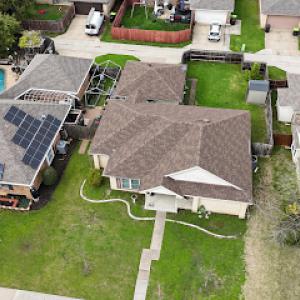
Stand Up Roofing & Construction
(940) 290-7663 www.standuproofing.com
Serving
5.0 from 89 reviews
Stand Up Roofing & Construction is a full-service general contractor proudly serving DFW, Houston, and surrounding areas. We specialize in residential and commercial roofing, storm restoration, and a wide range of exterior upgrades. Our team delivers expert craftsmanship, clear communication, and extreme ownership on every project—whether it's a repair, full replacement, or renovation. We don’t just build roofs—we build trust, value, and peace of mind. When it comes to protecting and enhancing your property, we’re the partner you can count on.
Discount Roofing
(214) 500-8787 www.discountroofingllc.com
Serving
4.9 from 103 reviews
Discount Roofing provides roofing, fencing, siding, gutter and painting services and 24-hour emergency service to the Southlake, TX area.
Roofing Ranger
(469) 810-0444 roofingranger.com
Serving
5.0 from 366 reviews
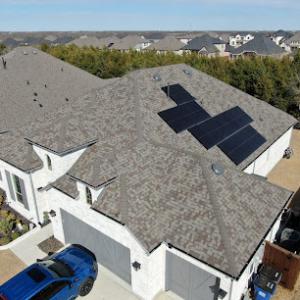
Roofing Ranger is a roofing contractor in Dallas-Fort Worth serving Plano, Allen, Carrollton, Frisco and nearby areas. Our roofing company offers roof replacement, roof repair, storm damage repair, asphalt shingle, metal, slate, cedar, tile and more. We also specialize in siding, gutters, solar installation, & fencing. Customers love us because of our comprehensive roof warranties and our affordable roof financing options. We also have industry affiliations and certifications such as Owens Corning - Preferred Contractor. If you want to experience how your most trusted Stockton roofing company embraces our motto “Don't be a stranger, call Roofing Ranger", call us now for a free estimate!

Texas Home Improvement
(817) 601-6031 texashomeimprovement.com
Serving
4.8 from 409 reviews
Established in 2005, Texas Home Improvement elevates the look and functionality of homes in the Dallas-Fort Worth area. Their expertise spans siding, windows, patios, roofing and painting. They prioritize quality craftsmanship and customer satisfaction, ensuring a home exterior that lasts. At Texas Home Improvement, we pride ourselves on being the premier siding contractor in Grapevine, TX. We offer top-notch siding services, exterior painting and window replacements. Our dedicated team is committed to high-quality workmanship and exceptional customer service for residential and commercial clients.
Coppell's long, hot summers and frequent hailstorms shape how roofs age and how repairs unfold. Dallas-Fort Worth summer sun accelerates aging on asphalt shingles, causing curling, granule loss, and brittleness sooner than expected. In contrast, hail and wind interact with roof systems in ways that create distinct damage patterns: tile systems (clay or concrete) tend to show impact cracks, pitting, and broken tiles, while metal can dent and dented seams can leak if fasteners loosen. Wood shingles or shakes can suffer split or delamination after hail strikes, and synthetic or composite shingles may absorb impacts differently than traditional asphalt, sometimes dulling the visual effect of hail but still requiring inspection. This mix of materials means that choosing a roof isn't just about curb appeal; it directly affects how storm repairs are handled, how the roof holds up under heat, and how changes are documented for insurers and inspectors.
Coppell's dominant residential roof materials include asphalt shingles, metal roofing, clay tile, concrete tile, wood shingles/shakes, and synthetic/composite shingles. Each carries its own balance of heat resilience and hail resistance. Asphalt shingles are common for a straightforward, economical approach, but heat can shorten their lifespan, and hail can cause granule loss that accelerates aging and signals the need for replacement or roof health checks. Metal roofing handles heat well, sheds solar gain effectively, and tends to resist hail better than many other options when installed with proper panel overlap and secure fastening. Clay and concrete tiles bring excellent freeze-thaw and longevity characteristics, but impact from hail can crack or break tiles, creating vulnerable points that require swift repair to maintain a watertight roof. Wood shingles/shakes offer a distinctive look and solid performance in dry heat, yet hail impact can cause cracks and surface splitting; maintenance includes regular inspection for exposed edges and fastener wear. Synthetic/composite shingles aim to blend hail resistance with a lighter weight and versatility in appearance, though their long-term performance under high heat varies by formulation and manufacturing quality. When choosing a material, consider how each will age under Coppell's sun, how easily hail damage can be detected and repaired, and how visible any damage will be to insurers and inspectors during a claim.
Because the roof stock is diverse, the repair strategy after a hail event must align with the installed material. Asphalt roofs may require rapid granule recovery and a close look at shingle backing for moisture intrusion, especially near valleys and along edges. Metal roofs often allow faster temporary protections and easier seam resealing, but dented panels or compromised fasteners can necessitate more extensive panel replacement if the damage exceeds the warranty's scope. Tile roofs demand careful removal and replacement to match tile size and pattern, with attention to underlayment integrity beneath broken tiles. Wood shakes require careful matching of replacement pieces and can show weathering differences when new sections meet older sections. Synthetic shingles may permit quicker cosmetic repair, but a claim may hinge on whether the hail impact is visible from ground level and how the material behaves over time. In all cases, plan for a documented storm history with insurance in mind: note impact patterns, assess for hidden damage under the surface, and ensure that replacement choices preserve the roof's ventilation and drainage performance.
With a broad mix of shingle and tile styles, material choice influences how hail damage is perceived by inspectors and insurers. A roof that ages gracefully under heat while resisting wind and impact will typically present fewer contention points in a claim, provided the installation shows careful attention to ventilation, flashing, and underlayment. In practice, that means prioritizing a roof type that maintains consistent appearance after repairs and that keeps the attic reasonably cool to minimize thermal stress on the structure. The right material reduces the need for frequent reroofs, simplifies evidence collection for insurance documentation, and improves the odds of a smooth, well-documented final inspection after a hail event.
When you're budgeting after a hail event, know the ballpark for commonly used materials in this area. Typical Coppell-area material ranges are about $350-$700 per square for asphalt shingles, $600-$1200 for metal, $900-$2500 for clay tile, $800-$1500 for concrete tile, $600-$1100 for wood shingles/shakes, and $600-$1000 for synthetic/composite shingles. Those numbers are a practical starting point for a quick comparison, not a fixed quote. If your home uses an unusual pattern or a specialty profile, expect adjustments on either end.
North Texas storm surges can push reroof demand up quickly after hail events, which can tighten labor availability and affect scheduling and pricing in Coppell. After a big hail week, it's common to see crews booked solid for days or weeks. If your job can be staged, you may gain flexibility by letting the contractor set a start window rather than locking in an exact date. Keep in mind that higher demand can translate into longer lead times and, occasionally, a premium on expedited work or peak-season labor.
Costs in Coppell can also move based on whether the project needs upgraded underlayment, flashing documentation, or ventilation corrections to pass the city's final inspection. If the existing roof lacks proper underlayment or requires upgraded drainage and ventilation to prevent future heat and moisture problems, you'll see higher material and labor costs. Similarly, if the roof line needs extra flashing or retrofits to address gaps revealed during storm assessment, anticipate incremental increases. For some homes, addressing attic ventilation or browning soffits isn't optional for long-term performance, and those improvements show up in the total price.
Given the exposure to hail and heat, it makes sense to compare not just upfront cost but long-term performance. Metal roofs tend to resist hail better and can offer longer service life, but initial costs are higher. Synthetic/composite shingles provide a middle ground with lower maintenance needs and decent hail resistance. Clay and concrete tiles bring style and durability but can be heavier and costlier to install, which is amplified if the structure needs reinforcement or special framing. Asphalt shingles remain a viable, cost-effective choice if you want to balance price with straightforward installation and good wind performance.
Get a clear picture of your project costs upfront - no commitment required.
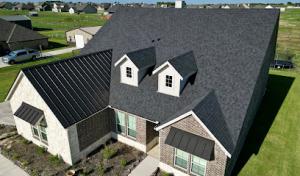
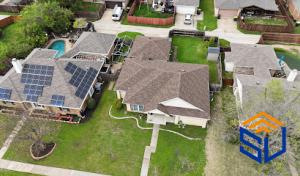
Reroof permits are typically required in Coppell and are issued through the City of Coppell Building Department. Before any shingles are lifted, you should confirm whether your project qualifies as a reroof in the eyes of the city, since some cosmetic or small repairs may not require a full permit. When you apply, have your project scope ready, including the proposed roofing material, deck condition notes, and a rough timeline. The city's staff can guide you toward the correct form, help identify required documentation, and explain any local nuances tied to North Texas weather patterns. Missing paperwork or unclear project details can slow a permit review, especially after a hail event when inspections are more stringent.
A final inspection is required after completion, and the inspector checks proper installation and ventilation rather than treating reroofing as a no-paperwork swap. In Coppell, the final review focuses on ensuring that underlayment, drip edge, flashing, and venting align with current code expectations. The inspector will look for correct attic ventilation to address heat stress and moisture management-critical near the hot, hail-prone climate. Prepare for this by keeping a tidy roof line, accessible attic access, and clear documentation of any inline vents or mechanical fans. Expect questions about the chimney boot(s), penetration details, and how decks were prepared to receive the new roofing system.
Some Coppell reroof projects may need documentation of underlayment and flashing details to satisfy current code expectations during review and inspection. Hail damage documentation from the prior roof can also come into play if the project followed an insurance claim, so organize any contractor notes, photos, and tear-off records for the inspector. Ventilation calculations or statements may be requested to confirm adequate intake and exhaust air in the attic space. If a code interpretation question arises during the review, the Building Department can provide a clarifying path, helping you avoid a second round of approvals. A proactive homeowner keeps a copy of the permit, the final inspection card, and a annotated plan showing vent locations and flashing transitions.
Spring and fall are the sweet spots for a roof project in this area. Moderate temperatures keep asphalt, metal, and tile materials from overheating and help crews stay productive without overheating the crew or the shingles. Scheduling during these windows also aligns with typical rainfall patterns, reducing the chance of sudden moisture intrusion right after work begins.
Spring hail and wind can trigger unplanned repairs before a full replacement becomes necessary. If a preexisting panel or flashing shows damage, you might need quick patching to prevent leaks until a full replacement can start. Use this window to secure weather-tight temporary protections and to document any preexisting issues for insurance discussions. After the late-wall cold fronts pass, you gain more predictable daytime temperatures, which helps sealants cure properly and crews finish more efficiently.
Autumn storms can loosen shingles and roof penetrations before winter moisture arrives. Plan for a thorough initial assessment after the peak storm season to confirm the roof's integrity and identify any penetrations that need resealing. Scheduling a replacement or major repairs before the first hard freeze reduces the risk of weather-related delays and helps ensure proper ventilation and flashing detail work before colder air tightens the building envelope.
Summer installation in the Dallas-Fort Worth area requires extra care because high surface temperatures can affect handling, sealing, and crew productivity. If a replacement must occur in peak heat, expect longer days and more breaks for hydration and safety checks. Material handling should account for thermal expansion in shingles and close attention to sealants that can dry too quickly in extreme heat. Consider early-start strategies to finish before the hottest afternoon heat sets in.
Coordinate with the contractor to earmark a start date that targets the spring or fall windows, while leaving a contingency for weather delays. Have eye-level access to the attic or roof line so you can note insulation performance and any signs of moisture that might complicate installation. Keep the crew informed about any high-traffic hours or neighborhood concerns, and ensure a clear path for material delivery and debris removal to minimize disruption during peak heating or rain-prone weeks.
Coppell is in a high-claim North Texas market where hail and wind losses have led some carriers to tighten roof coverage terms and change how claims are adjusted. That tightening shows up in the way damage is documented, the way inspections are scheduled, and the expectations for what counts as repair versus replacement. The result is that every shingle pop, granule loss, or edge crack may be examined more closely than in calmer markets, so you should assume insurers will scrutinize more details than usual.
Homeowners should expect insurer scrutiny on storm date, photo evidence, and whether damage is functional versus cosmetic, especially after widespread regional events. A rooftop that looks damaged to the naked eye can be deemed cosmetic if the insurer cannot prove a loss of function or a credible link to a qualifying event. In practice, that means your claim package needs clear timestamps, corroborating weather data, and before-and-after imagery that shows the roof's actual performance, not just appearance.
Because claim handling can take longer after major Dallas-Fort Worth storms, temporary protection and organized documentation are especially important for households. A ladder, tarps, and visible efforts to prevent interior damage signal responsibility and can influence adjusters' perception of urgency. Keep a simple, dated log of any temporary fixes, who performed them, and any supplier receipts. In this market, a well-documented file often translates to a faster, more accurate adjustment.
When hail or wind rattles through a neighborhood, you face choices that affect future protection and costs. Focus on documenting every impacted area of the roof, prioritizing items that affect water ingress and ventilation. Be prepared for questions about the storm's timing and the extent of damage, and avoid assuming cosmetic damage cannot become a durable problem. A measured, thorough approach protects both your home and your settlement.
The Coppell market is heavily oriented toward reroofing and storm work, so after hail events you'll see a flood of inspectors offering fast assessments. Quick appearances can feel reassuring, but speed does not always equal quality. A solid choice will balance rapid response with careful workmanship and honesty about the work needed. Look for crews that arrive with a structured plan, not just a quick band-aid, and that can stay through the entire project until the job meets the final inspection standard. In this climate, where heat stress and heavy hail are common, you want a team that respects both the weather window and the long-term performance of the roof.
Local hiring signals matter more than flashy credentials. Homeowners here value a track record of residential work, reliable cleanups, and long-established companies over boutique outfits chasing the next trend. When speaking with bidders, prioritize those who reference real neighborhoods, typical Coppell roof lines, and familiar ventilation challenges. Ask for recent projects in similar condition-homes with attic heat buildup, complex ridge lines, or multiple roof planes-and request photos of before-and-after work. A reputable contractor should be able to describe the sequence of inspections, material selections suited to our heat and hail exposure, and a timeline that respects weather and weekend access for residents.
Because projects commonly involve permit closeout and final inspection, homeowners should prioritize contractors who can document ventilation, flashing, and underlayment details clearly. Expect a thorough written plan that identifies roof deck condition, attic ventilation strategy, flashing at eaves and chimneys, and the type of underlayment chosen. The right contractor will provide clean, labeled diagrams or photos you can reference during the final walk-through. If the crew struggles to supply such documentation, that's a warning sign. A well-documented job reduces the risk of last-minute framing or clearance disputes during the final inspection.
Be wary of contractors who promise instantaneous results with minimal site protection or who avoid leaving a local contact person after the contract is signed. In a market where storm damage is common, resilience counts: ask about warranty terms, maintenance guidance for attic ventilation after installation, and who handles post-project inquiries. A responsible choice preserves home value and reduces the chance of repeated repatches caused by overlooked flashing or improper underlayment.