
Last updated: Apr 19, 2026
Flower Mound sits in the North Texas hail belt, where spring severe thunderstorms routinely create sudden roof damage and trigger claim surges. After a storm, your first move is to inspect from the ground for obvious signs: dented or displaced shingles, lifted edges, granule loss in gutters, and any saturated decking on visible sections. Move carefully; avoid climbing onto a roof that shows damaged flashing or missing shingles. If you see active leaks inside the attic or ceiling, set up temporary protection immediately-place tarps or heavy-duty plastic over the highest risk spots and keep interior doors closed to slow water intrusion. The key is to prevent further damage while you arrange professional help. Gather your storm notes, photos of exterior damage, and a rough timeline of when you first noticed issues. Your goal is to arrive at a licensed, local contractor's inspection with a clear record of what happened and when.
In the aftermath of a major hail event, the local contractor market pivots toward storm damage and insurance claims, so expect a surge in demand and tight scheduling. Start the claim by contacting your insurer as soon as possible to open a file and set up a claim number. Document the storm's impact with dated photos that show the extent of damage across multiple elevations, not just the most visible spot. When you engage a roofer for an inspection, ensure they provide a detailed, itemized damage report that aligns with what the insurer expects: flashing, ventilation, decking condition, and overall weather-tight integrity. A reputable local contractor can serve as an advocate during the claims process, helping you translate the on-roof conditions into accurate repair scopes. Keep a running log of conversations, dates, and any adjuster appointments. If delays appear, get a written timeline from the contractor you're working with and share it with your insurer to avoid gaps in temporary protection and coverage.
Post-storm demand spikes mean scheduling can slip, so act quickly but choose carefully. Prioritize contractors who regularly perform full-re-roofs and who understand how decking, ventilation, and flashing are tested during a re-roof. Look for local experience with the common residential shapes here-steep-sloped shingles, tiles, and the high-risk impact of hail on vent stacks and edge flashings. Ask for references from recent Flower Mound or Denton County projects and verify licenses, credentials, and insurance coverage. A dependable roofer will arrive with a thorough inspection checklist, document wind and hail indicators, and provide a transparent recovery plan. If a contractor rushes a bid without addressing attic ventilation or roof management inside the decking, push back and request a comprehensive scope. Timely, accurate documentation reduces back-and-forth with the insurer and accelerates the recovery process.
Safety remains paramount when hail has damaged a roof in this area. Do not climb onto a compromised roof to take more pictures or perform makeshift repairs. Instead, request a professional assessment that includes flashing and vent integrity, plus a plan for temporary protection that minimizes additional water intrusion. If your attic shows signs of moisture, place dehumidifiers or fans in detached areas to reduce secondary damage while awaiting repair. A well-coordinated response pairs a swift coverage plan with a solid, documented repair scope-covering decking, ventilation, and flashing-so your full re-roof moves forward with fewer delays. In this market, clear communication between homeowner, insurer, and contractor is your strongest defense against a prolonged claim process and extended exposure to weather damage.
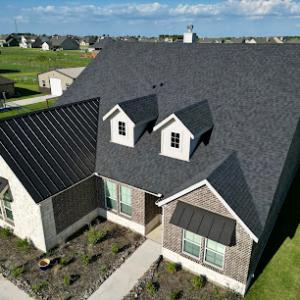
Gregory Group Roofing
(214) 354-6753 www.gregorygrouproofing.com
Flower Mound, Texas
5.0 from 203 reviews
Gregory Group Roofing is available to our customers 24 hours a day and 7 days a week. When our people need us, they get same-day response. Home improvement issues are too important to be put off. Our responsive and reliable services give people the peace of mind that comes from knowing their issue is in good hands. When you call us, you’ll get a free estimate. When we provide that estimate, you’ll know it can be handled with a payment plan. A bilingual company, we serve both English and Spanish-speaking clients in Denton and throughout the Dallas-Fort Worth metroplex area.
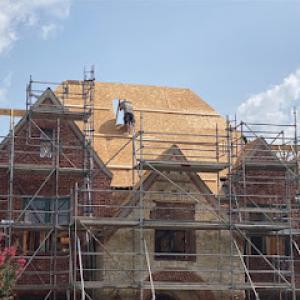
T Rock Roofing & Contracting
(945) 425-3643 dallasroofer.com
3001 Long Prairie Rd Suite 100, Flower Mound, Texas
5.0 from 694 reviews
T Rock Roofing & Construction has been serving Dallas/Fort Worth with excellence for over 60 years! T-Rock Roofing & Construction handles a wide range of roofing and construction services including roof repair, new roof installation, hail damage, storm damage, and fire damage restoration, among others. Our experience in both, commercial and residential roofing, along with the client loyalty and reputation we have established, are testament our commitment to keeping your family and your staff safe

Pearson Roofing
(972) 471-2700 www.pearsonroofing.com
6113 Beau Ridge Ct, Flower Mound, Texas
5.0 from 309 reviews
We’ve been repairing and replacing the roofs of Dallas and Fort Worth with skill and professionalism since 1979.

Reilly Roofing & Gutters
(940) 205-0097 reillyroofing.com
4581 Wichita Trail, Flower Mound, Texas
5.0 from 75 reviews
Reilly Roofing and Gutters provides trusted roofing solutions for homes and businesses in Flower Mound and North Texas. With more than 15 years of experience, our fully licensed and insured team handles roof repairs, complete replacements, seamless installations, and storm damage restoration. We’re committed to honest pricing, clear communication, and reliable service—whether you’re navigating an insurance claim or scheduling routine upgrades. Backed by workers’ compensation coverage and a reputation for quality, we’re Flower Mound’s dependable partner for long-lasting results.

Ranger Roofing & Construction
(940) 320-7663 rangerroofingdfw.com
4880 Long Prairie Rd Ste. 210, Flower Mound, Texas
5.0 from 65 reviews
Locally Owned & Fully Insured along with over a decade of DFW roofing experience. 10 year workmanship warranty on all roofs. Residential & Commercial certified installers are here to assist in all your storm restoration needs! A+ BBB Accredited. Roof, Gutters, Fence, Siding, and more! (940) 320-ROOF

Presidio Roofing Company of Flower Mound
(469) 813-9591 presidioroof.com
2001 Timber Creek Rd ste 116, Flower Mound, Texas
5.0 from 62 reviews
Trusted Flower Mound roofing contractor specializing in residential and commercial roof replacement, roof repair, hail and storm damage restoration, and insurance claim assistance. As a GAF Master Elite® roofing contractor, Presidio Roofing is also a leading Flower Mound roofing company installing high-performance GAF shingle roofing systems. We are a registered U.S. Federal Contractor and have supported FEMA and the U.S. Army Corps of Engineers in disaster response contracting. Our experienced roofing team works with shingle, tile, metal, slate, PVC, TPO, EPDM and other flat roofing systems across southern Denton County and northwest Dallas County, including nearby communities such as Highland Village, Lewisville, and Coppell.

Renown Roofing & Construction
(972) 782-5489 www.renownconstruction.com
5810 Long Prairie Rd Suite 700-147, Flower Mound, Texas
4.8 from 339 reviews
Renown Roofing and Construction, epitomizes reliability in DFW's roofing industry. Their skilled professionals provide top-notch residential and commercial roofing solutions, along with unparalleled expertise in gutter installation and storm damage restoration. Our commitment to quality and customer trust has made us a leading choice for discerning homeowners and businesses seeking the utmost reliability in their roofing needs.

Discount Roofing
(214) 500-8787 www.discountroofingllc.com
2201 Spinks Rd #171, Flower Mound, Texas
4.9 from 103 reviews
Discount Roofing provides roofing, fencing, siding, gutter and painting services and 24-hour emergency service to the Southlake, TX area.

Remedy Roofing
(214) 985-3586 remedyroofing.com
1001 Cross Timbers Rd Suite 2090, Flower Mound, Texas
4.9 from 87 reviews
Remedy Roofing is an award-winning and GAF Master Elite certified roofing company for both residential and commercial clients. Ask for our free professional roof inspections!

WCG Roofing & Construction
(214) 500-7360 www.wiseroofer.com
5810 Long Prairie Rd, Flower Mound, Texas
5.0 from 26 reviews
WCG is a local construction company specializing in insurance claims in residential and commercial roofing, restoration, and general construction. We serve the DFW metroplex on all residential and commercial insurance claims.
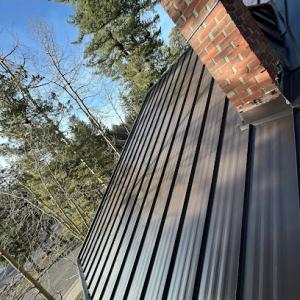
Priority metal roofing
(469) 405-7101 metalroofingflowermound.com
5325 Ponder Pl, Flower Mound, Texas
4.9 from 39 reviews
Roofing contractor
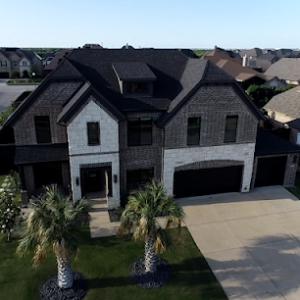
Texas Sun Roofing & Solar
(817) 501-1855 www.texas-sun.com
Serving
4.9 from 43 reviews
At Texas Sun Roofing & Solar we help customers navigate the roof replacement process as well as create energy on the roof. If your property has been impacted by storm damage, we have a team dedicated to helping you restore your home to its pre-storm condition, in most cases even improving on it. The insurance process can be tricky to say the least, it’s good to know you have an expert in your corner. If you’re exploring the world of Solar, it can be confusing and definitely not all products are created equal. Let one of our solar professionals show you the options in a non-pressuring and educational experience. That way you can make an educated decision based on what’s best for your individual needs, there is no one-size-fits-all system.
North Texas is a high-claim roofing market, and Flower Mound homeowners commonly encounter insurer requests that extend far beyond a simple estimate. After a storm, the carrier may insist on detailed roof photos, contractor estimates, and sometimes a post-installation roof certification. The goal from the insurer's side is to separate storm-related damage from age-related wear, but the practical effect is that the process can drag on and force a homeowner to assemble a precise, well-documented case. In this environment, a rushed decision can lock you into a remedy that doesn't actually reflect the true extent of damage or the best long-term solution.
In this market, the quality of the documentation is often the deciding factor. Photos need to capture both broad views and close-ups of flashing, knuckles, vents, and edge details that show hail impact, granule loss, and wind-related lift. The timing of those photos matters, too: contemporary shots that reflect the current condition support a stronger claim than images taken weeks later. When you hire a contractor to provide estimates, ensure the scope describes specific damage areas, the condition of decking, ventilation, and flashing, and notes any hail impact on coatings or underlayment. A well-documented file comes across as credible evidence of storm-created damage rather than incidental wear.
Hail and high-wind losses are common enough that some policies may limit depreciation recovery or favor replacement-cost treatment in certain circumstances. The policy review becomes especially critical before committing to a full replacement. If the insurer leans on depreciation, you may be asked to fund the difference between replacement cost and actual cash value up front, with the understanding that depreciation will be recovered later as a portion of the claim. The result can be a financial surprise if the policy terms aren't crystal clear. Reading the fine print with a reputable advisor-and, if needed, requesting a rider or endorsement that clarifies how depreciation is handled-reduces the chance of a painful mismatch between expectation and reality.
Adjusters often want evidence of storm-created damage rather than age-related wear on asphalt, tile, or wood roofs. This means a careful, professional assessment is essential. Remove guesswork by documenting specific hail hits on shingles, granule loss patterns, and any leaks tied to storm events. Avoid letting aging material get conflated with storm damage; the goal is a precise, defensible narrative that ties every evidence point to a dated hail event or wind incident.
After a storm, avoid delaying the claims process in hopes that the damage will be obvious later. Insurance reviews can move quickly when well-prepared evidence is ready, but delays can lead to misunderstandings about the extent of loss and the appropriate repair approach. If you face a denial or a request for additional documentation, respond promptly with organized records and, if necessary, seek guidance from a local roofer experienced with Flower Mound claims. A measured, evidence-backed approach reduces the risk of misinterpretation and supports a path that reflects the true condition of the roof.
Connect with contractors who help homeowners navigate the claims process from damage assessment to final approval.

Gregory Group Roofing
(214) 354-6753 www.gregorygrouproofing.com
Flower Mound, Texas
5.0 from 203 reviews

T Rock Roofing & Contracting
(945) 425-3643 dallasroofer.com
3001 Long Prairie Rd Suite 100, Flower Mound, Texas
5.0 from 694 reviews

Pearson Roofing
(972) 471-2700 www.pearsonroofing.com
6113 Beau Ridge Ct, Flower Mound, Texas
5.0 from 309 reviews
In Flower Mound, the dominant residential roof mix includes asphalt shingles, clay tile, concrete tile, wood shakes, synthetic/composite shingles, and slate rather than a single-material market. That variety matters when choosing a replacement after a hail event or planning a long-term upgrade. High-end neighborhoods often feature steep-slope roofs with clay or concrete tile, plus designer profiles that elevate curb appeal. Understanding the local stock helps pair the right material with the house's geometry and the neighborhood's look, while aligning with typical maintenance cycles for this climate.
The North Texas heat and storms drive different failure patterns by material. Asphalt shingles in this area can shed granules after a heavy hail event and accelerated aging from hot summers. Tile roofs-whether clay or concrete-tend to resist wind but can crack from a hard impact, especially on the edges or over unsupported spans. Wood roofs experience faster weathering in the season's heat, with higher potential for cupping, curling, or edge rot if ventilation is lacking. Synthetic or composite shingles offer a middle path, balancing impact resistance and weight, but still respond to sun exposure over time. Slate delivers longevity and a refined aesthetic, yet requires precise installation and flashing details to prevent moisture intrusion around vents and dormers. Each option has a story to tell about a Flower Mound summer: heat-driven expansion, hail-driven impact zones, and the need for sturdy flashing and ventilation to manage moisture once a panel or tile is compromised.
For steeper roofs common in higher-end Flower Mound neighborhoods, tile or slate can be a natural match, offering durability and a premium look, provided the deck and underlayment are in solid shape. Asphalt remains a practical choice for many homes, especially where cost, warranty, and quick repairs matter, as long as granule loss and color fading are tracked after storms. Wood shakes present a distinctive profile but demand careful attention to ventilation, sealing, and potential insect exposure in long dry spells. Synthetic or composite options can mirror the appearance of natural materials while delivering enhanced impact resistance and lighter weight, which can be advantageous on older, complex roof lines. The right selection depends on the roof's pitch, exposure, and the dwelling's architectural language, plus the ability to address flashing around chimneys, skylights, and transitions where hail can exploit weak points. When planning a post-storm decision, prioritize a material that pairs well with existing flashing details and your home's ventilation plan to minimize cascading repairs.
In Flower Mound, a full re-roof typically requires a permit through the Town of Flower Mound building department. That permit ensures decking, ventilation, and flashing are up to code and that the project is tracked through the town's review process. Before pulling permits, gather your contractor's details, the planned roof system, and any underlayment notes. Expect the permitting step to align with the project's scope and the overall condition of the existing decking, especially after hail seasons.
Local inspections are commonly scheduled during and after installation, with attention to roof decking, ventilation, and flashing rather than only the finished surface. A good inspector will walk the deck, verify venting is adequate for attic moisture control, and confirm flashing around hips, chimneys, skylights, and walls is properly integrated with the new surface. Coordinating with your contractor to have access for these checks helps avoid delays. In practice, inspections can uncover issues that aren't obvious from the surface, so address any noted items promptly to keep the project on track.
Expect a staged inspection plan: one check for the deck and ventilation details, another for flashing integration, and a final certification when the new roof is complete. If the project includes replacement of vents or any penetrations, the inspector may require that those components meet current code and manufacturer recommendations. Keep a clear line of communication with both the contractor and the building department, so you can respond quickly if an item needs revision.
Review timing and fees vary with project scope in Flower Mound, so storm-season backlogs can affect start dates even after insurance approval. Weather windows matter in this climate, where hail activity often drives rapid project starts but can collide with permit queues. Plan for a realistic timeline that accounts for permit issuance, inspection slots, and potential coordination with tie-ins to gutters, facia, and exterior detailing. Having a contingency plan for inspections helps avoid seasonal slowdowns.
Typical local pricing runs about $350 to $700 per square for asphalt shingles, $900 to $1300 for clay tile, $900 to $1400 for concrete tile, $600 to $1000 for wood shingles or shakes, $600 to $1100 for synthetic/composite shingles, and $1100 to $1800 for slate. These ranges reflect the mix of steeper, upscale systems common in the area and the premium finishes homeowners opt for in high-end neighborhoods. When budgeting, expect the final number to sit toward the higher end if the project includes intricate detailing, extensive flashing, or a full re-deck.
Costs in this market can skew upward because the local material mix includes more tile, slate, and premium steep-slope systems than many nearby entry-level suburbs. That means even a basic update may migrate toward tile or engineered options if the roof's angle or architectural style calls for it. If a home already has clay or concrete tile, a re-roof over the same system often carries similar or higher install labor because tile work demands careful handling, underlayment choices, and proper flashing integration around vents and chimneys. In short, expect premium materials to influence both material and labor quotes here.
North Texas storm demand can temporarily raise labor pressure and scheduling costs after hail events, especially when many homeowners are re-roofing at once. If a hail claim triggers a quick turn-around, plan for busier-than-usual crews and tighter timelines. Scheduling windows may shrink, and expedite options can come with a premium. Having your insurance documentation and preferred color/upgrade choices ready helps keep the process moving without delays that drive price surprises.
Start with a close estimate for the most likely system based on your home's architecture and current roof composition. If the roof shows widespread damage, plan for underlayment, flashing, and ventilation upgrades, which are common in Flower Mound due to the town's weather and the prevalence of steep slopes. For a high-end upgrade, consider slate or premium synthetic options, but verify compatibility with existing ventilation and decking to avoid hidden costs. Finally, build a contingency of 5-10% for unforeseen decking repairs or supply delays that can occur after a major hail period.
Don't let upfront costs delay a critical repair - these contractors offer payment plans to fit your budget.
Gregory Group Roofing
(214) 354-6753 www.gregorygrouproofing.com
Flower Mound, Texas
5.0 from 203 reviews
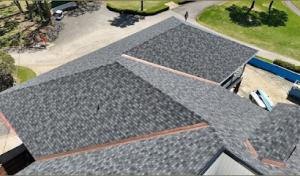

Flower Mound roofs endure long hot North Texas summers, which can shorten material life and make attic ventilation performance a major replacement consideration. The sun's relentless glare and high humidity push roofing underlayment and decking to endure more cycles of expansion and contraction than cooler climates, so think of ventilation not as optional but as a structural match to your roofing system. In practice, that means choices you make for soffit, ridge, and mechanical vents directly influence how long a roof remains effective against heat and moisture.
The local inspection emphasis on venting means ventilation upgrades often become part of full re-roof discussions in Flower Mound rather than an optional add-on. If a core goal is to extend roof life after hail or heavy storms, upgrading intake and exhaust paths can improve attic conditions, reduce heat buildup, and help maintain shingle or tile integrity. In homes with steep slopes or tile roofs, professional attention to vent placement and balance is essential to avoid dead air pockets and to ensure attic air moves freely, especially during the hottest afternoons.
Rare winter freezes occur here, but the bigger annual stressor is prolonged summer heat cycling followed by spring storm impacts. After a brutal stretch of heat, a sudden rain-driven hail event can push existing ventilation toward its limits, accelerating condensation issues and affecting decking health. When planning a re-roof, consider how venting upgrades work in concert with your chosen roofing material to manage temperatures, control humidity, and support long-term performance in Flower Mound's climate.
In this market, clay and concrete tile plus slate dominate the skyline, which changes how impact damage shows up and how underlayment and accessory detailing behave. A hailstorm can leave pockmarks on tiles that look minor but loosen fasteners or crack the waterproof layer beneath. Because these materials break differently than asphalt, you're more likely to see compromised underlayment and shifts in deck integrity after a storm. This means a thorough inspection should focus not just on the surface but on the layers below, especially where tiles meet eaves, hips, and parapets. Expect more careful attention to spacing, nailing patterns, and the condition of the secondary waterproofing over openings.
Chimneys and skylights are common on larger, custom homes and show up as frequent leak points when roofs are subjected to hail or high-wind events. In Flower Mound, that means the first sign of trouble may come as damp spots near these penetrations long after a storm. A premium setup with tile or slate requires precise flashing and sealants around every edge, vent, and transition. If flashing areas look aged, cracked, or poorly integrated with the tile system, plan for a targeted fix this season rather than a full retrofit later. Strong attention to flashing around these features can save you from slow, creeping water damage and the need for more invasive repairs.
On premium steep-slope roofs, the quality of flashing around penetrations and transitions is especially important because inspections look closely at flashing during re-roof work. Substandard flashing can hide behind tile patterns, only revealing itself after a rain or wind event when leaks emerge at fasteners, counterflashing, or at step flashing along ridges. If your contractor suggests compromises to flashing detail to speed up the project, push back for a design that follows best practice for tile and slate systems. A durable, well-sealed transition is your best defense against costly, disruptive leaks down the line.
Find contractors experienced in skylight installation, flashing, and leak repairs to bring natural light into your home.
Pearson Roofing
(972) 471-2700 www.pearsonroofing.com
6113 Beau Ridge Ct, Flower Mound, Texas
5.0 from 309 reviews

Reilly Roofing & Gutters
(940) 205-0097 reillyroofing.com
4581 Wichita Trail, Flower Mound, Texas
5.0 from 75 reviews

Discount Roofing
(214) 500-8787 www.discountroofingllc.com
2201 Spinks Rd #171, Flower Mound, Texas
4.9 from 103 reviews
In Flower Mound, shoulder seasons are often preferred because they avoid the worst summer heat while reducing the risk of spring hail interruptions. Plan a project during late spring or early fall when temperatures are moderate and crews can work efficiently without blistering afternoons or sudden weather shifts. This timing also helps align with typical storm patterns, so downtime from storms is minimized and scheduling gaps are less frequent.
Spring severe weather can abruptly shift a planned replacement into an emergency repair or insurance claim timeline. If a hail event hits, adjust expectations quickly: roofing crews can move into rapid-response mode, but the process may hinge on documenting damage for insurance. Have photos ready, note any cosmetic dents on vents, gutters, and siding, and keep a clear record of when shingles or tiles failed to perform. A timely assessment helps prevent downstream issues with decking or flashing that could complicate a permit review or installation plan.
Fall usually offers more workable installation windows in North Texas, though rain can still interrupt tear-off and dry-in schedules. Set realistic milestones for weather-friendly weeks and buffer days for drying times after rain. Clear, cooler days are ideal for shingle rapid nailing and tile setting, while a stubborn afternoon shower can push tasks into the next morning. Coordinate closely with the contractor on preferred tear-off sequencing to protect decking and ventilation paths during any shifting weather pattern.
When you can't wait, these contractors offer fast response times to stop leaks and prevent further damage.
T Rock Roofing & Contracting
(945) 425-3643 dallasroofer.com
3001 Long Prairie Rd Suite 100, Flower Mound, Texas
5.0 from 694 reviews

Presidio Roofing Company of Flower Mound
(469) 813-9591 presidioroof.com
2001 Timber Creek Rd ste 116, Flower Mound, Texas
5.0 from 62 reviews
Discount Roofing
(214) 500-8787 www.discountroofingllc.com
2201 Spinks Rd #171, Flower Mound, Texas
4.9 from 103 reviews
Although Flower Mound is primarily a steep-slope residential market, some homes and additions still involve low-slope sections that need different detailing than the main roof. These areas often sit at transitions from the main deck to porches, sunrooms, or attached garages, and they can be more vulnerable to wind-driven leak paths if not properly flashed and terminated. You should expect that a low-slope remodel or repair will require a dedicated inspection of deck drainage, rubber or modified-bitumen membranes, and edge flashings that match the slope and local climate. In practice, this means confirming that the low-slope surface has the correct seam, paver, and edging details, and ensuring that any patching or patch-over work does not leave a micro-delta where water can pond or wick sideways toward interior framing. A competent roofer will treat these zones as separate systems within the larger roof, coordinating with existing ventilation and attic access to avoid creating dead-air pockets or hidden condensation issues.
Solar roofing appears in the local contractor signal set but is clearly secondary to storm-response work, so it is a specialized rather than mainstream homeowner concern here. If a solar array or a radiant-thermal facet is added, it should be evaluated as a distinct project with its own flashings, penetrations, and underlayment compatibility. Solar deployments can change the way flashing details are seated around rakes, hips, and valleys, and they often interact with existing vent stacks and attic exhausts. The presence of solar on a steep-slope roof increases the importance of accurate weight distribution, shingle-to-rail interface, and the choice of mounting hardware that can withstand North Texas hail loads. Expect that an inspection after installation will require verification of both energy-system integrity and roof-waterproofing continuity.
When these systems are present, they complicate inspection, flashing, and replacement sequencing compared with a standard shingle tear-off. A full-coverage tear-off on the main slope may not align cleanly with a low-slope transition or a roof-mounted solar plane, so scheduling and sequencing become critical. The contractor should map every penetration and flashing detail, confirm that the new underlayment is continuous under both slopes, and ensure that valley and edge flashings are compatible with the chosen roofing membrane. In post-storm scenarios, you want a plan that prioritizes securing the most vulnerable seams first, then methodically verifies drainage paths, attic ventilation balance, and proper termination at all interfaces before finishing the near-surface work. This approach minimizes the risk of hidden leaks and streamlines subsequent maintenance.
Find specialists in TPO, EPDM, and built-up flat roofing systems for residential and commercial properties.
Presidio Roofing Company of Flower Mound
(469) 813-9591 presidioroof.com
2001 Timber Creek Rd ste 116, Flower Mound, Texas
5.0 from 62 reviews
DB Roofing & General Contracting
(940) 978-3610 dbroofingandgeneralcontracting.com
Serving
4.9 from 33 reviews