
Last updated: Apr 19, 2026
The Colony sits in the Dallas-Fort Worth hail and wind claim corridor, so spring hailstorms and strong fronts are a primary trigger for roof inspections and full replacements. When a front pushes through from the lake, shingles lift, edges peel back, and fasteners loosen in a hurry. Houses that sit closer to Lewisville Lake tend to catch stronger gusts, which means ridge lines bear the brunt and roof accessories-vents, boots, and drip edges-are the first to fail when a storm roars through. In plain terms: you're on a clock as soon as front-driven weather starts thundering across the water.
Exposure matters in The Colony. Neighborhoods near Lewisville Lake can see more exposed wind conditions than inland subdivisions, which can worsen shingle lift, ridge damage, and blown-off accessories during storm fronts. If a storm clips your street, expect a quick cascade: hail bruises on asphalt shingles become granule loss, vent stacks tilt, and metal flashings strain at their seals. You'll notice granules in gutters, dark bare spots on the roof deck, and a suspicious sheen on darker shingles where hail struck. If you see a swollen edge, lifted tab, or a seam seam that looks wavy, treat it as an emergency skip-do not assume it's cosmetic.
Because this market sees frequent storm losses, homeowners in The Colony often need date-stamped photos, contractor damage maps, and adjuster-ready documentation soon after a hail event before repair demand spikes. Start now: take clear, wide photos from multiple angles, and include attic views if you notice daylight peeking through deck boards or rafters. Create a simple map of the roof with marked damage zones and note the exact time of the storm. If you've filed a claim before, assemble your previous claim numbers and any notes from the adjuster. The goal is a concise, provable record that survives both the initial inspection rush and subsequent rounds of weather events.
Act quickly but methodically: call a local roofer who knows The Colony's storm cadence and how adjusters move through the area after big fronts. Schedule an in-person inspection within 48 hours of noticing damage, and insist on a full roof assessment including attic venting and decking. Demand a damage map and a dated, written scope of work that matches the observed issues. If an adjuster hasn't yet walked the roof, request a joint inspection and bring your documentation to the meeting. The sooner you establish a documented baseline, the smoother the recovery-and the less risk you carry of leak progression or hidden damage slipping past the initial claim.
Find local contractors experienced in assessing and restoring roofs after hail, wind, and severe weather events.

Optic Home Solutions
(469) 216-2183 www.optichomesolutions.com
4570 N Shore Dr, The Colony, Texas
5.0 from 80 reviews
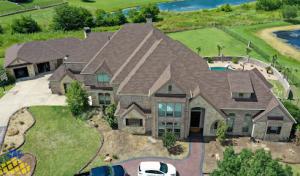
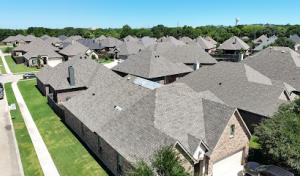

Optic Home Solutions
(469) 216-2183 www.optichomesolutions.com
4570 N Shore Dr, The Colony, Texas
5.0 from 80 reviews
The Optic Home Solutions team of dedicated professionals have many years of experience and commitment in the roofing and construction industry. Our foundation is built on solid core values and a genuine interest in successfully fulfilling each and every opportunity that we have. Our company is family owned and family operated. Our expert staff is fully trained in all aspects of roofing replacements
Pineapple Roofing
(972) 795-1342 www.pineapplecontractors.com
Serving
5.0 from 169 reviews
Pineapple Contractors is a family owned and operated contracting company that is comprised of professionals with over 20 years of combined experience.
Branded E Construction®
(940) 255-0972 brandedeconstruction.com
Serving
5.0 from 155 reviews
Branded E Construction® is a premium roofing and restoration company serving homeowners who want clarity, honesty, and craftsmanship that lasts. We specialize in forensic roof investigations, storm damage, roof replacement, and roof repair. Our process is detailed, photo documented, and focused on helping you understand what is happening, why it matters, and what to do next. As a GAF Master Elite® contractor, CertainTeed Select ShingleMaster™, and FORTIFIED Roofer, we operate in the top tier of the industry. We deliver peace in the midst of the storm. Because at Branded E Construction®, it matters who you choose®. Homeowners choose Branded E Construction® for clear communication, high standards, and craftsmanship built to last.
LE Construction
(469) 434-5400 leconstructiontx.com
Serving
5.0 from 68 reviews
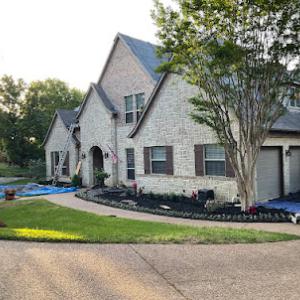
Le Construction is a family-owned and operated roofing & construction company serving the Dallas–Fort Worth Metroplex for over 13+ years. We specialize in decking, roofing, concrete, patios, gutters, fences, flooring, and full home remodeling. Our experienced team is dedicated to delivering high-quality craftsmanship, reliable service, and results built to last. Whether you need a new roof, custom patio, fence installation, or interior renovation, we provide trusted solutions tailored to your needs. Customer satisfaction is our top priority. Call Le Construction today for expert residential construction services in DFW!
Patriot Restoration
(469) 402-8229 gurrbrothersroofing.com
Serving
4.9 from 378 reviews
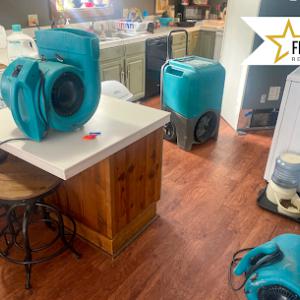
At Patriot Restoration of Dallas, we provide expert water and fire damage restoration services with fast response times and top-quality workmanship. Whether dealing with floods, fires, or mold, our team is available 24/7 to restore homes and businesses across Dallas. When disaster strikes, trust the five-star experts to bring your property back to life!
Touchstone Roofing
Serving
5.0 from 417 reviews
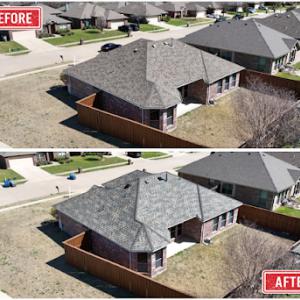
BBB Accredited A+ rated business Founded by veterans with over a decade of experience and locally owned, Touchstone strives for one motive, helping our community. We understand not one company can do it all, but we believe the collective efforts of small businesses can make a huge impact in their community around them. Not only is Touchstone focused on the betterment of our community, our goal is to raise the bar for the standards in the industry. We are committed to maintaining a high level of professionalism, integrity, and quality with every project. We hope to provide continuous examples on how to conduct a compassionate company with honest intentions. Touchstone treats your home as if it were our own.

Firehouse Roofing
(972) 737-1451 firehouseroofing.com
Serving
4.8 from 743 reviews
Founded in 1997 and voted Best Roofer in DFW, Firehouse Roofing is the area’s leading expert in roof repairs. We provide the highest quality shingles, insulation, ventilation, gutters, and solar stock to make sure you are getting the best products installed in your home or business. Our knowledgeable team specializes in roof repairs, roof replacements, metal roofing, residential roofing, commercial roofing, gutter installation, and offers in-house financing. Firehouse Roofing stands by a 100% Satisfaction Guarantee 24/7. Whether it be residential or commercial roofing, Firehouse has got you covered. Call today to schedule a FREE inspection!
Exclusive Roofing GC
(972) 266-1553 exclusiveroofinggc.com
Serving
5.0 from 253 reviews
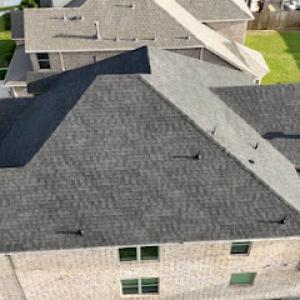
At Exclusive Roofing GC, we take pride in being the leading provider of roofing services in the Dallas-Fort Worth (DFW) area. Our commitment to excellence, quality craftsmanship, and customer satisfaction sets us apart from the competition. Whether you need residential roofing, roof replacement, or roof repair, our team of experienced professionals is here to deliver top-notch services tailored to your specific needs. With years of experience and a dedication to using only the best materials, we ensure your roof is built to last. Trust Exclusive Roofing GC for reliable, efficient, and affordable roofing solutions.
Infinite Roofing GC
(469) 300-5400 infiniteroofing.com
Serving
4.8 from 266 reviews
Your Roofing Contractor in Dallas / Fort Worth FAMILY-OWNED & OPERATED WITH 10+ YEARS OF EXPERIENCE There’s a good reason that having a sturdy roof over your head is synonymous with being safe and secure. Your roof is hugely important to the safety and overall structural integrity of your property, and should only be trusted to the best. Here at Infinite Roofing GC, we understand the importance of having a strong and reliable roof and the peace of mind that comes with it. We work hand in hand with you and the insurance companies to make sure that you, the home owner, get the best experience possible. With over 10+ years of experience, we know what it takes to get the job done right.
T Rock Roofing & Contracting
(469) 931-9867 www.dallasroofer.com
Serving
4.9 from 60 reviews
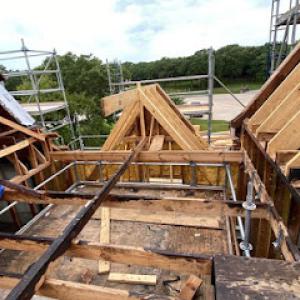
Roofing Contractor and General Contractor. We do new construction existing construction, residential, and commercial roofing/construction. We specialize in roofing on commercial, residential, and multi family housing. No job is too big and no job is too small. We have been building jobs for over 60 years in the DFW Metroplex and surrounding areas one by one. We clean slate and tile roofs, do all roof repairs, and offer whole house roof replacements. Call now for your same day appointment.
Promised Land Restoration
(469) 850-2836 promisedlandresto.com
Serving
4.8 from 76 reviews
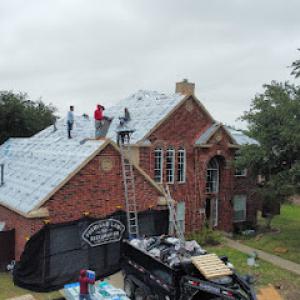
Our vision is simple: Create time-freedom and lifetime relationships one roof at a time. Our business model is based on years of experience, a mastery of trends and traps, alignments with top restoration companies in DFW, we have studied Texas Laws, Codes, North Texas Roofing Contractors Association, and the best practices they define, all of which has led us to our over-arching strategy – Keep It Simple!
Status Roofing
(469) 424-4623 www.statusroofingllc.com
Serving
5.0 from 194 reviews
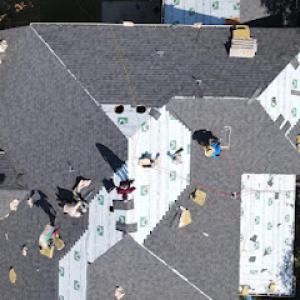
Status Roofing, located in Frisco, TX, is a trusted residential and commercial roofing contractor specializing in roof installations, repairs, and replacements. Our team of experienced professionals offers free roof estimates and expert services, including roof leak repairs, inspections, and shingle replacements. They are an A-rated, accredited business with the Better Business Bureau (BBB) and a member of the Roofing Contractors Association of Texas, and licensed in Oklahoma with a focus on quality workmanship, superior customer service, and competitive pricing. Status Roofing is your go-to for all your roofing needs. Elevate the status of your property with us today.
The Colony sits in a crowded storm corridor where hail and wind have left a lasting trace on many roofs. Carriers across Dallas-Fort Worth have grown more cautious after major storm years, and that caution translates into tighter documentation demands and slower path to approval. When a hail event hits, expect more scrutiny, not less, even for roofs that look superficially fine. The goal for insurers is to separate true, widespread damage from isolated wear, and the lines between the two can blur quickly in a neighborhood of mixed ages and materials.
In this market, an adjuster will likely request a face-to-face on-site evaluation. Have clear photo evidence of hail impact, especially on gutters, vents, and edges where damage tends to accumulate. Prior repair history matters too-if a roof has had patches or re-sealing in the past, that history is reviewed to determine whether current damage is incremental or indicative of broader failure. You'll also be asked for contractor estimates, so you can present a consistent, itemized view of what a replacement or repair would entail. The goal of these requests is not to trip you up, but to avoid paying for what insurance sees as an existing, unresolved issue across the system.
The Colony's mix of older homes and newer builds means two roofs can ride very different riding weather in the eyes of an adjuster. A roof's age matters because shingles and underlayment have finite life spans. If the roof is near the end of its expected life, a storm-driven claim tilts toward replacement rather than repair. If prior storms have left visible, repairable damage but not a full system failure, the claim may be evaluated for a partial fix or staged replacement. In practical terms, the decision hinges on whether damage looks repairable without compromising long-term performance or signaling broader system-wide deterioration.
Document everything as soon as a storm passes: photos from multiple angles, close-ups of damaged areas, and a timeline of any prior repairs. Before engaging a contractor, obtain a detailed written estimate that aligns with the adjuster's scope, and maintain a consistent narrative across documents. If a claim stalls, request a written explanation tied to specific damage observations and known limitations of the current roof system. Given the high-claim environment, staying organized and proactive helps keep the process on track, reducing the risk of unexpected delays or derailed timelines.
Connect with contractors who help homeowners navigate the claims process from damage assessment to final approval.
Optic Home Solutions
(469) 216-2183 www.optichomesolutions.com
4570 N Shore Dr, The Colony, Texas
5.0 from 80 reviews
Asphalt shingles remain the dominant practical choice in The Colony because they fit the area's storm-repair cycle and are widely used across North Texas subdivisions. When a storm passes, you'll notice most quick-fix repairs and insurance-approved replacements lean toward asphalt due to familiar installation methods and predictable performance under hail and wind. A homeowner should prioritize 30-year or better shingles from a reputable manufacturer, ensure a proper seal strip across the ridge, and confirm the roof deck is solid before shingle replacement begins. In spring storm cycles, quick patching and resealing of any compromised areas keeps leaks from spreading and minimizes the chance of interior damage during the next round of weather.
Metal roofing is increasingly relevant for homeowners trying to improve hail resilience and heat performance, but detailing and attachment matter because of the area's wind events. If choosing metal, focus on a well-sealed, continuous underlayment and corrosion-resistant fasteners designed for hot Texas summers. Look for panels with a staggered seam or hidden fastening system to reduce wind uplift risk. The Colony experiences strong gusts near lake breezes, so a robust attic ventilation strategy and proper flashing around chimneys, skylights, and vents are essential to prevent condensation and ice dam issues down the line. A metal roof can be a strong long-term choice, but ensure the installation crew has experience with hurricane-grade wind loads and that edge trim and gutter integration are secure against wind-driven debris.
Clay tile, concrete tile, synthetic/composite, and slate appear on higher-end North Texas homes, but in The Colony these heavier systems raise concerns about impact damage, underlayment aging in heat, and replacement complexity after storms. If a heavier roof is in the plan, anticipate more extensive structural assessment to ensure the deck can carry the load, particularly on older homes. Tile systems require precise installation with matched battens, proper underlayment, and reinforced zones around hips and valleys to minimize crack propagation from hail. Synthetic or composite options can offer a balance of weight and durability, but still demand a robust fastening strategy for wind events and a capable, heat-tolerant underlayment. Slate, while elegant, demands careful site-specific evaluation for hail impact risk and long-term maintenance, as well as potential complications during rapid storm recovery when local crews are busy.
After a significant hail event, inspect for dented metal, cracked shingles, and granule loss, then document with clear photos and timestamps. In a lake-adjacent environment, wind-driven debris can reach soffits and vents quickly, so include immediate checks of flashing and ridge lines. Replacement timing should consider the typical North Texas storm cycle, aiming to address damage before next spring storms. Engage a local contractor who understands the seasonal patience of The Colony residents, can coordinate with your insurer, and can provide a phased repair plan that minimizes exposure to rain while maintaining water-tightness during the repair window.
The Colony's hot summers can push you into a tight window for asphalt shingle and other roof installs. After spring hail events, North Texas demand spikes, and local crews often book out weeks or more. In practice, that means delays can pop up just when heat is peaking, making early planning essential. If a storm hits in late spring, expect your project to slide into the late heat weeks unless you already have a committed crew on standby.
High roof-surface temperatures affect pacing, handling, and safety for crews. Shingle strips warm quickly, becoming slick and harder to grip, which slows tear-off and installation. Fasteners can expand differently in extreme heat, influencing nailing patterns and sealant flow. Attic heat compounds the issue by reducing work comfort and increasing the risk of heat-related strain for anyone on the deck or in steep pitches. If attic ventilation is weak, heat buildup can accelerate panel aging and shorten the window when crews can work efficiently.
Storm-driven demand tends to tighten the schedule right when heat is intensifying. The Colony homeowners who plan ahead often secure a provisional start date with a trusted local contractor, then monitor forecasted heat spikes and possible additional hail events. If a late-spring storm is followed by a heat wave, you might see a temporary pause for safety and material handling, followed by a staggered tear-off and installation to keep crews productive without compromising quality.
Coordinate with your contractor to lock in a preferred start week early in the spring, with a contingency plan for heat delays. In peak heat, consider scheduling tear-off and installation for early morning sessions or late afternoon windows to avoid the hottest hours, while ensuring safety rack and ladder use remain solid. Ensure attic ventilation is evaluated before work begins; improving airflow can make days more workable and reduce attic heat transfer during the install. Communicate a clear sequence for tear-off, underlayment, and shingle placement so crews pace themselves safely without rushing, which helps preserve material performance in the high-heat season.
When you replace your roof, a building permit through the city building department is typically required. This ensures the project adheres to local codes, wind provisions, and drainage requirements that are crucial for our storm-prone climate. Before you start, confirm with your contractor that the permit is pulled in your name or the contractor's name, and that the project scope matches the permit plan. Keep a copy of the permit on site throughout the job in case inspectors request to review it during visits. Understanding the permit timeline up front helps keep the project moving rather than stalling at the city counter.
City inspections are scheduled during and after installation to verify venting, underlayment, decking, and roof attachment compliance. In practice, you'll typically have a rough-in inspection soon after decking and underlayment are laid, followed by a final inspection once the shingles are installed and vents, flashing, and drip edges are in place. The inspectors will look for proper attic ventilation placement and intake/output balance, secure and code-compliant underlayment, and correct nailing patterns for your chosen roofing material. If your home uses attic hatch access or vent baffles, those get checked too. If any items don't meet code, your crew will need to address them before the inspector approves the phase, which can lead to re-inspection visits-plan those into your timeline.
During peak storm and replacement seasons in The Colony, inspection backlogs can delay project completion and final sign-off. Weather-driven delays are common, but the backlog itself can push timelines beyond the initial forecast, especially when multiple homes in nearby neighborhoods are on similar schedules. To minimize risk, coordinate with your contractor to align delivery of materials and the permit review so the deck is ready for the first inspection window. Have contingency plans for a potential second inspection day if rain chances push your initial appointment. If you receive a notice from the city about an overdue inspection, respond promptly; delays compound quickly when the weather window narrows and crews are juggling multiple projects. Keeping clear, proactive communication with both the contractor and the city building department helps you navigate backlog hiccups without compromising your re-roof quality or safety.
The Colony sits on the eastern shore of Lewisville Lake, and storm cycles each spring tighten labor availability as crews chase storm work across North Texas. Hail seasons can push bids upward and compress scheduling windows, so your replacement timeline may hinge on how quickly the crew can align with others seeking the same skilled labor. Local pricing is shaped by these swings, so a bid from one season can look different from the next even for identical roof profiles.
Material choice matters sharply here: asphalt shingles remain the common budget path, with the low end around 350 per square and the high end near 700 per square for installed asphalt. Metal roofing, favored in some newer homes for durability, sits higher, roughly 550 to 1100 per square. Tile options-clay or concrete-tend toward the upper end, with clay around 750 to 1300 and concrete about 600 to 1000 per square. Synthetic or composite shingles offer a middle ground, about 400 to 800 per square, while slate runs well above, from 1200 to 1800 per square. These prices reflect local labor demand and the specialized crews sometimes required for higher-end installations.
When a weather event triggers multiple replacements, bids can vary noticeably between contractors and weeks of availability. In The Colony, many homeowners end up moving between quick responses and longer lead times as crews balance storm work with standard projects. If a bid comes in significantly higher than another, ask about crew experience with your chosen material, warranty nuances, and the time needed to complete under local conditions. A well-structured bid will outline material type, square footage, underlayment specifics, and expected progression milestones, helping you compare apples to apples in a tight labor market.
Get a clear picture of your project costs upfront - no commitment required.
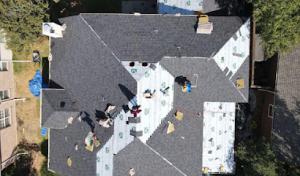

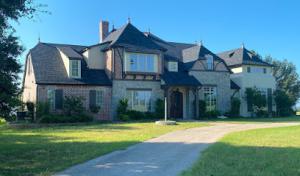
In The Colony, repeated hail exposure commonly shows up as granule loss, bruising, cracked tabs, and shortened service life on asphalt roofs. These signs don't just mean aesthetics are harmed; they point to underlying shingle structure that may be more vulnerable to future leaks. If you notice granules in gutters after a storm, or if shingles look misshapen or unusually soft to the touch, that's a call to action. A post-storm inspection should verify whether your roof still offers the expected rain defense and whether fascia, vents, and underlayment have held up.
Strong North Texas wind events can damage ridge caps, loosen flashing, and create shingle creasing that is easy to miss without a post-storm inspection. Ridge seams and flashing joints are common failure points when gusts slam against corners and vents. After a windy period, walk the roof if safe or hire a pro to check for lifted edges, torn sealant, and any creased or curled shingles. Unaddressed wind damage compounds over time, increasing the risk of leaks during the next storm season and shortening the roof's overall lifespan.
Heat-driven expansion and aging around roof penetrations are especially relevant in this market, where long hot seasons stress sealants and accessory components. Skylights, plumbing vents, chimney transitions, and vent boots can loosen or crack as temperatures swing from scorching days to cooler nights. Look for cracked sealant beads, wobbly flashing, and dried-out mortar or caulk around penetrations. Early signs of agitation around these points often precede leaks, venting failures, or accelerated wear around the surrounding shingles. Regular inspection after heat waves helps catch problems before water finds its path.
Find contractors experienced in skylight installation, flashing, and leak repairs to bring natural light into your home.
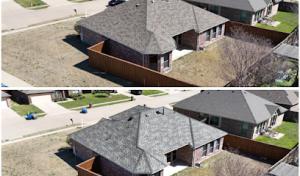

While pitched asphalt roofs dominate the local skyline, the contractor market shows meaningful demand for metal, tile, flat/low-slope, skylight, and solar-related roofing work. In The Colony, a combination of lake-adjacent wind exposure and spring storm cycles means homeowners often weigh durability, weight, and hail resistance when selecting materials. Tile and metal offerings provide extended durability, while newer synthetic options offer lighter, more affordable paths that still ride the same weather curve. Your choice should align with the existing roof geometry, attic ventilation, and the ability to coordinate with any solar or skylight systems already in place.
Flat and low-slope sections are more common on additions, patio covers, and some commercial or mixed-use properties, requiring different drainage and membrane considerations than standard shingle roofs. In such cases, inspect for prior ponding, edge flashing integrity, and the condition of ballast or fasteners that secure the membrane. The Colony homes with these features benefit from a careful plan for transitions between the flat plane and any pitched roof areas, ensuring proper drainage channels and reliable perimeter flashing to minimize leaks during heavy spring downpours.
Solar-equipped roofs in The Colony need reroof planning that accounts for panel removal and reinstallation logistics in a storm-prone insurance market. When a roof needs replacement, coordinate with the solar contractor to document panel locations, racking type, and ballast or mounting systems. A reroof sequence that preserves mounting integrity and minimizes panel handling reduces risk of micro-fractures or alignment drift. Consider whether a full reroof before solar installation would streamline labor and warranty alignment, or if a staged approach can preserve energy production while maintaining storm-ready coverage.
Following hail or high-wind events, The Colony homeowners benefit from prompt, documented inspections that focus on impact zones, flashing integrity, and the cone of potential damage around skylights and vents. Keep a simple photo log and note any granule loss, deformation, or staining on metal surfaces. Local crews recognize the value of rapid documentation for insurance-assisted repairs, so establish a trusted partner early to facilitate fast, accurate estimates and timely work windows that fit spring storm cycles.
When selecting tile or metal in this market, compatibility with existing decking, underlayment, and chimney or vent details matters. The Colony roofs that mix materials-such as a tile section transitioning to metal or a flat porch roof-require careful detailing at transitions to avoid hidden leaks. A seasoned local contractor will pre-plan those junctions, ensuring that fasteners and sealants tolerate temperature swings, wind pressure, and the occasional hail impact without compromising overall roof performance.
Find specialists in TPO, EPDM, and built-up flat roofing systems for residential and commercial properties.
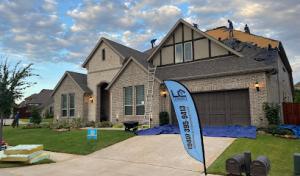
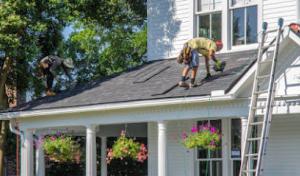
In a storm-driven North Texas market, the first priority is how quickly a contractor can respond, inspect, document damage, and start the re-roof. The Colony homeowners benefit from firms that can move fast on the ground, not just on paper. Look for teams that have a tested process for rapid mobilization after storms and a track record of keeping projects moving through weather windows and insurance cycles.
Your best drives toward reliable restoration come from contractors who bundle inspection, documentation, and tarp or emergency cover into a single, coordinated service. Quick, thorough measurements, photo logs, and a written scope help you interface with the insurance claim smoothly. A contractor with an established storm-response workflow can limit days of exposure to wind-driven leaks and further damage between hail events and re-roofing.
Local demand favors cleanup-included offerings and a clear re-roofing plan rather than purely new-construction specialization. Seek crews that show experience handling debris removal, temporary stabilization, and moisture control as part of the job. A practical storm contractor will present a realistic, phased timeline that prioritizes protecting interior spaces while progressing toward a complete roof replacement.
Certified installers and warranty-backed work exist in the market, but they are a smaller subset compared to firms centered on storm response and insurance work. When evaluating bidders, ask about certification status, what is covered under warranty, and how long coverage extends to labor and materials. A contractor with solid warranty literacy can reduce future surprises after a hail season.
Ask for recent local references who faced similar hail events, request before-and-after documentation, and verify the contractor's insurance and licensing posture. In a market shaped by wind and lake exposure, the right storm contractor will demonstrate a disciplined approach to risk, a transparent claims rhythm, and a history of steady progress from damage assessment to re-roof completion.
The Colony sits on the eastern shore of Lewisville Lake, within the Dallas-Fort Worth severe weather belt. That location shapes how roofs age: lake exposure magnifies wind impact, hail arrives in dense bursts, and summer heat accelerates wear. Unlike markets driven by snowfall or coastal salt, the dominant stressors here are hail strikes, wind gusts, heat-related expansion and contraction, and the timing of insurance-driven work after storms. Storm sequences tend to come in cycles, so you'll notice clusters of replacement activity following North Texas storm seasons.
In this area, roofing decisions hinge on how soon after a hail event a roof can be documented, assessed, and repaired or replaced. Because storms frequently reorganize the damage picture across a neighborhood, timing is critical. A rapid but accurate assessment can minimize further interior exposure and reduce disruption during peak heat. The Colony homeowners often navigate a wave pattern: a series of quick fixes early, followed by more thorough replacements as proof of sustained damage accumulates and insurer reviews play out. Planning around weather windows-avoiding the peak heat of summer and the wetter weeks of spring-helps keep crews efficient and projects on track.
The Colony's mix of suburban residences means many roofs share common designs and materials, which aids in documenting damage patterns and estimating repairs citywide. Storm-driven replacement demand tends to be reactive: a big hail season can trigger a cascade of roof work across neighborhoods, even when a single home's damage seems limited. This environment rewards proactive inspection habits-especially after a hail event-so you can establish a clear narrative for insurers and expedite timelines. Local roofs often feature mainstream materials chosen for durability and wind resistance, with upgrades commonly pursued after multiple strike seasons.
Start with a candid post-storm inspection for hail-induced dimples, granule loss, or missing shingles, prioritizing the most exposed elevations and roof edge regions. Document weather conditions and damage with dated photos, and maintain a simple repair log to support insurance conversations. When replacement becomes likely, consider the neighborhood's typical roof profiles to align material choices with home aesthetics and resale expectations. In this market, readiness to move quickly after documentation can meaningfully reduce downtime and disruption for households navigating storm season cycles.