Last updated: Apr 19, 2026
Spring storms in this region hammer roofs with hail and gusty winds that reliably test long-standing shingles and underlayment. You'll hear neighbors report dents, granule loss, or dark shadows where hail struck, and those signs often show up after a stormy weekend. The Dallas-Fort Worth weather pattern feeds that cycle: a rapid climb from blue skies to high-velocity wind and hail, then back to calmer days, with damage lingering as a reminder that a roof isn't simply "fine for a few more years." In Celina, that pattern isn't theoretical-it's part of the first-row experience for homeowners who watch their roofs weather the next spring event and the next. Responsibly addressing damage means treating every soft spot, missing shingle, or granule-filled gutter as a potential failure point rather than a cosmetic issue.
Project timing here is tightly tied to storm season. Spring events can both damage roofs and delay installations, because crews move from one urgent call to another while access to good daytime weather shortens windows for work. If a hail or wind event hits, expect a cascade: emergency assessments, temporary protection needs, and a rush to schedule teardown and replacement while daylight and rain windows cooperate. That cadence isn't random; it's a function of the way insurance adjusters, supply chains, and local crews align during peak demand. Planning with a clear calendar-knowing when the next storm could jeopardize productivity and lead times-helps avoid springtime bottlenecks, but you must act quickly when damage is visible. Delayed decisions in Celina often translate into higher risk of leaks during the inevitable storm rebound and more extensive damage if moisture penetrates decking or underlayment.
North Texas insurers commonly require photo documentation and an adjuster review after hail or wind events, making storm evidence collection especially important for Celina homeowners. Immediate, high-quality photos of all damaged areas-from shingles to fascia and vents-are not optional steps; they are essential first moves to support a proper claim. When storms strike, organize a simple, chronological photo log: date-stamped shots of hail impact patterns on shingles, gutters, and nearby landscaping; close-ups of cracked or dented metal components; and wide-angle images showing the roof's overall condition. Keep copies of any temporary protection you install (tarps or boards) with timestamps. If an adjuster is scheduled, have reference photos ready to guide the discussion toward actual damage versus cosmetic wear. A proactive, evidence-backed approach reduces back-and-forth and helps move the claim toward a timely replacement, which matters in a market where the next storm could be right behind the last one.
First, inspect after every significant hail event and before any contractor steps on the roof. Look for bruising on shingles, lifting edges, and granule loss in gutters and downspouts. If you see wear or feel soft spots when walking the deck, don't delay a professional assessment. Contact a local, licensed roofing team that understands Celina's harsh spring cycles and the insurer's documentation expectations. Ask for a damage-focused assessment that prioritizes safety-loose shingles, compromised underlayment, and potential decking exposure warrant immediate attention. Finally, coordinate timing with your insurer and contractor to minimize exposure to the next storm's risk while keeping the project on a realistic schedule that yields a solid, weather-resistant result.
When the ground thaws and the first storms roll through, spring in this area provides a practical reroof window. Temperatures sit in a moderate range, making shingle installation and underlayment handling more predictable than the peak heat of summer. The shoulder months also tend to bring more daylight and fewer hard freezes, which helps crews keep a steady pace without being shadows by late-day cold snaps. For homes that have endured winter moisture and hail, spring offers a clearer assessment period. This is the season to prioritize inspections, confirm attic ventilation, and set a realistic pace for tear-off if a full replacement is needed. Planning around a calm stretch of weather reduces the risk of rain delays and keeps weather-related surprises to a minimum.
Fall brings another stable interval for reroof projects. Cedar skies and cooler air translate into more comfortable working conditions, especially for longer installations or when multiple days are required to complete a full roof. The window before winter's grip allows crews to finish before the first hard frost, reducing the chance of moisture intrusion during the critical sealant and shingle-setting phases. In practice, fall work often aligns with school-year schedules and neighborhood traffic patterns, which helps coordinate material deliveries and inspections around common local rhythms. If a roof needs a quick turnaround to weather the winter ahead, fall can offer an orderly finish with fewer heat-related stoppages.
Hot North Texas summer conditions can stress underlayment and shorten safe working windows on Celina roofs. The heat accelerates asphalt and synthetic materials, which can affect alignment and adhesive set. Summer planning emphasizes early starts and staged work to avoid the peak heat of the day. If a full tear-off is scheduled during this season, expect adjusted timelines for breaks, hydration logistics, and interior protection measures for attic spaces. Wind during summer storms can also complicate material handling, so crews commonly prioritize securing loose components before heat intensifies. For homeowners, these arrangements mean understanding that days with extreme afternoon temperatures may push work into the cooler early morning or late afternoon slots.
Occasional winter freezes in the area can pause tear-off or installation work during cold spells. A cold snap can stiffen shingles and sealants, reducing pliability and increasing the risk of damage during removal and reinstallation. Winter work often relies on milder stretches or brief thaw windows to resume critical stages of the project. If a project begins in late fall or extends into winter, expect temporary pauses and a shift in scheduling to align with longer daylight hours and safer outdoor conditions. In practice, winter calendars call for a flexible plan that respects the rhythm of freeze-thaw cycles while maintaining progress toward a weather-tight result.
WM Contracting
(940) 808-9077 www.wmcontracting.com
407 Andalusian Trail, Celina, Texas
4.9 from 188 reviews
When your roof needs immediate repair or replacement due to severe hail damage, WM Contracting Roofing and Remodeling provides residents of North Texas with professional services that are second to none. Our superior workmanship, combined with using the best quality materials, ensures that your roof will be restored to its original condition. You and your family will be safe and secure for years to come. Our storm damage, roof repair team gives you peace of mind. WM Contracting roofing and remodeling works with your insurance company. We get the best roof for your home! We’ve been able to get hundreds of beautiful roofs approved and replaced with numerous insurance companies.
NCS Roofing & Restoration
411 W Pecan St, Celina, Texas
5.0 from 44 reviews
NCS Roofing offers premier roofing services to customers throughout Collin and Denton counties. Our roofing and general contractors have over 15 years of experience in the roofing, solar, and construction industries and can provide the expertise you want at a price you can afford. Whether you need a minor roofing or siding repair or a complete roof replacement, contact us today!
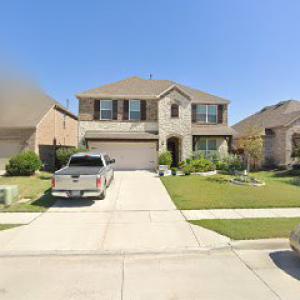
Green Legacy Roofing
(214) 642-9068 greenlegacyroofing.com
536 Yellowstone Dr, Celina, Texas
5.0 from 22 reviews
Green Legacy Roofing is a trusted, locally owned roofing company proudly serving Celina, TX and surrounding North Texas communities. We specialize in residential and commercial roof installations, repairs, inspections, and storm damage restoration. Our team is committed to providing high-quality workmanship using durable, energy-efficient materials that help protect your home and reduce long-term energy costs. At Green Legacy Roofing, we combine expert craftsmanship with a strong focus on sustainability and customer satisfaction. Whether you need a small roof repair or a full roof replacement, we offer honest assessments, competitive pricing, and reliable service from start to finish. Contact us today for a free roof estimate!

Pristine Roofing & Outdoor Services
(214) 843-5366 pristineroofingandoutdoorservices.com
3026 Choate Pkwy, Celina, Texas
5.0 from 17 reviews
Received roofing outdoor services covers gutters, roofing, siding, painting, and you’re just your outdoor services to keep your house looking great

Daltex Contractors
(972) 517-2571 daltexcontractors.com
Celina, Texas
4.8 from 23 reviews
Daltex Contractors is a recognized, as Roofer and full-service general contractor. Our locally owned and operated family business has been helping people in the Dallas-Fort Worth metroplex for more than 30 years. When you work with a company that has been in business for 30 years, you can relax knowing that we will be here to guarantee our warranties and to keep you as a customer for all of your future needs. Daltex Contractors is also fully insured. We hope that you provide us with the opportunity to work with you and add you to our Daltex Contractors Family! We pride ourselves in the personal attention that our customers receive and their complete and total satisfaction with our work. We will be here to guarantee our warranties

Advantage Roofing & Solar
(214) 909-8006 advantageroofingcompany.com
Serving
5.0 from 102 reviews
Advantage Roofing Company is a trusted Prosper, TX roofing contractor serving homeowners and businesses since 2008. We provide expert residential roofing, roof repair, roof replacement, and commercial roofing services throughout Prosper and the surrounding North Texas area. Advantage Roofing is Owens Corning Platinum Certified, offering premium roofing systems and Lifetime Workmanship Coverage on most residential roof installations. We are also Versico Certified for flat roofs and commercial roofing systems. When you need a reliable roofing company in Prosper, Texas, trust Advantage Roofing for quality materials, skilled craftsmanship, and long-term roof protection.

SLM General Contractors
Serving
4.9 from 99 reviews
As a homeowner, you understand the importance of maintaining an appealing, efficient home. General maintenance will help to preserve your home, but major repairs and remodels will really improve appearance, function and value. For quality home repair and remodel services in McKinney, Texas, rely on the experts at SLM General Contractors. Our local, insured general contractors are available for all of your interior and exterior home improvement needs. Call today to speak with a roofing and home remodeling expert in McKinney, TX about your home.

Designer Roofing
(972) 644-6556 designerroofing.com
Serving
4.9 from 27 reviews
Designer Roofing is a family company, and our team is our family. We’re proud and honored to have served Texas with premium roofing for over 25 years. Our loyal crew has been with us along the journey! We specialize in premium residential roofing. In addition to top-quality composition shingle roofing, our crews are specially trained to install long-lasting stone-coated steel and standing seam metal roofing. We install traditional composition shingle to revolutionary new metal roofing materials like stone-coated steel roof tiles. Check out our gallery online to see a wide array of profiles and colors on homes of all styles across the Prosper-Dallas area and North Texas. If you would like, stop by for a coffee, we’d love to meet you!

Unicorn Roofing & Exteriors
(214) 620-0105 unicornexteriors.com
Serving
5.0 from 25 reviews
Unicorn Roofing & Exteriors prides itself on expert roof system replacements and insurance claim management. We are here to take the load off your shoulders when you need it most. With over 20 years in the industry, we have what it takes to make the restoration experience quick, simple, & painless.

Texas Pride Roofing & Fencing
(469) 288-4488 txprideconstruction.com
Serving
4.8 from 139 reviews
Texas Pride Roofing & Fencing is dedicated to residential roofing and fencing excellence in Collin County and beyond. Our experienced team assists homeowners with navigating roofing, fencing, home repairs, and insurance claims handling. Established since 2013, we are driven to give each project our top-notch service and customer satisfaction. Let Texas Pride Roofing & Fencing handle your next residential project, and experience the difference!

Parish Roofing Solutions
(214) 227-8488 parishroofingsolutions.com
Serving
5.0 from 71 reviews
Parish Roofing Solutions specializes in delivering superior roofing, fencing and patio services to DFW and the surrounding areas. We are awesome. You will love us. We promise. Our motto is that our job is not done until we have created a fanatic. It's literally written on our wall! We service the entire DFW area, including McKinney, Plano, Dallas, Fort Worth, and more. If you have any questions or need your roof worked on, contact us now.

Kimber Services
(214) 538-0690 www.kimberservices.com
Serving
5.0 from 69 reviews
Since 2014, Kimber Services has been the premier choice for homeowners in Frisco, TX, seeking top-tier residential upgrades. Specializing in comprehensive exterior and interior transformations, this trusted team of professionals delivers exceptional results in roofing, painting, and fencing. With a commitment to quality and craftsmanship, they bring a new level of beauty and durability to every home, ensuring a seamless and stunning finish that stands the test of time.
Typical Celina reroof pricing runs about $350-$650 per square for asphalt shingles, $600-$1000 for metal, $1100-$2400 for clay tile, $1000-$2000 for concrete tile, $450-$1000 for synthetic/composite shingles, and $1800-$4000 for slate. These numbers reflect the North Texas climate, local demand patterns, and the mix of newer suburban homes with higher-end builds. For someone planning a reroof, this means a quick budget gauge before a contractor ever steps on the roof. If a home is a standard 30-square asphalt job, you're looking at roughly $10,500 to $19,500 before add-ons or upgrades. A tile roof will push that figure significantly higher, while synthetic options sit in between but can swing with color, texture, and the underlying deck condition.
Storm-driven demand spikes in the North Texas market can push labor scheduling and reroof pricing upward after major hail events. In practical terms, when a hailstorm rolls through a subdivision with a dense catalog of roofs, crews get booked quickly and supply chains tighten. That can translate to higher labor hours, expedited timelines, and occasional premium surcharges. If your timeline is flexible, you may save a bit by scheduling after the initial storm window passes and crews normalize. If you need a fast turnaround, expect tighter windows and potential price bumps during peak demand periods.
Celina's mix of newer suburban homes and higher-end custom homes means material choice can swing budgets sharply from standard shingles to tile, metal, composite, or slate systems. Asphalt remains the most economical, but larger newer homes or those with high-end curb appeal often pull toward metal or tile for longevity and aesthetics. Slate, while striking, sits at the top end of the spectrum and is typically reserved for custom homes or historic restorations. Synthetic/composite shingles offer a middle ground with a balance of cost and durability, which can be appealing in a market where hail resistance and wind performance are priorities. When evaluating bids, compare not only the per-square price but also the warranty terms, installation details, and how each option handles insulating needs and venting. A well-structured bid will itemize underlayment, flashing, decking assessment, and boot replacements so the total reflects the true scope rather than an attractive sticker price. This approach helps ensure the chosen system fits both the home's style and the neighborhood's evolving roofscape.
A reroof project in this market does not proceed without a permit. The local expectation is clear: the process begins with a permit application rather than a whispered approval after work starts. The building permit is not just a formality; it's a formal acknowledgment that the scope, materials, and contractor credentials meet Celina's safety and code standards. The clock for inspections begins once the permit is issued, so waiting to file after the first tear-off can trap a project in a makeshift schedule that's vulnerable to weather delays and punch-list surprises.
The City of Celina Building Department takes the reroof scope seriously, and part of that seriousness is verifying that the chosen contractor holds current licensing. Before any shingle strain on your roof, the department confirms the license is active and tied to the project type. They also review the scope to ensure it aligns with local code requirements and the site's specifics, such as roof pitch, ventilation, and fire barriers. If the plan shows synthetic or metal options, or a tile system, the review checks compatibility with existing overhead lines, eave details, and historic or neighborhood covenants that sometimes influence material choices. Expect questions about ventilation, attic access, and the placement of drip edges and underlayment, because these details affect long-term performance in our Texas climate.
Inspections in Celina occur at key milestones to catch issues early and minimize rework. The initial milestone centers on underlayment installation or the early stage of interior work related to the roof replacement. This is the moment for the inspector to verify underlayment type, fastener patterns, and shingle alignment plans, as well as proper flashing details around penetrations. A final inspection then confirms that the entire installation is complete, secure, and compliant with the approved plan. The final check covers roof penetrations, valley and hip details, ridge vents, and overall workmanship to ensure no overlooked gaps or improper sealing remain. Understanding that inspections are not merely bureaucratic hurdles helps homeowners coordinate contractor scheduling and weather buffers more effectively.
Coordinate timing with the Building Department early in the project to avoid overlapping weather windows with the permit timeline. Have the contractor ready to present licensing documentation, the scope of work, material specifications, and any engineering notes if applicable. If an inspection is denied, review the department's notes carefully, address the cited issues promptly with the contractor, and book the follow-up inspection without delay. In a fast-growing market with hail-driven reroofs, staying proactive about permits and inspections protects the investment and reduces the risk of post-work enforcement actions or required rework.
Celina sits in a high-claim North Texas hail and wind environment, where roof insurance activity is more common than in lower-severity markets. That reality shapes every storm season: hail strikes can arrive abruptly, and insurance responses can be parts of a longer negotiation than homeowners expect. When a shingle or metal roof takes a direct hit, the decision between quick repairs and full replacement often hinges on how the insurer views the underlying structure, the roof's age, and the overall impact on wind resistance. The outcome can influence future premiums, deductible terms, and the ease of filing subsequent claims after the next storm.
Some insurers in Texas have tightened coverage terms or adjusted premiums in storm-exposed markets, which can affect homeowners comparing repair versus replacement decisions. In practice, that means two homeowners living side by side may see different coverage results for similar damage, depending on policy language and carrier appetite. The consequence is a need for careful, documented assessment before committing to a course of action. Repair options that seem straightforward at first may carry hidden long-term costs if the policy language later constrains future claims or depreciation considerations.
For claims, homeowners should preserve date-stamped photos, interior leak evidence, and any emergency mitigation records because adjuster documentation standards are typically strict in this region. When storms hit, gather evidence promptly: exterior roof surface, attic indicators of moisture, and any temporary tarping or water stop-gap measures with clear timestamps. This documentation helps ensure the claim reflects actual condition and reduces disputes about what existed before the storm. If an adjuster visit uncovers questions, organized records shorten back-and-forth and protect the homeowner's position during negotiations, especially when evaluating repair versus replacement options.
Connect with contractors who help homeowners navigate the claims process from damage assessment to final approval.

WM Contracting
(940) 808-9077 www.wmcontracting.com
407 Andalusian Trail, Celina, Texas
4.9 from 188 reviews
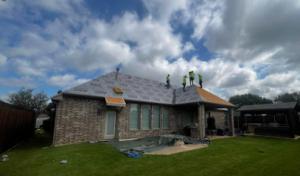
NCS Roofing & Restoration
411 W Pecan St, Celina, Texas
5.0 from 44 reviews
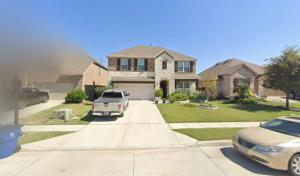
Green Legacy Roofing
(214) 642-9068 greenlegacyroofing.com
536 Yellowstone Dr, Celina, Texas
5.0 from 22 reviews
Asphalt shingles are the dominant practical choice for most Celina homes, but the local market also supports metal, clay tile, concrete tile, synthetic/composite, and slate on higher-end homes. This broader spread reflects the fast-growth neighborhoods and custom builds that dot the suburban landscape, where style often pairs with climate-aware performance. The key is to balance appearance with long-term resilience to the frequent hail events that shape local reroof cycles.
In hail-prone North Texas conditions, heavier and premium materials are often evaluated not just for appearance but for storm resilience and replacement-cycle expectations. Metal roofing, for example, can offer impact resistance and a longer service life in many roof profiles, while clay and concrete tiles bring a distinctive look and strong performance when properly integrated with underlayment and fixing methods. Synthetic or composite shingles can mimic the look of natural products with enhanced impact resistance, and slate, though a true premium, provides a classic aesthetic with durability that suits certain architectural styles.
The city's newer-growth neighborhoods and custom-home segments create a wider material spread than a single-material market, so matching roof type to home style is a real local decision point. Ranch, modern craftsman, and two-story urban-farmhouse designs each carry different weight when choosing a roof profile, color palette, and texture. For homes with clean lines and contemporary accents, metal or slate-style options can deliver a sharp visual without compromising durability. For traditional or Mediterranean-inspired designs, clay or concrete tiles can ground the project with a timeless silhouette while addressing local storm considerations.
You'll want to consider how each material handles wind uplift, hail impact, and roof-to-wall integration in the context of Celina's terrain and subdivision layouts. In homes where rooflines span large areas or feature multiple planes, heavier materials may influence underlayment needs and attachment methods. A well-chosen roof package pairs the material's visual weight with an appropriate underlayment, venting strategy, and flashing details to handle the region's hail-driven reroofing cycle. This local approach helps protect the investment while supporting the home's architectural expression.
The most popular roofing material in the US. Find pros who install, repair, and replace asphalt shingles.

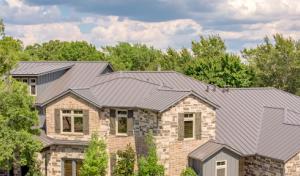
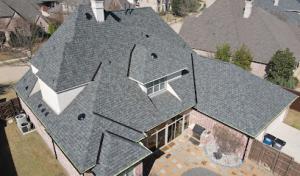
Two core triggers drive urgent roof work in this market: hail strikes that dent, crack, or shatter protective layers, and wind-lifted shingles that peel up when a storm blusters through. After a hail event or strong gusts, you should expect rapid shingle loosening and coating damage that invites water intrusion behind the underlayment. Act quickly to document impact areas with photos, and prioritize a professional roof inspection within days of the storm so you can identify compromised sections before a leak develops. Delayed response invites accelerated wear from sun and debris, increasing the chance of interior water intrusion that complicates claims and repairs.
Leak events that follow spring storm systems are particularly common in this market. Even small penetrations can become major headaches once warm days return and moisture travels along trusses and ceiling joists. If you notice stains, damp attic spaces, or musty odors after a storm cluster, treat it as an urgent warning rather than a cosmetic issue. A rapid assessment to locate the intrusion path helps prevent mold risk and extensive interior damage. Coordinate with your adjuster promptly to align on the extent of repair or replacement needed.
Fall wind events in the area can complicate active jobs and create debris-management issues during repairs or replacements. Gusts push loose shingles, nails, and roofing debris into driveways and street gutters, which slows progress and raises safety concerns for families nearby. Prepare a plan for wind-days: secure loose items, designate a debris zone, and schedule high-wall or steep-slope work for calmer windows. If weather shifts mid-project, expect temporary tarping to protect exposed areas while crews reposition materials or await better conditions.
Storm clusters can leave roofs exposed while homeowners wait for adjusters, permits, or material scheduling. Tarping becomes less optional and more strategic in Celina, where rapid temperature swings and sudden rainfall can reclaim vulnerable sections overnight. Ensure tarps are properly fastened and overlap seams to minimize wind uplift, and keep a clear path for any temporary energy or water management needs. The sooner tarps are deployed after a detected breach, the lower the risk of further interior damage.
When you can't wait, these contractors offer fast response times to stop leaks and prevent further damage.
WM Contracting
(940) 808-9077 www.wmcontracting.com
407 Andalusian Trail, Celina, Texas
4.9 from 188 reviews