Last updated: Apr 19, 2026
Spring storms in this area don't just rattle the gutters; they set the schedule for repairs across neighborhoods with similar roof styles. The question isn't if hail will strike, but whether you're facing a quick repair on an isolated slope or a full replacement across the roof. When hail hits, you'll see the decision hinge on two things: the extent of damage and the roof's current condition after a brutal Dallas-Fort Worth summer. If granules already show accelerated loss from heat and UV exposure, a storm that might have been a cosmetic fix becomes a more serious consideration. If your roof is older or has weathered multiple summers, the lapse between damage spotting and action can skew toward replacement rather than patchwork, especially when wind and rain tests expose hidden weaknesses.
In this climate, asphalt shingles tend to wear faster because of the prolonged high temperatures and relentless sun. The heat accelerates brittleness and granule loss, so hail damage can look superficial at first glance but reveal deeper issues once the sun dips behind the ridge cap. The practical consequence is clear: a storm that causes a few bruised shingles on a shaded slope may still justify repair, but if you're already riding heat-induced brittleness across many sections, you're closer to a full replacement decision after hail events. The result is a higher bar for "cosmetic fix" cases and a stronger signal that more extensive work is prudent, especially if the roof has endured several seasons of heat cycles without a refresh.
Because local permit review often includes confirmation of wind-rated fasteners and re-checks when hail damage is suspected, storm-related replacements in Prosper require more documentation than a simple cosmetic repair. You should expect to document the scope of hail impact, note any wind-driven movement of shingles, and capture multiple angles of damage from ground level and from the attic if possible. Photos of granule loss on valleys and along edges, plus signs of underlying felt or decking exposure, help distinguish incidental damage from a true replacement scenario. Keep a dated record from the moment you notice discoloration, cracking, or blown-off granules, and align it with your insurer's claim notes to prevent delays at the adjuster appointment.
Start with a precise damage survey after a hail event: identify whether damage is isolated to one slope or if several planes exhibit cupping, cracking, or exposed felt. If you find a cluster of damaged shingles in a few areas with no widespread curling or sagging, a targeted repair may be appropriate-provided the underlying decking is solid and there's no evidence of water intrusion. If multiple slopes present brittle edges, exposed underlayment, or widespread granule loss, plan for replacement. Because heat-related degradation is often hidden until exposed by wind and impact, you should consider a replacement even if the visible damage seems contained-especially if the roof is nearing the end of its expected lifespan or already shows signs of accelerated aging.
Time the decision to align with dry stretch windows after a storm, avoiding the peak heat of midsummer when possible. Proactively start the claim and inspection process as soon as you suspect damage, but wait for a cool, calm period to finalize the roof plan. A contractor with experience in local wind-rated fastening details can help determine whether existing fasteners meet current expectations and whether additional layers or a full tear-off is necessary. If the storm coincides with a heavy wind event, you'll find that inspection windows tighten and the need for a solid, well-documented plan increases. In practice, that means you should be ready to move quickly once the assessment is complete, but with a careful eye on how heat-softened shingles may complicate the claim and installation sequence.
Keep an accessible folder of storm photos, inspection notes, and insurer correspondence. When hail timing intersects with heat exposure and aging, you'll need to act decisively to protect the home's structure and value. A swift, well-documented decision to replace-when warranted-reduces the risk of hidden damage surfacing in a future storm and helps ensure the new roof performs reliably under the next North Texas hail season.

Advantage Roofing & Solar
(214) 909-8006 advantageroofingcompany.com
861 N Coleman St #180, Prosper, Texas
5.0 from 102 reviews
Advantage Roofing Company is a trusted Prosper, TX roofing contractor serving homeowners and businesses since 2008. We provide expert residential roofing, roof repair, roof replacement, and commercial roofing services throughout Prosper and the surrounding North Texas area. Advantage Roofing is Owens Corning Platinum Certified, offering premium roofing systems and Lifetime Workmanship Coverage on most residential roof installations. We are also Versico Certified for flat roofs and commercial roofing systems. When you need a reliable roofing company in Prosper, Texas, trust Advantage Roofing for quality materials, skilled craftsmanship, and long-term roof protection.
Texas Pride Roofing & Fencing
(469) 288-4488 txprideconstruction.com
4261 E University Dr #30-205, Prosper, Texas
4.8 from 139 reviews
Texas Pride Roofing & Fencing is dedicated to residential roofing and fencing excellence in Collin County and beyond. Our experienced team assists homeowners with navigating roofing, fencing, home repairs, and insurance claims handling. Established since 2013, we are driven to give each project our top-notch service and customer satisfaction. Let Texas Pride Roofing & Fencing handle your next residential project, and experience the difference!
Unicorn Roofing & Exteriors
(214) 620-0105 unicornexteriors.com
900 S Preston Rd Ste 50-105, Prosper, Texas
5.0 from 25 reviews
Unicorn Roofing & Exteriors prides itself on expert roof system replacements and insurance claim management. We are here to take the load off your shoulders when you need it most. With over 20 years in the industry, we have what it takes to make the restoration experience quick, simple, & painless.
Designer Roofing
(972) 644-6556 designerroofing.com
199 N McKinley St, Prosper, Texas
4.9 from 27 reviews
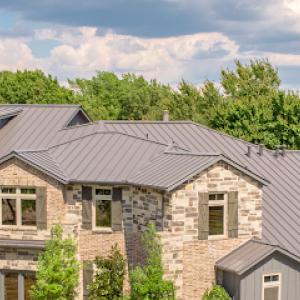
Designer Roofing is a family company, and our team is our family. We’re proud and honored to have served Texas with premium roofing for over 25 years. Our loyal crew has been with us along the journey! We specialize in premium residential roofing. In addition to top-quality composition shingle roofing, our crews are specially trained to install long-lasting stone-coated steel and standing seam metal roofing. We install traditional composition shingle to revolutionary new metal roofing materials like stone-coated steel roof tiles. Check out our gallery online to see a wide array of profiles and colors on homes of all styles across the Prosper-Dallas area and North Texas. If you would like, stop by for a coffee, we’d love to meet you!
American Patriot Roofing
(469) 200-0223 www.ampatroofing.com
Serving
4.7 from 43 reviews
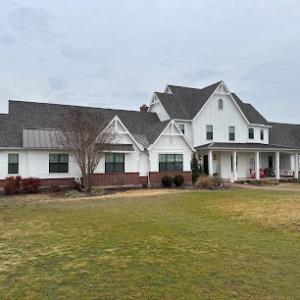
We're a veteran-owned and operated general contractor serving north Texas and the surrounding areas. Our primary focus is storm restoration from hail and wind events. We provide custom-tailored, turn-key solutions that start with a free assessment of the damage. From there, we take a consultative approach in guiding our homeowners through the process of restoring their property to better than pre-loss conditions. Please call us for a free consultation.
WM Contracting
(940) 808-9077 www.wmcontracting.com
Serving
4.9 from 188 reviews
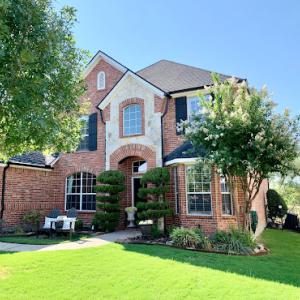
When your roof needs immediate repair or replacement due to severe hail damage, WM Contracting Roofing and Remodeling provides residents of North Texas with professional services that are second to none. Our superior workmanship, combined with using the best quality materials, ensures that your roof will be restored to its original condition. You and your family will be safe and secure for years to come. Our storm damage, roof repair team gives you peace of mind. WM Contracting roofing and remodeling works with your insurance company. We get the best roof for your home! We’ve been able to get hundreds of beautiful roofs approved and replaced with numerous insurance companies.
Kimber Services
(214) 538-0690 www.kimberservices.com
Serving
5.0 from 69 reviews
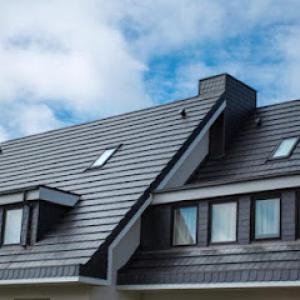
Since 2014, Kimber Services has been the premier choice for homeowners in Frisco, TX, seeking top-tier residential upgrades. Specializing in comprehensive exterior and interior transformations, this trusted team of professionals delivers exceptional results in roofing, painting, and fencing. With a commitment to quality and craftsmanship, they bring a new level of beauty and durability to every home, ensuring a seamless and stunning finish that stands the test of time.
Parish Roofing Solutions
(214) 227-8488 parishroofingsolutions.com
Serving
5.0 from 71 reviews
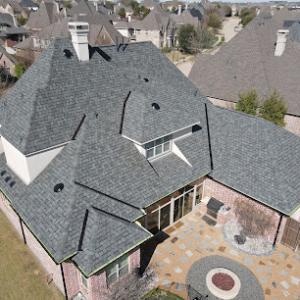
Parish Roofing Solutions specializes in delivering superior roofing, fencing and patio services to DFW and the surrounding areas. We are awesome. You will love us. We promise. Our motto is that our job is not done until we have created a fanatic. It's literally written on our wall! We service the entire DFW area, including McKinney, Plano, Dallas, Fort Worth, and more. If you have any questions or need your roof worked on, contact us now.
SLM General Contractors
Serving
4.9 from 99 reviews
As a homeowner, you understand the importance of maintaining an appealing, efficient home. General maintenance will help to preserve your home, but major repairs and remodels will really improve appearance, function and value. For quality home repair and remodel services in McKinney, Texas, rely on the experts at SLM General Contractors. Our local, insured general contractors are available for all of your interior and exterior home improvement needs. Call today to speak with a roofing and home remodeling expert in McKinney, TX about your home.
Strength & Shield Roofing
(972) 523-6657 www.instagram.com
Serving
5.0 from 47 reviews
Strength & Shield Roofing serves the whole DFW Community and specializes in roof replacements, gutter replacement, and storm restoration! There is no job too big or too small for us. We pride ourselves on integrity and honesty. We also do gutter replacement, siding, window screens, fence staining and more! Locally owned and operated here in McKinney, TX.

Pristine Roofing & Outdoor Services
(214) 843-5366 pristineroofingandoutdoorservices.com
Serving
5.0 from 17 reviews
Received roofing outdoor services covers gutters, roofing, siding, painting, and you’re just your outdoor services to keep your house looking great
Good Work Roofing
(214) 836-4511 goodworkroofing.com
Serving
5.0 from 33 reviews
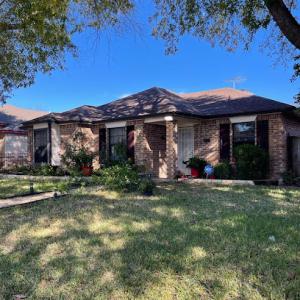
At Good Work Roofing we provide high-quality Roofing Services in the Dallas - Fort Worth metroplex area. Our experienced professionals are dedicated to delivering excellent customer service and guide you thru the process so you have a worry free experience and using only premium materials for peace of mind of the years to come. Our installers have 25+ years of experience and our project managers are certified and educated to ease your process. Contact us for all your roofing related needs.
Prosper homeowners commonly compare asphalt shingles, metal, clay tile, concrete tile, wood shakes, and synthetic/composite systems, with the provided local ranges running from 350 to 1500 USD per square depending on material. Asphalt shingles stay the most common entry point for updates and reroofs, offering predictable pricing and solid wind resistance when paired with proper nailing patterns and underlayment. Metal roofs, while pricier up front, can deliver longer life and good uplift performance in hail-prone periods, but the labor and fastener set are more specialized. Clay and concrete tile sit at the higher end of the spectrum: they bring durability and a distinctive look, yet require careful structural appraisal and heavier underlayment work. Wood shakes offer a classic appearance and strong curb appeal, yet can demand more maintenance and higher installation skill. Synthetic or composite shingles bridge many of these gaps, delivering moderate cost with enhanced impact resistance in a single, lighter package.
Costs in Prosper are pushed up by storm-driven demand spikes across the DFW market after hail events, which can tighten labor availability and extend scheduling for full re-roof projects. When a hailstorm hits, supply lines for roofing materials and crews tighten quickly, and you may see price deviations as contractors balance safety margins with scheduling risk. In practical terms, that means a homeowner should expect longer timelines and potential bid variation in the weeks following a major hail event, especially for larger or higher-end replacements. If a weather pattern forecasts another round of hail or strong winds, budgeting a contingency and moving early on securing a trusted local crew can help shelter the project from delays.
Tile roofs in Prosper require structural consideration because clay and concrete systems are heavy, making framing capacity and underlayment scope a bigger cost factor than on standard shingle replacements. Before approving a tile upgrade, expect an assessment of the existing roof framing, attic space, and deck support. If reinforcement or additional sheathing is needed, the cost can rise quickly, but it pays off in long-term performance and wind uplift safety. Concrete tiles, in particular, push the total square cost higher due to weight and the need for heavier fasteners and more specialized installation technique. Clay tiles carry similar requirements, with the added nuance of potential color-matching and more precise layout planning to preserve the roofline's visual balance.
In practice, you'll narrow choices by balancing immediate budget, expected wind and hail exposure, and the risk profile of your home's framing. For most typical Prosper homes, asphalt shingles remain the baseline choice for cost efficiency and serviceability, provided the installation adheres to a wind-rated fastening method and proper underlayment. If long-term durability and a distinct aesthetic are priorities and the structural check passes, metal offers strong hail resistance with favorable curb appeal and potentially lower maintenance over time. For homeowners seeking a premium look and can accommodate the weight and structural checks, tile options deliver a unique profile and excellent durability but require upfront planning for framing and underlayment. Synthetic options can offer a middle ground, blending resilience with manageable weight and cost.
A full roof replacement requires a building permit filed with the Town of Prosper Building Department, not a waiver or informal arrangement between contractor and homeowner. The permit process is designed to align with local codes and wind-resistance expectations, especially after hail events. In practice, this means the project cannot proceed far without formal approval and a stamped plan set. The department expects that the scope of work is documented clearly and that the contractor carries current license and general-liability insurance before any work begins. This upfront paperwork helps limit disputes later if a claim needs to be reconciled against code requirements or hail-related damage history.
For Prosper roofing permits, contractors generally submit project scope along with license and insurance information before work proceeds. You should expect the contractor to bring a complete packet to the permit desk that outlines materials, fastening methods, and anticipated timeline. Once the department reviews the submittal, any missing documentation or questions about wind-rated fasteners can trigger a quick resubmission. You as the homeowner should keep a copy of the permit package, confirm the correct address and lot number, and verify that the scope matches what you discussed for shingle type, underlayment, and any vent or flashing work. If your home has unique features-such as a steep pitch, tile or metal accents, or an altered roofline-double-check that the plan reflects those specifics.
Prosper commonly schedules inspections after underlayment or installation stages and again at final completion, and the department may require confirmation of wind-rated fasteners or re-check work when hail damage is part of the project history. A typical sequence starts with an inspection after roof deck installation and underlayment, followed by a mid-build check after the shingles or panels are in place but before flashing is sealed, and a final inspection once everything is installed and the site is cleaned. It is essential to coordinate access for the inspector, ensure all fasteners meet the wind-resistance standards, and have the wind-fastener confirmation ready if hail damage is a factor in the scope. Delays in scheduling or missing an inspection window can hold up final approval and release of the CO.
Clear documentation is key. Keep copies of structural diagrams, product specifications, and installation notes, plus proof of weather-related damage history if relevant. The Building Department may request confirmation of pipe-vent spacing, flashing details, and fastener types used in the wind-prone zones of the city. If your project history includes hail claim work, be prepared for a quick re-check of workmanship quality and fastener patterns. Open lines of communication with both the contractor and the permit office help prevent back-and-forth delays and ensure that inspections reflect the actual on-site conditions.
Before work begins, confirm the assigned permit technician's contact and any regional quirks in scheduling. Have a clearly labeled set of documents ready-scope, license, insurance, and material specs. If a revision is needed, respond promptly with precise updates to avoid re-review. On-site, keep a visible tag or note showing the current permit number and inspector appointment times so that crews and neighbors understand the process and timing, reducing confusion during the critical inspection windows.
In this area, hail and wind losses are common enough that insurance carriers expect detailed photo sets, line-item estimates, and prompt reporting after a storm. The claims process in Prosper often moves quickly, but carriers also tighten their scrutiny when the weather pattern has produced repeated events in a single season. Knowing that context helps you pace your response so you don't sign away options or drag out a settlement by under-delivering on documentation.
Adjusters working claims in this market may ask for both pre-renovation and post-renovation documentation because weather-related damage in the DFW area is frequently scrutinized. Gather clear photos of the entire roof, attic spaces, and interior indicators of water intrusion. Note the age of shingles or other roofing materials, the presence of granule loss, dented metal, cracked tiles, or stained decking. A well-organized set of photos, dated and annotated, often becomes the backbone of a solid claim. If you've had prior repairs, keep receipts or work orders to show the sequence of events. Consistency between what you document now and what the adjuster observes later reduces back-and-forth and helps prevent questions about fault or timing.
Insurance decisions in Prosper are closely tied to whether damage is documented as storm-related versus age-related wear accelerated by heat and UV exposure. Wind-driven shingle lift, hail pockmarks, or punctured surfaces typically point to storm effects, while uniform curling, dryness cracks, or accelerated wear may be harder to separate from aging. Local conditions-strong sun, heat surges, and frequent storm windows-mean it's common for damage patterns to overlap. The key is to link visible damage to a storm event with dated evidence, such as a prominent hail bruise or wind-driven displacement that aligns with the storm timeline.
Adjusters in Prosper often request prompt reporting and a detailed line-item estimate that reflects the scope of replacement or repair. Having a clear, itemized proposal prepared by a reputable contractor can smooth the process. If a claim is opened, respond quickly with the requested documentation and be prepared for follow-up requests tied to the specific storm sequence that affected your home. Maintain a calm, steady line of communication and avoid rushing decisions that could compromise long-term performance, especially for wind-rated fastening details in newer subdivisions.
After a storm, prioritize securing the roof to prevent further damage while the claim is processed. Schedule a qualified roofer to perform a thorough assessment and provide a detailed, dated report that aligns with the storm events. Keep a log of all communications with the insurer and adjuster, including dates, names, and outcomes. In this North Texas environment, a disciplined, well-documented approach tends to yield the most reliable outcomes and reduces the risk of post-event disputes.
Connect with contractors who help homeowners navigate the claims process from damage assessment to final approval.

Advantage Roofing & Solar
(214) 909-8006 advantageroofingcompany.com
861 N Coleman St #180, Prosper, Texas
5.0 from 102 reviews
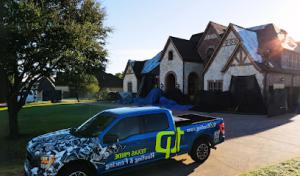
Texas Pride Roofing & Fencing
(469) 288-4488 txprideconstruction.com
4261 E University Dr #30-205, Prosper, Texas
4.8 from 139 reviews

Unicorn Roofing & Exteriors
(214) 620-0105 unicornexteriors.com
900 S Preston Rd Ste 50-105, Prosper, Texas
5.0 from 25 reviews
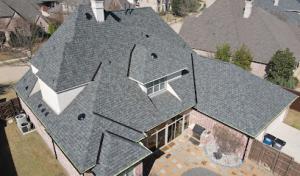
Asphalt shingles remain a dominant choice in Prosper, but the DFW heat and UV exposure can shorten their service life compared with milder regions. Heat accelerates granule wear and may cause faster curling or curling at edges after hail impacts. When selecting asphalt, focus on higher A.S.T.M. rated shingles and look for robust granule adhesion and good wind resistance. Regular inspections after hail events and windstorms help catch fastener loosening or shingle damage before leaks appear. A well-sealed, near-flat installation paired with proper attic ventilation helps extend shingle life even in the long, hot Texas summers.
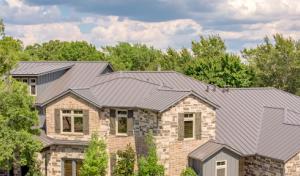
Metal roofing is relevant because homeowners looking beyond repeated hail-cycle replacements often compare higher upfront cost against heat performance and durability. In Prosper, metal panels with proper underlayment and fastening details can resist wind-driven hail and stay cooler under intense sun. Look for standing-seam systems or corrugated panels installed with concealed fasteners and a proven wind uplift rating. A reflective or cool-metal finish reduces heat buildup in the attic, which translates to lower cooling loads. If choosing metal, confirm compatibility with existing (or planned) attic insulation and ensure a roof-to-wall integration that handles the typical wind directions experienced in this area.
Clay and concrete tile are present in the local market, but their weight makes structural review more important here than in neighborhoods dominated only by lightweight shingle systems. Tile offers excellent hail resistance when installed with proper overlap and underlayment, yet the heavier weight demands verification of roof deck support and framing. In areas with rapid growth and varying lot grades, structural engineers or qualified contractors can confirm that truss spacing and overall load capacity meet tile requirements. Consider the impact on attic ventilation and potential need for additional support for long-span tiles.
Regardless of material, wind-rated fastening details are essential due to frequent hail and wind events. A careful inspection of fasteners, sealants, and edge repairs after hail season helps prevent leaks. In hot, sun-drenched conditions, premium underlayment choices and proper attic ventilation remain practical steps to preserve roof integrity and energy efficiency over time.
The most popular roofing material in the US. Find pros who install, repair, and replace asphalt shingles.
Advantage Roofing & Solar
(214) 909-8006 advantageroofingcompany.com
861 N Coleman St #180, Prosper, Texas
5.0 from 102 reviews
Designer Roofing
(972) 644-6556 designerroofing.com
199 N McKinley St, Prosper, Texas
4.9 from 27 reviews
Spring in Prosper brings the highest combination of hail risk and wind gusts, making this season the peak for emergency tarping, leak response, and inspection demand. Weather swings mean roofs can go from intact to urgent in a matter of hours after a storm. Expect phased work where crews patch and tarp first, then recheck after the initial wind event to confirm attic and attic-vent integrity. Scheduling windows tighten quickly after hail reports, so plan for rapid assessment visits and be ready to prioritize leaks or compromised decking.
Summer roofing is affected by extreme heat and afternoon thunderstorms that roll through the area. Heat slows material handling and can push tear-off and installation into cooler parts of the day or week, if the crew can secure favorable air temperatures for sealants and shingles. Afternoon storms interrupt progress and may require re-sequencing of tasks, especially for roof vent work or overlay projects. Expect pauses during peak heat hours and brief rescheduling to avoid heat-related material and safety risks.
Autumn fronts and occasional winter icing in the area can interrupt scheduling even outside peak hail season, especially for projects already waiting on insurance acknowledgment or prior storm damage verification. Cooler temps can extend cure times for sealants and coatings, while early winter fronts bring shorter daylight windows and the occasional freeze-thaw cycle. Projects facing permit closeout or insurance delays should plan for potential re-sequencing as the calendar turns and weather fronts move through.
Track local storm forecasts and have a rapid response plan for tarp-and-patch orders immediately after storms. Maintain a prioritized checklist for interior water intrusion and roof decking concerns to prevent secondary damage. Coordinate with a contractor who can adapt to shifting windows across spring, summer, and autumn, keeping communication tight as weather and claims evolve.
When you can't wait, these contractors offer fast response times to stop leaks and prevent further damage.
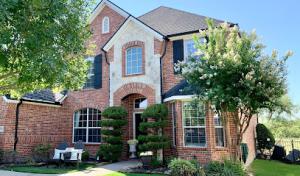
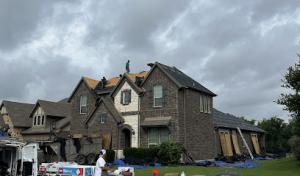
In Prosper's hail-prone environment, skylights and other roof penetrations deserve extra inspection after storms because surrounding flashing and impact points can become leak sources even when field shingles look repairable. After a hail event, you should treat vents, skylights, chimneys, and satellite dish mounts as high-priority culprits. A close look at sealant lines, flashing joints, and pan details helps you separate surface scuffs from actual water paths. When a contractor checks these areas, ask for a simple water test that mimics a rain load, so you can verify that valleys and penetrations shed water properly under wind-driven rain. Because this market sees frequent wind-driven claim activity, it's sensible to carry out a guided inspection with a familiar roof contractor who knows how Prosper's common flashing detail failures tend to manifest.
Solar-integrated roofing is an active specialty in the area, so replacement planning may need to account for panel coordination during storm-related re-roofing. If solar panels are present or planned, discuss whether panel mounting, racking, and flashing can be integrated into the same roof replacement. Ensure that the chosen underlayment, drip edges, and penetrations align with the panel layout to minimize future leaks. A coordinated plan reduces nonproductive teardown work after the next hail or wind event and helps ensure that roof penetrations associated with in-roof wiring or conduit are fully flashed and sealed.
Permit-friendly final inspections can become more sensitive when roof work includes penetrations or accessory components that must be properly flashed and documented. Have the contractor provide a clear map of all penetrations, flashing transitions, and any new vent or skylight details. This documentation supports a smoother inspection process, reduces the risk of hidden leak sources at the penetrations, and helps preserve the integrity of the overall roof system during the next severe-weather season.
Find contractors experienced in skylight installation, flashing, and leak repairs to bring natural light into your home.
Advantage Roofing & Solar
(214) 909-8006 advantageroofingcompany.com
861 N Coleman St #180, Prosper, Texas
5.0 from 102 reviews

FairClaims Roofing & Construction
(972) 292-7444 www.fairclaimsroofing.com
Serving
5.0 from 149 reviews
In storm events, transitions between steep-slope shingles or tile and low-slope sections can become leak-prone areas that need separate scope documentation. Think about attached porches or sunrooms where a low-slope deck roof meets a steep main roof; water can track along the seam unless the detailing is continuous.
Homeowners in Prosper should expect low-slope portions to be evaluated differently from the main roof during replacement, permitting, and final inspection. Make sure flashing transitions are documented on the plan, including corner flashings and counterflashings where the low-slope meets vertical walls. In practice that means the contractor marks the low-slope zone as a separate replacement area with its own inspection checklist. Also verify that roof penetrations for vents or skylights in the low-slope portion are flashed to prevent standing water.
During bidding, require a separate low-slope scope with flashings, edge details, and weatherproof seams, and insist on verified drainage plan for attached sections. Coordinate with the general contractor to ensure fasteners and underlayment meet wind ratings and are integrated with the main roof system. Also verify that the roof penetrations for vents or skylights in the low-slope portion are flashed to prevent standing water.
In fast-growing subdivisions, contractors sometimes overlook low-slope sections when re-roofing, leaving gaps where water can stand. Demand wire-bright fastener patterns and code-compliant underlayment for the low-slope area, and require the same wind-resistance standard as the steep-slope portion. During final inspection, expect the low-slope portion to be treated as a separate unit with its own test of drainage and flashing continuity.
Wind-driven rain can push underlayment at the low-slope edges if the detailing stops at the main roof. In mixed rooflines, ensure that the attachment method for the low-slope section mirrors the wind-rated fastening plan used on the steep portion, including corner and rake edges for durability.
Find specialists in TPO, EPDM, and built-up flat roofing systems for residential and commercial properties.
Advantage Roofing & Solar
(214) 909-8006 advantageroofingcompany.com
861 N Coleman St #180, Prosper, Texas
5.0 from 102 reviews