
Last updated: Apr 19, 2026
In Syracuse, spring hail and wind events are a primary trigger for roof inspections, temporary repairs, and replacement scheduling. Those bursts of storm-driven impact can turn a roof that looked sturdy after winter into a deck of compromised shingles in a matter of days. The combination of Great Salt Lake-adjacent weather swings-winter snow, freeze-thaw cycles, and abrupt spring gusts-means roofs that entered March with marginal aging can quickly reveal hidden damage. When a storm hits, the clock starts ticking: the longer a roof sits in distress, the higher the risk of interior leaks, attic mold, or structural issues. Immediate, targeted action after a sizable hail or wind event is the norm here, not the exception.
Utah insurers commonly require photo documentation and an on-site adjuster assessment, so Syracuse homeowners need to document damage before emergency patching or full tear-off proceeds. Start with clear, dated photos of every impacted area: damaged shingles, dented flashing, compromised drip edge, and any interior signs of water entry. Capture the surroundings-storm debris on the roof, gutters, and yard-to help establish the event's scope. Do not rely on memory; precise images at multiple angles support a faster, smoother claim. When an adjuster arrives, have handy your photos, a simple roof diagram noting affected sections, and a list of previously observed issues from the prior seasons. If temporary repairs are necessary to prevent water intrusion, document those patches with dates and materials used, so the claim can be evaluated in context with the pre-existing condition.
Because winter snow and freeze-thaw can already weaken shingles and flashing, spring storms in Syracuse often turn marginal aging roofs into insurance or out-of-pocket replacement projects. Ice dams, granule loss, cracked seals, and loose or curling shingles can emerge from the hidden wear left by last season's freeze-thaw cycles. When a hail event hits, the problem compounds: even if roof lines appear intact from the ground, peripheral components like underlayment and ventilation can fail under the pressure of wind-driven impact. The result is a small issue today that can become a sizeable claim tomorrow if not addressed promptly. The objective is not to chase every minor nick, but to distinguish between cosmetic damage and structural exposure that warrants a full assessment.
Spring inspection timing is critical for ensuring the right roof path-temporary repair now, full tear-off later-aligns with insurer expectations and weather windows. Schedule a professional inspection soon after a significant hail or wind event, but before heavy spring rains create secondary damage from exposed underlayment or flashing. If damage is confirmed, coordinate with the adjuster for a comprehensive on-site evaluation and a transparent claim narrative. For homeowners, the plan should emphasize documentation, defined repair steps, and realistic sequencing: stabilize the roof, document everything, then pursue the most appropriate repair or replacement path. Early, decisive action helps preserve your roof's integrity and minimizes the risk of cascading damage through the spring season.
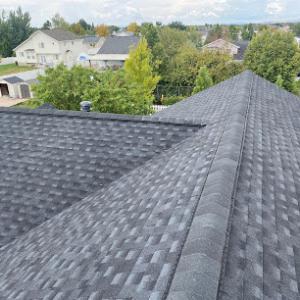
Roof Utah
2536 S 1000 W, Syracuse, Utah
4.9 from 103 reviews
Full service roofing contractor specializing in reroofing. Service residential and commercial clients up and down the Wasatch front. Call us for a free estimate
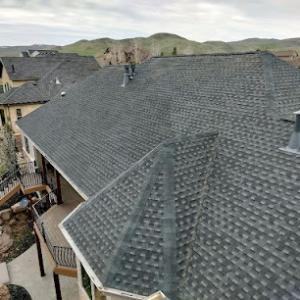
Presidential Roofing
(801) 784-5221 www.presidentialroofingutah.com
1776 S 2500 W, Syracuse, Utah
4.6 from 22 reviews
We are a locally owned roofing company that focus on residential repair and replacement. Unlike some companies that are brand specific we can offer a wide arrange of products that suites your roofing needs. We proudly support our military buy hiring veterans.
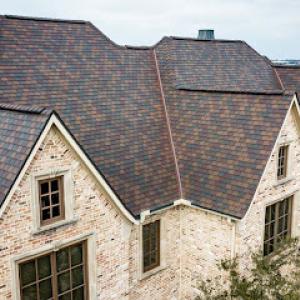
Optimum Construction & Roofing
(385) 318-5830 optimumproconstruction.com
Syracuse, Utah
4.6 from 10 reviews
Protect what's over your head with the help of Optimum Construction and Roofing, Inc. We specialize in residential & commercial roofing services. Call now!
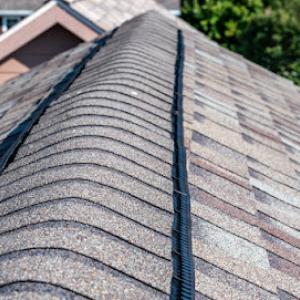
MSR Roofing Repair & Replacement
(385) 448-5416 www.laytonroofers.net
Serving
5.0 from 64 reviews
MSR Roofing Repair & Replacement is the trusted roofing company in Layton, Utah. Our service area includes Layton, Davis County, Salt Lake County, and the surrounding communities. We specialize in roof installation and replacement, roof repair, storm and wind damage restoration. We offer reliable solutions tailored to both residential and commercial properties. We always focus on quality craftsmanship and honest service. Our team ensures every roof is built to last and ready to withstand Utah’s toughest weather. Whether you're dealing with a minor leak or need a full roof replacement, MSR Roofing has you covered with professional, prompt, and affordable service. We're here you need the best roofing service that you can get. Call us today!
American Prestige Roofing
(801) 603-4308 www.americanprestigeroofing.com
Serving
4.7 from 58 reviews
American Prestige Roofing is a professional residential roofing contractor in Northern Utah. We specialize in roof repair and roof replacement services throughout the northern Wasatch front, including Brigham City, North Ogden, Ogden, Clearfield, Layton, Kaysville, Bountiful and North Salt Lake. American Prestige Roofing is one of the only roofing companies in Utah to offer services for a metal roof, asphalt roofs, and flat roofs and roofing membrane. Our roofing specialists have over 100 years of combined experience to help take care of all of your roofing needs.
Right Way Roofing
(801) 510-0255 www.rightwayroofingut.com
Serving
4.9 from 74 reviews
Your trusted local roofing experts serving Salt Lake City, Layton, and surrounding Utah communities. Specializing in both residential and commercial properties, we offer comprehensive services from roof repair and replacement to new installations and storm damage restoration. Beyond roofing, we provide gutter services and thorough roof inspections. Whether you need to fix a leak, replace missing shingles, or upgrade to an energy-efficient solution, our certified specialists deliver reliable, high-quality workmanship tailored to your specific needs. Right Way Roofing is committed to ensuring your satisfaction with long-lasting roofing solutions.
Legacy Roofing Utah
(385) 442-6677 legacyroofingutah.com
Serving
4.9 from 587 reviews
At Legacy Roofing, we don’t just replace roofs, we redefine what homeowners can expect from one. We use only the highest-quality materials, backed by the longest manufacturer warranties in the industry. On top of that, we provide our exclusive systems labor warranty, coverage that is second to none. With our expertise and commitment to excellence, we deliver the ultimate finished roof for your home. Legacy Roofing is Utah’s Standard in Excellence.
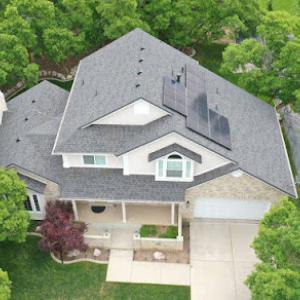
Northern Utah Roofing
(801) 516-4824 www.ensignroofing.com
Serving
5.0 from 15 reviews
Local roofing company that specializes in residential and commercial roofing. We are experienced in all different types of roofs and roofing materials. Call us for a free estimate

CCR Roofing & Exteriors
(801) 603-3927 ccrroofingexperts.com
Serving
4.9 from 42 reviews
With over 20 years of experience, CCR Roofing & Exteriors is Northern Utah's premier roofing company, serving Clearfield, Syracuse, Layton, Bountiful, and surrounding communities. We specialize in roof installations, replacements, and repairs, ensuring your home remains protected and visually appealing. Our services extend beyond roofing to include siding, rain gutters, and deck building, providing comprehensive exterior solutions. Our team is well-versed in Utah zoning laws, building permit requirements, and homeowners association guidelines, ensuring your project is completed efficiently and correctly. Contact us today at 801-603-3927 for a free estimate and experience quality service that exceeds expectations.
J & R Roofing
(385) 303-3450 www.jandrroofingut.com
Serving
5.0 from 47 reviews
J&R Roofing is a trusted roofing company proudly serving Layton, Utah and surrounding areas. We specialize in high-quality Asphalt Shingle Roofing, durable Metal Roofing, and reliable Commercial Roofing solutions. Whether you're facing wind or storm damage or need expert roof repair, our skilled team delivers prompt, professional service with lasting results. At J&R Roofing, we prioritize quality craftsmanship, customer satisfaction, and competitive pricing. No project is too big or small—count on us to protect your home or business with dependable roofing you can trust. Contact J&R Roofing today for a free estimate and experience the difference of working with local experts.

M.W. Roofing
(385) 243-4458 www.mwroofingutah.com
Serving
4.9 from 128 reviews
M.W. Roofing in Layton Utah repairs and replaces residential and commercial roofs in Davis county, Weber county, Box Elder County, and Salt Lake area. We provide free roof assessments. You can trust our judgment when it comes to determining whether you simply need a repair or a whole new roof. Our installers are certified, which means they have been professionally trained on how to conduct a roof inspection, repair, and replacement. If you are using an insurance company, we can help you navigate the insurance claims process and ensure that you don’t pay more out of pocket than is necessary. We do not accept payment until the job is completely finished and you are 100% satisfied with the finished product! Call us today for a free assessment.
Elevated Roofing
(801) 425-5004 www.elevatedroofingutah.com
Serving
5.0 from 15 reviews
Elevated Roofing is a licensed and insured residential roofing contractor, serving Northern Utah. From complete full roof replacement to a repair, we know reliability starts at the top. We offer workmanship warranty with great quality and at a competitive price.
Roofing in this area faces stubborn cold-season snow loading that sits on the deck as temperatures bounce between freezing and above-freezing. Snowpack plus wind can pile unevenly, and when a thaw hits, the meltwater refreezes at night in undersides and edges, creating a cycle that can pry apart shingles and lift flashing details. The seals on asphalt shingles can begin to shed their grip under repeated freeze-thaw, while metal, tile, or synthetic coverings have their own stress points, especially where valleys meet vents or transitions to walls. The practical consequence is not always a dramatic failure, but a gradual widening of gaps that invite water intrusion during the next storm. For homes with older or reused roof components, or with mis-sealed penetrations, that creeping leakage becomes a noticeable nuisance sooner than expected after a thaw event. The emphasis should be on recognizing small changes-thin stains, a damp patch, or mineral granule loss along eaves-and treating them before they become major repairs. The local climate makes it essential to inspect joints and transitions regularly, particularly after a heavy snow season ends and before the spring melt accelerates.
Late winter and early spring are the years' most treacherous window for small penetrations around vents, valleys, and roof-to-wall transitions. Freeze-thaw cycles can exploit these details even if the rest of the roof appears sound. For vent collars, boot seals, and flashing around chimney crickets or skylights, that season pressure often shows up as interior leaks first-patches behind ceiling drywall or warped panels that begin during a mid-size rain or a rapid warm spell. A practical approach is to plan targeted checks when you notice higher moisture in ceilings after a thaw, especially near roof seams. Check valleys for loose or shifting metal, inspect boot flashing for cracks or uplift, and look at the ridge line for any lift or curling of shingles at the apex. If any of these items show signs of wear, prioritize a professional assessment to determine whether resealing, flashing repair, or panel replacement is warranted. Delayed addressing in this window compounds risk, because the combination of snowpack, residual ice, and incoming wet spring weather can drive fast deterioration.
The city's replacement season concentrates in late spring through early fall because winter conditions slow tear-off, dry-in, and inspection timing. This seasonal constraint means that even when a roof is flagged for replacement due to damage or aging, scheduling must align with workable weather and contractor availability. The result is a tension between needing to protect the interior from ongoing leakage and waiting for reliable dry and warm conditions to complete work without moisture intrusion. If a leak is persistent or the roof structure shows signs of water intrusion, plan for a staged approach that aligns with the best window for safe removal and reconstruction. When choosing a crew, prioritize those familiar with the typical wind-driven hail events that can cause micro-damage across wide sections of the roof, not just obvious impacts. A thorough inspection after the thaw and before the late-spring rush helps identify hidden damage and prevents unnecessary delays once the weather clears. In the end, a well-timed inspection and targeted repairs can avert more extensive repairs and keep interiors dry through the transition from winter to spring.
Asphalt shingles and metal roofing are the most common practical choices in Syracuse, balancing cost against exposure to snow, UV, wind, and hail. Shingles are familiar to most houses, quick to install, and handle freeze-thaw cycles reasonably well when installed with proper underlayment and flashing. Metal roofs stand up well to spring winds and hail, shed snow more predictably, and can offer longer service life in this climate, especially on homes with solar exposure or limited attic ventilation. When choosing, you'll want a system that pairs a durable surface with a robust underlayment and a solid edge detailing to keep wind-driven moisture from sneaking under the roof and into the attic.
Clay and concrete tile are present in the market but require attention to structural load and freeze-thaw durability in northern Utah conditions. If a tile roof is being considered, confirm the structure can carry the added weight and that the fasteners and battens are rated for cold-weather cycles. Concrete tiles tend to handle hail better than some clay varieties, but their weight makes installation more demanding and costlier. Installers should pay special attention to roof-to-wall junctions, venting, and valley treatments to prevent ice dam buildup and wind-driven leaks during the winter and early spring storms.
Wood shakes and synthetic/composite products need to be evaluated against Syracuse's hot, dry summers, winter moisture cycling, and local replacement economics. Real wood performs well aesthetically but can suffer from rapid granule loss and weathering if not properly sealed and maintained. Shakes may expand and contract with moisture swings, so proper installation with tight seam alignment and correct nailing patterns is essential. Synthetic options offer color stability and reduced maintenance, yet they still need a roof deck and ventilation system that accommodates heavy snow loads and temperature fluctuations. In high-will summers, expect some expansion, and in cold winters, ensure compatible sealants and flashing resilient to freeze-thaw stress.
Across all materials, pay close attention to edge fasteners, hip and ridge detailing, and valley metal. Spring wind and hail can strike suddenly, so a roof with reinforced fasteners and wind-rated shingles or panels reduces risk of penetration and uplift. Prioritize underlayment that resists wind-driven moisture and a drip-edge sequence that channels meltwater away from the fascia. A well-sealed vent boot and properly flashed penetrations are essential for long-term durability when the snowpack shifts and thaws repeatedly. Regular inspection after heavy spring storms helps catch loose fasteners or minor damage before it becomes costly repair work.
Typical Syracuse pricing runs about $320 to $520 per square for asphalt shingles, $600 to $1000 for metal, $900 to $1700 for clay tile, $850 to $1600 for concrete tile, $550 to $1000 for wood shingles or shakes, and $500 to $900 for synthetic or composite shingles. Those ranges reflect a local market that toggles with weather swings and contractor availability. When you're budgeting, think in squares (100 square feet) and compare bids on the same material and underlayment package to avoid hidden upsells.
Spring wind and hail drive demand spikes after storm season, and that pressure tightens scheduling in this area. In practice, that often means you'll see labor availability shift toward the late spring through early fall window. If your insurer approves a replacement, having a clear plan for a crew and material delivery during that peak period can prevent delays that push your project into the next season. Consider aligning your start date with a weather lull to reduce the risk of wind delays and scalloped timelines from back-to-back storms.
Costs in Syracuse can also move based on tear-off complexity, ventilation corrections required at inspection, and whether underlayment or fastening upgrades are needed to satisfy local code review. A full tear-off on an older roof may cost more than a layered retrofit, particularly if old decking shows moisture issues. Ventilation fixes-like adding intake or exhaust vents-are common after inspection and add to labor and material lines. Upgrades to underlayment or fasteners to meet local expectations can tilt the total price upward, even within the same material category.
When you're ready, line up three bids that detail tear-off scope, ventilation, underlayment, and fasteners, then compare the long-term value, not just the upfront price. If you're navigating insurance-driven timing, have a documented plan for inspections and a targeted replacement window to minimize callbacks and rework. Choose a material that balances local hail exposure with your home's style and existing roof geometry to optimize both performance and resale value.
Get a clear picture of your project costs upfront - no commitment required.
When a full roof replacement is planned, a building permit is typically required. The city expects the project to meet current code standards and to be inspected at key points, not just at the end. In practice, the roofing contractor usually handles the permit application and pays the fee. Before any work begins, confirm who is responsible for obtaining the permit and paying the fee. An explicit written agreement helps prevent confusion if plans or timelines shift due to weather or supply delays.
From the homeowner's side, ask for a copy of the permit application and the permit number before work starts. Confirm whether plan review is needed, especially for specific roof types, venting configurations, or attic insulation requirements that can influence approval. If the contractor plans to begin before the permit is issued, halt the project and verify the proper process with the building department. Delays tied to permit issuance can compress the window for wind and hail season repairs, so clarity up front saves trouble later.
A final inspection is required after the roof replacement is completed. Inspectors focus on several key areas to confirm the work meets code and the planned design. Underlayment installation is checked for full coverage, proper overlaps, and tear-off cleanliness. Ventilation paths are examined to ensure attic airflow supports long-term roof longevity and energy efficiency, with attention to ridge, soffit, and gable vent placements. Fastener installation is reviewed to verify that nails or screws are driven at the correct depths and locations for the chosen roofing material and deck conditions. If fasteners are exposed to wind zones or seismic considerations, the inspector looks for proper sealing and corrosion resistance where applicable.
Wind and energy-code issues are sometimes reviewed during the plan check rather than at the final inspection. This means certain design choices-such as shingle overhangs, nailing patterns, or attic insulation compatibility-may be flagged early in the process. If plan reviewers flag concerns, address them promptly with documentation from the contractor or an engineer, if required. Understanding these checks helps prevent last-minute changes that could complicate scheduling or add delays after a storm-related repair.
Keep lines of communication open with the contractor and the building department. Request a pre-inspection walkthrough from the contractor to identify items that commonly fail final checks, such as vent shrouds, flashing details at roof penetrations, or attic access sealing. After completion, ensure all required documentation-permit card, inspection notice, and any plan-set amendments-is readily available for the inspector. A well-documented process reduces the chance of a re-inspection and helps secure a timely final approval.
When a homeowner files a claim after a spring wind or hail event, the outcome often hinges on the exact wording of the policy, the age of the roof, and how well the roof looked before the storm. In this market, coverage can vary from one carrier to the next, and tiny wording differences can change whether a repair, patch, or full replacement is approved. A new roof may be covered differently than an older one, so understanding the specific exclusions and endorsements in the policy is not optional-it directly shapes what gets funded and what does not.
Some carriers in this market apply higher deductibles or add endorsements tied to hail or wind damage. Those adjustments can tilt the decision toward temporary fixes rather than a full replacement, even after a severe event. The nuance matters: if a claim is approved for repairs, you might still be on the hook for a larger portion of the cost than expected. That reality can influence whether a homeowner chooses to patch for a season or pursue a full re-roof when the weather and finances line up.
Because adjuster review is common, thorough preparation becomes essential. Keep dated photos from before and after the storm, contractor inspection notes, and records of temporary mitigation-tarps, boards, or debris removal. This documentation helps establish pre-loss condition and supports a fair assessment of what the roof needs. Timely communication with the insurer, and clear, organized records, reduce the chance of surprises when the claim is reviewed. A careful homeowner foots the bill more wisely by knowing what the adjuster is looking for and presenting a precise history of the roof's condition.
In this market, a handful of homes and additions still carry low-slope areas that don't drain like the main pitched roof. Those pockets need different membrane detailing and proper transitions to the primary roof surface to prevent pooling and ice-damming risks during winter and early spring. When planning or evaluating a re-roof, check that the low-slope zones have a second layer of underlayment, a compatible membrane, and adequate pitch to push water toward proper drains. Pay attention to the overlaps where the low-slope meets the steeper sections; mis-seals there are common failure points after a heavy melt followed by wind-driven rain.
Skylight penetrations can be trouble spots, especially where winter moisture cycling and spring storms exploit aging curb and flashing details. In practice, inspect curbs for hairline cracks, worn flashing, and any signs of previous patching. Replace brittle step flashing and re-seal around the curb with a compatible sealant that tolerates freeze-thaw cycles. Ensure the skylight flange is integrated with the roof cover and that drip edges direct runoff away from the curb. If the roofline shows irregularities around a skylight, consider a targeted reseal or flashing upgrade rather than a full roof replacement to reduce the risk of leaks in the next season.
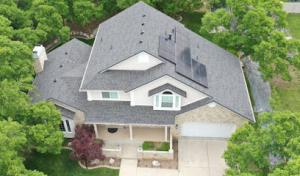
Solar penetrations require careful coordination, because replacement timing often follows storm events rather than ideal upgrade timing. Before a reroof, map every penetration and verify that mounting hardware, flashing boots, and rails are compatible with the chosen roofing material. Plan for proper seal transitions at every penetration so water doesn't track from the system into the roof deck during spring storms. If a roof is near end-of-life, address both the solar layout and the roof surface in one coordinated plan to avoid multiple invasive penetrations and to ensure long-term performance against the region's wind and hail exposures.
Find specialists in TPO, EPDM, and built-up flat roofing systems for residential and commercial properties.
American Prestige Roofing
(801) 603-4308 www.americanprestigeroofing.com
Serving
4.7 from 58 reviews


Syracuse homeowners face a distinctive rhythm: winter freeze-thaw stress followed by spring wind and hail, with storm responses shaping how quickly a roof is repaired. In this market, the priority is clarity on replacement sequencing, how cleanup will be handled after a tear-off, and how fast a crew can be mobilized when insurance work is approved. The emphasis is on practical outcomes you can see and measure in your own yard and on your own street.
When a hailstorm or high-wind event hits, a fast tarping job isn't cosmetic-it's a crucial safeguard against interior damage and deteriorating decking. Homeowners expect a prompt on-site assessment and temporary protection that stays in place until full replacement can begin. In Syracuse, storm repair patterns mean your contractor should have a plan for staging materials, coordinating damage assessment with the insurer, and delivering a credible schedule that you can track week to week. A reliable contractor will provide a clear communication cadence, so you know who's supervising the tarping, what weather windows might delay work, and when to expect crew arrival for the tear-off and roof install.
The market shows homeowners are most concerned with the replacement sequence from tear-off to finish. A practical contractor outlines the steps: protecting landscaping and outdoor living spaces, safely removing damaged material, and installing underlayment and ventilation in a way that matches the local climate's freeze-thaw demands. You should see a detailed scope that covers whether full tear-off is necessary or if a re-cover is feasible, plus how shingles or other materials are chosen to balance durability with the typical Syracuse weather swings. Transparency about timelines, sequencing, and the point at which clean-up transitions to long-term sealing helps you align insurance timelines with actual work days on the roof.
Cleanup quality is a non-negotiable signal of trustworthy work. Homeowners look for crews that manage nail and debris removal as a standard part of each day, not a final afterthought. In practice, this means daily site cleanliness, meticulous final sweep, and a clear abandoned-material disposal plan. A dependable crew will provide a post-install inspection checklist, confirm flashing and vent resealments, and offer guidance on how to monitor the roof after the first wind gusts. In this market, solid cleanup is as telling as the warranty itself, reinforcing confidence that the project won't leave an open invitation for future problems.