Last updated: Apr 19, 2026
Kaysville homeowners face a dual threat: early-summer hail damage month-to-month, and harsh winter snow exposure that punishes roofing systems with freeze-thaw cycles. That means roofs are often evaluating mixed damage, not a single-season failure pattern. A hail hit in May can create micro-cracks and vent fasteners that look minor at first glance, but when a harsh winter arrives those flaws become water pathways. Likewise, snow buildup and ice damming press on vulnerable layers, accelerating wear even if a nearby storm didn't look dramatic. The practical implication is simple: treat a roof that has sustained any hail or winter moisture as potentially compromised across multiple layers, including underlayment, decking, and fasteners.
In Davis County conditions, small storm-created openings can turn into decking and substrate problems during shoulder seasons. Look for granule loss on shingles, dented metal flashings, and curling or cupping edges on asphalt or synthetic shingles. On steeper roofs, hail can leave pocked impressions that invite moisture intrusion once the snow melts. In winter, pay attention to discolored staining on ceilings after a thaw, unusual damp spots along eaves, and frost or ice buildup near roof penetrations. Even if a surface seems superficially intact, the freeze-thaw cycle can push moisture deeper, causing plywood or decking to swell, warp, or rot. Early detection prevents compounding damage that requires more invasive repair later.
The city's practical replacement season is concentrated from late spring through fall because winter snow and ice can delay tear-off, dry-in, and inspection timing. That timing window exists for a reason: roofs under continuous freeze-thaw stress benefit from a dry, warmer stretch to remove damaged layers, install underlayment, and complete a full inspection without weather interruptions. If hail or winter moisture has compromised roof sections, waiting through another winter can turn a manageable repair into a full-scale replacement. In practice, the decision hinges on whether unseen decking or substrate damage is present and whether a dry-in can be reliably achieved before heavy snowfall returns.
Begin with a professional roof inspection after any substantial hail event, and after the heaviest snows have melted. Ask the inspector to test for moisture beneath shingles and around penetrations, not just surface damage. Look for uneven roof lines, soft spots when walking on the surface, and any damp attic insulation. If signs of hidden damage appear, do not delay a thorough assessment. A focused evaluation now helps determine whether a targeted repair is sufficient or if a full replacement is the more prudent path to prevent ongoing leaks and further decking deterioration. In this climate, proactive, staged action aligned with the shoulder-season window reduces risk and protects the home's balance against the next weather onslaught.
The dominant local material mix includes asphalt shingles and metal roofing, with tile, wood shake, and synthetic/composite systems appearing as secondary options in the market. For most homes, those two workhorse choices cover the majority of needs: asphalt shingles deliver reliable, affordable protection with straightforward maintenance, while metal roofs provide excellent hail resistance and longevity in the high-desert climate. If your home features original or mid-century construction, you'll still see clay or concrete tile in certain neighborhoods, but those can require more structural support and careful handling around freeze-thaw cycles. When selecting a roof type, let the existing roof geometry and attic ventilation guide the decision, since a dramatic pitch or limited attic space can influence shedding efficiency and moisture management.
Kaysville experiences hot, dry summers paired with cold, snowy winters, so UV resistance and freeze-thaw durability are more important here than in milder valleys. Asphalt shingles vary in granule strength and UV stabilizers, so look for products rated for high sun exposure and extended weathering. Metal roofs excel in snow shedding and hail resistance, but fast expansion and contraction across seasonal swings demand proper panel profiles and high-quality sealants. Tile options-clay or concrete-offer long life and excellent hail resistance when installed correctly, yet their weight and brittle behavior in low-temperature swings can complicate repairs after a storm. Wood shakes provide a distinctive look and strong impact performance when well maintained, but they demand regular weathering checks and timely refinishing to resist moisture and ultraviolet decay. Synthetic or composite shingles try to combine the best traits of several systems, offering good hail resistance and lighter weight, yet the performance depends heavily on the specific formulation and installation quality.
In a hail-heavy season, roof survivability hinges on material hardness, fastener quality, and edge protection. Metal roofs generally outperform most other systems in hail events because of their solid panel construction and thickness, which reduces denting and leaks after a hit. Asphalt shingles can handle typical hail damage if the granules stay intact and the underlayment remains protected, but larger hail or repeated impacts can loosen shingles and expose underlayment, increasing leak risk. Tile roofs resist impact well when intact but can crack from sharp impacts or improper installation, creating persistent leak paths if damaged. Wood shakes can suffer from hail blows that break fibers and loosen fasteners, requiring careful inspection after a storm. Synthetic options often balance impact resistance with lighter weight, yet a subpar adhesive or poor edge detailing can undermine long-term performance. A practical approach is to evaluate a roof's ability to shed snow efficiently; metal and well-installed synthetics usually win here, while tile and wood can trap moisture if overhangs or flashing detail aren't up to par.
When comparing options, prioritize systems with a proven track record of handling freeze-thaw cycles and wind-driven snow common to the area. A roof that moves with seasonal temperature shifts, without excessive panel buckling or shingle curling, tends to weather storms with fewer maintenance surprises. For homes with existing large attic air gaps or limited insulation, pairing a resilient roof material with targeted attic upgrades improves overall performance, reducing heat buildup in summer and ice dam risk in winter. Consider the roof's integration with gutters and downspouts to ensure efficient snow and rain shedding; a well-tied system minimizes standing water and potential ice buildup along eaves. Finally, assess the availability of local service expertise for your chosen material; a roof that the community recognizes and can be reliably repaired in spring or fall saves time and reduces disruption during the typical replacement window.
In this climate, typical installed costs reflect local material behavior and labor dynamics. Asphalt shingles sit at the lower end of the market, roughly 350 to 550 USD per square, while metal roofing, clay tile, and concrete tile sit substantially higher, spanning roughly 700-1100 USD per square for metal and 800-1400 (clay) or 900-1300 (concrete) per square. Wood shingles and synthetic/composite shingles offer mid-range options, around 500-900 and 550-950 USD per square respectively. When budgeting, multiply by 100-square-foot squares to keep comparisons straightforward, and remember that the published ranges are installed costs, including basic underlayment and standard flashing.
Storm-season demand spikes along the Wasatch Front tighten both labor and material availability after hail events. In Kaysville, that pressure can push scheduling and pricing upward during busy claim periods, often extending the project timeline from a simple replacement to a multi-week window. If hail season hits, expect quick decision deadlines from crews and suppliers, and be prepared for higher mobilization charges or limited immediate start dates. The late-spring to fall window tends to be the most reliable for scheduling, but even then, high demand after a major hail event can compress timelines.
Choosing material affects more than the upfront per-square price. Asphalt shingles remain the most economical option and are typically quickest to install, which can save labor costs during tight windows. Metal, clay tile, and concrete tile bring longer lifespans and better hail resistance but require significantly higher installed costs. In this climate, clay and concrete tiles also add weight considerations and potential structural implications, which can influence both upfront pricing and future maintenance. If nonstandard materials are selected, or if the roof decking has sustained freeze-thaw damage, plan reviews and additional structural work can push costs upward beyond the standard ranges.
Freeze-thaw exposure commonly damages decking and underlayment, which can elevate the project beyond a straightforward replacement. If decking needs replacement or reinforcement, anticipate higher material and labor costs. Nonstandard or specialty components-like reinforced underlayment, unusual flashings, or custom ridge caps-tack on additional line items. Storm-season damage can also lead to emergency procurement needs, which may incur premium delivery or expedited shipping fees. Budgets should include a contingency for these contingencies, especially after harsh winters or hail events.
When soliciting bids, ensure contractors itemize material, labor, and any anticipated decking work separately. Compare asphalt vs. higher-end options not just on installed price, but on expected lifespan, warranty coverage, and hail performance. If a bid seems unusually low, scrutinize whether decking, ventilation, or flashing upgrades are omitted. In Kaysville, with the mix of weather and housing stock, a well-balanced estimate balances reasonable upfront costs with future resilience to freeze-thaw cycles and hail impacts.
Legacy Roofing
(385) 526-5597 legacyroofingutah.com
280 W 200 N Suite B, Kaysville, Utah
5.0 from 20 reviews
Legacy Roofing is Utah's most trusted Kaysville roofer. We pride ourselves in using the highest quality GAF materials and offering our customers competitive pricing. We're Tesla's first solar roof installer in Utah. We have the knowledge and experience to install roofing the way it should be done so your home and family remain protected for years. We are GAF certified and offer up to fifty years warranty on many of our GAF roofing materials. We offer free inspections and we have hundreds of Google 5 star reviews from happy customers. Since roofing is our expertise, it is our job to make sure your home is safe and especially after severe weather. Contact us today to schedule your free roof inspection and estimate.
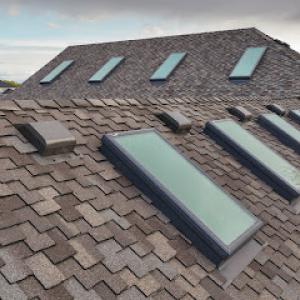
Rick Bangerter Roofing
(801) 544-0147 www.rbr-roofing.com
1941 W Shadow Way, Kaysville, Utah
4.4 from 43 reviews
After 3 generations of roofing, and being established for well over 40 years, we know roofing. We will get you honest, fair pricing as soon as possible and get the job done right, in a timely fashion. Let us help you with your home improvements!
Kanga Roof
(801) 845-0021 www.roofingcontractorsutah.com
Serving
5.0 from 132 reviews
RW Design, the company behind Kanga Roof, has been family owned and operated for over 30 years. Rex started the business so he could use his skills as a carpenter and make a safe, controlled environment to teach his children the value of hard work. Now Doug, his son, has taken the reins and is working hard to teach his children those same values. Our favorite part of this job is the people we get to work with and for. You can count on a personal touch when you hire us! Our team has been awarded the Technician Seal of Safety. You can have peace of mind when we come to your home. We are a Recommended Roofer, which means you can count on the very best in quality and know that you have a reliable roofing professional on the job.
Best Roofing
(801) 898-7526 bestroofinginutah.com
Serving
4.8 from 11 reviews
Best Roofing has served the residential & commercial roofing needs of the Salt Lake City region for over 30 years! We offer a premium warranty on all work!
1Solar + Roofing
Serving
4.0 from 392 reviews
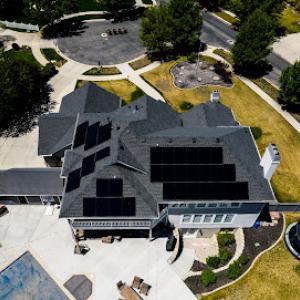
1Solar + Roofing is a full-service energy and roofing company, specializing in solar system installations and high-quality roofing solutions. We manage every step of your solar project — from permitting and engineering to installation and inspection — while also offering expert roofing services through our dedicated roofing division.
CLM Roofing
(801) 628-7311 www.clmroofingutah.com
Serving
5.0 from 25 reviews
A Trusted Roofing Company in Davis County Are you looking for a licensed, insured, and experienced contractor to tackle a roofing project? Get guaranteed quality results with CLM Roofing, a local roofing company serving customers everywhere from Ogden to Salt Lake City. We offer professional roofing services for both residential and commercial buildings, with the dedication and craftsmanship that has earned us a reputation for excellence. Get in touch for a free estimate today.
Bob Harvey Roofing
(801) 544-5125 www.bobharveyroofing.com
Serving
4.8 from 51 reviews
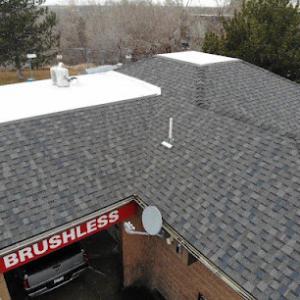
Bob Harvey Roofing is a full service roofing company serving Northern Utah for more than 35 years. Our trained roofing maintenance technicians are able to install both commercial and residential roofing systems. We hold ourselves to the highest quality standard, setting the standard by which others are measured. Bob Harvey Roofing serves Davis County, Weber County, Salt Lake County, Utah County, Box Elder County, Cache County and more. We often travel to these areas for new roofing construction or roofing repairs and maintenance! We work with the following roofing materials: Shingles Cedar shakes Metal Low-pitch Asphalt Tile roofing Thermal Plastic Olefin. Receive professional and reliable results from an insured and licensed dealer.
Lloyd's Quality Roofing
(801) 671-7576 www.lloydsqualityroofing.com
Serving
4.8 from 35 reviews
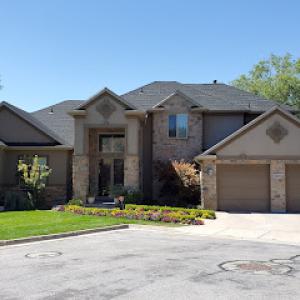
Whether you are looking for a re-roof or a new roof, we can assure you that you’ll be offered the best selection when it comes to us. Our clients have the most professionally installed roofs in the region. Your roofing services will be done timely as promised and in an orderly way by a team of experts. Servicing the Wasatch Front for over 50 years. We offer Asphalt shingle roofs, metal roofing, TPO roofing, TPO commercial roofing, and repairs. GAF Certified Contractor.

M.W. Roofing
(385) 243-4458 www.mwroofingutah.com
Serving
4.9 from 128 reviews
M.W. Roofing in Layton Utah repairs and replaces residential and commercial roofs in Davis county, Weber county, Box Elder County, and Salt Lake area. We provide free roof assessments. You can trust our judgment when it comes to determining whether you simply need a repair or a whole new roof. Our installers are certified, which means they have been professionally trained on how to conduct a roof inspection, repair, and replacement. If you are using an insurance company, we can help you navigate the insurance claims process and ensure that you don’t pay more out of pocket than is necessary. We do not accept payment until the job is completely finished and you are 100% satisfied with the finished product! Call us today for a free assessment.
On Top Roofing
(801) 882-2873 ontoproofing.com
Serving
4.8 from 86 reviews
We provide durable metal and shingle roofing built to withstand Layton’s fierce canyon winds. On Top Roofing is a local, family-friendly team dedicated to securing your home with a "strong roof for life." We specialize in insurance claims, storm restoration, and proactive maintenance plans to save you money. Don’t let the wind win—choose Davis County’s trusted experts for quality work and a hassle-free experience. We’re excited to serve you!
Roof Maxx of Woods Cross, UT
Serving
5.0 from 27 reviews
Roof Maxx® is a scientifically formulated and 100% safe, plant-based roof rejuvenating spray treatment that was developed by renowned scientists from the world’s largest private research and development company.
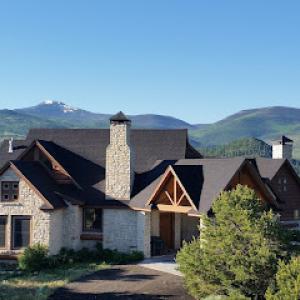
J & R Roofing
(385) 303-3450 www.jandrroofingut.com
Serving
5.0 from 47 reviews
J&R Roofing is a trusted roofing company proudly serving Layton, Utah and surrounding areas. We specialize in high-quality Asphalt Shingle Roofing, durable Metal Roofing, and reliable Commercial Roofing solutions. Whether you're facing wind or storm damage or need expert roof repair, our skilled team delivers prompt, professional service with lasting results. At J&R Roofing, we prioritize quality craftsmanship, customer satisfaction, and competitive pricing. No project is too big or small—count on us to protect your home or business with dependable roofing you can trust. Contact J&R Roofing today for a free estimate and experience the difference of working with local experts.
Permits and inspections are a fundamental part of a full roof replacement in this community. Unlike some maintenance tasks that can drift along without formal oversight, a complete reroof requires official approval before any shingle is stripped or nail gun fired. The city's process is designed to ensure that decking, supports, and any structural changes align with local codes and the region's snow-load realities. Expect the permit office to be attentive to details that affect long-term performance in freeze-thaw cycles and hail exposure.
In this city, a building permit is required for a full roof replacement rather than treating the job as permit-free maintenance. The contractor or homeowner submits a permit application with basic project details, including the proposed roofing material, underlayment, and any structural alterations. Permit issuance is expected before work begins, so coordinate timing with the contractor to prevent one part of the team from starting early. The plan should reflect the roof's slope, any attic ventilation changes, and the potential need for upgraded decking or flashing in vulnerable areas. After submission, expect a brief review window where the plan reviewer may request clarifications or additional diagrams, especially if nonstandard materials or significant structural changes are involved.
City inspections are scheduled at key milestones to verify safety and code compliance. A pre-inspection of decking and installation conditions happens before any new roofing material is installed. This step confirms that the surface is clean, solid, and correctly prepared for the chosen system, which is crucial for preventing early wear from the freeze-thaw cycle and hail impact. The final inspection occurs after completion and ensures that all components, flashing, and attic ventilation integrate properly with the rest of the home. If the project includes structural changes or nonstandard materials, a plan review is expected and may lead to additional review steps or documentation requests. Having the approved plans on site during inspections helps keep the process smooth and reduces the risk of delays.
Your project file should include the permit itself, the approved set of plans, and any written notes from plan review addressing structural modifications or unusual material choices. Contractors should provide periodic progress updates tied to the permit milestones to keep the inspections on track. If weather windows tighten in late spring to fall, align the roof replacement schedule with the permit timeline to avoid hold-ups from the city calendar and ensure inspections can occur promptly after major milestones are reached.
In this climate, roofing claims are as much about documentation as they are about the damage itself. When hail and strong winds pound the Wasatch Front, adjuster visits become a routine part of the process, and photo records play a central role in determining the scope of replacement. A damaged roof often starts with small, easily overlooked signs that can only be confirmed through careful notes and timely photographs captured from multiple angles and elevations. That reality can influence approval timelines and the final decision on what gets replaced.
When a claim moves forward, expect insurers to request clear photos of the present roof condition, including attic or interior water intrusion evidence if available. They will want new material specifications, so you should be ready to show warranty information and product details for any replacement. Proof of prior roof condition is frequently requested to establish baseline wear and pre-existing issues. Having this information organized before the adjuster arrives can prevent back-and-forth that stalls the decision-making process and can lead to a more accurate scope of work.
Because hail endorsements and riders are common in Utah policies, verify actual storm coverage before authorizing a full replacement. Some homeowners assume standard coverage applies, only to learn later that a rider limits or excludes certain components or conditions. It is crucial to review the policy language with your agent and confirm whether hail, wind, and associated damage are fully covered for a complete replacement versus limited repairs. If a rider exists, understand how that affects the claim's direction, and discuss options with the adjuster before committing to a particular course of repairs.
Document immediate damage with dated photos, especially after hail events. Create a simple file that logs weather, observed damage, and any interior signs of water intrusion. Share product specs in advance of any contractor work, so the insurer has them on hand. When in doubt, contact the insurer early to align on required documentation and avoid surprises that could stall or reduce a claim.
Connect with contractors who help homeowners navigate the claims process from damage assessment to final approval.
Rick Bangerter Roofing
(801) 544-0147 www.rbr-roofing.com
1941 W Shadow Way, Kaysville, Utah
4.4 from 43 reviews
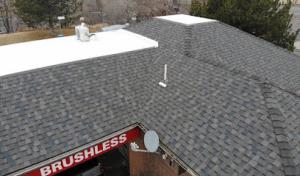
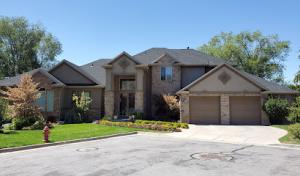
Although steep-slope residential re-roofing dominates locally, Kaysville's contractor market shows meaningful support for flat or low-slope work, indicating a real subset of homes, additions, and mixed-use roofs needing different detailing. When you encounter a low-slope section or a flat extension, plan for integrated flashing transitions that tie into nearby steeper roof planes. Ensure drainage paths are clearly defined, as snowmelt can pool longer on low-slope sections and accelerate wear around penetrations.
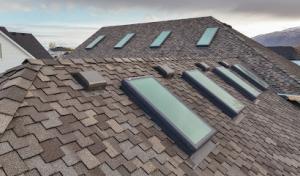
Skylight-related service is common enough in the local contractor pool to warrant separate attention because penetrations become more vulnerable after hail and during snowmelt cycles. Inspect skylight collars, seals, and curbings during the initial assessment and again after any hail event. Consider upgrading flashing around skylights to a more robust, corrosion-resistant material and sealing that tolerates repeated freeze-thaw cycles. If a skylight is aging or repeatedly leaking after storms, weigh the option of a galvanized or reinforced curb and a thicker flashing membrane to improve resilience.
Solar roofing appears in the local service mix, so reroof planning in Kaysville should account for roof penetrations and sequencing when panels or solar-integrated components are involved. Coordinate the timing of roof replacement with panel installation or relocation to avoid unnecessary re-work. Map out all penetrations first, including conduit runs, mounting rails, and in-roof wiring paths, and ensure a continuous, weather-tight transition from the roof deck to the mounting system. In areas with heavy hail activity, specify impact-resistant mounting hardware and ensure roof coverage around penetrations remains continuous to protect against accelerated wear during thaw cycles.
Find specialists in TPO, EPDM, and built-up flat roofing systems for residential and commercial properties.
Rick Bangerter Roofing
(801) 544-0147 www.rbr-roofing.com
1941 W Shadow Way, Kaysville, Utah
4.4 from 43 reviews
In this market, many crews lean toward reroofing rather than full new construction, so you want a contractor who can handle the whole job: tearing off the old roof, inspecting and repairing decking, and delivering a thorough cleanup. Ask for examples of past tear-offs where decking needed repair, what materials were used to repair damaged boards, and how the crew protected surrounding siding, landscaping, and driveways during removal. A solid contractor will describe their process for staging debris, using drop cloths or containment, and ensuring the new underlayment and flashing are installed with a long-lasting seal.
Cleanup quality matters, especially in neighborhoods with driveways and family activity where nails and debris present safety concerns. Prioritize bids that specify daily cleanup, nail sweeps, and a final clean of all yards and hard surfaces. Request a written description of their debris-control plan and confirm how they handle nails and fasteners that may wash into landscaping or mulch beds during wind events or thaw cycles. A dependable crew will walk you through their final inspection checklist and leave you with a clean, safe property at project close.
Storms and freeze-thaw cycles create rapid distress. Local homeowners value contractors who can stabilize leaks quickly after hail, wind, or winter moisture intrusion. Look for contractors who advertise emergency callouts within 24 hours or same-day triage for visible leaks. When you call, note whether the crew can provide temporary mitigation (tarps or quick sealants) to limit interior damage while material orders and delivery are arranged. A responsive contractor helps you minimize interior disruption and proceed to a proper, long-term repair plan.
Take time to verify licensing, insurance, and a solid warranty. Request a written project timeline with milestone dates and a detailed cleanup and disposal schedule. Ask for references from recent local jobs, ideally in neighborhoods with similar homes and setbacks. Confirm how the crew protects landscaping and irrigation systems, and whether they route debris away from driveways and sidewalks to avoid trapping nails in footpaths. A contractor who can articulate these steps clearly shows they understand your neighborhood's expectations and climate realities.
Get a clear picture of your project costs upfront - no commitment required.
Legacy Roofing
(385) 526-5597 legacyroofingutah.com
280 W 200 N Suite B, Kaysville, Utah
5.0 from 20 reviews