
Last updated: Apr 19, 2026
Roy homeowners face a distinct rhythm: heavy winter snow load followed by unpredictable spring hail, all within the same roofing year. That cycle reshapes how damage appears and when replacement becomes a real choice. Snow packs and freezes repeatedly push against eaves and overhangs, while meltwater refreezes at the edges, forging ice dams that can trench under shingles during warmer mornings. When spring hail arrives, it often lands on already-stressed roofing, exploiting microfractures and vulnerable ridges built up by the winter load. The result is a year where a single roof faces back-to-back stresses, and the timing of replacement decisions hinges on how well the earlier damage was managed before the next storm sequence hits.
Freeze-thaw swings along the northern Wasatch Front can turn what looks like a minor drainage or ventilation issue into recurring ice-dam leaks. Those leaks tend to manifest at eaves and roof edges first, where warm attic air meets cold roof surfaces, and where ice can trap water behind a dam of frozen mass. Hail damage, when it comes after a season of ice damting, can complicate the picture: dented metal flashings, bruised shingles, and compromised granules may not be obvious from ground level, yet they set the stage for accelerated wear during the next freeze cycle. In Roy, the combination of snow-led stress followed by hail impact means a roof that looks fine from the street may still be quietly deteriorating up close. It is not enough to fix what looks obvious; the hidden degradation drives risk of interior leaks and accelerated deck degradation over time.
The most reliable protection is vigilance during transition months. When a warm spell breaks a storm layer, inspect for shingle shrinkage, lifted edges, or granule loss on asphalt or synthetic shingles. Metal roofs should be checked for dent patterns and flashing integrity after every sudden hail event, especially if snow remains on the ground, signaling ongoing thermal expansion cycles. Ventilation issues-blocked intakes, undersized soffits, or cramped attic spaces-tend to become amplified by freeze-thaw cycles, turning marginal drainage into persistent leaks. If an ice dam forms, addressing insulation gaps and improving attic venting now can slow repeat damming in the next cold snap, reducing the risk of interior water intrusion before the next hail event.
Fall wind events matter locally because many owners try to finish roofing work before the first sustained snow, creating scheduling pressure late in the season. That urgency can lead to rushed edge details, inadequate sealing around penetrations, or overlooked vent channels. In Roy, delaying critical fixes until the last warm window can lock in a cycle of recurring leaks come winter, or complicate a hail-season repair later. The practical response is to stage repairs with a focus on long-term performance rather than speed. Prioritize securing drip edges, reattaching loose flashing, and restoring venting paths before leaf fall, so the roof starts the winter with the strongest possible defense.
If winter is approaching and the attic shows signs of heat leakage or insulation gaps, plan to remediate before the full freeze arrives. After a hail event, perform a targeted inspection of roof seams, edge detailing, and flashing; document where shingles show bruising and where granules are missing. Maintain a simple log of observed damage after each significant weather occurrence, so decisions about replacement or component-by-component repair can be made with a clear pattern in mind. In a Roy year, the goal is to reduce the number of times a roof travels through back-to-back stress cycles, cutting the odds of costly emergency repairs when the next season arrives.
The preferred replacement window in Roy is the dry, mild-to-warm part of the year because winter snow and freeze-thaw conditions can complicate tear-off, sealing, and inspection timing. If your roof is nearing the end of its life, aim for late spring or early fall when the air is dry and temperatures sit in a comfortable range for sealants and underlayment. Scheduling within this stretch reduces the chances of ice dams forming during the project and minimizes the need for extended leak prevention during the tear-off. A clear forecast with several dry days in a row is not just convenient-it's essential for cutting down the risk of back-to-back weather setbacks.
Summer heat in Roy can accelerate shingle aging and affect adhesive behavior, so timing and crew practices matter even during the main roofing season. In the heat of July and August, asphalt products, underlayment, and adhesive-backed layers can become tacky or prematurely cure if exposed to midday sun for long periods. Plan to start earlier in the day and finish before peak heat, or schedule a mid-morning to late-afternoon window with shaded staging areas. Proper insulation of the attic before replacement helps the new roof shed heat and delays heat transfer to the new layers. Ensure crews have shaded breaks and plenty of water to keep material handling steady and reduce the risk of mistakes caused by heat-induced fatigue.
Late-season projects in Roy face a real risk of weather delays as homeowners and contractors race to complete work before snow arrives. If a late fall project runs long, the crew should have a contingency plan for temporary protection at day's end and a strategy for fast, clean shut-down if an early snowfall threatens exposed decking. The timing becomes crucial when ice dam risk climbs; a partial job that leaves vulnerable seams or exposed edges can invite moisture ingress once the first freeze hits. A practical approach is to target the beginning of a stretch of consistently dry days, with a firm end date in the schedule so the project is wrapped before cold weather complicates sealing, flashing, and warranty considerations.
Snow load and hail events are real considerations that influence when to start and finish a roof replacement. If a severe winter is on the horizon, prioritizing an earlier start gives you a buffer to complete the tear-off and install before heavy snow accumulates. Conversely, an unusually calm late winter spell can become a window for finish work, if a qualified crew can safely complete the final sealants and inspections before the next freeze-thaw cycle. In any case, a practical plan accounts for potential spring hail surges, ensuring materials and access paths stay protected and work can resume quickly after a weather break.
Get a clear picture of your project costs upfront - no commitment required.
SOS Roofing
(801) 564-2068 sosroofingutah.com
4300s, 2028w, Roy, UT
5.0 from 18 reviews
SOS Roofing is a Residential Roofing Contractor that specializes in roof replacement, roof repairs, and helping customers with insurance claims for their roof
Rogue Roofing
Serving
5.0 from 18 reviews
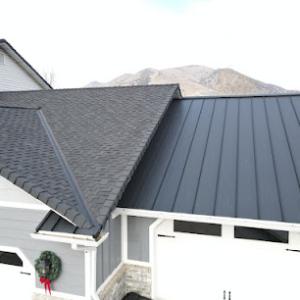
Rogue Roofing offers roof repair, replacement and inspections for homes in Davis, Weber, Morgan County’s and the surrounding areas. We are committed to getting the job done right so that you can have the peace of mind that comes with a leak free roof. We are serious about quality, honesty, and communication. Our founder, Bridger Anderson, has years of experience in roofing and in leading a professional team.

CCR Roofing & Exteriors
(801) 603-3927 ccrroofingexperts.com
Serving
4.9 from 42 reviews
With over 20 years of experience, CCR Roofing & Exteriors is Northern Utah's premier roofing company, serving Clearfield, Syracuse, Layton, Bountiful, and surrounding communities. We specialize in roof installations, replacements, and repairs, ensuring your home remains protected and visually appealing. Our services extend beyond roofing to include siding, rain gutters, and deck building, providing comprehensive exterior solutions. Our team is well-versed in Utah zoning laws, building permit requirements, and homeowners association guidelines, ensuring your project is completed efficiently and correctly. Contact us today at 801-603-3927 for a free estimate and experience quality service that exceeds expectations.
Davine roofing
(801) 668-4785 davineroofing.com
Serving
4.9 from 24 reviews
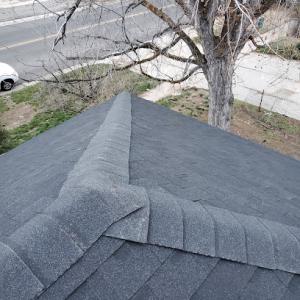
Instalación de techos nuevos y quitamos los viejos
Utah Roof Consulting
(801) 200-8379 www.utahroofconsulting.com
Serving
5.0 from 64 reviews
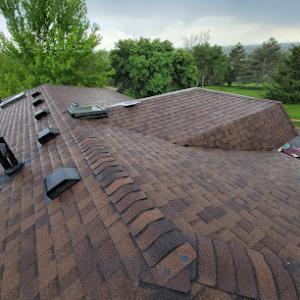
Since 2015, Utah Roof Consulting has been the trusted name in comprehensive roofing solutions and home inspections. Our team of skilled professionals specializes in a wide range of services, including roof replacements and repairs, with a particular focus on addressing storm, hail, wind, and snow damage. We also offer expert siding, asphalt, and metal work, as well as essential gutter cleaning and waterproofing services. Whether you need a full replacement or routine maintenance, our consultants and roof technicians are dedicated to providing top-quality workmanship and lasting results for your home.
Roofing Utah
(385) 381-8116 www.roofingutah.com
Serving
4.9 from 39 reviews
Our foundation is built upon 100% customer satisfaction and providing a solution to your investment, not an expense! On every roofing job, we will meet or exceed industry standards in materials and workmanship. The dedication of our employees and the structured teamwork in our company make us the roofing company you can rely on now and throughout the future. You can count on Roofing Utah to use state of the art roofing installation materials and procedures to meet building codes and utilize factory specifications in everything we do.
Northern Utah Roofing
(801) 516-4824 www.ensignroofing.com
Serving
5.0 from 15 reviews
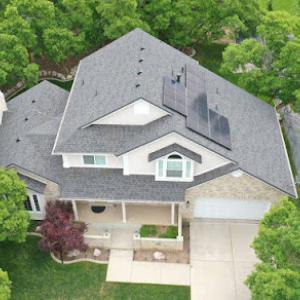
Local roofing company that specializes in residential and commercial roofing. We are experienced in all different types of roofs and roofing materials. Call us for a free estimate
Best Choice Roofing
(801) 285-9400 bestchoiceroofingutah.com
Serving
5.0 from 25 reviews
Best Choice Roofing is an experienced roofing contractor offering full roof replacement & repair in Northern Utah.

Bear Creek Roofing Services
(801) 668-6379 bearcreekroofing.com
Serving
4.6 from 173 reviews
Bear Creek Roofing is a full-service roofing contractor in Northern Utah. Family owned and operated, we service homeowners from Brigham City to Provo and Tooele to Park City, Utah. Our goal is to offer great customer service and communication. We have over 30 years of experience in roofing with a reputation for roofing quality and integrity. Bear Creek Roofing services both commercial roofing and residential roofing repair and installation. We provide roof inspections and assist with insurance claims. In addition, due to our long lasting roofing experience and integrity Tim serves as an expert witness for legal matters. Bear Creek Roofing is a roofing company that can be trusted with your roofing project. Call our roofing team today.
Legacy Roofing Utah
(385) 442-6677 legacyroofingutah.com
Serving
4.9 from 587 reviews
At Legacy Roofing, we don’t just replace roofs, we redefine what homeowners can expect from one. We use only the highest-quality materials, backed by the longest manufacturer warranties in the industry. On top of that, we provide our exclusive systems labor warranty, coverage that is second to none. With our expertise and commitment to excellence, we deliver the ultimate finished roof for your home. Legacy Roofing is Utah’s Standard in Excellence.

CBX Roofs
Serving
4.6 from 127 reviews
CBX Roofing works tirelessly to build a reputation of excellence in Moab, Northern Utah and surrounding areas. Serving local homeowners and businesses, CBX Roofing sees each job, and each customer, as an opportunity to live up to, and continue building on, our standard of excellence.
J & R Roofing
(385) 303-3450 www.jandrroofingut.com
Serving
5.0 from 47 reviews
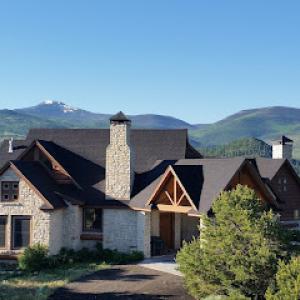
J&R Roofing is a trusted roofing company proudly serving Layton, Utah and surrounding areas. We specialize in high-quality Asphalt Shingle Roofing, durable Metal Roofing, and reliable Commercial Roofing solutions. Whether you're facing wind or storm damage or need expert roof repair, our skilled team delivers prompt, professional service with lasting results. At J&R Roofing, we prioritize quality craftsmanship, customer satisfaction, and competitive pricing. No project is too big or small—count on us to protect your home or business with dependable roofing you can trust. Contact J&R Roofing today for a free estimate and experience the difference of working with local experts.
In Roy, asphalt shingles and metal roofing are the materials you'll see most often on familiar residential roofs. Asphalt shingles pair well with the town's snow load and freeze-thaw cycles, delivering reliable performance when properly vented and flashed. Metal roofs, with their quick shedding of spring hail and wind resistance, are a practical choice for homeowners who want durability and a straightforward maintenance path. Even with these two favorites, the choice isn't purely about appearance or cost; it's about how each surface handles Roy's exact weather rhythms, from heavy winter ice to scorching summer heat.
Northern Utah's snow load shapes every roof detail here. Regardless of surface material, the underlayment plays a pivotal role in preventing water infiltration during the melt and freeze cycle. A high-quality, properly installed underlayment helps keep moisture from migrating upward under shingles or panels as temperatures swing. When ice damming risk is high, you want underlayment that resists tearing and an attic space that remains reasonably warm without creating condensation problems. Pay attention to the fabric, thickness, and seamless transitions at valleys and penetrations. The flashing around chimneys, vent stacks, and skylights should be continuous and corrosion-resistant, since repeated freeze-thaw cycles can stress even the best sealants. For metal roofs, ensure the fasteners are corrosion-resistant and placed to prevent water from tracking along seams during thaw events. For asphalt, verify that shingle edges land squarely and that the drip edge directs meltwater away from the fascia, reducing splash-back that can undermine attic baffles and insulation.
Attic ventilation is a common pitfall that compounds winter ice dam risk and summer heat gain. In Roy, where temperatures swing widely, a well-ventilated attic helps maintain a balanced roof deck temperature. For asphalt shingles, adequate intake and exhaust vents help keep the roof deck closer to outdoor temperatures, reducing the likelihood of ice dam formation as meltwater refreezes at the eaves. Metal roofs benefit from thoughtful venting as well, especially in areas where snow sits longer on the roof edges. Ventilation doesn't only protect shingles or panels; it protects the attic insulation and reduces the chance of condensation-related wood rot or mold growth in the ceiling plane. Regardless of material, check that soffit vents, ridge or turbine vents, and any gable-end configurations work in concert to move air efficiently across the roof plane.
Heavy materials such as clay tile, concrete tile, and slate are available in the market, but they demand careful scrutiny for snow-load suitability. In a snow-prone climate like northern Utah, the structural system must be able to carry the added weight, especially where rafters or trusses were not designed for load-bearing beyond typical shingles or metal panels. If heavier finishes are contemplated, a structural assessment becomes essential to avoid sagging or faster deterioration under winter stress. In Roy, tile and slate can perform beautifully when the home's frame is appropriately engineered and the roof deck is reinforced to resist freeze-thaw movement. If structural capacity is borderline, consider lighter or reinforced options that still deliver the desired aesthetic and performance. For most homes staying with asphalt or metal, the payoff is in a balance of resilience, ease of repair, and predictable performance through seasonal cycles.
In this market, storm-driven surges after hail or strong wind can tighten scheduling and push pricing pressure. When you're planning a replacement, expect a cadence that mirrors recent weather events: a rush to secure crews after a hail storm, then a few weeks of backlog before materials and crews can land on your roof. That dynamic shows up not just in the price per square but in a quicker-than-average turnaround for orders, deliveries, and installation slots. If your neighborhood saw hail recently, you'll likely face longer wait times and higher demand, which translates into higher costs and a tighter window to shop for options.
Material choice matters sharply in Roy. Asphalt shingles remain the most budget-friendly, with a typical range around 320 to 520 USD per square, but the local market also supports premium options that handle snow and ventilation demands more robustly. Synthetic or composite shingles offer a middle ground, and metal roofing sits higher on the price ladder but can deliver longer service life in freeze-thaw cycles and spring hail. Clay and concrete tiles diversify the landscape, especially in homes where weight-bearing capacity and ventilation details are already a consideration. Slate sits at the top end, easily pushing replacement costs well above the asphalt baseline, and it's worth weighing weight, roof structure, and attic ventilation against the expected lifespan. In practice, the choice determines not only upfront costs but future maintenance, especially under Roy's snow load and spring hail pressure.
When sizing the scope, plan for more than the bare minimum roof area. Snow accumulation and ice damming patterns push many homeowners to upgrade underlayment and ventilation as a standard part of a replacement, which adds to the cost but pays back with fewer leaks and better energy performance during hot summers. If your attic lacks sufficient venting, you'll likely see a need for higher-quality underlayment and more comprehensive ridge and soffit ventilation. These improvements help manage both winter moisture and summer heat, reducing the risk of future problems that can complicate a quick repair.
Budget realistically for the project timeline. The best pricing often comes from early planning and scheduling ahead of storm seasons, but the Roy market can swing quickly after hail or wind events. Expect variability in material availability and crew demand from one week to the next, with higher costs tied to premium materials and enhanced ventilation packages. If you're weighing options, a transparent comparison of upfront material costs, expected installation time, and the long-term performance in frost, ice damming, and hail exposure will guide you to a balanced decision that fits your home and budget.
Don't let upfront costs delay a critical repair - these contractors offer payment plans to fit your budget.
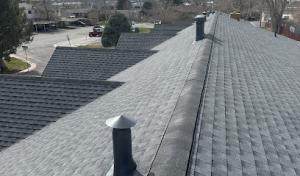
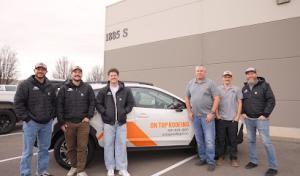
Full roof replacements in Roy generally require a permit through Roy City or Weber County, making permit status a real planning issue before tear-off begins. If a project proceeds without proper authorization, you can face hold-backs at inspections, costly rework, or even fines that disrupt timelines and repairs when you're watching the weather windows. Before any shingle debris hits the yard, confirm whether your address falls under Roy City's permit office or a Weber County building division, and lock in the permit path in writing. That upfront check helps prevent a scramble when the weather shifts from white to wet or windy spring conditions.
The local process includes plan review plus on-site inspections during and after the job rather than only a final sign-off. That means you're not simply waiting for the inspector at the end of the project; you should anticipate multiple touchpoints. A reviewer may request adjusted details in your roof plan, such as venting changes, fastener patterns, or underlayment specifications, and you should be prepared to provide verified information from your contractor. During the project, expect staggered inspections at key milestones (prepared roof deck, underlayment installation, and completed roofing assembly), plus a final close-out check. The consequence of missing or delaying an inspection cadence is a potential hold or a requirement to reopen work areas to address the inspector's concerns.
Roy-area inspections may look at attic ventilation, underlayment, and decking condition as part of code-compliance review, so hidden substrate problems can affect scope mid-project. If a deck or underlayment shows unexpected deterioration, or if attic ventilation doesn't meet current airflow requirements, the contractor may need to revise the scope on the fly. This can lead to additional decking work, revised underlayment strategies, or altered ventilation details-each with its own timing and coordinating impact. Knowing this, you should plan for possible mid-project adjustments and have a realistic window for weather-ready scheduling.
Start by coordinating with your roofing contractor to confirm permitted scope, expected inspection dates, and any plan-review items you'll need to address before work begins. Keep a dedicated calendar for permit milestones and inspection appointments, and maintain clear lines of communication with the building department. If attic access or ventilation components are being modified, request a pre-inspection check to catch issues early. By aligning your tear-off timing with permit and inspection milestones, you reduce the risk of surprises that could push a project into a stormy season or extend your exposure to the elements.
Utah's periodic hail and wind events leave roofs with a mixed afterimage of shingle bruising, lifted granules, and dented flashings. In Roy, the weather patterns create a documentation-heavy claim environment where before-and-after photos matter. The insurance process often hinges on precise, dated visuals paired with clear notes about wind-rush and hail impact timing.
You want a thorough, storm-linked file: dated photos from multiple angles, close-ups of damaged edges, and any signs of ice damming or concealed leaks. Keep a running log of the storm date, wind speeds, and observed movement of granules or hail impact marks. If a contractor can assist, arrange exterior and attic shots that reveal roof deck moisture or ceiling staining.
Adjusters in this region commonly coordinate inspections with contractors, so you may find yourself navigating both the technical roof findings and insurer processes at the same time. Have a licensed roof professional present during the initial inspection if possible, or request the contractor's written assessment to accompany your claim. Clear, project-specific notes help avoid back-and-forth.
Because claim patterns are weather-driven, post-storm demand spikes in Roy can affect response times for inspections, temporary protection, and full replacement scheduling. Prepare temporary protective measures-tarps or boards-so the roof remains covered if there's a delay. Maintain flexibility in scheduling, and document any interim leaks promptly.
After the initial claim, retain updated photos showing repairs in progress and the final result. If the insurer questions preexisting conditions, supply the contractor's comparison notes and traceable timelines. Consistent documentation helps keep the claim moving through the system with fewer delays.
Snow and meltwater tend to stack up where temperatures swing. Eaves, valleys, and flashing transitions are the spots where ice dams often form, backing water up under shingles and into the attic. When a dam holds back meltwater, you get stains on ceilings, damp insulation, and the gnawing sound of dripping interior water. Regular attention to roof edge details, proper insulation, and upstream ventilation can help minimize the risk, but once a dam builds, the damage can propagate quickly through attic spaces and along fascia boards. You'll want to address deficiencies promptly, because delays compound rot and mold concerns, especially after a heavy snow season.
Spring hail in this area can leave shingles bruised or granules loosened, dulling the roof's surface and speeding aging. The immediate impact may look minor, but the underlying underlayment and deck can suffer microcracks that allow moisture intrusion during later freeze-thaw cycles. After a hail event, inspect for bruising near ridges, hips, and panel overlaps, where damage often hides in plain sight. Small impacts can degrade shingle protection over time, so you should monitor for granule loss and random dark spots that indicate accelerated wear. If underlayment is compromised, the risk of leaks increases even if the surface looks intact.
Hot days followed by frigid nights push aging roofs past their limits, especially when ventilation is marginal. Shingles become brittle, and lifted edges create avenues for water intrusion during the next freeze-thaw cycle. A roof with brittle shingles or poor attic airflow will show wear sooner, with higher susceptibility to ice damming and wind-driven uplift after a hail event. In such cases, compromised sections can fail abruptly, making small repairs a necessity rather than a choice. If you notice curling shingles, sun-bleached patches, or inconsistent shading, treat it as a warning sign rather than a cosmetic issue.
Keep an eye on visible sagging, loose fasteners, and any shingles that have lifted along valleys or around flashing. Check interior ceilings for new stains following thaw periods or heavy storms. Addressing aging components, ensuring solid underlayment support, and maintaining ventilation can extend life and reduce the likelihood of cascading failures when seasonal cycles collide.
Find contractors experienced in skylight installation, flashing, and leak repairs to bring natural light into your home.
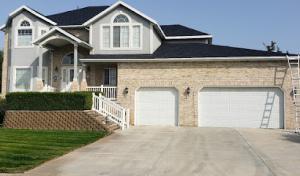
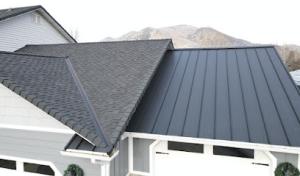
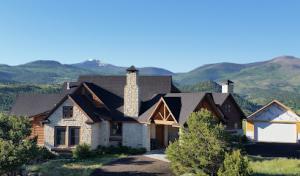
Your best indicator of reliability is the crew's track record with tear-offs and working around an occupied home. Ask for a recent project where someone stayed in the house during replacement, how debris was managed, and what steps were taken to protect landscaping, entryways, and interior. A crew that can coordinate a staged, careful tear-off and keep the home livable during the process is more likely to finish on time and with fewer call-backs.
Cleanup is a major local hiring signal. Look for crews that show daily site-walkthroughs, attic or crawlspace protection, and a plan for rapid removal of waste at the end of each day. In Roy, homeowners expect minimal debris tracking, clear egress paths, and quick response to any nails or shingle fragments left behind. A transparent cleanup protocol often correlates with safer work practices overall.
Affordable pricing and quick response are common in this market, but speed should not come at the cost of documentation and warranty clarity. Ask for written project timelines, the scope of work, and what is covered under warranty with clear exclusions. Ensure the crew can provide pre- and post-project inspections, and that they will respond promptly to any post-install issue, especially after heavy snows or spring hail events when performance matters most.
Roy's homes feature a mix of asphalt, metal, and tile options. Confirm the crew's experience with your chosen material, including proper underlayment, ice-dam defense, and ventilation considerations. A crew that understands the local freeze-thaw cycles and snow load will install systems better suited to withstand Roy's seasonal swings.