
Last updated: Apr 19, 2026
In Forest, the windows that actually work best for replacement or major repairs sit between the last frost and the heat of late spring. Bedford County's four-season pattern means you're avoiding the peak summer heat and the worst of winter weather, while still catching a sturdy stretch of dry, workable days. The goal is to align work with the late March through early May lull when soils are manageable, and crews can move material without stalling for heavy showers. However, spring thunderstorms and hail risk in the Forest area can turn a planned replacement into a storm-damage project, especially when older shingles are already brittle from winter freeze-thaw cycles. If a storm is forecast, you're better off delaying heavy shingle work until the weather window clears and the site can stay dry for multiple days in a row. Have tarps and rapid cleanup measures in place so a sudden downpour doesn't soak decking or create a rushed, sloppy overlay that invites long-term leaks.
Early summer in this region is a practical gray zone. You're not far enough from spring storms to avoid the risk entirely, but you're closer to heat and humidity that can affect sealants and underlayment. If a project must stretch into early summer, plan for shaded or partially shaded work zones to keep workers safe and materials from overheating. Keep attic access and ventilation under control so interior spaces don't heat up while roof work is underway. While you don't need to rush to beat a flood of August conditions, you do want to limit prolonged exposure of deck sheathing to moisture if there's any residual dampness from spring rain. Use walkthroughs after rain events to verify flashing and valley conditions haven't trapped moisture, especially near mature trees that drip and pool in shaded stretches.
Fall presents a practical opportunity, but leaf debris and moisture retention are a real concern in wooded residential areas around Forest. Shaded roof sections are more prone to moss and dampness when leaves accumulate on the roof and in gutters. Target a window after most leaves have fallen and before the first hard frost so crews can complete step-down tasks like full underlayment inspection, drip edge sealing, and ice-dam protection if early freezes appear. If a fall project is extended into late autumn, coordinate with leaf-cleaning schedules to prevent debris from burying fasteners or obstructing ventilation pathways. A dry, clear week in late September through October often yields the most reliable conditions for a thorough, longer-lasting repair or replacement.
Winter brings freeze-thaw stress that can accelerate shingle brittleness and complicate installation. In Forest, winter work should be limited to situations where there is an emergency leak or structural risk that demands immediate attention. Frozen decking, snow cover, and subzero temperatures dramatically slow progress and compromise sealant performance. If an inspection reveals significant ice dam risk or interior moisture intrusion, prioritize temporary containment and plan a robust spring or fall replacement rather than attempting a full installation during adverse conditions. Between storms, use a warm, dry spell to re-check attic ventilation, condensation risks, and insulation status to minimize repeated winter strain on the new roofing system.
Keep an eye on the forecast for multi-day dry stretches, ideally above freezing with modest humidity. After a winter thaw, inspect for brittle shingles or exposed nails and flag problem areas before the next seasonal transition. When a storm lands just after a brittle winter cycle, assess whether replacement can wait until late spring or early fall, unless structural leakage demands immediate action. In wooded neighborhoods, schedule work with gutter cleaning and moss mitigation in mind to maintain long-term roof health once installed. This alignment with seasonal moisture patterns helps ensure a steadier project pace and a more durable finish that stands up to Forest's four-season rhythm.
Asphalt shingles remain the dominant practical choice in Forest because they fit the area's common residential re-roofing market and moderate cost expectations. The standard 3-tab and architectural shingles show up on most tracts of homes, and their installation window tends to align with the spring and early summer scheduling you see after winter moisture stress. In this climate, summer heat and humidity can accelerate adhesive and underlayment aging, so attention to high-quality synthetic underlayment, proper nail patterns, and ventilation matters more than ever. When choosing asphalt, look for a shingle line with good UV resistance and a warranty that covers both impact and weather exposure. A well-vented attic helps the shingles breathe through peak humidity, slowing early wear and reducing the risk of premature curling or cupping after long wet seasons.
Metal roofing has strong local relevance in Forest, where repeated seasonal moisture and freeze-thaw stress make long-term water shedding and flashing durability a major homeowner concern. Panels or standing-seam profiles offer reliable performance when installed with careful attention to flashing around chimneys, vents, and dormers. Metal's resilience to rain and ice can translate to fewer leak-prone seams, but the edge details and fastener seals must be chosen to handle both wet springs and cold snaps. Keep an eye on loose fasteners after heavy moisture periods and inspect ridge vents for signs of moisture intrusion. With metal, the payoff comes from a careful, repetitive inspection cycle-especially following spring storms and after heavy snows melt-so you catch loose trim or degraded sealant before it becomes a leak.
Wood shakes can deliver traditional character, but in this climate they demand strict attention to moisture retention and drying potential. Wood products should be paired with solid underlayment and a robust ventilation plan to minimize rot risk during the wet months. Clay tile and concrete tile bring distinctive looks but require evaluation of structural loading and substrate integrity in areas with seasonal freeze-thaw cycles. Clay tile, in particular, can become brittle with freeze-thaw stress if moisture infiltrates through microcracks, while concrete tile offers weight advantages and durability but needs strong structural support and careful flashing details to manage expansion and contraction. Synthetic products present a compromise: they mimic the look of natural materials while often offering better moisture resistance and faster installation, though performance under long, wet seasons should be verified with the installer.
In this market, the best choice balances local moisture patterns with your home's roof slope, attic ventilation, and exposure to northern and southern winds. The common thread across all options is maintenance: regular inspections after spring storms, re-sealing flashing where needed, and addressing any visible moisture entry quickly. If a material is selected for its look, plan for a longer-term maintenance schedule to protect the investment from seasonal swings. For most homes, a practical approach is to pair a durable underlayment with a roof system that supports rapid leak detection and easy access for ongoing maintenance. The goal is to keep water out, especially during the peak wet months, while maintaining the roof's ability to shed moisture efficiently during the region's hot, humid summers.
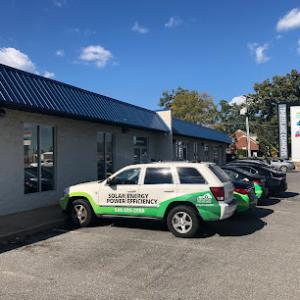
Earth Right Roofing
(434) 248-3697 earthrightroofing.com
Serving
5.0 from 30 reviews
Residential roofing contractor

Sentry Exteriors
(434) 239-6722 sentryexteriors.com
Serving
5.0 from 180 reviews
Helping Local Homeowners with Their Siding, Roofing, and More for Nearly 30 Years. We Provide Free Estimates and Financing for Qualified Customers. Contact Us to Learn More.

Cenvar Roofing - Lynchburg
(434) 231-6831 www.cenvarroofing.com
Serving
4.9 from 819 reviews
We are one of the most sought-after residential Lynchburg roofing contractors. Since we opened in 2012, we have served thousands of members of the Lynchburg, VA community. We prioritize customer satisfaction above everything and this is evident throughout each step of the process, from conception to completion. If you are in need of roofing services, schedule a free estimate appointment. We would be happy to serve you!
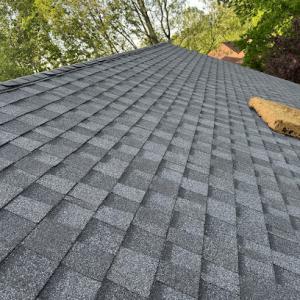
Top Dog Pro Exteriors
(434) 535-1649 www.topdogproexteriors.com
Serving
5.0 from 5 reviews
Top Dog Pro Exteriors is a locally owned exterior remodeling company based in Lynchburg, VA. We provide expert roofing services including roof replacement, architectural shingles, and metal roofing, as well as gutters, vinyl siding, soffits, fascia, decks, porches, and pergolas. Our team is known for quality craftsmanship, fair pricing, and dependable service. We proudly serve Lynchburg and surrounding areas of Central Virginia, including Bedford, Amherst, Nelson County, Appomattox, Chatham, and the Smith Mountain Lake area. Contact us today for a free consultation.
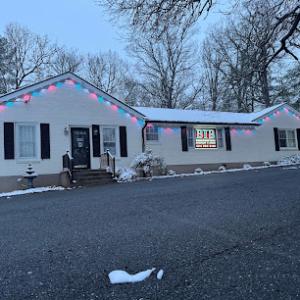
BTB Construction
Serving
4.9 from 147 reviews
BTB Construction is one of the best roofing companies in Lynchburg, VA and have been serving the local residents for 29 years. If you are looking for a local Lynchburg roofers for your residential and commercial roofing contractor repair and installation then look no further and contact BTB Construction for top-quality home improvement service to the Lynchburg, VA and the Surrounding Areas.
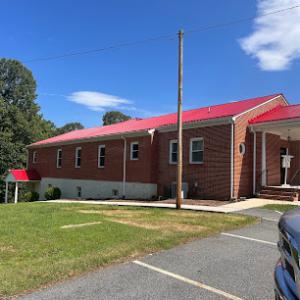
Miller Roofing
(434) 237-0341 www.millerroofinglynchburg.com
Serving
4.9 from 35 reviews
Protect your largest investment with our reliable roofing services. We are a locally owned and operated roofing company currently serving Lynchburg, VA and surrounding communities, also in Franklin County. If you want to make your roof last as long as possible, it is vital that you never put off a roof repair. Small issues with roofing become big issues in a hurry. No matter how major or minor the repair you need, we are here to help. We offer roofing contracting, roof installation, and roofing repair.
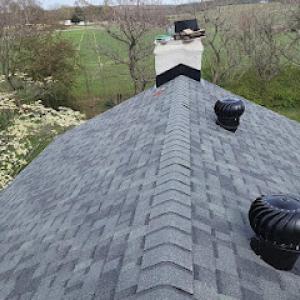
VHI Construction
(434) 363-8446 vhiconstruction.com
Serving
5.0 from 20 reviews
VHI Construction is your trusted local expert for roofing, siding, gutters, and home improvement services. We deliver high-quality craftsmanship, fast turnaround times, and outstanding customer service. Licensed and insured, we specialize in roof repairs, replacements, siding upgrades, and gutter installations for residential properties. Our team uses premium materials and follows the highest industry standards to protect and enhance your property. With transparent pricing, clear communication, and a commitment to excellence, VHI Construction is a leading name in reliable exterior construction. Contact us today for a free estimate!

James R Jessie Roofing
(434) 316-2174 www.gottrust.org
Serving
4.8 from 25 reviews
James R. Jessie Roofing has been in business for over 26 years. Servicing Lynchburg, Virginia and surrounding areas. Free estimates and no deposit needed. Payment taken when job is completed. Financing Available!! Credit Cards Accepted.
Melvin T Morgan Roofing
(800) 249-0358 melvintmorgan.com
Serving
4.4 from 42 reviews
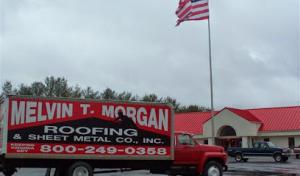
Melvin T. Morgan Roofing is a trusted roofing contractor in Lynchburg, VA, providing professional roofing services for residential and commercial properties. With years of hands-on experience, we specialize in roof replacement, roof repairs, new roof installation, and storm damage roofing services using high-quality materials and proven workmanship. We proudly serve homeowners and businesses throughout Lynchburg, Forest, Madison Heights, and surrounding Central Virginia areas. Whether you need emergency roof repair, leak detection, or a full roofing system replacement, our team is committed to dependable service, honest pricing, and long-lasting results. 📞 Contact Melvin T. Morgan Roofing today for reliable roofing services in Lynchburg,

All Phase Roofing & Construction
(434) 616-4992 allphaseroofingandconstruction.com
Serving
4.6 from 51 reviews
All Phase Roofing and Construction is one of the top roofing contractors in Lynchburg, Virginia. We offer both residential and commercial roofing and construction services. We have been offering roofing and roof repair, windows, and general construction throughout Central Virginia since 2008. We are licensed and insured with a combined 47 years of experience and we are considered "honest roofers" by our clients. Integrity is important to us, which is why we offer free estimates and we always stand by our work.
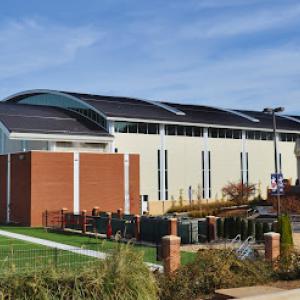
McCarty Roofing
(434) 845-3219 mccartyroofing.net
Serving
5.0 from 20 reviews
McCarty Roofing offers commercial and residential roofing services in the central Virginia area. We specialize in standing seam metal roofing, slate and cedar shake roofing, custom sheet metal work, and low-slope single-ply roofing. With over 50 years of combined experience we work with builders, property owners/managers, and homeowners to solve even the most challenging roof-related issues.
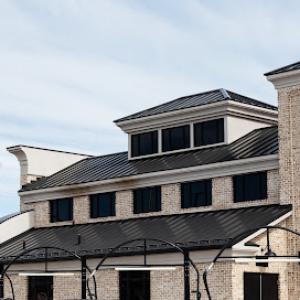
Burnopp Metal LLC | Roofing VA
(434) 525-4746 www.burnoppmetal.net
Serving
5.0 from 13 reviews
The best Metal Roofing in Virginia. With Burnopp Metal you will get top quality Metal roof Gutters Timber Framing Chimney Caps Free estimate
In this county, a full roof replacement usually requires a permit filed with the county building department, not through a separate city office. The contractor often handles the filing, but homeowners can file themselves if they prefer. The key risk is not having a valid permit when the job is inspected or when selling the home later. If the department discovers an unpermitted replacement, you can face stop-work orders, the need to uncover the work for inspection, or a retroactive permit that can complicate payment records and insurance. In practice, the filing trail matters as much as the work itself, especially in a market that values fast leak response after spring storms and winter freeze-thaw stress.
The county building department may request proof of contractor licensing during the permit process. This is not a mere formality. Licensing demonstrates that the project meets minimum standards and that a competent professional is overseeing the work. If the contractor is relying on a homeowner's license or using a non-licensed subcontractor, expect a pause in the process or a denial of the permit until proper credentials are provided. Keep copies of all licenses, insurance, and any permits already issued, and be prepared to present them when you or your contractor files the roof replacement paperwork.
Inspections in Bedford County follow a staged pattern, with the tear-off or underlayment stage typically first, and a final inspection upon completion. The tear-off stage confirms that the old roof is removed down to the deck and that the deck is sound, clean, and ready for new underlayment and roofing. The underlayment stage checks that the protective layers are properly installed, sealed at penetrations, and continuous across the roof line. The final inspection verifies that the finished roof aligns with local wind-damage standards and that the installed underlayment and roofing materials meet code requirements. Missing or improper seals around vents, chimneys, and skylights can fail an inspection and delay the project, so attention to detail at each stage matters.
Approval hinges on meeting local wind-damage standards and the quality of the underlayment installation. Forest homes often endure seasonal moisture swings and exposure to the Blue Ridge foothill environment, so wind-driven rain and freeze-thaw cycles are real concerns. The department will look for secure fastening, proper nailing patterns for the chosen material, and a deck that remains in good condition after tear-off. If insulation or ventilation is not up to par, that can trigger additional notes or corrective work during inspections. Plan for potential adjustments that ensure the system breathes correctly and resists wind uplift.
Begin by confirming whether the contractor is licensed and insured, and secure written confirmation of who files the permit. Gather licensing, insurance, and any prior permit numbers before submission. Schedule the tear-off inspection early in the project window to avoid delays during peak weather weeks. If a final inspection is postponed due to weather or minor corrections, coordinate promptly with the building department and the contractor to minimize extended exposure or additional staging. Keeping the permit and inspection trail clean helps prevent post-job disputes and supports reliable leak response when storms roll through. In Forest, which is governed through Bedford County, a roofing permit is typically required for a full roof replacement rather than being handled through a separate city permitting office. The permit filing is generally made with the county building department by either the contractor or the homeowner, and the department may ask for proof of contractor licensing. Inspections are staged in Bedford County, commonly including a tear-off or underlayment stage and a final inspection, and approval depends on meeting local wind-damage and underlayment standards.
When a spring thunderstorm or hail hits, damage can appear quickly-often from a single event rather than slow wear. That makes timely documentation critical. After the storm passes, you should move fast: photograph the roof from multiple angles, close-ups of hail marks or missing shingles, and the surrounding landscape for context. The goal is to show the storm as the cause, not wear over time. Insurers generally cover documented storm-related roof damage, so date-stamped photos filed promptly after local storms can be the difference between a claim accepted or denied. Keep in mind that Bedford County inspections will evaluate whether the roof still has life beyond repair, so clear visuals of the current condition help a smoother review.
Once the storm is over, notify your insurer and the local adjuster quickly. The quicker you report, the stronger your position if the claim hinges on when the damage occurred. Have a concise summary ready: when the storm happened, what was observed immediately afterward, and any temporary measures taken to stop further damage. The inspector will focus on the roof's condition now and whether replacement is warranted. If a quick tarp or temporary cover is needed, document that step with date-stamped photos as well. This demonstrates proactive care and supports the assessment that emergency actions were necessary to prevent further loss.
Keep careful records of underlayment exposure, leaks, and any emergency tarping. These details matter because they illustrate how far water traveled inside the roof stack and how quickly moisture reached interior spaces. Photos should capture exposed underlayment, staining on ceilings, and any interior water intrusion tied to the storm. Written notes should accompany images: where on the roof the damage is, approximate time of discovery, and any interior damage observed following the event. Organized records help both the insurer and the Bedford County review process determine whether repair or replacement is appropriate.
After documenting, store all photos with clear filenames and keep copies accessible to both the homeowner and the insurer. Have a simple chronology ready for conversations with adjusters: storm date, discovery date, actions taken, and any temporary protections. This approach aligns with how inspections and reviews assess whether a replacement is warranted and ensures the claim receives timely, accurate consideration.
Connect with contractors who help homeowners navigate the claims process from damage assessment to final approval.
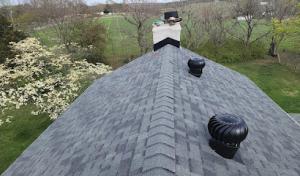
In Forest, the rhythm of spring storms and winter freeze-thaw cycles drives when contractors are busiest. After a heavy spring weather event, you'll likely see backlogs that push prices higher and shorten scheduling windows. Because asphalt shingles remain the baseline in this market and metal is a common upgrade, you'll notice cost shifts most clearly in labor availability and short-notice bids during peak demand. Plan for a window where weather looks stable for a few days and crews can devote a tear-off to a full replacement rather than juggling multiple small repairs. If a project stretches from late spring into early summer, expect slight premium for expedited service or weekend work.
Forest follows the broader regional pattern where asphalt shingles are the standard and metal roofs serve as a more durable upgrade. Based on typical costs, expect asphalt shingles to run roughly 350 to 550 USD per square, with metal roofing generally in the 900 to 1,800 USD per square range. If you're weighing a higher-end option, clay or concrete tiles sit well above asphalt, and synthetic or composite shingles offer a mid-range alternative. In practical terms for a standard home, the difference between choosing asphalt and stepping up to metal often accounts for a meaningful portion of the project budget, especially when you factor in any teardown, disposal, and disposal-related stress during busy seasons.
Seasonal moisture swings near the Blue Ridge mean the tear-off may reveal more than expected. Moisture-damaged decking discovered after removal is a common surprise that can add to the final bill, as replacement decking and additional underlayment become necessary. In Forest, these findings often push the project into the next tier of materials or require extended labor time to verify a solid substrate. If a full tear-off is performed, you'll want to budget for the possibility that decking and flashing components need reinforcement or replacement beyond the plan. These contingencies are more likely to surface when spring storms have stressed roofs and when crews uncover damage only after removing the old roof.
When you're weighing options, remember that asphalt is the baseline that aligns with typical Forest housing stock, while a metal upgrade adds long-term durability and may better resist moisture-related wear in this climate. Use the square-footage ranges above to estimate a target budget, then build in a contingency for potential decking repairs and any surge pricing caused by tight contractor availability after storms.
Get a clear picture of your project costs upfront - no commitment required.
Seasonal cycles in this foothill setting relentlessly test roof details before the main field shows trouble. Freeze-thaw cycling stresses flashing where the roof meets walls, chimneys, skylights, and vent stacks. If flashing starts to fail, water finds its way into the deck through those penetrations long before you notice a broad roof leak. In practice, that means a careful eye on transitions-step flashing along dormers, around chimney legs, and where the roof meets siding-can save you a much bigger repair downstream. Expect those failures to appear as slow seepage that worsens after a hard freeze or a heavy melt, not as a dramatic gash of shingles.
Skylights and chimney intersections consistently show up in service calls after storms or winter lockups. These features create complex surfaces that shed water unevenly, and any misalignment or deteriorated sealant invites persistent moisture intrusion. In practice, you'll want to inspect the flashing and seal around skylines and chimneys year to year, especially after heavy rains or rapid temperature swings. When leaks begin at these corners, the water often travels along inner layers before a visible stain appears, so addressing the root flashing is crucial rather than chasing a surface drip.
Forest's tree-rich neighborhoods leave many roofs shaded for significant portions of the day. That shading slows drying after moisture events, leaving valleys and transitions wet longer than sunny facades. In those settings, valleys, step flashing, and transitions into debris-prone zones become hot spots for leaks. Debris accumulation from nearby branches compounds the risk, acting as a dam that channels water into vulnerable joints. Regular cleaning and targeted inspection of these areas after windy or stormy spells can catch problems early, when repairs are smaller and less invasive.
Find contractors experienced in skylight installation, flashing, and leak repairs to bring natural light into your home.
The market here favors contractors who can stop an active leak fast and line up re-roofing soon after a storm passes. Homeowners look for crews that can be on-site within hours of reporting a leak and can commit a solid follow-up date for a full roof replacement or major repair once the weather window opens. When evaluating bids, prioritize responders who lay out a clear plan to halt active water intrusion, protect interior spaces, and lock in a re-roof date with minimal downtime. In practice, this means a contractor who uses rapid tarping, temporary underlayment, and a concise reschedule path if more moisture moves in.
Cleanup is a meaningful local hiring factor in Forest due to the common detached home layout and surrounding plantings. Look for crews that show up with a concrete plan to manage tear-off debris, stray nails, and edge protection around shrub beds and lawns. Ask about nail pickup protocols, magnet sweeps after tear-off, and how they shield landscaping from dropped debris and heavy equipment. A reliable crew will walk the property pre-job to map cleanup zones, cover delicate plantings, and leave the yard in harvest-ready condition rather than bare, scattered mess.
Long-established, licensed, and affordable contractors have visible traction in this market, indicating homeowners tend to balance price with proof of legitimacy rather than chasing highly specialized niches. Seek firms with solid local references, consistent crews, and transparent timelines. Favor those who demonstrate experience across a range of roof styles common here-steep pitches, seasonal moisture swings, and asphalt or metal respecting Blue Ridge-driven humidity cycles. The best choice shows steady liability coverage, clear communication, and a plan that remains practical when winter freezes stress the system.
Get a clear picture of your project costs upfront - no commitment required.